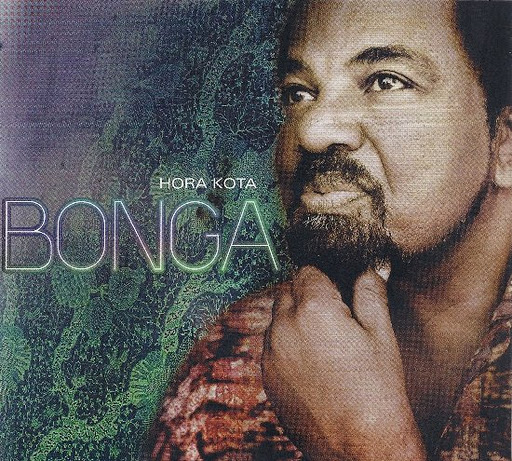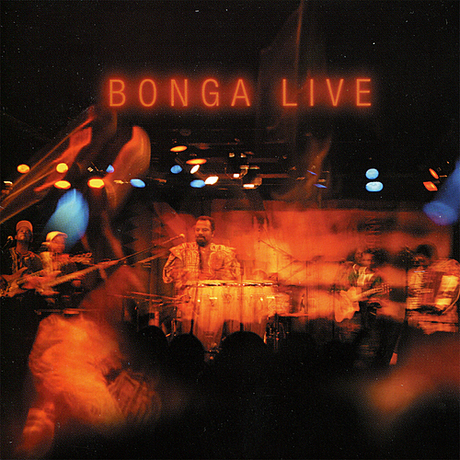
Biography
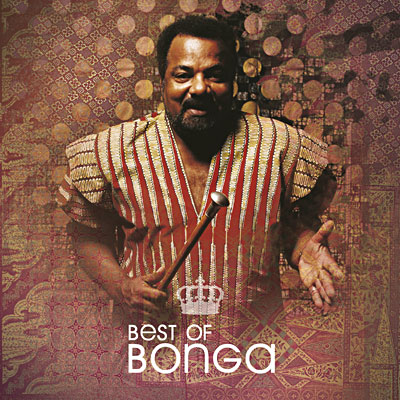
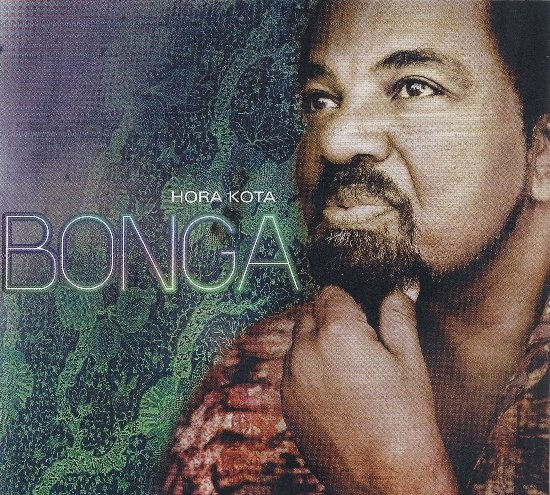
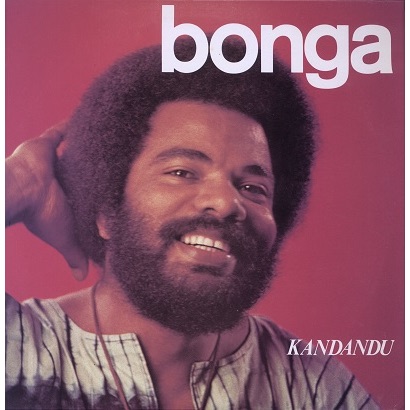
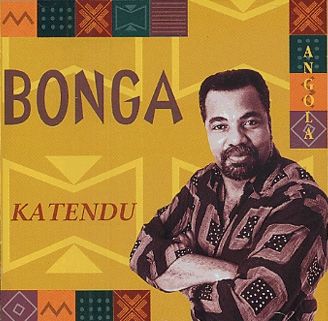
Bonga: the voice that made Angolan freedom sing
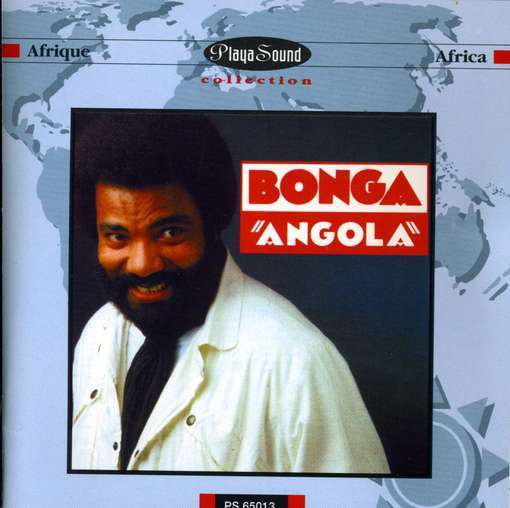
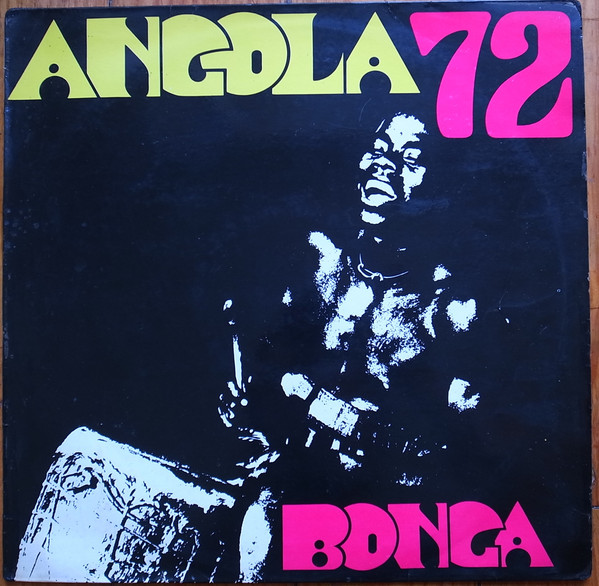
In 1972, in a Rotterdam studio, a former Portuguese 400 m champion puts down his microphone and sings Mona Ki Ngi Xica — my child, I must leave. The album Angola 72 crosses the border and enters Angola clandestinely, still under Portuguese domination. The Carnation Revolution overthrows the regime. Bonga returns — but his fight is far from over.
In brief
| Birth name | José Adelino Barceló de Carvalho |
| Stage name | Bonga (or Bonga Kuenda) |
| Birth | September 5, 1942, Kipiri (Bengo province), Angola |
| Field | Angolan music – semba, folk |
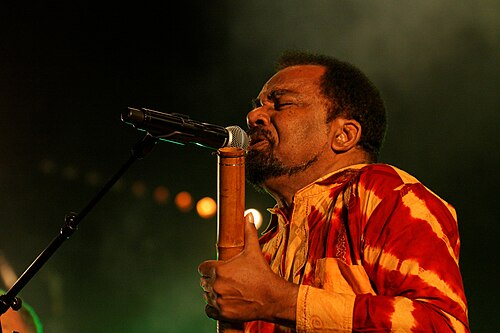
| Instruments | Voice, dikanza (small bamboo flute), congas |
| Main label | Lusafrica |
| Signature works | Mona Ki Ngi Xica, Sodade, Mulemba Xangola |
| Distinction | Knight of the Order of Arts and Letters (France, 2014) |
Key dates
| Year | Event |
|---|---|
| 1942 | Birth in Kipiri, Bengo province, Angola |
| 1957 | Debut in music at age 15, in the group Kissueia |
| 1965-1970 | Portuguese record holder for the 400 m, runs for Benfica |
| 1972 | Exile in Rotterdam; recording of Angola 72 and adoption of the name Bonga |
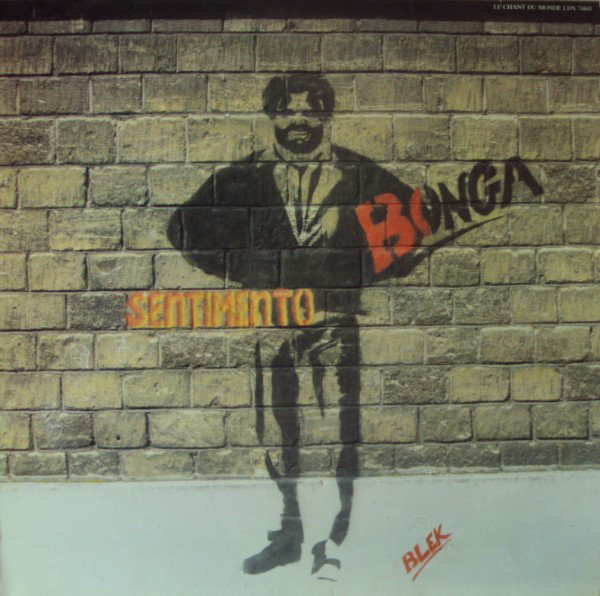
| 1974 | Release of Angola 74, containing the pioneering version of Sodade |
| 1975 | Independence of Angola; joining the Semba Tropical orchestra |
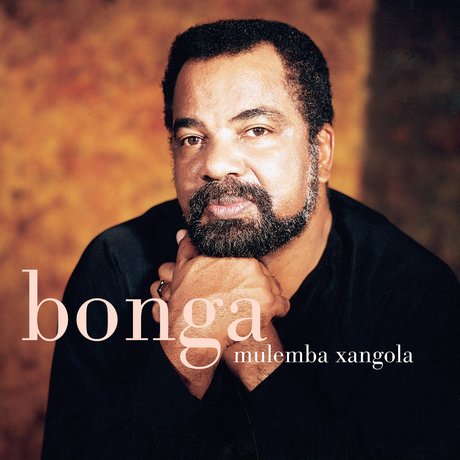
| 2000 | Signing with Lusafrica and release of Mulemba Xangola as a duo with Lura |
| 2014 | Distinction as Knight of Arts and Letters by France |
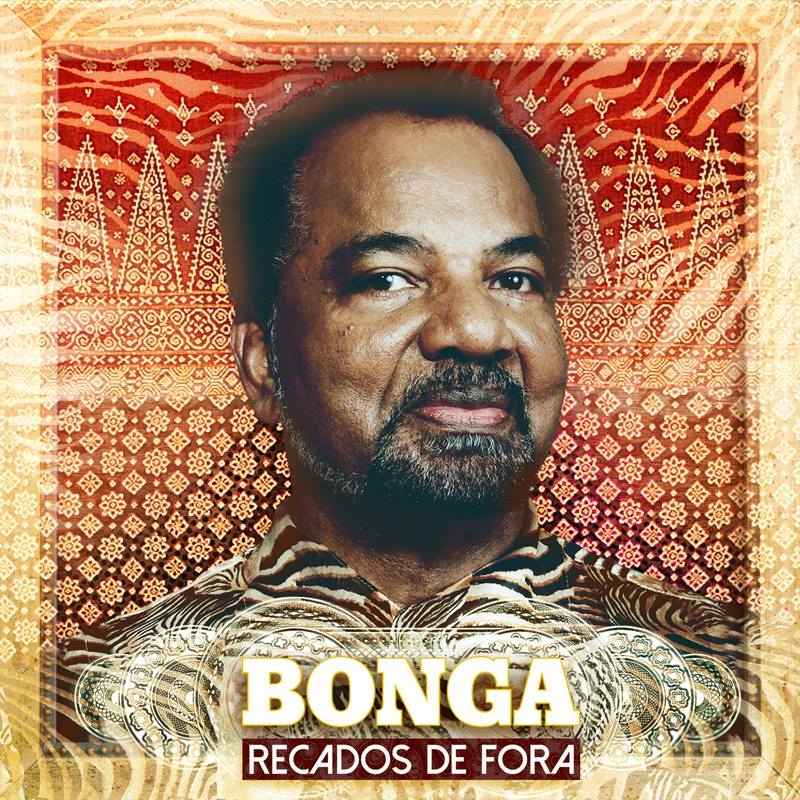
| 2016 | Release of Recados de Fora at age 74 |
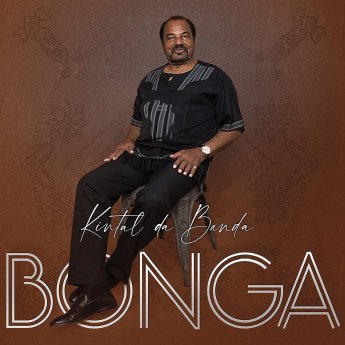
| 2022 | Last known album, Kintal da Banda, at age 80 |
From track to flute: athlete, activist, singer
José Adelino Barceló de Carvalho grew up in Bengo province, Angola, then a Portuguese colony. From childhood, he learned the dikanza, that small bamboo flute accompanying his father, and let himself be won over by semba, this Angolan music where the joy of dancing is woven with ancestral memory. At fifteen, he formed the group Kissueia and sang texts that reactivated African culture then forbidden by colonizers.
His athletic talents carried him to Portugal at twenty-three. He joined Benfica teams and became the national record holder for the 400 m. Irony of history: this sporting glory offered him a freedom of movement few Angolans possessed. He abused it. Under the name Bonga Kuenda — “the one who walks” — he carried messages between exiled MPLA fighters and resistants still in Angola. When the Portuguese political police, PIDE, understood the deception, he only had time to flee: forced into exile in Rotterdam.
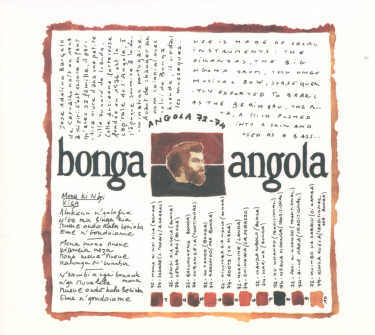
In Rotterdam, in 1972, Bonga recorded Angola 72 with Cape Verdean musicians. Mona Ki Ngi Xica became the clandestine hymn of the independence struggle, a song described by the press as “ardently political”. The Portuguese regime reacted: an arrest warrant was issued for “seditious words”. Forced to move, he lived in wandering between France, Germany and Belgium. Angola 74, recorded in Paris, confirmed the talent with a pioneering version of Sodade, which Cesária Évora would popularize twenty years later.
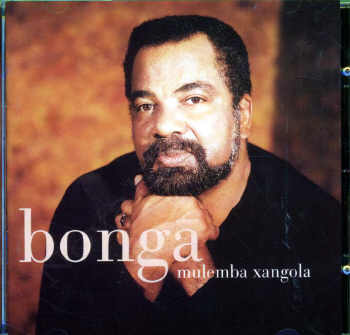
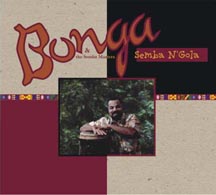
After the independence of Angola in 1975, Bonga returned to his country and sang in the Semba Tropical orchestra. But the new power, confronted with a bloody civil war, eventually disappointed him. He returned to Europe, settled in Lisbon, and refused to wear the costume of variety singer that some producers offered him. It was only in 2000, at age 58, that he signed with Lusafrica and found an international audience again with Mulemba Xangola, sung as a duo with singer Lura — a manifesto for national reconciliation.
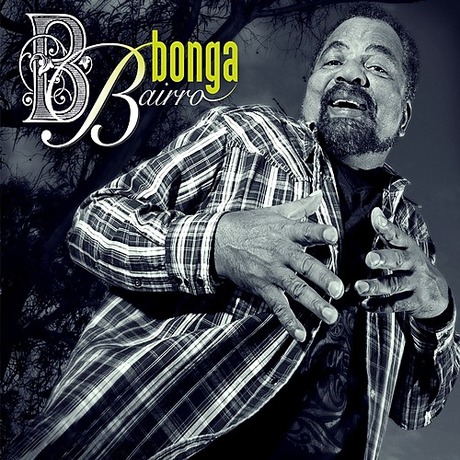
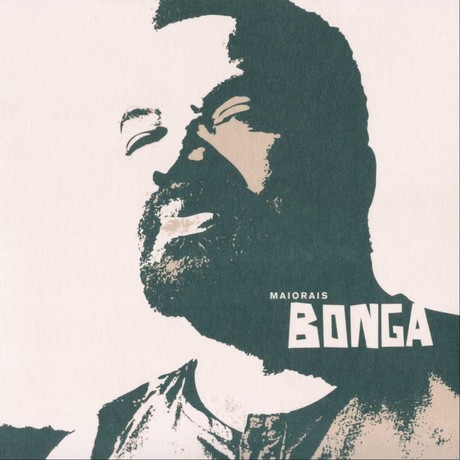
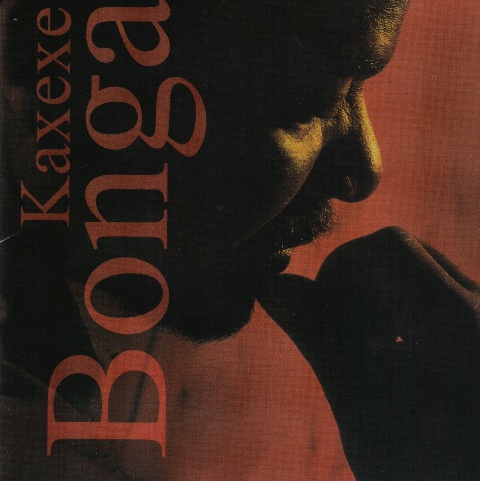
Between 2000 and 2022, Bonga recorded half a dozen albums praised by critics, including Kaxexe (2003), Maiorais (2006), Bairro (2008), Recados de Fora (2016) and Kintal da Banda (2022). “My revolution is not finished,” he affirmed in an interview with Inrocks in 2016.
Major works
| Work | Year | Why it is essential |
|---|---|---|
| Angola 72 | 1972 | First album recorded in Rotterdam; Mona Ki Ngi Xica becomes the hymn of the Angolan independence struggle |
| Angola 74 | 1974 | Pioneering version of Sodade, revived twenty years later by Cesária Évora and become a classic of the Lusophone diaspora |
| Mulemba Xangola | 2001 | Duo with Lura: a song for national reconciliation, a few years after the end of the civil war |
Legacy and influence
Bonga paved a path that generations of Angolan and Lusophone artists subsequently followed. His name is now synonymous with semba internationally — a genre that younger generations often know through kizomba, its modernized daughter. Artists like Gaël Faye or Lexxus Legal cite his influence, and fado author Ana Moura invited him to perform in Lisbon in a tribute to Amália Rodrigues. Beyond music, Bonga embodies cultural resistance: an artist who fought colonization and then the drifts of post-colonialism without ever bowing to compromises. In the eyes of many Angolans, he remains the ambassador of a culture that refuses to disappear.
Sources and references
- “Bonga — Icon of Angolan music”, Lusafrica, https://www.lusafrica.com/en/our-artists/bonga/, accessed October 19, 2025.
- “Bonga (musician)”, Wikipedia (EN), https://en.wikipedia.org/wiki/Bonga_(musician), accessed October 19, 2025.
- “Bonga (musicien)”, Wikipedia (FR), https://fr.wikipedia.org/wiki/Bonga_(musicien), accessed October 19, 2025.
- “Bonga: The portrait of a revolutionary singer”, Euronews, https://www.euronews.com/2020/12/08/bonga-the-portrait-of-a-revolutionary-singer, accessed October 19, 2025.
- « INFATIGABLE BONGA », RFI Musique, https://musique.rfi.fr/musique/20031001-infatigable-bonga.html, accessed 19 October 2025.
- « Bonga: « my revolution is not yet finished » », Les Inrocks, https://www.lesinrocks.com/musique/bonga-interview-recados-de-fora-58844-18-11-2016/, accessed 19 October 2025.
- « Decoding Bonga Kwenda’s Mona Ki Ngi Xica », Playing For Change, https://playingforchange.com/articles/decoding-bonga-kwendas-mona-ki-ngi-xica-a-message-from-angola-to-the-world, accessed 19 October 2025.
- « Bonga: Angolan legend of semba: a journey of commitment and music », Euronews, https://fr.euronews.com/2020/12/08/bonga-legende-angolaise-du-semba-un-parcours-d-engagement-et-de-musique, accessed 19 October 2025.
- Bonga — Biography, AllMusic, https://www.allmusic.com/artist/bonga-mn0000084659, accessed 19 October 2025.