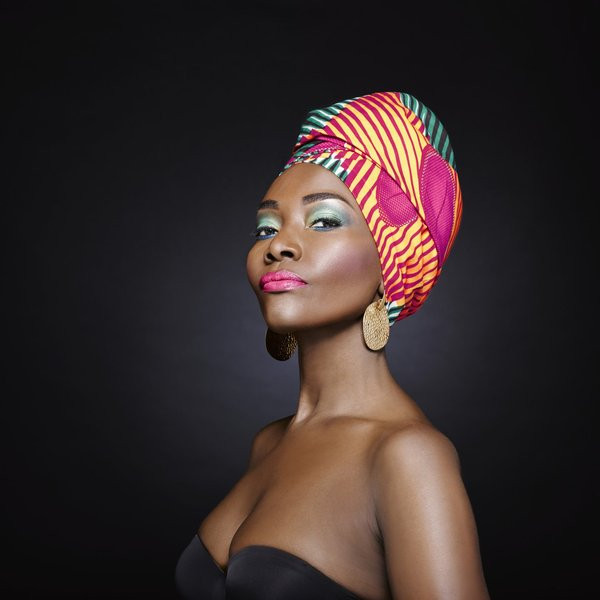

Biography
Coumba Gawlo
Le Centre Culturel Blaise Senghor, Dakar. On the day of the Voix d’or du Sénégal competition, a fourteen-year-old girl steps forward and performs “Soweto,” a song written by her father in tribute to Nelson Mandela. The audience rises. That evening, a legend of Senegalese music is born. Forty years later, known as “The Diva with the Golden Voice” — as she is called in Senegal — Coumba Gawlo still sings, a voice for the disadvantaged children and an ambassador for UNDP.
In Brief
| Full Name | Coumba Gawlo Seck |
| Birth | January 29, 1972, Tivaouane (Thiès), Senegal |
| Genre | Mbalax — Senegalese rhythms blended with folk and acoustic pop |
| Signature Works | “Pata Pata”, Yo Malé, Sa Lii Sa Léé |
| Awards | 2× gold record (Belgium), platinum (France), Kora Awards |
| Nickname | “The diva with the golden voice”; griotte (the name her father gave her) |
| Labels | Syllart, Sabar, BMG France |
Key Dates
| Year | Event |
|---|---|
| 1972 | Birth in Tivaouane, within a family where music inhabits every living room |
| 14 years old | Wins the Voix d’or du Sénégal competition, singing “Soweto” by her father |
| 1986-1990 | Self-produced cassettes circulate in Senegal; beginning of secondary studies |
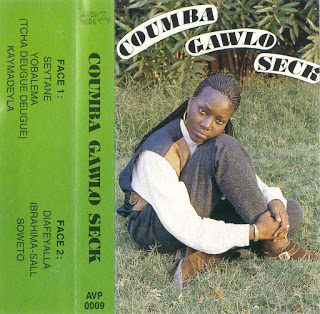
| 1990 | Seytané under Syllart: first professional album, immediate success |
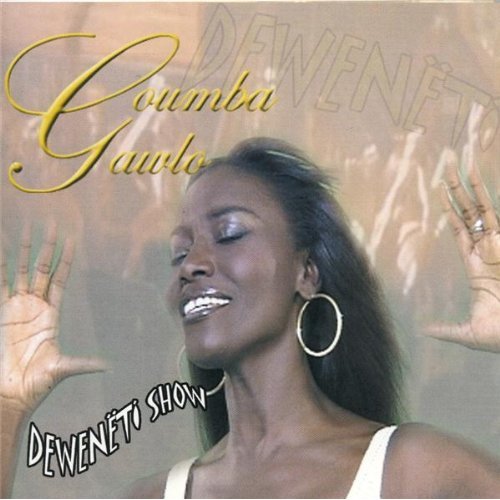
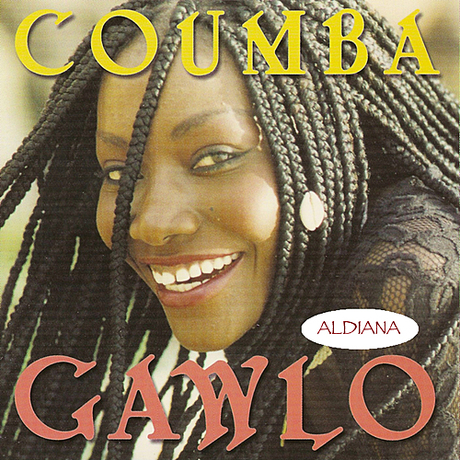
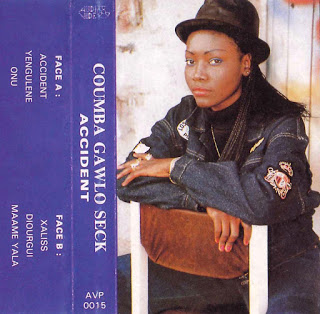
| 1992-1996 | Accident, Deweneti, Kor Dior, Aldiana: the young star consolidates her position |
| 1998 | Yo Malé with Patrick Bruel (BMG France): double gold record in Belgium, platinum in France |
| 2001 | Two Kora Awards — Best African Female Artist and Best West African Artist |
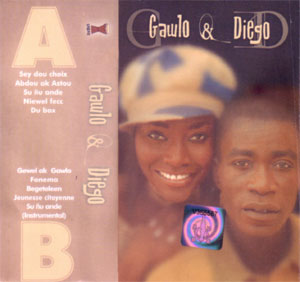
| 2003 | Gawlo & Diego (duo with Souleymane Faye): notable collaboration |
| 2009-2013 | Vocal pathology, hiatus of several years; triumphant return to the stage |
| 2017 | Sings “For our sisters and for our mothers” at the 2017 Africa Cup of Nations final in Gabon |
| 2018-2023 | Terrou Waar, Sen Gawlo Yeksina: recent albums, still on tour |
Griotte, Star, and Ambassador: Coumba Gawlo’s Journey
Coumba Gawlo Seck was born on January 29, 1972, in Tivaouane, a small town near Thiès in Senegal. Her father, a passionate traditional Senegalese music composer, and her mother Fatou Kiné Mbaye — a griotte singer in her own right — offered her a cradle of percussion. From the age of seven, Coumba accompanied her mother during family rehearsals. Her father spotted her talent immediately and gave her the name Gawlo, which means griot in Pulaar, as a prophecy. The Senegalese adolescence of the 1980s saw her sing at every possible occasion — fairs, school competitions. At only fourteen, she won the Voix d’or du Sénégal competition by performing “Soweto,” a poignant song by her father on apartheid. The event was a springboard: the young girl received national recognition that opened the doors to recording studios.
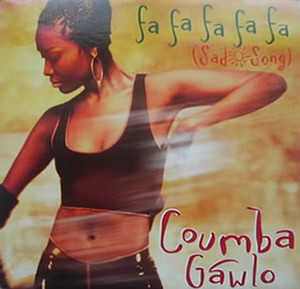
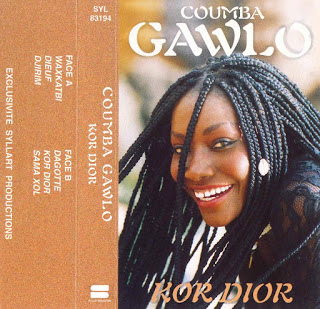
When Seytané was released in 1990 on the Syllart label, Coumba Gawlo’s voice made a sensation. The arrangements signed by Manu Lima and certain compositions by Thione Seck placed the album at the crossroads of traditional mbalax and modern production. The public immediately adopted the new star, the one who sings mbalax — this style born in Dakar in the 1970s where the sabar, a traditional hourglass-shaped drum, pulses under electric guitar chords and female backing vocals. The albums that followed — Accident (1992), Deweneti (1994), and Kor Dior — placed her among the sure bets.
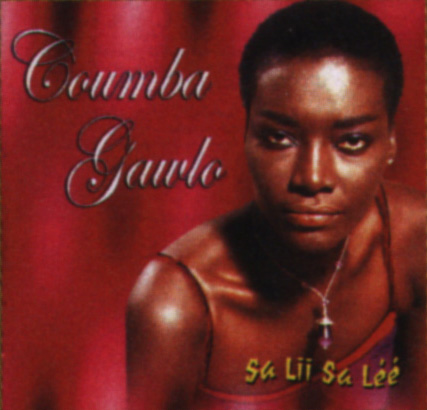
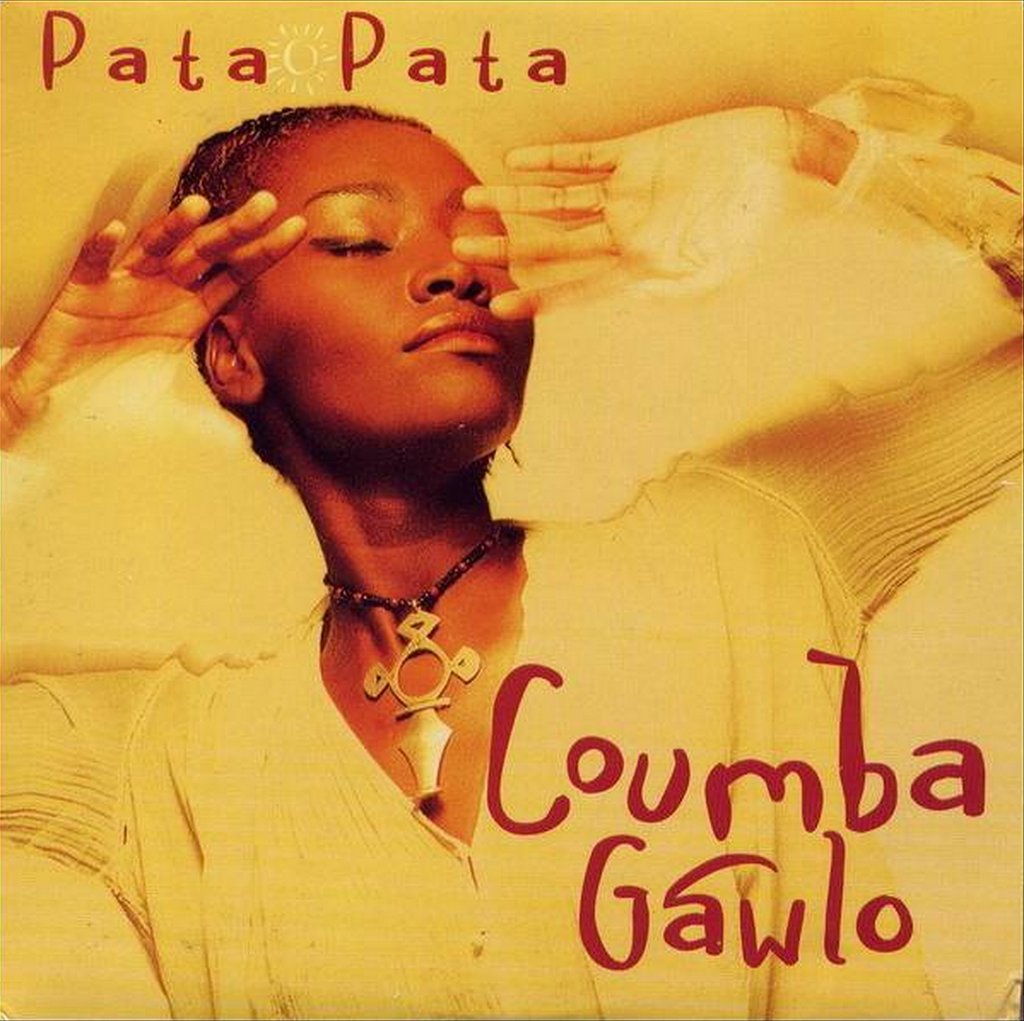
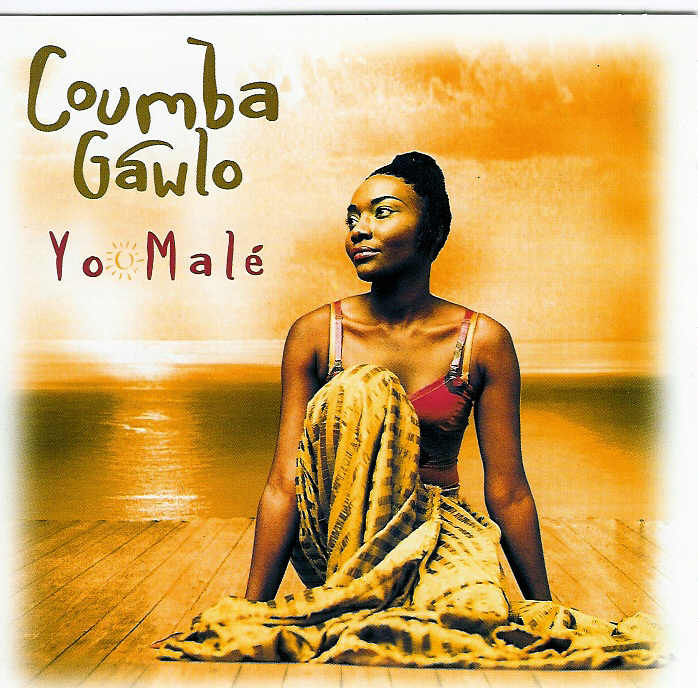
But it was in 1998 that international recognition struck. Yo Malé, recorded at Patrick Bruel’s studio and distributed by BMG France, proposed a version of the hit “Pata Pata” by Miriam Makeba. The title became a phenomenon: platinum record in France, where 50,000 copies sold in a single day; double gold record in Belgium, where it topped the charts for two weeks. Coumba Gawlo was no longer just a Senegalese star — she was an African voice. The Kora Awards crowned this success: two trophies in 2001, Best African Female Artist and Best West African Artist for Sa Lii Sa Léé, an album from which the title “Bine Bine” celebrates the sensuality of the Senegalese woman.
Coumba Gawlo does not just sing: she commits. As early as 1999, she joined the ranks of the Enfoirés — these artists gathered by Charles Aznavour to sing for Restos du Cœur. She became a godmother to the UN High Commissioner for Refugees in 2002, then a goodwill ambassador for UNDP. Her foundation, Lumière pour l’Enfance, works for sick and disadvantaged children in Dakar. She was seen alongside Koffi Olomidé, Youssou N’Dour, and Oumou Sangaré at the Africa for Haïti concert in 2010, at the Léopold Sédar Senghor Stadium in Dakar. On May 15, 2017, she sang “For our sisters and for our mothers” — a tribute to the fight against breast cancer — at the final of the Africa Cup of Nations in Libreville, Gabon.
The singer must finally overcome adversity in 2009-2013. A vocal pathology forced her to stop her musical activity for several years, a period she describes as being between life and death. She triumphed over the ordeal, returned to the stage with flair, and published several recent albums — Terrou Waar (2018), Sen Gawlo Yeksina (2015) — proving that her voice, a true instrument, does not weaken.
Major Works
| Work | Year | Why It’s Essential |
|---|---|---|
| Seytané (album) | 1990 | First professional record that launched her career and established female mbalax |
| “Pata Pata” (single) | 1998 | Remake by Miriam Makeba that reached platinum in France and double gold in Belgium |
| Yo Malé (album) | 1998 | Recording with Patrick Bruel, BMG production, international consecration |
| Sa Lii Sa Léé (album) | 2001 | “Bine Bine”: ode to Senegalese sensuality, two Kora Awards |
| “Pour nos sœurs et pour nos mères” (song) | 2017 | Feminist and anti-cancer anthem sung at the CAN final in Gabon |
Legacy and Influence
Coumba Gawlo Seck remains one of the few Senegalese singers to have conquered both European and African markets at the same time. She paved the way for the following generations of African female singers, from Oumou Sangaré to Charlotte Dipanda. More than an artist, she embodies what the African griot has most relevant: music in service of causes, a commitment for disadvantaged children and women. At 54, her repertoire continues to vibrate from the sabar drums to the choirs of Restos du Cœur.
Sources and References
- « Coumba Gawlo Seck », Wikipedia (FR), https://fr.wikipedia.org/wiki/Coumba_Gawlo_Seck, accessed November 6, 2025.
- « Coumba Gawlo », Wikipedia (EN), https://en.wikipedia.org/wiki/Coumba_Gawlo, accessed November 6, 2025.
- Frank Bessem, « Coumba Gawlo (Seck) (Senegal) », Musiques d’Afrique, https://www.musiques-afrique.net/senegal/art-gawlo.html, accessed November 6, 2025.
- « Coumba Gawlo Seck », Afrisson, https://www.afrisson.com/coumba-gawlo-seck-5740/, accessed November 6, 2025.
- NewStoriesAfrica, « Coumba Gawlo Seck: Biographie, Actualité & Infos », https://www.newstoriesafrica.com/tag/coumba-gawlo-seck/, accessed November 6, 2025.
- « Coumba Gawlo ambassadrice de charme du Sénégal — Interview exclusive », Afrik.com, accessed November 6, 2025.
- « COUMBA GAWLO », Ashinaga, https://www.ashinaga.org/en/about-us/kenjin-tatsujin/coumba-gawlo/, accessed November 6, 2025.
- Coumba Gawlo, Rate Your Music, https://rateyourmusic.com/artist/coumba_gawlo.