Biography
Faya Tess
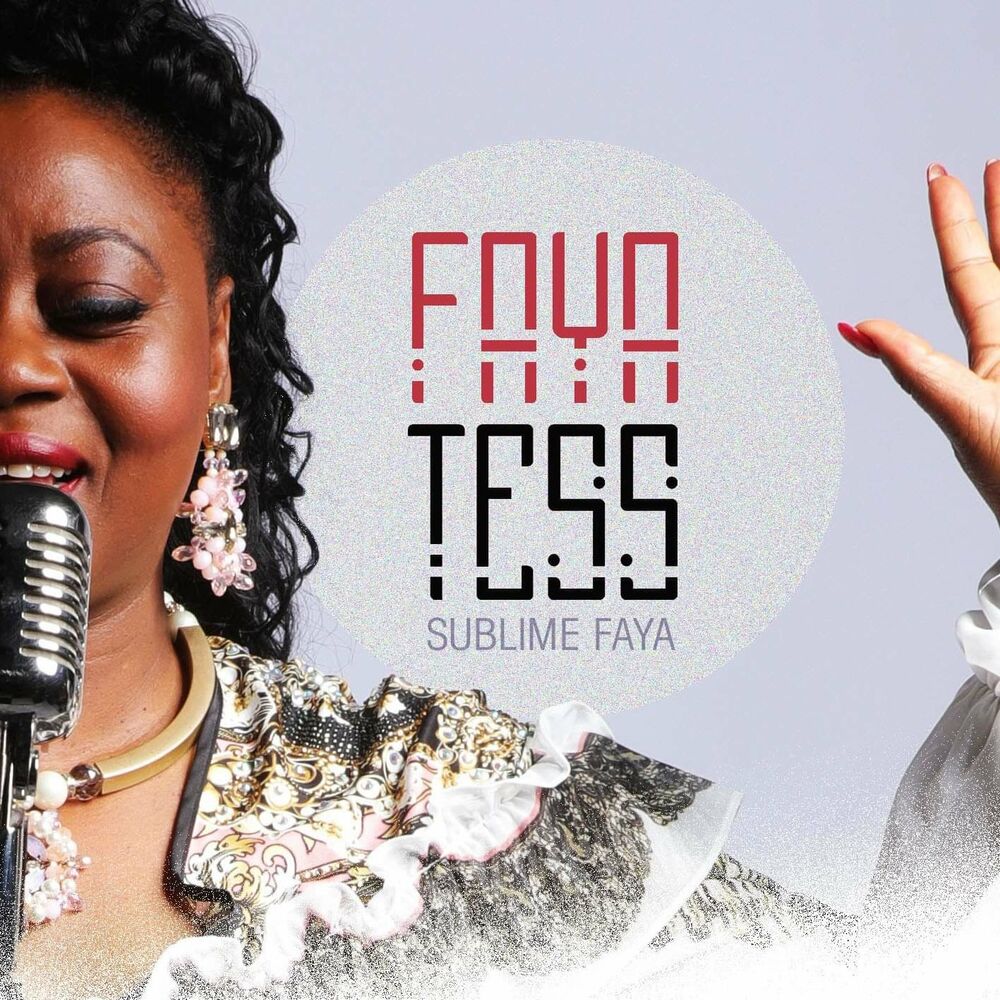
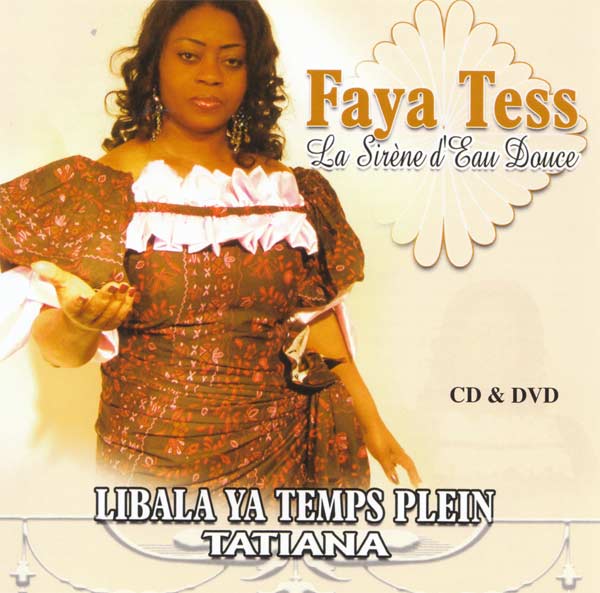
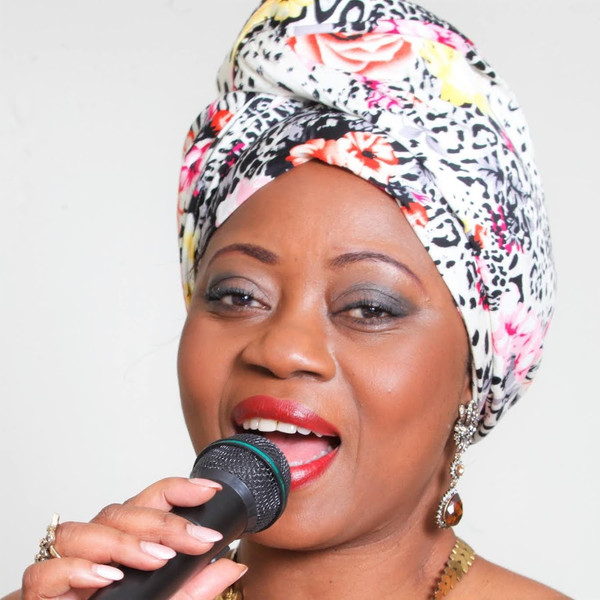
Beneath her gentle melodies lies a volcano. Faya Tess embodies the paradox of modern Congolese rumba: the “burning fire” of her name and the “freshwater siren” of her nickname1. Her velvety voice makes her the direct heir of the founding fathers of Congolese rumba, while simultaneously imposing her own social themes.
In Brief
| Full Name | Thérèse Kishila Ngoyi |
| Stage Name | Faya Tess |
| Birth | 1966, Kinshasa, Democratic Republic of the Congo |
| Field | Singer, songwriter; Congolese rumba and soukous |
| Notable Works | Keba, Selimo, Au temps des classiques |
| Awards | Best Central African Female Singer (2000); Litomba Trophy (2014) |
| Based In | Paris, France |
Key Dates
| Year | Event |
|---|---|
| 1966 | Birth in Kinshasa, Zaire (now DRC) |
| 1986 | Abandonment of engineering studies, entry into Afrisa International of Tabu Ley Rochereau |
| 1988 | Album Nadina with Tabu Ley, M’bilia Bel, and Afrisa International |
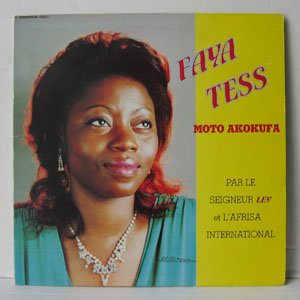
| 1989 | Moto akokufa, album with Tabu Ley and the ensemble |
| 1992 | Departure from Afrisa International; beginning of solo career |
| 2000 | Solo album Keba; award for Best Central African Female Singer |
| 2010 | Forty years of career celebrated in Toulouse |
| 2014 | Désolééé !!! (Litomba Trophy); first volume of Au temps des classiques |
| 2020-2026 | Thirteen volumes of classics and regular international concerts |
Origins: Engineering Abandoned for Rumba
Faya Tess was born Thérèse Kishila Ngoyi in 19662. Congolese rumba, this genre born from the mix of Cuban rhythms and African sonorities that gave rise to soukous — this cascade of guitars that fascinates the continent — already reigned over Kinshasa. She began engineering studies, but destiny redirected her: she set her sights on the temple of rumba, Afrisa International.
In 1986, Tabu Ley Rochereau’s group welcomed her. Upon arrival, Faya Tess distinguished herself: she excelled at both dance and singing, and quickly became the headliner alongside the patriarch. For over six years, she recorded a series of albums with the greatest voices of Afrisa, including M’bilia Bel.
From Rebel to Soloist
What marks Faya Tess is her refusal of usual themes3. Her song Selimo denounces arranged and forced marriages by parents. The title created a scandal and earned her the reputation of an artist who dares to speak out.
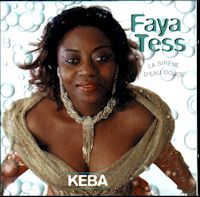
After a decade with Afrisa International, she went solo in 2000. Her first album Keba — “watch out, I’m coming” — is a blend of styles she mastered: rumba, soukous, committed music. Thanks to Keba, she received the award for Best Central African Female Singer4.
Based in France, Faya Tess multiplied tours in Africa, Europe, and the Americas. She committed herself in Paris to actions against AIDS and sexually transmitted diseases, and collaborated with Lokua Kanza on Annulons la dette, a hymn against the continent’s debt5.
The Classics: A Legacy to Preserve
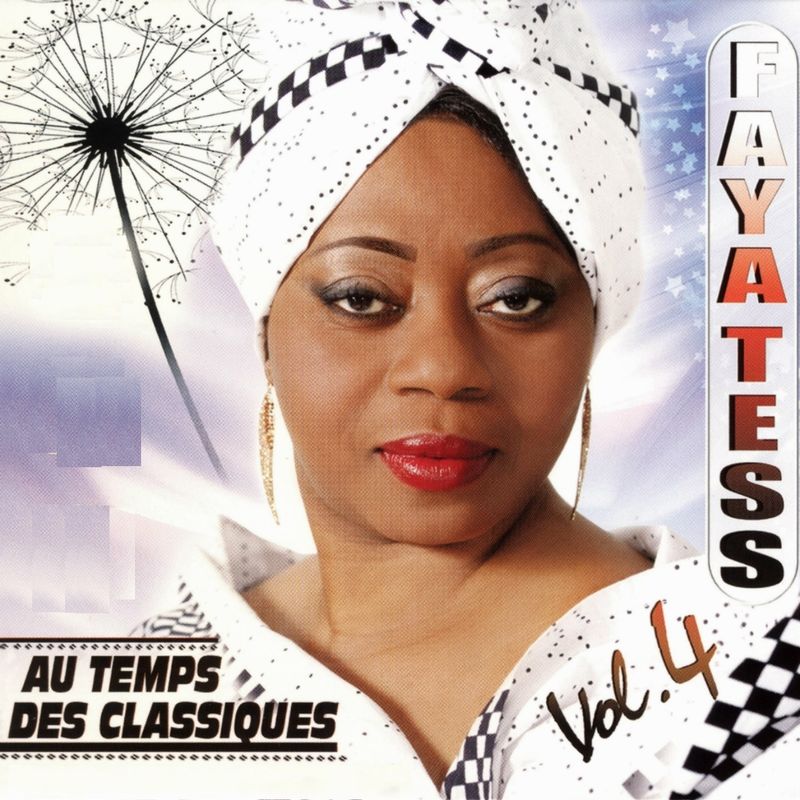
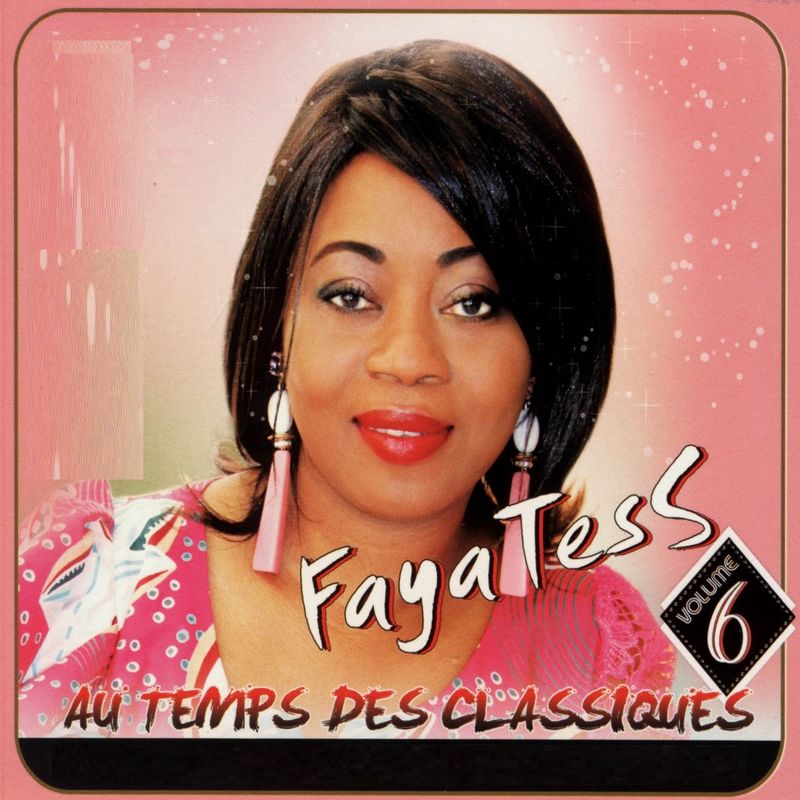
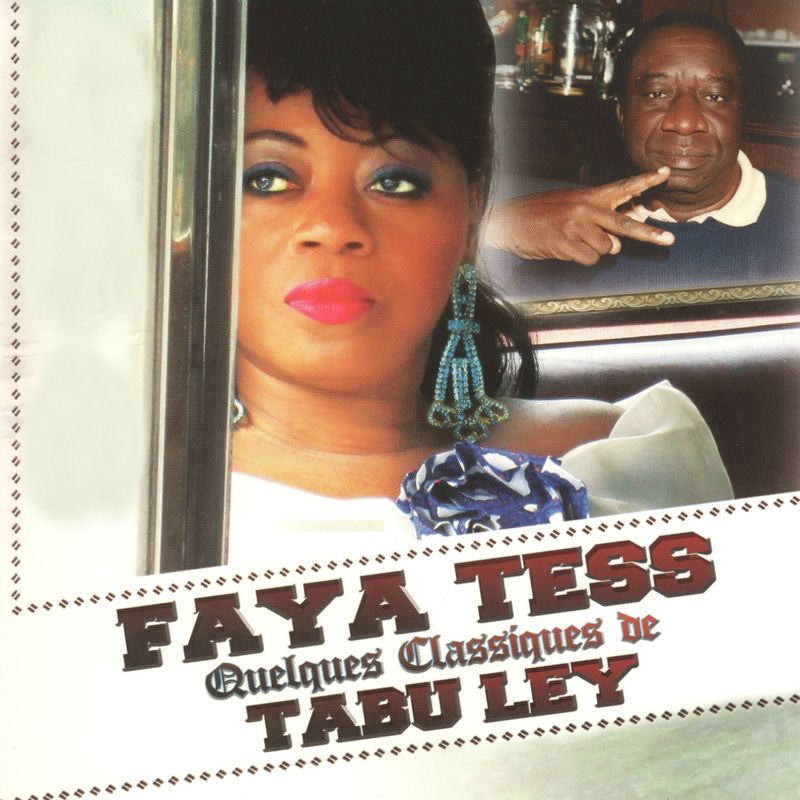
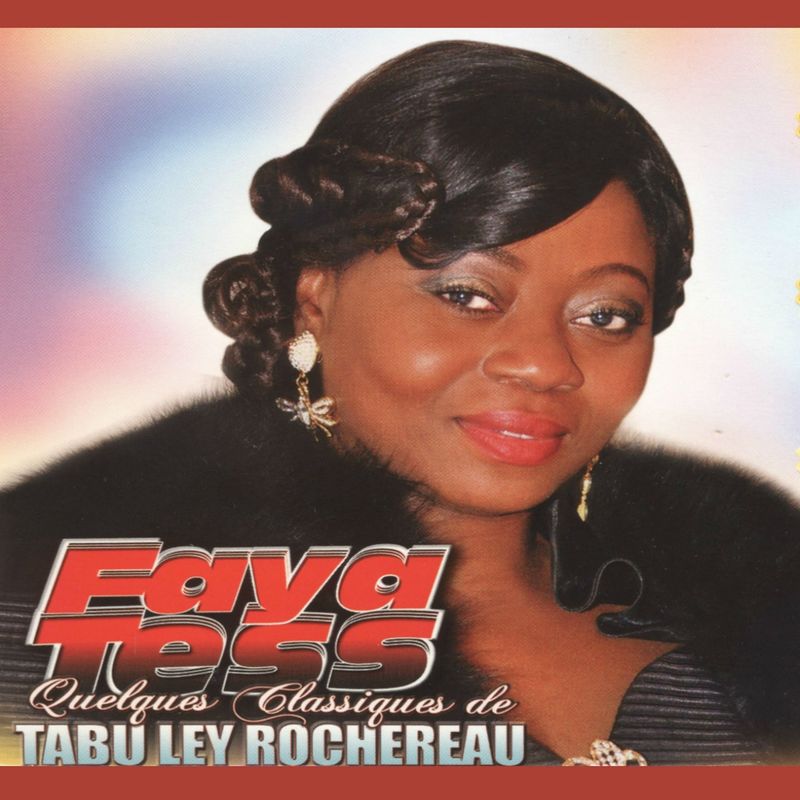
After her solo career, Faya Tess made a unique turn6. In December 2014, she published the first volume of Au temps des classiques, dedicated to Tabu Ley Rochereau who had died shortly before, reinterpreting eleven of his songs with new arrangements. The success was there.
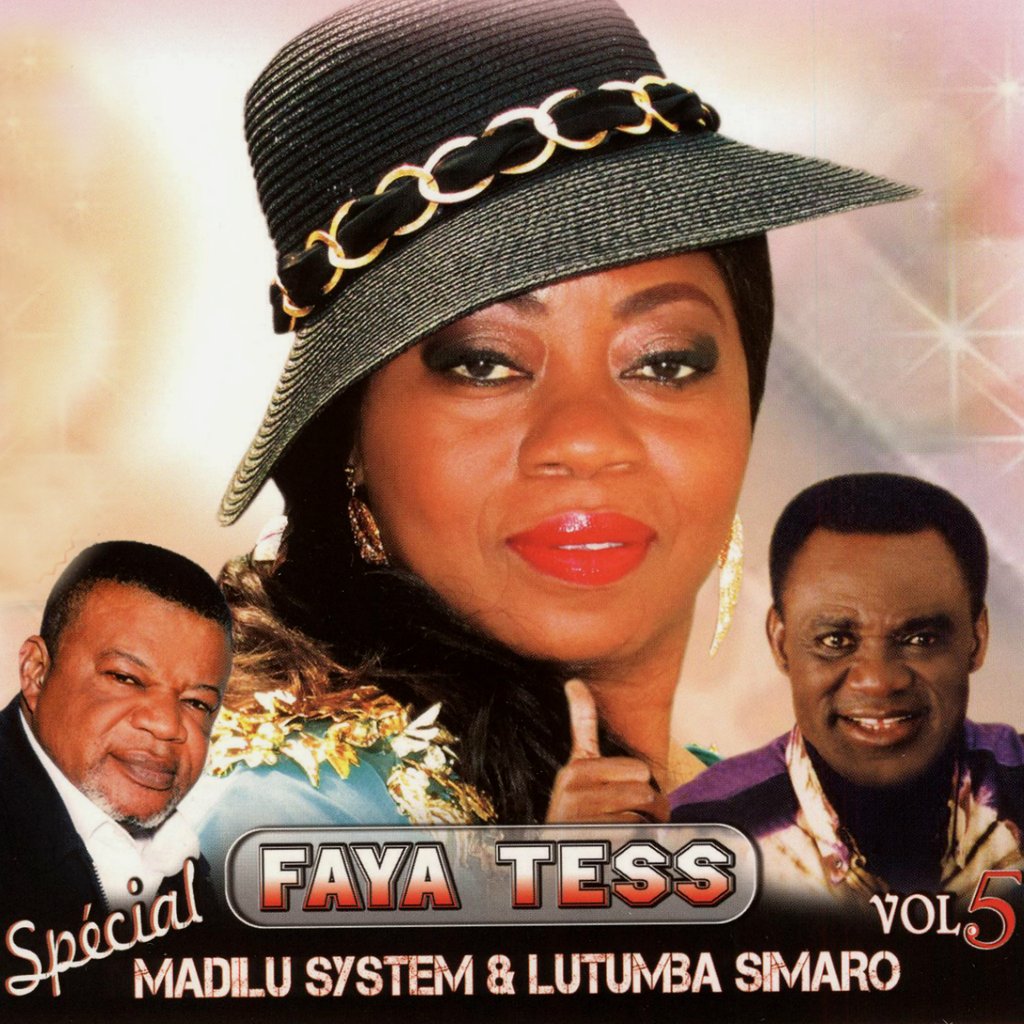
From 2014 to 2026, Faya Tess published thirteen volumes dedicated to the fathers of Congolese rumba — Tabu Ley, Franco Luambo, Grand Kallé, Madilu System, Lutumba Simaro7. “It is to us that the founding fathers left the charge of rumba,” she affirms. Forty years of career behind her, and an agenda that never empties.
Major Works
| Work | Year | Why It Is Essential |
|---|---|---|
| Keba | 2000 | First solo album; award for Best Central African Female Singer |
| Selimo | circa 1990 | Denunciation of forced marriages; establishes her commitment |
| Au temps des classiques (series) | 2014-2026 | Thirteen volumes paying tribute to the fathers of modern rumba |
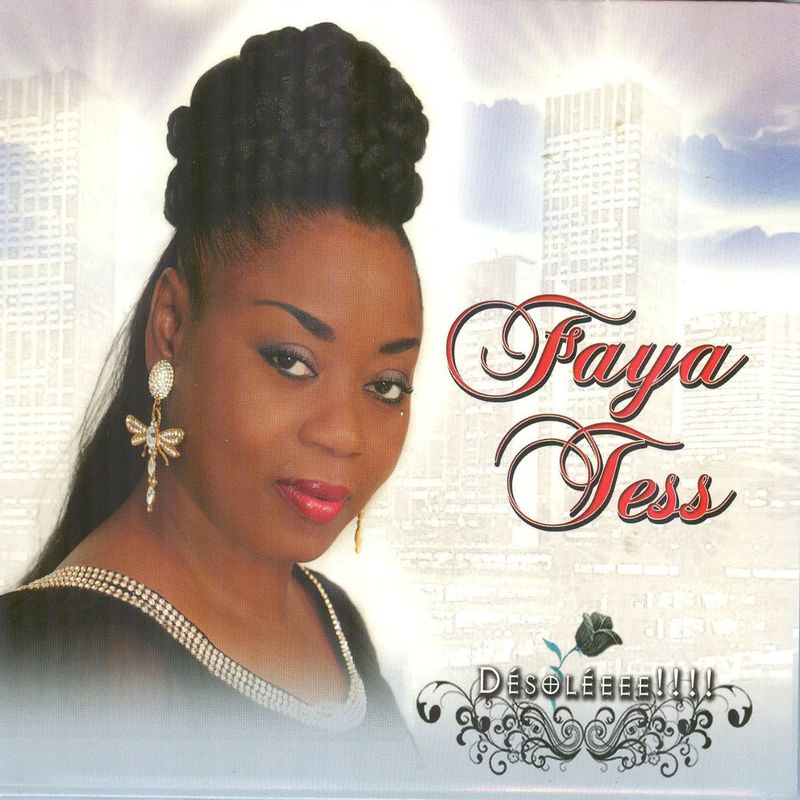
| Désolééé !!! | 2014 | Original album; Litomba Trophy designated best album of five years |
| Annulons la dette | with Lokua Kanza | Hymn against African debt |
Legacy
Faya Tess is one of the few Congolese female voices whose echo crossed the continent’s borders. Heir to Tabu Ley, Franco, and Grand Kallé, she did not simply reprise their repertoires: she adapted them, feminized them, and made them accessible to new generations. Her gentle voice, her social commitment, and her longevity make her a pivotal figure in contemporary Congolese rumba. She proved that one can be faithful to heritage while remaining free to speak of debts, human rights, and society without ever ceasing to dance on the beats of soukous.
Sources and References
-
Faya Tess, biographie.fayatess.com, accessed November 2, 2026. ↩︎
-
Faya Tess, Discogs, accessed November 2, 2026. ↩︎
-
Faya Tess, Jabulani Radio, accessed November 2, 2026. ↩︎
-
Univers Rumba Congolaise, universrumbacongolaise.com, accessed November 2, 2026. ↩︎
-
TNX Africa, tnx.africa, 2024. ↩︎
-
Faya Tess, Discogs, discogs.com/artist/1811307, accessed November 2, 2026. ↩︎
-
Univers Rumba Congolaise, universrumbacongolaise.com, accessed November 2, 2026. ↩︎