Biography
Daara J: the school of Senegalese hip-hop life
Three voices rise in Wolof, French, and English over a beat that oscillates between Jamaican reggae and Manding melodies. Daara J — “the school” or “school of life” in Wolof — is not just a group: it is a reconciliation project between African rhythms and hip-hop, a boomerang returned to the motherland.
In Brief
| Group Name | Daara J |
| Genre | Senegalese hip-hop, political rap |
| Country of Origin | Senegal |
| City | Dakar (Médina, Colobane, Centenaire) |
| Activity Period | 1997–present |
| Label(s) | Déclic, Wrasse Records |
| Current Members | Faada Freddy, N’Dongo D |
| Former Member | Lord Aladji Man |
| Distinction | BBC Radio 3 World Music Award 2004 (Best African Act) |
Key Dates
| Year | Event |
|---|---|
| 1993 | Faada Freddy and N’Dongo D meet Lord Aladji Man at a Dakar free-style session |
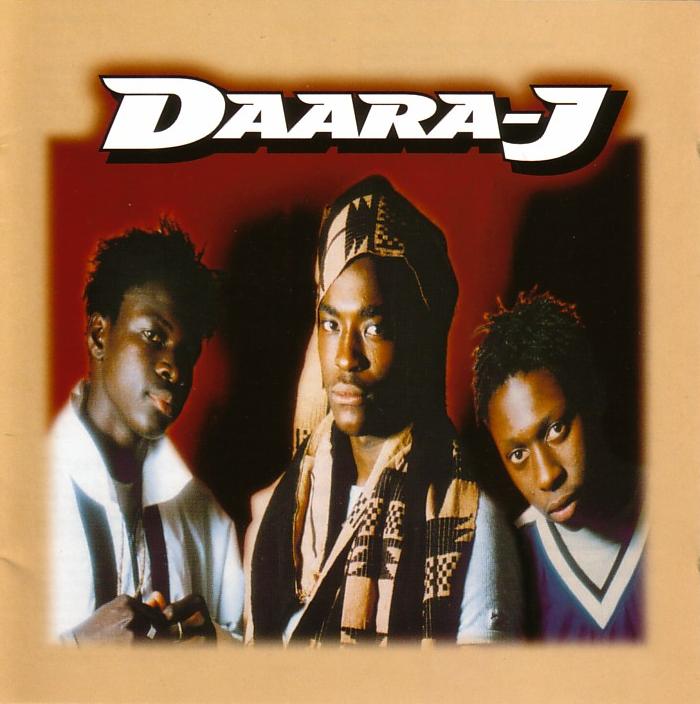
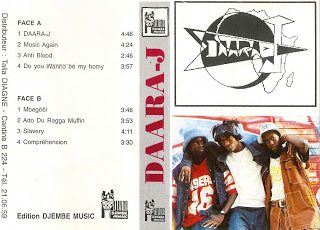
| 1994 | Demo cassette Daara J, 15,000 copies sold |
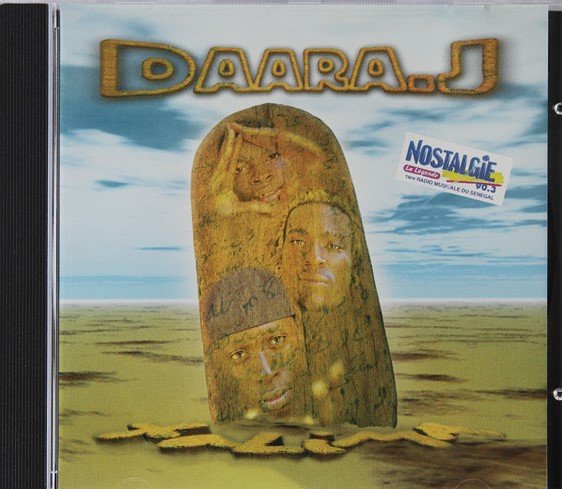
| 1998 | First studio album Daara J, produced by Mad Professor (label Déclic) |
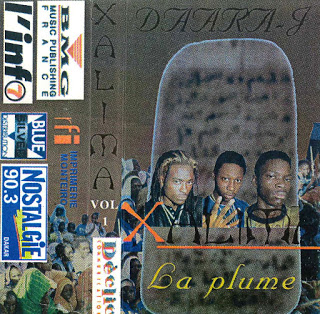
| 1999 | Xalima, political album on slavery and the slave trade |
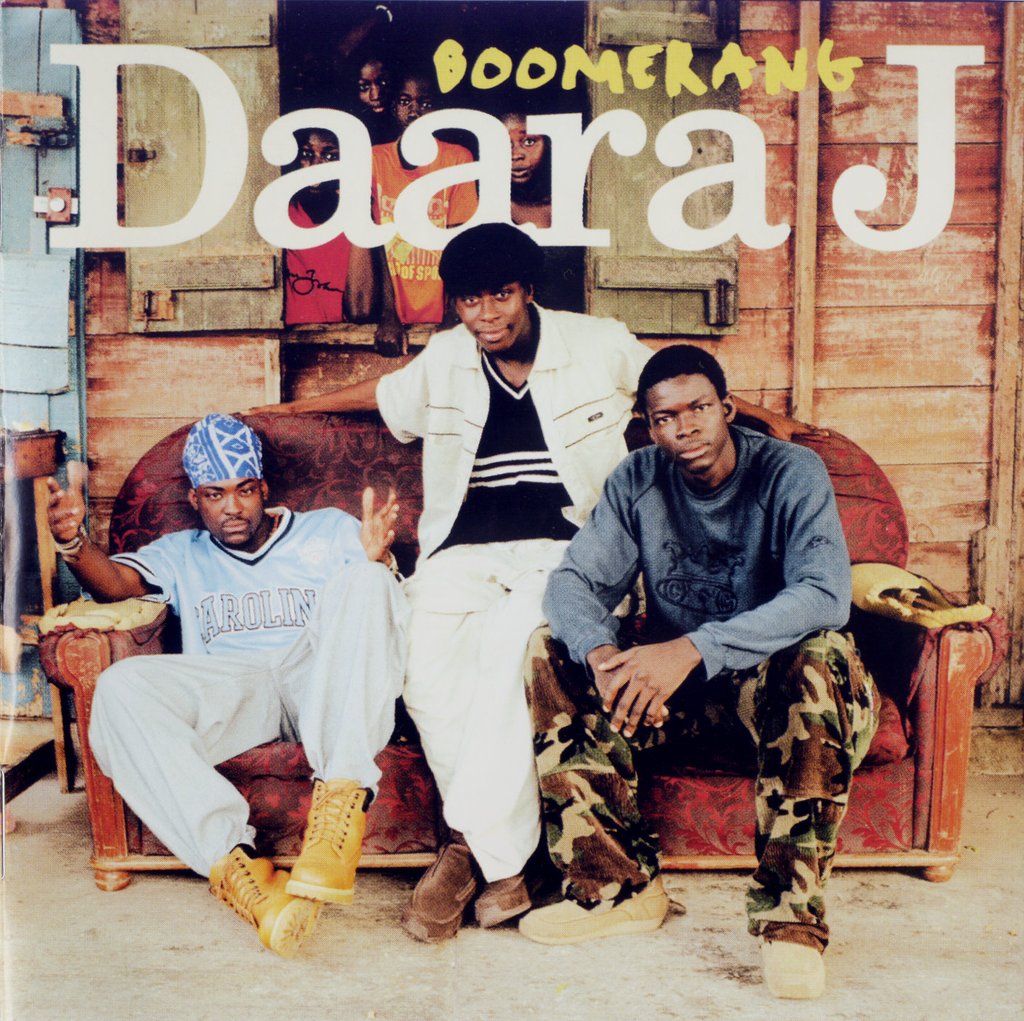
| 2003 | Move to Wrasse Records; Boomerang, critically acclaimed |
| 2004 | BBC Radio 3 World Music Award — Best African Act |
| 2008 | Departure of Lord Aladji Man; duo under the name Daara J Family |
| 2010 | School of Life: duo’s return |
| 2016 | Foundation, independent album |
| 2020 | Yaamatele |
From the Dakar Playground to the World Stage
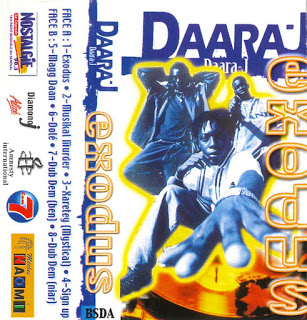
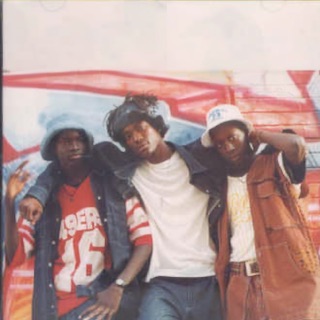
Faada Freddy, whose real name is Abdou Fatha Seck, and N’Dongo D, whose real name is Mamadou Lamine Seck, crossed paths at high school where they studied accounting. In 1993, hip-hop culture exploded in Dakar. Inspired by Grandmaster Flash, Afrika Bambaataa, and Positive Black Soul, they rapped over American or French instrumentals, adding their own percussion. Lord Aladji Man (El Hadj Mansour Jacques Sagna) joined them after a free-style session at the Métropolis discotheque. With a drum machine and an acute sense of melody forged through constraint — one member “singing” the missing instruments — the trio developed a melodic rap that stood out from rigid beats. Their influences blended funk, Cuban music, and African traditions. Their self-titled first album (1998), produced by Mad Professor and distributed by Sony Music, sold 15,000 copies in Senegal and launched them onto European roads. Xalima (1999), conceptualized as a trilogy of the past, present, and future, delves into slavery and the slave trade with the kora and balafon, featuring participation from the curator of the House of Slaves in Gorée. In 2003, Boomerang — distributed by Wrasse Records and titled after the idea that hip-hop, born in Africa, went around the world to return to the continent — became an acclaimed masterpiece, reaching the peaks of European world music charts, featuring Rokia Traoré, and winning the BBC Radio 3 World Music Award 2004. After Lord Aladji Man’s departure in 2008, the duo Faada Freddy and N’Dongo D continued under the name Daara J Family: School of Life (2010) addressed social issues, while Foundation (2016) and Yaamatele (2020) displayed affirmed artistic maturity. Political commitment never ceased: during the 2000 presidential election, the group participated in preparing speeches and the anti-corruption campaign, with Faada Freddy summarizing their mission: “We speak of peace and how we can live together. There is always a solution. Rather than quarreling and fighting, it is better to learn how to live in peace and together, for that is the only way to survive.”
Major Works
| Work | Year | Why It Is Essential |
|---|---|---|
| Daara J | 1998 | First studio album, produced by Mad Professor; trio’s launch |
| Xalima | 1999 | Political album on slavery; kora, balafon, Gorée curator |
| Boomerang | 2003 | Masterpiece: BBC award, Rokia Traoré, European world music chart |
| School of Life | 2010 | Return of the Daara J Family duo; social renewal |
Legacy
Daara J paved the way for a generation of engaged African rappers, proving that one can rap in Wolof while embracing global sounds. Their fight against corruption, their defense of peace, and their vision of hip-hop as an educational tool continue to influence young artists on the continent.
Sources and References
- “Daara J” (Wikipedia), https://en.wikipedia.org/wiki/Daara_J, accessed October 22, 2025.
- “Daara J” (AllMusic by David Jeffries), https://www.allmusic.com/artist/mn0000098183, accessed October 22, 2025.
- “RFI Musique — Daara J” (Wayback archive), https://web.archive.org/web/20080423063058/http://www.rfimusique.com/siteen/biographie/biographie_7778.asp, accessed October 22, 2025.
- “Daara J: Senegalese Hip-Hop” (NPR — All Things Considered, May 20, 2005), https://www.npr.org/2005/05/20/4660446/daara-j-senegalese-hip-hop, accessed October 22, 2025.
- “Daara J” (BBC Radio 3 Awards for World Music 2004), https://bbc.co.uk/radio3/world/awards2004/profile_daara_j.shtml, accessed October 22, 2025.
- “Daara J” (National Geographic World Music), https://web.archive.org/web/20080421194725/http://worldmusic.nationalgeographic.com/worldmusic/view/page.basic/artist/content.artist/daara_j, accessed October 22, 2025.
- “Daara J Family: ‘Today we have all become slaves of technology and television’” (Senemusic, October 9, 2018), https://senemusic.sn/tag/destination-senegal/, accessed October 22, 2025.
- “Daara J” (MusicBrainz), https://musicbrainz.org/artist/98058d07-363a-421b-a102-21ee2303f3d3, accessed October 22, 2025.