Biography
Emmanuel Jal
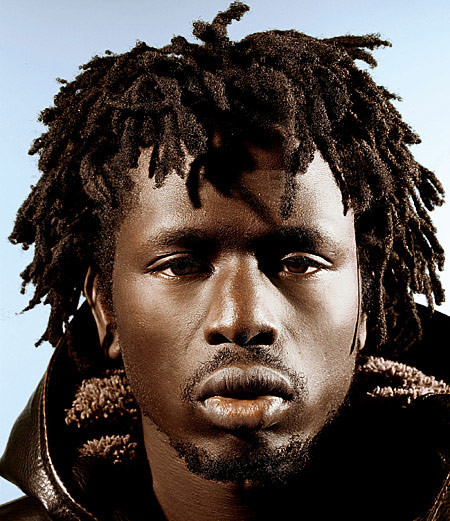
At eleven years old, young Jal Jok laid down his weapons in the Sudanese city of Waat. The army that had recruited him as a child, the world of South Africa is no longer a battlefield but a studio. He traded his AK-47 for the microphone and became an international star of hip-hop and afrohouse, a spokesperson for child soldiers. His story is not only that of a survivor — it is the narrative of one who chose, despite everything, to transform his pain into a message.
In brief
| Full name | Jal Jok, aka Emmanuel Jal |
| Birth | January 1st, 1980 (symbolic date), Tonj, present-day South Sudan |
| Field | Hip-hop, afrohouse, activist singing |
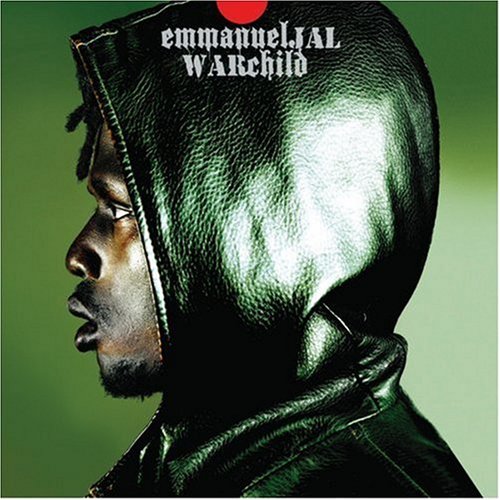
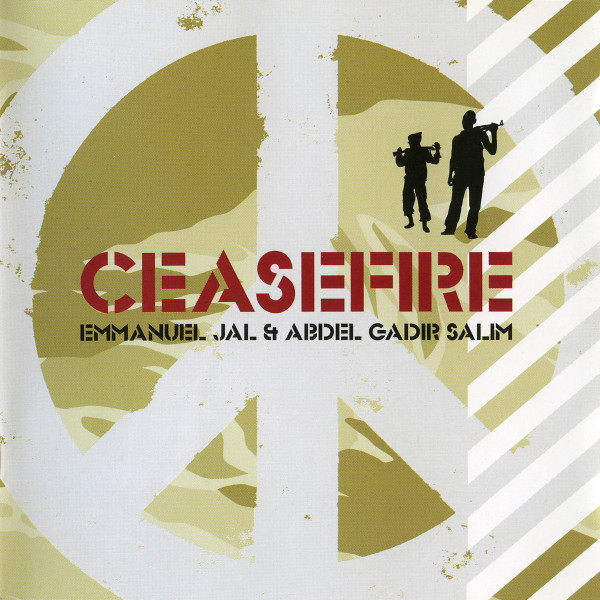
| Signature works | Gua, Ceasefire, Warchild, See Me Mama |
| Honors | Vaclav Havel Prize 2018, Dresden Peace Prize 2014, UNESCO title 2016 |
Key dates
| Year | Event |
|---|---|
| 1980 | Birth in Tonj (Warrap) into a Nuer family |
| 1987-1988 | His mother killed; he joins runaway children heading to Ethiopia |
| 1989-2002 | Recruited as a child soldier in the SPLA army; four years of combat |
| 2003 | Escape with 200 children; Emma McCune smuggles him to Kenya |
| 2004-2005 | Release of albums Gua and Ceasefire; first international successes |
| 2006 | Live 8, Glastonbury, concert for Nelson Mandela’s 90th birthday |
| 2008 | Release Warchild; award-winning documentary at Tribeca Film Festival |
| 2014 | Dresden Peace Prize; film The Good Lie with Reese Witherspoon |
| 2016-2018 | UNESCO title, Desmond Tutu Prize (2017), Vaclav Havel Prize (2018) |
| 2018-2025 | Global emergence as an Afrohouse artist |
From war to microphone: lost childhood, rebirth through music
Emmanuel Jal was born in Tonj in the Warrap State (present-day South Sudan) into a Nuer family. He does not know his exact date of birth and chose January 1st, 1980 as a symbolic marker. From his earliest years, the civil war erupted: South Sudan rebelled against the imposition of Sharia law by the North. At five, he witnessed his aunt being raped and all his aunts dying. In 1987, government soldiers killed his mother. His father, an SPLA member (Sudan People’s Liberation Army), sent him alone to Ethiopia for his safety. The children walked hundreds of kilometers: thirst and hunger claimed many of them. Jal remembers they would put their hands on the grass to lick the dew.
Arriving at what seemed to be a school, he discovered it was actually a military camp. The building’s exterior was carefully arranged to deceive UN inspectors; inside, child soldiers were trained. Jal recounts that he had much hatred and joined this army to seek revenge. At nine, he carried an AK-47 that he could barely transport. Over four years of combat in Sudan and Ethiopia, he participated in several battles. He does not know if he killed anyone — child soldiers fired into chaos without always knowing who their victims were.
In 2003, after three suicide attempts (the last at twelve years old with a jammed pistol), Jal escaped with about 200 other children. In three months of walking through jungles and arid plains, more than a quarter died. The survivors reached Waat, where he met Emma McCune. She insisted: he must no longer be a soldier. He was smuggled to Kenya and settled in Nairobi, at an international school.
Emma McCune died accidentally in 1993. Her husband refused to let Jal stay with them. The child ended up in Nairobi’s disadvantaged neighborhoods, then lived at Kileleshwa with other refugees. It was there he discovered hip-hop — the art that would allow him to tell his story. His first single All We Need Is Jesus became a hit in Kenya and received airplay in Great Britain. He formed groups, sang for Nairobi’s homeless children, and began broadcasting his music to the United Kingdom. His first studio album, Gua (2004), is a blend of rap in Arabic, English, Swahili, Dinka and Nuer. The title track Gua reached number one.
The traumas of war remained like a film playing on loop. According to The Independent, he describes his emotional coldness as a protective mechanism against the goodbye from his biological father.
Towards global recognition: activist and artist
In 2014, Jal received the Dresden Peace Prize. He reminded us that physical wounds heal but those of the soul last longer. The ICC prosecutor Fatou Bensouda, during the award ceremony, stated that the world would need musicians like him. His philanthropy is central: in 2009, he founded Gua Africa, which builds schools in South Sudan and funds the education of young refugees in Nairobi. From 2008 to 2010, he ate only one meal a day to finance the construction of the “Emma Academy” in memory of Emma McCune. His campaign “We Want Peace” (2012) raised awareness among hundreds of thousands of young people.
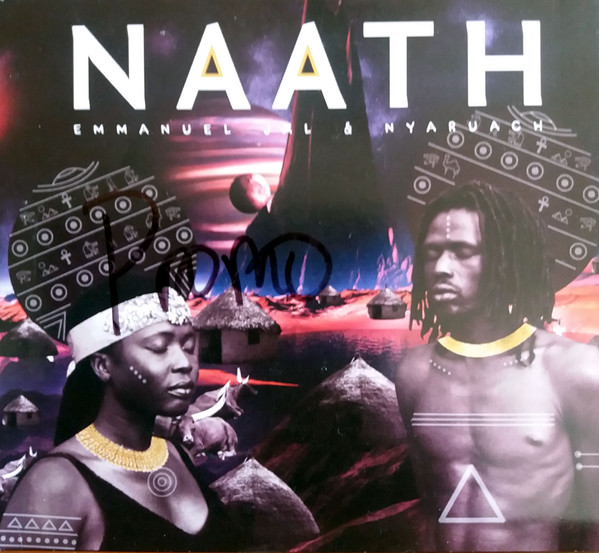
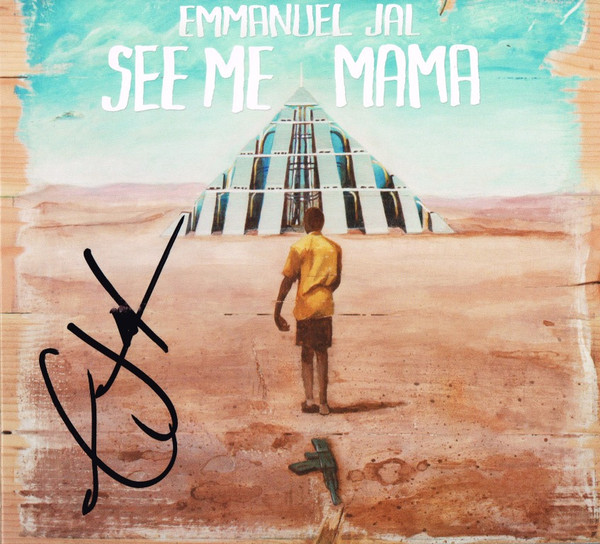
The documentary War Child, directed by C. Karim Chrobog, won the audience award at the Tribeca Film Festival in 2008. That same year, he published his autobiography with St Martin’s Press. He released the albums See Me Mama (2012) and Naath (2018). He appeared in the films The Good Lie (2014) and Africa United. He shared the stage with Lauryn Hill and Nelly Furtado.
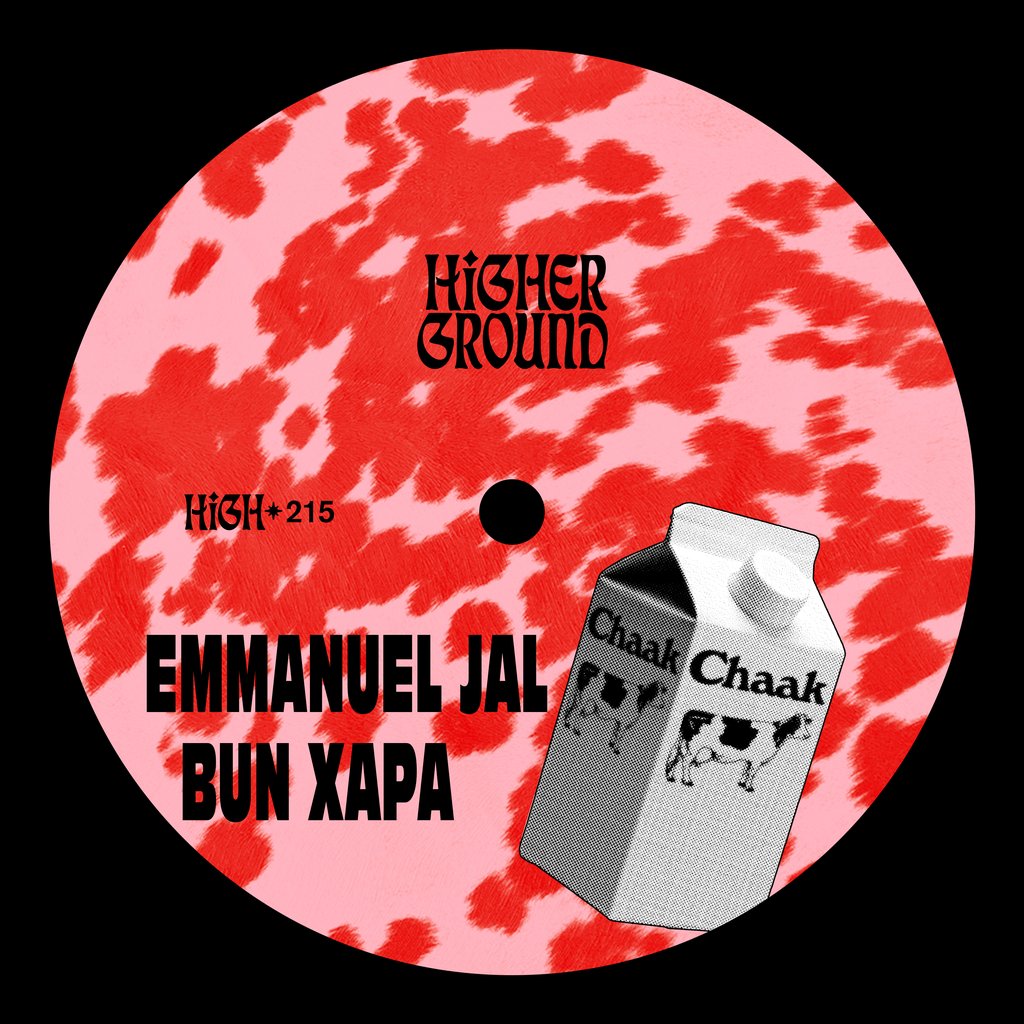
In the years 2018–2025, Jal discovered a new career. His single Kuar (2011) and his remix with Henrik Schwarz contributed to launching the afrohouse genre, which experienced a global explosion in the 2020s. With collaborations like Gorah (with Nitefreak) and Chaak (with Bun Xaapa), he became one of the most sought-after afrohouse artists in the world—DJing from clubs in Los Angeles to Paris.
Currently residing between Toronto and Nairobi, Emmanuel Jal embodies a fragile legacy: he is the one who witnessed the most brutal war and chose to transform his pain into a message for generations of children.
Major Works
| Work | Year | Why it’s essential |
|---|---|---|
| Gua | 2004 | First multilingual album; number one title track in Kenya. |
| Ceasefire | 2005 | Turning point: first steps on international stages (Live 8, Glastonbury). |
| Warchild | 2008 | Award-winning album and documentary; global recognition, audience award at Tribeca. |
Legacy and Influence
Emmanuel Jal is more than a musician—he is a voice that has never stopped speaking for those whom war reduced to silence. His legacy lies in the thousands of children protected by Gua Africa, in the global afrohouse career launched with Kuar, and in his speeches before the US Congress, the UN, and the United Nations, proving that a child soldier can become a powerful voice for the world.
Sources and References
- “Emmanuel Jal”, Wikipedia in French, https://fr.wikipedia.org/wiki/Emmanuel_Jal, accessed November 10, 2026.
- “Emmanuel Jal”, Wikipedia (English), https://en.wikipedia.org/wiki/Emmanuel_Jal, accessed November 10, 2026.
- “Bio”, Emmanuel Jal (official website), https://emmanueljal.com/bio, accessed November 10, 2026.
- Banning Eyre, “Emmanuel Jal: Life Lessons From a Survivor”, Afropop Worldwide, https://www.afropop.org/articles/emmanuel-jal-life-lessons-from-a-survivor, accessed November 10, 2026.
- Catherine Clifford, “How this ex Sudanese child soldier was inspired by P. Diddy to become a successful hip-hop artist”, CNBC Make It, https://www.cnbc.com/make-it/2018/10/22/how-ex-sudanese-child-soldier-emmanuel-jal-became-a-hip-hop-artist.html, accessed November 10, 2026.
- Olivia Ovenden, “How Emmanuel Jal Went From Child Soldier To Award-Winning Rapper”, Esquire UK, https://esquire.com/uk/culture/a29843772/emmanuel-jal-music-interview-naath, accessed November 10, 2026.
- Fatou Bensouda / DW, “Emmanuel Jal wins Dresden Peace Prize”, Deutsche Welle, https://dw.com/en/emmanuel-jal-wins-dresden-peace-prize/a-17440529, accessed November 10, 2026.
- “Speaker – Emmanuel Jal”, Emmanuel Jal (official website), https://emmanueljal.com/speaker, accessed November 10, 2026.
- “Spotify artist profile: Emmanuel Jal”, https://open.spotify.com/artist/2yWskGGwMOlBGeIAVgfsgm, accessed November 10, 2026.