Biography
Jocelyne Labylle
In June 2003, a music video was filmed on the beaches of Guadeloupe. Jocelyne Labylle, Cheela, Jacob Desvarieux and Passi launch “Laisse parler les gens !!!” — a zouk hit that explodes sales in France, Belgium and even into francophone Africa. This single becomes the summer anthem, selling 700,000 copies and earning a platinum disc. The track offers the artist whom the press calls the “zouk icon” the success she lacked in mainland France.
In brief
| Stage name | Jocelyne Labylle |
| Birth | 7 January 1973, Saint-Claude (Guadeloupe) |
| Nationality | French |
| Field | Zouk and gwo-ka singer |
| Signature works | “Laisse parler les gens !!!”, Ma Petite Lumière |
| Awards | Best Caribbean album at the African Music Awards (1998), nomination for Victoires de la musique |
Key dates
| Year | Event |
|---|---|
| 1973 | Birth in Saint-Claude; her mother is a dancer with the Ballets Karibana |
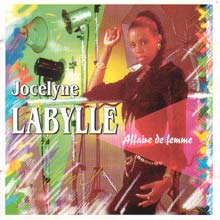
| 1992 | Joining the group Mélodie; first album Affaire de femme |
| 1994 | Joining the Zouk Orchestra; three live albums with the group |
| 1997 | First solo single “Quand tu veux”, released via Sonodisc |
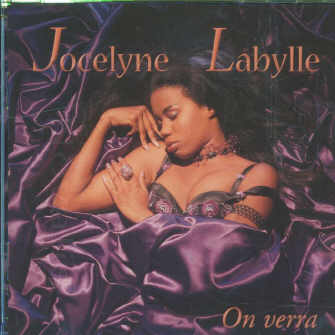
| 1998 | Album On verra; trophy for Best Caribbean album at the African Music Awards |
| 2000 | Album Ma Petite Lumière: twelve weeks on the sales chart |
| 2003 | “Laisse parler les gens !!!”: summer hit, 700,000 copies sold, platinum disc |
| 2004 | Representing the Antilles at the Ebony festival in Dakar |
| 2008 | Gwo-ka album Roots chic Tambour bling-bling!; “Grèv”, anthem of the Antillean strike (2009) |
| 2010 | Album An Ti Fanm Gwada, return to zouk; participation in Kassav’s 30th anniversary at the Stade de France |
| 2019 | Celebration of Kassav’s 40th anniversary in Abidjan; marriage to Joël Ajinça |
From sequins to drum: an artist’s journey
Jocelyne Labylle was born in Saint-Claude into a family linked to the performing arts: her mother dances with the Ballets Karibana, the most famous Guadeloupean folk ensemble. The child attends rehearsals, discovers the allure of spotlights and longs to find her mother under the lights. But the musical destiny awaiting her will not be dance — it is at the microphone that she will make herself heard. In 1992, at sixteen, she joins the group Mélodie with Tony Deloumeaux. This first adventure is brief — barely two years — but produces the album Affaire de femme, which introduces her into the Guadeloupean musical microcosm.
In 1994, she meets José Vildina, founder of the Zouk Orchestra. The association on and off stage allows her to learn the rigour of live singing, a world far removed from the common playback practice in the zouk milieu. After three discs and tours, Jocelyne Labylle leaves the group to fly on her own wings. She calls upon Frédéric Caracas, producer and mentor who signs her first solo: “Quand tu veux” (1997). The title is broadcast on all radio stations and earns a reputation for success.
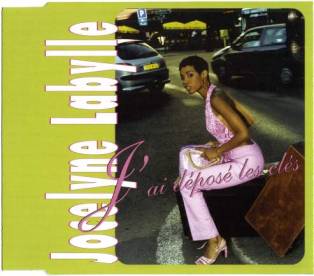
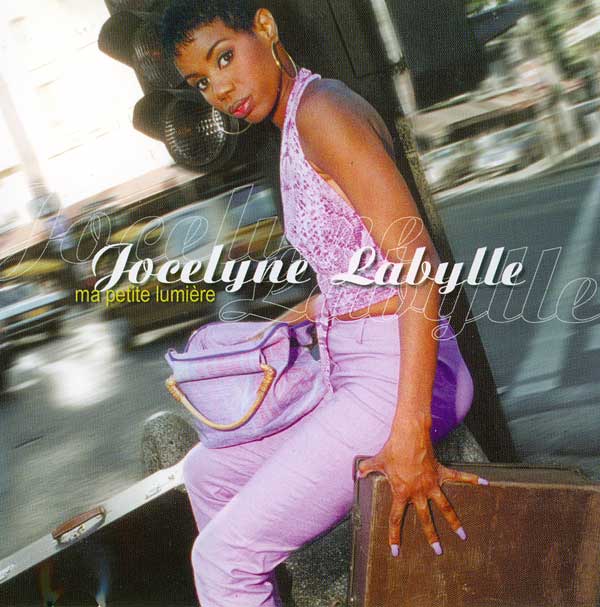
The album On verra is released in 1998 and confirms this promising start. The flagship title becomes a huge success, the album wins the trophy at the African Music Awards, and Jocelyne settles in Paris. The year 2000 marks consecration with the album Ma Petite Lumière, which stayed at the top of Antillean music sales for twelve consecutive weeks. The album includes “J’ai déposé les clés”, a sober portrait of a love breakup, and “Je reconnais”, a text in homage to her mother who died in 1995. The opus opens the doors of African stages: she performs in Cameroon, Burkina Faso and Côte d’Ivoire. When she sings in Africa, she feels African — observes RFI Musique.
But it is in 2003 that Jocelyne Labylle crosses a historical milestone. The French rapper Passi calls her for his compilation Dis L’heure 2 Zouk. With Cheela, Jacob Desvarieux of Kassav’ and himself, she records “Laisse parler les gens !!!”. The video plays out in the Antilles, the title becomes one of the summer hits in France and Belgium, reaching first place on the Ultratop chart. 700,000 copies sell as a single, with the album adding an extra volume of 200,000. The track receives a platinum disc and a nomination for Victoires de la musique 2004.
The controversy then erupts: Guadeloupean producer Henri Debs claims authorship of his original melody, Je reviendrai toujours. On 28 March 2007, the Paris Tribunal de grande instance rules in his favour. But the imprint of the title remains intact, and Jocelyne continues to sing it.
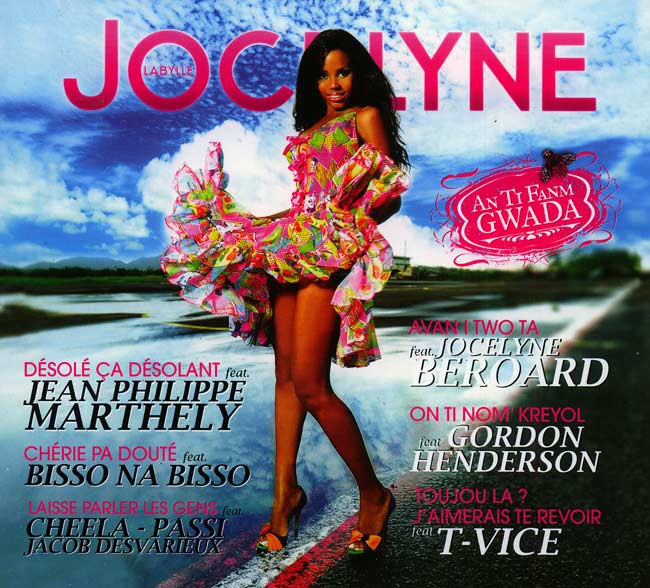
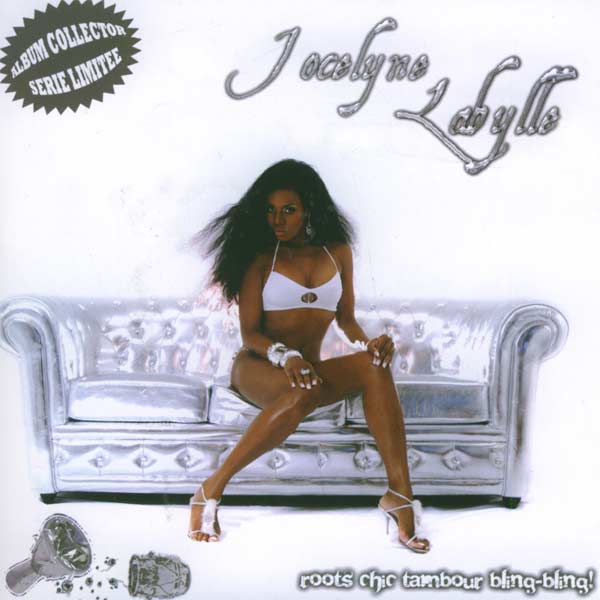
In 2008, her trajectory takes a singular turn with the album Roots chic Tambour bling-bling!, entirely dedicated to gwo-ka, the Guadeloupean percussive tradition. The song “Grèv” quickly becomes the anthem of the general strike in French Antilles in 2009. Jocelyne Labylle proves she is not merely a festival singer: she is an artist who listens to her lands. The album An Ti Fanm Gwada (2010) rallies zouk and roots, with features from Jocelyne Béroard (Kassav’) and the collective Bisso Na Bisso.
Major works
| Work | Year | Why it is essential |
|---|---|---|
| On verra (album) | 1998 | First solo disc that consecrates her; African Music Award |
| Ma Petite Lumière (album) | 2000 | Artistic maturity; “J’ai déposé les clés”: sober and poignant |
| “Laisse parler les gens !!!” (single) | 2003 | Summer hit, platinum disc; emancipation anthem |
| “Grèv” (single) | 2009 | Anthem of the Antillean general strike; zouk-gwo-ka bridge |
| Roots chic Tambour bling-bling! (album) | 2009 | First album 100% gwo-ka; affirmation of a root |
Heritage and influence
Jocelyne Labylle is one of the most recognizable voices in Antillean zouk and the only artist to have bridged this pop genre with traditional gwo-ka with such resonance. “Laisse parler les gens !!!” remains the cultural reference: a track that spans generations, replayed at Antillean parties and rediscovered by new ears. Her commitment — singing the rhythm of strikes, celebrating gwo-ka roots while staying in the zouk arena — earns her respect from both sides of the Mediterranean. More than three decades after her debut with Mélodie, Jocelyne Labylle continues to testify that French Antillean music is a living crucible.
Sources and references
- « Labylle (Jocelyne) », RFI Musique, https://www.rfi.fr/fr/musique/20200717-labylle-jocelyne, accessed November 5, 2026.
- « Jocelyne Labylle », Wikipedia (French), https://fr.wikipedia.org/wiki/Jocelyne_Labylle, accessed November 5, 2026.
- « Jocelyne Labylle », Wikipedia (English), https://en.wikipedia.org/wiki/Jocelyne_Labylle, accessed November 5, 2026.
- « Laisse parler les gens !!! », Wikipedia (French), https://fr.wikipedia.org/wiki/Laisse_parler_les_gens, accessed November 5, 2026.
- Discogs — Jocelyne Labylle, https://www.discogs.com/artist/Jocelyne-Labylle, accessed November 5, 2026.
- Qobuz — Jocelyne Labylle Discography, https://www.qobuz.com/us-en/interpreter/labylle-jocelyne/91602, accessed November 5, 2026.