Biography
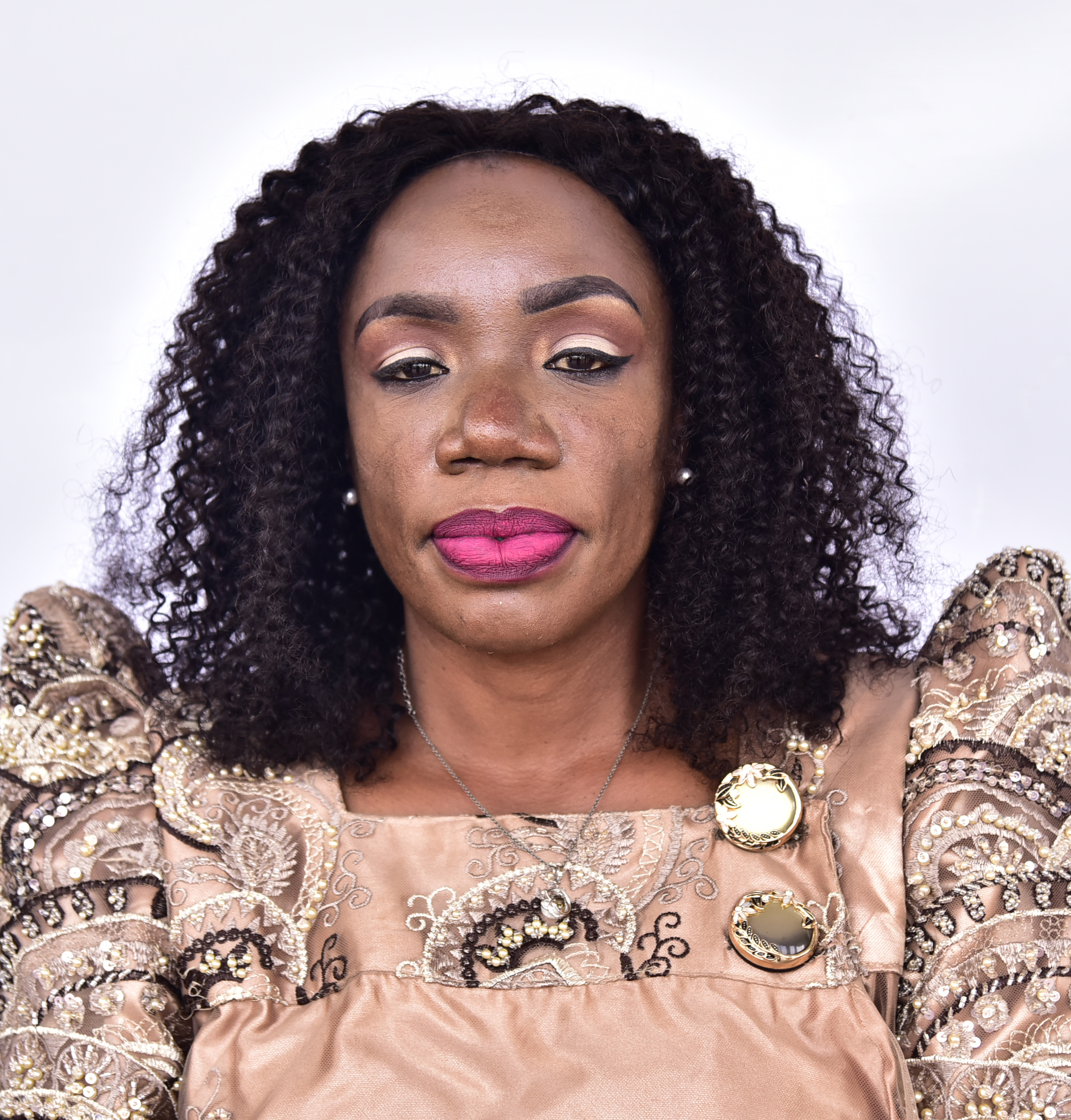
Rachel Magoola
In brief
| Full name | Rachael Magoola (also spelled Rachel) |
| Birth | 1966, Uganda |
| Field | African pop, reggae, zouk; singer, songwriter-performer, dancer |
| Signature works | “Obangaina”, “Inhaife”, “Vooto” |
| Awards | One of the 100 most influential women in Uganda (New Vision poll) |
Key dates
| Year | Event |
|---|---|
| 1966 | Born in Uganda, to a music teacher father and a mother who later became an MP |
| 1983 | Joined Namasagali College, where she later taught music |
| 1989–2001 | Member of the Afrigo Band, Uganda’s oldest music group |
| 1997 | Release of first solo album, Inhaife, featuring the national hit “Obangaina” |
| 2001 | Formation of her own group; release of Atubembe |
| 2003 | Move to the United Kingdom; performance at London’s South Bank |
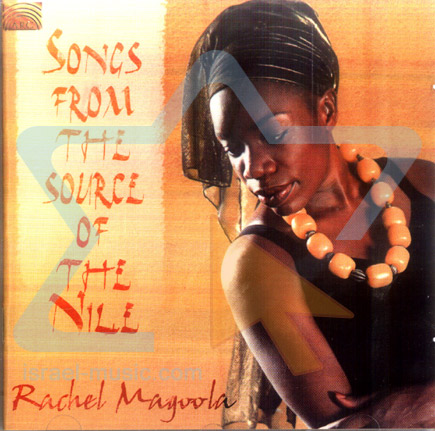
| 2005 | Release of Songs from the Source of the Nile (international compilation, ARC Music) |
| 2008 | Release of Eisadha; tour at Sauti za Busara in Zanzibar |
| 2013 | Graduation with a degree in music education from Kyambogo University |
| 2021 | Elected to the National Assembly (representing Bugweri women, NRM) |
Origins and training: the musician in the home
Rachael Magoola was born in 1966 in Uganda, into a family at the intersection of education and politics. Her father, Nicholas Magoola, was a music teacher in several institutions in the country’s southeast; her mother, Beatrice Zirabumuzaale Magoola, later became an MP and then a minister in President Museveni’s government. It was within this family context that Rachel’s musical vocation emerged, singing in the church choir from age seven and practicing instruments at home. At Tororo Girls Secondary School, her passion was so intense that she was sent back to senior class for organizing a group during the holidays.
This drive did not prevent her from building a solid foundation. At sixteen, she joined Namasagali College and then the Kaliro Teacher Training College, where she trained as a high school teacher with a specialization in music and languages. She taught for eleven years at Namasagali College while directing a choir that represented her region in several national music competitions. In 1993, she enrolled at Kyambogo University for an education degree with a major in music. She graduated first in her class… but did not receive her diploma until 2013, delayed for years by touring with the Afrigo Band.
Revelation: Obangaina and the Ugandan scene
In 1989, Rachael Magoola joined the Afrigo Band, Uganda’s oldest music group. There she arranged the music and choreographed stage movements, bringing a signature that distinguished the group. The breakthrough came at the end of the decade with “Obangaina,” a track recorded in London: upon release, it exploded to the top of Capital Radio’s Hot 7 at 7 and stayed there for thirty consecutive days, a record still unbeaten in Ugandan stations. The song became, according to local press, the greatest success in the history of Ugandan popular music.
In 1997, Magoola launched her first solo album Inhaife, carrying “Obangaina” into a solo career. The single immediately became a national hit: the music video “Inhaife,” along with “Vooto,” was played on loop on Uganda TV, WBS and other channels. She also performed with her own group starting in 2001, producing Tyenda Wundi (1998), Tonyiiga (2000) and Atubembe (2001). Her compositions blend traditional Ugandan languages and regional rhythms, while integrating reggae and zouk influences. Magoola sings in five official Ugandan languages, mixing traditional repertoire with contemporary compositions featuring catchy rhythms that transcend even serious subjects.
In 2003, she left the Afrigo Band and Uganda to settle in the United Kingdom. In London, she led the “Women of Kampala” group during the South Bank African Music Festival and collaborated with South African trumpeter Claude Deppa. She also hosted radio shows such as Top Twenty and The Morning Crew on Capital Radio, and was invited to the program Desert Island Discs. In 2005, the international compilation Songs from the Source of the Nile (ARC Music) broadcast her music beyond Uganda.
Engagements, politics and return to the stage
Rachael Magoola uses her voice to defend social causes. She composed “Take Me As I Am” (2002) for the Uganda Sickle Cell Disease Association, adopted as a hymn of the sickle cell movement in Uganda; “Bakulimba” appears on the compilation Flavours of Sound by the Commonwealth Secretary-General, carrying a message against early relationships; “I am not a Toy” was written for the girls’ education movement. Her title track “Under the Sand” carries a message of awareness on HIV/AIDS.
In January 2021, Rachael Magoola won the general election as the representative deputy for women of the Bugweri district, on the list of the National Resistance Movement (NRM). Upon entering the National Assembly, she founded the Ugandan Parliamentary Forum for Creative Industries (UGAPAFOCI) and campaigned for better remuneration for the country’s artists. According to the BBC, she estimates that with the royalties earned from her musical successes, she would today be a pilot. She also opposes the draft of the 2022 national cultural policy, which she considers too focused on traditional heritage and silent on the modern creative economy.
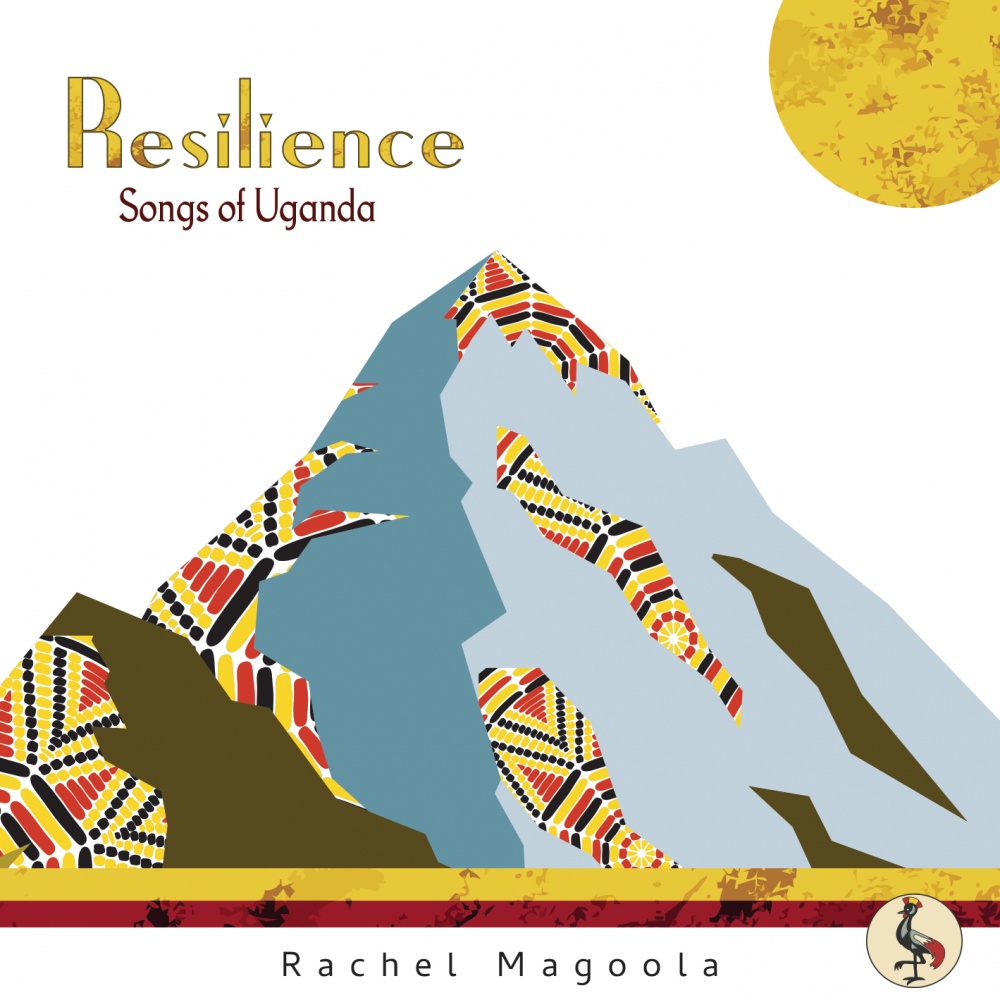
In August 2021, her seventh solo album Resilience : Songs of Uganda was released, a record recorded during the Covid-19 crisis that celebrates the endurance of Ugandans. Rachael Magoola celebrated this same year her thirty years in career, defining herself as her own greatest achievement: that of an artist who remains relevant across generations.
Major works
| Work | Year | Why it is essential |
|---|---|---|
| “Obangaina” | 1997 | The biggest hit of Ugandan popular music, thirty days at number 1 on Capital Radio — unbeaten |
| Inhaife | 1997 | First solo album, with two music videos shot and played on loop on Ugandan channels |
| “Take Me As I Am” | 2002 | Hymn of the Uganda Sickle Cell Disease Association, written for the launch event of the British Council |
| Songs from the Source of the Nile | 2005 | International compilation launched by ARC Music that broadcasts Magoola beyond Uganda |
| Resilience : Songs of Uganda | 2021 | Seventh album, recorded during the pandemic, celebrating national endurance through traditional sounds and original compositions |
Legacy and influence
Rachael Magoola embodies a rare career path: that of an artist who spans three decades without ever giving up, while building structured citizen action. Her music, which draws from the languages and rhythms of all Ugandan regions, is a model of inclusion that inspires artists of the new generation. Her political fight for creators’ rights — with UGAPAFOCI working on a law protecting artists’ remuneration — gives the Ugandan cultural movement a credible and legitimate spokesperson, both as an on-the-ground musician and as a parliamentarian.
Sources and references
- « Rachael Magoola », Wikipedia, https://en.wikipedia.org/wiki/Rachael_Magoola, accessed 16 November 2026.
- « Rachel Magoola », Busara Music (Sauti za Busara), https://busaramusic.org/artists?langpref=Kis&q_display=biog&q_tag=Name&q_value=R, accessed 16 November 2026.
- « Rachel Magoola: Resilience - Songs of Uganda », Howwe News, https://www.howwe.ug/news/music/30484/rachel-magoola-resilience-songs-of-uganda, 29 August 2021.
- « Rachael Magoola: Biography, Family and Husband », Flash Ug News, https://flashugnews.com/rachael-miriel-magoola-biography-age-family-and-husband, accessed 16 November 2026.
- « Magoola Steps into mothers’ footsteps », Sunrise Uganda, https://sunrise.ug/opinions/201811/magoola-steps-into-mothers-footsteps, accessed 16 November 2026.
- « Africa Daily – What should be done to make sure Africa’s artists get paid what they are owed? », BBC World Service, https://bbc.co.uk/sounds/play/p0gh2bwq, accessed 16 November 2026.