Musical History of the Seychelles
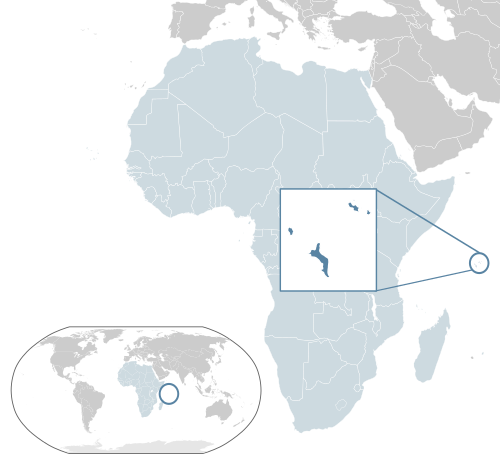
In December 2021, moutya, a percussive dance born in the heart of colonial plantations, was inscribed on UNESCO’s list of intangible cultural heritage1. Four centuries after the arrival of the first African slaves on the shores of Mahé, this international recognition crowned a musical history that managed to survive, transform, and conquer global stages. The Seychelles, an archipelago of one hundred fifteen islands east of Madagascar, have built their sonic identity on three pillars: moutya, séga, and kanmtole, each stemming from a different chapter of their colonial and migratory past2.
From plantations to Creole: the origins (1770-1900)
The musical history of the Seychelles begins with French colonization (1756), followed by British rule (1810)3. The islands first received slaves from East Africa and Madagascar, who brought rhythmic and vocal traditions4. Moutya emerged in the 1700s as a nocturnal music, around a wood fire, where the goat-skin drum and call-and-response chants served both as consolation and cultural resistance5.
Séga then arrived from Mauritius and Réunion, where it developed in the 18th century through a blend of African rhythms and European dances (polka, quadrille, waltz)6. In the 19th century, the Seychelles adopted their own variant, with its characteristic instruments: the ravanne (frame drum), triangle, kayamb (bamboo rattle) and bobre (one-stringed musical bow)7.
A third current, kanmtole, was born from European influence: contra dances and polkas rearranged in Creole, played on violin, accordion, and banjo8. In 1860, two-thirds of the population was of Indian origin (engaged labor after abolition): Bhojpuri traditions enriched the island’s musical palette9.
Did you know? In 2021, moutya became the second Seychellois musical element recognized by UNESCO — after Mauritian séga, which had been inscribed in 201410.
The pioneers: Patrick Victor and the post-independence era (1952-1990)
Patrick Victor, born in 1952 into a musical family from Anse Boileau, is the founding figure of modern Seychellois Creole music11. His grandfather directed the Anse Boileau Kamtole Band, and Victor grew up rocked by rehearsals12. In the 1970s, while most local groups rehearsed Western repertoire to please tourists, Victor took the opposite stance: he sang in Creole and revived moutya and séga13.
In 1975, his first recorded song, “Tambour Moutia”, caused a favorable stir14. In 1976, he won a song contest organized for the independence celebrations with “La Nou Pe Vin en Nasyon”15. His first album, Kouler Lokal (1978), contains twelve tracks in Creole, French, and English16.
The year 1977 marked a political turning point: the independent government recognized Seychellois Creole as an official language17. Victor then filled a major linguistic void. At a time when Creole had no standardized writing system yet, his music became the main vehicle for national identity18. In 1982, he founded the National Cultural Troupe and went on tour in Europe19. In 1984, he composed the show Kastor, based on the story of a fugitive slave leader20. In 1985, his song “Koste Pep Losean Endyen” anticipated the creation of the first Kreol Festival, the oldest international Creole festival in the world21.
Jean-Marc Volcy, born in 1966, belongs to the next generation. He made his debut in 1985 and joined Latroup Nasyonal Sese’l22. His album Gou Kréol (1994) is a milestone: eleven tracks entirely in Creole that exported Seychellois music23. Volcy then fought for the recognition of moutya, actively participating in the UNESCO candidacy and, from 2021 onwards, directing Fondasyon Kiltir Seselwa, which organizes workshops for young people24.
The contemporary golden age: diversity and diaspora (1990-2025)
The contemporary Seychellois music scene is characterized by two dynamics: genre diversification and diaspora expansion25. Since the 1990s, artists have fused traditions with reggae, zouk, dancehall, gospel, pop, and electronic music26.
Grace Barbé, born on Mahé and raised in Australia, embodies the power of the diaspora27. Her group Afro-Kreol fuses slave rhythms with rock, afrobeat, reggae, and pop. Her first album, Kreol Daughter (2009), was followed by tours in East Africa, notably at the Sauti Za Busara Festival in Zanzibar28. She won the Cable Tunes Award for Best Female Artist in 201829.
Sandra Esparon, from Takamaka, first sang with the group Dezil on the track San Ou (La Rivière) (2005), a Creole hit that conquered a wide audience in France30. Her solo career explored zouk, ragga, and R&B31.
The reggae and dancehall scene is driven by Jean Marimba (Jahrimba), who celebrated thirty years of career in 202532. Carlos Dorasamy (Jakim) released his 10th album in 202533. Vincent Eliza (Mercenary) published Sorti Lwen in 202534.
Female artists have seen remarkable growth. A compilation Fanm Seselwa (2016) brought together Jany de Letourdie, Antoinette Dodin, Sandra Esparon, Tania and others, aiming to address the imbalance in access to production35. Tania Jeremie (Taniah) became the first Seychellois artist to win an ODA Award in Ethiopia (East African Super Star category) in 202436.
Heritage and challenges: between authenticity and commercialization
Seychellois music faces a dilemma: how to preserve the authenticity of traditions in the face of tourist commercialization? Sega and moutya performances are increasingly taking place on hotel stages, raising questions about the transformation of cultural rituals into shows37.
Young artists navigate between authentic Creole and international influences (afrobeats, amapiano, electronic pop)38. Radio broadcasts predominantly reggae, hip-hop, and international pop39. Jean-Marc Volcy thus warns: “If young people do not promote our local music, we risk losing our heritage”40.
Preservation initiatives are multiplying: the National Conservatory trains new musicians, the Fondasyon Kiltir Seselwa workshops attract young people, and the Indian Ocean Historical Phonothèque conducted a testimonial collection in 202541. The UNESCO recognition of moutya (2021) provided an additional lever42.
Did you know? The Seychelles count approximately 100,000 inhabitants — fewer than the number of spectators at a single Burna Boy concert at Accor Arena. Yet, their music scene, though small, radiates well beyond its local market43.
In the end, the musical history of Seychelles is that of a small people who, in the face of geographical isolation and colonial cultural domination, made music their weapon of resistance and diplomacy. Moutya, sega, and kanmtole are not mere folkloric curiosities: they are the living archives of a Creole identity in constant evolution, which continues to reinvent itself without renouncing its roots.
Sources
-
UNESCO. “Moutya, inscribed on the Representative List of the Intangible Cultural Heritage of Humanity.” 2021. https://ich.unesco.org/en/RL/moutya-01690 ↩︎
-
Stern, R. (1992). The World of African Music, Vol. 2. Pluto Press. Chapter 35: Indian Ocean Islands. ↩︎
-
Stern, R. (1992). The World of African Music, Vol. 2. Pluto Press. Chapter 35: Indian Ocean Islands. ↩︎
-
Stern, R. (1992). The World of African Music, Vol. 2. Pluto Press. Chapter 35: Indian Ocean Islands. ↩︎
-
UNESCO. Nomination file No. 01690, Moutya inscription. 2021. https://ich.unesco.org/en/RL/moutya-01690 ↩︎
-
Wikipedia. “Sega (genre).” https://en.wikipedia.org/wiki/Sega_music ↩︎
-
Seychelles Abroad. “Seychellois culture — moutya, sega, kanmtole, art.” 2026. https://seychellesabroad.org/sesel/culture ↩︎
-
Melodigging. “Seychelles & Mascarene Islands Music.” https://melodigging.com/genre/seychelles-mascarene-islands-music ↩︎
-
Stern, R. (1992). The World of African Music, Vol. 2. Pluto Press. Chapter 35: Indian Ocean Islands. ↩︎
-
UNESCO. “43 elements inscribed on UNESCO’s intangible cultural heritage lists.” 2021. https://www.unesco.org/en/articles/43-elements-inscribed-unescos-intangible-cultural-heritage-lists ↩︎
-
Kreol Magazine. “Patrick Victor: Kreol King of the Islands.” https://kreolmagazine.com/patrick-victor-kreol-king-of-the-islands/ ↩︎
-
Kreol Magazine. “Patrick Victor: Kreol King of the Islands.” https://kreolmagazine.com/patrick-victor-kreol-king-of-the-islands/ ↩︎
-
Kreol Magazine. “Patrick Victor: Kreol King of the Islands.” https://kreolmagazine.com/patrick-victor-kreol-king-of-the-islands/ ↩︎
-
Kreol Magazine. “Patrick Victor: Kreol King of the Islands.” https://kreolmagazine.com/patrick-victor-kreol-king-of-the-islands/ ↩︎
-
Kreol Magazine. “Patrick Victor: Kreol King of the Islands.” https://kreolmagazine.com/patrick-victor-kreol-king-of-the-islands/ ↩︎
-
Rate Your Music. “Patrick Victor discography.” https://rateyourmusic.com/artist/patrick-victor ↩︎
-
Kreol Magazine. “Patrick Victor: Kreol King of the Islands.” https://kreolmagazine.com/patrick-victor-kreol-king-of-the-islands/ ↩︎
-
Kreol Magazine. “Patrick Victor: Kreol King of the Islands.” https://kreolmagazine.com/patrick-victor-kreol-king-of-the-islands/ ↩︎
-
Kreol Magazine. “Patrick Victor: Kreol King of the Islands.” https://kreolmagazine.com/patrick-victor-kreol-king-of-the-islands/ ↩︎
-
Kreol Magazine. “Patrick Victor: Kreol King of the Islands.” https://kreolmagazine.com/patrick-victor-kreol-king-of-the-islands/ ↩︎
-
Kreol Magazine. “Patrick Victor: Kreol King of the Islands.” https://kreolmagazine.com/patrick-victor-kreol-king-of-the-islands/ ↩︎
-
Phoi.io. “Phonothèque Historique de l’Océan Indien.” https://phoi.io/index.php/Articles/Display/Details/id/1174 ↩︎
-
Grokipedia. “Jean-Marc Volcy.” https://grokipedia.com/page/jean_marc_volcy ↩︎
-
Grokipedia. “Jean-Marc Volcy.” https://grokipedia.com/page/jean_marc_volcy ↩︎
-
Island Hopper Guides. “Seychelles Music Scene: From Sega to Contemporary Creole Beats.” https://islandhopperguides.com/seychelles/seychelles-culture/seychelles-music-scene-from-sega-to-contemporary-creole-beats/ ↩︎
-
Island Hopper Guides. “Seychelles Music Scene: From Sega to Contemporary Creole Beats.” https://islandhopperguides.com/seychelles/seychelles-culture/seychelles-music-scene-from-sega-to-contemporary-creole-beats/ ↩︎
-
Seychelles Abroad. “Seychellois culture — moutya, sega, kanmtole, art.” 2026. https://seychellesabroad.org/sesel/culture ↩︎
-
Seychelles Nation. “Interview: Grace Barbé tours East Africa.” https://www.nation.sc/archive/234277/up-close-?-with-the-zenith-band-zenith-the-highest-point-in-ones-destiny ↩︎
-
Seychelles Abroad. “Seychellois culture — moutya, sega, kanmtole, art.” 2026. https://seychellesabroad.org/sesel/culture ↩︎
-
Blue Tree Audio. “Seychelles: Songwriters Turn the Ocean Toward the Present.” https://music.bluetreeaudio.com/countries/seychelles/reggae-dancehall-hip-hop-and-new-voices ↩︎
-
Blue Tree Audio. “Seychelles: Songwriters Turn the Ocean Toward the Present.” https://music.bluetreeaudio.com/countries/seychelles/reggae-dancehall-hip-hop-and-new-voices ↩︎
-
Seychelles Nation. “Jahrimba releases 4 new singles.” October 2025. https://www.nation.sc/articles/27725/jahrimba-releases-4-new-singles-after-his-last-album-in-2024 ↩︎
-
Seychelles Nation. “Jakim launches his 10th album.” March 2025. https://www.nation.sc/articles/25158/-jakim-launches-his-10th-album-leko-mo-leker ↩︎
-
Blue Tree Audio. “Seychelles: Songwriters Turn the Ocean Toward the Present.” https://music.bluetreeaudio.com/countries/seychelles/reggae-dancehall-hip-hop-and-new-voices ↩︎
-
Blue Tree Audio. “Seychelles: Songwriters Turn the Ocean Toward the Present.” https://music.bluetreeaudio.com/countries/seychelles/reggae-dancehall-hip-hop-and-new-voices ↩︎
-
Inside Seychelles. “Taniah Wins East African Super Star ODA Award.” December 2024. https://www.insideseychelles.com/seychellois-star-taniah-wins-east-african-super-star-oda-award-in-ethiopia/ ↩︎
-
Island Hopper Guides. “Seychelles Music Scene: From Sega to Contemporary Creole Beats.” https://islandhopperguides.com/seychelles/seychelles-culture/seychelles-music-scene-from-sega-to-contemporary-creole-beats/ ↩︎
-
Blue Tree Audio. “Seychelles: Songwriters Turn the Ocean Toward the Present.” https://music.bluetreeaudio.com/countries/seychelles/reggae-dancehall-hip-hop-and-new-voices ↩︎
-
Seychelles Nation. “The evolution of music.” https://nation.sc/article.html?id=250146 ↩︎
-
Seychelles Nation. “The evolution of music.” https://nation.sc/article.html?id=250146 ↩︎
-
Phoi.io. “Phonothèque Historique de l’Océan Indien.” https://phoi.io/index.php/Articles/Display/Details/id/1174 ↩︎
-
UNESCO. “Moutya inscription.” 2021. https://ich.unesco.org/en/RL/moutya-01690 ↩︎
-
Billboard. “Burna Boy fills Accor Arena.” 2023. https://www.billboard.com/ ↩︎