Biography
Abdullah Ibrahim: Music as a Weapon of Liberation
In June 1974, in a Cape Town studio, a pianist approaches an old upright piano with bug-ridden hammers and plays seven notes. His orchestra follows. In sixteen minutes, a single take, Mannenberg is born — a piece that will become the silent hymn of a people in revolt. Decades later, Nelson Mandela, from Robben Island where the record had been smuggled in, hears it and whispers: “Liberation is near.”
In Brief
| Full Name | Adolph Johannes Brand (became Abdullah Ibrahim in 1968) |
| Birth | October 9, 1934, Cape Town, South Africa |
| Death | June 15, 2026, Prien am Chiemsee, Bavaria, Germany |
| Field | Piano, composition; South African jazz, bebop, Cape jazz |
| Notable Works | Mannenberg, African Piano, Jazz Epistle Verse 1 |
| Honors | NEA Jazz Master (2019), Ikhamanga Order (2009), “South African Mozart” (Nelson Mandela) |
Key Dates
| Year | Event |
|---|---|
| 1934 | Born in Cape Town as Adolph Johannes Brand |
| 1959 | Formation of the pioneering group The Jazz Epistles with Hugh Masekela |
| 1960 | Jazz Epistle Verse 1, first jazz album by Black Africans |
| 1963 | Duke Ellington discovers him in Zurich and launches his international career |
| 1968 | Converts to Islam, becomes Abdullah Ibrahim |
| 1974 | Composition of Mannenberg, anti-apartheid anthem |
| 1994 | Concert at Mandela’s presidential inauguration |
| 2019 | NEA Jazz Master nomination |
From District Six Piano Prodigy to Mandela’s “Mozart”
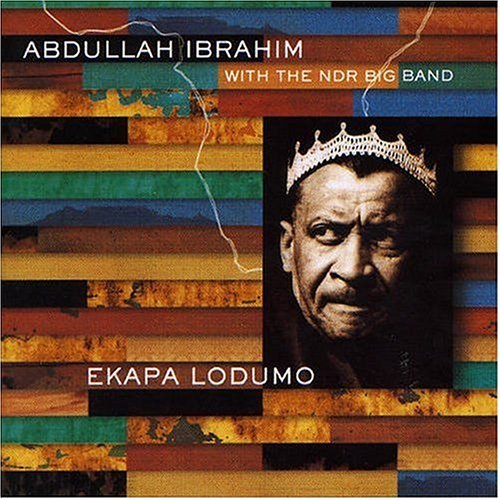
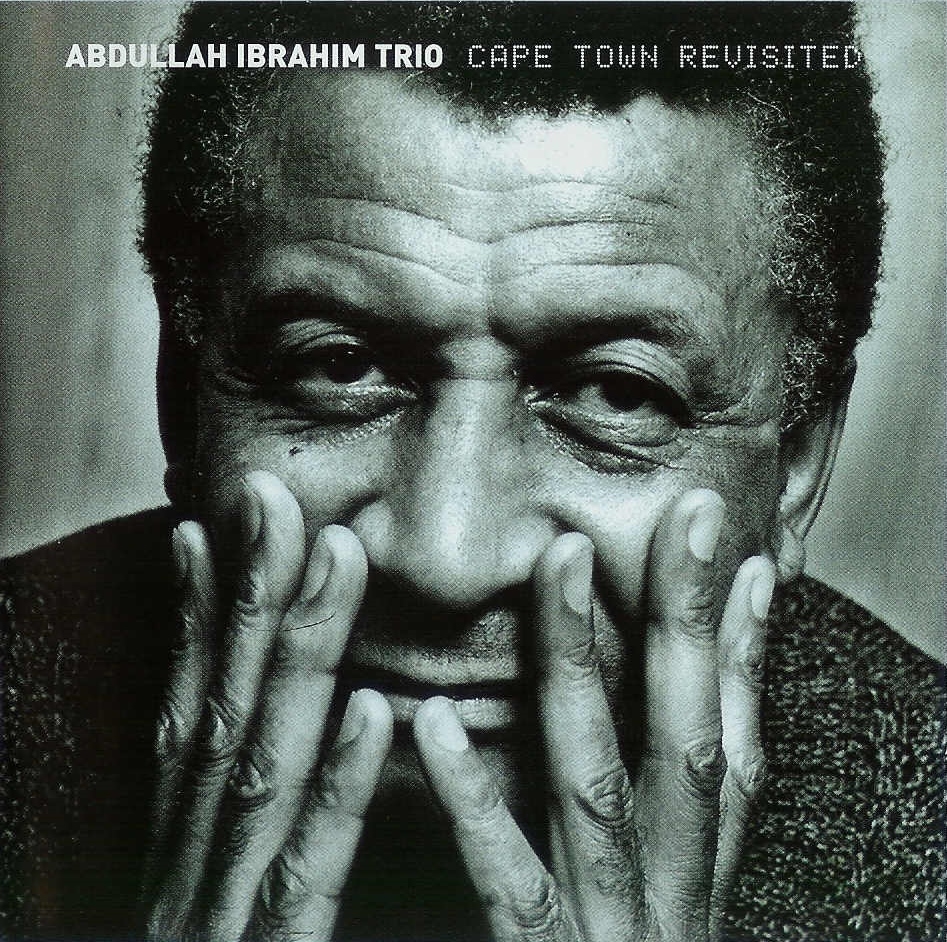
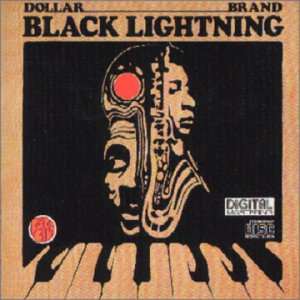
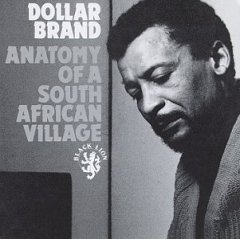
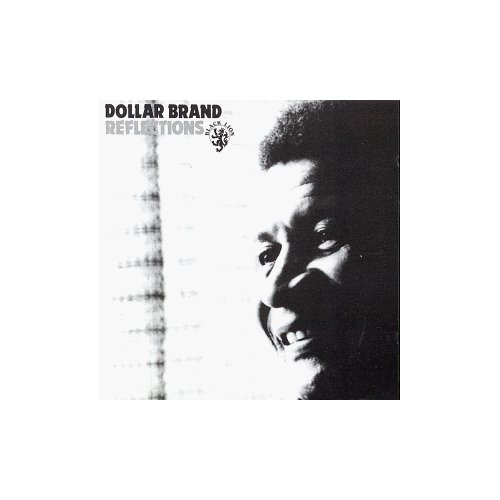
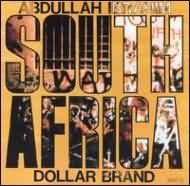
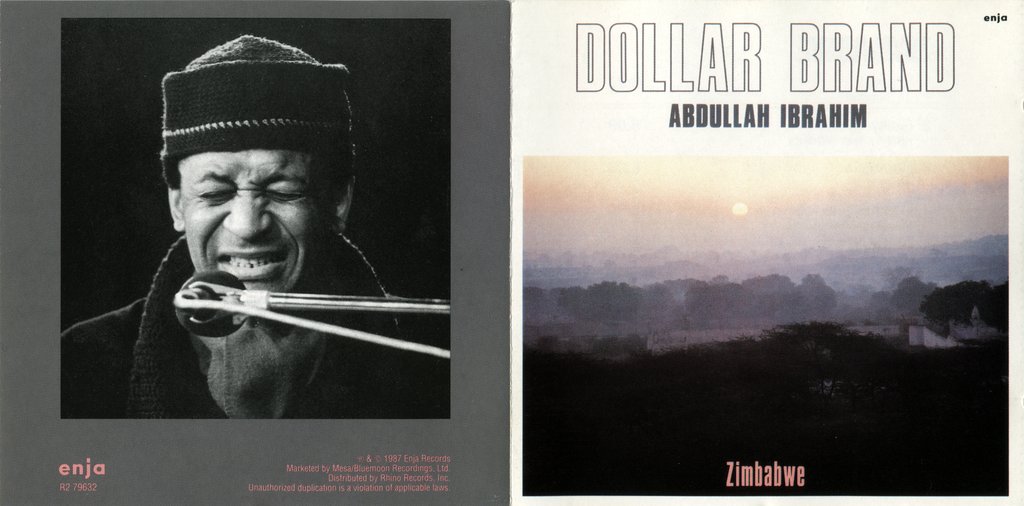
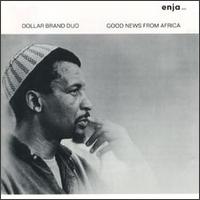
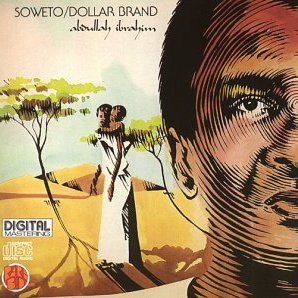
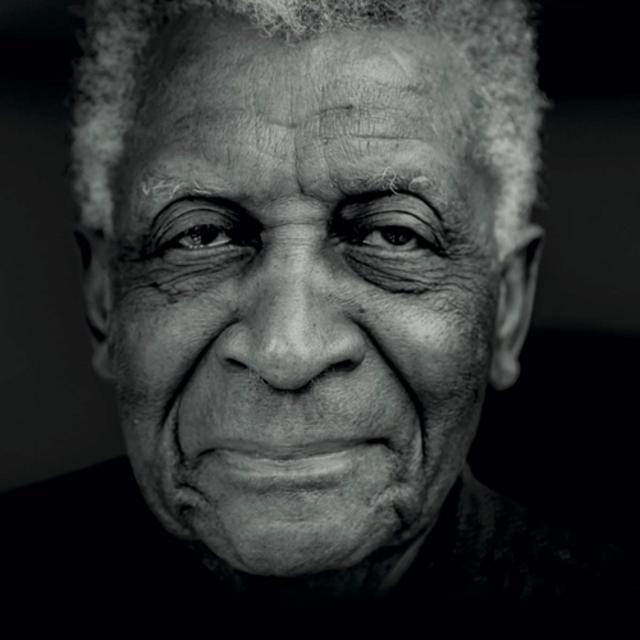
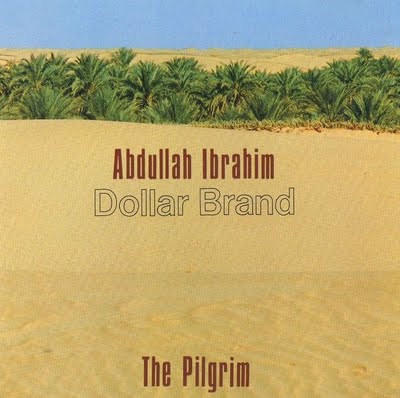
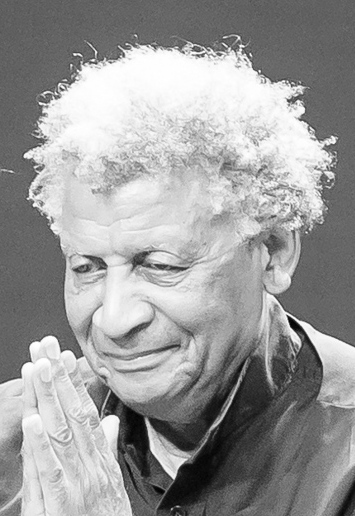
Born Adolph Johannes Brand on October 9, 1934, in Cape Town, Ibrahim grew up in the multicultural District Six neighborhood, a crossroads of sounds blending khoï-san chants, gospel, marabi township and American jazz. His mother played the piano in their church and his grandmother, a pianist, taught him his first chords at age seven. His father, of Sotho origin, was assassinated when he was four. The family gave him the name Brand so he could be classified as “Coloured” by the regime — a few more rights, at the price of a lie. Banned from conservatories, he trained as a self-taught musician, trading jazz albums with American soldiers passing through at the end of the war — hence his nickname “Dollar Brand”. At fifteen, he began working professionally. In 1959, he founded The Jazz Epistles with the cream of South African jazz: Hugh Masekela, Kippie Moeketsi, Jonas Gwangwa. Jazz Epistle Verse 1, released in January 1960, is the first jazz record performed by Black South African musicians.
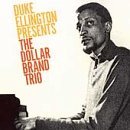
The Sharpeville massacre in March 1960 changes everything. Repression hardens, clubs close. Ibrahim leaves the country for Zurich in 1962, where Duke Ellington comes to hear him at Club Africana. Impressed, the great master produces an album for Reprise Records, Duke Ellington Presents the Dollar Brand Trio, launching his international career. He performs at Carnegie Hall and Newport, tours with the Elvin Jones Quartet and represents Ellington’s orchestra in five concerts in 1966. In 1965, he marries singer Sathima Bea Benjamin and moves to New York, where he rubs shoulders with Don Cherry, Ornette Coleman, John Coltrane and Cecil Taylor. In 1968, back in Cape Town, he converts to Islam, takes the name Abdullah Ibrahim and goes on pilgrimage to Mecca.
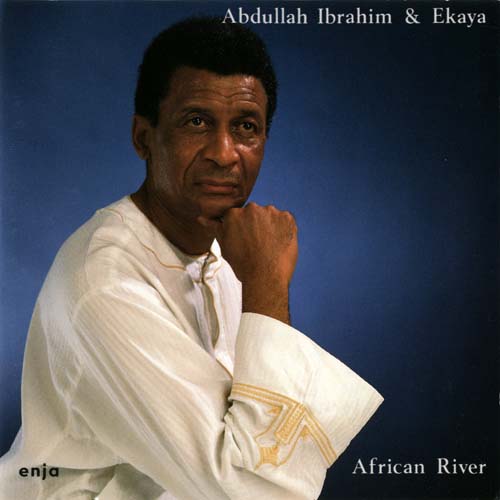
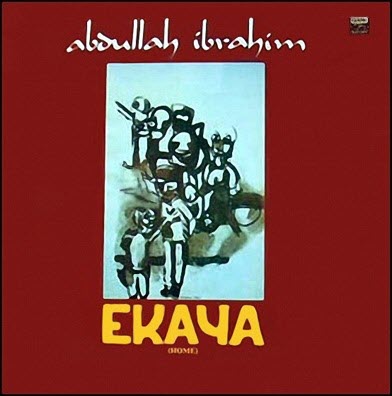
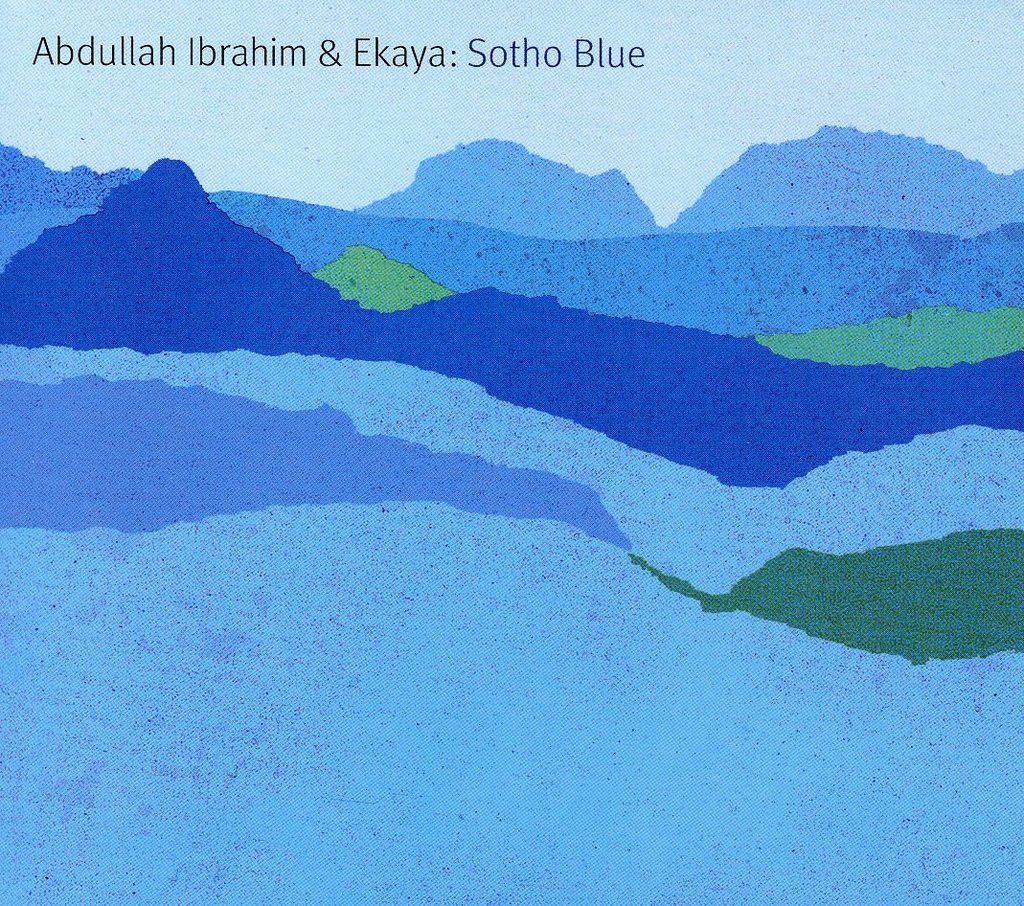
Returning to South Africa in 1973, he records Mannenberg, inspired by the township of the same name where District Six residents had been forcibly deported. Recorded in a single take with saxophonist Basil Coetzee and flutist Robbie Jansen, the piece becomes a bestseller in just a few months. After the Soweto uprising of 1976, Ibrahim and Benjamin organize an underground benefit concert in support of the ANC, then return to New York. There they found the Ekapa label and the group Ekaya, which will follow them for decades.
When Nelson Mandela is released from prison in 1990, he invites Ibrahim to return. He performs at the 1994 presidential inauguration, where Mandela calls him “our Mozart”. Back in his country, he plays around the world, trains young musicians through the M7 Academy and releases a final album, 3, in 2024. He dies on June 15, 2026, in Prien am Chiemsee, Bavaria, at age 91.
Essential Albums
| Album | Year | Why It’s Essential |
|---|---|---|
| Jazz Epistle Verse 1 | 1960 | The first jazz record recorded by Black South Africans; a bebop gem |
| Duke Ellington Presents the Dollar Brand Trio | 1963 | The international launch, produced by the founding father of American jazz |
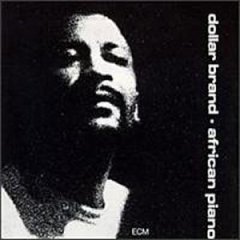
| African Piano | 1973 | Radiant piano solo that establishes African repertoire in global jazz |
| Mannenberg – Is Where It’s Happening | 1974 | Anti-apartheid anthem born from a single-take improvisation |
| The Balance | 2019 | Late synthesis, between big band and piano solo, praised by DownBeat |
Legacy and Influence
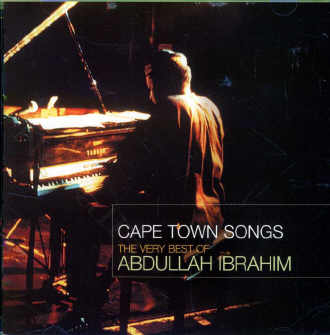
Mannenberg remains, well beyond the end of apartheid, a foundational piece of Cape jazz, this subgenre that fuses bebop, township rhythms and African spiritualities. South African pianists like Nduduzo Makhathini directly claim its legacy. In 2026, Mannenberg rang out at the inauguration of New York Mayor Zohran Mamdani. The M7 Academy, Cape Town’s jazz orchestra and its discography of over a hundred albums speak to an artist who never stopped training, creating and passing on.
Sources and References
-
“Abdullah Ibrahim”, Britannica, https://britannica.com/biography/Abdullah-Ibrahim, accessed October 18, 2026.
-
“Abdullah Ibrahim Biography”, abdullahibrahim.co.za, https://abdullahibrahim.co.za/biography, accessed October 18, 2026.
-
“Abdullah Ibrahim”, National Endowment for the Arts, https://arts.gov/honors/jazz/abdullah-ibrahim, accessed October 18, 2026.
-
« Abdullah Ibrahim obituary », The Guardian, https://www.theguardian.com/music/2026/jun/16/abdullah-ibrahim-obituary, accessed 18 October 2026.
-
« Abdullah Ibrahim: the South African pianist described as ‘our Mozart’ by Nelson Mandela », Observer, https://observer.co.uk/profile/obituary/article/abdullah-ibrahim-the-south-african-pianist-described-as-our-mozart-by-nelson-mandela, accessed 18 October 2026.
-
« Abdullah Ibrahim, South African jazz pianist and anti-apartheid champion, dies at 91 », Reuters, https://www.reuters.com/world/africa/abdullah-ibrahim-south-african-pianist-anti-apartheid-champion-dies-91-2026-06-15/, accessed 18 October 2026.
-
« Abdullah Ibrahim — Biography », AllMusic, https://allmusic.com/artist/abdullah-ibrahim-mn0000923935, accessed 18 October 2026.
-
« Abdullah Ibrahim — Wikipedia », Wikipedia EN, https://en.wikipedia.org/wiki/Abdullah_Ibrahim, accessed 18 October 2026.