Musical History of South Africa
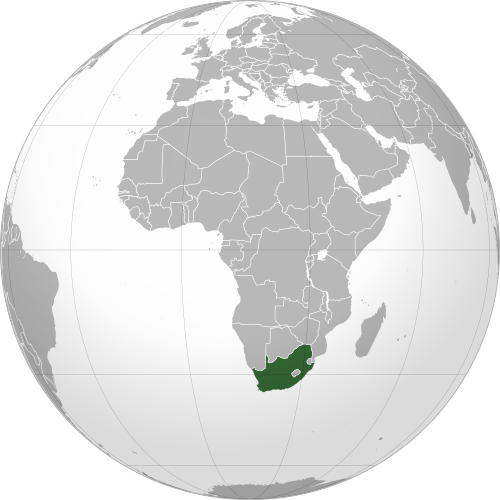
According to musicologist Ronnie Graham, South Africa is the most musically diverse nation in Africa. From Nkosi sikelel’ i-Afrika, a hymn composed in 1887 by Enoch Sontonga and adopted as the anthem of the “rainbow nation” 1, to the first Grammy won by Tyla for an amapiano song in February 2024, South African music has traversed apartheid, exile, and democracy to conquer global airwaves 2. Digital platforms now make it the most-listened-to South African genre worldwide: over 855 million streams on Spotify in 2024, and a TikTok hashtag accumulating over 10 billion views 3. How did music born in Johannesburg’s shebeens become a global industry?
From Shebeens to Mbaqanga: The Township Crucible
Modern South African musical history begins with dispossession. The Land Act of 1913 confiscated 75% of the territory for the benefit of the white minority, forcing Black people to work in gold mines or crowd into urban suburbs called townships: zones assigned to Blacks, designed to be sterile, which paradoxically became the continent’s most fertile cultural nurseries 4.
In these townships, shebeens — these informal bars run by women who supplied alcohol to miners cut off from their families — became the beating heart of musical life 5. It was here that marabi was born, a syncretic style of the 1920s-1930s based on three chords (tonic, dominant, subdominant) and combining African melodies, Western rhythms, and makeshift instruments: accordion, banjo, concertina 6. Marabi is not just a genre: as composer Todd Matshikiza notes, it is “the name of an era” — a whole culture of music, dance, drink, and identity that defined a generation excluded from the “respectable” world 7.
This crucible then gave birth to kwela, the “whistle jazz” of the 1950s. Township children bought flutes for five euros from Hohner, the German firm, and sold them on street corners accompanied by a guitar and a “tea-chest bass” — an artisanal double bass built on a tea chest 8. Kwela, whose name might come from police calling detainees to board trucks (“kwela-kewla”), achieved planetary success: Elias Lerole’s Tom Hark and his Zigzag Flutes charted in European charts in 1956 9.
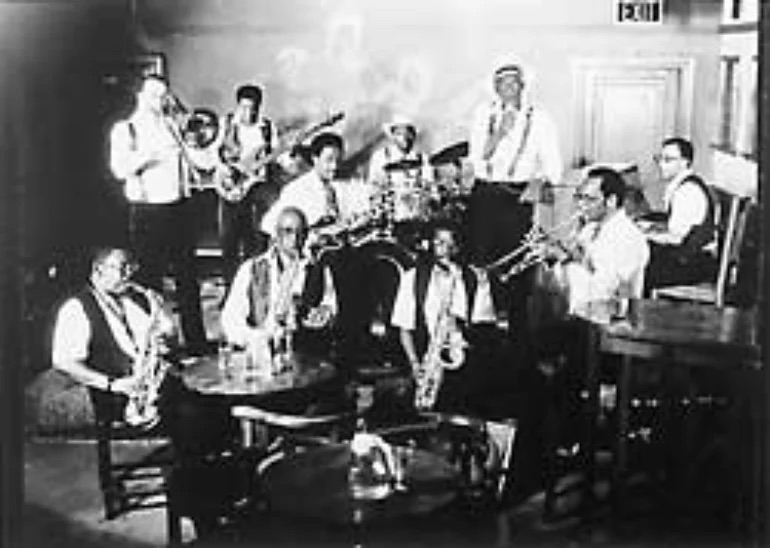
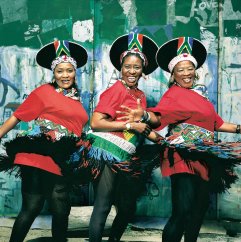
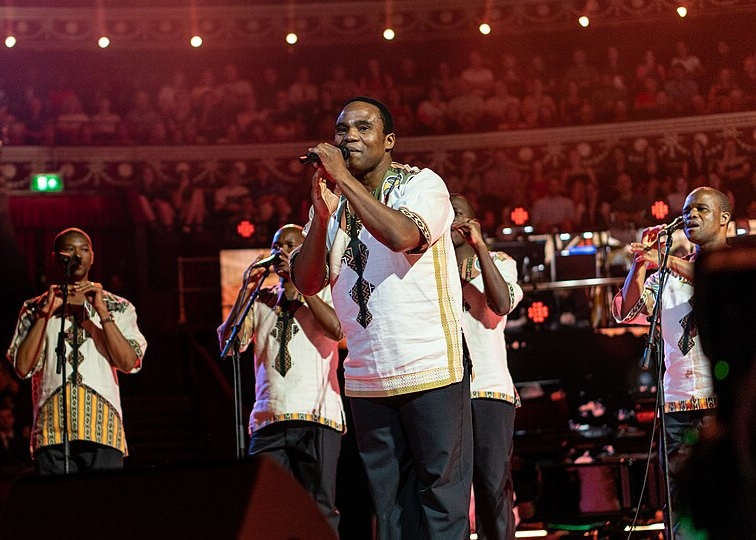
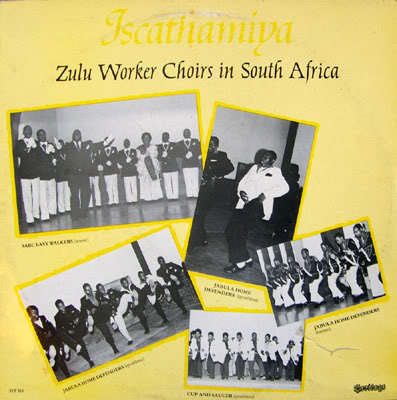
The same dynamic fueled mbaqanga, the “township jive” of the 1950s-1960s, which fused jazz, American R&B, and Zulu vocal harmonies. The term comes from the cornbread eaten by Black people — and which, according to local critics, signaled “authentically African music,” in opposition to msakazo (“the radio”), accused of selling out to whites 10. The Sophiatown scene, Johannesburg’s cultural quarter, was then the launchpad for international stars: Spokes Mashiyane on pennywhistle, saxophonist “Zakes” Nkosi, and the Mahotella Queens, a female vocal group that defined the isicathamiya style, an a cappella tradition sung by worker communities 11.
Did you know? The tea-chest bass — a double bass built on a tea chest — is the emblematic instrument of kwela. In studios, it was systematically replaced by a classical double bass… losing in the process the very identity of the township sound 12.
Apartheid and Diaspora: Exile as Musical Refuge
Apartheid (the legal racial separation instituted from 1948) broke the momentum. Forced removals dismantled Sophiatown — “declared white” and destroyed under the Group Areas Act — and Black musicians lost their concert halls 13. The record industry remained in white hands; the SABC (state broadcasting) censored any text suspected of subversion, physically “erasing” forbidden records with a needle to make them unplayable 14.
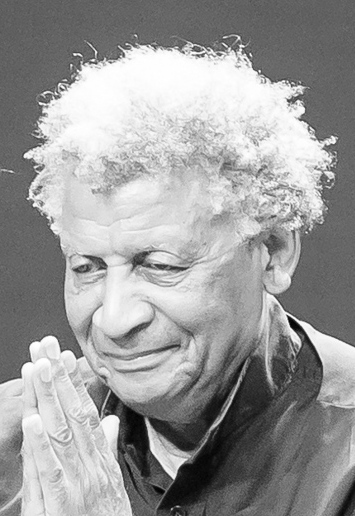
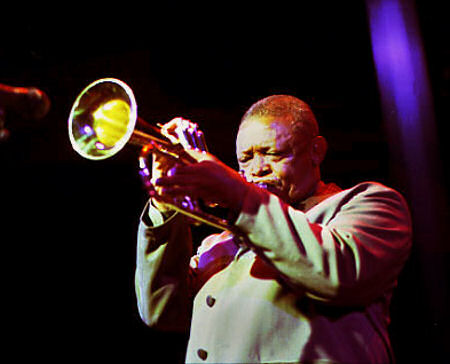
The best musicians went into exile. The Jazz Epistles, the first South African group to record an LP, reunited Kippie Moeketsi, Jonas Gwangwa, Dollar Brand (Abdullah Ibrahim), and Hugh Masekela 15. The latter left in 1961, studied in London and New York, met Harry Belafonte, and received a trumpet from Louis Armstrong: he became the most popular South African jazzman in the world, blending Wimoweh and township compositions with modern arrangements 16.
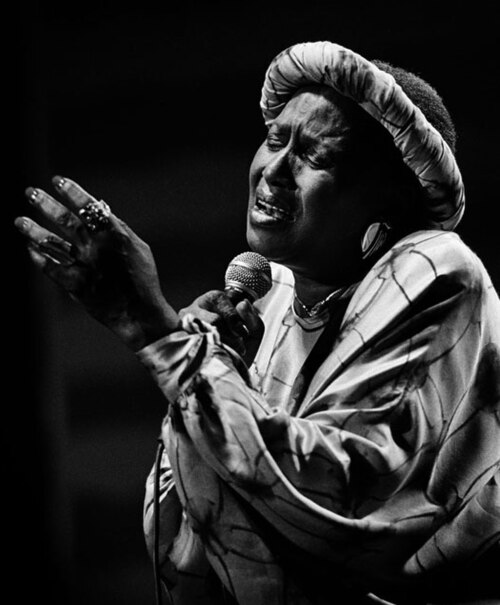
Miriam Makeba, “Mama Africa,” followed a parallel path. She sang with the Manhattan Brothers, then the musical King Kong (1959), an opus about a Black boxer whose music by Todd Matshikiza marries jazz and pennywhistle 17. In exile in Guinea after her marriage to Stokely Carmichael, the Black Power leader, she introduced South African music to American audiences. Pata Pata, her 1967 international hit, remains the anthem of cultural resistance 18.
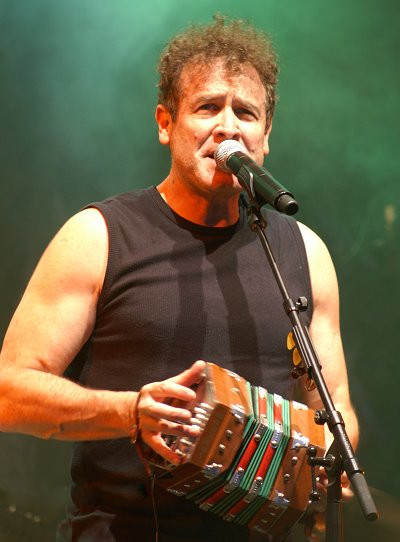
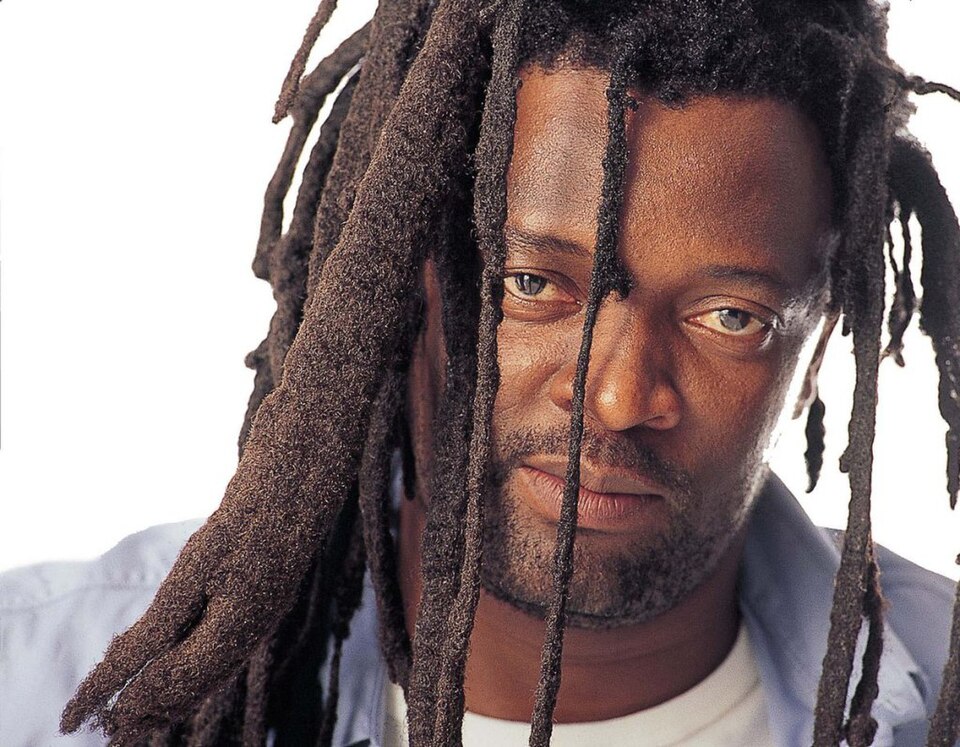
Mixed-race collaboration, meanwhile, was lived in the shadows. The duo Juluka — Sipho Mchunu, Zulu guitarist, and Johnny Clegg, British ethnologist who became master of mbube zulu — recorded in semi-illegality starting from 1978, because Black and White could not go on stage together under apartheid 19. Their planetary success, prolonged by the group Savuka (“Awakening”), was an artistic feat and a political act 20.
From Kwaito to Amapiano: The Music of the New South African
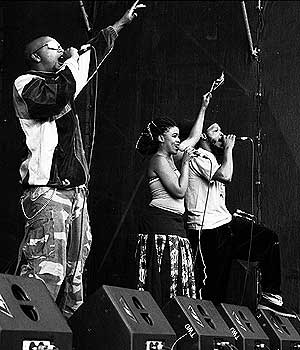
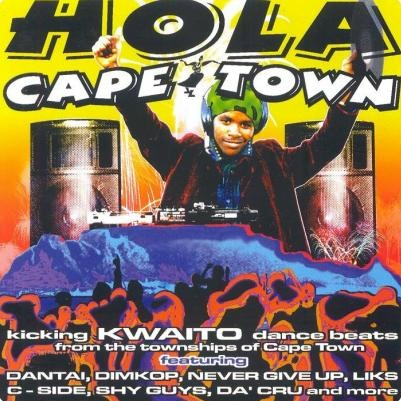
The democratization of 1994 sparked a creative explosion. Kwaito emerged in Soweto townships as the sound of regained freedom: a slowed-down house music (around 105 bpm), blending African melodies, hip-hop, and local samples 21. Little resources were needed to produce it, and kwaito shaped more than a music: a language (Tsotsitaal, Camtho), a dance (the Pantsula), and a fashion 22.
Did you know? The term « kwaito » comes from the afrikaans word kwaai (« severe »): ghetto youth said these house tracks were « hot, they crackle » 23.
Founding figures include M’du (Mdu Masilela), Mandoza, Arthur Mafokate and the group Boom Shaka, propelled by Lebo Mathosa, who sings a new version of the South African anthem 24. At the heart of the genre, Brenda Fassie — nicknamed « Madonna of the Townships » by Time in 2001 — is the absolute icon: her song Black President (1990), dedicated to Nelson Mandela still in prison, was banned by apartheid; her career traversed bubblegum pop, disco and kwaito, and she sold more than 6 million copies during her lifetime 25.
In the 2010s, amapiano succeeded kwaito. This zulu (or sotho) word literally means « the pianos ». Born in the townships of Gauteng — Pretoria, Johannesburg, Soweto, Alexandra — around 2012-2014, it fuses deep house, jazz and gospel with the basslines of kwaito 26. Produced on computers using free software, tracks rely on a log drum — a low percussive beat that gives the genre its identity — and on velvety piano melodies 27.
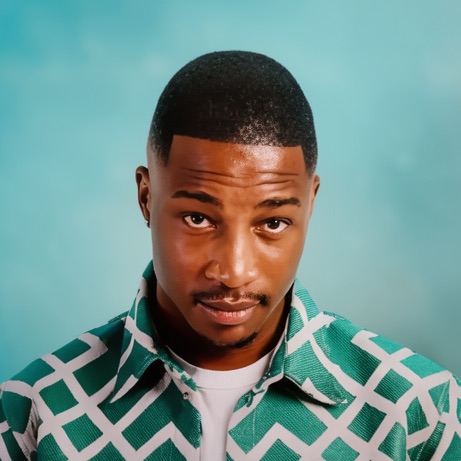
The sound spreads via WhatsApp and social networks. Central figures emerge: Kabza De Small, a producer from Pretoria and « King of amapiano », DJ Maphorisa (co-writer of Drake’s One Dance), as well as Focalistic, Sha Sha and Kamo Mphela 28.
Today, amapiano is inseparable from the global scene. In 2024, Tyla won the first Grammy in the category « Best African Music Performance » for Water, an amapiano song that also entered the Billboard Hot 100 — first African track to do so since 1968 29. Singer Busiswa, who collaborated with Beyoncé, summarizes: « It’s the first time one of our genres dominates our own airwaves more than international songs » 30. Black Coffee, from Durban, crossed the billion streams mark on Spotify in 2023. From Sophiatown to the global stage, a music industry was born.
Pillars of contemporary amapiano
| Artist / Act | Origin | Major Contribution |
|---|---|---|
| Kabza De Small (Kabelo Motha) | Pretoria | Pioneering producer, « King of amapiano » 31 |
| DJ Maphorisa | Gauteng | Scorpion Kings, co-producer for Drake 32 |
| Tyla | Johannesburg | First amapiano Grammy (2024), Hot 100 entry 33 |
| Black Coffee (Nkosinathi Maphumulo) | Durban | First African to reach one billion Spotify streams 34 |
| Uncle Waffles (Shumanda Mbuyazi) | Pretoria | Performed on Beyoncé’s Renaissance tour 35 |
| Sha Sha (Zimbabwe) | Harare | Best new international act at BET Awards 2020 36 |
Challenges and legacy: between industry and community
Despite its global success, the South African music industry remains confronted with structural challenges: youth unemployment exceeds 60% in townships, and production infrastructure — studios, labels, distribution — remains unevenly distributed 37. Amapiano, born on township laptop computers, illustrates this tension: each track is an « improvised business plan » for artists with no access to studios or institutional funding 38.
Yet, this same precariousness is the source of the genre’s strength. As Focalistic says: « Let’s lift each other up with amapiano, it’s our only way out » 39. South African music, whether crossing 1920s shebeens or European festivals of 2025, remains a collective survival mechanism — a space where the community, facing exclusion, invents its own paths to dignity.
Sources
-
Ronnie Graham, Stern’s Guide to Contemporary African Music, Vol. 1, Zwan Publications, 1988, pp. 257-263. URL : https://en.wikipedia.org/wiki/South_African_kwaito ↩︎
-
Grammy News, « Amapiano’s Decade-Long Journey To Global Dominance », February 3, 2024. URL : https://www.grammy.com/news/amapiano-10th-anniversary-road-global-dominance-grammy-win/ ↩︎
-
Spotify Newsroom, « Amapiano’s Origins: Taking Root at Home, Then Spreading Seeds Globally », June 13, 2024. URL : https://newsroom.spotify.com/2024-06-13/amapianos-origins-taking-root-at-home-then-spreading-seeds-globally/ ↩︎
-
Ronnie Graham, Stern’s Guide to Contemporary African Music, Vol. 2, Pluto Press, 1992, pp. 224. ↩︎
-
Wolfgang Bender, Sweet Mother: Modern African Music, University of Chicago Press, 1985/1991, chapter 6, pp. 172-186. ↩︎
-
Ronnie Graham, Stern’s Guide, p. 258. ↩︎
-
Wolfgang Bender, Sweet Mother, p. 183. ↩︎
-
Wolfgang Bender, Sweet Mother, p. 179. ↩︎
-
Ronnie Graham, Stern’s Guide, p. 259. ↩︎
-
Wolfgang Bender, Sweet Mother, p. 183. ↩︎
-
François Bensignor, Les Musiques du monde, Larousse, 2002, chapter 6. ↩︎
-
Wolfgang Bender, Sweet Mother, p. 180. ↩︎
-
Ronnie Graham, Stern’s Guide, p. 260. ↩︎
-
Wolfgang Bender, Sweet Mother, p. 184. ↩︎
-
Ronnie Graham, Stern’s Guide, p. 261. ↩︎
-
The Guardian, « Tributes paid to Hugh Masekela », January 23, 2018. URL : https://www.theguardian.com/music/2018/jan/23/hugh-masekela-south-african-musician-and-anti-apartheid-activist-a8185141.html ↩︎
-
Ronnie Graham, Stern’s Guide, p. 261. ↩︎
-
Wolfgang Bender, Sweet Mother, p. 181. ↩︎
-
Wolfgang Bender, Sweet Mother, p. 185. ↩︎
-
Wolfgang Bender, Sweet Mother, p. 185. ↩︎
-
Wikipedia, « South African kwaito ». URL : https://en.wikipedia.org/wiki/South_African_kwaito ↩︎
-
Wikipedia, « South African kwaito ». ↩︎
-
Wikipedia, « South African kwaito ». ↩︎
-
Wikipedia, « South African kwaito ». ↩︎
-
Brand South Africa, « Brenda, Township Madonna ». URL : https://brandsouthafrica.com/109281/news-facts/brendafassie ; Wikipedia, « Brenda Fassie ». URL : https://en.wikipedia.org/wiki/Brenda_Fassie ↩︎
-
Rolling Stone, « Amapiano: Birth, Rise, and Where It’s Headed ». URL : https://rollingstone.com/music/music-features/amapiano-genre-house-south-africa-1191523 ↩︎
-
Spotify Newsroom, « Amapiano’s Origins ». ↩︎
-
Rolling Stone, « Amapiano: Birth, Rise, and Where It’s Headed » ; Spotify Newsroom, « Piano to the World: Amapiano’s Evolution From Underground Movement to Global Sensation », June 13, 2024. URL : https://newsroom.spotify.com/2024-06-13/piano-to-the-world-amapianos-evolution-from-underground-movement-to-global-sensation/ ↩︎
-
Grammy News, « Amapiano’s Decade-Long Journey ». ↩︎
-
Rolling Stone, « Amapiano: Birth, Rise, and Where It’s Headed ». ↩︎
-
Rolling Stone, « Amapiano: Birth, Rise, and Where It’s Headed ». ↩︎
-
Grammy News, « Amapiano’s Decade-Long Journey ». ↩︎
-
Grammy News, « Amapiano’s Decade-Long Journey ». ↩︎
-
Wikipedia, « Black Coffee (DJ) ». ↩︎
-
Spotify Newsroom, « Piano to the World ». ↩︎
-
Grammy News, « Amapiano’s Decade-Long Journey ». ↩︎
-
African Music Library, « A Brief History of Amapiano ». URL : https://africanmusiclibrary.org/blog/a-brief-history-of-amapiano ↩︎
-
Journal of African Music, « Kwaito as history: Complicating contemporary historiographies », Vol. 12(1), 2023. URL : https://journal.ru.ac.za/index.php/africanmusic/article/download/2529/1388/1778 ↩︎
-
BBC, 2022. Cited in the Journal of African Music, op. cit. ↩︎