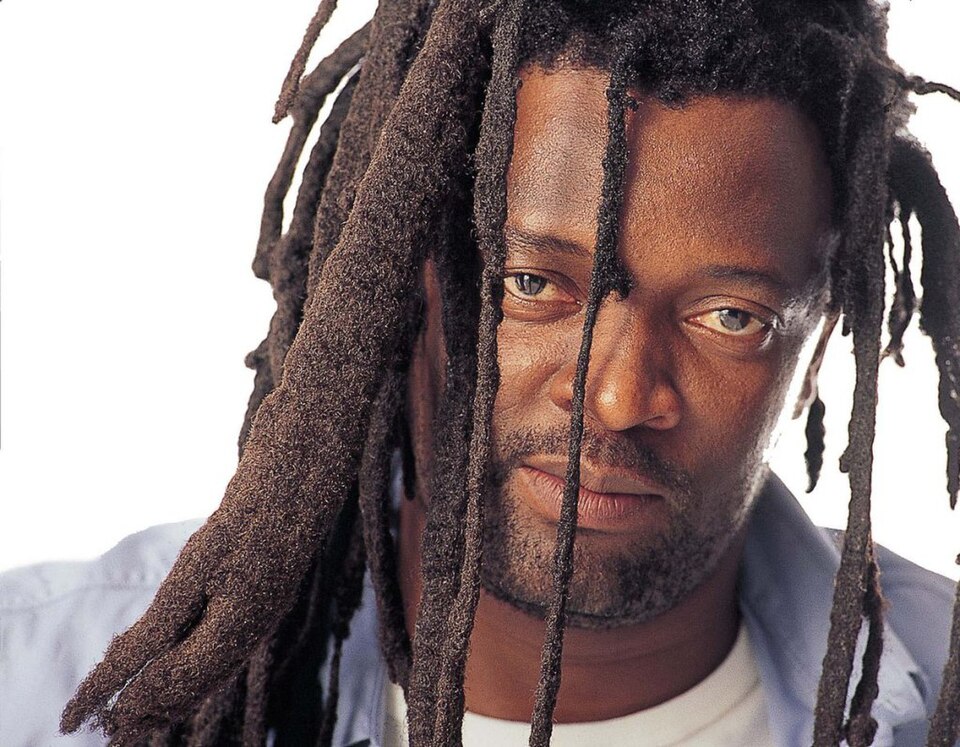
Biography
Lucky Dube: reggae as a weapon against apartheid
On October 18, 2007, at eight o’clock, Lucky Dube exits his car in a Johannesburg suburb. Two men block his path, demand his Chrysler, and shoot. The artist collapses instantly before the horrified eyes of his two children—sixteen and fifteen years old—who he had just dropped off at an uncle’s house. In a few seconds, Africa loses its reggae voice.
At a glance
| Full name | Lucky Philip Dube |
| Birth | August 3, 1964, Ermelo (Transvaal, today Mpumalanga), South Africa |
| Death | October 18, 2007, Rosettenville (Johannesburg), South Africa |
| Genre | Reggae, mbaqanga — Zulu urban music |
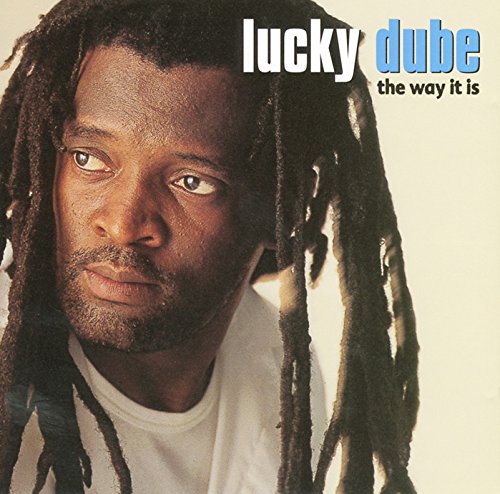
| Notable works | Think About the Children, Slave, Prisoner, Respect |
| Awards | Best African Artist at the World Music Awards 1996, International Artist of the Year at the Ghana Music Awards 2008 |
Key dates
| Year | Event |
|---|---|
| 1964 | Born in Ermelo, raised by his mother and grandmother in poverty |
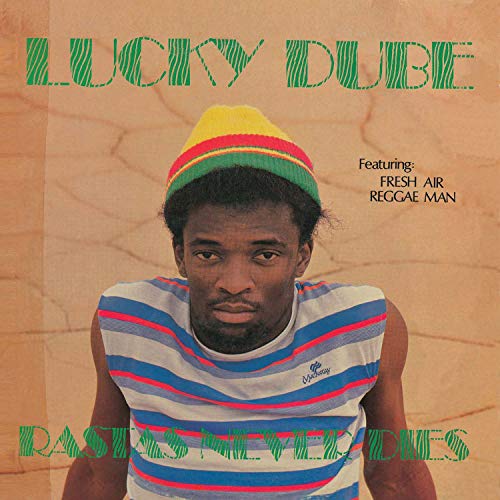
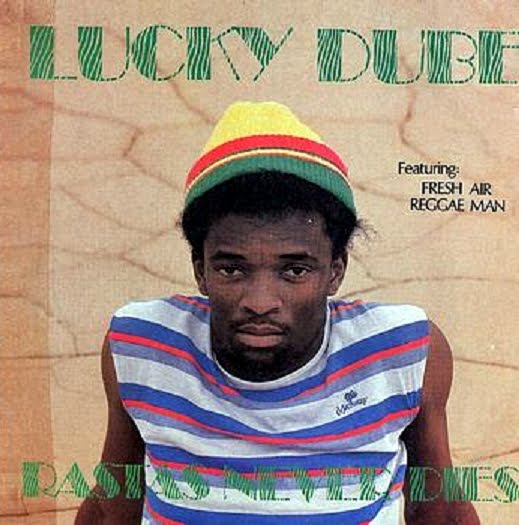
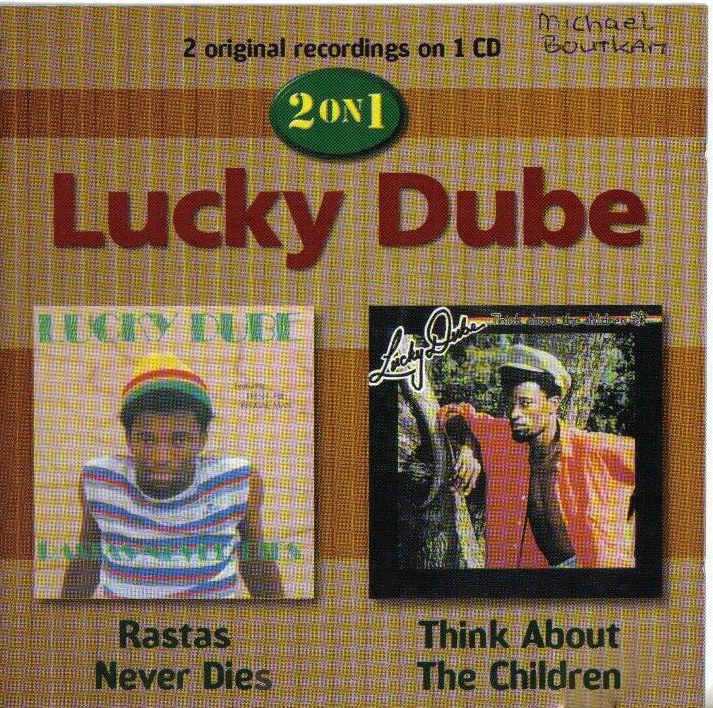
| 1984 | Rastas Never Die: first reggae turn, banned by apartheid |
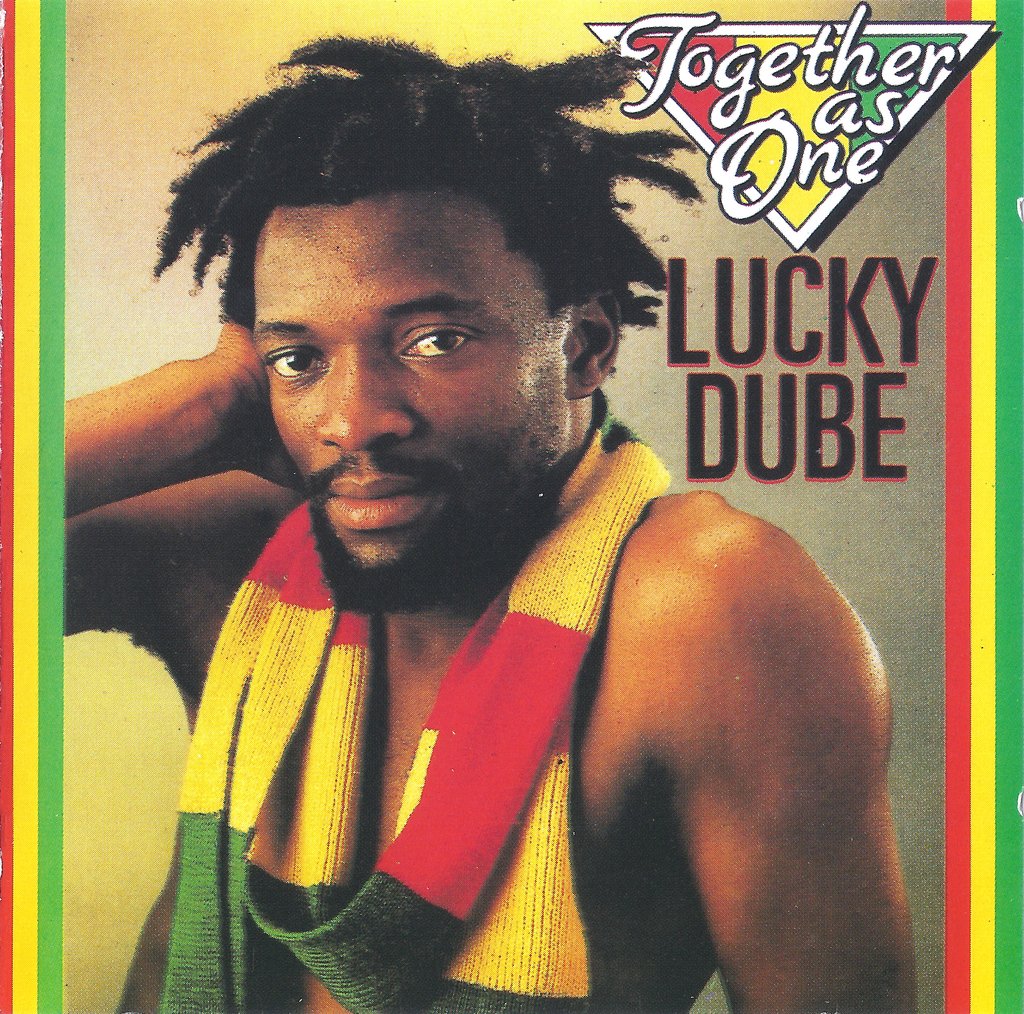
| 1985 | Think About the Children: platinum record, national success |
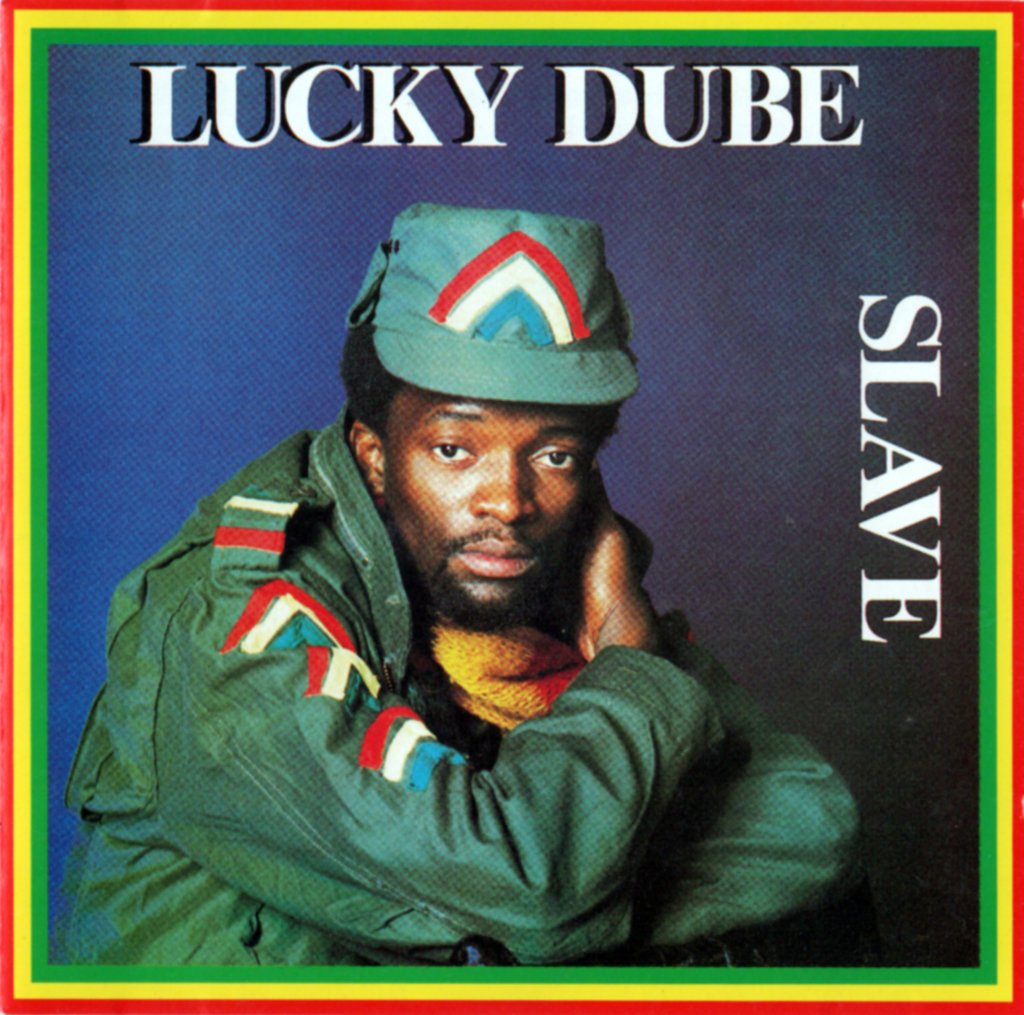
| 1987 | Slave: 500,000 worldwide sales |
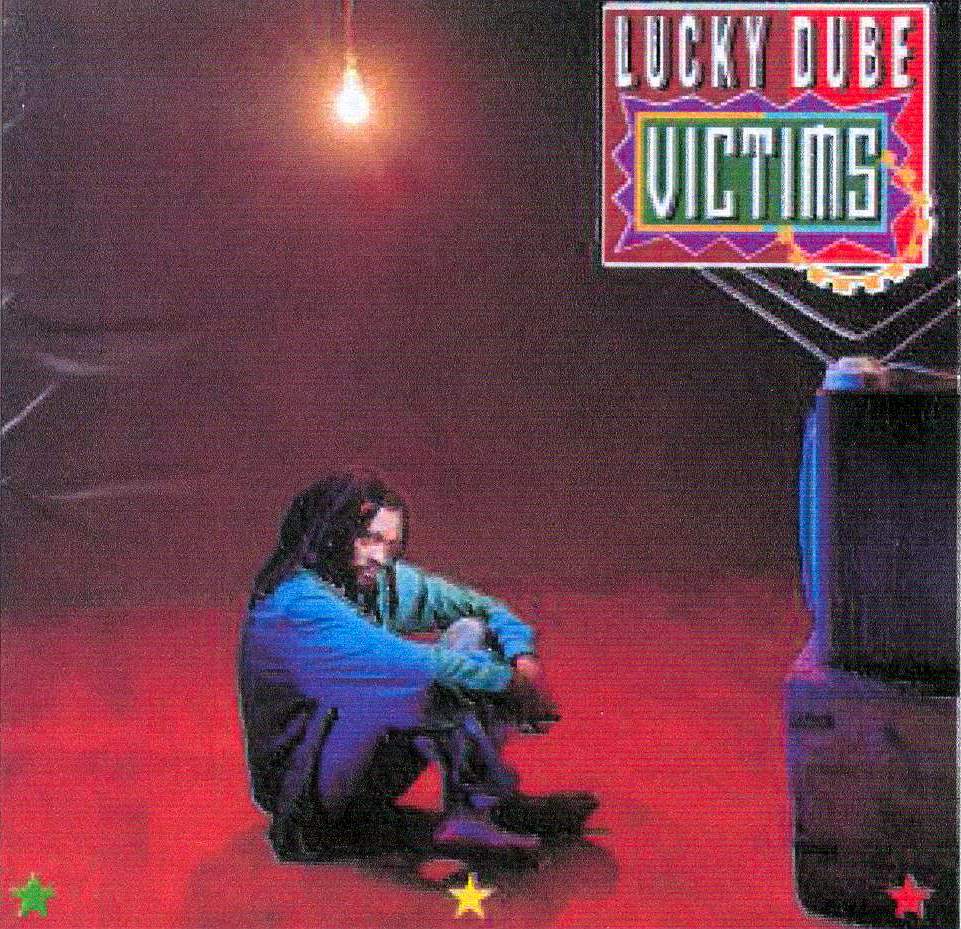
| 1993 | Victims: first million copies sold |
| 1995 | First South African artist signed to Motown/Tabu Records |
| 1996 | World Music Awards in Monte-Carlo |
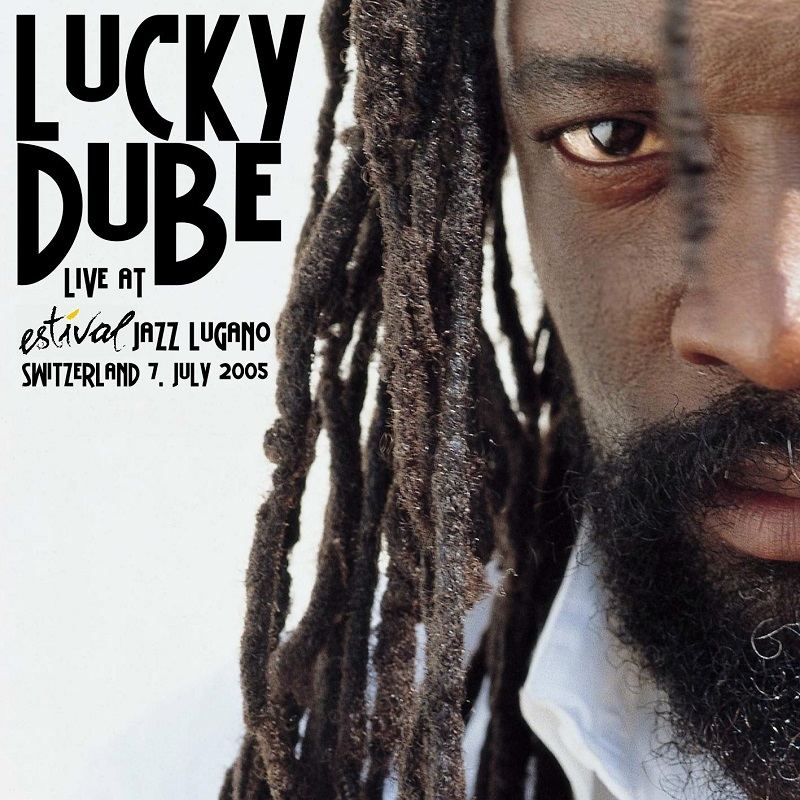
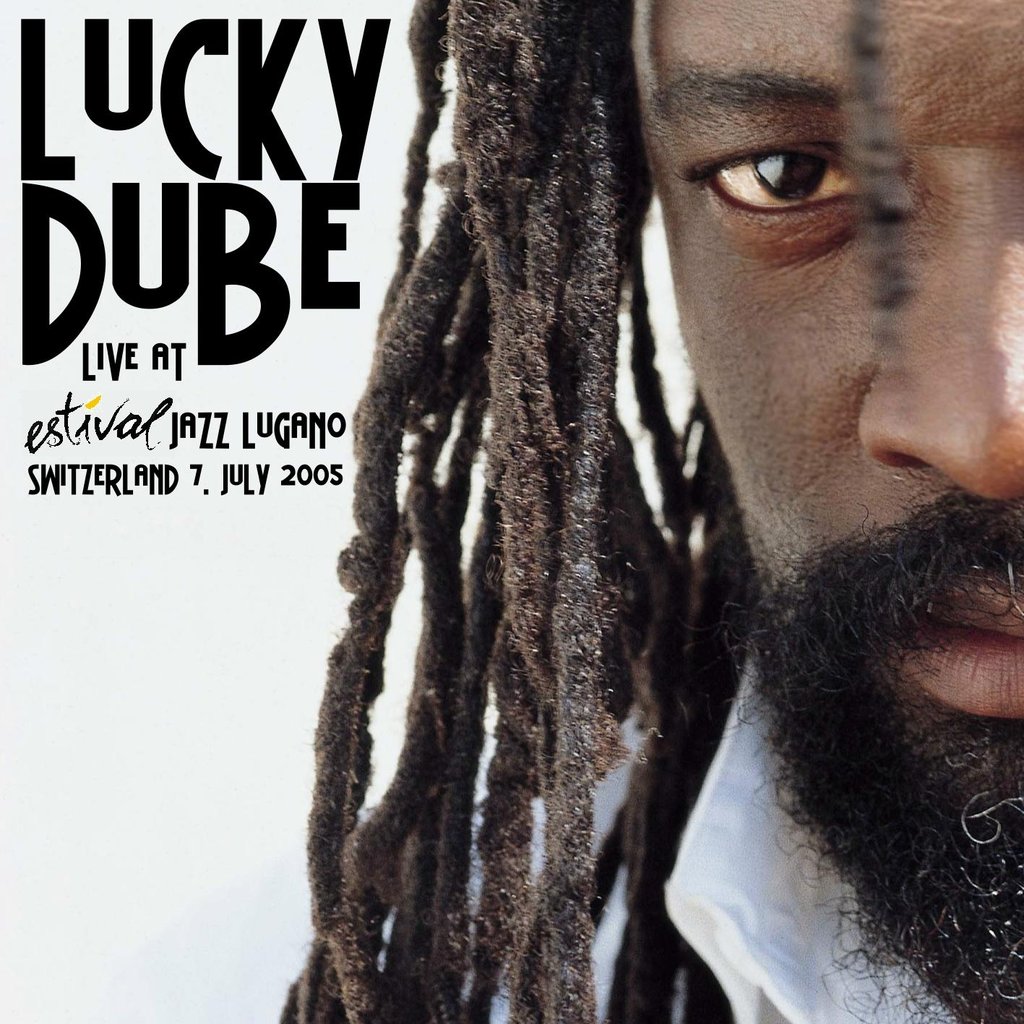
| 2005 | Concert at the Johannesburg Live 8 |
| 2007 | Assassinated in Johannesburg; five defendants sentenced to life imprisonment |
A reggae that says no to apartheid
Lucky Philip Dube was born on August 3, 1964, in a hamlet near Ermelo. His parents separated before his birth; his mother Sarah entrusted little Lucky and his two brothers to his grandmother, Sarah senior, the guardian figure of his childhood. She named him Lucky, meaning luck, because he had survived a serious illness in his first months. In Zulu, Dube means zebra.
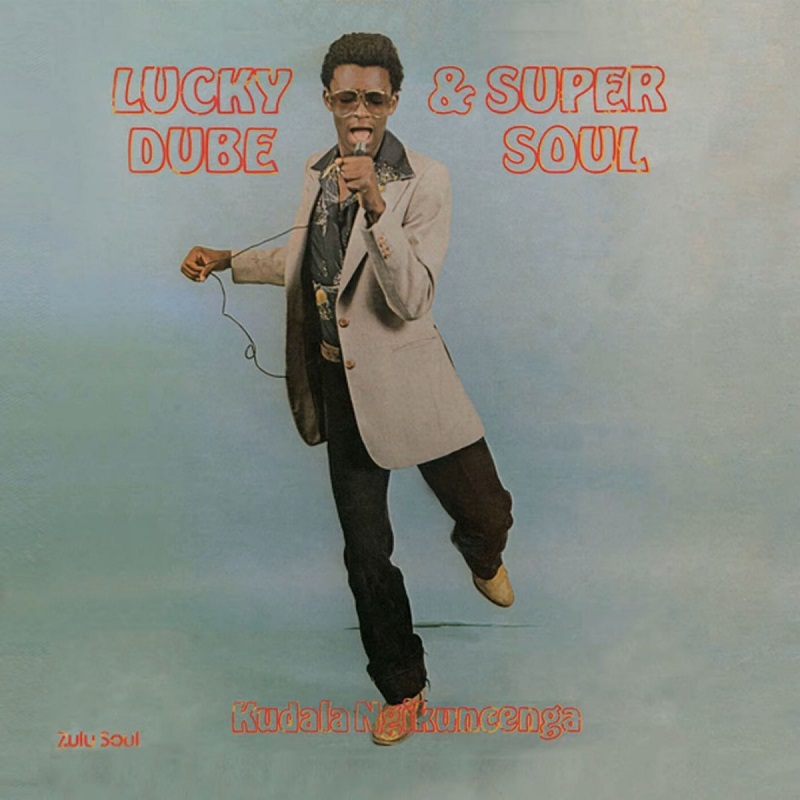
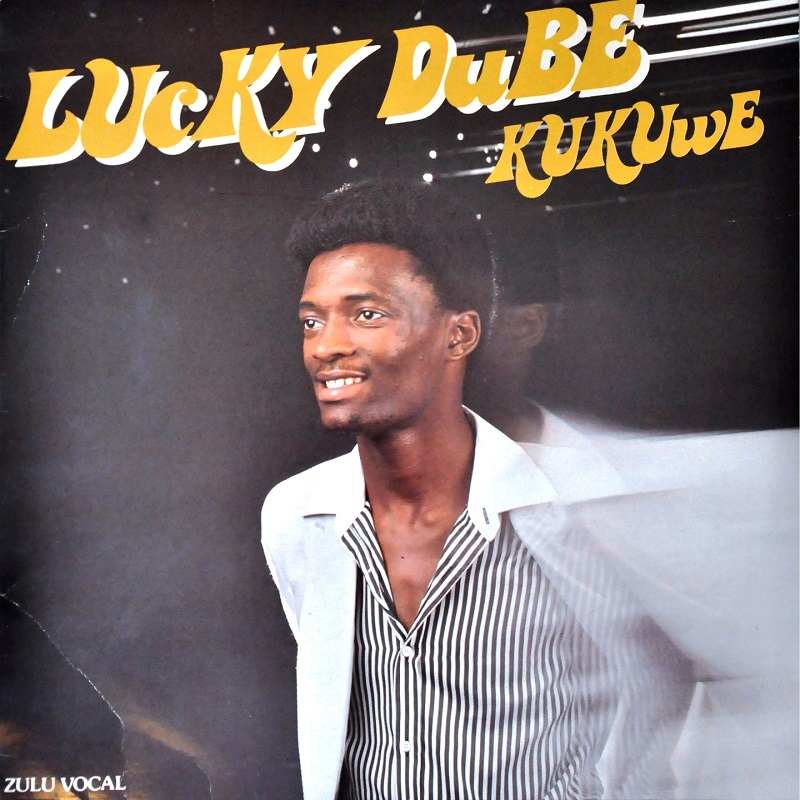
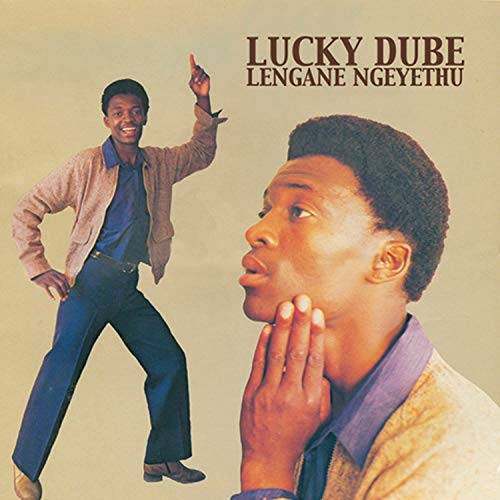
Lucky worked as a gardener before even going to school. When he finally entered school, he discovered the choir, then formed with friends the Skyway Band. At eighteen, he joined the Love Brothers, his cousin Richard Siluma’s group, who played mbaqanga — the danceable Zulu pop music of the townships. They signed with Teal Records (later Gallo) and recorded Lucky Dube and the Supersoul (1982) during the holidays. He wrote neither lyrics nor compositions. But he learned English and listened to Jimmy Cliff, Peter Tosh, and Bob Marley.
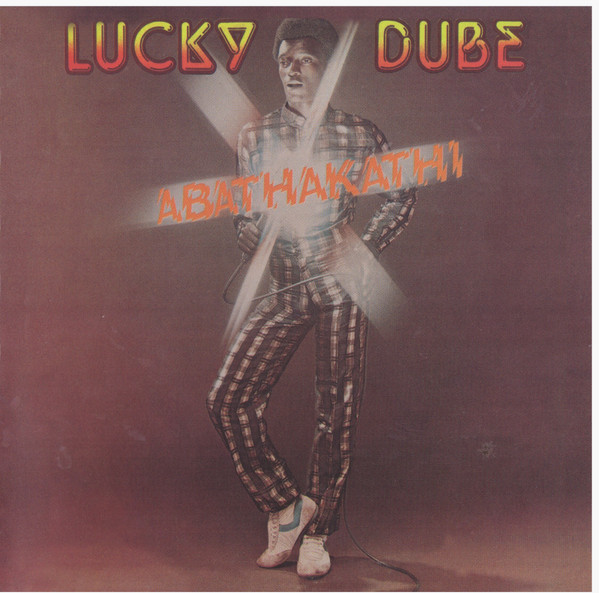
His mother feared music, but Lucky persisted. From Abathakathi (1984), he wrote his own lyrics. Listening to Jamaican reggae, he perceived the link between anti-colonial struggles of the 1970s and South African apartheid reality.
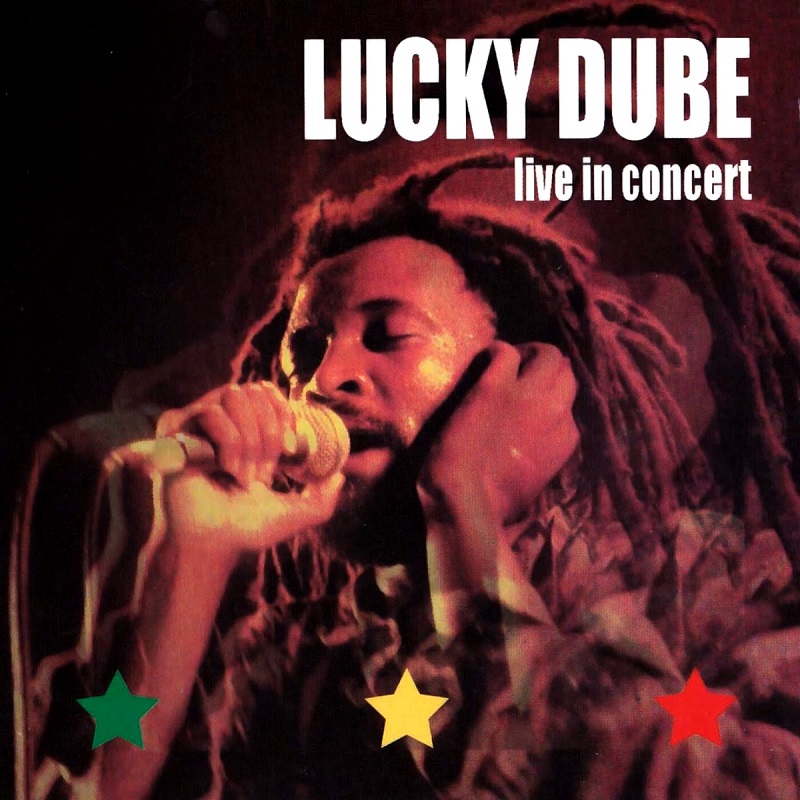
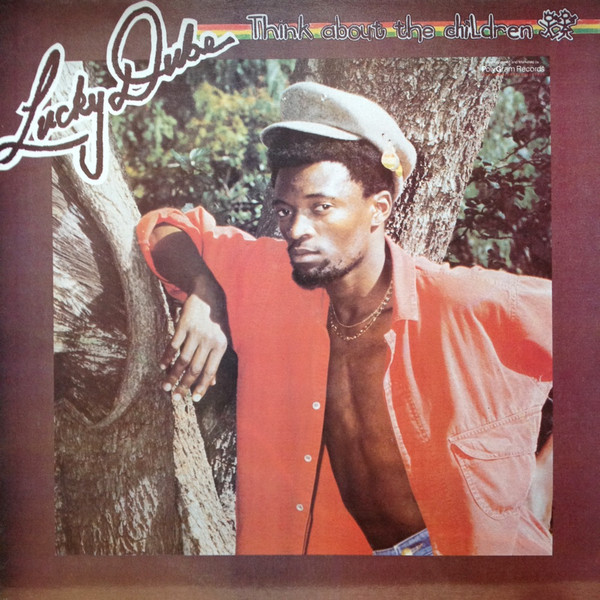
In 1984, he recorded Rastas Never Die alone, playing all instruments with technician Dave Segal’s help. The record sold 4,000 copies — a disaster. The apartheid regime banned it for its anti-regime lyrics. What could have broken an artist instead strengthened Lucky Dube. He continued performing reggae tracks live. The audience cheered these new songs. He decided to release a second album entirely in reggae, without informing his label: Think About the Children (1985) became a success — platinum in South Africa, gold record in the United States.
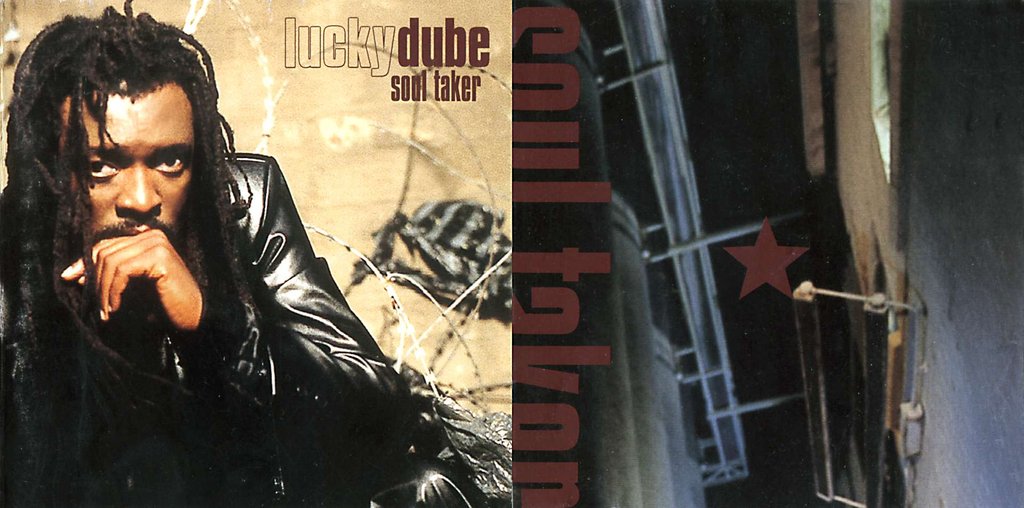
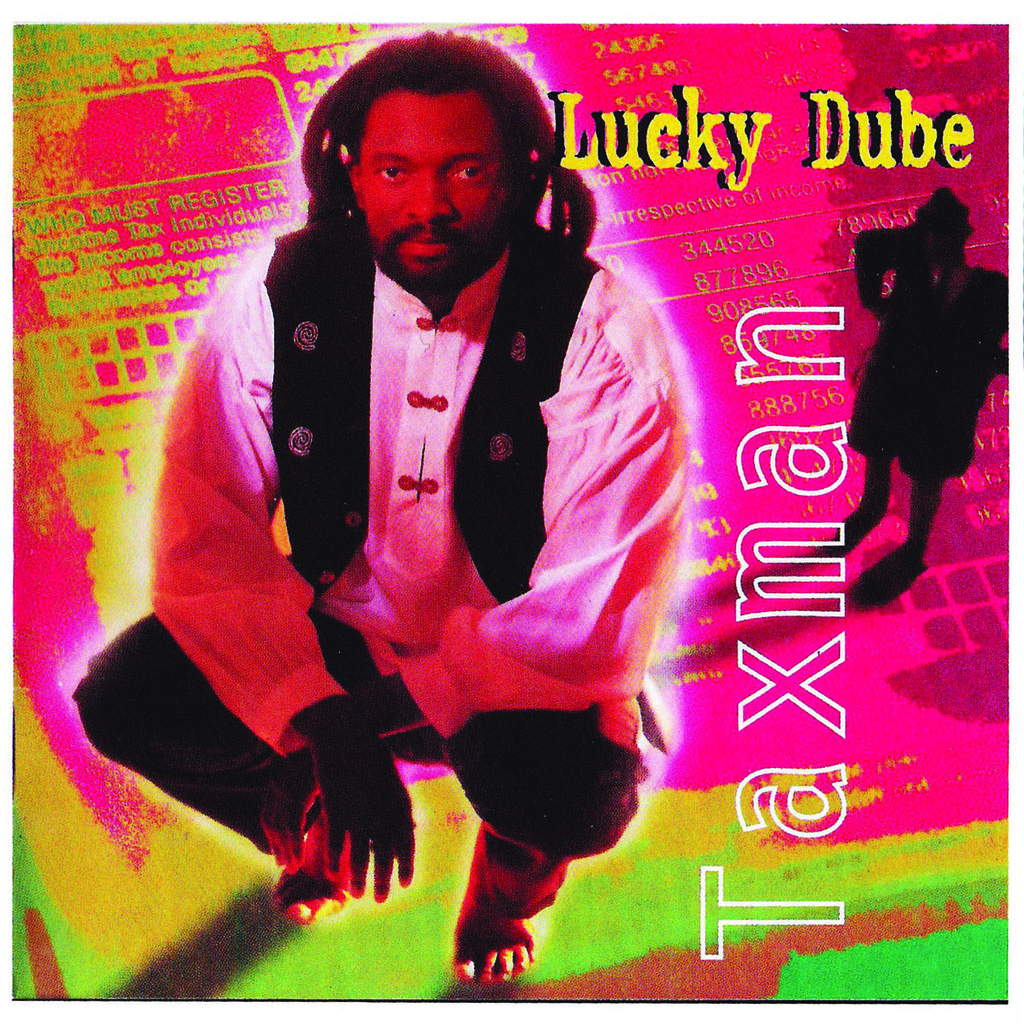
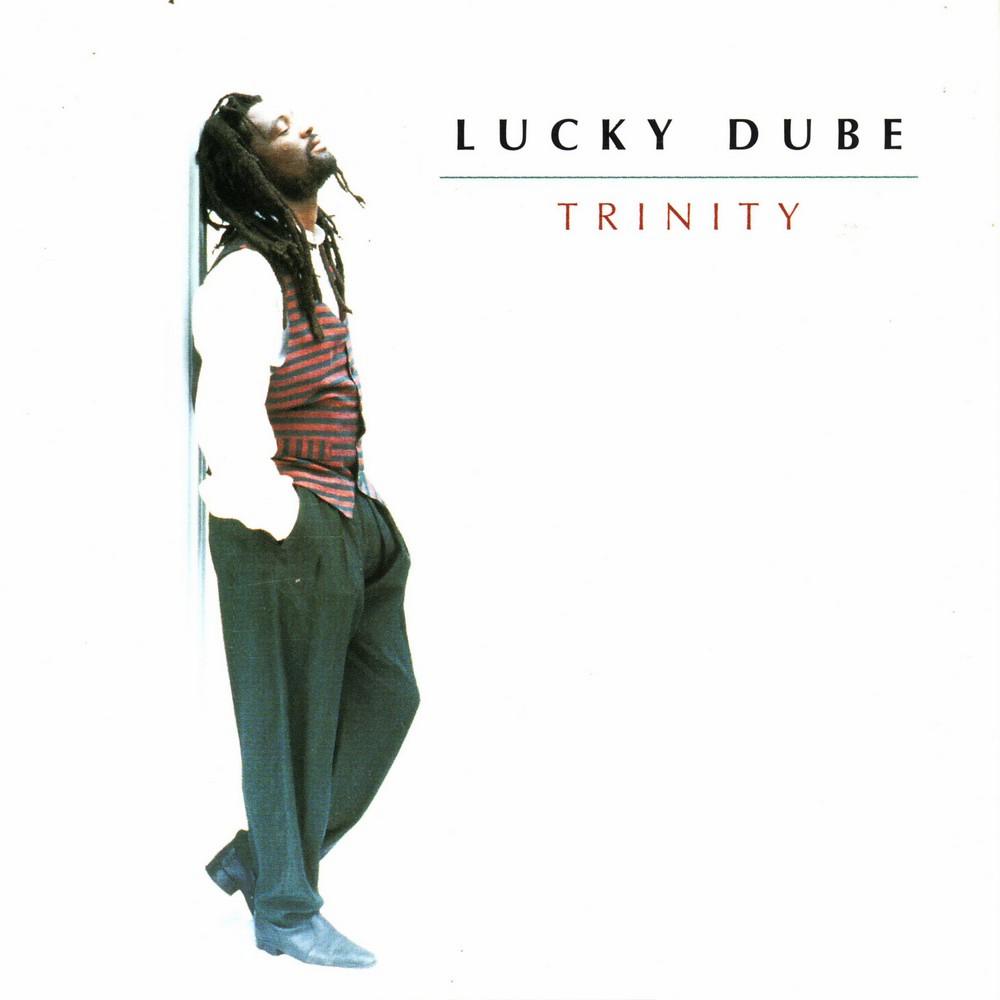
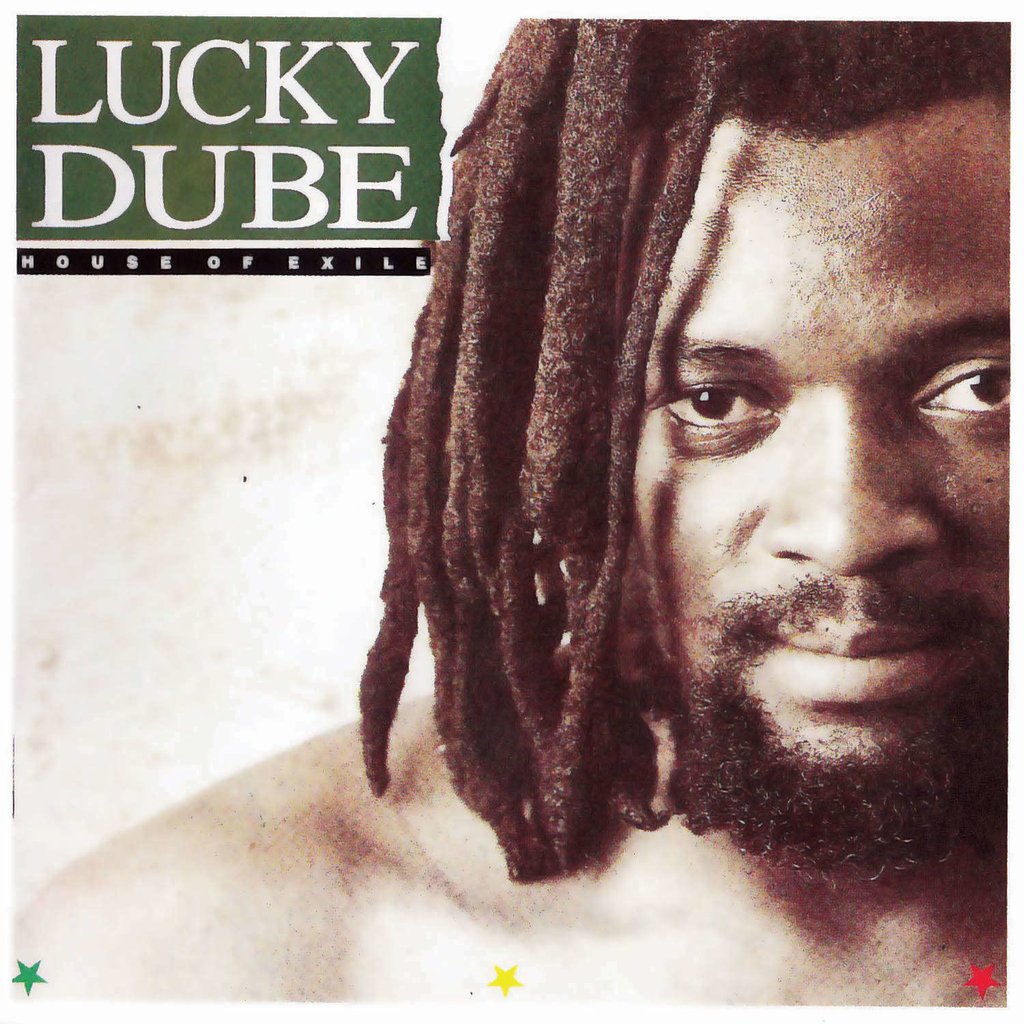
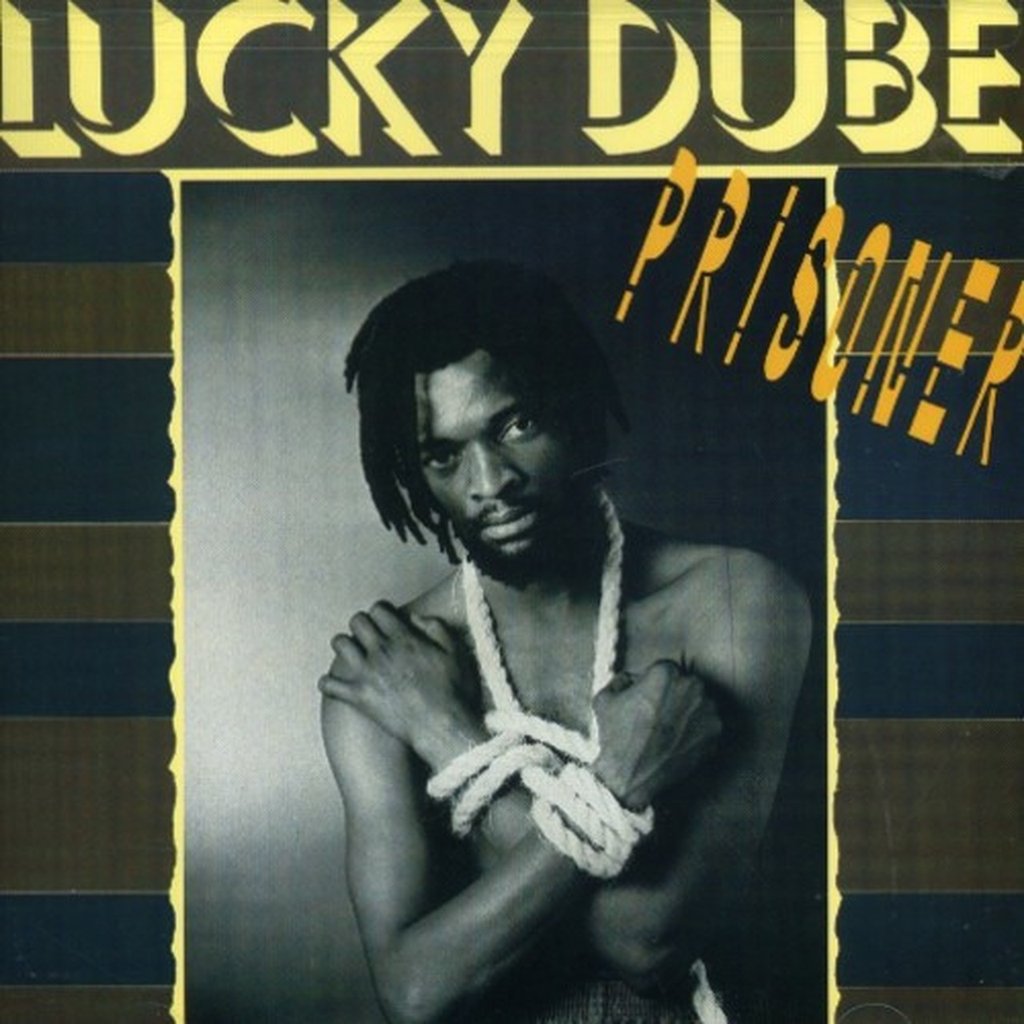
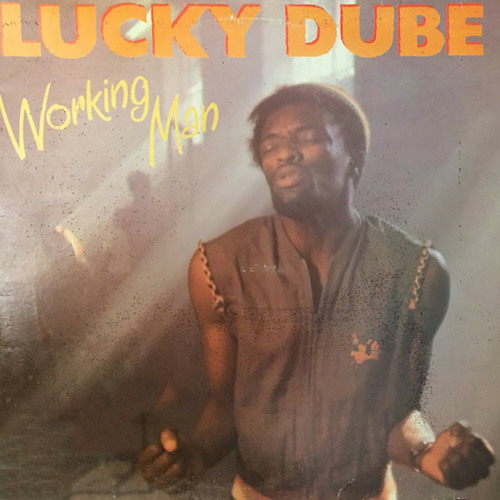
The ascent was meteoric. Slave (1987) sold 500,000 copies; Prisoner (1989) and House of Exile (1991) each won four OKTV Awards. Victims (1993) crossed the million-copy threshold. In 1995, he signed with Motown — first South African in the history of this music legend. Trinity, published by Tabu, marked his international entry. First South African artist at the Reggae Sunsplash in Jamaica in 1991, he returned the following year for a twenty-five-minute ovation, sharing stages with Sinéad O’Connor, Peter Gabriel, and Sting.
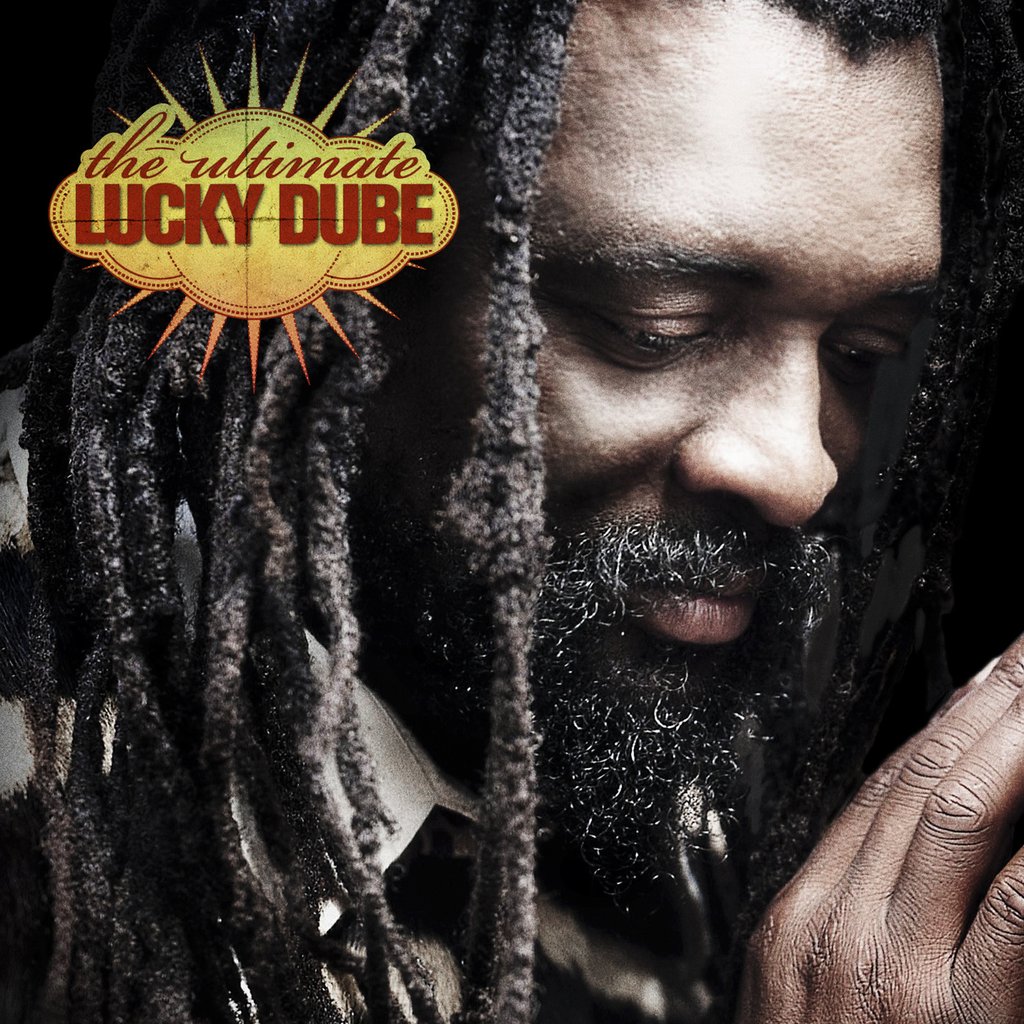
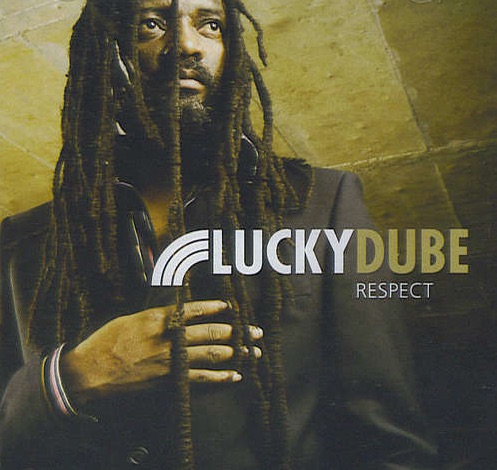
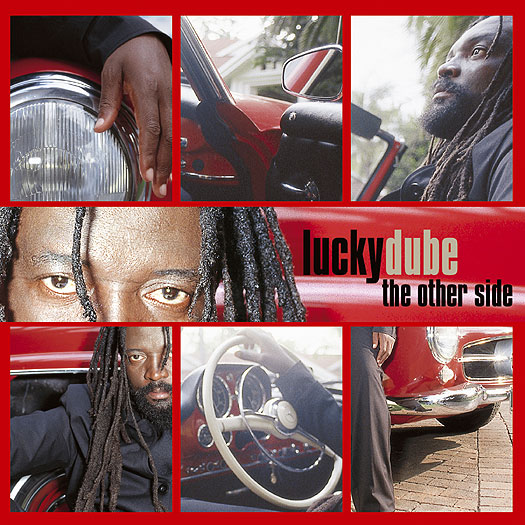
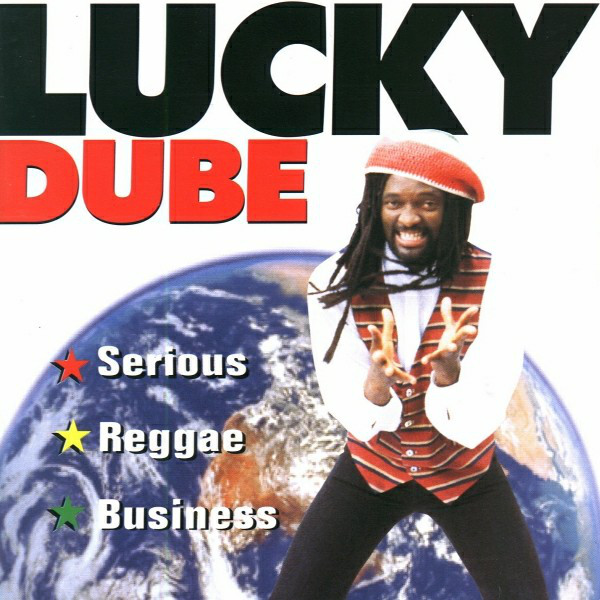
In 1996, Serious Reggae Business earned him the title of Best African Artist at the Monte-Carlo World Music Awards. The Ghana Music Awards named him International Artist of the Year. He received five South African Music Awards, including a posthumous Lifetime Achievement Award in 2008. Singing in Zulu, English, and Afrikaans, he refused alcohol and drugs — rare in reggae. In an interview, he simply stated that being rasta for him was a conviction, a healthy way of being. Respect (2006), distributed in Europe by Warner, was his last album. Twenty-two albums in twenty-five years: he remains the best-selling reggae artist on the continent.
Major works
| Work | Year | Why it’s essential |
|---|---|---|
| Rastas Never Die | 1984 | First reggae turn, banned by apartheid — the founding gesture |
| Think About the Children | 1985 | Platinum record, transition from local scene to international success |
| Slave | 1987 | 500,000 worldwide sales, slavery and oppression at the heart of reggae |
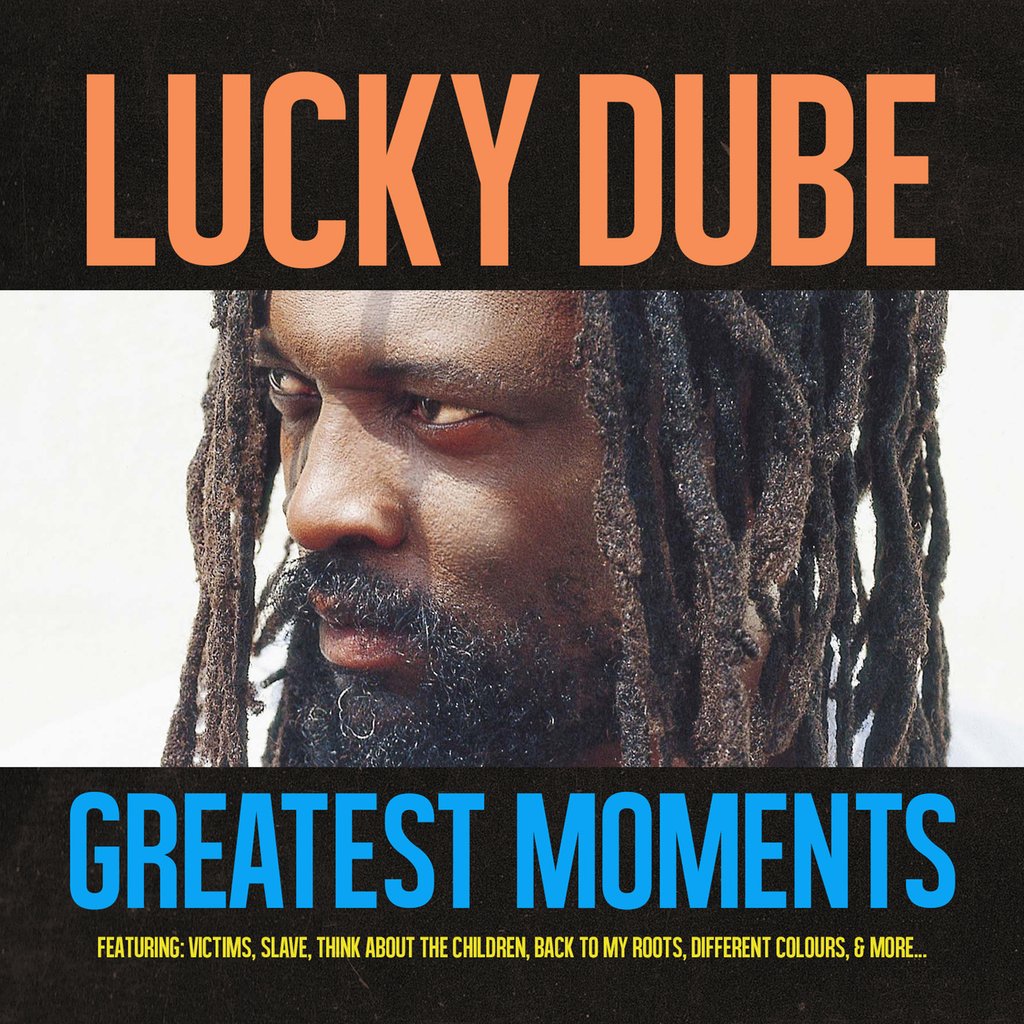
| Victims | 1993 | First million copies sold, hymn to the dignity of the excluded |
Legacy
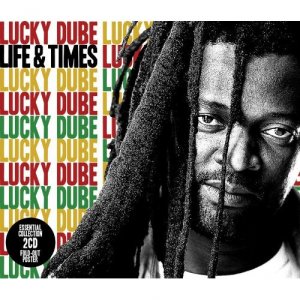
Lucky Dube was a bridge. His reggae, infused with mbaqanga rhythms, paved the way for African artists who wanted to speak of their land without renouncing music’s universality. His name remains a reference from Lagos to Nairobi, from Dakar to Cairo.
After his death, a concert gathered over a hundred artists in Johannesburg. President Thabo Mbeki condemned the murder. The ANC classified the assassination as a cowardly act. Gramps Morgan dedicated him the track Always & Forever. A biennial reggae prize in South Africa now bears his name. In 2026, the Mpumalanga education department inaugurated the Lucky Dube Secondary School of Performing Arts in Ermelo. Young generations still discover his lyrics: against oppression, against racism, for unity and hope.
Sources and references
- Lucky Philip Dube — Wikipedia, https://fr.wikipedia.org/wiki/Lucky_Dube, accessed October 19, 2025.
- Craig Harris, « Lucky Dube » (biography), AllMusic, https://www.allmusic.com/artist/lucky-dube-mn0000255268, accessed 19 October 2025.
- BBC Afrique, « South Africa: Assassination of Lucky Dube », https://www.bbc.co.uk/french/news/story/2007/10/071019_lucky_dube_afrique.shtml, accessed 19 October 2025.
- « Biography of LUCKY DUBE (1964-2007) », Encyclopædia Universalis, https://www.universalis.fr/encyclopedie/lucky-dube/, accessed 19 October 2025.
- « Lucky Dube, South African Reggae Artist born », African American Registry, https://aaregistry.org/story/lucky-dube-a-south-african-reggae-artist/, accessed 19 October 2025.
- « Lucky Dube — Biography », Legacy Official (luckydubelegacy.com), https://luckydubelegacy.com/biography/, accessed 19 October 2025.
- « Five facts about reggae star Lucky Dube », Reuters, https://www.reuters.com/article/entertainmentNews/idUSL1913845120071019, accessed 19 October 2025.
- « S. African reggae star shot dead », BBC News, https://news.bbc.co.uk/2/hi/africa/7052050.stm, accessed 19 October 2025.