Biography
Hugh Masekela: the trumpet of South African freedom
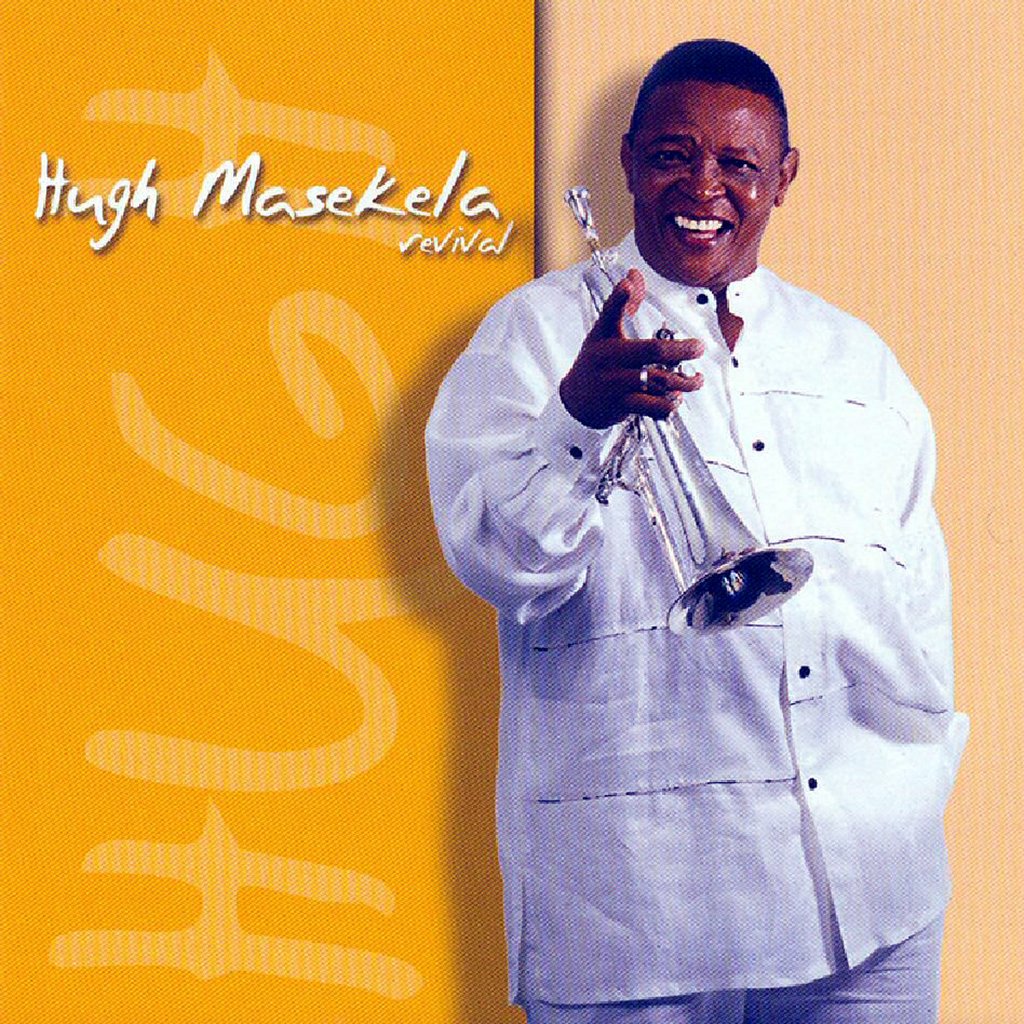
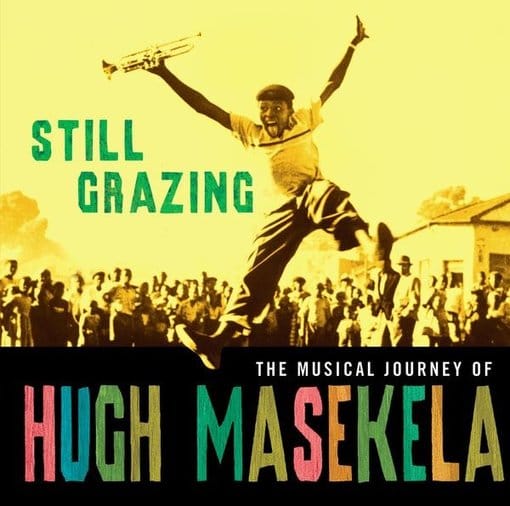
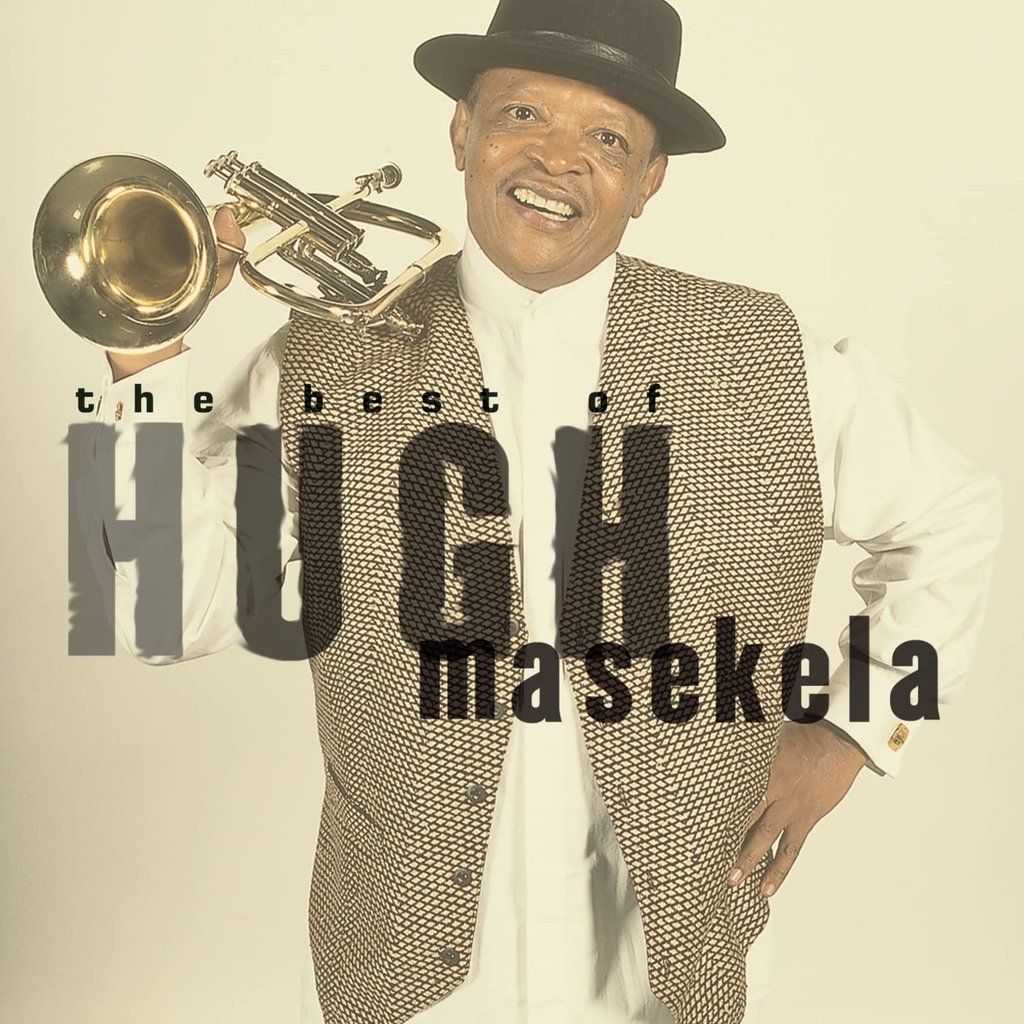
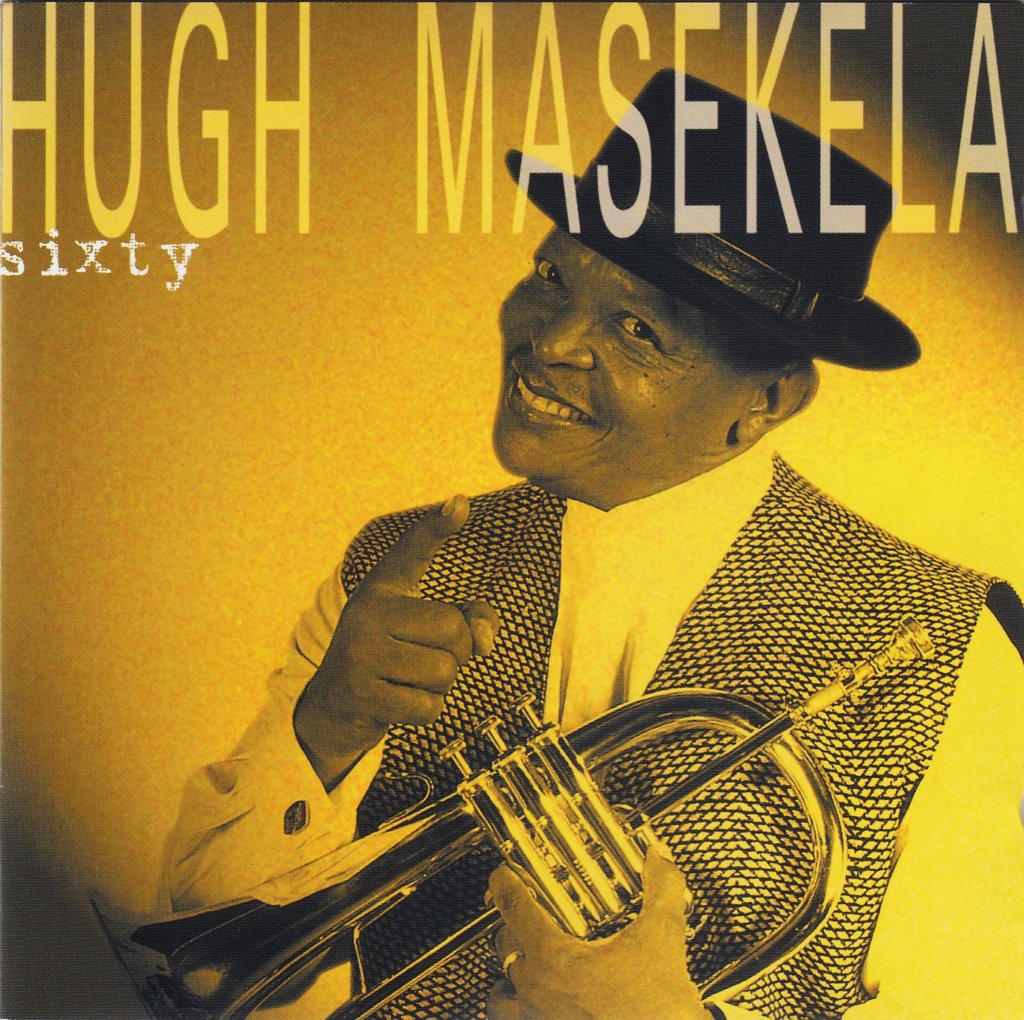
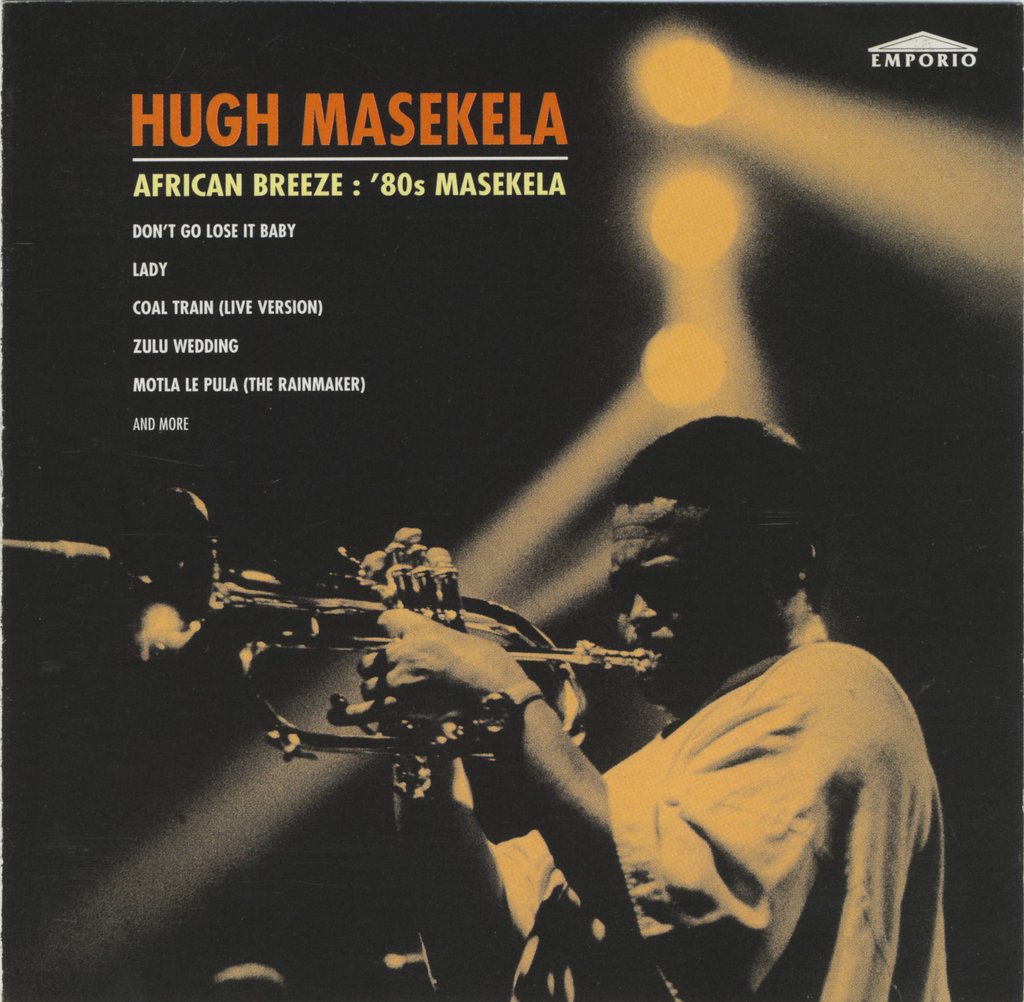
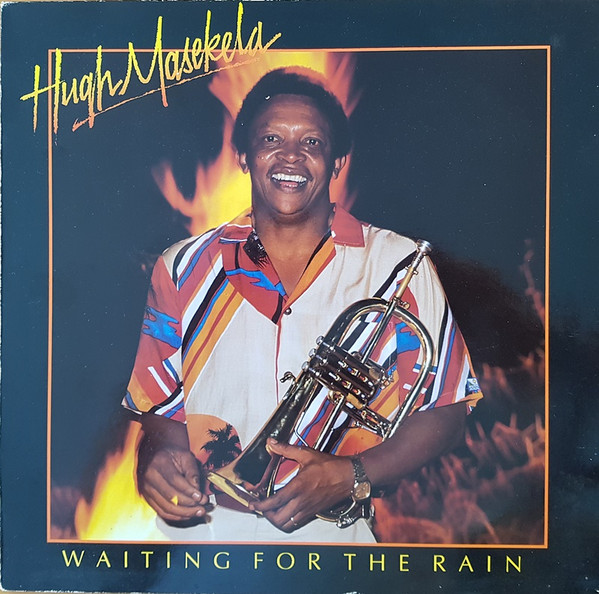
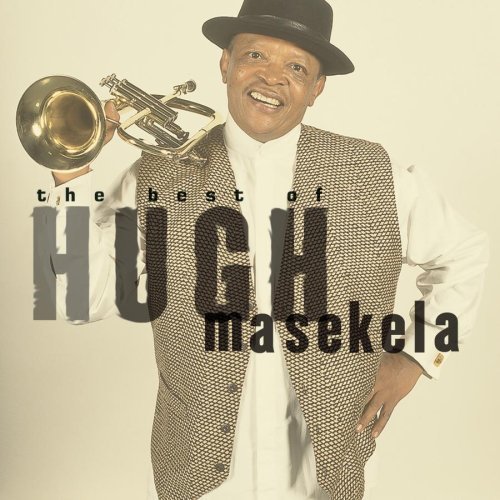
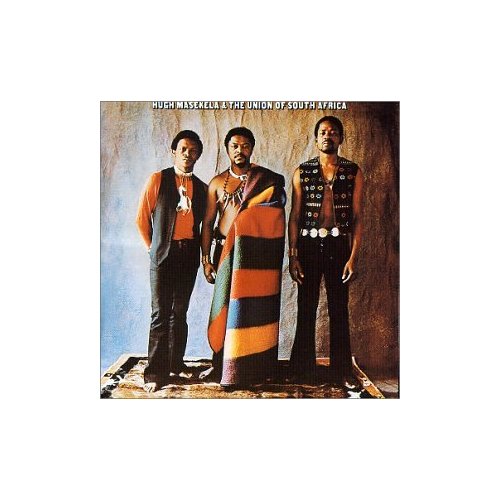
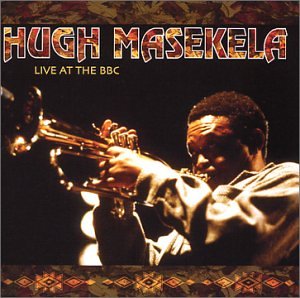
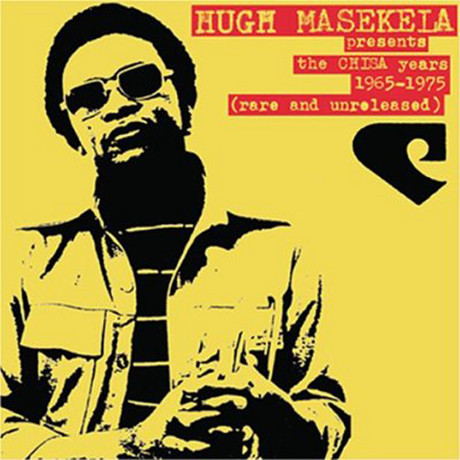
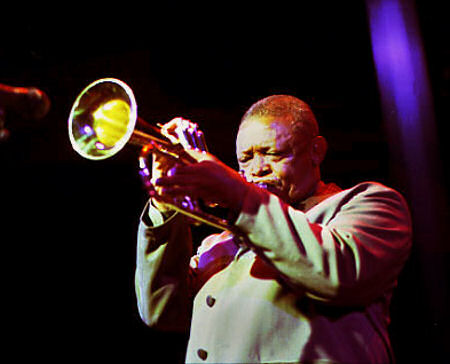
Hugh Masekela brandishing his trumpet on stage in Harare in 1980 embodies a destiny: thirty years of exile for refusing silence, a return to sing the stories that apartheid wanted to keep quiet. From the youth orchestra of a South African township to the world stage, this musician was nicknamed the “father of South African jazz”.
In brief
| Full name | Hugh Ramapolo Masekela |
| Birth | April 4, 1939, Witbank (now Emalahleni), South Africa |
| Death | January 23, 2018, Johannesburg, South Africa |
| Field | Jazz, mbaqanga (South African township music), afro-pop, world music |
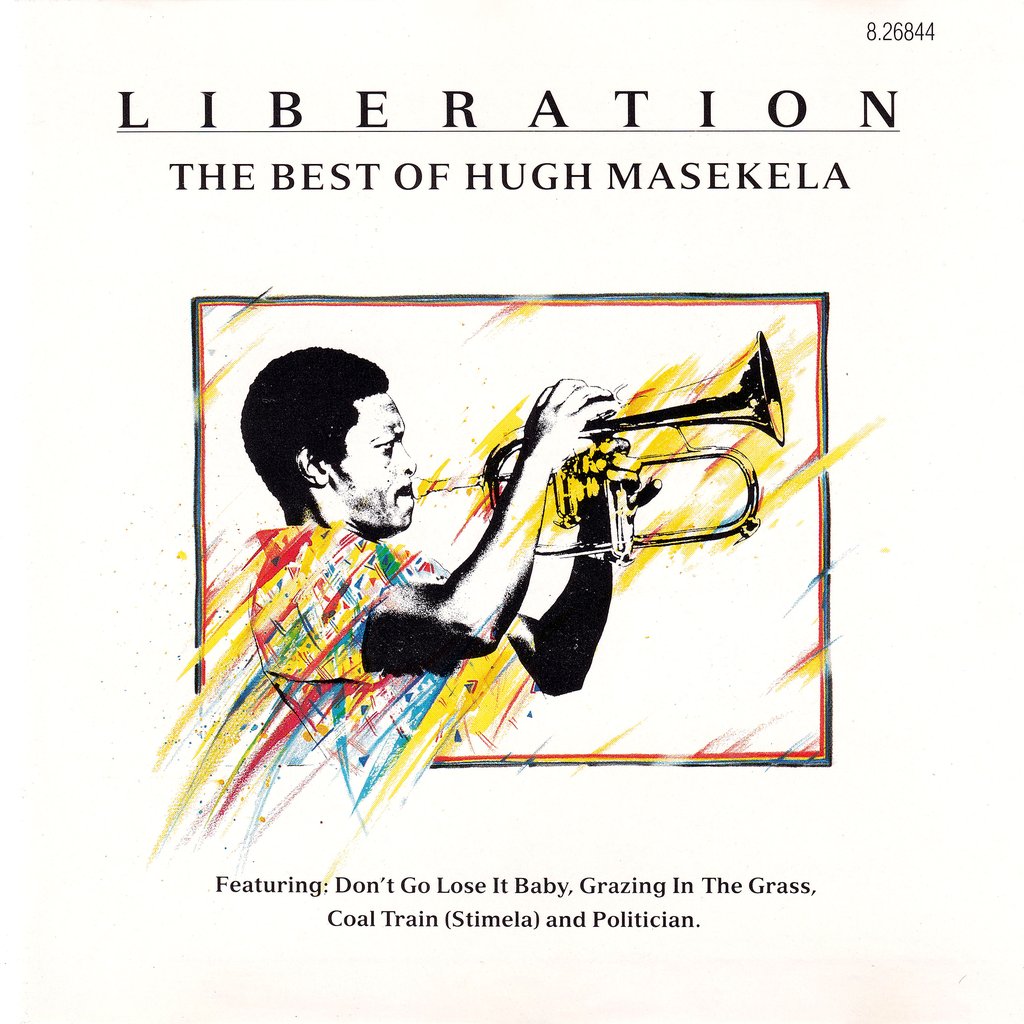
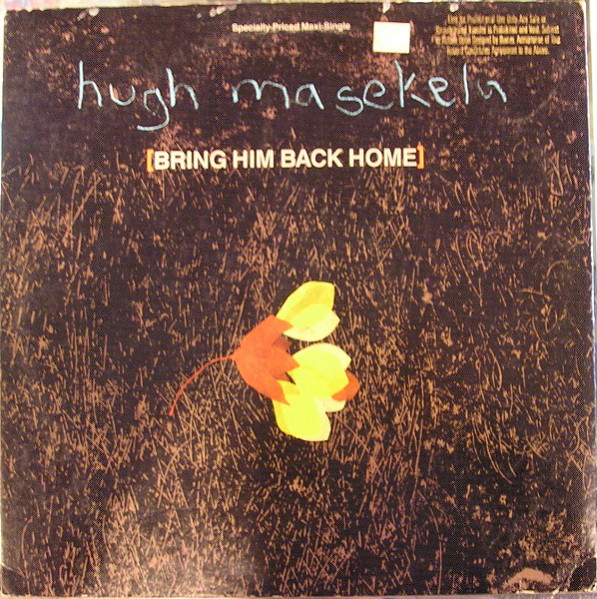
| Notable works | “Grazing in the Grass”, “Stimela”, “Soweto Blues”, “Bring Him Back Home” |
| Awards | Order of Ikhamanga (2004), Grammy Award (triple nomination), Lifetime Achievement WOMEX (2011) |
Key dates
| Year | Event |
|---|---|
| 1939 | Birth in Witbank, in the mining region of Gauteng |
| 1953 | Receives his first trumpet from Reverend Trevor Huddleston; founds the Huddleston Jazz Band |
| 1959 | Co-founds the Jazz Epistles, first South African jazz group to record a 33 rpm LP |
| 1960 | Exiled after the Sharpeville massacre; enters the Manhattan School of Music |
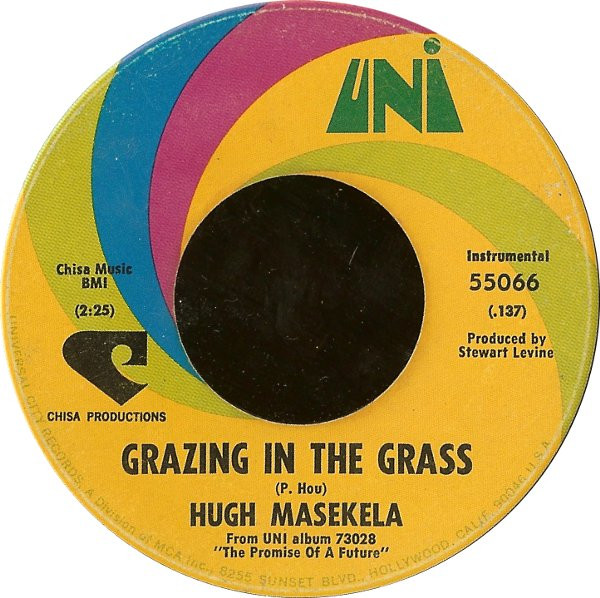
| 1968 | “Grazing in the Grass” #1 on Billboard Hot 100 |
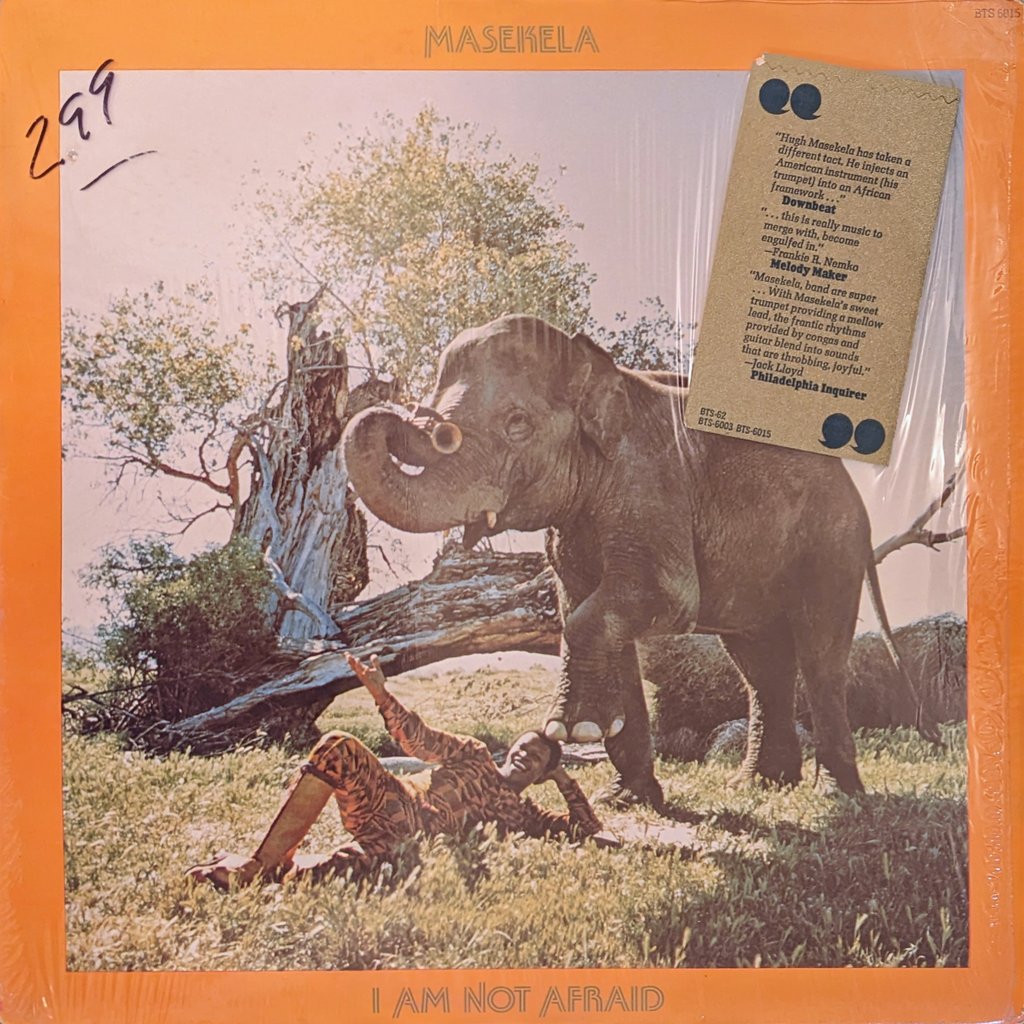
| 1974 | I Am Not Afraid: release of “Stimela”, hymn for migrant mine workers |
| 1987 | “Bring Him Back Home”: global anthem for the liberation of Nelson Mandela |
| 1990 | Return to South Africa after the lifting of the ANC ban |
Township origins and New York revelation
Hugh Ramapolo Masekela was born on April 4, 1939, in the mining town of Witbank. As an adolescent, his life changed after watching the film Young Man with a Horn (1950): he demanded a trumpet, and Reverend Trevor Huddleston, an anti-apartheid chaplain, gave him one. The meeting with Louis Armstrong—who sent his own trumpet as a gift—marked him forever.
In 1960, after the Sharpeville massacre, Masekela left South Africa for thirty years of exile. In New York, he studied classical trumpet at the Manhattan School of Music while frequenting jazz clubs in Greenwich Village, where he met Miles Davis, John Coltrane, and Thelonious Monk. It was there that he met Harry Belafonte, his mentor, and married singer Miriam Makeba in 1964: together, they mingled with American civil rights activists, forging the activist-artist identity that would never leave him.
From “Ooga Booga” to Stimela: music as political weapon
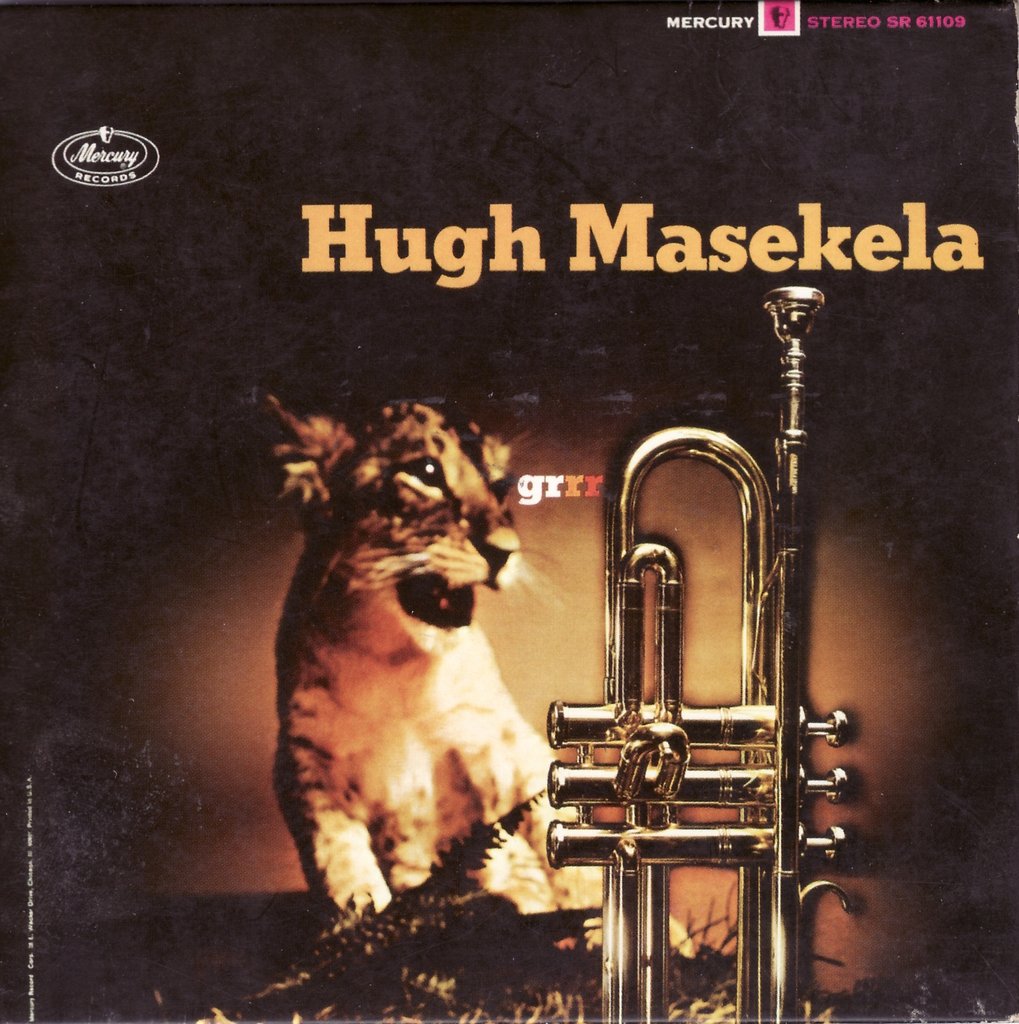
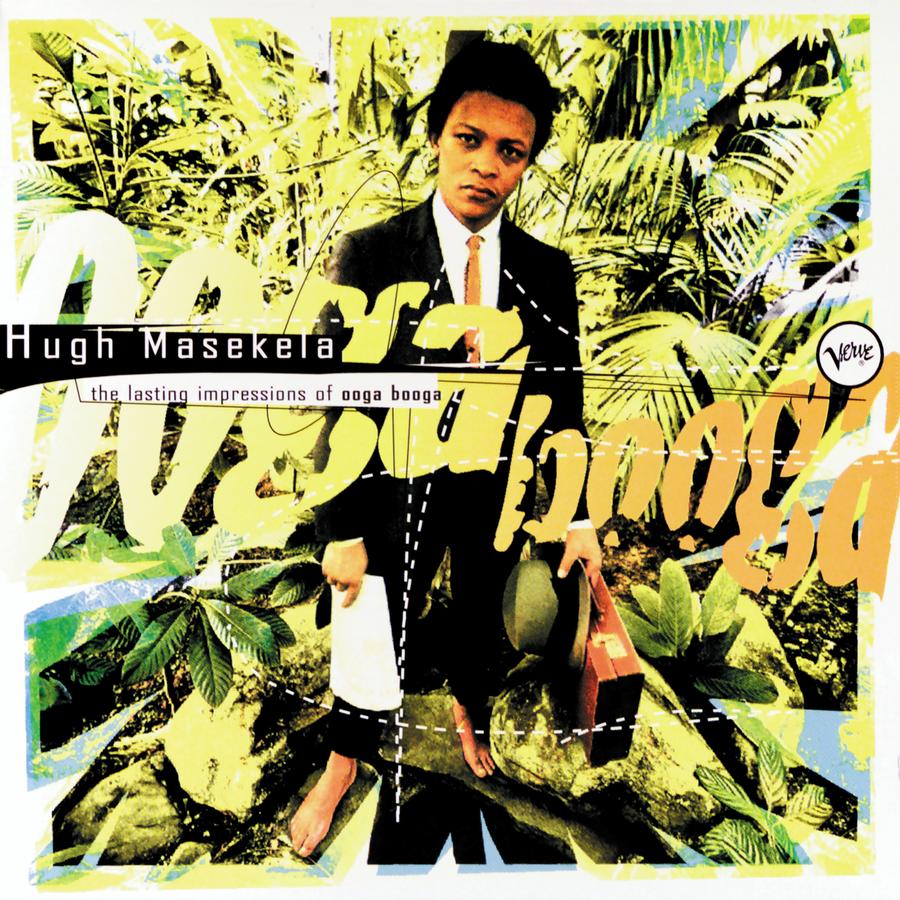
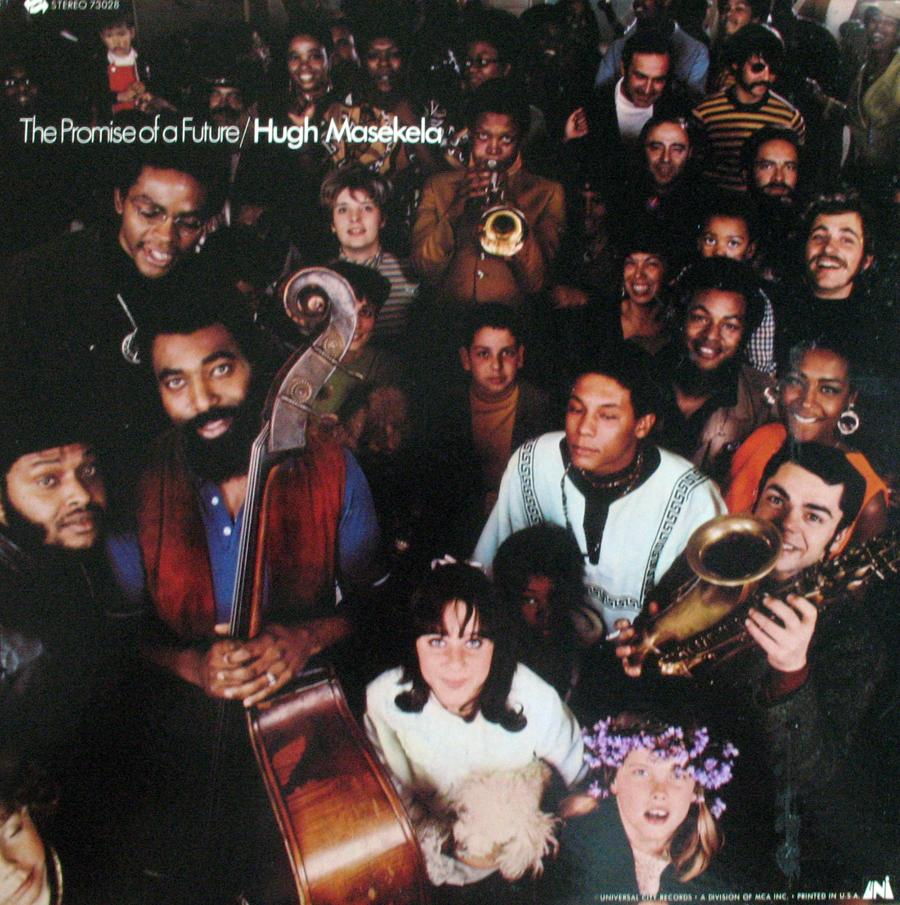
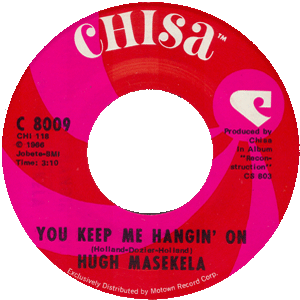
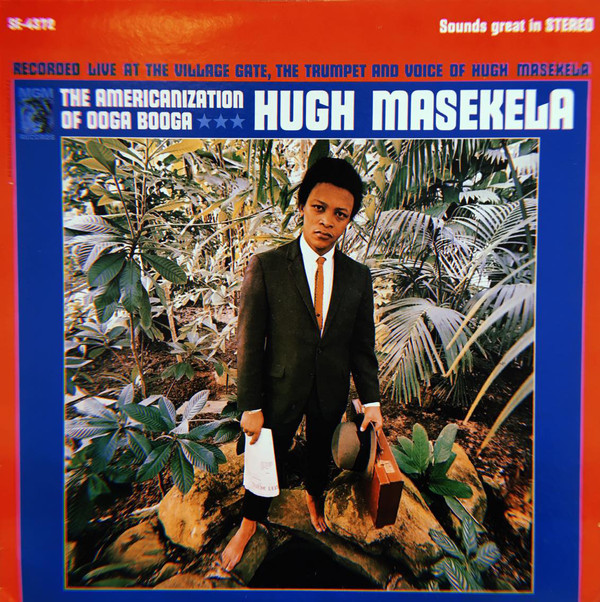
From his first recordings, Masekela refused to be confined to uptown jazz. Grrr (1966) established a style he called “township bop”—the rhythm of townships mixed with jazz—and in 1968, “Grazing in the Grass” exploded to #1 on the Billboard Hot 100, selling more than four million copies over five decades. But Masekela refused to be trapped by commercial success: The Americanization of Ooga Booga (1966) was a response to pressure from his label and American racism.
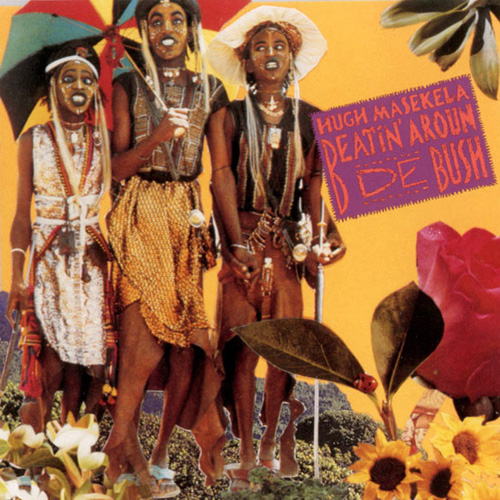
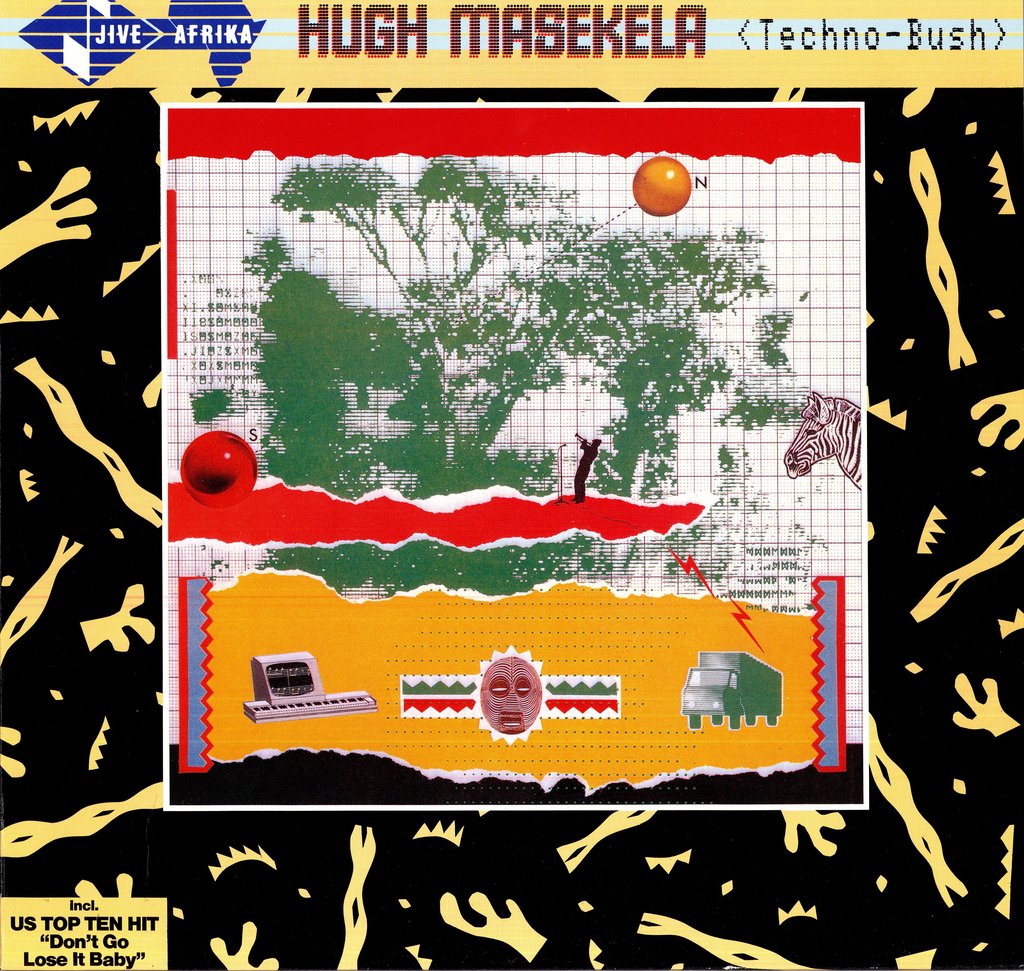
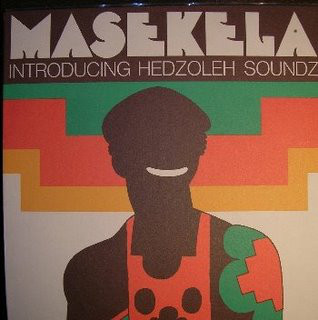
He multiplied trips to Africa—Guinea, Ghana, Nigeria, Zaire—and recorded with Fela Kuti and the Ghanaian group Hedzoleh Soundz. In 1974, I Am Not Afraid included “Stimela”, a moving text about migrant mine workers, and “Night in Tunisia”, a tribute to Dizzy Gillespie infused with African percussion. He also founded the Botswana International School of Music (1985). “Bring Him Back Home” (1987), composed for the liberation of Nelson Mandela, became the global anthem of the anti-apartheid movement. In 1990, the chains fell: Masekela returned to his country.
Major works
| Work | Year | Why it is essential |
|---|---|---|
| Grrr | 1966 | Masekela invents “township bop”, South African jazz that refuses to bow to American jazz |
| “Grazing in the Grass” | 1968 | Only title by an African artist to reach #1 on the Billboard Hot 100; global anthem |
| “Stimela” (The Coal Train) | 1974 | Political masterpiece: fiery testimony on migrant mine workers |
| “Bring Him Back Home” | 1987 | Anti-apartheid anthem for the liberation of Nelson Mandela; banned in South Africa, played worldwide |
Legacy and influence
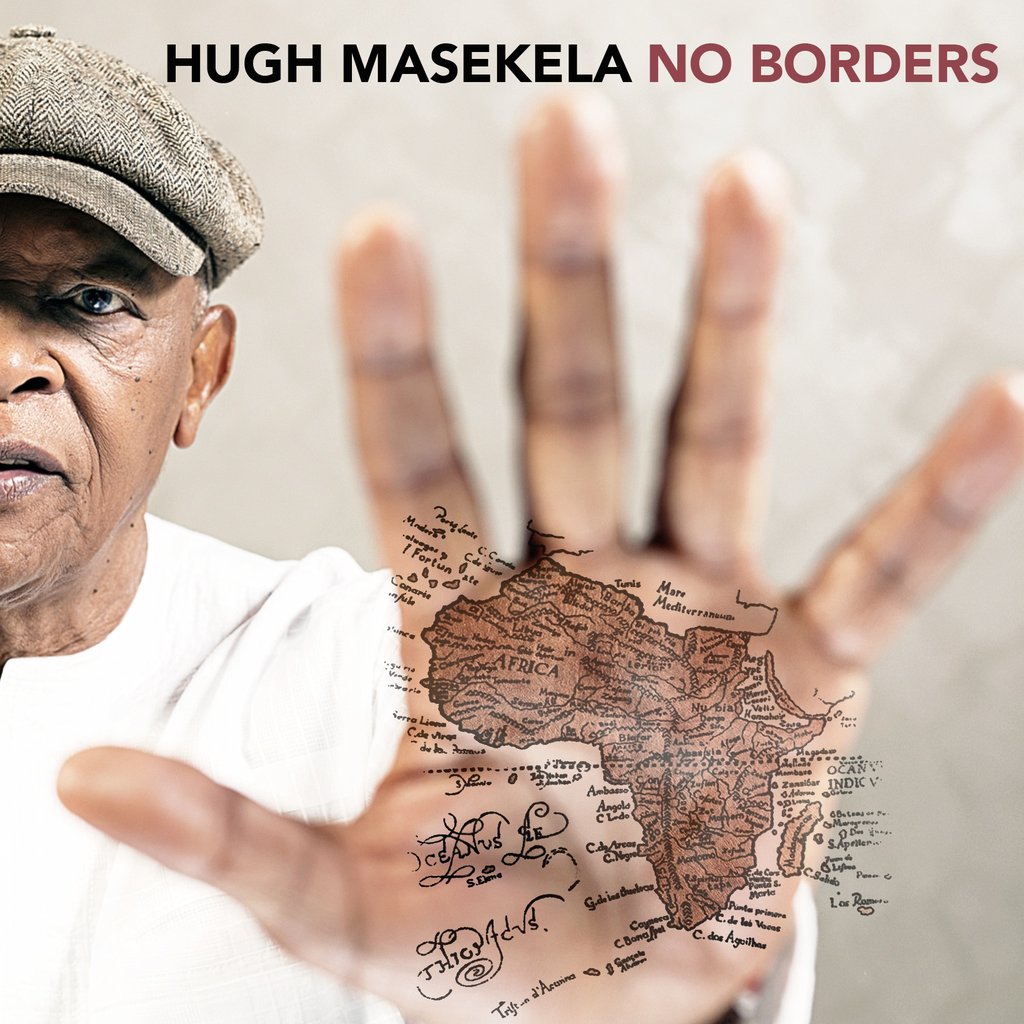
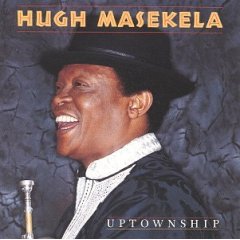
Hugh Masekela paved the way for world music long before the term was invented. His work inspired artists from Youssou N’Dour to Angelique Kidjo, generations of musicians who combine African identity with international forms. After his return in 1990, he continued to produce and tour (U2, Paul Simon) until his last album, No Borders (2016), winner of the SAMA award for Best Contemporary Adult Album. The Hugh Masekela Heritage Foundation (2015) preserves African musical heritage. He leaves a double legacy: that of a musician who made the trumpet a peaceful weapon, and that of an activist who proved one can sing freedom without ever stopping playing.
Sources and references
- “Biography”, HUGH MASEKELA, https://hughmasekela.co.za/biography, accessed October 21, 2025.
- “Hugh Masekela: South African jazz legend, dies at 78”, CNN, https://www.cnn.com/2018/01/23/africa/hugh-masekela-dies-intl, accessed October 21, 2025.
- “Hugh Masekela Biography”, AllMusic, https://allmusic.com/artist/hugh-masekela-mn0000830319, accessed October 21, 2025.
- “Hugh Masekela Grammys and Nominations”, Grammy.com, https://www.grammy.com/artists/hugh-masekela/4667/, accessed October 21, 2025.
- “From Post-Bop To House: Mapping The Legacy And Influence Of Hugh Masekela”, NPR – All Songs Considered, https://www.npr.org/sections/allsongs/2018/01/24/580217867/from-post-bop-to-house-mapping-the-legacy-and-influence-of-hugh-masekela, accessed October 21, 2025.
- « How Masekela’s journeys in exile shaped his music and politics », The Conversation, https://theconversation.com/how-masekelas-journeys-in-exile-shaped-his-music-and-politics-91029, accessed 21 October 2025.
- « Biography of Hugh Masekela », South African History Online, https://sahistory.org.za/article/biography-hugh-masekela-fardin-rahman, accessed 21 October 2025.
- « Hugh Masekela: 10 key performances, from afrobeat to apartheid anthems », The Guardian, https://theguardian.com/music/2018/jan/24/hugh-masekela-dead-jazz-afrobeat-apartheid-anthems, accessed 21 October 2025.
- « Hugh Masekela », Wikipedia, https://en.wikipedia.org/wiki/Hugh_Masekela, accessed 21 October 2025.
- « Hugh Masekela Discography », Harbel, https://www.harbel.one/masekela/center.htm, accessed 21 October 2025.