Biography
Juluka: the sweat of a duo that sweated under apartheid
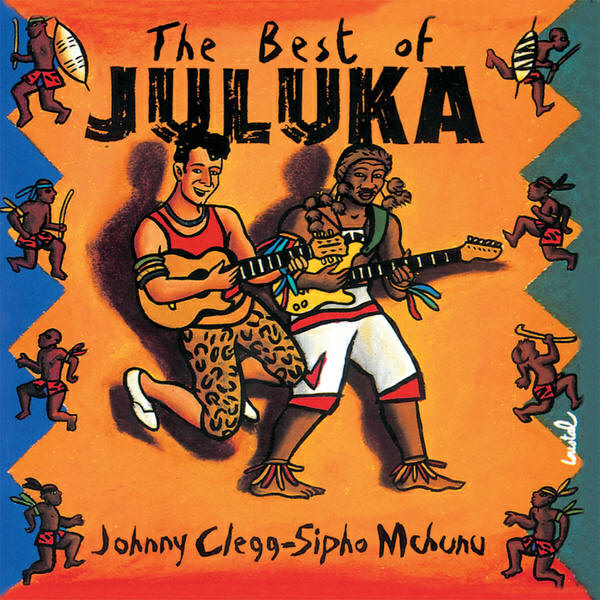
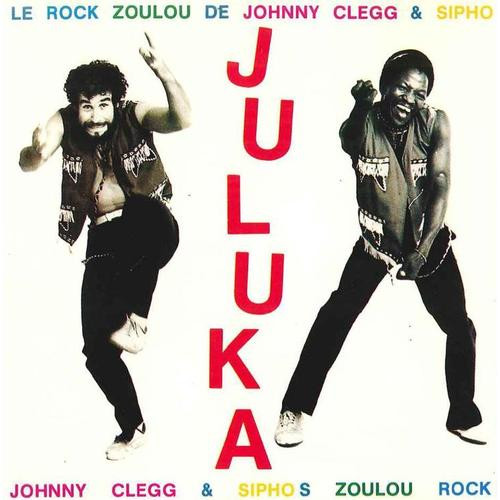
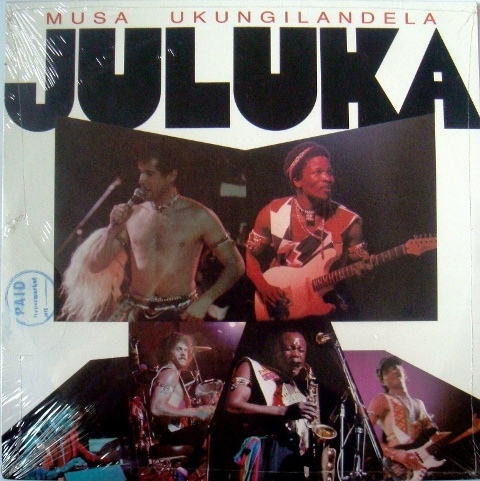
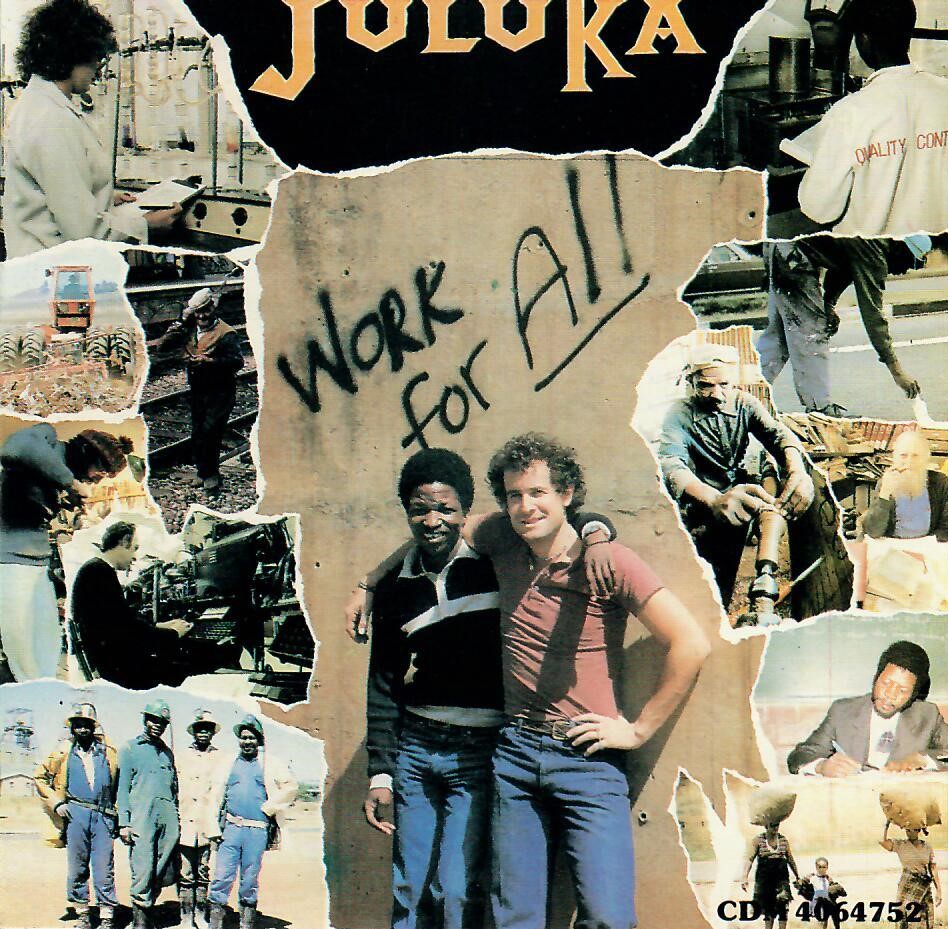
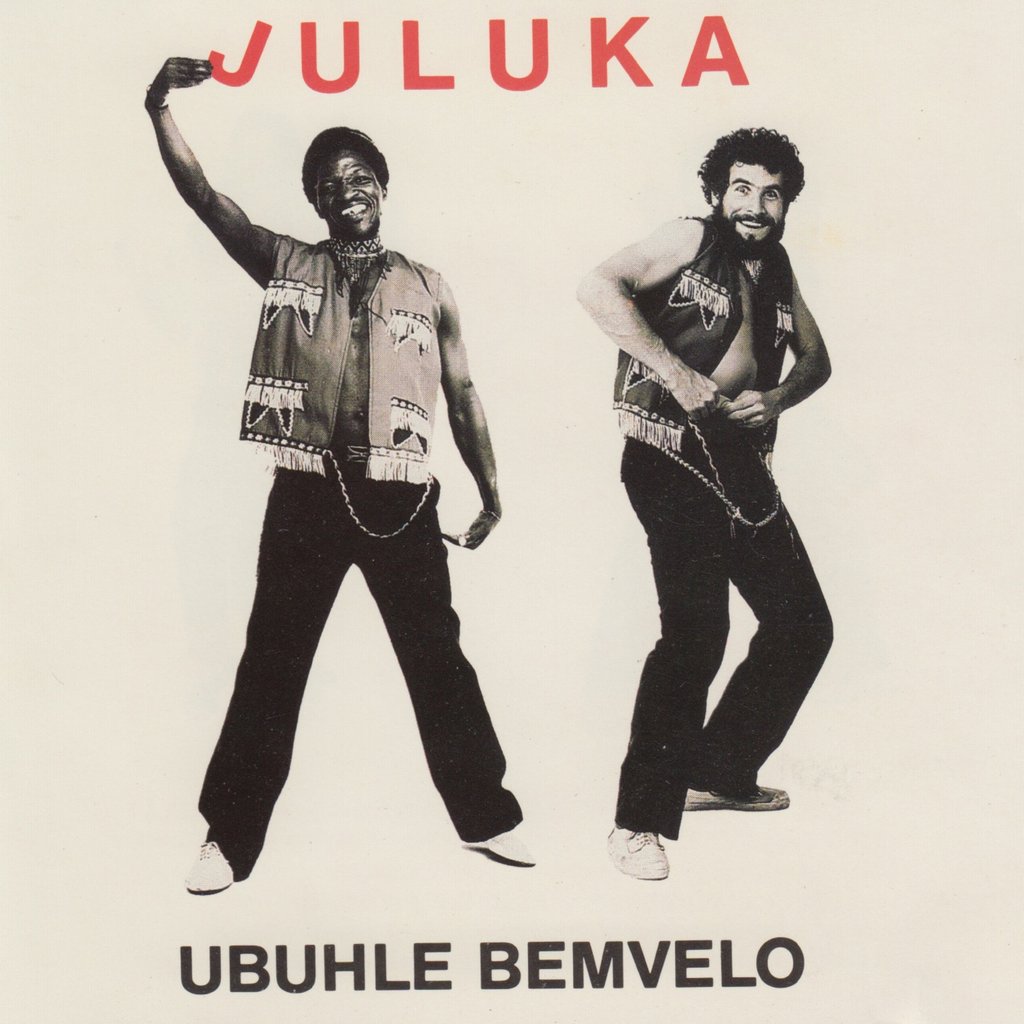
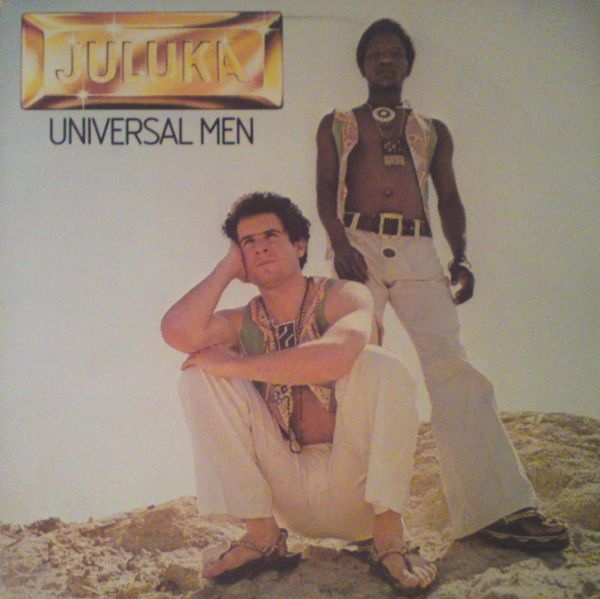
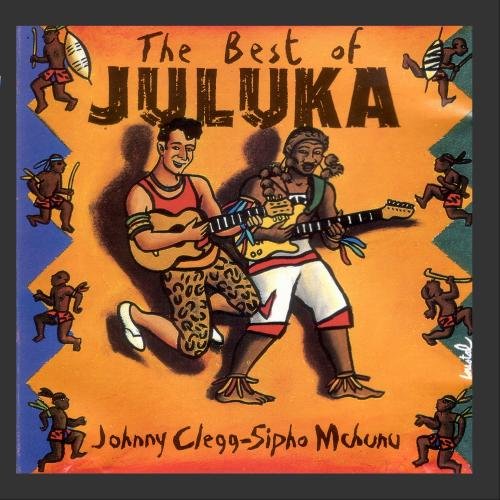
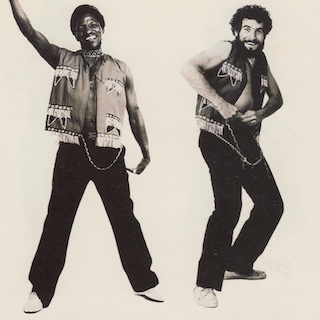
In 1979, a black and white duo posed on the cover of their first album: an English anthropologist in full Zulu attire, alongside his friend, gardener and guitarist. The band’s name, Juluka, meant “sweat” in Zulu—the same word as that of the bull belonging to Mchunu. It was an explosive declaration in apartheid South Africa, where a mixed-race scene was simply illegal.
In brief
| Band name | Juluka (“sweat” in Zulu) |
| Formation | 1979, Johannesburg, South Africa |
| Founding members | Johnny Clegg (guitar, vocals), Sipho Mchunu (guitar, percussion, vocals) |
| Genres | Maskanda (Zulu street guitar), mbaqanga (Zulu township music), world music, folk, rock |
| Signature works | Universal Men, Scatterlings, “Scatterlings of Africa” |
| Labels | Rhythm Safari, Warner Bros. |
Key dates
| Year | Event |
|---|---|
| 1969 | Johnny Clegg meets Sipho Mchunu in Johannesburg, aged 16 and 18 |
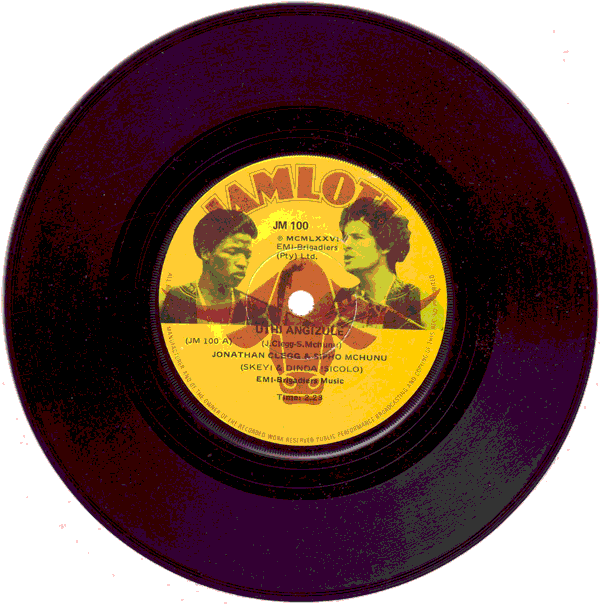
| 1976 | First single “Uthi Angizule” released under Jonathan Clegg & Sipho Mchunu |
| 1979 | Release of Universal Men, first album under the name Juluka |
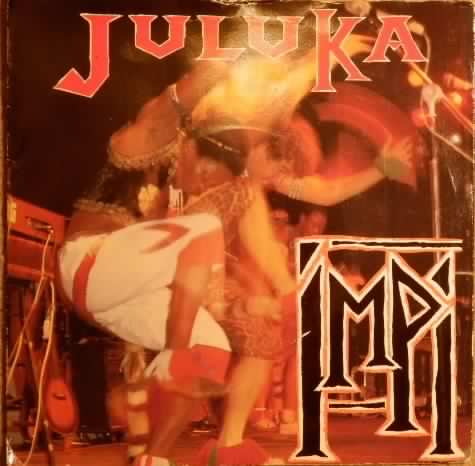
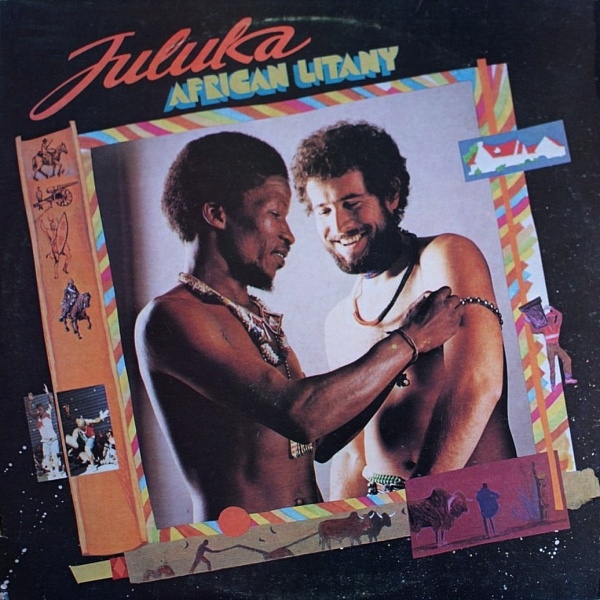
| 1981 | Album African Litany; single “Impi” becomes an underground hit despite radio bans |
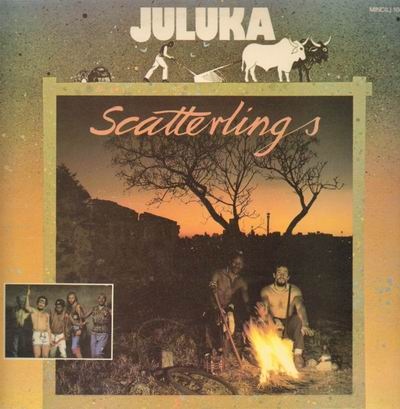
| 1982 | Album Scatterlings; “Scatterlings of Africa” reaches the Top 100 in Australia |
| 1983 | International tour; Musicians’ Union (UK) initially bans then lifts the ban |
| 1984 | Radio Bantu bans Juluka, judging Clegg an “insult to Zulu culture” |
| 1985 | Mchunu returns to Natal to care for his family; the group splits up |
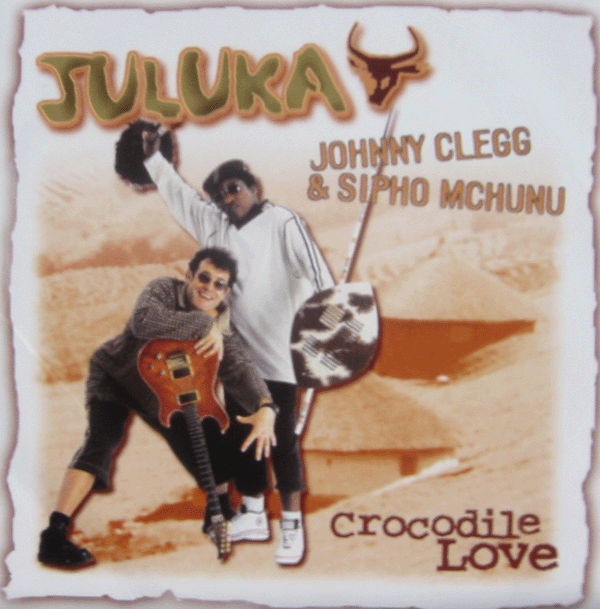
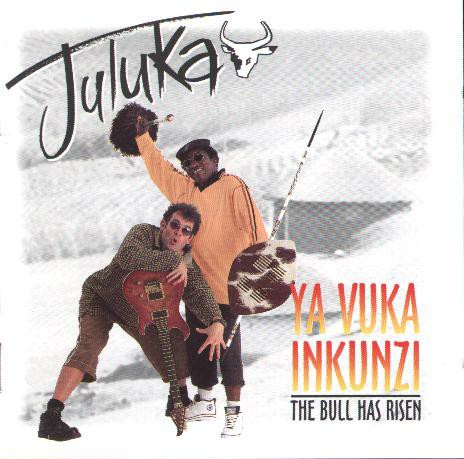
| 1997 | Clegg and Mchunu reunite for the album Crocodile Love (Ya Vuka Inkunzi) |
An artistic and political gamble
Johnny Clegg, born in England in 1953, grew up between Zimbabwe, Zambia and South Africa. As a teenager in Johannesburg, he discovered maskanda—the Zulu street guitar played by migrant workers—and became fascinated. In 1969, at age 16, he met Sipho Mchunu, then 18, a skilled gardener and guitarist. Mchunu challenged Clegg to a guitar duel; friendship and collaboration were born.
They played in university halls, churches and migrant hostels. Clegg was arrested several times for violating apartheid laws when he was barely 15 years old. In his own words, these arrests were an “initiation test” in learning Zulu culture.
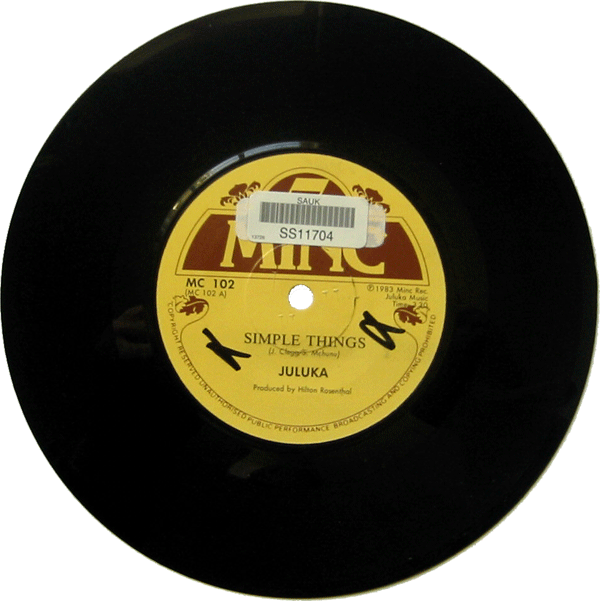
Their first album, Universal Men (1979), released on the Rhythm Safari label created by Hilton Rosenthal, is poetically influenced by John Berger, Pablo Neruda and Jean-Paul Sartre. It explores, metaphorically, a bullfight where the small defeats the large—the victory of the weak over the oppressor. Juluka fuses maskanda and mbaqanga with Western folk and rock. To Mchunu and Clegg’s guitar, saxophone, flute, keyboards and synthesizers are added, while ngoma dance (traditional Zulu dance) animates their concerts. Their approach dismantles the received idea opposing “traditional” to “modern”, “primitive” to “Western”.
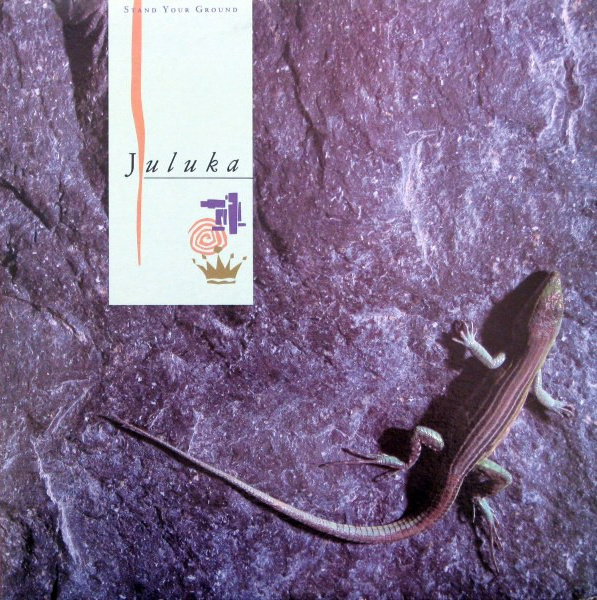
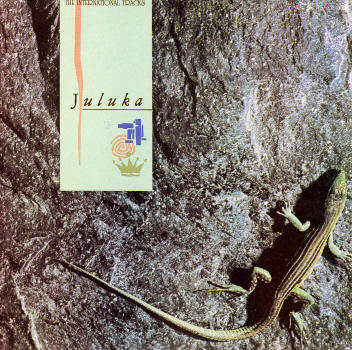
African Litany (1981) propels Juluka onto the international stage. The single “Impi”, singing of the Zulu victory over the British colonial army at the Battle of Isandlwana, was banned from South African radio but became an underground hit. Scatterlings (1982) features the title track “Scatterlings of Africa”, which reached the Top 100 in Australia. In 1988, this single sold one million copies.
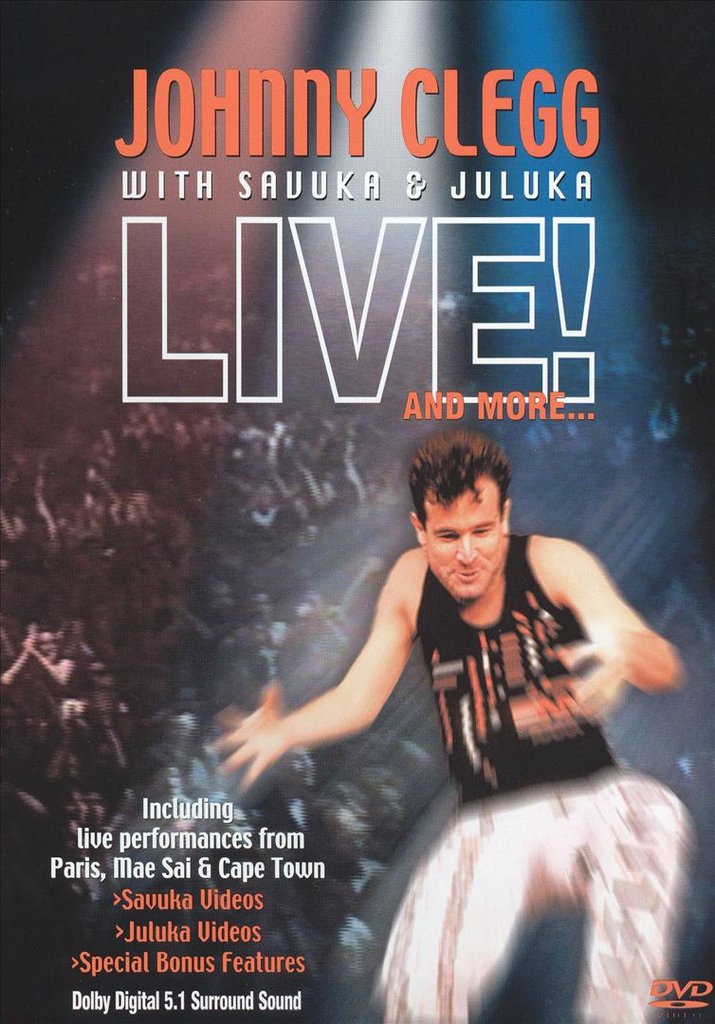
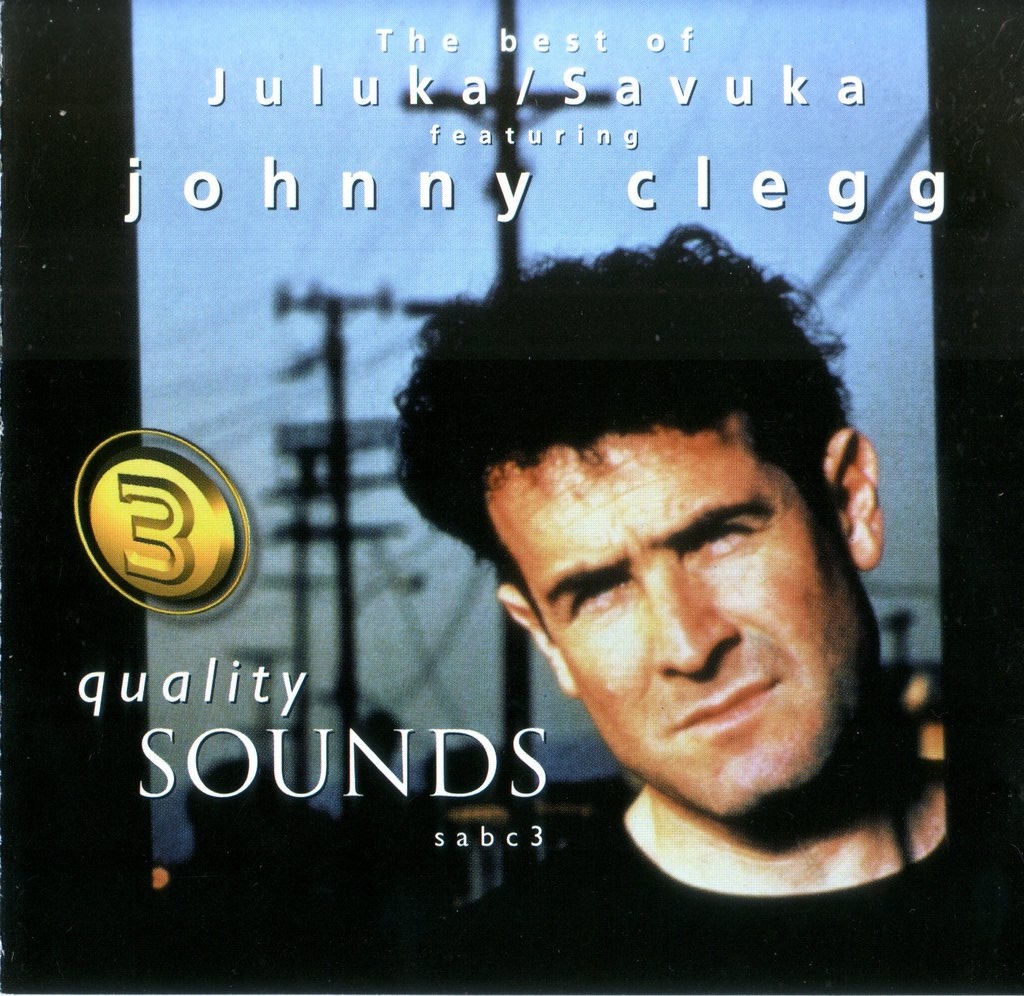
In 1985, Mchunu returned to Natal to care for his family. Juluka dissolved. Clegg formed Savuka and continued his career solo. In 1997, the two friends reunited for a final album, Crocodile Love (Ya Vuka Inkunzi), which did not achieve the critical reception of early Juluka, but sealed their renewed friendship.
Major works
| Work | Year | Why it’s essential |
|---|---|---|
| Universal Men | 1979 | First steps of a mixed group under apartheid; metaphor of the bull and resistance |
| African Litany | 1981 | International revelation; single “Impi” made waves with its disguised political lyrics |
| Scatterlings | 1982 | “Scatterlings of Africa”, worldwide hit with over one million copies sold |
| Crocodile Love | 1997 | Final joint album, witness of a friendship that transcended time and apartheid |
Legacy and influence
Juluka paved the way for the world music movement in the 1980s, alongside Paul Simon and Peter Gabriel. Their albums became references for an entire generation of South African artists, and their music is still today associated with the South African national teams. Juluka’s legacy lies in this living proof that artistic mixing can be, at the same time, a political act: the sweat of musical work as a language of reconciliation.
Sources and references
-
“Juluka”, Wikipedia, https://en.wikipedia.org/wiki/Juluka, accessed October 20, 2026.
-
“Juluka — Biography”, AllMusic, https://www.allmusic.com/artist/juluka-mn0000302191, accessed October 20, 2026.
-
“Johnny Clegg, A Uniting Voice Against Apartheid, Dies At 66”, NPR, https://www.npr.org/2019/07/16/738065415/, accessed October 20, 2026.
-
“Johnny Clegg”, Britannica Kids, https://kids.britannica.com/kids/article/Johnny-Clegg/601967, accessed October 20, 2026.
-
“Johnny Clegg in 1990: I belong to Africa, entirely”, Paris Match, https://www.parismatch.com/Culture/Musique/Johnny-Clegg-Interview-1990-1637713, accessed October 20, 2026.
-
“Johnny Clegg, South African Singer Who Battled Apartheid With Music, Is Dead at 66”, The New York Times, https://www.nytimes.com/2019/07/16/arts/music/johnny-clegg-dead.html, accessed October 20, 2026.
-
“INTERVIEW: South African Legend Johnny Clegg”, Green Global Travel, https://greenglobaltravel.com/johnny-clegg-south-africa-white-zulu/, accessed October 20, 2026.
-
“Juluka — Scatterlings (1982)”, Historical Albums Database, https://historicalalbumsdatabase.wordpress.com/2021/08/31/juluka-scatterlings-1982/, accessed October 20, 2026.