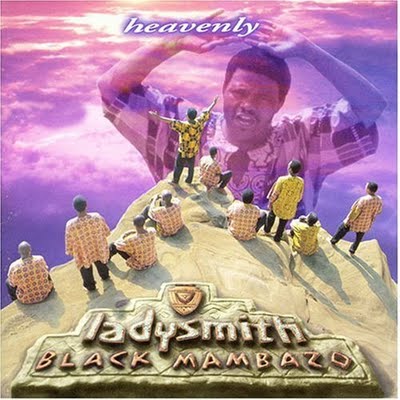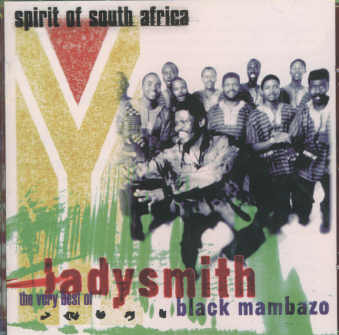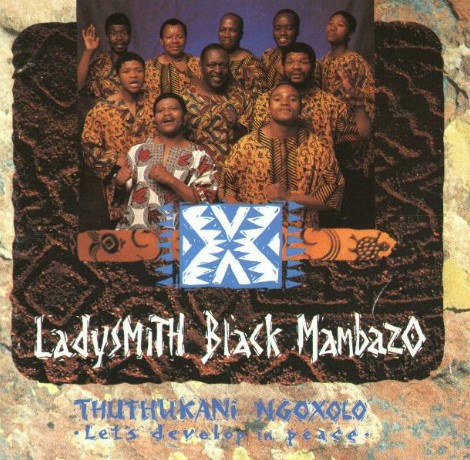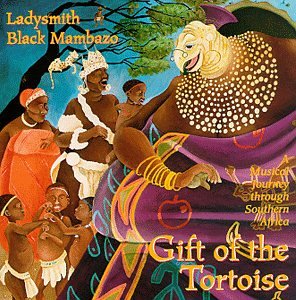
Biography
Ladysmith Black Mambazo: the Zulu song that conquered the world
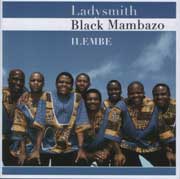
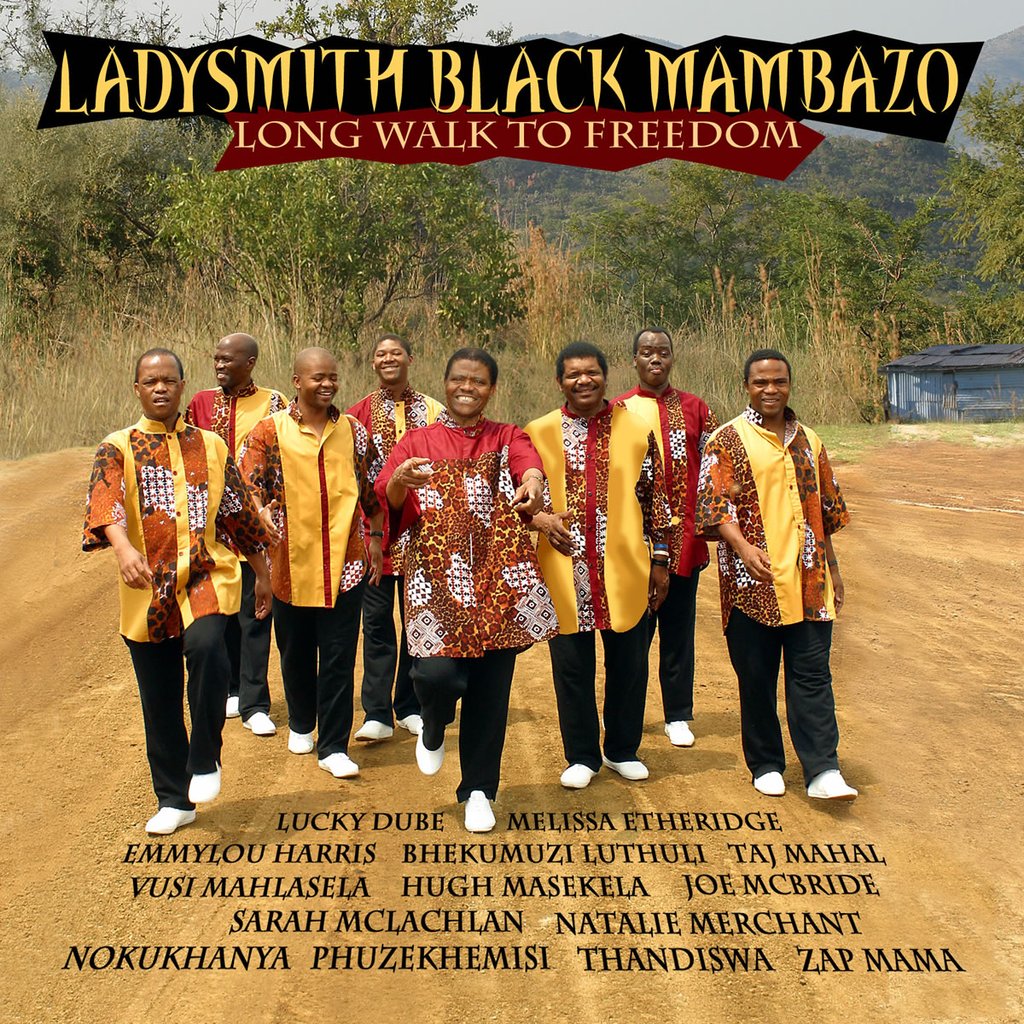
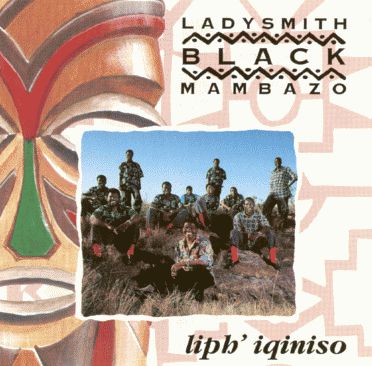
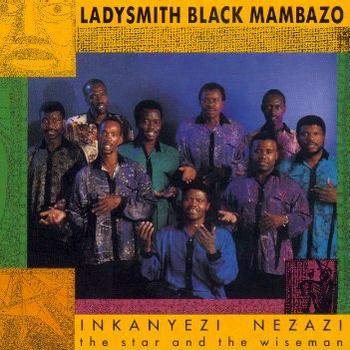
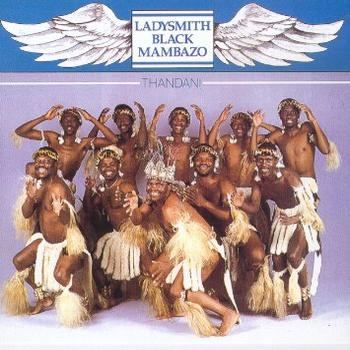
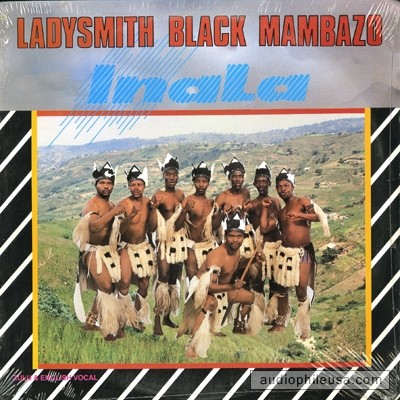
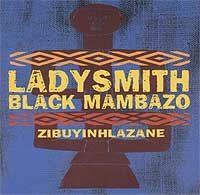
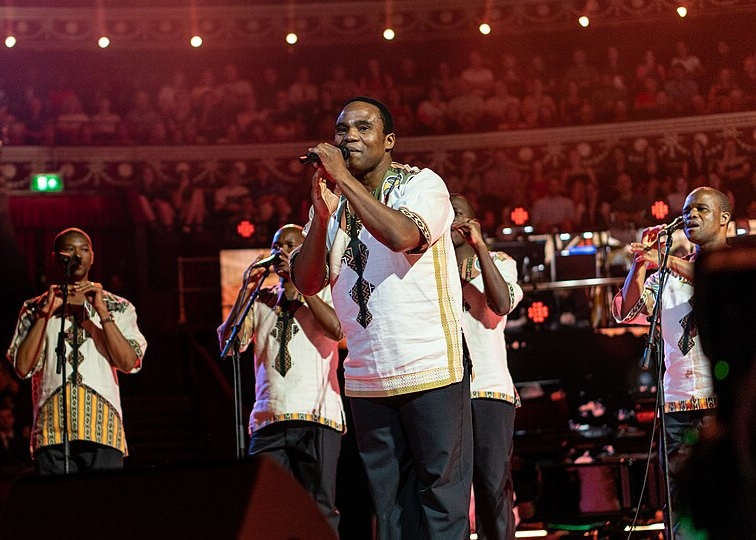
In 1987, on the stage of Saturday Night Live in New York, a South African choir with crystalline harmonies sang Diamonds on the Soles of Her Shoes. The audience had never heard such vocal precision — basses that rumble, altos that glide, a tenor that floats. These men came from the small town of Ladysmith in the KwaZulu-Natal province, and they revealed to the whole world isicathamiya, this a cappella music born in South African mines, where Zulu workers sang to forget fatigue and loneliness.
In brief
| Group name | Ladysmith Black Mambazo |
| Origin | Ladysmith, KwaZulu-Natal, South Africa |
| Genres | Isicathamiya, mbube (South African a cappella vocal styles) |
| Founder | Joseph Shabalala (1941-2020) |
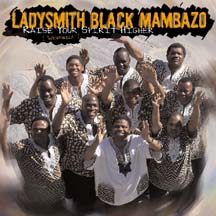
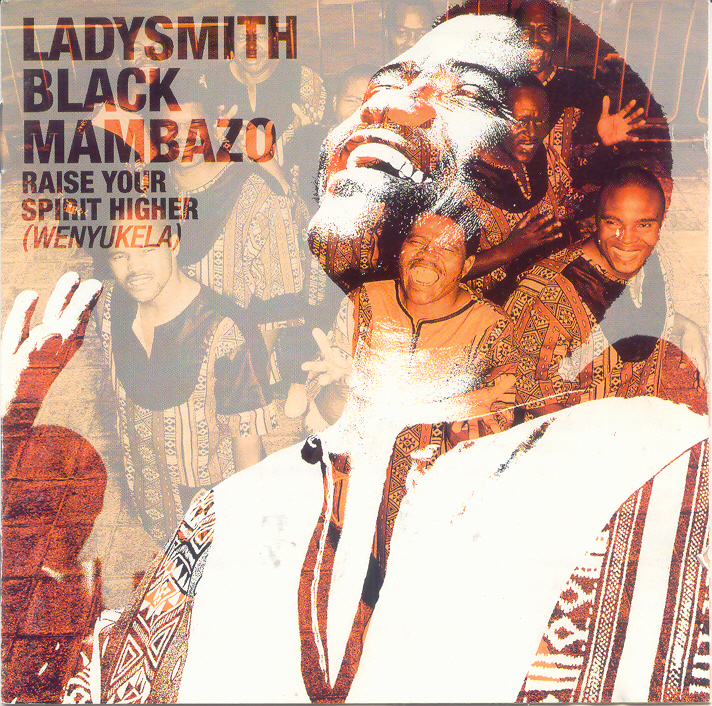
| Iconic works | Amabutho, Shaka Zulu, Raise Your Spirit Higher |
| Awards | 5 Grammy Awards, 17 nominations |
Key dates
| Year | Event |
|---|---|
| 1960 | Joseph Shabalala founds Ezimnyama, a family choir of parents and cousins |
| 1964 | The group becomes Ladysmith Black Mambazo |
| 1973 | Amabutho, first gold record for a black musician in South Africa |
| 1986 | Worldwide collaboration with Paul Simon on Graceland |
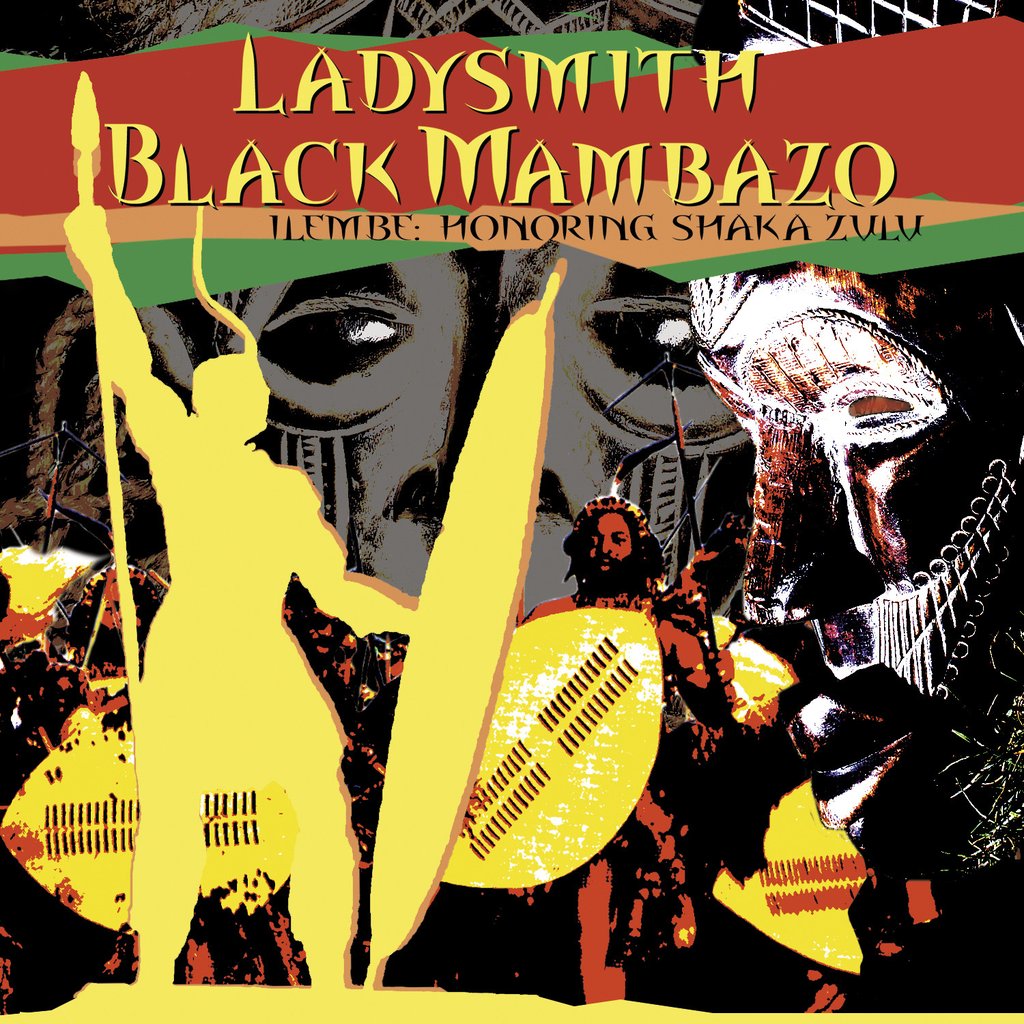
| 1987 | First Grammy for Shaka Zulu |
| 1993 | Accompany Nelson Mandela to the Nobel ceremony in Oslo |
| 2004-2018 | Three additional Grammys and founder’s retirement in 2014 |
| 2020 | Death of Joseph Shabalala at age 78 |
From the mine to worldwide fame
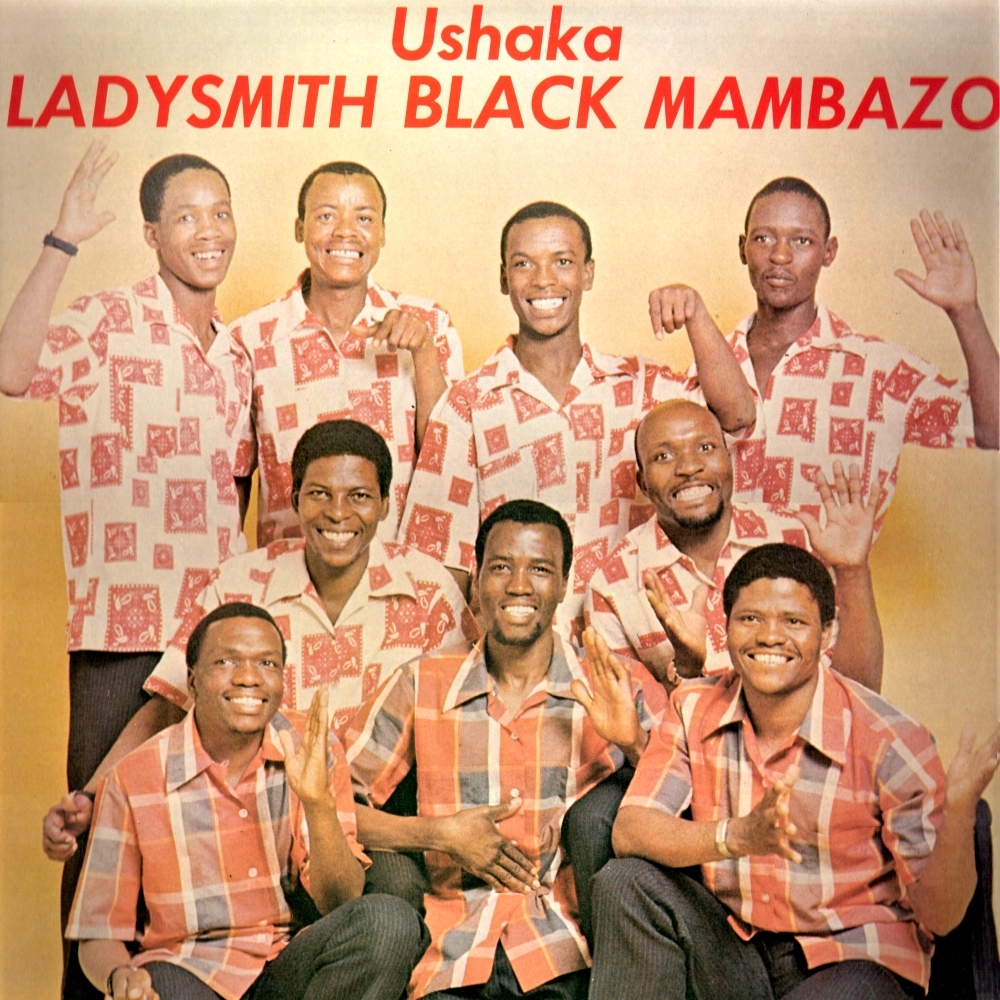
Joseph Shabalala grew up in a rural area near Ladysmith and, like many young men of his generation, joined competitive choirs that faced off every Saturday evening in Durban and Johannesburg. In 1960, he founded Ezimnyama with brothers and cousins. But a dream haunted him: to hear a choir with perfect harmonies. Between 1964 and 1970, Shabalala had these dreams repeatedly. He reformed the group, integrated young parents, and taught them to reproduce those nocturnal voices. The result was so mastered that the group won too often and was banned from competition — organizers invited them only to perform for entertainment.
In 1967, the group recorded for Radio Zoulou. Their success attracted the attention of Gallo Record Company label, who signed them in 1972. Amabutho, released the following year, was the first gold record for a South African black group. Ladysmith Black Mambazo became professional, and isicathamiya — this silent dance where men stand on their toes to avoid waking their mine dormitory on Sunday morning — became their signature.
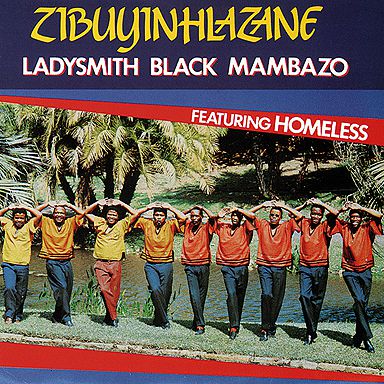
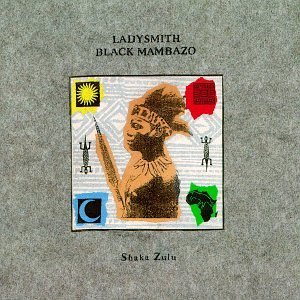
The major turning point arrived in 1985. American singer Paul Simon, then in a creative crisis, stumbled upon a cassette of South African music by chance. Fascinated, he went to South Africa, met Joseph Shabalala, and the two men signed Homeless, whose melody is inspired by a traditional Zulu wedding chant. Ladysmith Black Mambazo joined Simon on the album Graceland (1986), which sold 16 million copies and revolutionized the perception of world music in the West. Shaka Zulu, produced by Simon and released the following year, earned the group its first Grammy in 1988.
The group toured six to eight months a year around the world, recorded with Dolly Parton, Stevie Wonder, Emmylou Harris, Sarah McLachlan, Josh Groban, and appeared in Michael Jackson’s Moonwalker or the soundtrack of Invictus. In 1993, Nelson Mandela cited them as ambassadors of South African culture and took them to Oslo for the Nobel Prize ceremony.
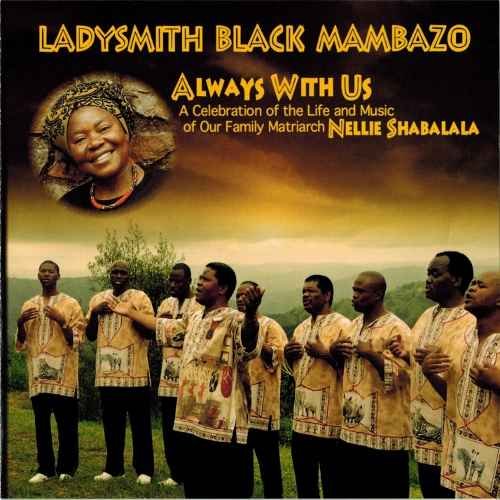
The trials also marked the group. In 2002, Nellie Shabalala, the founder’s wife, was assassinated in an attack in Durban; Joseph, seriously injured while trying to protect her, overcame the grief. The group published in 2014 Always With Us, a tribute to recordings Nellie had made with her church choir in 2001. Joseph Shabalala announced his retirement in 2014 and entrusted the succession to his four sons. The schoolmaster died on February 11, 2020 in Pretoria at age 78, but the musical message endures.
Major works
| Work | Year | Why it’s essential |
|---|---|---|
| Amabutho | 1973 | First album by a South African black group certified gold record |
| Graceland (with Paul Simon) | 1986 | The record that revealed isicathamiya to the whole world |
| Shaka Zulu | 1987 | Group’s first Grammy, international showcase |
| Raise Your Spirit Higher | 2004 | Grammy for best traditional world music album |
Legacy and influence
Ladysmith Black Mambazo didn’t just popularize isicathamiya: it paved the way for an entire generation of South African artists, from Stimela to Mahotella Queens, who could finally cross the Atlantic. The Shabalala Foundation, created in 1999, teaches this tradition to young Zulus. The group, accumulating 5 Grammy Awards out of 17 nominations, won its fifth prize in 2018 with Shaka Zulu Revisited: 30th Anniversary Celebration, proof that Ladysmith’s voices still carry, more than sixty years after their creation, a message of peace.
Sources and references
- « Ladysmith Black Mambazo », Wikipedia, https://en.wikipedia.org/wiki/Ladysmith_Black_Mambazo, accessed October 19, 2025.
- « Ladysmith Black Mambazo — Biography », AllMusic, https://www.allmusic.com/artist/ladysmith-black-mambazo-mn0000105618, accessed October 19, 2025.
- « Ladysmith Black Mambazo », Britannica, https://www.britannica.com/topic/Ladysmith-Black-Mambazo, accessed October 19, 2025.
- « Joseph Shabalala, Ladysmith Black Mambazo Founder, Dies at 78 », The New York Times, https://www.nytimes.com/2020/02/11/arts/music/joseph-shabalala-dead.html, accessed October 19, 2025.
- « Joseph Shabalala, founder of Ladysmith Black Mambazo, dies at 78 », Los Angeles Times, https://www.latimes.com/entertainment-arts/music/story/2020-02-11/joseph-shabalala-ladysmith-black-mambazo-death, accessed 19 October 2025.
- « About », Ladysmith Black Mambazo Official Website, https://mambazo.com/about, accessed 19 October 2025.
- « Ladysmith Black Mambazo Grammy Awards and Nominations », Grammy.com, https://grammy.com/artists/ladysmith-black-mambazo, accessed 19 October 2025.
- « Ladysmith Black Mambazo — RFI Musique », Radio France Internationale, https://musique.rfi.fr/emission/info/epopee-musiques-noires/20130529-ladysmith-black-mambazo.html, accessed 19 October 2025.