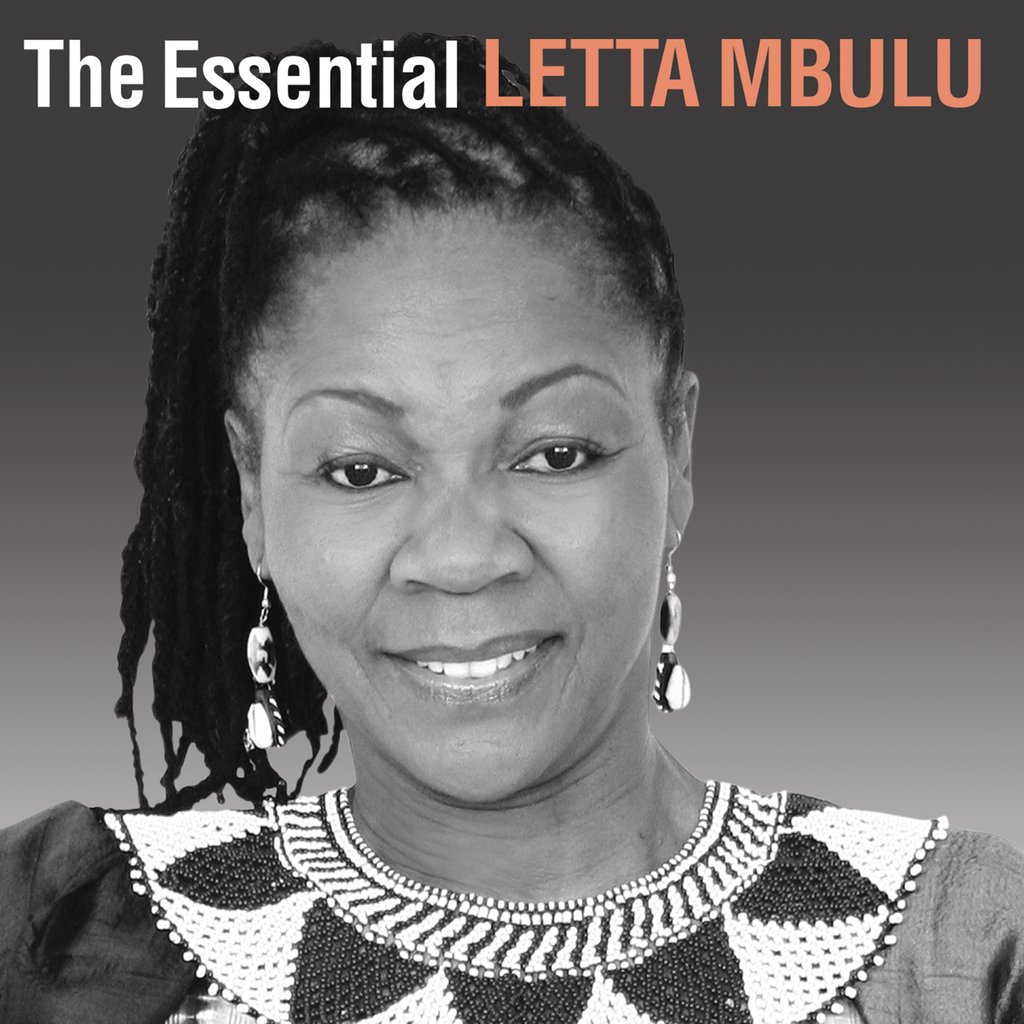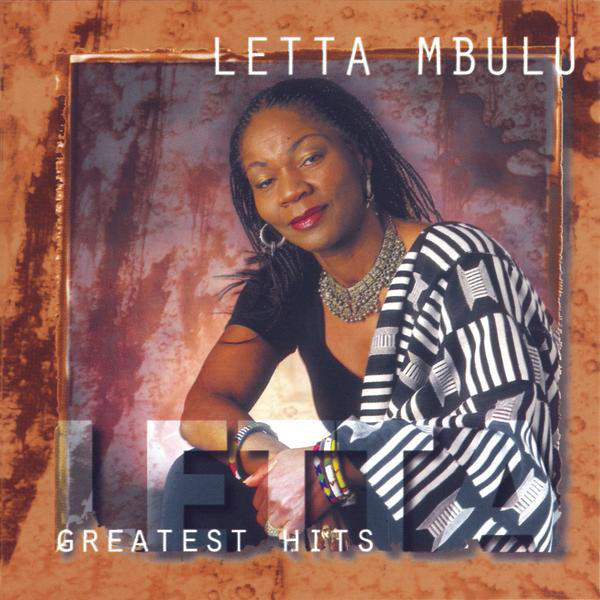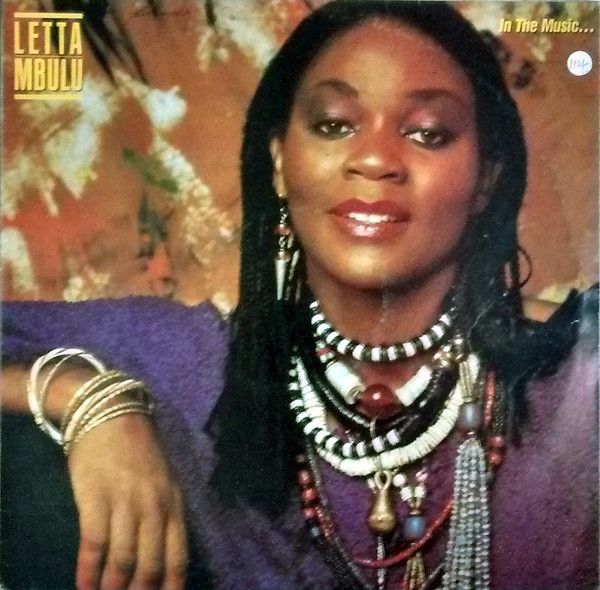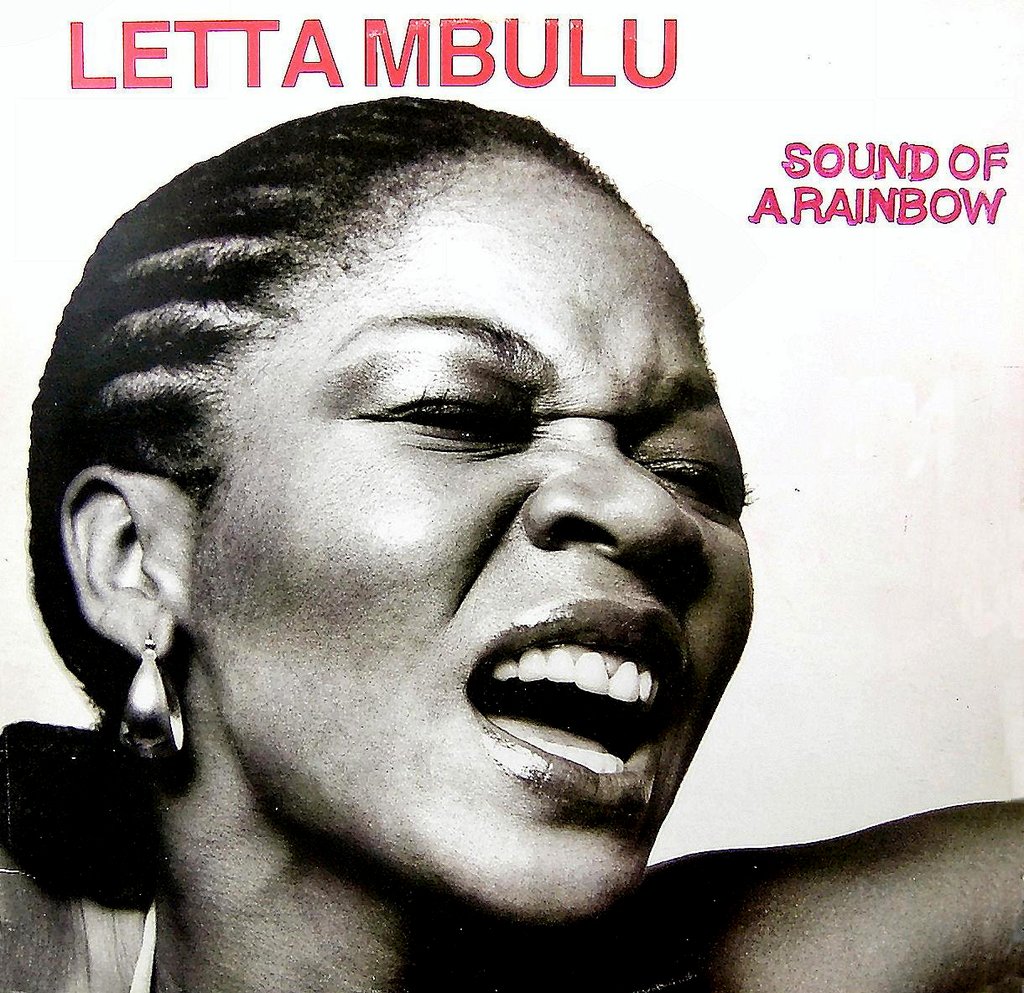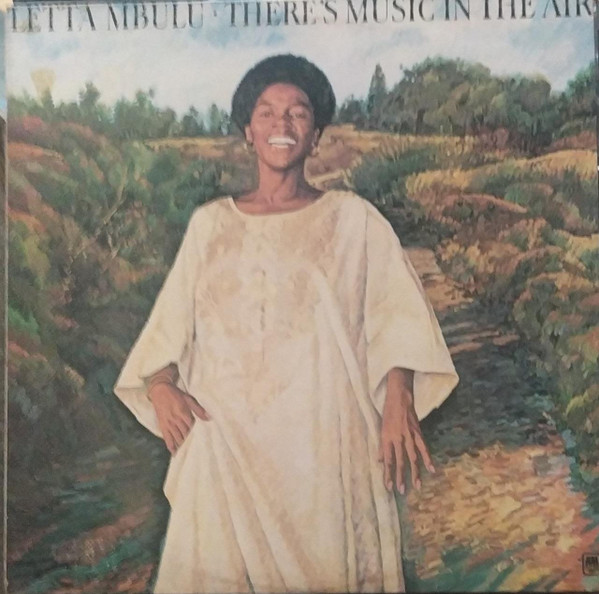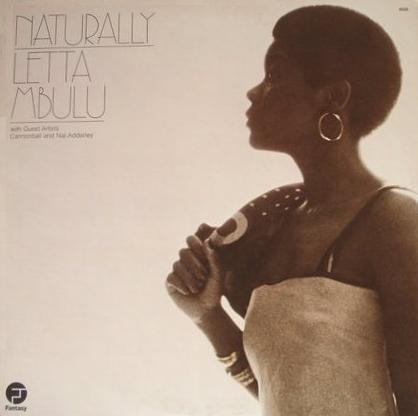
Biography
Letta Mbulu: the voice of Soweto that shaped global jazz
As apartheid locked down borders, a teenage girl from Soweto took the stage in King Kong — that South African jazz opera that would go on to tour the world. Letta Mbulu left the continent in 1964, heading to New York where producer Quincy Jones nicknamed her the “roots lady”. Over six decades of career: exile, collaboration with the greatest artists, and a triumphant return in 1991.
In brief
| Full name | Letta Mbulu |
| Birth | 23 August 1942, Soweto, South Africa |
| Genre | Jazz, mbaqanga*, soul |
| Notable works | Letta Mbulu Sings (1967), Free Soul (1968), “Liberian Girl” (Michael Jackson, 1987) |
| Honours | South African Music Award (2001), Order of Ikhamanga in silver (2009), Mzantsi Jazz Award (2018) |
*The mbaqanga is an urban South African genre born in the townships, blending marabi rhythms and vocal harmonies.
Key dates
| Year | Event |
|---|---|
| 1942 | Birth in Soweto |
| 1959 | Role in the musical King Kong at age 16 |
| 1964 | Exile to the United States, fleeing apartheid |
| 1967 | First album, Letta Mbulu Sings (Capitol) |
| 1977 | Contribution to the miniseries Roots |
| 1987 | Swahili vocals on Michael Jackson’s “Liberian Girl” |
| 1991 | Return to the Unity Festival, in South Africa |
| 2009 | Order of Ikhamanga in silver |
A life between Soweto and the world: origins, exile, and resilience
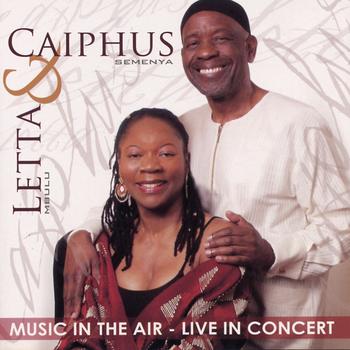
Born in Soweto in 1942, Letta Mbulu grew up in a neighbourhood where marabi rhythms and the early forms of mbaqanga resonated, that urban South African genre fusing popular traditions with jazz. As a teenager, she joined the vocal sextet The Swanky Spots, where American harmonies met jazz standards. At sixteen, she landed her first role in King Kong, the jazz opera by Ezekiel Dhlamini that made a sensation in Johannesburg in 1959. The production travelled to London in 1961, offering Letta her first international exposure. It was on this tour that she met Caiphus Semenya, a composer who would become her husband and musical partner.
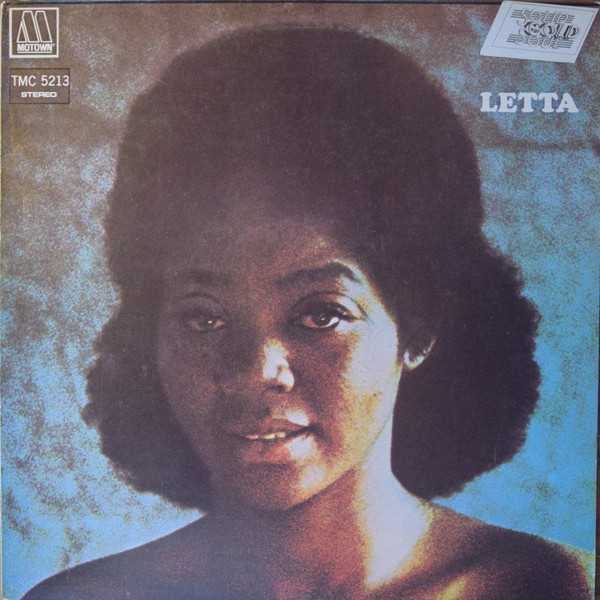
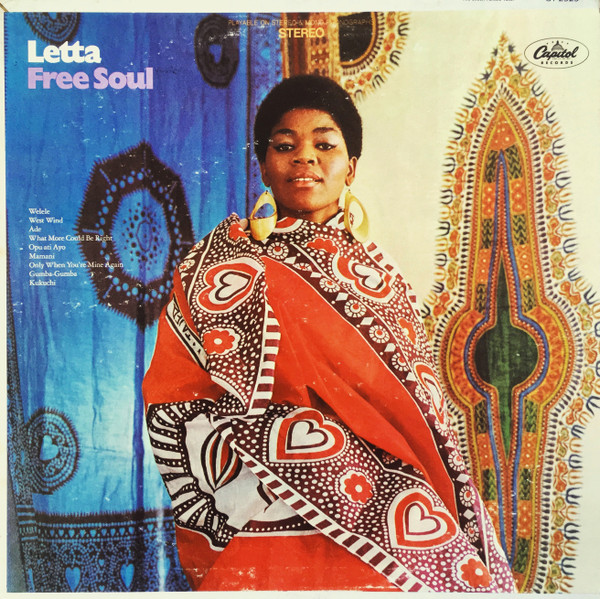
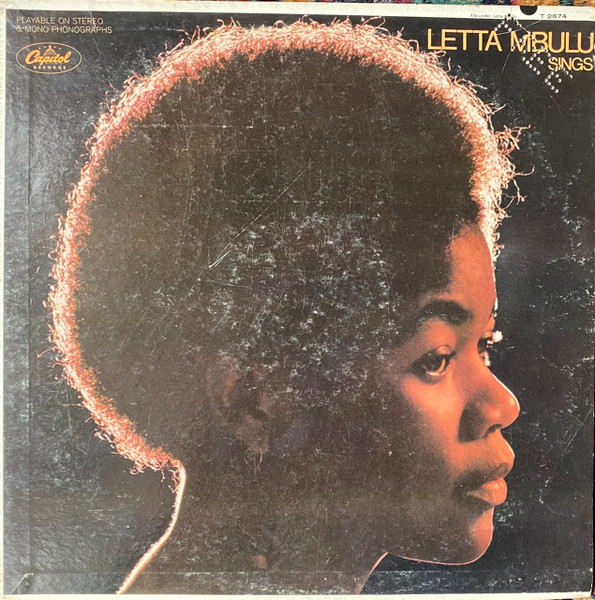
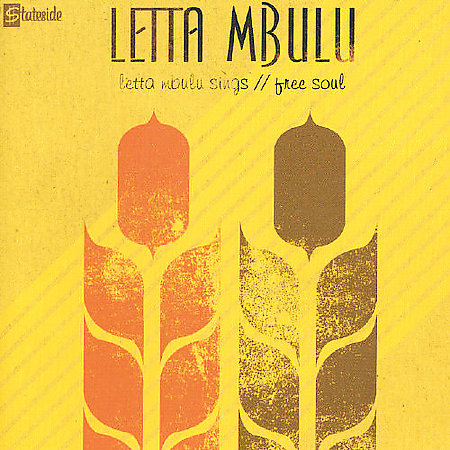
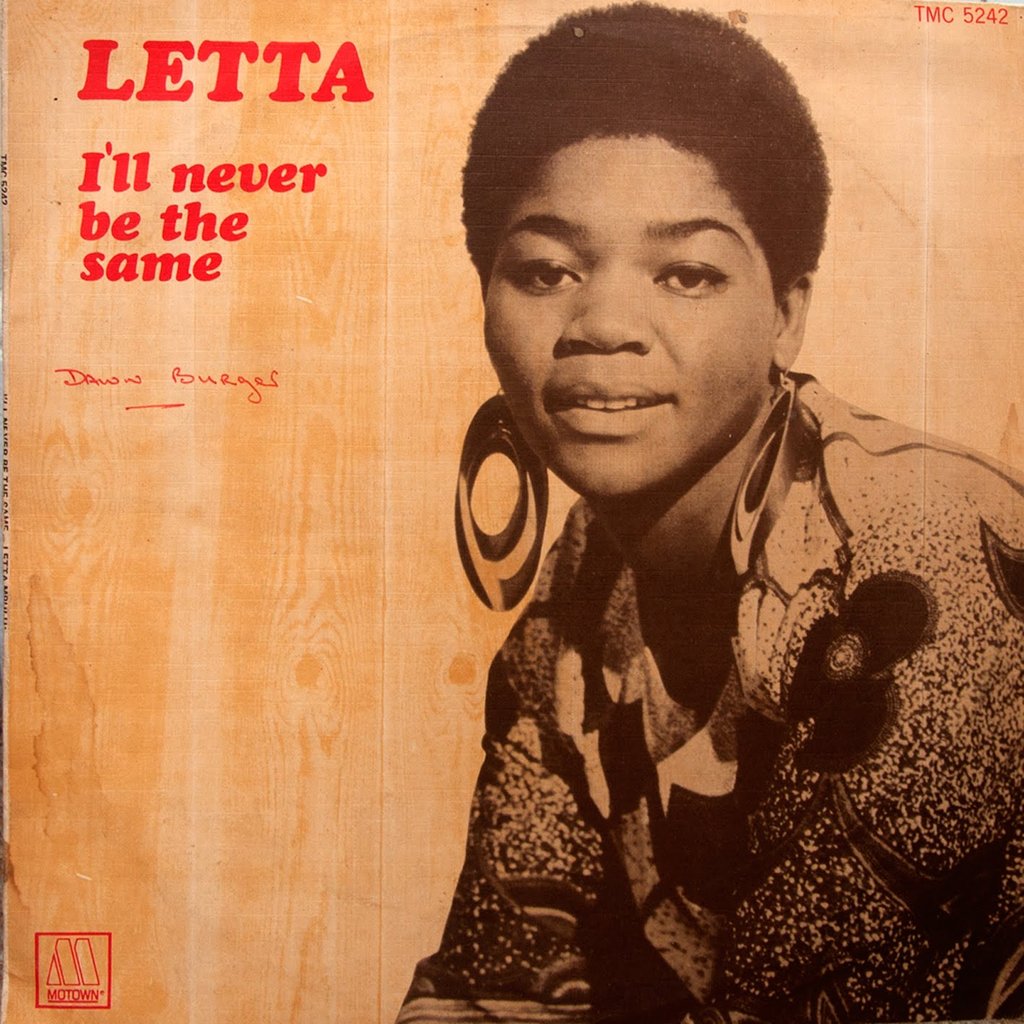
As apartheid tightened its grip, it forced her into exile. In 1964, Letta sailed for the United States. In New York, she joined the South African diaspora — Miriam Makeba, Hugh Masekela, Jonas Gwangwa — and first teamed up with saxophonist Cannonball Adderley, then with Harry Belafonte. World tours took them from Paris to Tokyo. Her influences expanded to folk, American jazz, and Brazilian music. In 1967, Capitol Records released Letta Mbulu Sings, produced by David Axelrod, featuring tracks like “Zola (Mra)” and “Pula Yetla” that blend jazz with South African soul. This was followed by Free Soul (1968) and Letta (1970), an album arranged by Caiphus Semenya that introduced listeners to a captivating afro-groove.
In America, Letta lent her voice to the screen. She sang in A Warm December (1973), contributed to the miniseries Roots (1977) and the film The Color Purple (1985). Quincy Jones, who produced these two latter works, nicknamed her the “roots lady”: “projecting a sophistication and warmth which stirs hope for attaining pure love, beauty, and unity in the world”. In 1987, she was heard singing in Swahili on Michael Jackson’s “Liberian Girl”.
Far from being absent from her country, she used exile as a lever. In 1986, she co-founded South African Artists United (SAAU), which launched in 1987 the musical Buwa, with political and historical themes. In 1991, the curtain finally rose: Letta and Caiphus returned to the South African stage at the Unity Festival, marking their return after twenty-six years of absence.
Major works
| Work | Year | Why it is essential |
|---|---|---|
| Letta Mbulu Sings | 1967 | First international album, bridging Afro-American jazz and mbaqanga |
| Free Soul | 1968 | Fusion of R&B and South African rhythms |
| “Liberian Girl” (M. Jackson) | 1987 | Letta’s Swahili vocals integrated into Michael Jackson’s global hit |
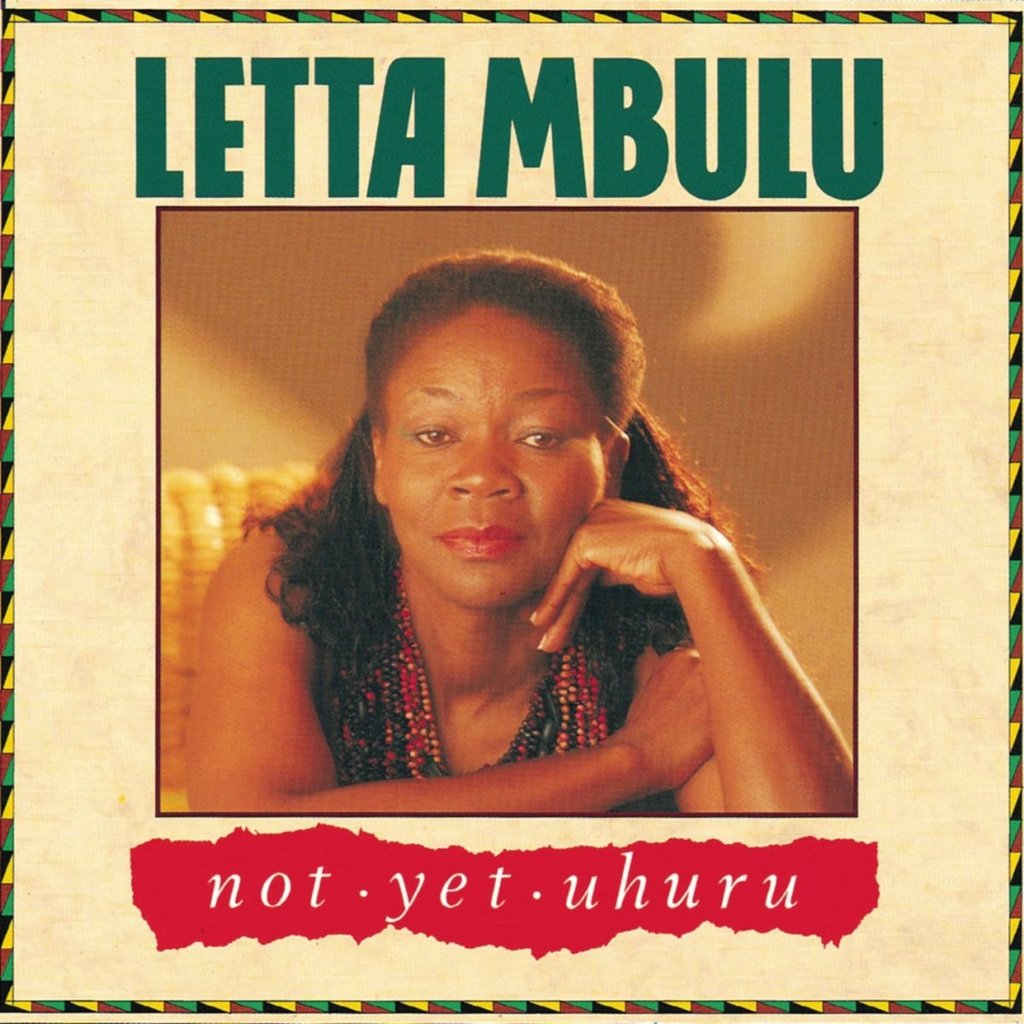
| Not Yet Uhuru | 1992 | First album recorded in South Africa since the return |
Legacy
Letta Mbulu is one of the most influential voices in South African jazz, emerging from the townships to conquer the world. Her exile journey — that of a teenager forced to leave her homeland by apartheid laws — remains a symbol of cultural resistance. The South African Music Award (2001), the Order of Ikhamanga in silver (2009) and the Mzantsi Jazz Award (2018) officially recognized her national stature. Her collaborations with Quincy Jones, Michael Jackson and Harry Belafonte opened bridges between the African diaspora and the global music industry, while her participation in Roots helped inscribe African music into the Hollywood imagination.
Sources and references
-
“Letta Mbulu — Biography, Discography, Albums & Expert Reviews”, AllMusic, https://www.allmusic.com/artist/letta-mbulu-mn0000215321, accessed 22 October 2026.
-
“Letta Mbulu”, Wikipedia, https://en.wikipedia.org/wiki/Letta_Mbulu, accessed 22 October 2026.
-
“Letta Mbulu”, South African History Online, https://sahistory.org.za/people/letta-mbulu, accessed 22 October 2026.
-
“Letta Mbulu: The voice of freedom honoured by Nelson Mandela University”, Nelson Mandela University News, https://news.mandela.ac.za/News/Letta-Mbulu-The-voice-of-freedom-honoured-by-Nels, accessed 22 October 2026.
-
“Letta on music, life and love”, News24 City Press, https://news24.com/citypress/entertainment/news/letta-on-music-life-and-love-20100615, accessed 22 October 2026.
-
“There’s Nostalgia In The Air”, Forbes Africa, https://forbesafrica.com/woman/2015/12/01/theres-nostalgia-in-the-air, accessed 22 October 2026.
-
“National Orders awards December 2009”, The Presidency – Government of South Africa, https://www.gov.za/national-orders-awards-december-2009, accessed 22 October 2026.
-
“Letta Mbulu”, Grokipedia, https://grokipedia.com/page/Letta_Mbulu, accessed 22 October 2026.