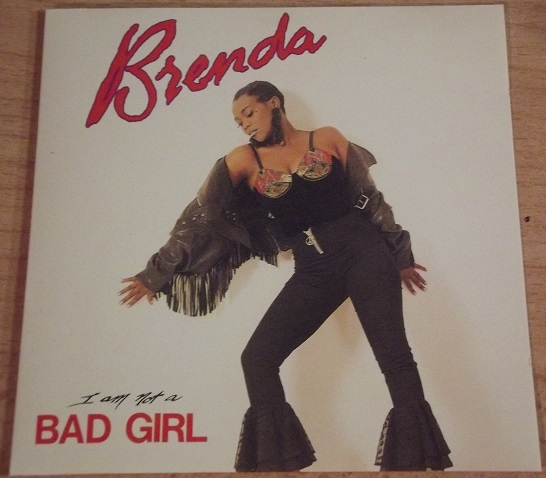
Biography
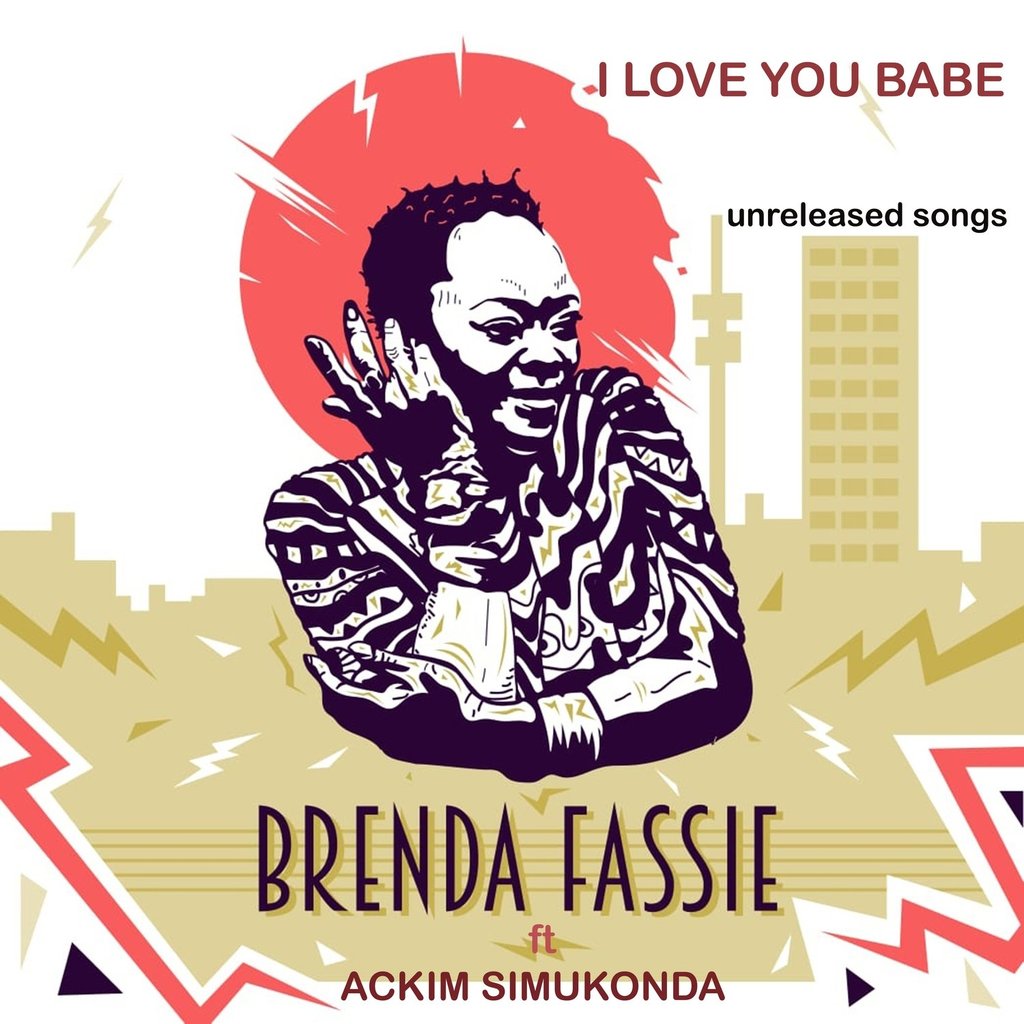
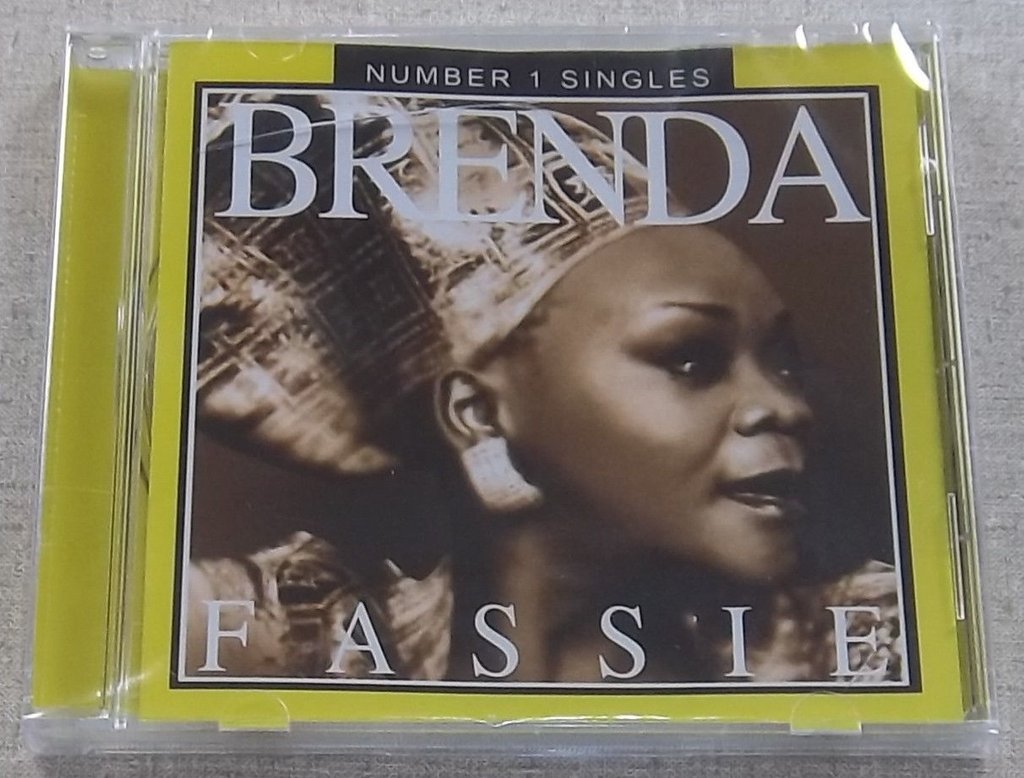
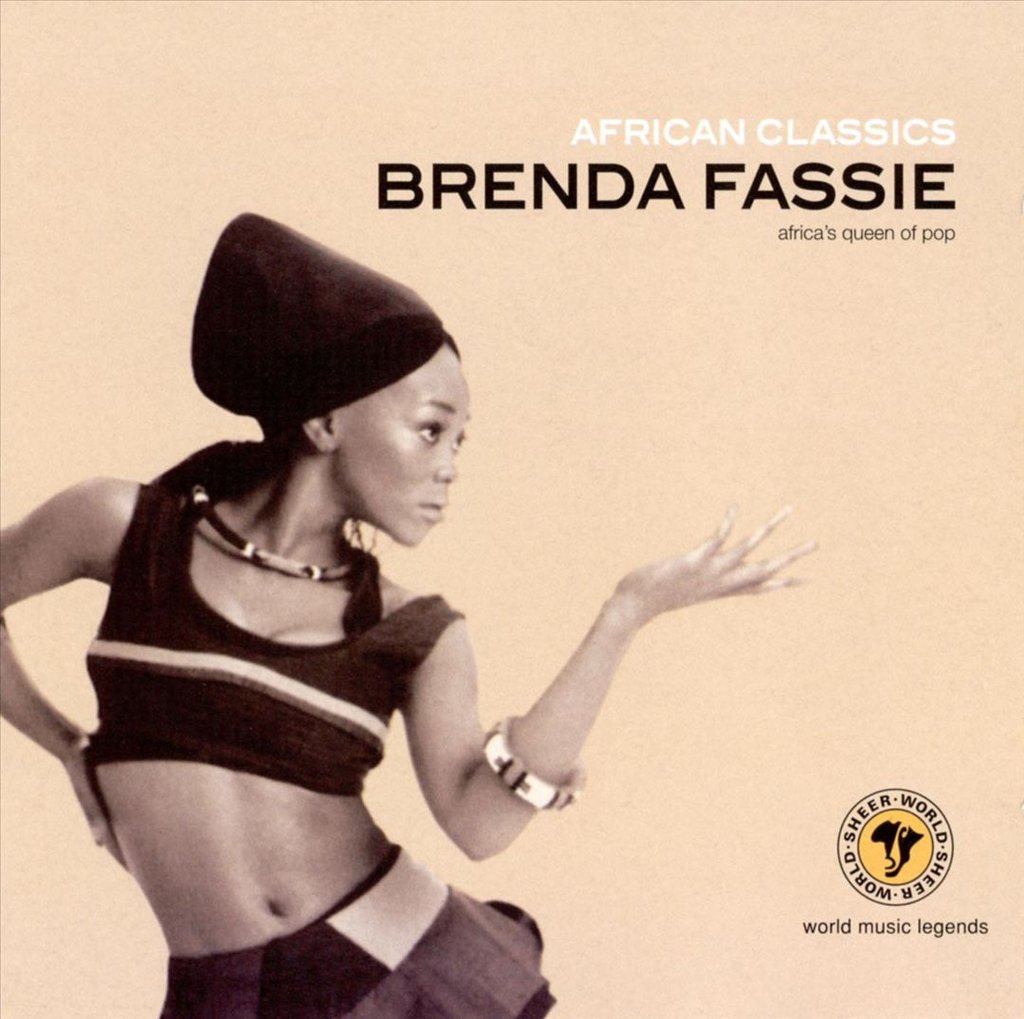
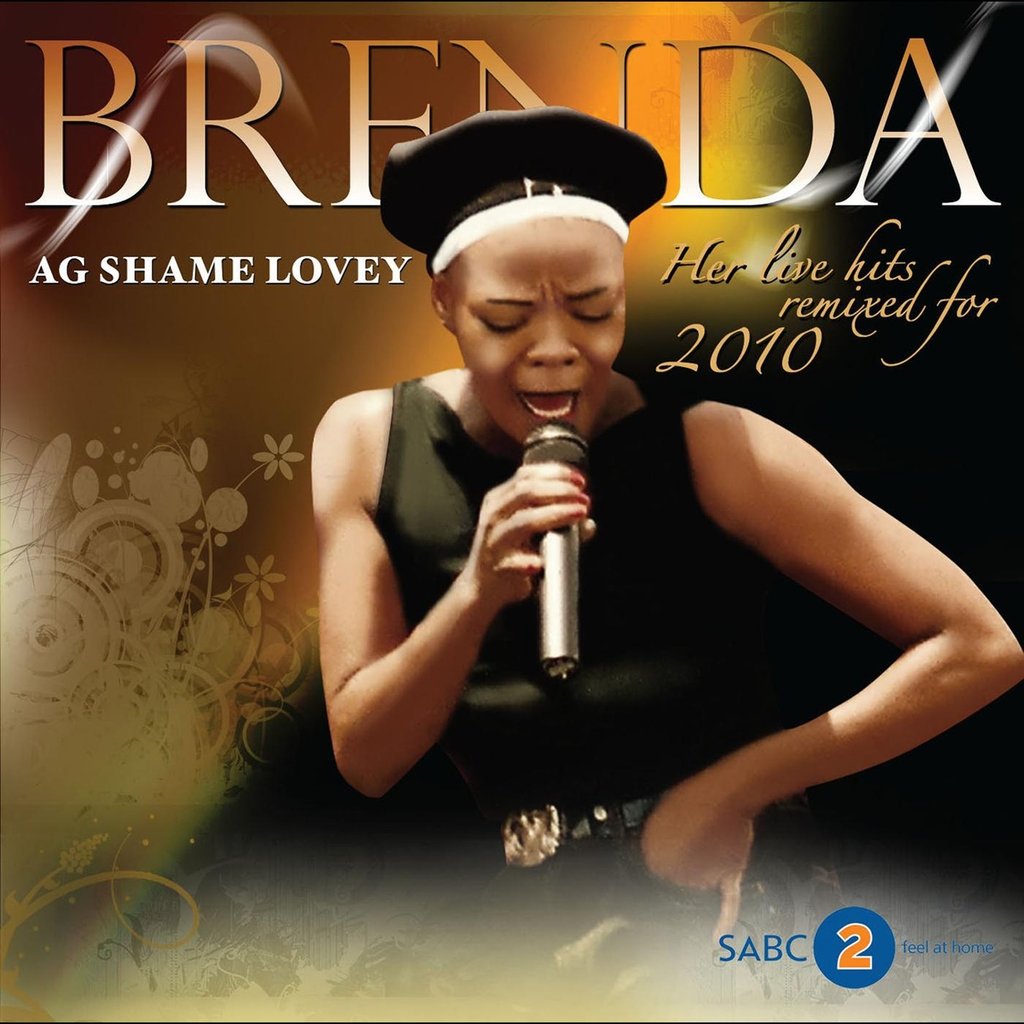
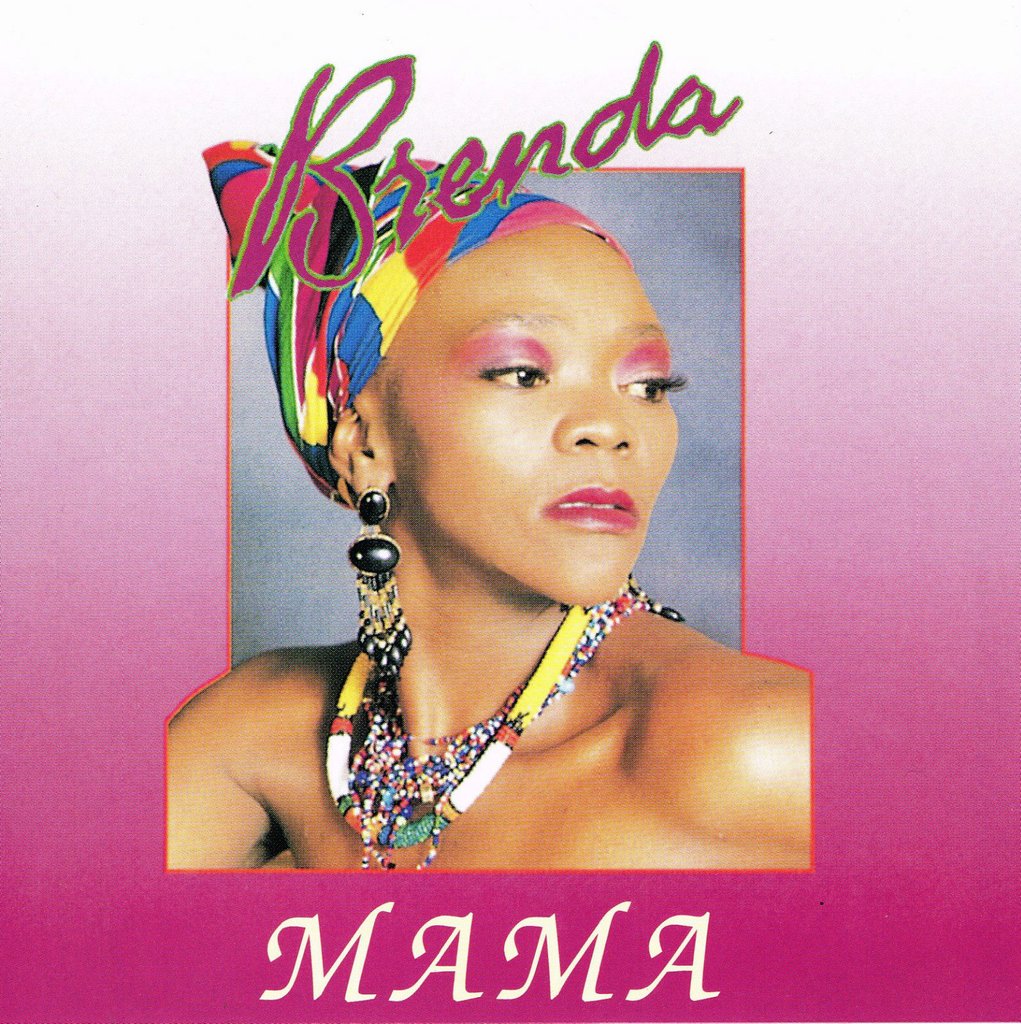
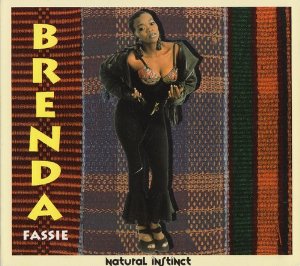
Brenda Fassie: the Madonna of the townships, Africa’s free voice
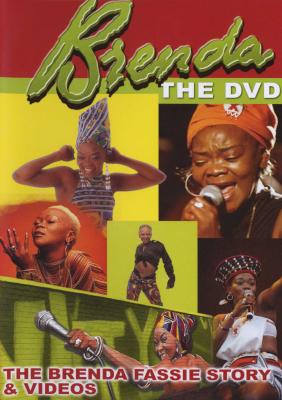
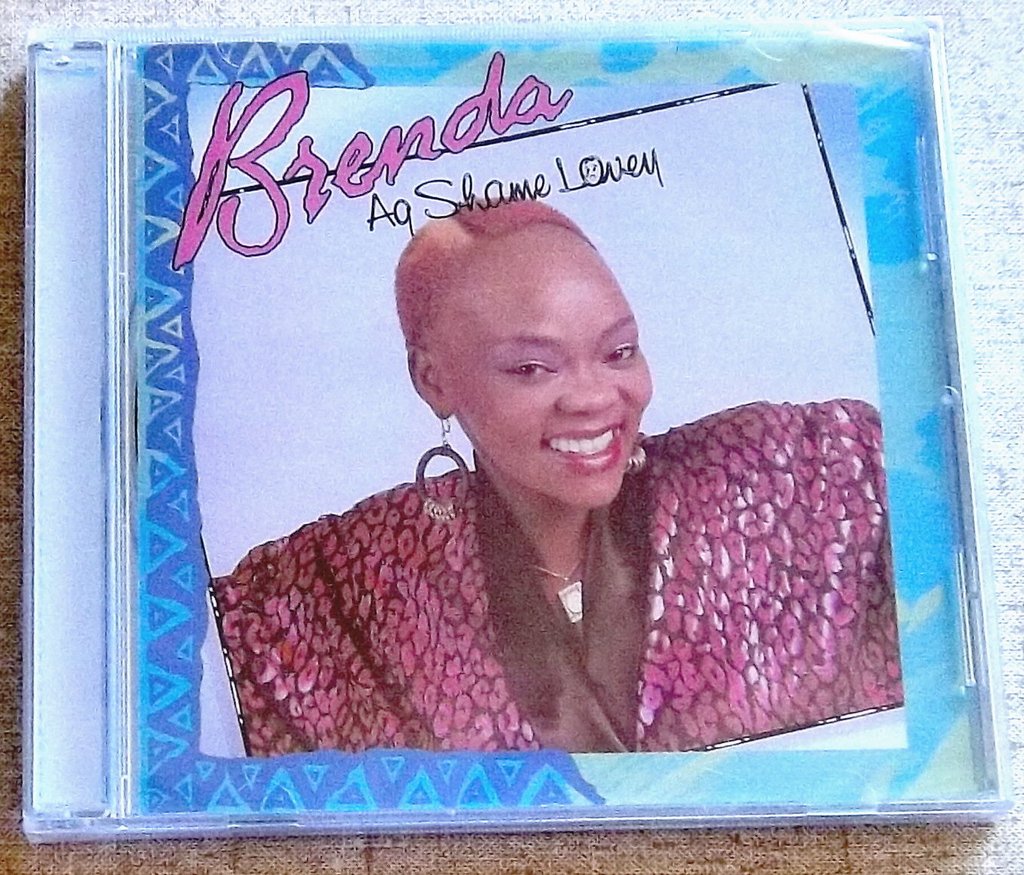
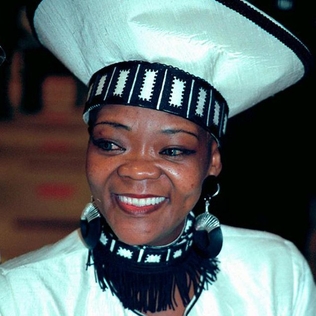
In July 2001, on a stage in Washington, Brenda Fassie swayed, laughed and ripped off her costume with one shoulder movement, revealing her breasts to a stunned audience. “This is Africa!” she shouted, without blinking. This image, both crazy and powerful, says it all: an artist who refused to hide, refused to submit, and who, at thirty-seven years old already, carried on her shoulders an entire music scene from the South African townships.
In brief
| Full name | Brenda Nokuzola Fassie |
| Birth | 3 November 1964, Langa, Cape Town, South Africa |
| Death | 9 May 2004, Johannesburg, Gauteng, South Africa |
| Genres | Pop, kwaito, mbaqanga |
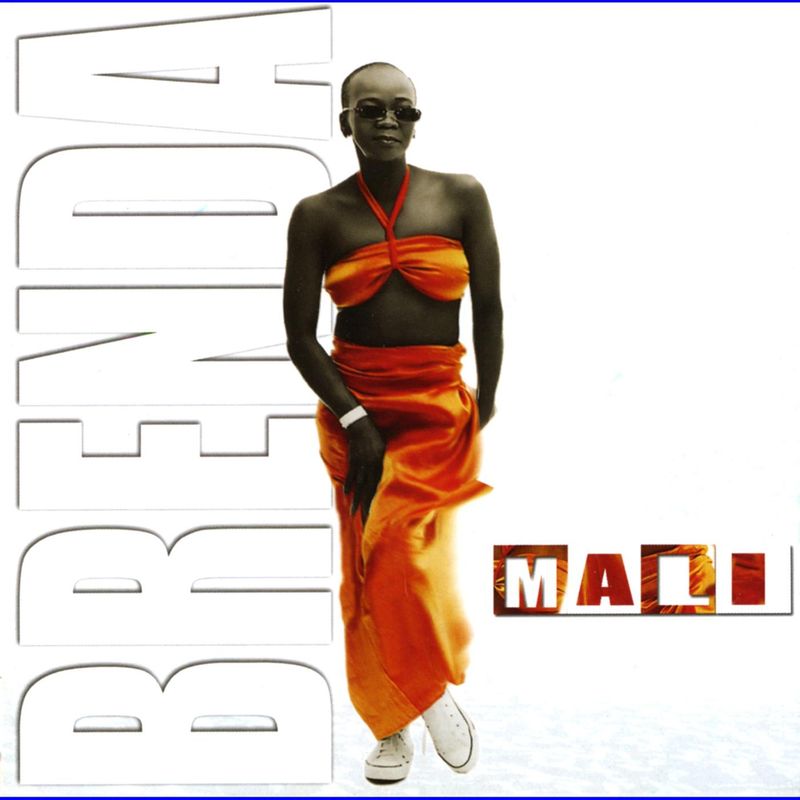
| Notable works | “Weekend Special”, “Black President”, Memeza |
| Awards | 11 South African Music Awards, 3 Kora Awards, 17th on the Top 100 Great South Africans |
Key dates
| Year | Event |
|---|---|
| 1964 | Birth in Langa, Cape township |
| 1981 | Moves to Soweto and joins the group Joy |
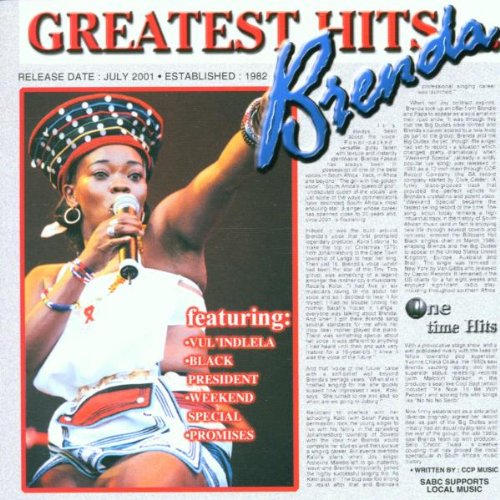
| 1983 | International success with “Weekend Special” (Brenda and the Big Dudes) |
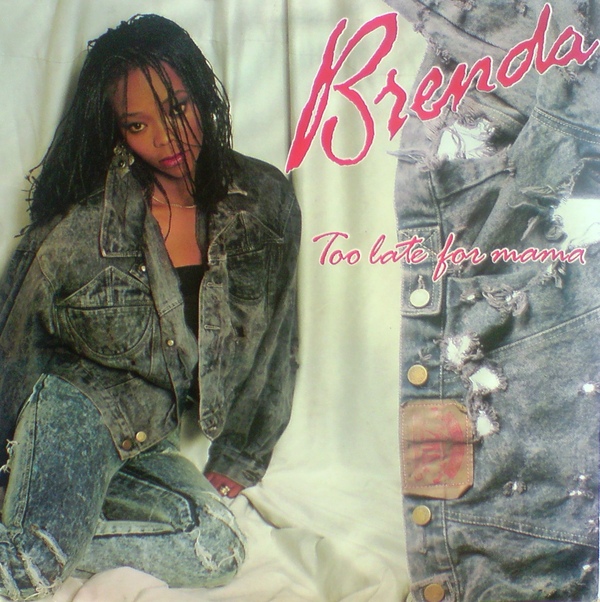
| 1989 | Release of album Too Late for Mama (multi-platinum) |
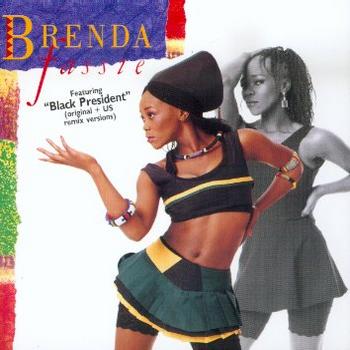
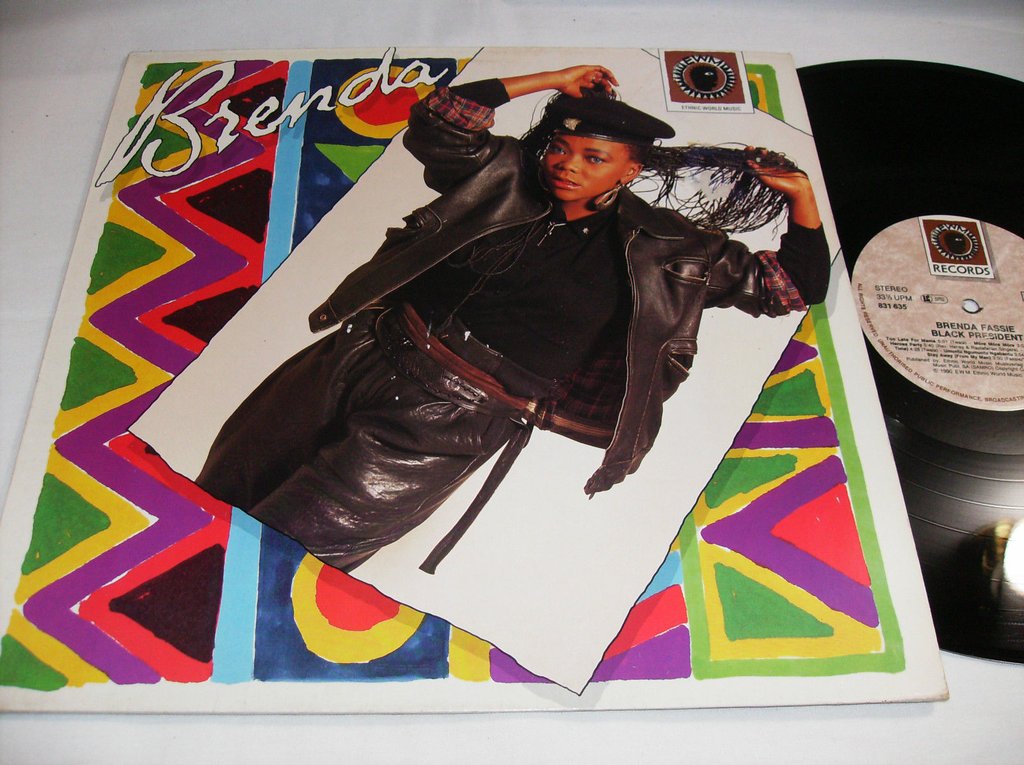
| 1990 | Release of “Black President”, anti-apartheid anthem |
| 1995 | Scandal involving the discovery of Poppie Sihlahla, her lover; detoxification treatment |
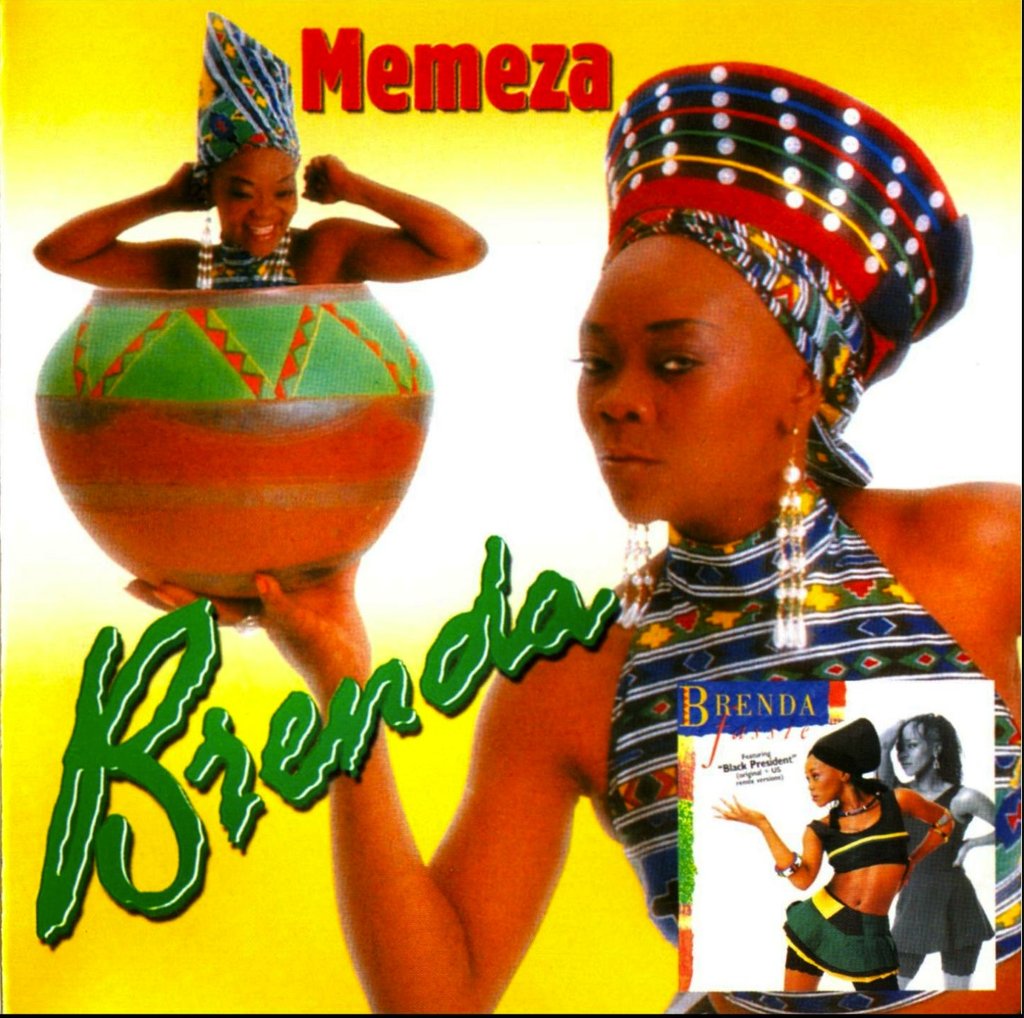
| 1998 | Memeza: best-selling album in South Africa (500,000 copies) |
| 1999-2001 | Consecutive SAMA wins (best female artist, song of the year) |
| 2001 | American tour, strengthening her continental notoriety |
| 2004 | Death at age 39; tribute from Nelson Mandela and President Thabo Mbeki |
The prodigy of the townships
Brenda Nokuzola Fassie was born on 3 November 1964 in Langa, near Cape Town. Her father died when she was two years old; her mother, a pianist, introduced her to music very early. From the age of five, the little girl sang on the street for tourists from Cape Town. Her name, Nokuzola, means “peace” in Xhosa — an irony that contrasts with the explosive energy of the woman she would become.
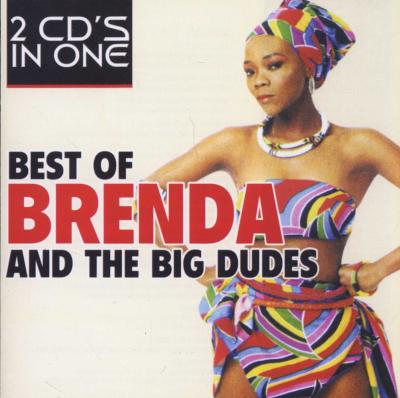
In 1979, producer Koloi Lebon heard her and convinced her to move to Johannesburg. At sixteen, Brenda arrived in Soweto, first in the vocal group Joy, then as lead singer of Brenda and the Big Dudes. Their first hit, “Weekend Special”, became a tidal wave in 1983 and charted as high as the United Kingdom. The child of Cape Town had become a star.
The post-teen years: scandal, resurrection and glory
At the beginning of the 1990s, Fassie’s private life went dark. Cocaine addiction, public disputes, cancelled concerts — her managers considered her unlivable. The turning point came in April 1995: found by police services at the foot of a bed in Johannesburg, she had Poppie Sihlahla, her lesbian lover, lying beside her, dead from an overdose. Fassie was saved in the nick of time and received treatment. But it was precisely at that moment that her musical genius exploded.
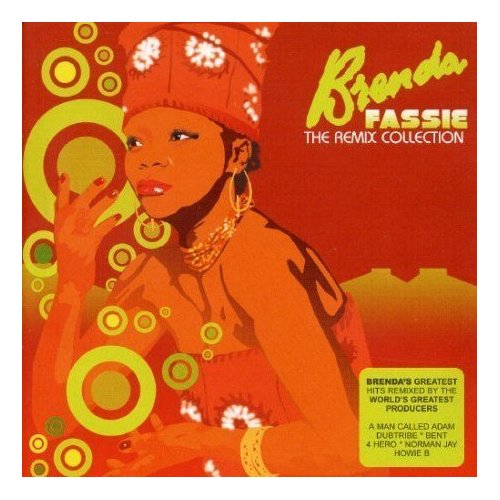
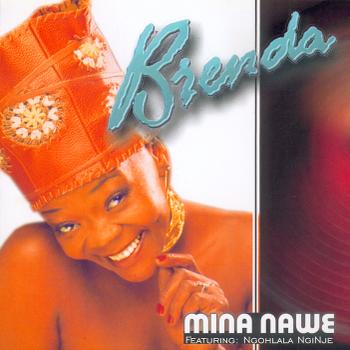
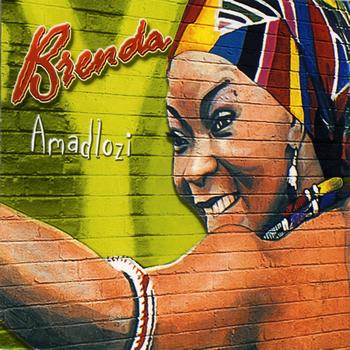
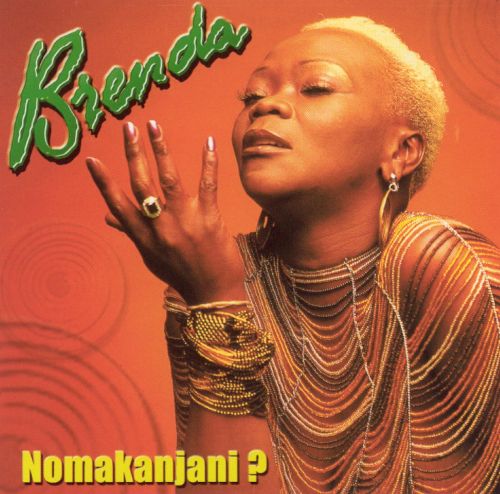
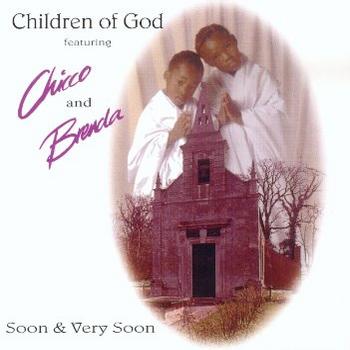
Back in the studio with her producer Sello “Chicco” Twala, Fassie recorded records that kept selling. Now Is the Time (1996), featuring with Congolese legend Papa Wemba; Memeza (“Shout”) in 1998, which became the first South African album to sell 500,000 copies in a week, propelled by the single “Vuli Ndlela” (Accept the situation). With Nomakanjani (1999), Amadlozi (Ancestors, 2000) and Mina Nawe (2001), Fassie won four consecutive SAMA awards, including Song of the Year and Best Female Artist.
Her music, now firmly rooted in kwaito — this pulsating pop genre born in the townships after 1990 that mixes hip-hop, house and traditional African rhythms — also tackles social themes: the violence of provincial taxis in “Sum’ Bulala”, the struggles against apartheid in “Black President”, and black pride in many titles in Xhosa, Zulu and Sotho.
An enduring legacy
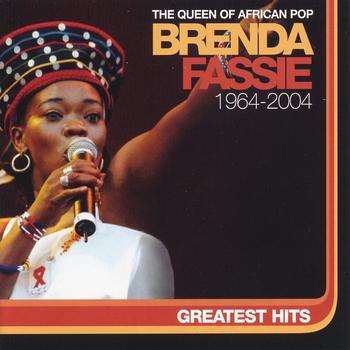
When Brenda Fassie died on 9 May 2004 at Sunninghill Hospital in Johannesburg, following an asthma attack, the news spread like wildfire. Nelson Mandela, Winnie Mandela and President Thabo Mbeki went to her bedside. Her death plunged the nation and the continent into consternation. Former President Mbeki would say of her: “A pan-African griot who raises souls to ecstasy wherever her voice reaches.”
Her musical legacy remains immense. Memeza was rediscovered by new generations of kwaito and African R&B. Her role as a pioneer of lesbian visibility in South Africa is now recognized by researchers and scholars. South African artists who sing in Xhosa, Zulu or Sotho with a free woman’s attitude — like P-Square, Sho Madjozi or even members of Boomtown — owe much to the example of a woman who refused to turn back.
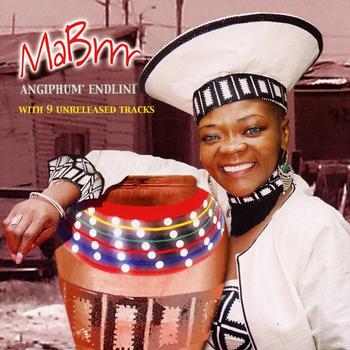
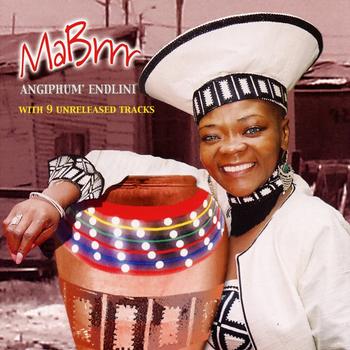
Fans continue to call her MaBrrr, the South African affection for a star who gave the townships a voice, an attitude and songs that no one could stifle.
Major works
| Work | Year | Why it’s essential |
|---|---|---|
| “Weekend Special” | 1983 | First international hit; the track that introduced kwaito to the general public |
| “Black President” | 1990 | Anti-apartheid anthem dedicated to Nelson Mandela; banned by South African media of the time |
| Too Late for Mama | 1989 | Multi-platinum album that elevated Fassie to the status of continental superstar |
| Memeza | 1998 | First South African album to sell 500,000 copies in less than a week |
| “Vuli Ndlela” | 1998 | Song of the Year at the SAMAs, reused by the ANC during the election campaign |
Sources and references
- “Brenda Fassie”, Wikipedia, https://en.wikipedia.org/wiki/Brenda_Fassie, accessed 19 October 2026.
- “Brenda Fassie: Africa — The Madonna of the Townships”, Time Magazine, https://time.com/archive/6596440/brenda-fassie-africa-the-madonna-of-the-townships, accessed October 19, 2026.
- “Brenda Fassie”, The Independent, https://www.independent.co.uk/news/obituaries/brenda-fassie-549906.html, accessed October 19, 2026.
- “Brenda Fassie — A Very Human Hero”, BBC News Africa, http://news.bbc.co.uk/2/hi/africa/3700309.stm, accessed October 19, 2026.
- “Brenda Fassie Discography”, Discogs, https://www.discogs.com/artist/316772-Brenda-Fassie, accessed October 19, 2026.
- “Brenda Fassie — Biography”, AllMusic, https://www.allmusic.com/artist/brenda-fassie-mn0000514481, accessed October 19, 2026.
- “MaBrrr nets two SAMA awards”, IOL, https://iol.co.za/news/south-africa/2004-05-31-mabrrr-nets-two-sama-awards/, accessed October 19, 2026.
- “Fassie’s Legacy Remembered At South Africa’s SAMAs”, Billboard, https://www.billboard.com/music/music-news/fassies-legacy-remembered-at-south-africas-samas-1436420/, accessed October 19, 2026.