Biography
Johnny Clegg: music as resistance
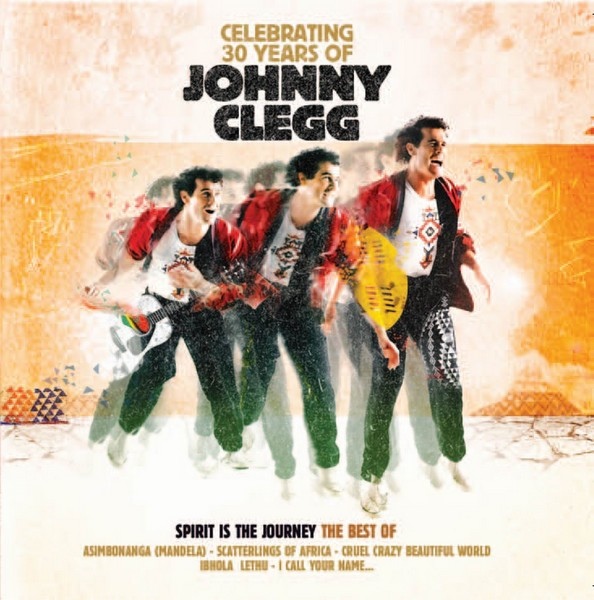
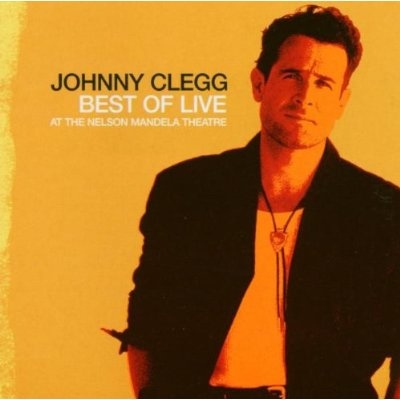
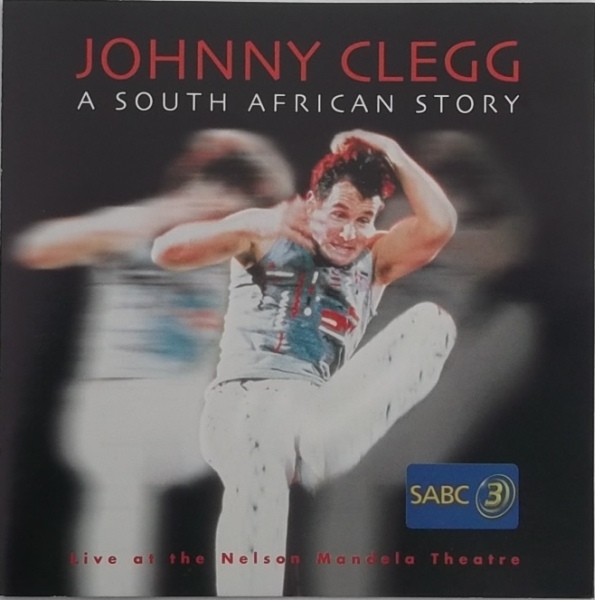
One day in July 1999, in Frankfurt, Nelson Mandela climbed onto the stage as Johnny Clegg began singing Asimbonanga, the song he had composed twelve years earlier for the prisoner still incarcerated on Robben Island. The future South African president slowly danced the Zulu choreography that Clegg had learned in the townships of Johannesburg. An iconic scene of political pop: music crossed barriers that the law had erected for eternity.
In brief
| Full name | Jonathan Paul Clegg |
| Birth | 7 June 1953, Bacup, Lancashire, England |
| Death | 16 July 2019, Johannesburg, South Africa |
| Genre | Afro-pop, mbaqanga (Zulu urban music), acoustic rock, world music |
| Notable works | “Asimbonanga”, Third World Child |
| Honours | OBE, Order of Ikhamanga, Chevalier des Arts et des Lettres (France) |
Key dates
| Year | Event |
|---|---|
| 1953 | Birth in Bacup (Lancashire, England), English father, Rhodesian mother |
| 1960 | Move to Johannesburg; discovery of the townships |
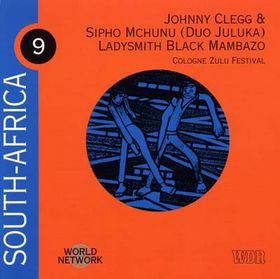
| 1969 | Meeting Sipho Mchunu, start of the duo that would become Juluka |
| 1979 | Release of Universal Men, first album by Juluka |
| 1986 | Creation of Savuka with choreographer Dudu Zulu |
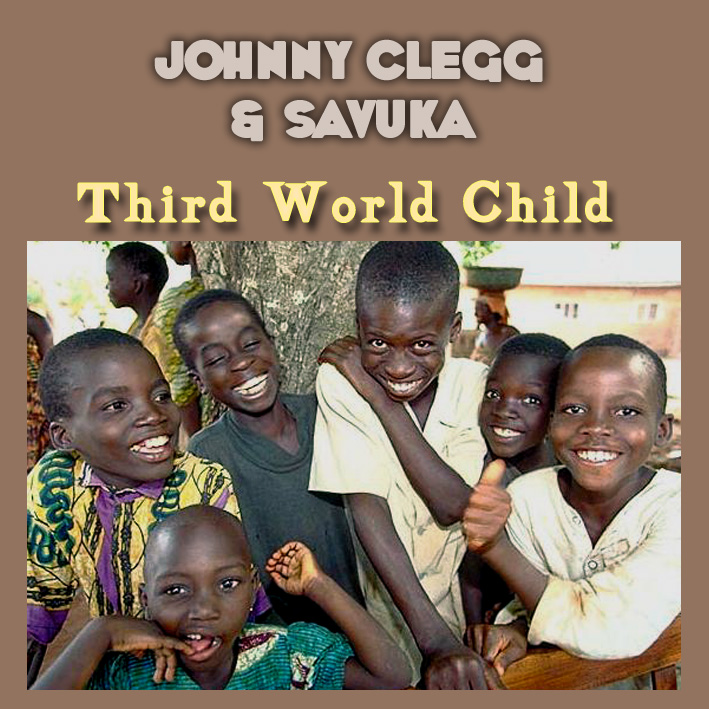
| 1987 | Third World Child sells one million copies |
| 1999 | Mandela joins Clegg on stage to sing Asimbonanga |
| 2012 | Order of Ikhamanga, South Africa’s highest decoration |
| 2015 | Pancreatic cancer diagnosis; tours cut short |
| 2019 | Death at age 66, in Johannesburg |
From Zambia to the townships: a Zulu vocation
Born in Bacup on 7 June 1953, Jonathan Paul Clegg grew up between Rhodesia, Israel and Zambia after his parents’ divorce. The family settled in Johannesburg in 1960. His father-in-law, a journalist and criminal opponent of apartheid, took him to the black townships—spaces that whites rarely frequented. An adolescent fascinated by Zulu culture, Clegg defied segregationist laws from the age of fifteen by taking maskandi guitar lessons (urban guitar for Zulu migrants) with Charlie Mzila, and learning isishameni, the Zulu war dance that taught him what it means to be a man, he recounts (NPR, 2017). This passion earned him several arrests for violating the Group Areas Act. After a master’s in social anthropology at Witwatersrand, he taught briefly before turning to music.
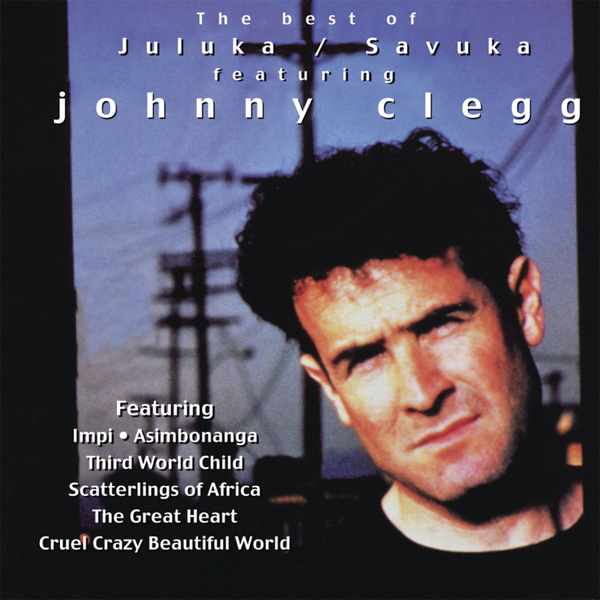
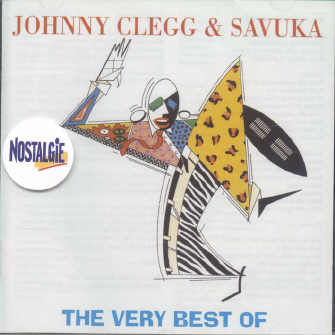
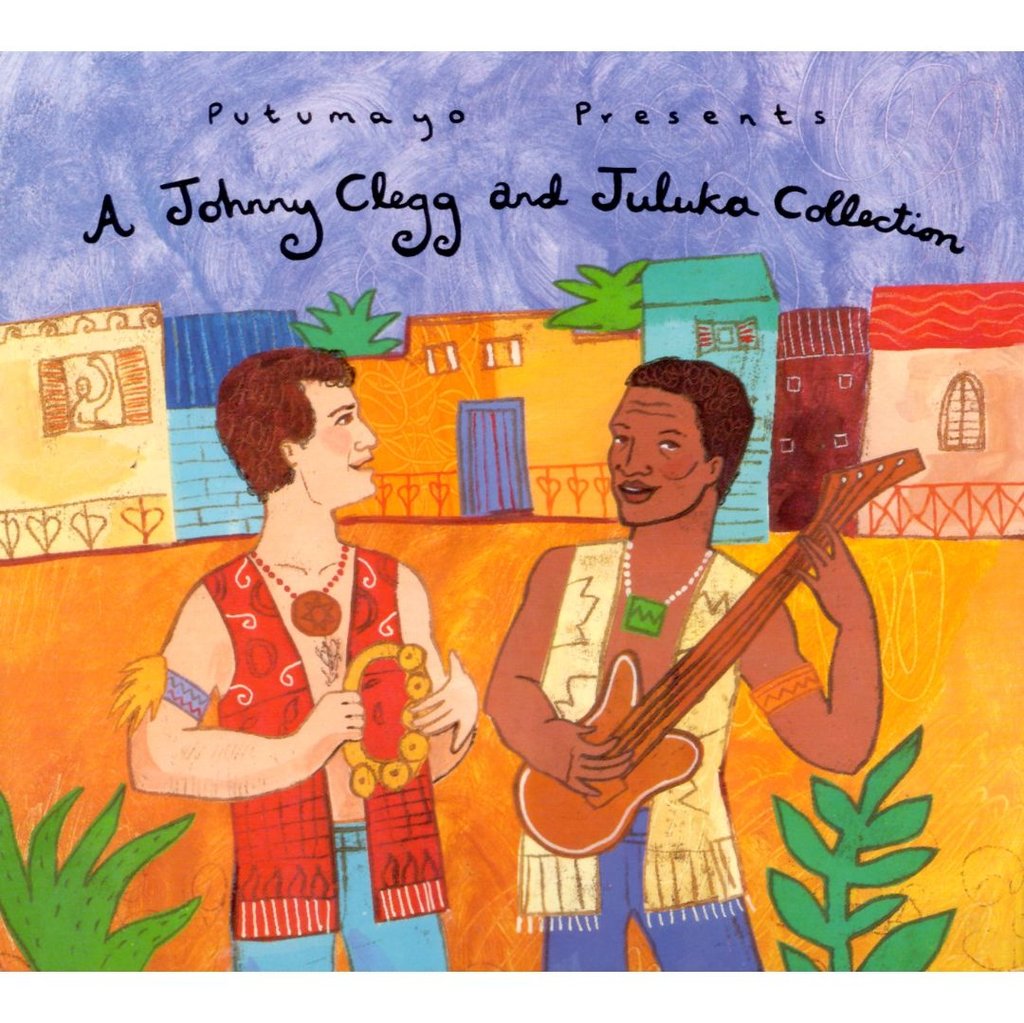
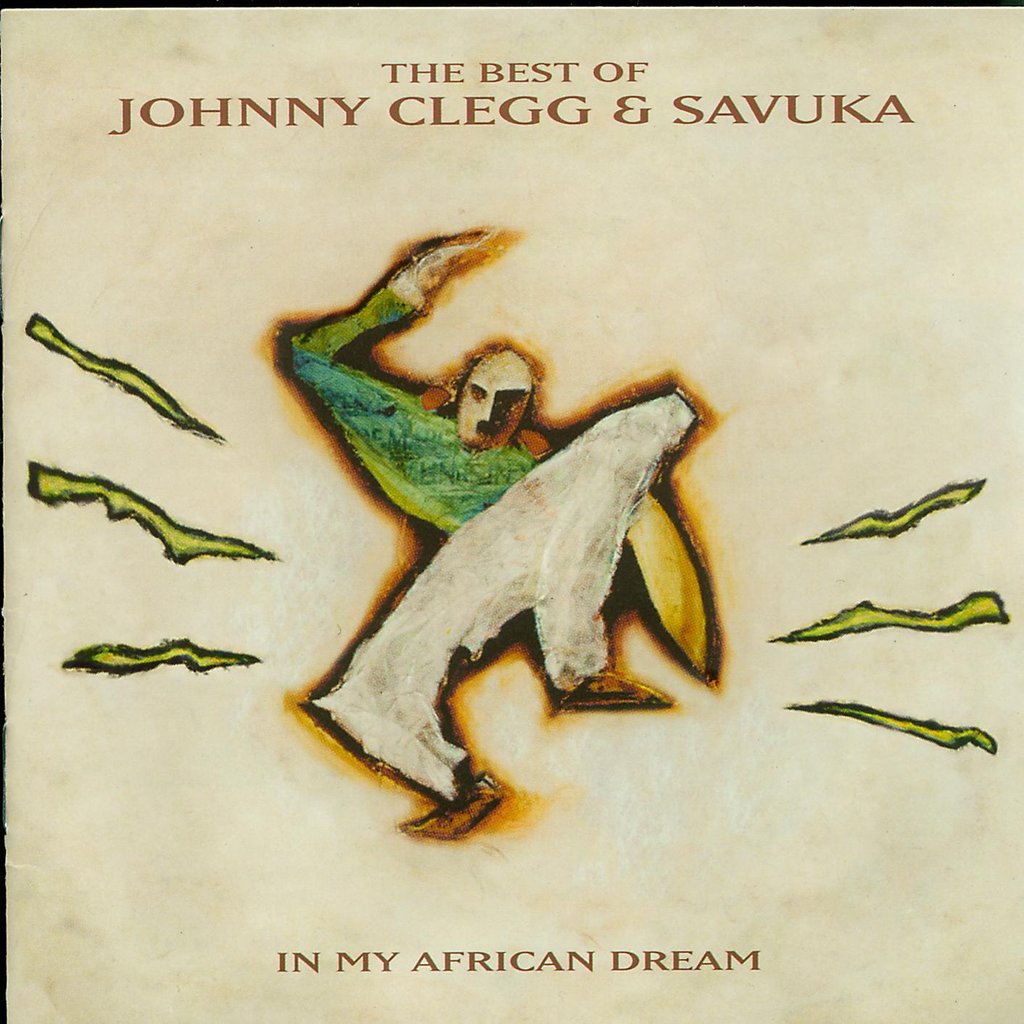
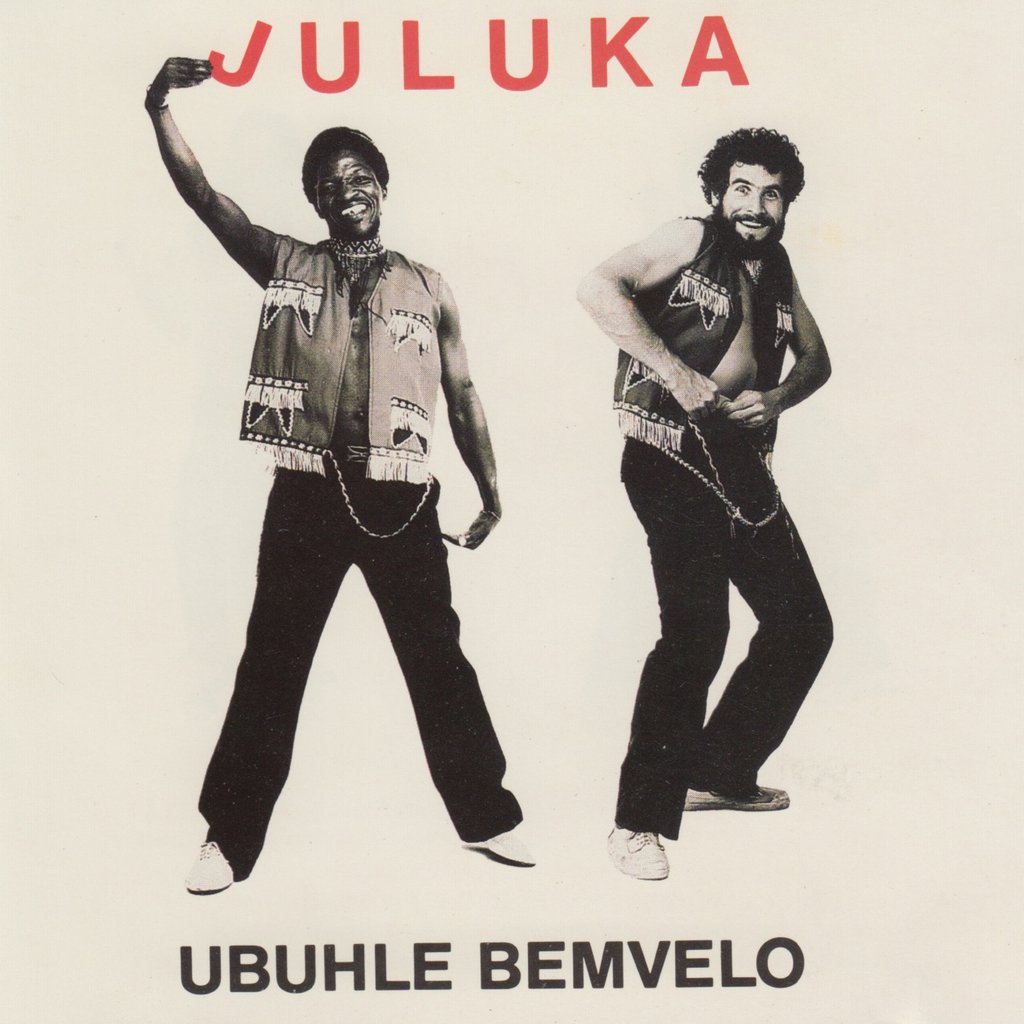
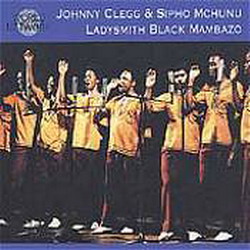
In 1969, Clegg formed the duo Johnny & Sipho with Sipho Mchunu, a migrant musician of Zulu origin. Their first single, Woza Friday, was released in 1976, and their debut album, Universal Men (1979), fused Zulu rhythms with Western structures. Juluka—the Zulu word for sweat—became the first multiracial group in South Africa. Harassed and censored by public broadcasters, they toured universities and churches. Juluka nonetheless conquered an international audience, accumulating two platinum albums and five golds.
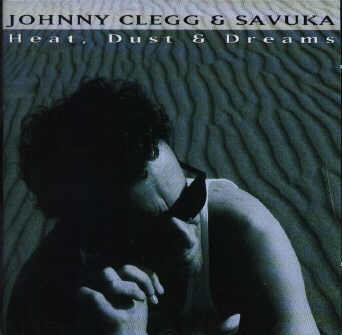
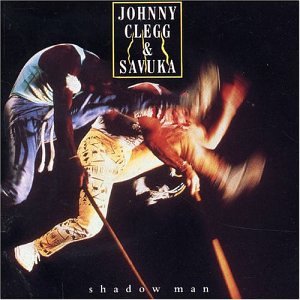
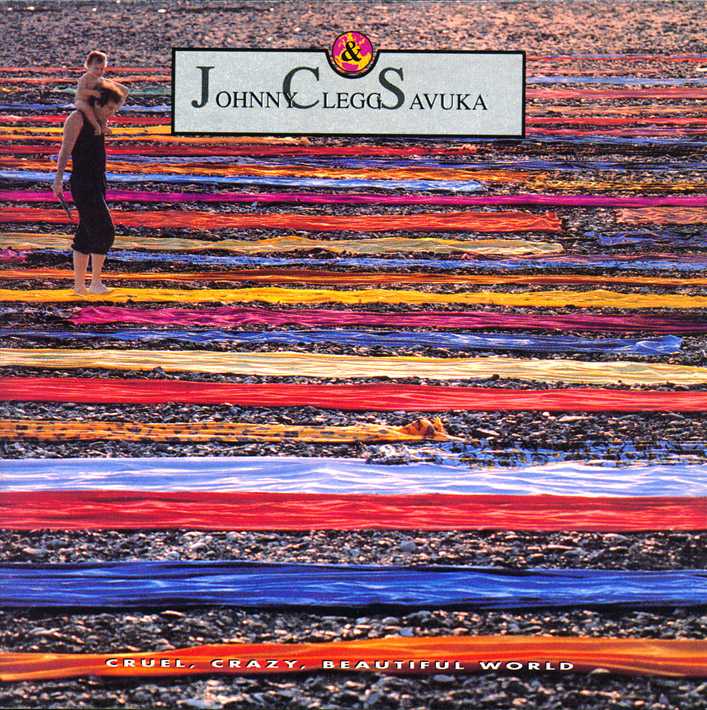
In 1985, Mchunu retired to his farm. Clegg launched Savuka (which means we have risen in Zulu) with choreographer Dudu Zulu. Savuka’s first album, Third World Child (1987), sold more than two million copies. The band performed worldwide tours and reached its peak with Heat, Dust and Dreams (1993), nominated for a Grammy Award and crowned best world music album by Billboard. In 1993, Dudu Zulu was shot during a taxi conflict mediation attempt; Savuka disbanded. Juluka briefly reformed in 1997 for a final album, Crocodile Love.
Solo career, illness and legacy
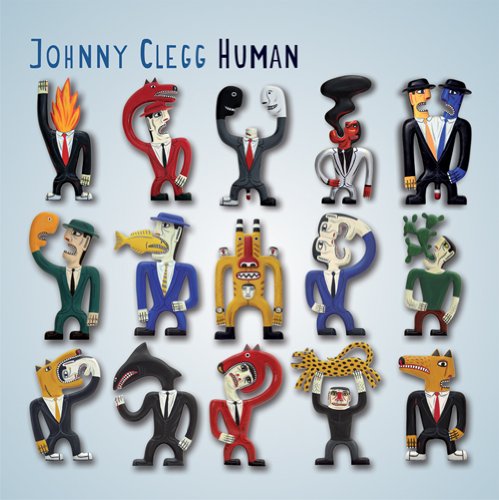
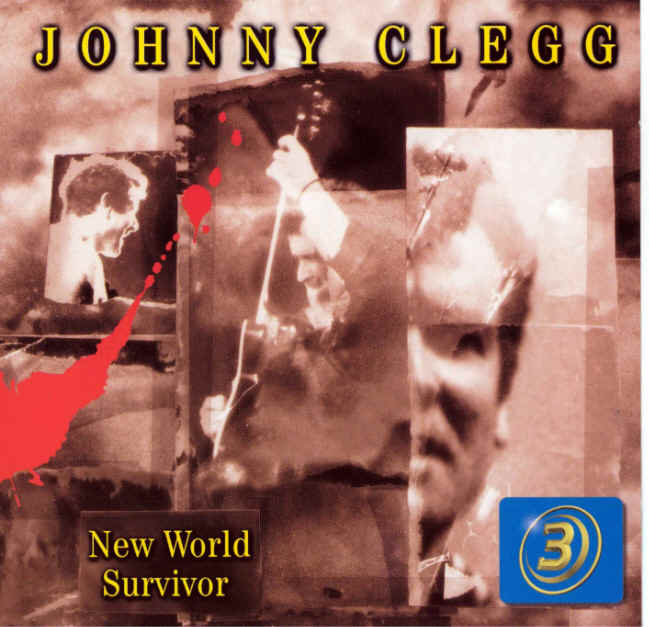
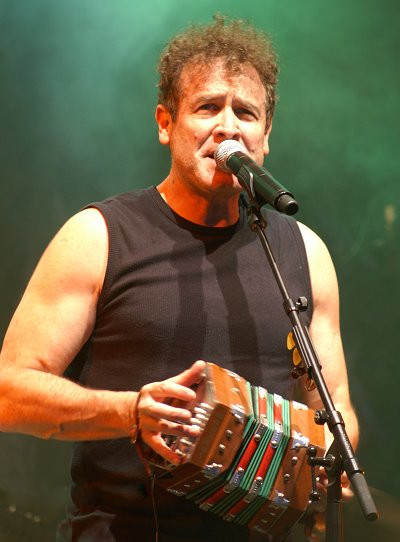
From the 2000s onwards, Clegg recorded solo albums—New World Survivor (2002), Human (2010)—and remained a formidable stage artist, introducing each piece with anecdotes about Zulu culture. In 1999, he lived one of the most beautiful moments of his career when Mandela, now president, danced on stage during Asimbonanga. “Catch the sun while you can so it doesn’t slip away,” he said in 2019 in Paris Match, shortly before cancer exhausted him.
Diagnosed in 2015, Clegg embarked on a farewell tour in 2017 and gave his final concert in Harare in November 2018. He died at home on 16 July 2019. His son Jesse, a musician, continued the Scatterlings project to perpetuate his father’s legacy. Clegg sold more than five million albums worldwide. His journey—from a young white man learning Zulu dance under the threat of apartheid to South African national honour—remains, beyond music, an act of cultural resistance.
Major works
| Work | Year | Why it’s essential |
|---|---|---|
| Universal Men (Juluka) | 1979 | First album by a multiracial South African group, manifesto under apartheid |
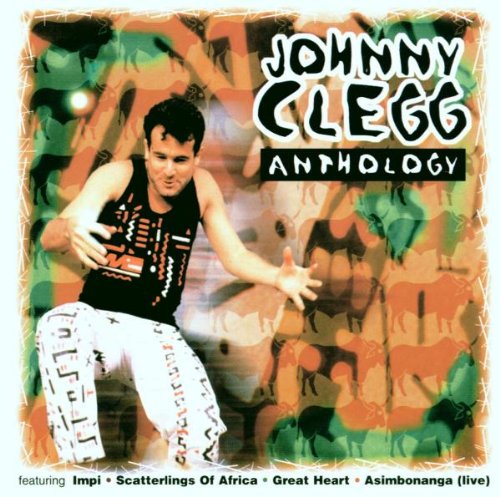
| Scatterlings of Africa | 1982 | Planetary single (UK #44), covered in Rain Man |
| Asimbonanga (Savuka) | 1987 | Hymn to Mandela in prison, song of freedom |
| Third World Child (Savuka) | 1987 | Two million copies, international consecration |
| Heat, Dust and Dreams (Savuka) | 1993 | Grammy nominee, best world music album by Billboard |
Legacy
Johnny Clegg paved the way for generations of South African artists by proving that cultural fusion strengthens rather than weakens. Contemporary groups like Freshlyground pay homage to his pioneering work. In France, where his popularity is immense, he remains a bridge between world music and the general public. His posthumous autobiography, Scatterling of Africa (2021), and the Scatterlings project led by his son Jesse attest that the work continues to live.
Sources and references
- “Johnny Clegg”, Wikipedia, https://en.wikipedia.org/wiki/Johnny_Clegg, accessed 21 October 2026.
- « Johnny Clegg », Encyclopædia Britannica, https://britannica.com/biography/Johnny-Clegg, consulté le 21 octobre 2026.
- Craig Harris, « Johnny Clegg », AllMusic, https://allmusic.com/artist/johnny-clegg-mn0000243238, consulté le 21 octobre 2026.
- Robin Denselow, « Johnny Clegg obituary », The Guardian, https://www.theguardian.com/music/2019/jul/19/johnny-clegg-obituary, consulté le 21 octobre 2026.
- NPR, « Johnny Clegg, A Uniting Voice Against Apartheid, Dies At 66 », https://www.npr.org/transcripts/738065415, consulté le 21 octobre 2026.
- BBC News, « Johnny Clegg, South African musician and activist, dies aged 66 », https://www.bbc.co.uk/news/world-africa-49011161, consulté le 21 octobre 2026.
- « Johnny Clegg Biography », johnnyclegg.com (official site), https://johnnyclegg.com/biog.html, consulté le 21 octobre 2026.
- « Johnny Clegg Interview, Paris Match, 2019 », https://www.dicocitations.com/reference_citation/117410/, consulté le 21 octobre 2026.