Biography
Mango Groove: kwela becomes the rhythm of hope
In February 1990, the American program Nightline broadcast a Mango Groove concert to 30 million viewers worldwide, who were awaiting Nelson Mandela. Four years earlier, seven multiracial South Africans had been playing in Johannesburg clubs; by 1990, their music carried the hopes of a nation in transition.
In brief
| Name | Mango Groove |
| Origin | Johannesburg, South Africa |
| Genres | Afropop, marabi — urban dance music from the 1930s–40s — and kwela — penny whistle jazz born in Johannesburg around the 1950s |
| Active period | 1984–present |
| Founding members | John Leyden (bass), Andy Craggs, Bertrand Mouton |
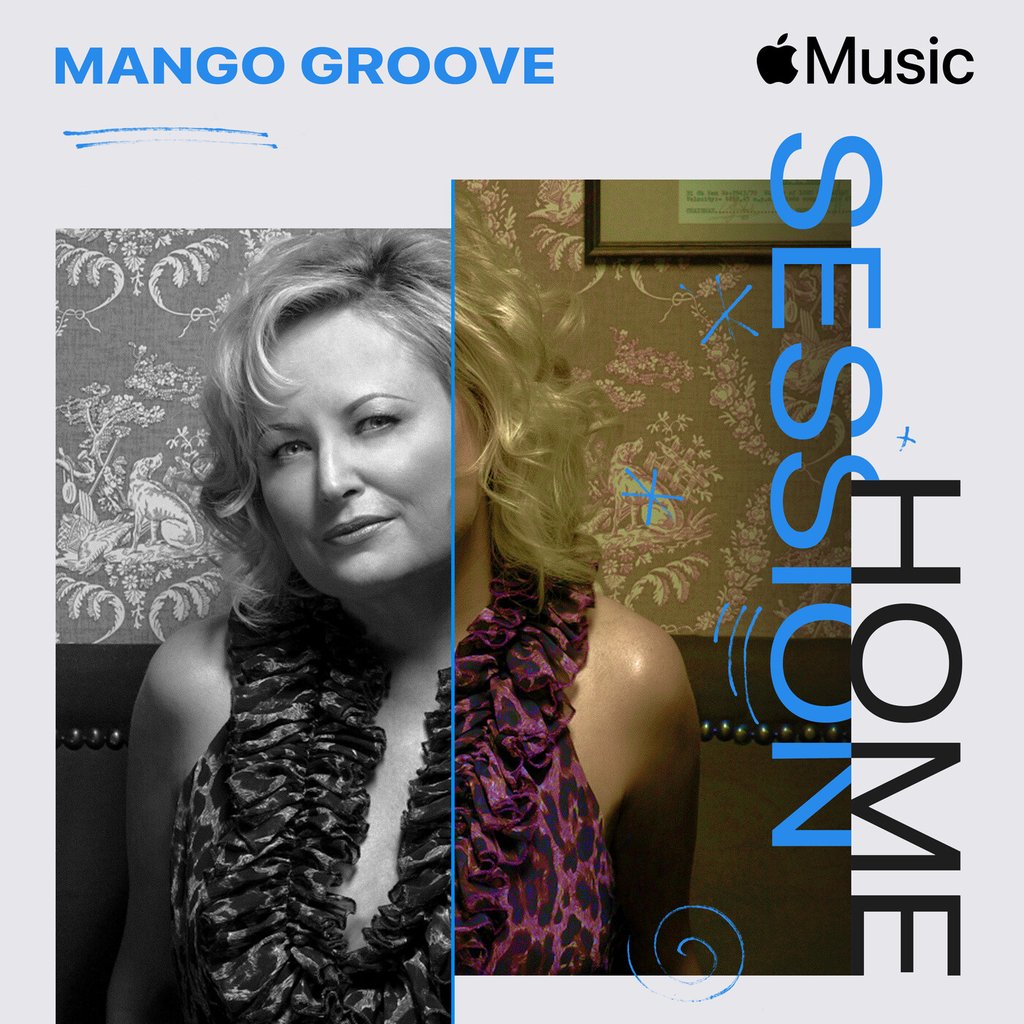
| Lead vocalist | Claire Johnston (since 1985) |
| Discography | 6 studio albums |
| Awards | 5 OKTV Awards, 15 platinum certifications, South African Music Awards Lifetime Achievement 2019 |
Key dates
| Year | Event |
|---|---|
| 1984 | Formation in Johannesburg by Leyden, Craggs and Mouton, former members of the punk group Pett Frog |
| 1985 | Claire Johnston, 17 years old, joins the group on the recommendation of her singing teacher |
| 1989 | Release of album Mango Groove: peaks at #2 on the Radio Orion chart, staying there for a year |
| 1990 | “We Are Waiting” broadcast by Nightline on Mandela’s release: 30 million viewers |
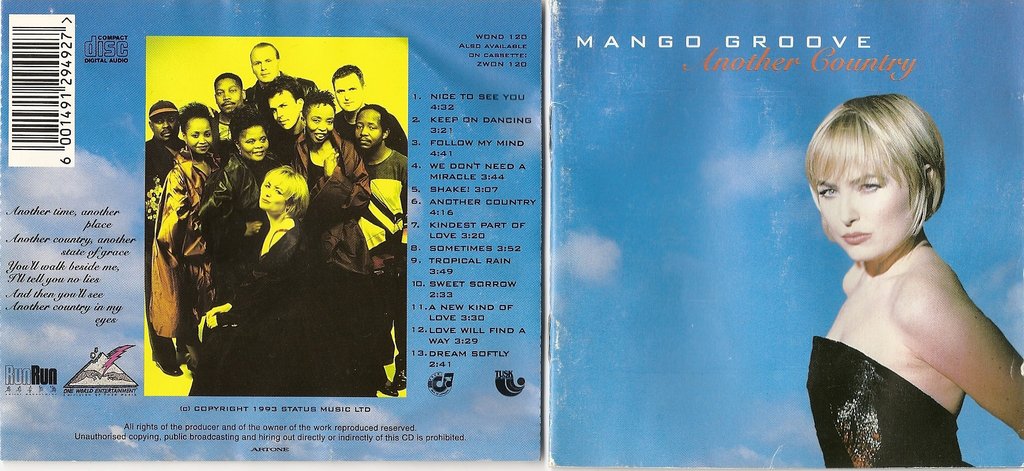
| 1993 | Another Country, emblematic album marking the end of apartheid |
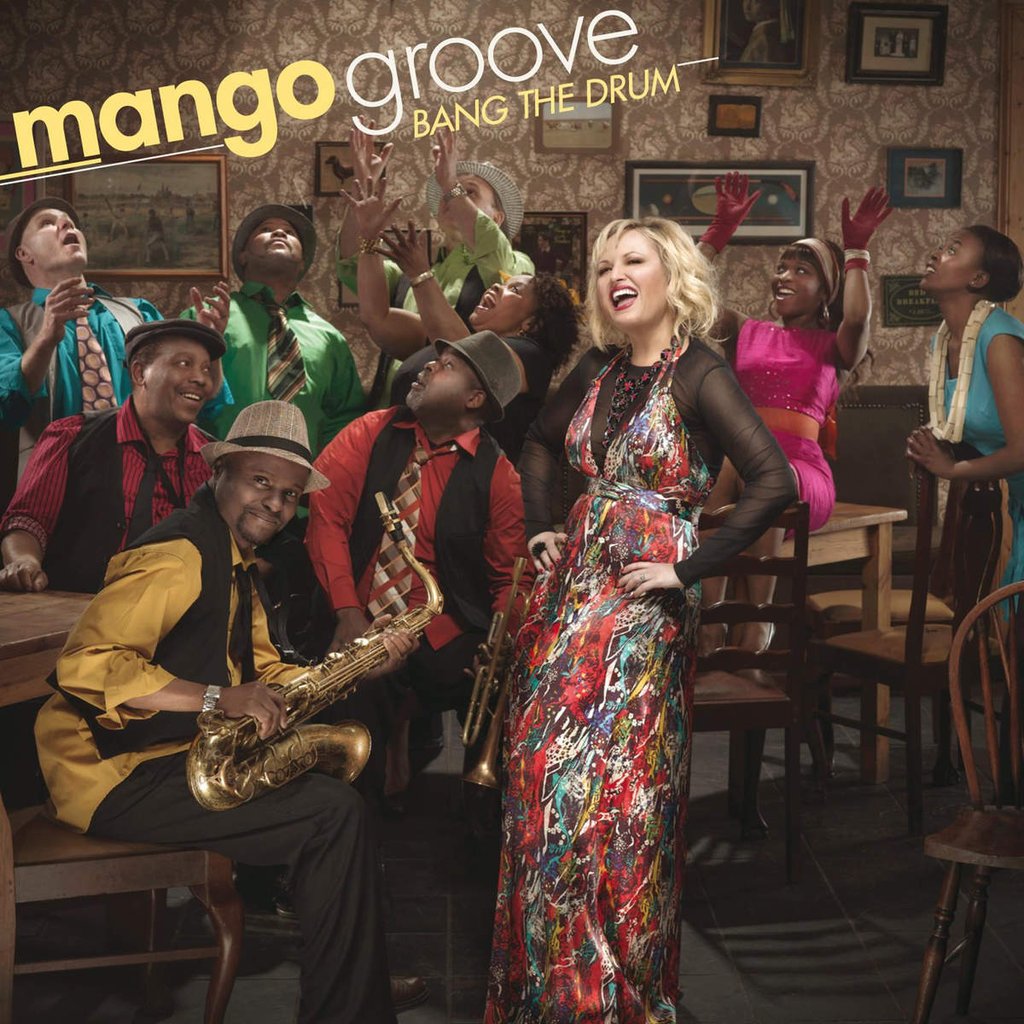
| 2009 | Return with Bang the Drum after an eight-year hiatus |
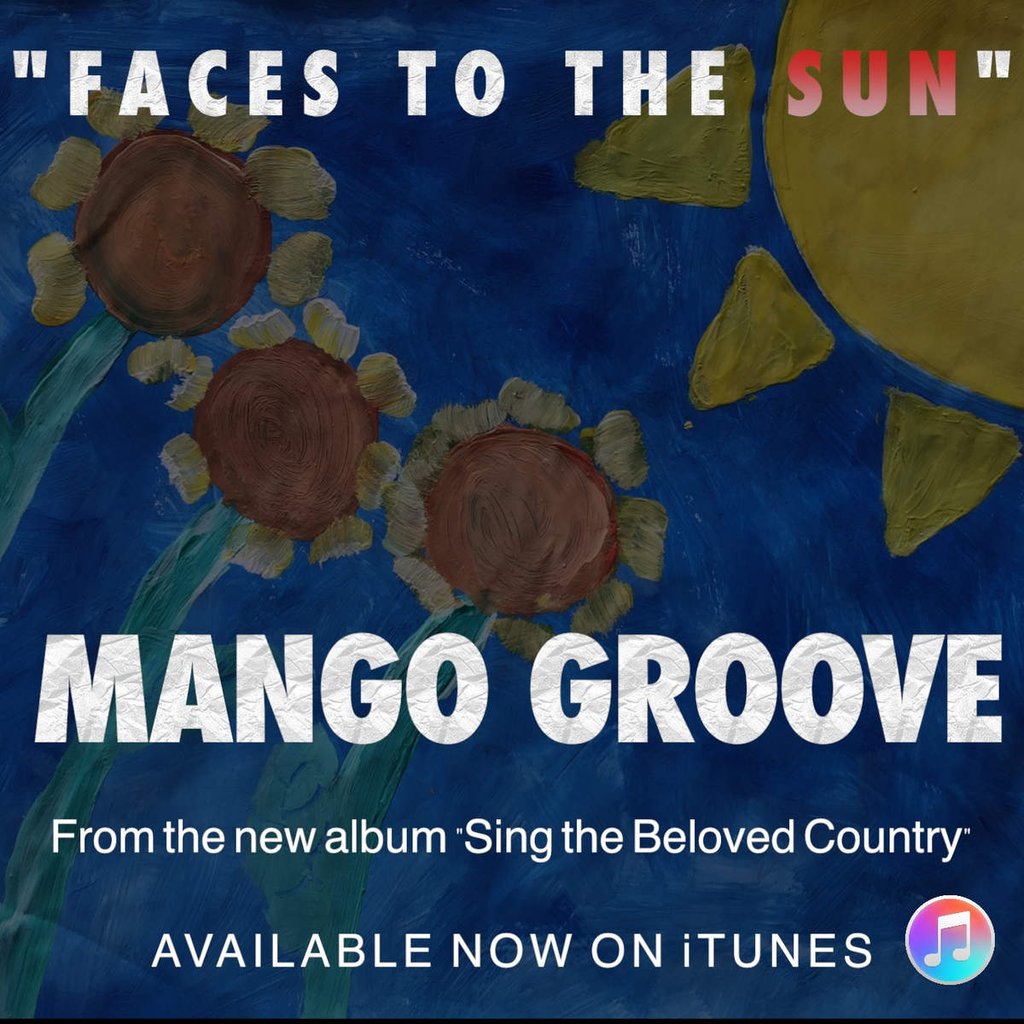
| 2016 | Faces to the Sun, double album conceived over four years |
| 2019 | Lifetime Achievement Award at the South African Music Awards |
Origins, triumph and metamorphoses
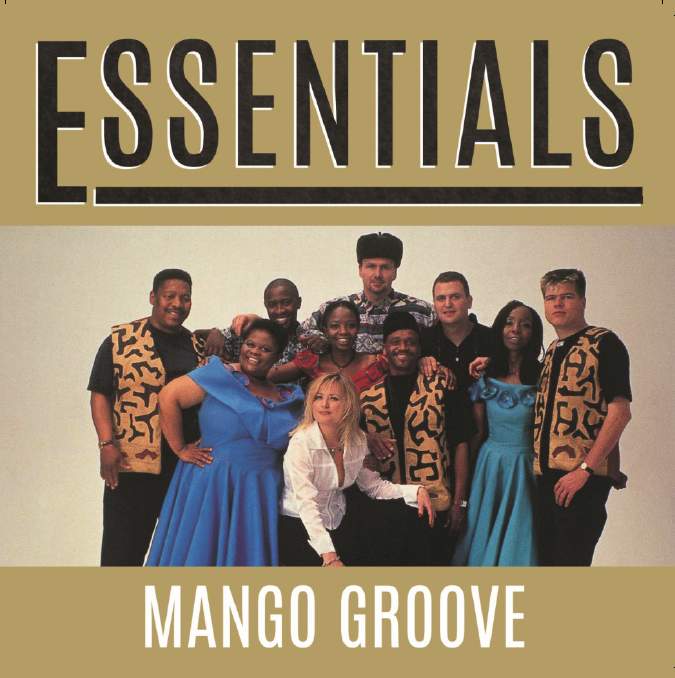
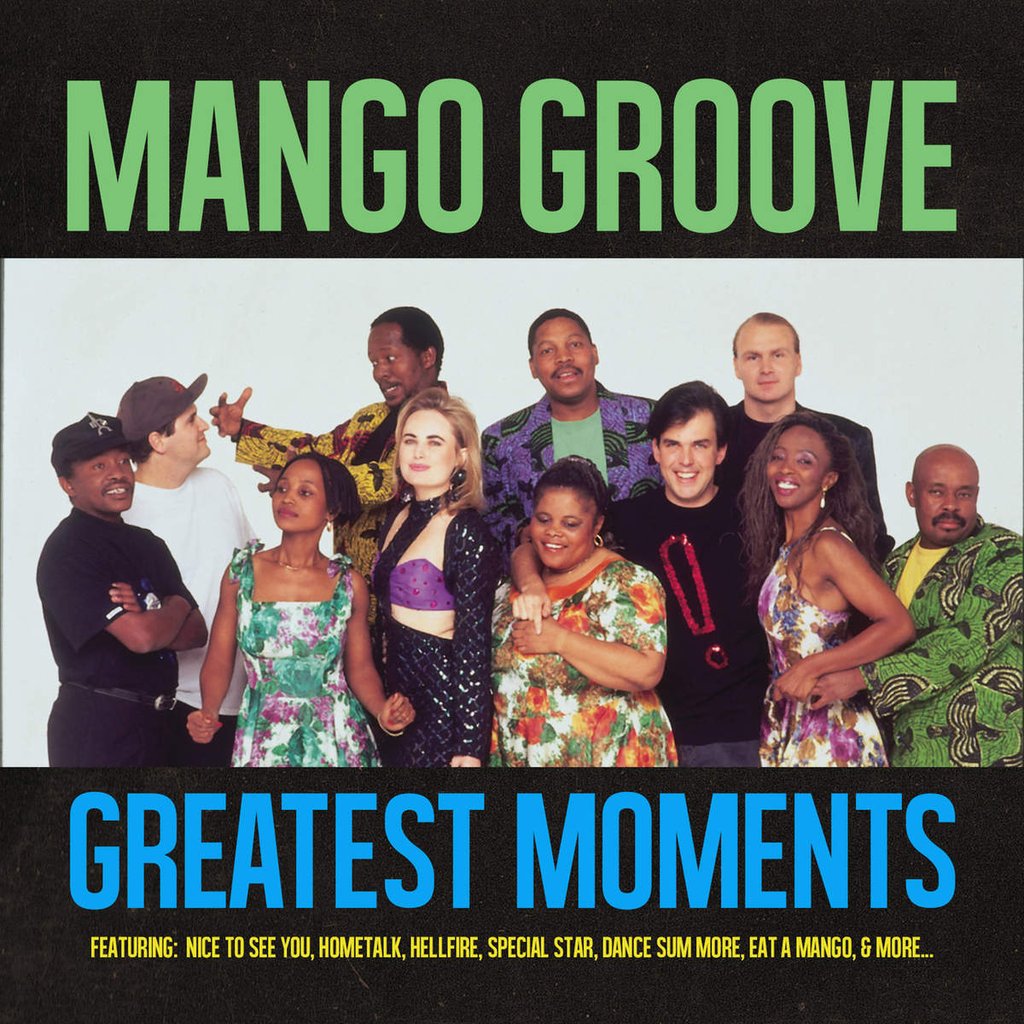
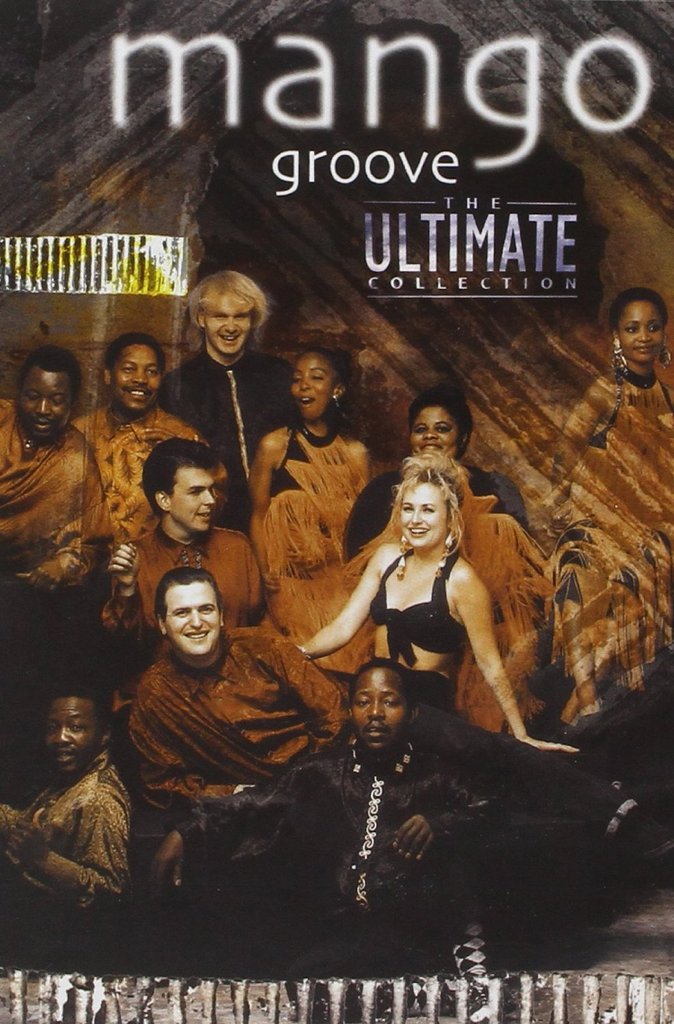
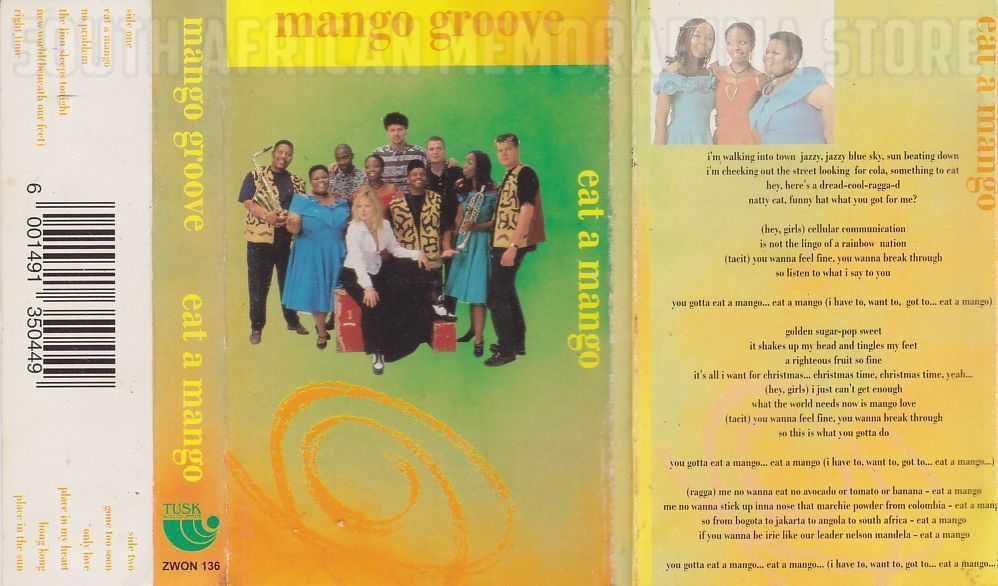
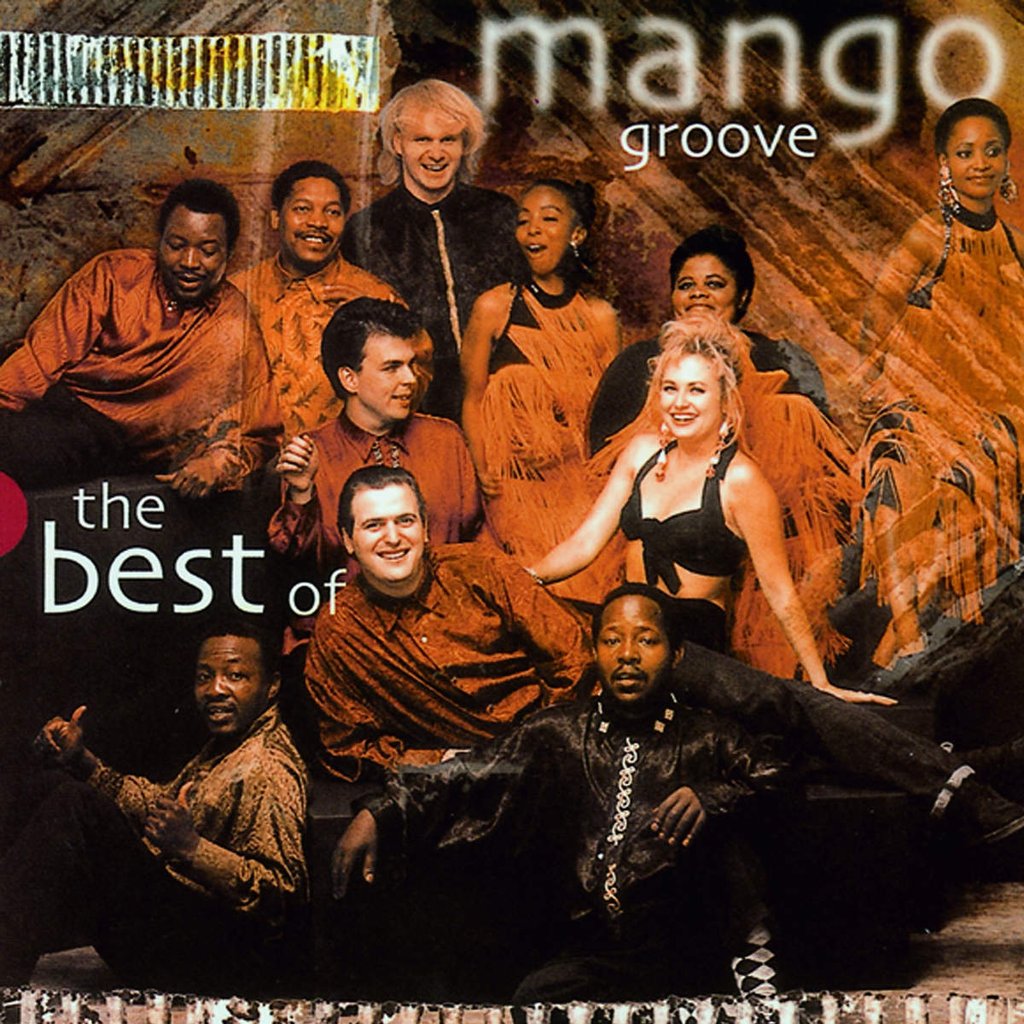
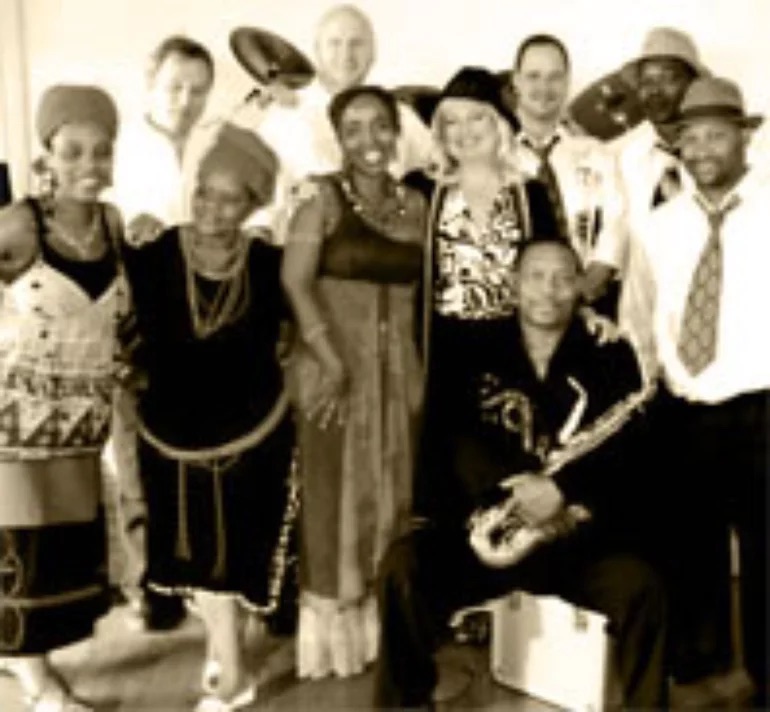
Mango Groove was born in the corridors of Gallo Records building in Johannesburg. Three middle-class white young men — John Leyden, Andy Craggs, Bertrand Mouton — former classmates from the punk group Pett Frog, were studying at the University of Witwatersrand. Upon meeting “Big Voice” Jack Lerole, a kwela veteran, the band found its soul. Leyden, born in Zambia, was passionate about South African urban jazz from the 1950s. The band’s name was invented during a dinner: a pun on Man, go groove! The penny whistle — small flute, soul of kwela — became their signature alongside the brass section, keyboards and four vocalists. The lineup soon exploded to reach eleven musicians.
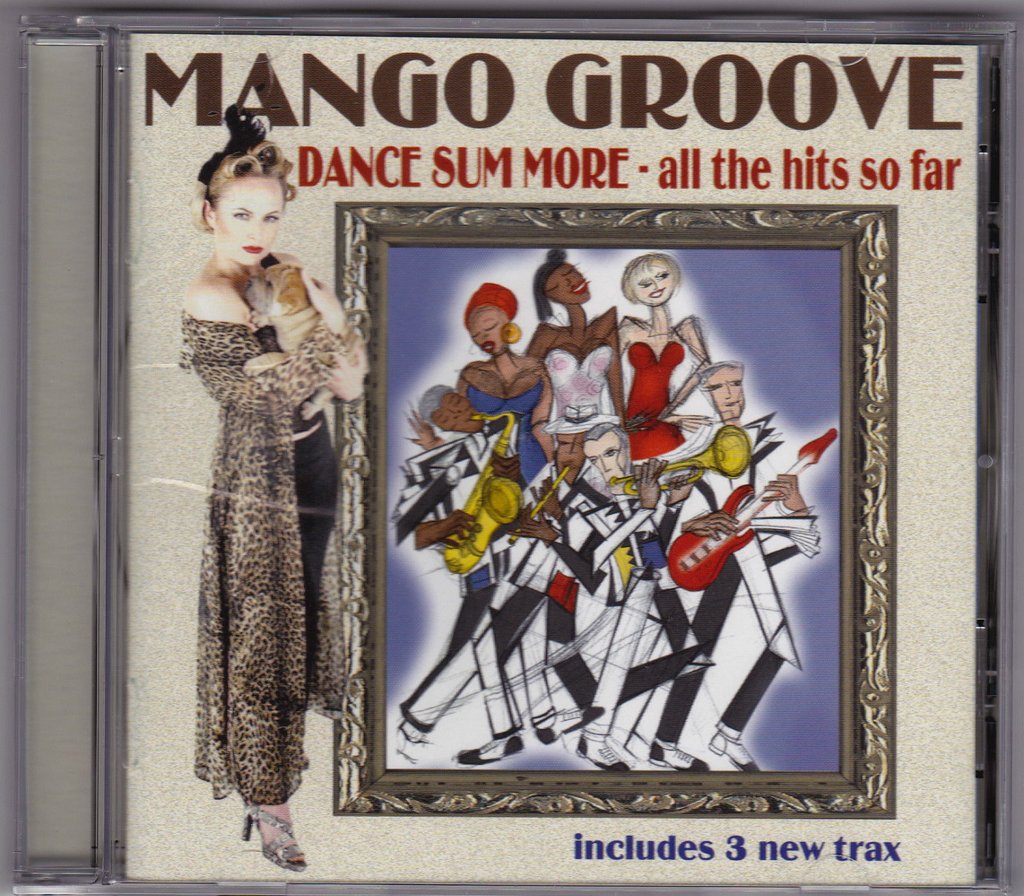
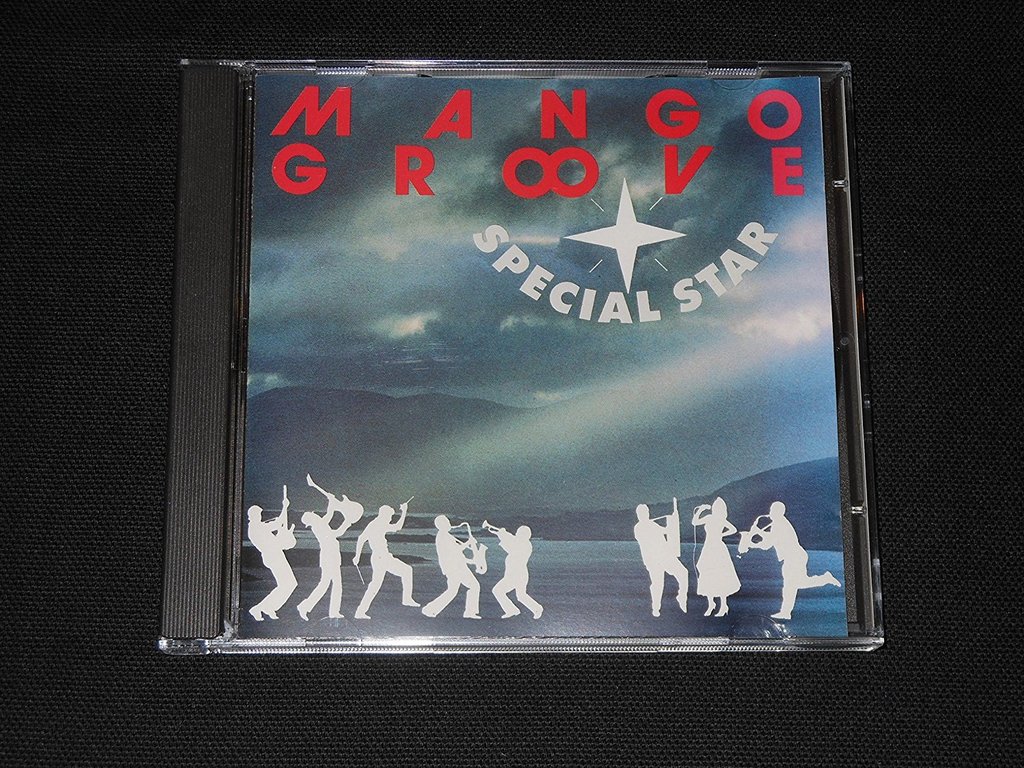
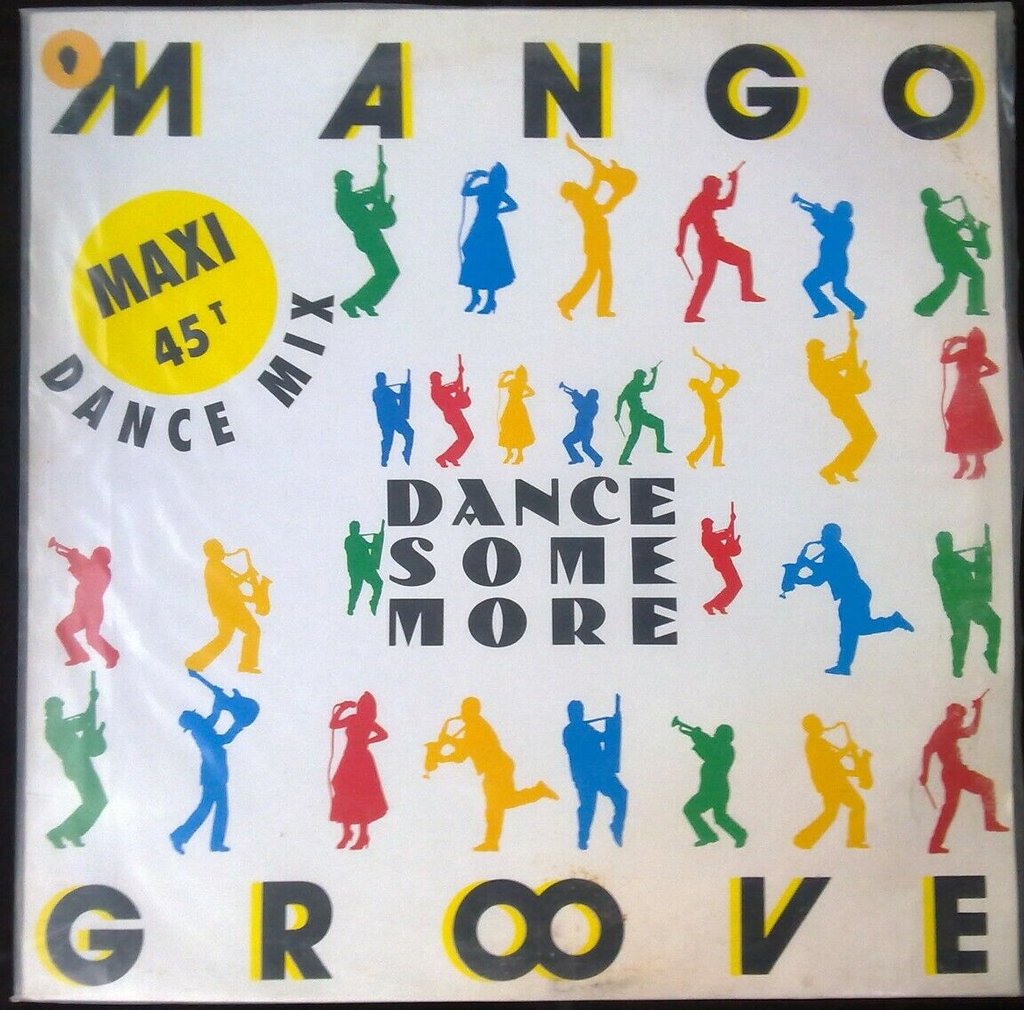
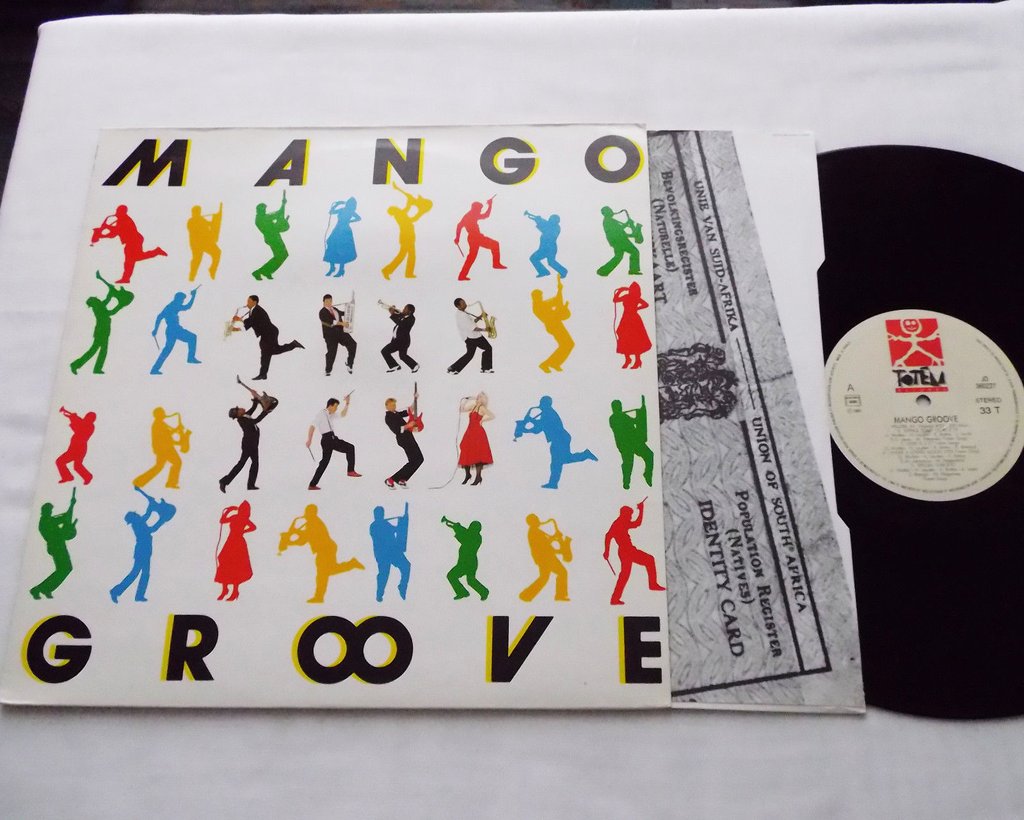
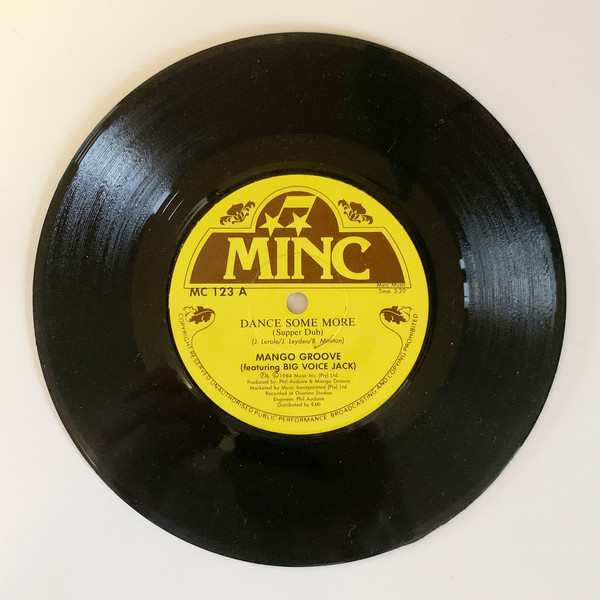
Claire Johnston, seventeen years old, joined the group in 1985, recommended by her singing teacher Eve Boswell. “I was intrigued because I had never heard anything so unique.” First recital without a microphone: it was before the audience that the band discovered its voice. In July 1989, one year after the death of trumpeter Mickey Vilakazi, WWII veteran, Mango Groove released its first self-titled album. Eight singles were issued from it, including “Dance Sum More” — the first recording — and “Special Star”. The album climbed to second place on the national Radio Orion chart.
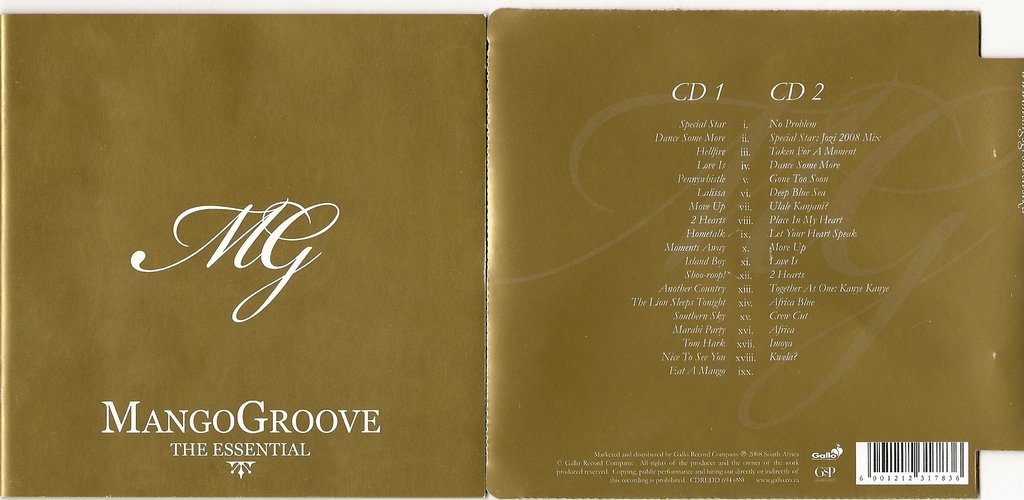
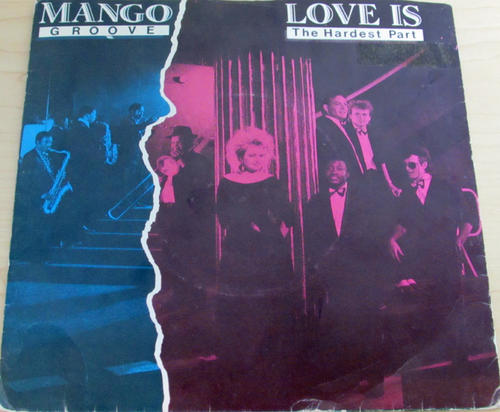
Fate shifted in February 1990. The track “We Are Waiting”, written on the eve of Mandela’s release, was chosen by Nightline as its soundtrack: 30 million viewers discovered the band. Invited to Mandela’s inauguration concert in 1994, they performed “Love Is (The Hardest Part)” before millions of South Africans. Another Country (1993) became a hymn of hope during the end of apartheid. Between 1989 and 2009, Mango Groove sold more than 700,000 records in South Africa; the million mark was later surpassed.
But band life does not escape storms. “We experienced a creative slowdown,” admits Claire. “I had so many frustrations and aspirations to express. We put Mango Groove on hold.” The singer released solo albums, other members left, and the group only reunited for occasional concerts. In 2007, the Mango Groove website generated a flood of requests for a new album. Bang the Drum was released in 2009, Faces to the Sun in 2016. London’s Olympus welcomed them in March 2015, after twenty years of absence.
Major works
| Work | Year | Why it is essential |
|---|---|---|
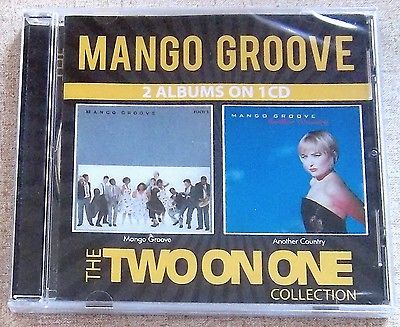
| Mango Groove | 1989 | Band’s first release: eleven tracks, two international hits and a peak at #2 on the national chart |
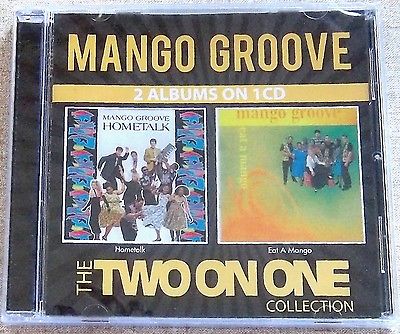
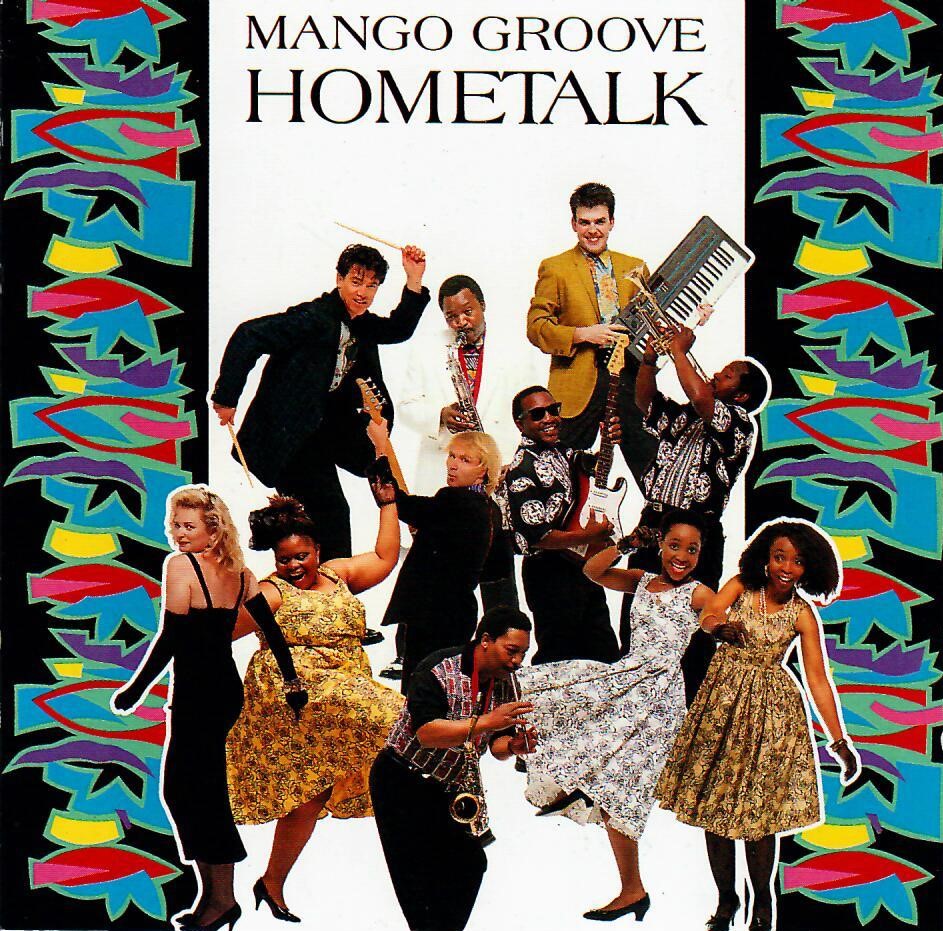
| Hometalk | 1990 | Features “We Are Waiting”, the song that accompanied Mandela’s release before 30 million viewers |
| Another Country | 1993 | Pivotal album capturing the collective emotion of the end of apartheid; title became a transition hymn |
| Faces to the Sun | 2016 | Mature return as a double album, after four years of conception and decades of experience |
Legacy and influence
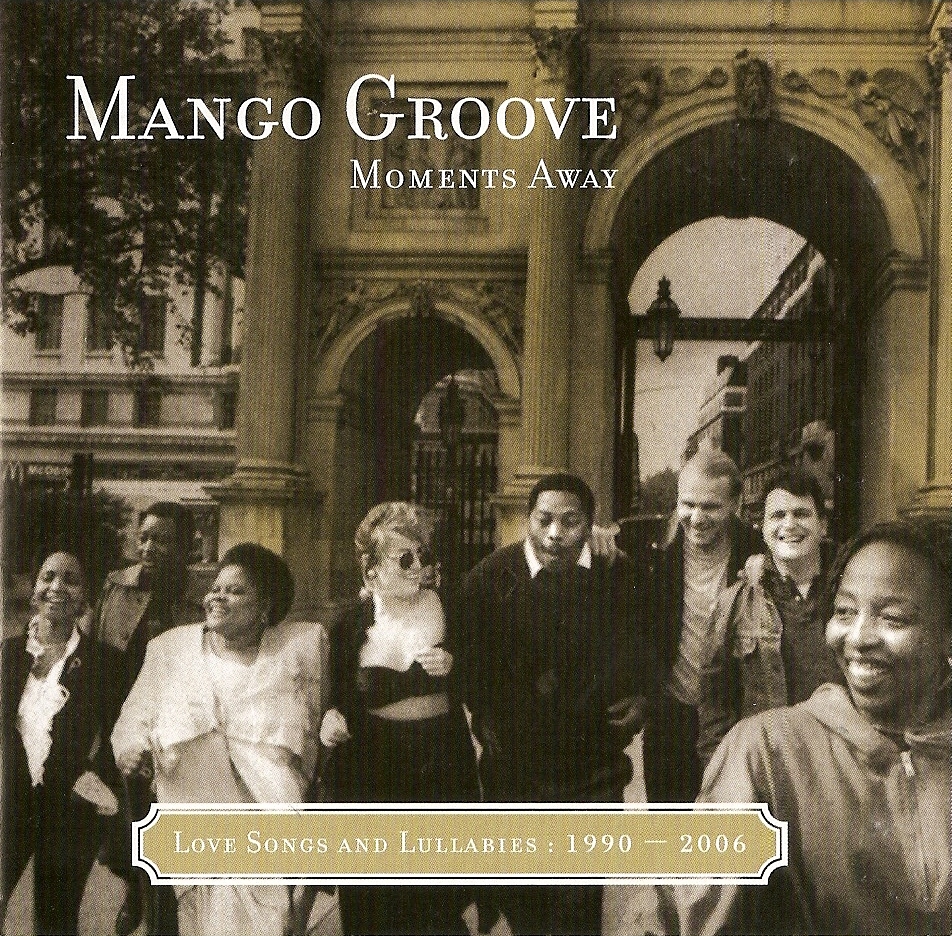
Mango Groove embodies the Rainbow Nation: eleven multiracial musicians who played together a decade before the official abolition of apartheid. “We were not overtly political,” says Claire Johnston. “But we changed hearts and minds in a way politicians cannot.” Their music — this unique blend of kwela, marabi and accessible pop — paved the way for an entire generation of South African groups. More than thirty years after their first single, Mango Groove continues to headline concerts in South Africa, reminding us that popular music, in its most joyful form, can also be a political act.
Sources and references
-
“Mango Groove”, Wikipedia, https://en.wikipedia.org/wiki/Mango_Groove, accessed 21 October 2026.
-
“Mango Groove”, Discogs, https://www.discogs.com/artist/1006415, accessed 21 October 2026.
-
« Claire Johnston: The Mango Groove star on success, being 17 », Media Mentors / Sunday Times Lifestyle, archived https://web.archive.org/web/20150515134453/http://www.mediamentors.co.za/news-articles/sunday-times-lifestyle/139-claire-johnston.html, accessed 21 October 2026.
-
« 30 Years And Still Grooving », Forbes Africa, https://forbesafrica.com/arts/2019/03/20/30-years-and-still-grooving, accessed 21 October 2026.
-
« Mango Groove keep on grooving », Nils van Linden Blog, https://nilsvanderlinden.com/2010/09/02/mango-groove-keep-on-grooving, accessed 21 October 2026.
-
« Claire Johnston », South Africa Online, https://southafrica.co.za/claire-johnston.html, accessed 21 October 2026.
-
« The Best Of Mango Groove », Gallo Record Company / Bandcamp, https://gallorecords.bandcamp.com/album/the-best-of-mango-groove, accessed 21 October 2026.
-
« The AudioDB: Mango Groove », The AudioDB, https://www.theaudiodb.com/artist/148389-Mango-Groove, accessed 21 October 2026.