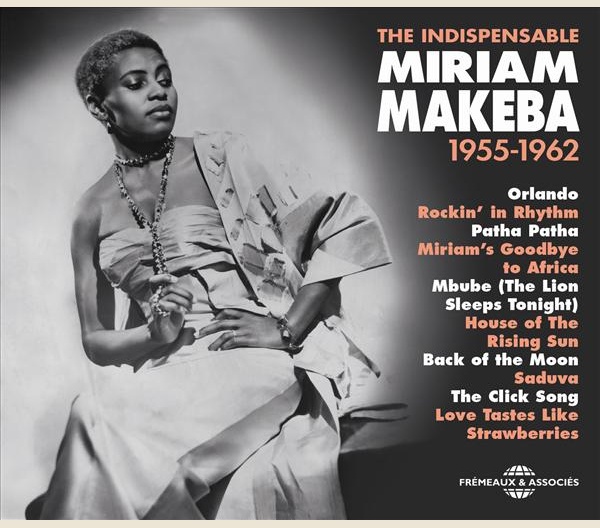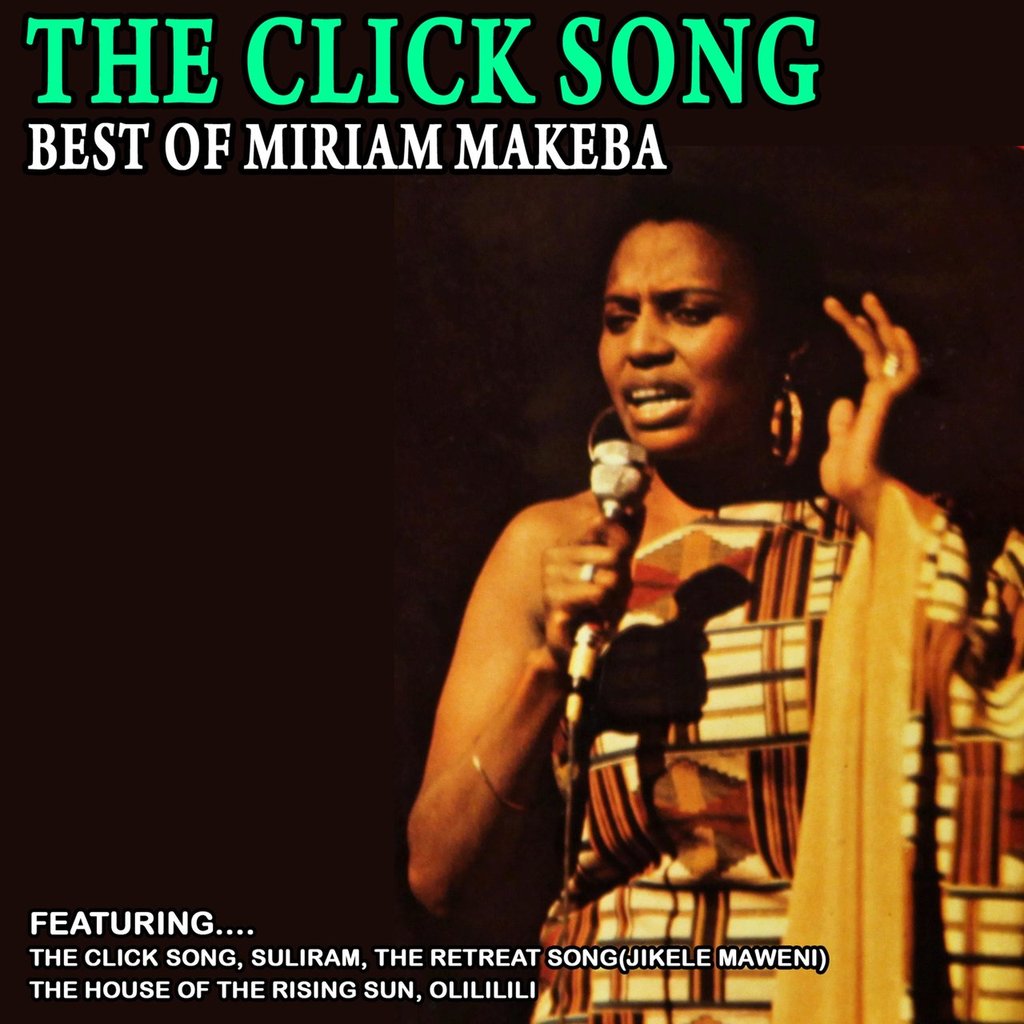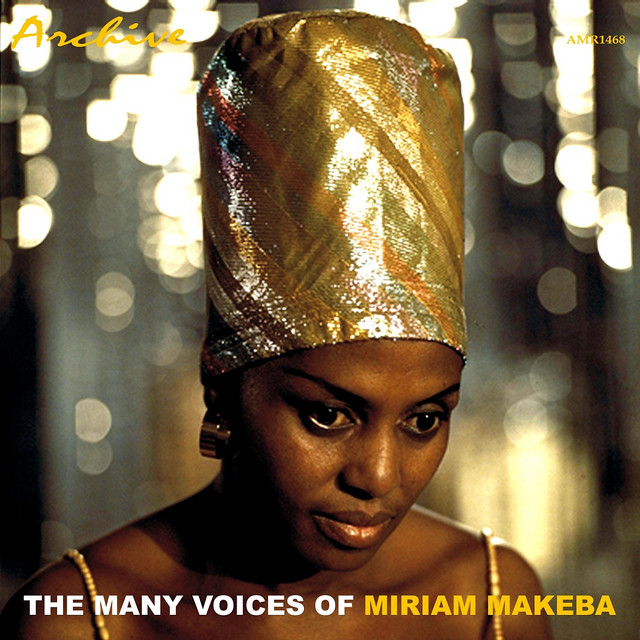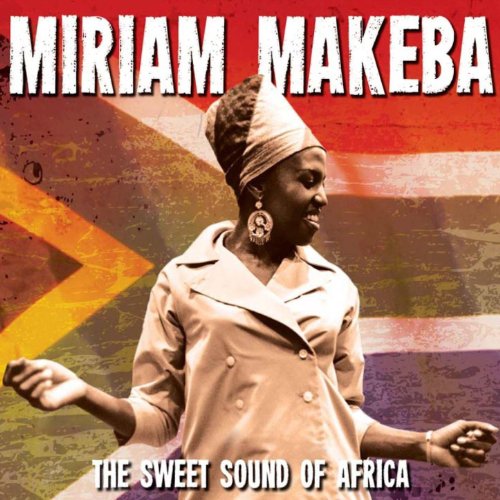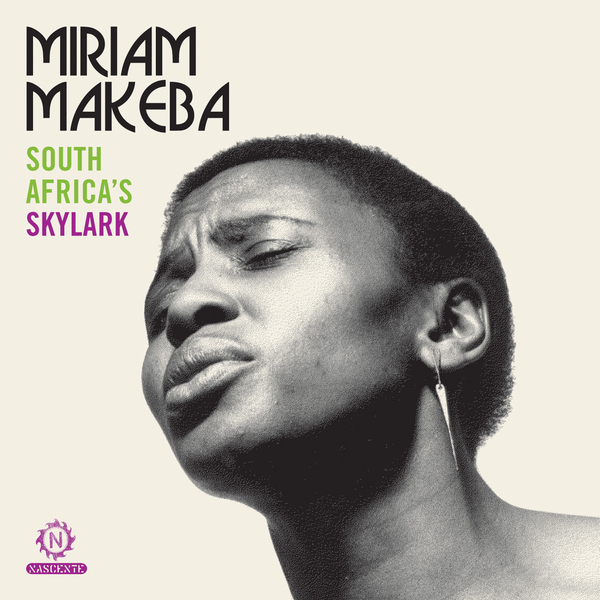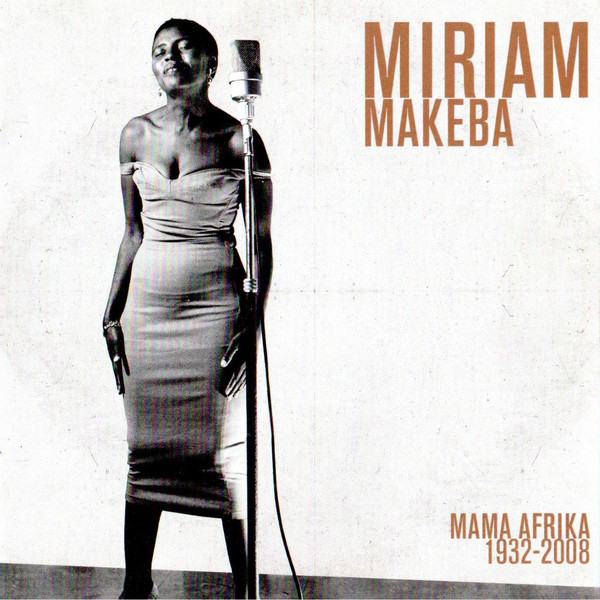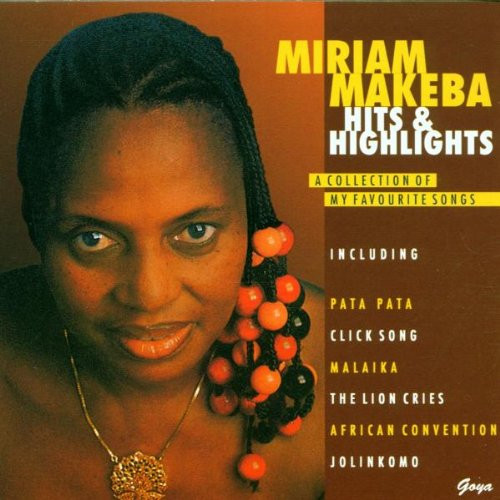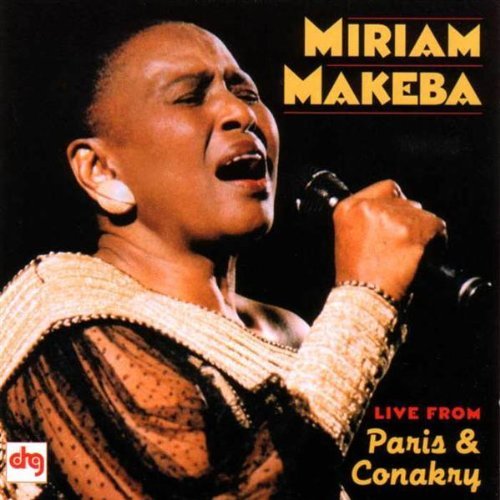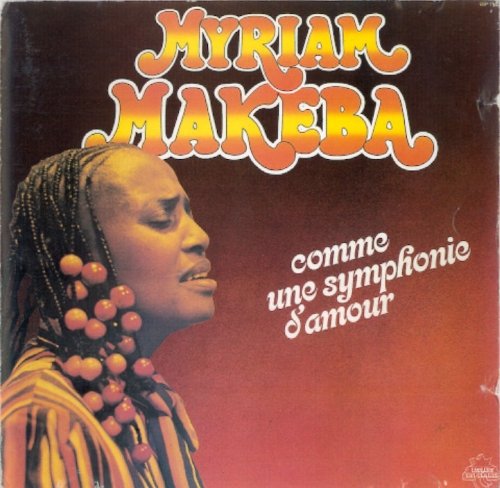
Biography
Miriam Makeba: the voice that shook apartheid
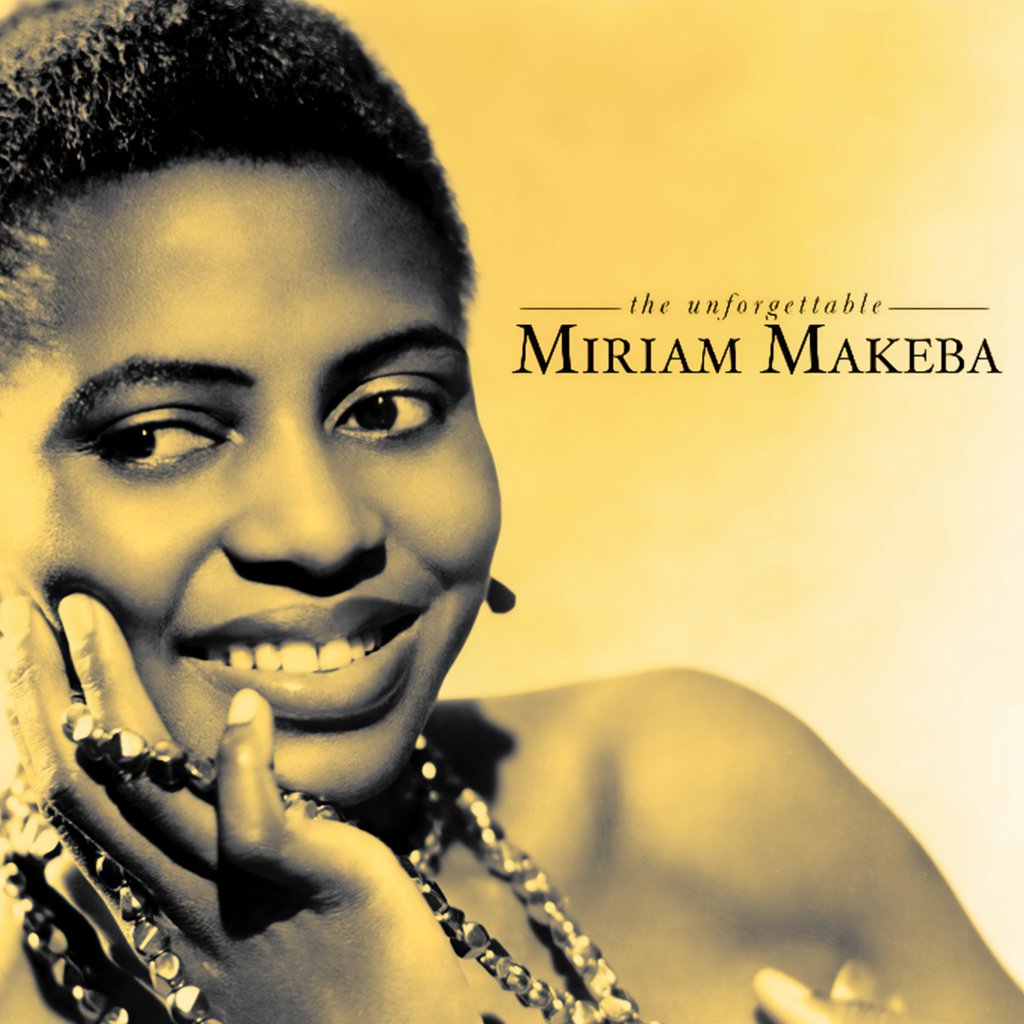
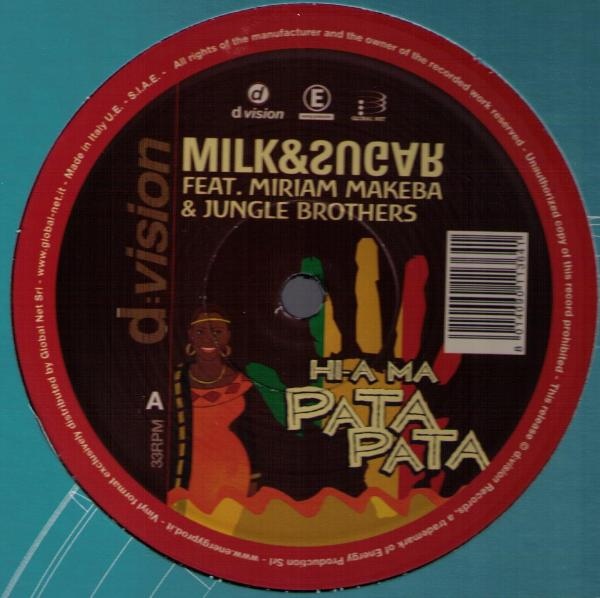
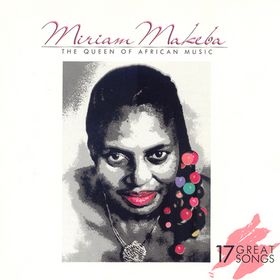
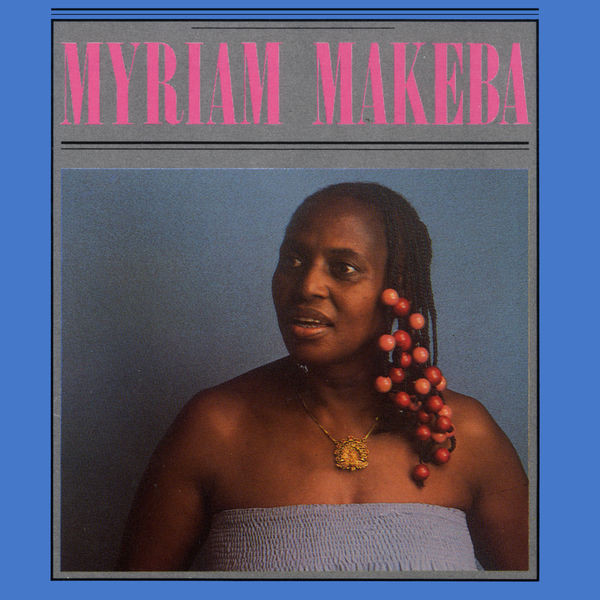
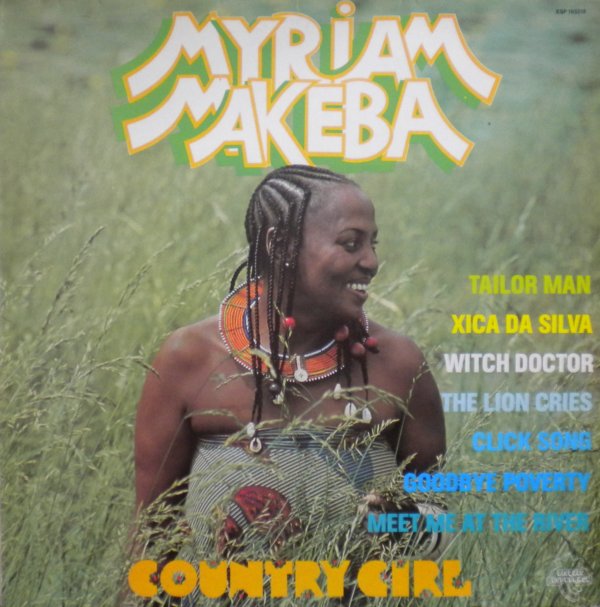
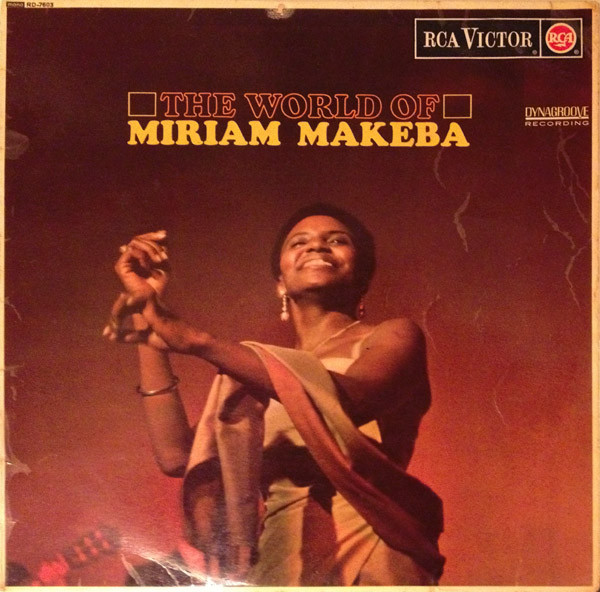
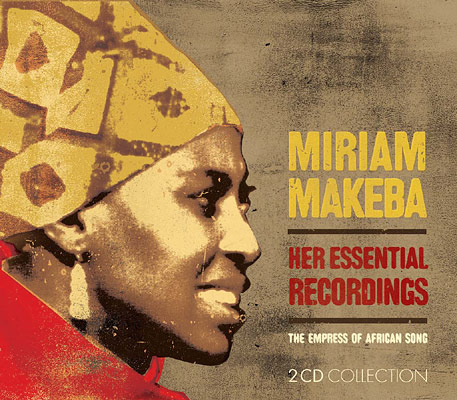
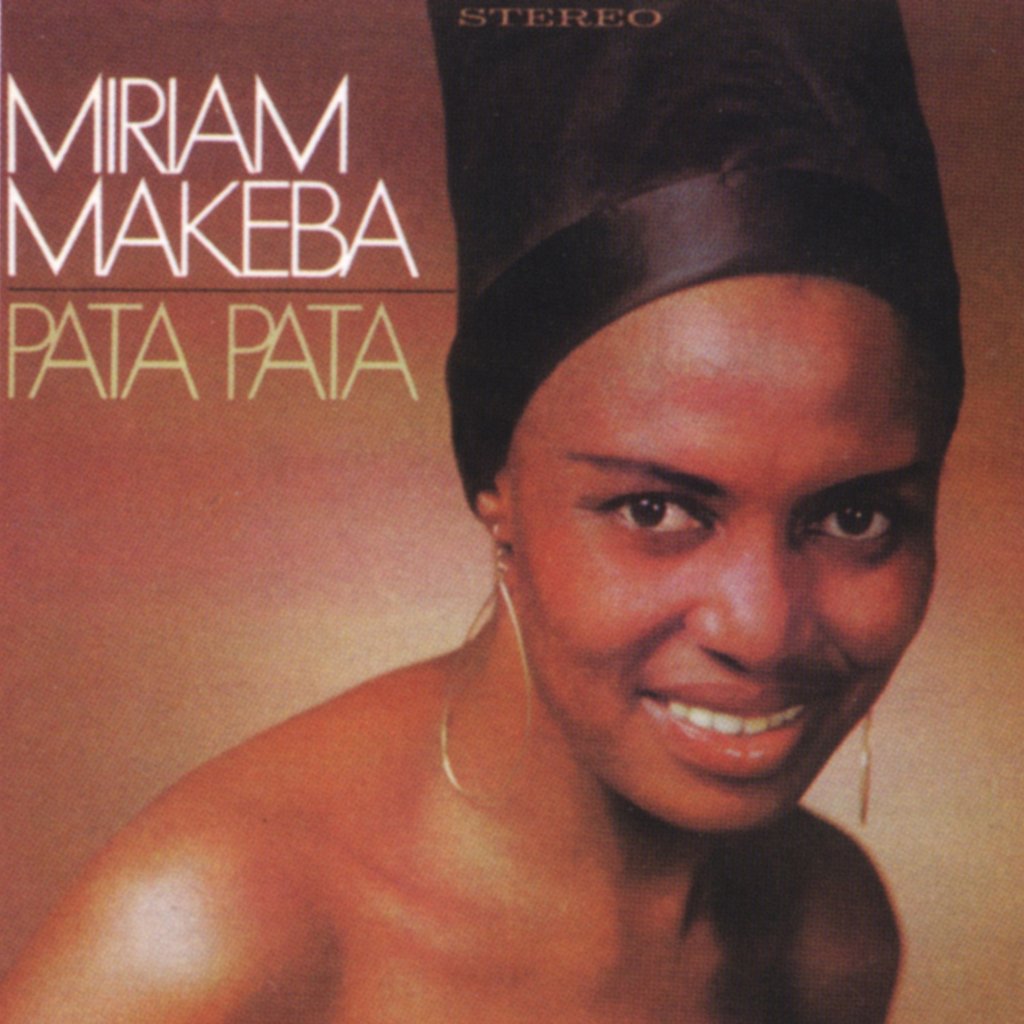
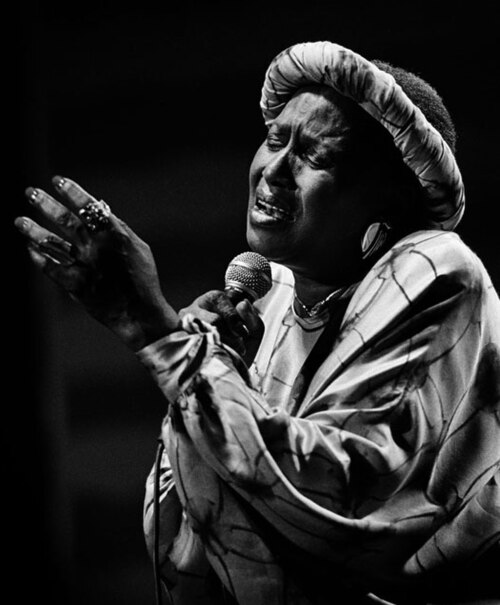
On November 9, 2008, on a stage in Castel Volturno, Italy, Miriam Makeba finished “Pata Pata”. The 76-year-old singer fainted as she descended from the platform. Carried away by a heart attack, she passed away at the very moment she was doing what she loved most: singing. “I will sing until the last day of my life,” she used to say. That day, it was the last one.
In brief
| Full name | Zenzile Miriam Makeba |
| Nickname | “Mama Africa” |
| Birth | March 4, 1932, Johannesburg, South Africa |
| Death | November 9, 2008, Castel Volturno, Italy |
| Field | Afropop, ethno-jazz, world music |
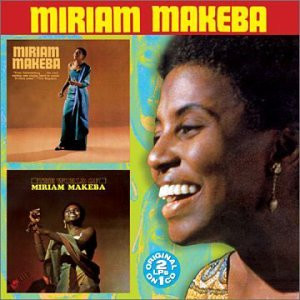
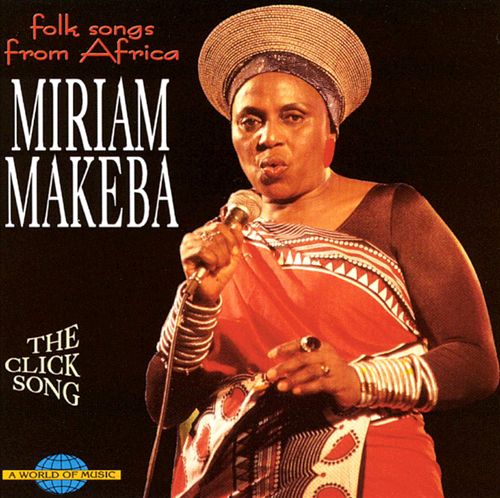
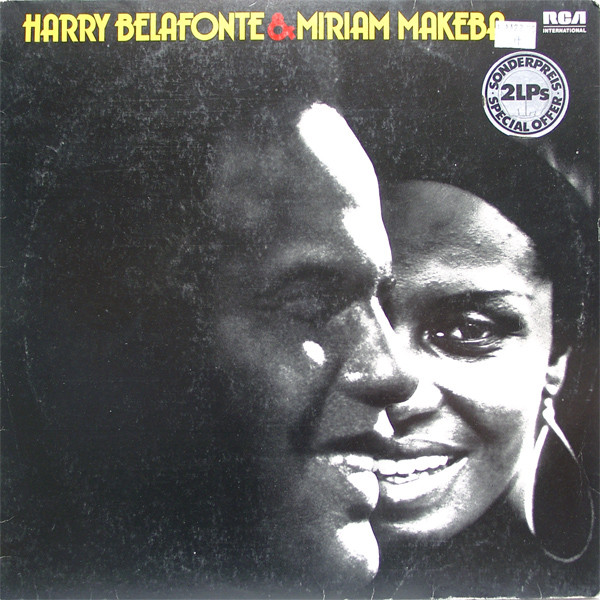
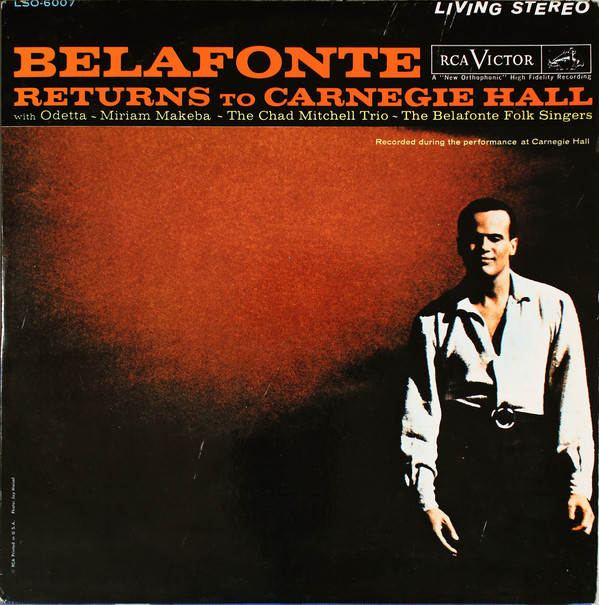
| Signature works | “Pata Pata”, “The Click Song”, An Evening with Belafonte/Makeba |
| Awards | Grammy Award 1966, FAO Goodwill Ambassador (1999), Polar Music Prize (2002) |
Key dates
| Year | Event |
|---|---|
| 1932 | Birth in Johannesburg |
| 1953 | First success with the Manhattan Brothers, “Lakutshn, Ilanga” |
| 1959 | Anti-apartheid film Come Back, Africa; meets Harry Belafonte in London |
| 1960 | Passport revoked; 31-year exile |
| 1963 | Testimony at the UN against apartheid |
| 1965 | Grammy Award for An Evening with Belafonte/Makeba |
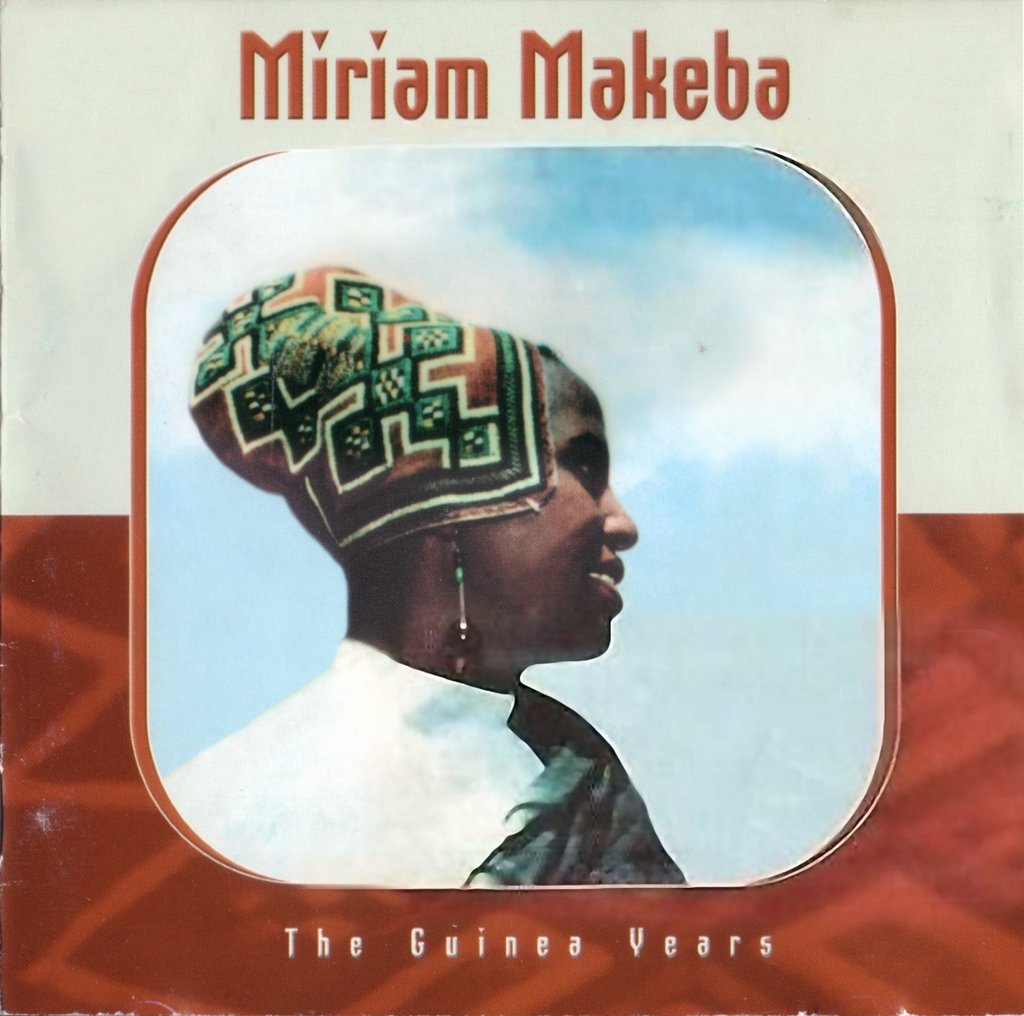
| 1968 | Marriage to Stokely Carmichael; exile in Guinea |
| 1990 | Return to South Africa on Mandela’s invitation |
From childhood to the UN podium
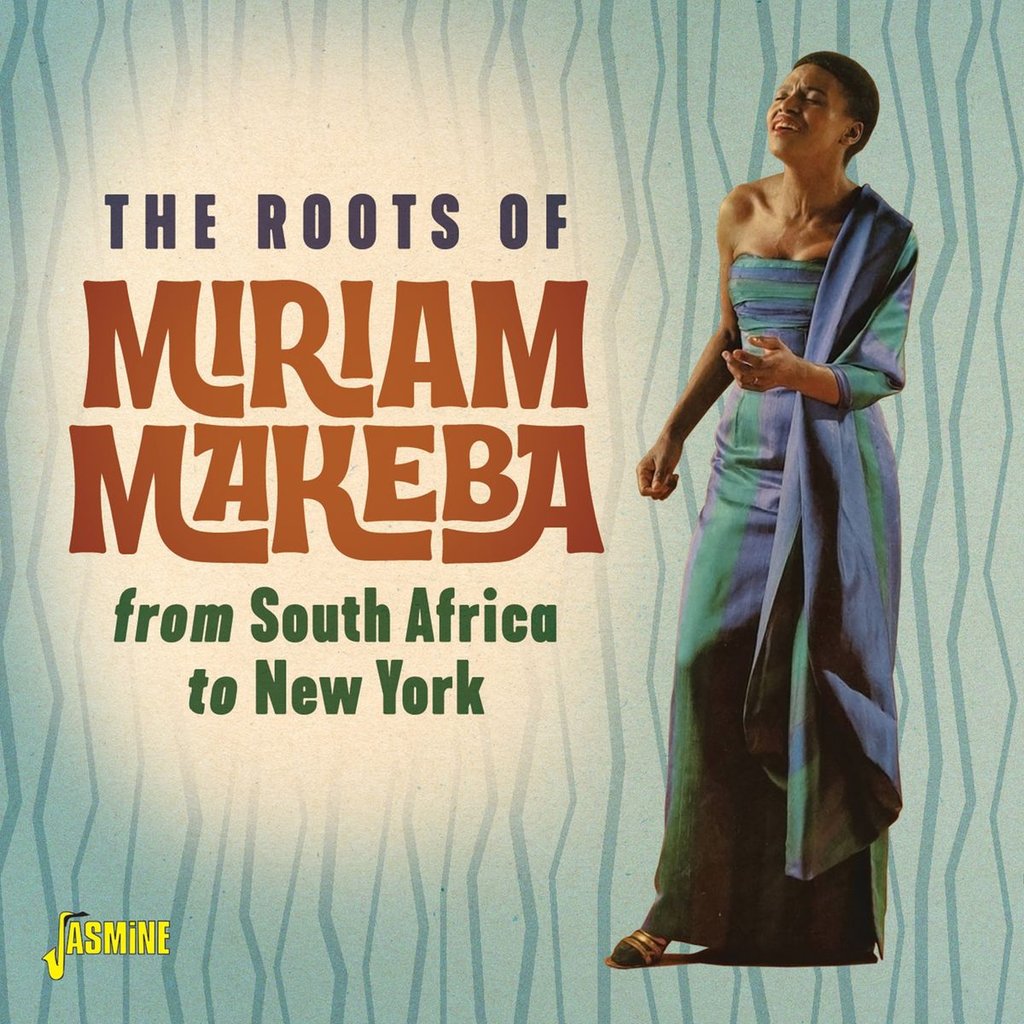
Zenzile Miriam Makeba was born on March 4, 1932, in the black township of Johannesburg. Her father, Caswell, of Xhosa origin, was a teacher; her mother, Christina, of Swazi origin, was a domestic worker. Named “Zenzi” — which in Xhosa means “you can only blame yourself” — the little girl spent her first six months in prison with her mother, who was arrested for illegal brewing of traditional beer. Her father died when she was six years old. Makeba left school to support her family, working as a maid and then a laundress.
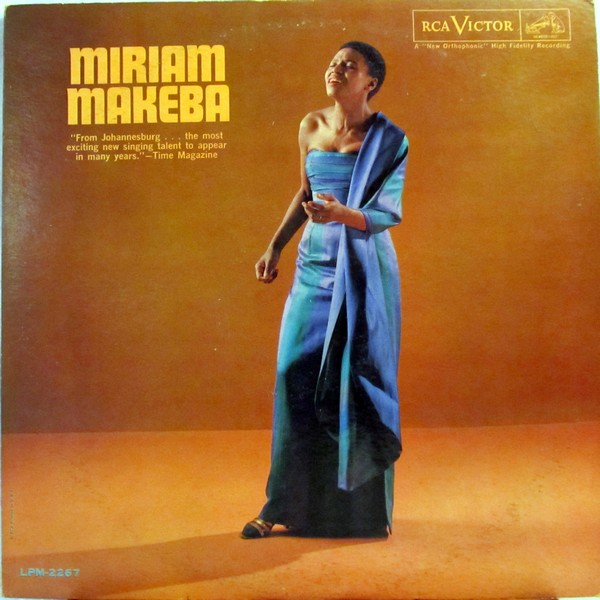
Her musical vocation revealed itself early. As a child, she sang in church choirs in Xhosa, Zulu, Sotho, and English. “I learned to sing in English before I knew how to speak the language,” she would say. At twenty, she joined the Cuban Brothers, then the Manhattan Brothers, a jazz group where she was the only woman. Her role in Come Back, Africa, an anti-apartheid documentary by Lionel Rogosin, opened the doors to international fame in 1959. In London, she met Harry Belafonte, who became her mentor and sponsored her in the United States.
In 1960, the apartheid regime revoked her passport while she was on tour. “I don’t understand why I couldn’t go home. I didn’t commit any crime,” she said in 1990, during her triumphant return. This was followed by a thirty-one-year exile. In 1963, Makeba took the podium at the UN Committee against Apartheid: “I address you, leaders of the world: would you act differently?” Her records were banned in South Africa; she was stripped of her citizenship.
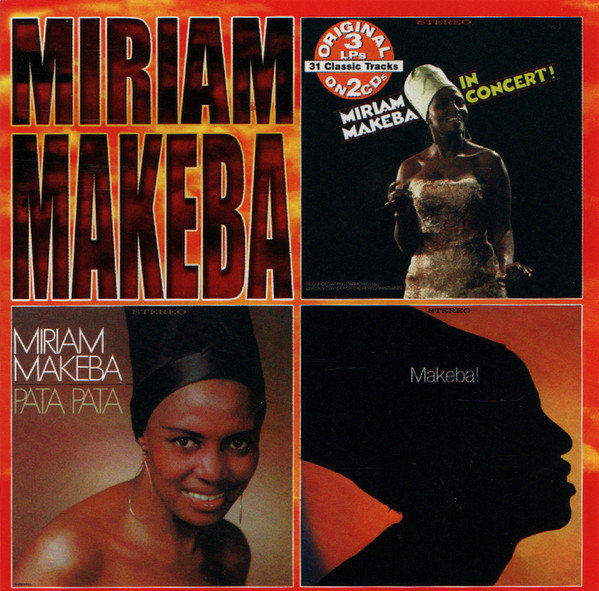
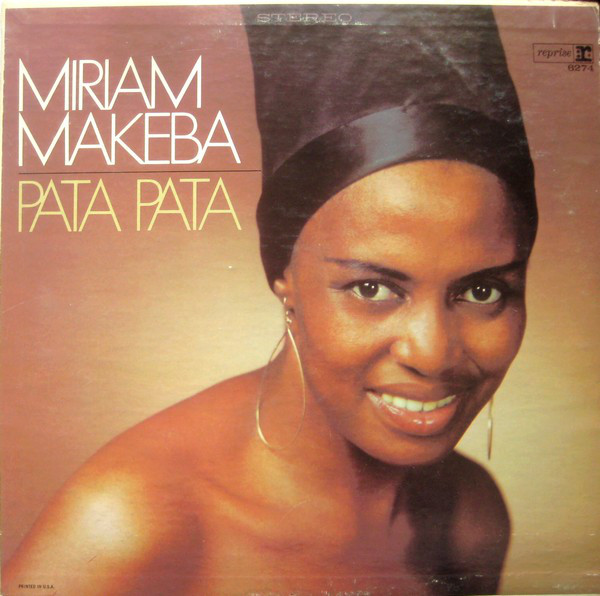
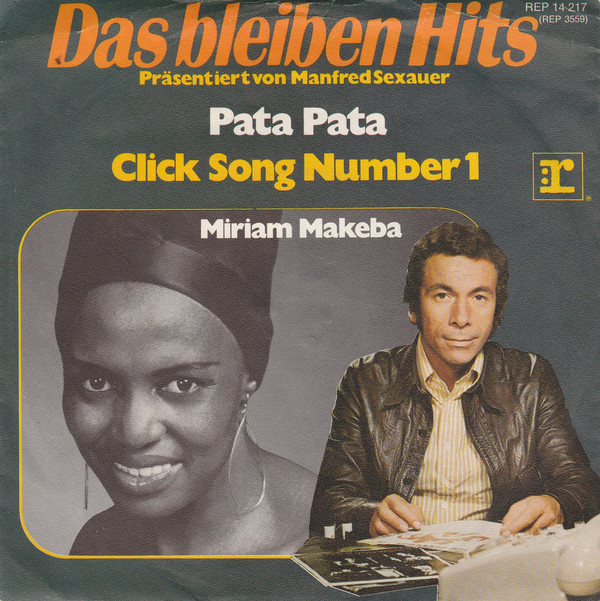
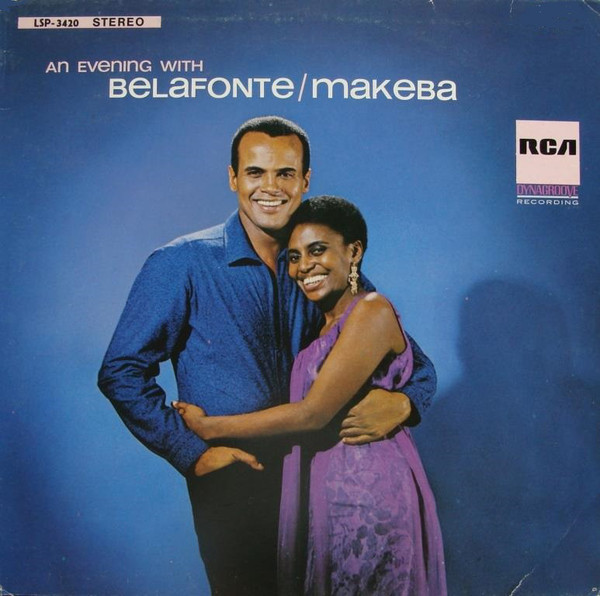
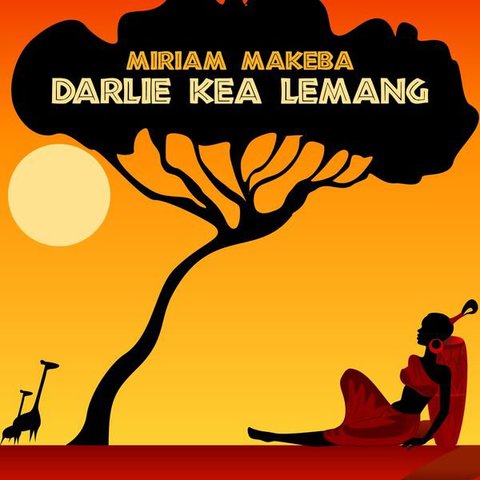
In 1965, with Belafonte, she won the Grammy Award for Best Folk Recording for An Evening with Belafonte/Makeba, an album blending traditional songs and protest — the track “Ndodemnyama we Verwoerd” (meaning “Attention, Verwoerd”) targeted the South African Prime Minister directly. Makeba became the first African artist to receive a Grammy. In 1967, “Pata Pata” exploded internationally, reaching the American Top 10. This dance track, which she wrote in 1956, uses Xhosa tongue clicks that the Western public discovered thanks to her.
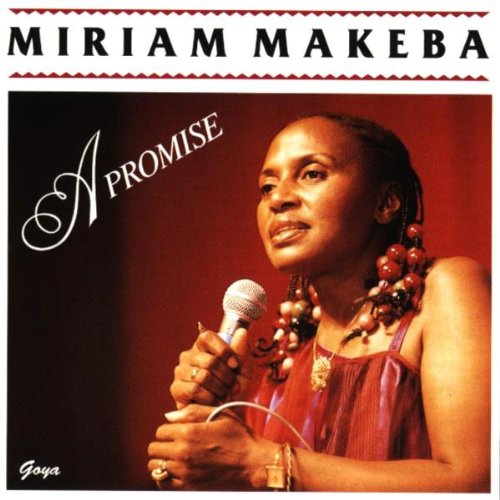
Her personal life was troubled. Married to musician Hugh Masekela from 1964 to 1966, then to Stokely Carmichael in 1968, leader of the Black Power movement, she became undesirable in the United States and exiled herself to Guinea for ten years. Despite the death of her daughter Bongi in 1985 and health problems, Makeba continued. She sang with Paul Simon on Graceland in 1987, returned to South Africa on Mandela’s invitation in 1990, and campaigned for humanitarian causes until her final moments.
Major works
| Work | Year | Why it is essential |
|---|---|---|
| An Evening with Belafonte/Makeba | 1965 | First African Grammy; traditional songs and protest |
| “Pata Pata” | 1967 | Global hit; first African track in the Top 10 |
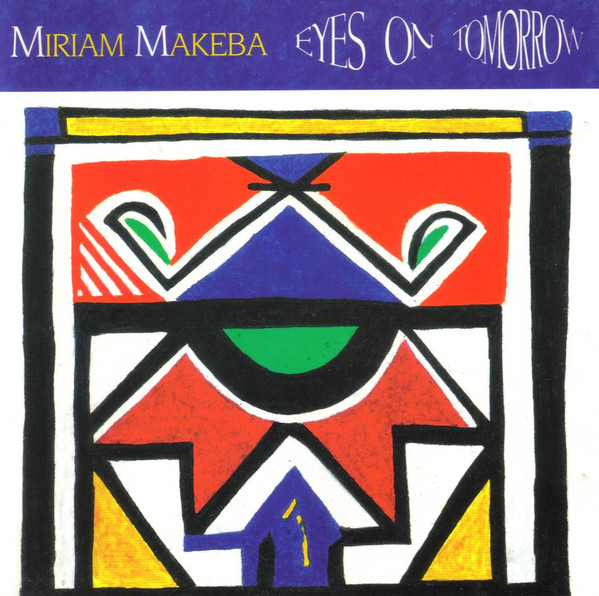
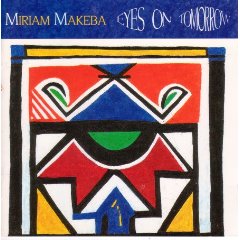
| Eyes on Tomorrow | 1991 | Collaboration with Dizzy Gillespie and Nina Simone |
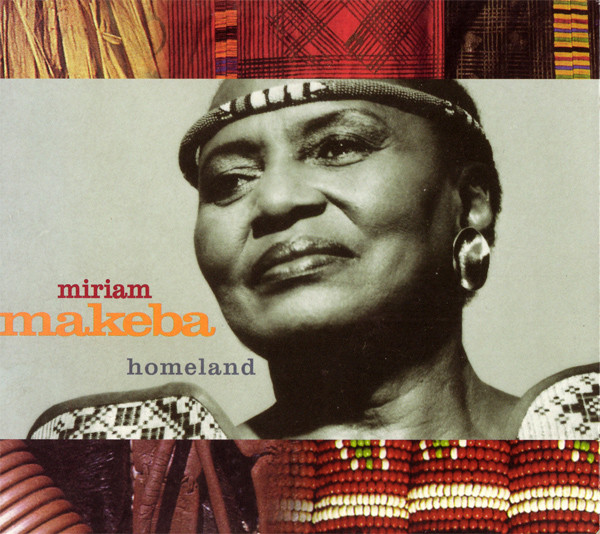
| Homeland | 2000 | Grammy nomination; political autobiography |
Legacy and influence
Miriam Makeba paved the way for generations of African musicians. By imposing Xhosa and Zulu languages on international stages, she showed that African music could conquer the world without Westernizing. Her imprint can be found in Angélique Kidjo, who paid tribute to her at Carnegie Hall in 2014, and in Jain, who dedicated a song to her. Nelson Mandela described her as the “first lady of South African music” and the “mother of our struggle.” The Miriam Makeba International Prize, created in 2018, continues to promote African art.
Sources and references
- “Zenzile Miriam Makeba”, Wikipedia in English, https://en.wikipedia.org/wiki/Miriam_Makeba, accessed October 21, 2026.
- “Miriam Makeba”, Wikipedia in French, https://fr.wikipedia.org/wiki/Miriam_Makeba, accessed October 21, 2026.
- Britannica, “Miriam Makeba — Biography, Songs, & Facts”, https://britannica.com/biography/Miriam-Makeba, accessed October 21, 2026.
- Alan Cowell, “Miriam Makeba, 76, Singer and Activist, Dies”, The New York Times, https://www.nytimes.com/2008/11/11/world/africa/11makeba.html, accessed October 21, 2026.
- “South African singer Miriam Makeba dies at 76”, CBC News, https://www.cbc.ca/news/entertainment/south-african-singer-miriam-makeba-dies-at-76-1.706418, accessed October 21, 2026.
- « Miriam Makeba Grammy Awards and Nominations », Grammy.com, https://www.grammy.com/artists/miriam-makeba/4292/, accessed 21 October 2026.
- « Miriam Makeba Discography », World Music Central, https://worldmusiccentral.org/artist-profiles-miriam-makeba/, accessed 21 October 2026.
- « Miriam Makeba (March 4, 1932 — November 9, 2008) », National Archives, https://www.archives.gov/research/african-americans/individuals/miriam-makeba, accessed 21 October 2026.
- « Remembering Miriam Makeba, ‘Mama Africa’ » (Transcription NPR, interview Farai Chideya, 2006), https://www.nhpr.org/2008-11-10/remembering-miriam-makeba-mama-africa, accessed 21 October 2026.
- Sean Barlow, Banning Eyre, Jack Vartoogian, Afropop!: An Illustrated Guide to Contemporary African Music, Chartwell Books, 1995.