Biography
African Jazz Pioneers
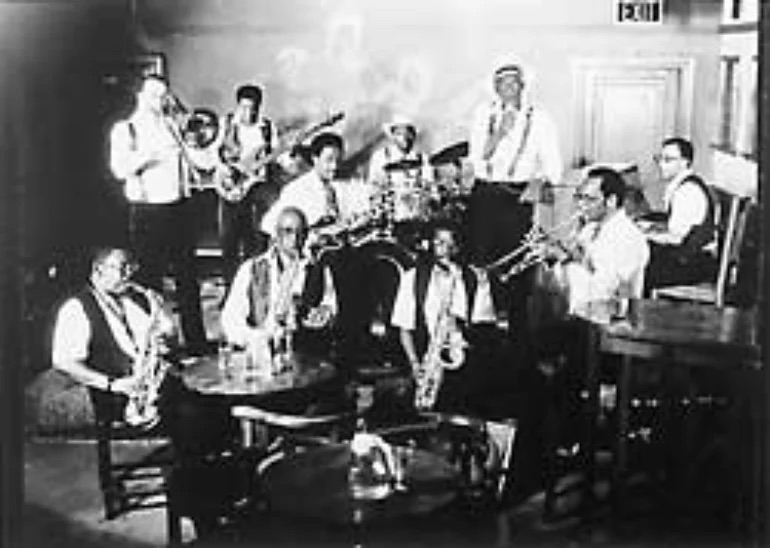
In June 1981, in a Catholic church in the Alexandra district of Johannesburg, a group of musicians from half a century of South African jazz reunited for their first concert after years of silence. Under the direction of saxophonist Edmund “Ntemi” Piliso — a nickname he had worn since childhood, derived from indimi, the wise in Zulu — they relaunched the big bands of the Sophiatown era. Their music, rooted in marabi (a style born in South African taverns of the 1920s, a blend of dixieland jazz and Zulu, Xhosa, and Sotho rhythms), resonated as an act of cultural resilience.
In Brief
| Group Name | African Jazz Pioneers |
| Origin | Johannesburg, South Africa |
| Genres | Townshipped Jazz, marabi, big band |
| Founding Members | Ntemi Piliso, Timothy Ndaba, Wilson Silgee, Stompie Manana, Kippie Moeketsi, Shep Ntsamai |
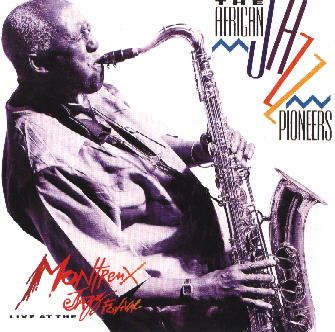
| Notable Works | African Jazz Pioneers (1989), Live at the Montreux Jazz Festival (1992) |
| Historic Label | Gallo Records (South Africa) |
Key Dates
| Year | Event |
|---|---|
| 1925 | Birth of Edmund “Ntemi” Piliso in Alexandra, Johannesburg |
| 1953 | Formation of the Alexandra All Stars Band by Ntemi Piliso |
| 1955-1960 | Demolition of Sophiatown; decline of big bands |
| 1981 | Creation of the African Jazz Pioneers in Alexandra |
| 1986 | First tour in Botswana |
| 1987 | CASA Festival in Amsterdam; international renown |
| 1992 | Recording at the Montreux Jazz Festival |
| 2000 | Death of Ntemi Piliso (December 18); award from Minister Ben Ngubane |
| 2001-present | The group continues under other leaders |
Origins and Revival: From Alexandra to the World
In the early 1950s, Ntemi Piliso and his Alexandra All Stars Band embodied the avant-garde of South African urban jazz, fusing the aesthetic of American big bands with Majuba tempos and marabi. The beating heart of this movement was Sophiatown, that multicultural crossroads where musicians, writers, politicians, and actors mingled, including Miriam Makeba, Hugh Masekela, and Dudu Pukwana. But the 1960s sounded the death knell: the demolition of Sophiatown by the apartheid regime drove artists into exile and relegated big bands to oblivion.
In June 1981, Ntemi Piliso gathered the scattered pieces. He recalled former members of the Alexandra All Stars and recruited young enthusiasts of this style — the pioneers were born. Their first concert took place in a Catholic church in Alexandra, a bold gesture proving that Soweto jazz survived residency laws, censorship, and repression. Marabi, whose origins date back to the 1920s as a confluence of dixieland jazz and local rhythms, became their mother tongue. Soon, the group broadened its instrumental horizon by integrating the depth of great orchestras like Duke Ellington and Count Basie.
Consecration: From Apartheid to World Festivals
The international turn arrived in 1987, when the African Jazz Pioneers were invited to the Culture in Another South Africa festival in Amsterdam. The European public discovered with wonder a sound that had lost none of its vigor. Driven by Queeneth Ndaba, who steered their career, the group embarked on successive tours. After the lifting of the cultural embargo in 1990, they played stages in France, Japan, Switzerland, England, Germany, Sweden, and the Netherlands, alongside Youssou N’Dour, Quincy Jones, Nina Simone, and Chick Corea. The group also performed for personalities such as South African President Nelson Mandela and former President Thabo Mbeki.
In August 2000, Minister Ben Ngubane honored Ntemi Piliso as one of the most eminent saxophonists in South Africa. Ten weeks later, on December 18, Ntemi passed away in Alexandra, in the very house where he was born in 1925. Musicians succeeded one another, but the pioneering spirit remained. In 2001, the Ikageng Jazz Festival instituted The Night of the Pioneers in their honor. The group continued to perform, perpetuating the breath of township jazz.
Major Works
| Work | Year | Why It Is Essential |
|---|---|---|
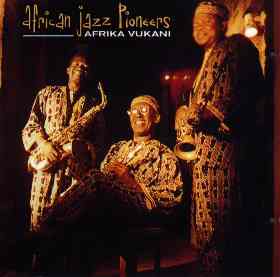
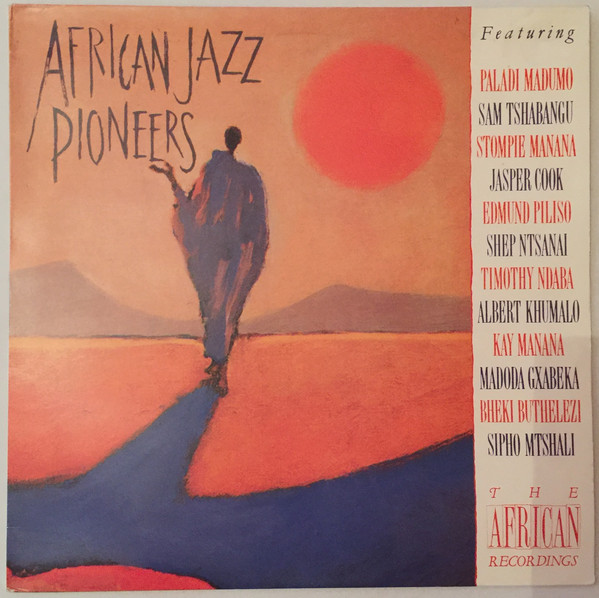
| African Jazz Pioneers | 1989 | First album, showcase for marabi and big bands |
| Live at the Montreux Jazz Festival | 1992 | Historic recording before a global audience |
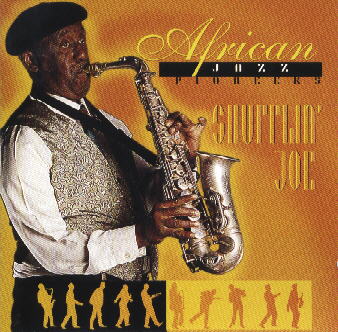
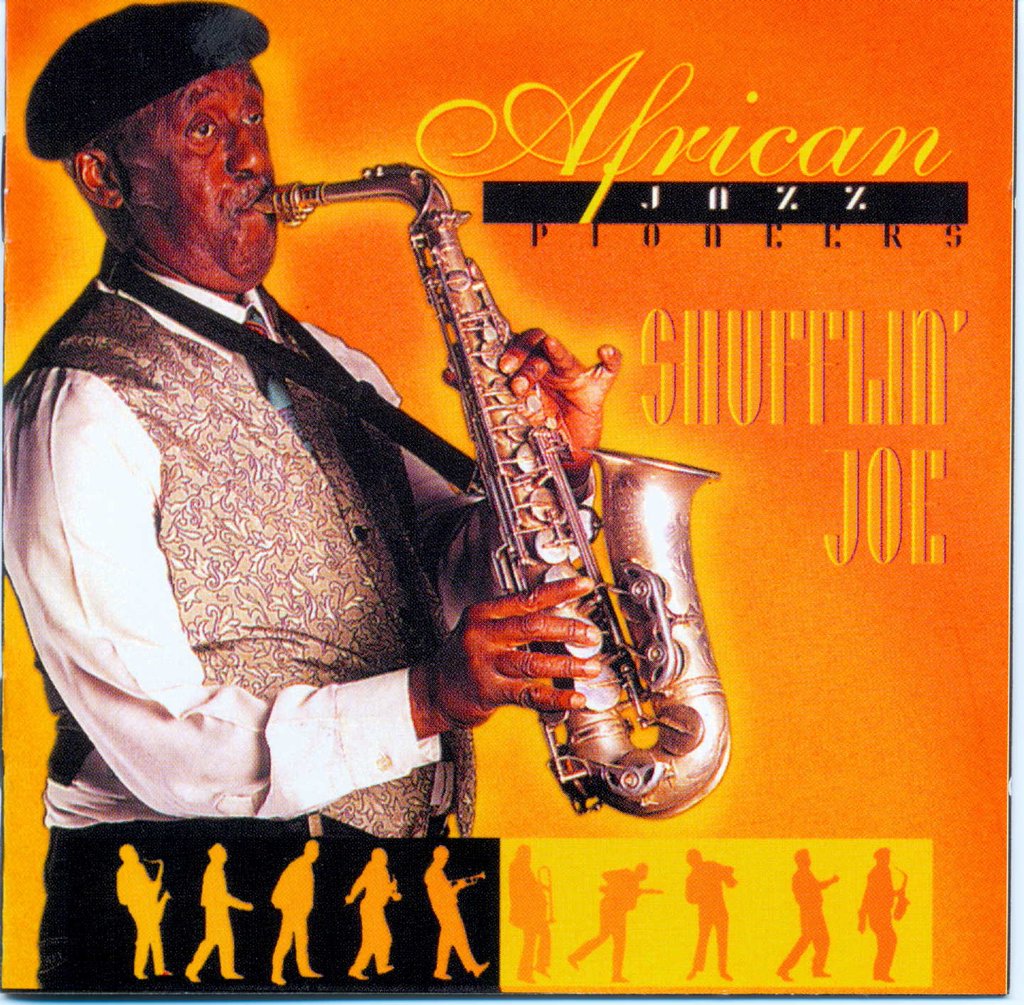
| Shufflin’ Joe | 1996 | Tribute to South African creativity under apartheid |
| 76–3rd Avenue | 2004 | Testimony to the longevity of the group |
Legacy
The African Jazz Pioneers enabled giants of jazz who had remained silent for two decades to return to the stage, while at the same time offering young South African musicians a direct gateway to authentic townshipped jazz rather than bubblegum music. Their legacy is twofold: a music that refuses cultural amnesia, and an intergenerational transmission model — Ntemi Piliso opened composition to the youngest musicians, making his group an open creative workshop. The breath of the pioneers continues to carry South African jazz onto international stages.
Sources and References
-
“African Jazz Pioneers”, Wikipedia, https://en.wikipedia.org/wiki/African_Jazz_Pioneers, accessed October 22, 2026.
-
“African Jazz Pioneers”, Mixtapes ZA, https://mixtapes.org.za/encyclopedia/african-jazz-pioneers, accessed October 22, 2026.
-
Edmund “Ntemi” Piliso, interview by Christopher Ballantine, “Ntemi Piliso: Jazzing Through Defeat and Triumph”, Africa Multiple Interactive Research Atlas, https://amira.africamultiple.uni-bayreuth.de/s/amira/item/32036, accessed October 22, 2026.
-
“Kick It Up With South African Jazz”, NPR, https://www.npr.org/2010/06/15/127562747/kick-it-up-with-south-african-jazz, accessed October 22, 2026.
-
« African Jazz Pioneers », South African Music, https://music.org.za/artist.asp?id=75, accessed 22 October 2026.
-
« The African Jazz Pioneers », Discogs, https://www.discogs.com/release/6137907, accessed 22 October 2026.
-
« African Jazz Pioneers », AllMusic, https://www.allmusic.com/artist/african-jazz-pioneers-mn0000035609, accessed 22 October 2026.