Biography
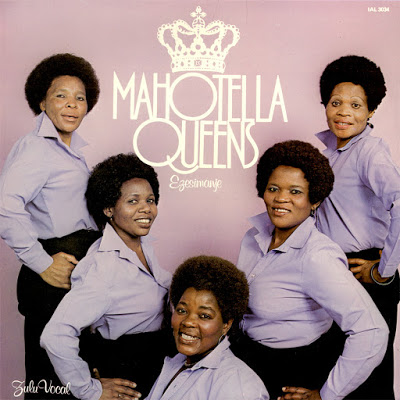
The Mahotella Queens: the iron trio of South African mbaqanga
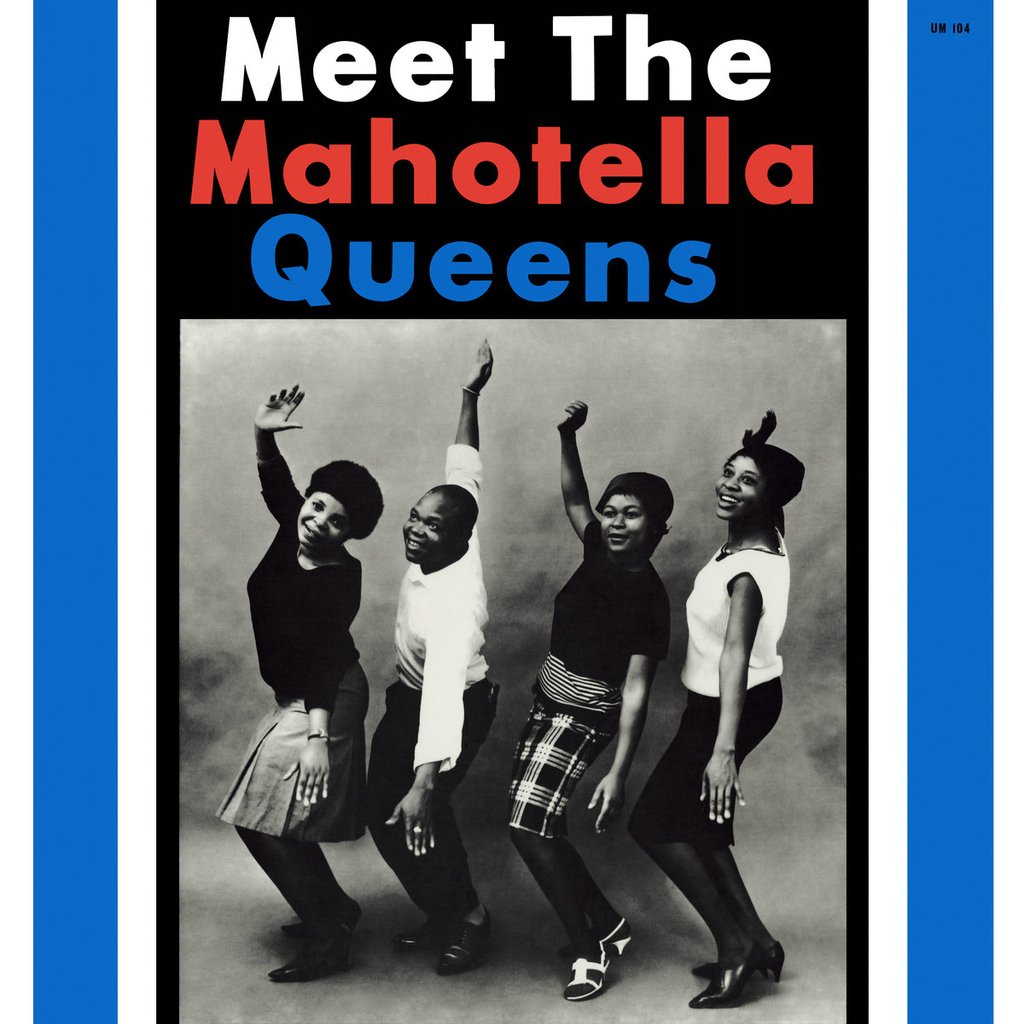
In 1964, producer Rupert Bopape assembled a group of singers in Johannesburg at Gallo Records1.
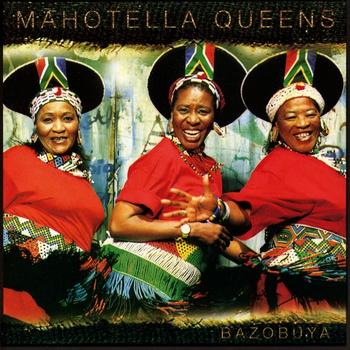
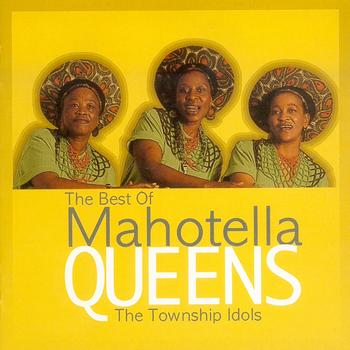
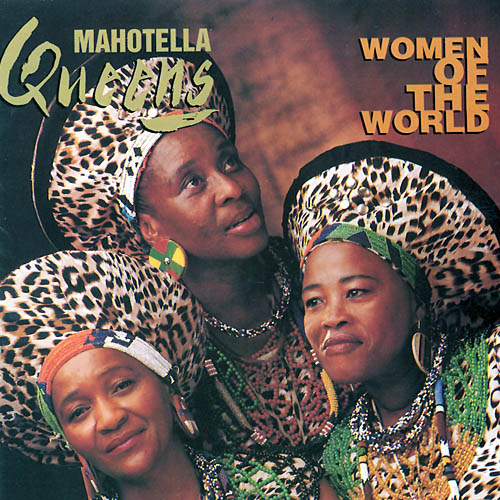
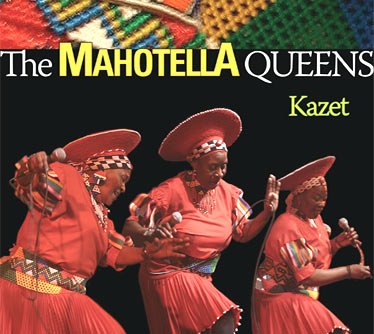
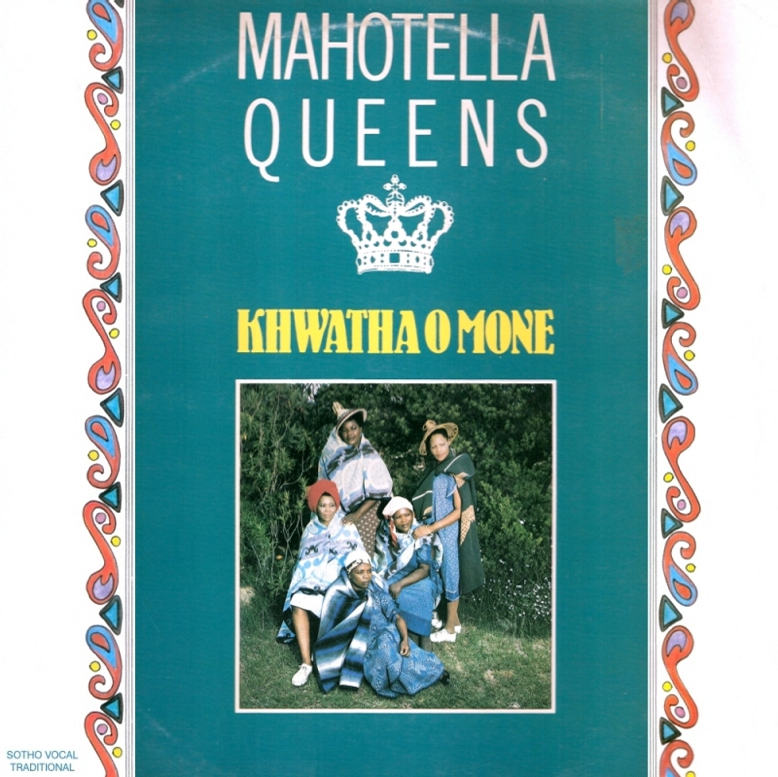
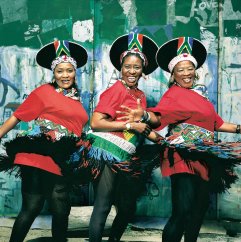
Those who took the stage wore traditional Zulu dresses and a name born almost by chance: Mahotella Queens, which would become one of the most tenacious voices in South African music.
Their formula: multi-voice female harmonies facing the raspy voice of a groaner (a singer with a deep bass) and the electric rhythm of the Makgona Tsohle Band.
Together, they invented mbaqanga, a South African style blending traditional rhythms with electric accompaniment—the country’s first genre to use an entirely electric rhythm section.
In brief
| Group name | Mahotella Queens |
| Formation | 1964, Johannesburg, South Africa |
| Genre | Mbaqanga — traditional rhythms, electric guitars, female harmonies |
| Founding members | Hilda Tloubatla (soprano), Mildred Mangxola, Nobesuthu Mbadu |
| Major distinction | WOMEX Award 2000 |
Key dates
| Year | Event |
|---|---|
| 1964 | Formation by Rupert Bopape at Gallo Records |
| 1964-1972 | Thriving period with Mahlathini; success with “Jive Motella” |
| 1972 | Breakup with Bopape; departure from Gallo |
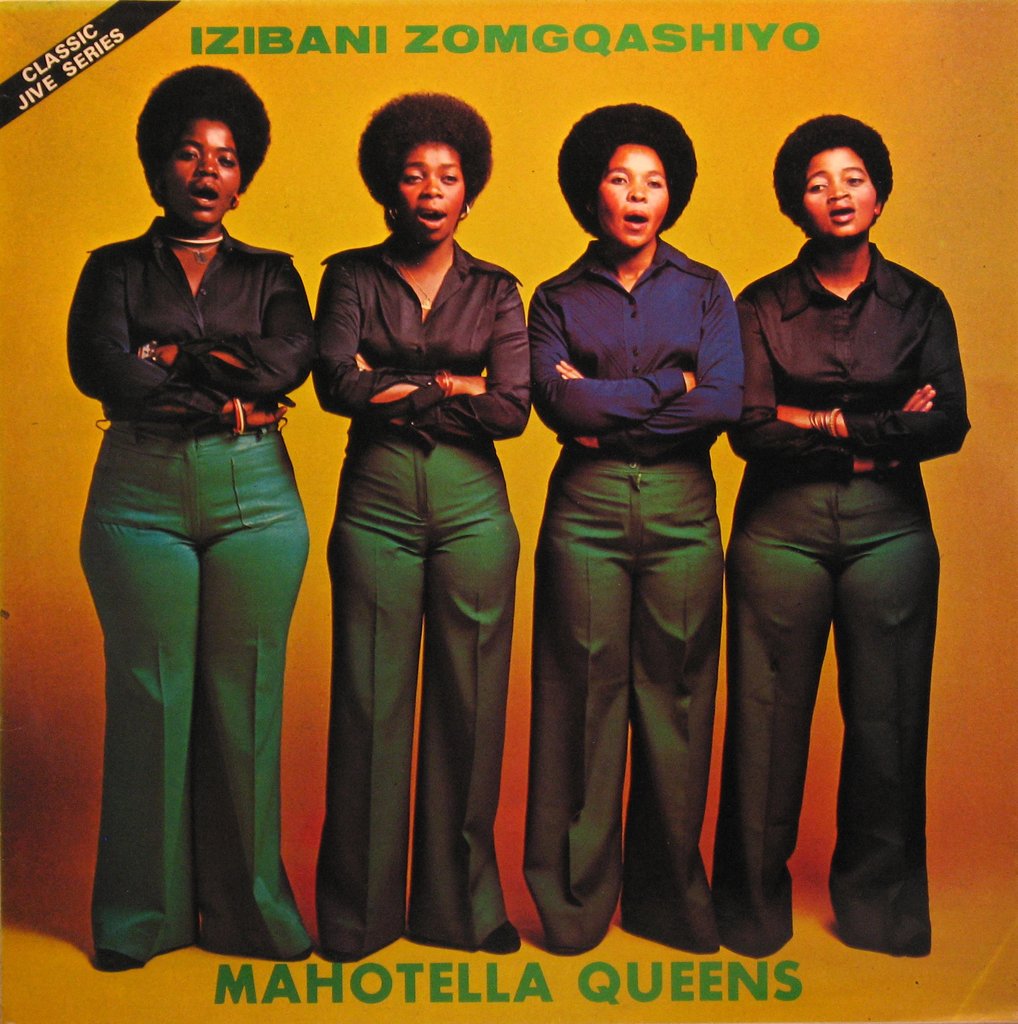
| 1983 | Reunion for the album Amaqhawe Omgqashiyo |
| 1986 | Classic lineup (Tloubatla, Mbadu, Mangxola) |
| 1987 | Tour of France; entry onto the international stage |
| 1991 | Central Park (500,000 people) |
| 2000 | Album Sebai Bai; WOMEX award |
| 2005 | Departure from Gallo after 40 years |
| 2013 | Retirement of Mildred Mangxola; replaced by Amanda Nkosi |
| 2021 | Death of Nobesuthu Mbadu |
Origins and breakup
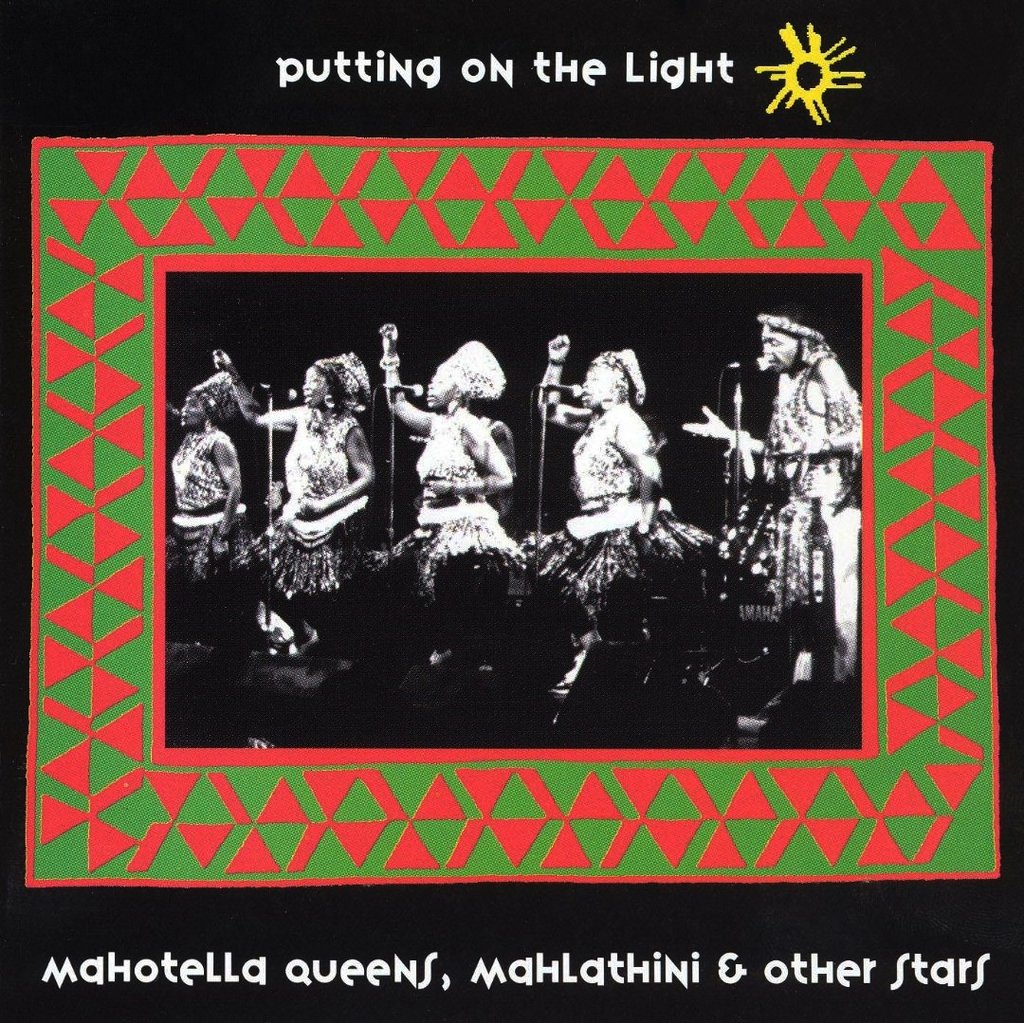
Rupert Bopape arrived at Gallo Africa in 1964, tasked with creating a subsidiary dedicated to black music. He assembled three pillars: a singer with a low voice, Simon Nkabinde known as Mahlathini, the lion of Soweto; a group of female singers; and a session orchestra, the Makgona Tsohle Band. Bopape gathered a dozen women, but it was under the name Mahotella Queens that the recordings became most popular2.
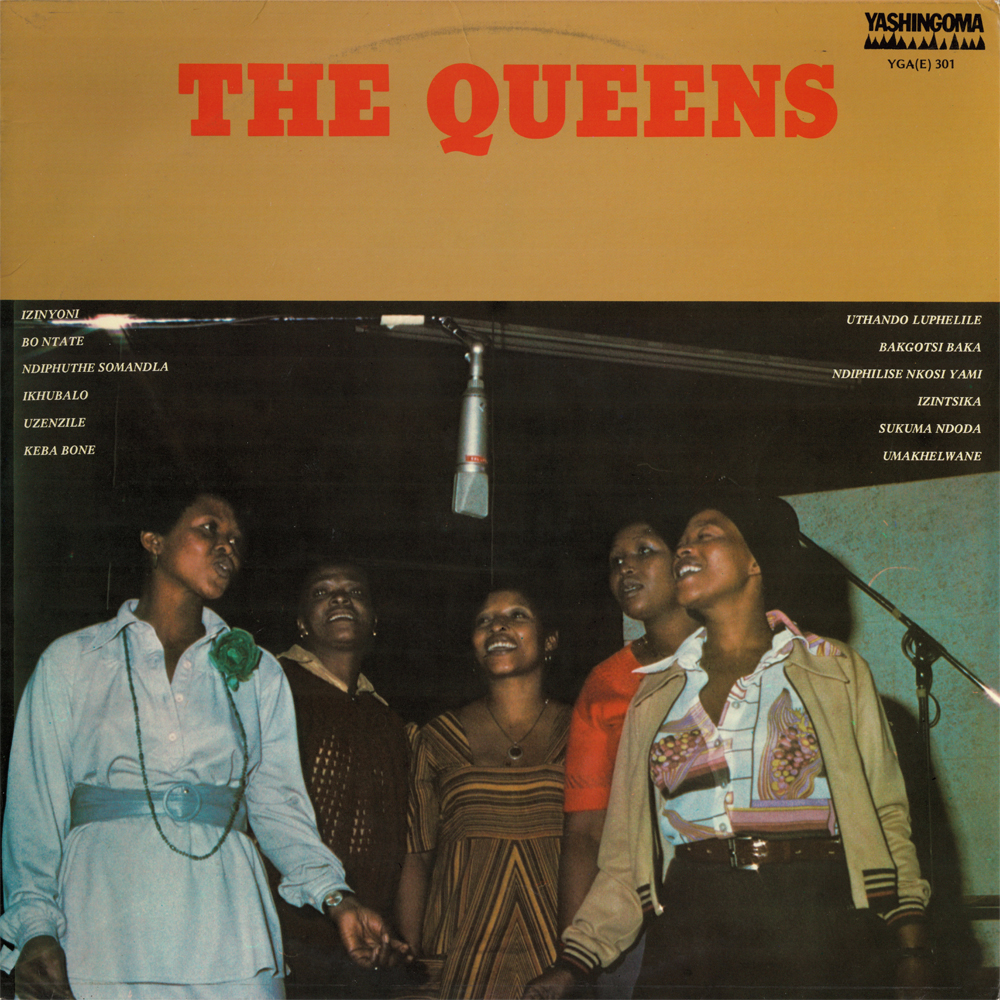
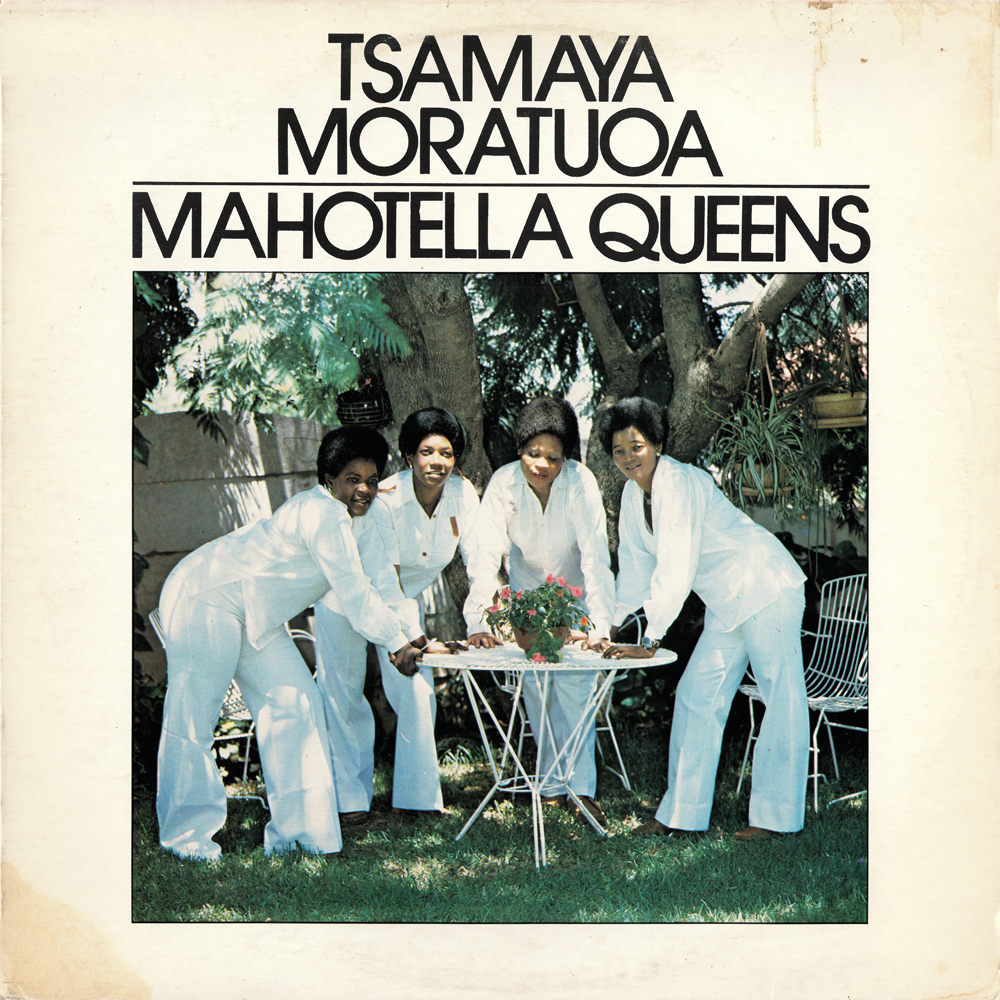
The result was electrifying: the high harmonies of the Queens contrasted with Mahlathini’s hoarse voice. On stage, the women alternated singing and fast choreography blending Zulu dances and American jive. National tours lasted weeks. But in 1972, Mahlathini and part of the Queens resigned from Gallo due to a dispute with Bopape[^7]. The group split, the singers raised their children, and Bopape recruited new voices to keep the brand alive.
International renaissance
In 1983, guitarist West Nkosi persuaded Marx Mankwane to reunite Tloubatla, Mbadu, and Mangxola for the album Amaqhawe Omgqashiyo. By 1986, the trio had stabilized. The explosion of interest in South African music—driven by Paul Simon’s Graceland—opened a window: a 1987 French tour became a triumph, followed by a European tour. The 1990s were a race: Wembley (1988), Montreux Jazz Festival (1991, 1993), Central Park (1991), and Mandela’s inauguration (1994)3. In 1989, The Art of Noise invited them onto Yebo. In 2006, they headlined WOMAD.
A continuing lineage
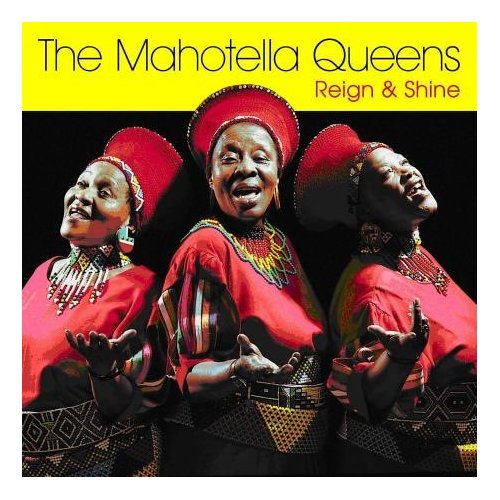
Mahlathini died in 1999, followed by Marx Mankwane and West Nkosi. The Queens changed musicians but never stopped. Sebai Bai (2000) was recorded in Johannesburg and Paris, dedicated to the departed. Reign & Shine (2005), nearly a cappella, marked their departure from Gallo. Mildred Mangxola retired in 2013, replaced by Amanda Nkosi. Nobesuthu Mbadu died in 2021 at age 761.
Today, the Mahotella Queens—Tloubatla, Nkosi, and Nqobile Njapha—continue to tour. Young amapiano fans cite their music. Sixty-one years after their first session, the name accidentally born by a producer remains a living lineage4.
Major works
| Work | Year | Why it’s essential |
|---|---|---|
| “Jive Motella” | 1960s | Hymn of mgqashiyo, the group’s first hit |
| Amaqhawe Omgqashiyo | 1983 | Historic reunion with Mahlathini |
| Paris – Soweto | 1987 | First international album, after the French tour |
| Sebai Bai | 2000 | Comeback recorded in Johannesburg and Paris, dedicated to the departed |
| Reign & Shine | 2005 | A cappella album after leaving Gallo |
Legacy
The Mahotella Queens have stood firm for over six decades through label breakups, deaths, retirements, and generational changes. Their music—mbaqanga—was the first to mix traditional rhythms with electric drums in South Africa. Their songs speak of life in Soweto, raids (“Kazet”), and the daily lives of workers. They were chroniclers of a black urban class that apartheid wanted to turn into ghosts. Today, the name still lives on—through Tloubatla, through Nkosi, through Njapha. The group is not a relic: it is a lineage that continues to reinvent itself2.
Sources and references
-
African Music Library, The Mahotella Queens, Newsletter, 29 September 2026. ↩︎ ↩︎
-
Pan-African Music, Mahotella Queens, the crown jewels of mbaqanga, accessed 2026. ↩︎ ↩︎
-
Afropop Worldwide, The Mahotella Queens are Back! A Talk With Hilda Tloubatla, interview with Banning Eyre, accessed 29 October 2026. ↩︎
-
Wikipedia, Mahotella Queens, accessed 29 October 2026. ↩︎