Biography
Adewale Ayuba: The “Mr. Johnson” Who Revolutionized Nigerian Fuji Music
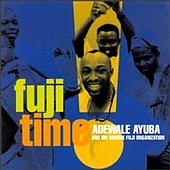
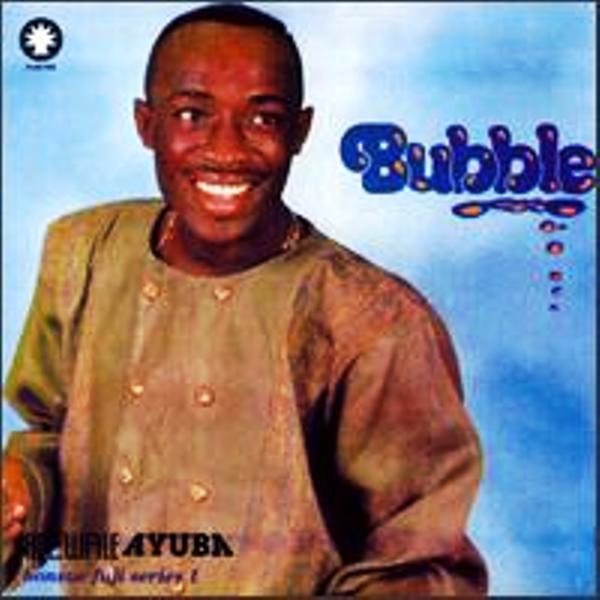
In 1991, an album titled Bubble dominated the Nigerian charts for six consecutive months. Its author? Adewale Ayuba, a 25-year-old Yoruba drummer who just transformed Fuji—a genre originally reserved for Muslim reception halls and dominated by Yoruba and Arabic—into a transnational sound. Nicknamed “Mr. Johnson” by the public, this leader of the Bonsue Fuji Organization spent more than forty years getting Africa dancing.
In Brief
| Full Name | Adewale Ayuba |
| Stage Name | Mr. Johnson |
| Birth | May 6, 1966, Ikenne, Ogun State, Nigeria |
| Genre | Fuji, World Music |
| Roles | Singer, Composer, Drummer, Dancer, Actor |
| Active Period | 1983 – present |
| Notable Works | Bubble, Fuji Satisfaction |
| Awards | 4 Nigerian Music Awards, Kora Awards (Best Group in Africa) |
Key Dates
| Year | Event |
|---|---|
| 1966 | Birth in Ikenne, Ogun State |
| 1983 | First album, Ibere (“The Beginning”) |
| 1991 | Bubble, 6 months at #1, 4 Nigerian Music Awards |
| 1993 | US Tour, New Orleans Jazz Festival, Key to the City of Providence |
| 1995-1998 | Forced exile in the United States after a militant album against Abacha’s dictatorship |
| 2003 | Fuji Satisfaction with Adé Bantu; Kora Awards Best Group in Africa |
| 2021 | “Koloba Koloba” TikTok hit |
| 2025 | President Tinubu celebrates his 60th birthday |
A Blended Fuji, Between Tradition and Modernity
Adewale Ayuba grew up in the city of Ikenne, in southwestern Nigeria, rocked by the Fuji percussion he heard at his family restaurant. From age seven, he improvised on the rhythms of the great masters such as Sikiru Ayinde Barrister, Haruna Ishola, and Kolawole Kollington. At seventeen, he released Ibere, his first album, which propelled him onto the Fuji stage of Ogun State. But Ibere and the four albums that followed remained confined to traditional circles: Yoruba, Arabic, slow tempo, Muslim orientation—codes ignored by Nigerian elites and university youth. Ayuba considered abandoning music.
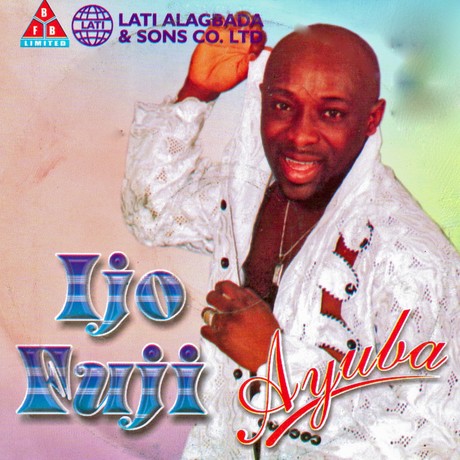
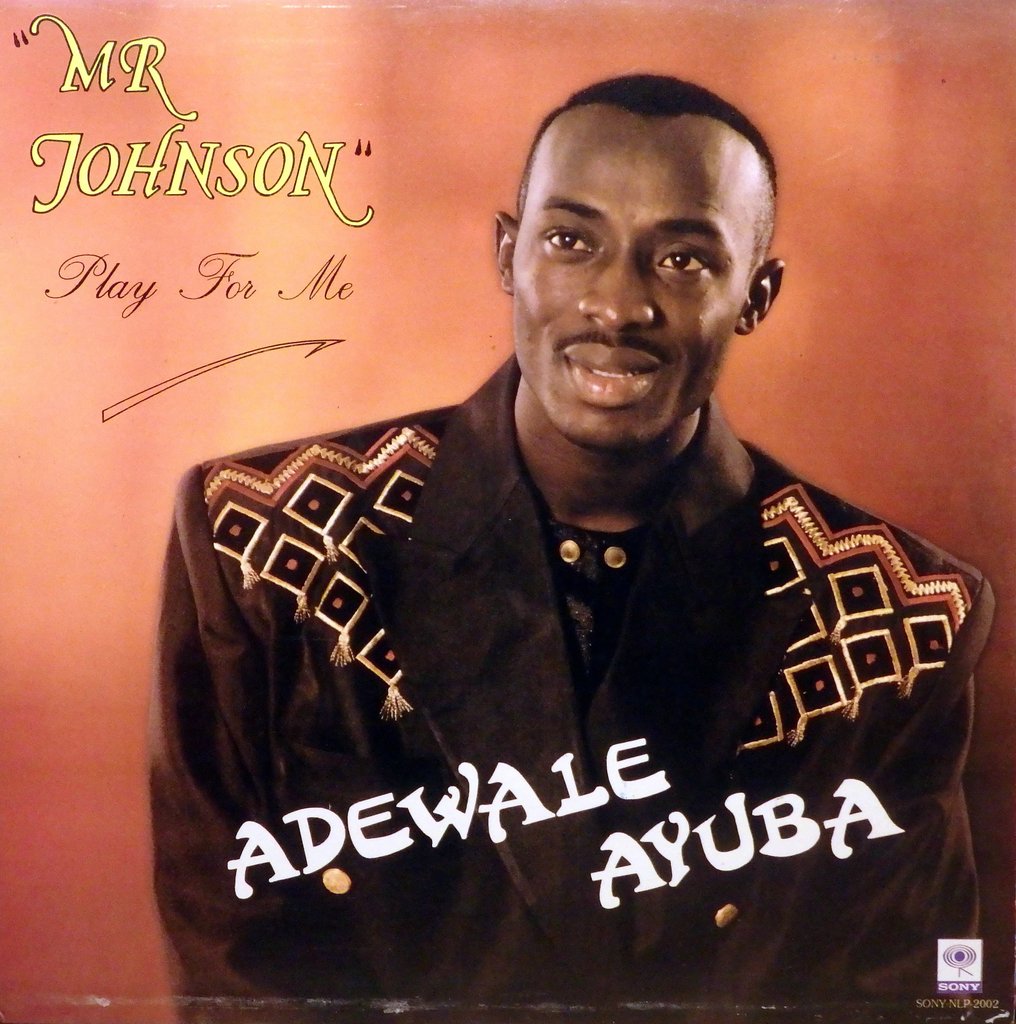
The meeting with Sony Music Nigeria changed everything. The label advised him to reduce the share of Yoruba and Arabic in favor of English, accelerate the tempo, and add touches of funk and jazz. He drew inspiration from Sina Peters’ album Ace to show that Fuji could be transformed. Result: Bubble (1991). The album became the first Fuji to conquer a broad audience: six months at the top of the charts, four Nigerian Music Awards (Artist of the Year, Album of the Year, Song of the Year, Best Fuji Artist), and the allegiance of Nigerian elites who, until then, considered Fuji as neighborhood music. Mr. Johnson Play For Me (1992) confirmed this success.
But in 1995, a dark chapter opened. Ayuba clandestinely recorded a militant album calling for the release of political prisoners from Sani Abacha’s regime, particularly Moshood Abiola. The album was released after his departure for a tour in the United States. Abacha’s regime issued him an ultimatum: he had to stay overseas. During these three years of exile, he obtained a certificate from Queensborough Community College in New York, met his future wife Azukaego there, released three albums, and performed at the Summerstage in New York and the New Orleans Jazz Festival. Rumors circulated in Nigeria saying he was pumping gas stations as a worker. He returned on June 9, 1998, one day after Abacha’s death. His presence at the Benson & Hedges concert in Tafawa Balewa Square caused a real buzz.
Major Works
| Work | Year | Why It’s Essential |
|---|---|---|
| Bubble | 1991 | First Fuji to conquer elites; 6 months at #1, 4 NMA |
| Fuji Satisfaction | 2003 | Collaboration with Adé Bantu; Kora Awards Best Group in Africa |
| Mellow | 2007 | Best Fuji Vocal Performance at AMEN Awards |
Legacy
Adewale Ayuba transformed Fuji from street music into international stage music. His ability to fill concert halls with dance while remaining faithful to Yoruba percussion made him a cultural ambassador. More than 40 years after his debut, he remains a living reference, proving that Nigerian music can be both rooted and universal.
Sources and References
- « Adewale Ayuba — Biography, Discography, Albums & Expert Reviews », AllMusic, https://www.allmusic.com/artist/adewale-ayuba-mn0000497378, accessed October 23, 2026.
- « President Tinubu Celebrates Fuji Maestro Adewale Ayuba on his 60th Birthday », The State House Abuja, https://statehouse.gov.ng/president-tinubu-celebrates-fuji-maestro-adewale-ayuba-on-his-60th-birthday/, accessed October 23, 2026.
- « 3 decades later, Adewale Ayuba continues to push the boundaries of Fuji Music », Pulse Nigeria, https://www.pulse.ng/story/an-exclusive-pulse-interview-with-fuji-music-legend-adewale-ayuba-2024072619275162106, accessed October 23, 2026.
- « Why I Relocated To America – Adewale Ayuba », The Encounter, https://theencounter.com.ng/why-i-relocated-to-america-adewale-ayuba, accessed October 23, 2026.
- « ADEWALE AYUBA Reveals His Success Story », City People Magazine, https://www.citypeopleonline.com/adewale-ayuba-reveals-his-success-story/, accessed October 23, 2026.
- « ADEWALE AYUBA A.K.A MR. JOHNSON », Downtown Arlington, https://downtownarlington.org/do/adewale-ayuba-aka-mr-johnson, accessed October 23, 2026.
- « Adewale Ayuba », Wikipedia, https://en.wikipedia.org/wiki/Adewale_Ayuba, accessed October 23, 2026.
- « Adewale Ayuba – Discography », Apple Music, https://music.apple.com/us/artist/adewale-ayuba/128877660, accessed October 23, 2026.