The Largest Music Scene in Africa
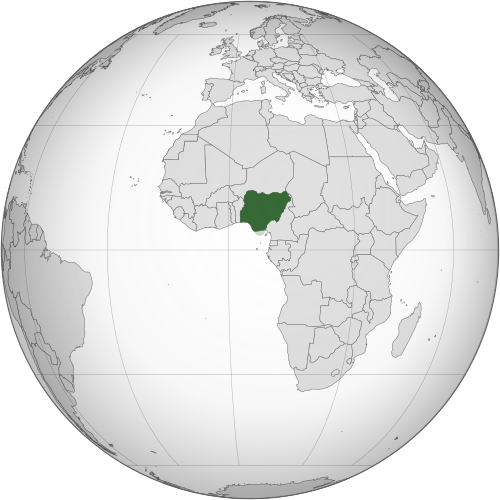
Nigeria, with its population of over 200 million people and 250+ ethnicities, possesses one of the most dynamic and diverse music scenes on the continent. The three largest ethnic groups — Yoruba, Igbo and Hausa — each have distinct musical traditions that blend into contemporary Nigerian popular music.
The Yoruba tradition: talking drum and Oyo balafon
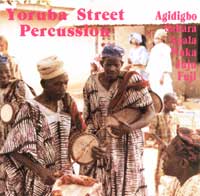
The Yoruba of south-western Nigeria maintain a musical tradition of exceptional richness, centered on percussion instruments and religious music. The talking drum (dùndún) is the emblematic instrument of the Yoruba: it is a gourd-shaped drum whose tension can be modulated during play to produce melodies and imitate the human voice. The Yoruba also play the bàbá látí (father drum) and ilú (goblet-shaped drums) for religious ceremonies and sacred dances dedicated to the Orishas. The agbado (buffalo horn) and gourd shakers complete the rhythmic ensemble.
The Igbo tradition: uli and Ebo music
The Igbo of eastern Nigeria maintain a musical tradition centered on wooden wind instruments and skin percussion. The uli is a traditional Igbo musical ensemble composed of flutes and drums used for community ceremonies. The obo (Igbo oboes) and iron gongs are played during ceremonial festivals. The Igbo also use complex percussion instruments to accompany masked dances and rites of passage.
The Hausa tradition: the Sahelian dundun drum
The Hausa of northern Nigeria maintain a musical tradition centered on the dundun drum and wooden wind instruments ( kakaki — military trumpet). Northern Nigerian Hausa music is influenced by Muslim and Sahelian traditions, with songs accompanied by cylindrical percussion.
Nigerian highlife and popular music
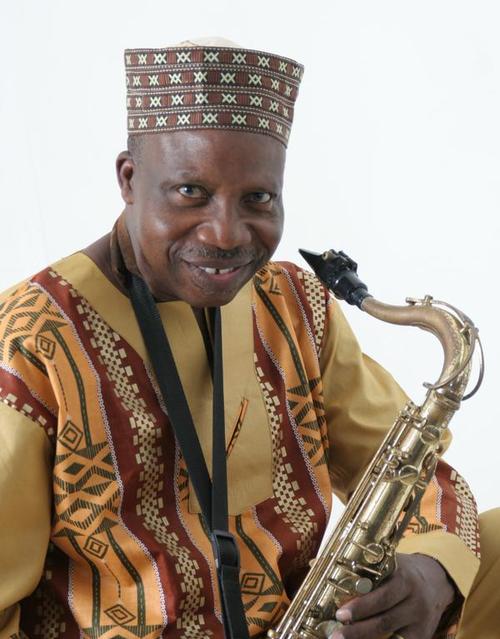
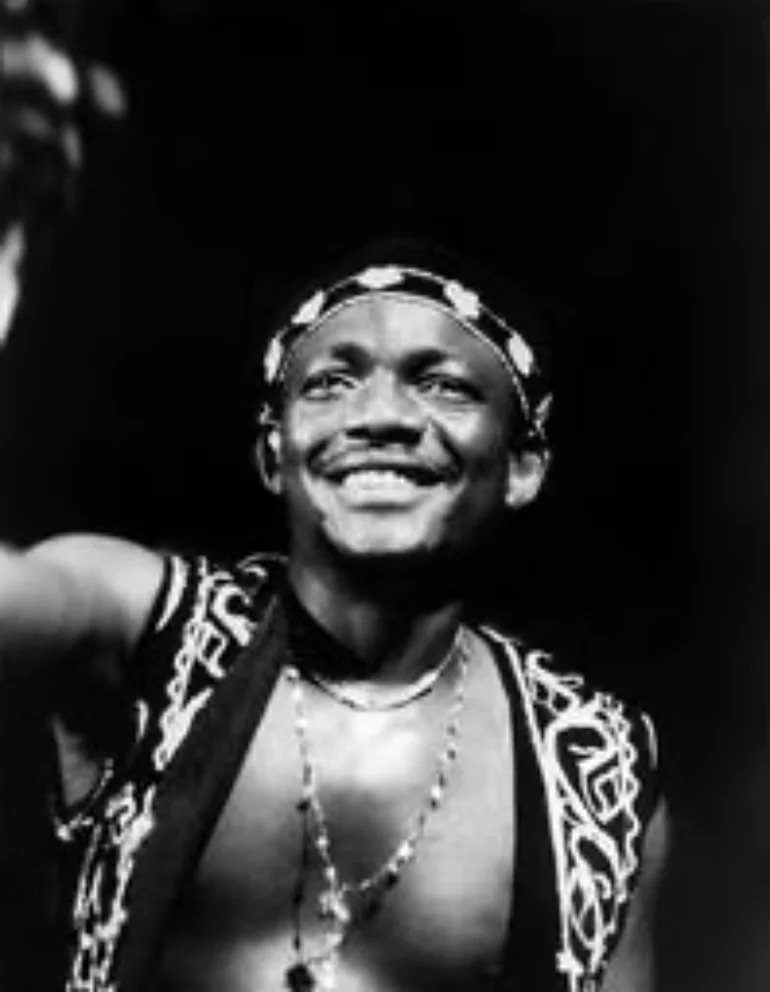
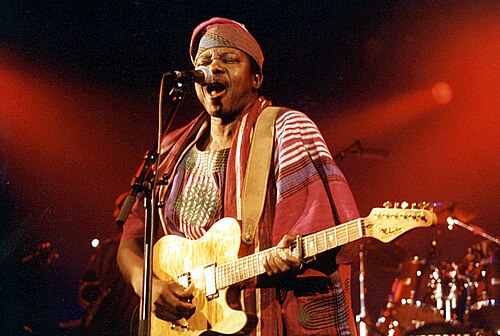
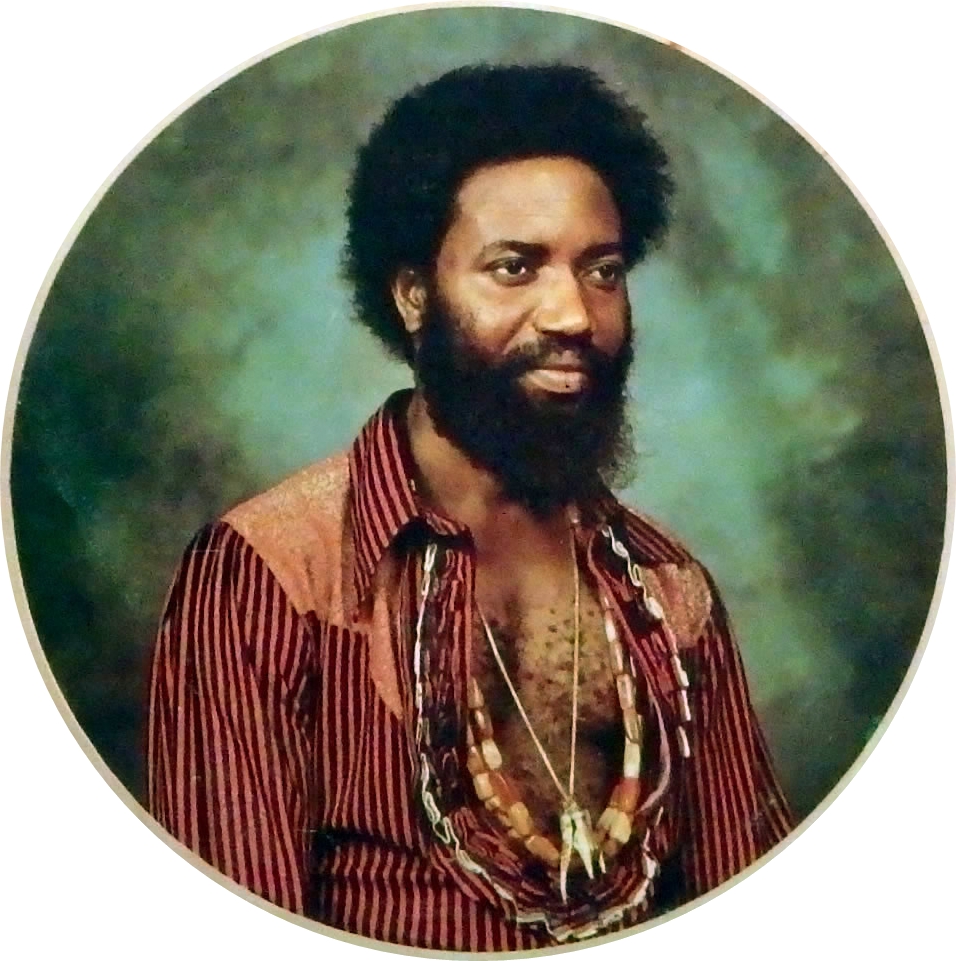
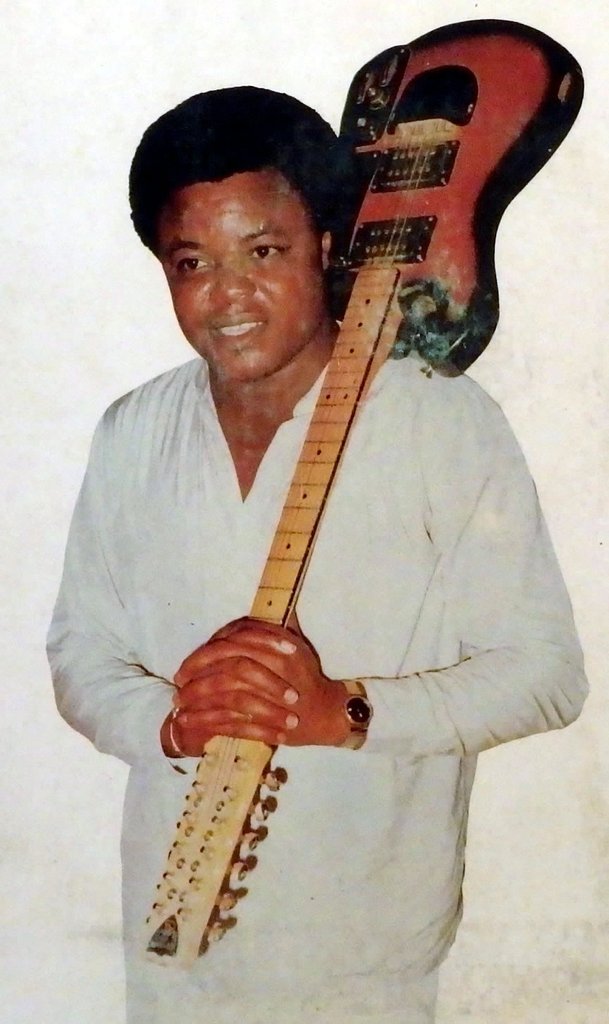
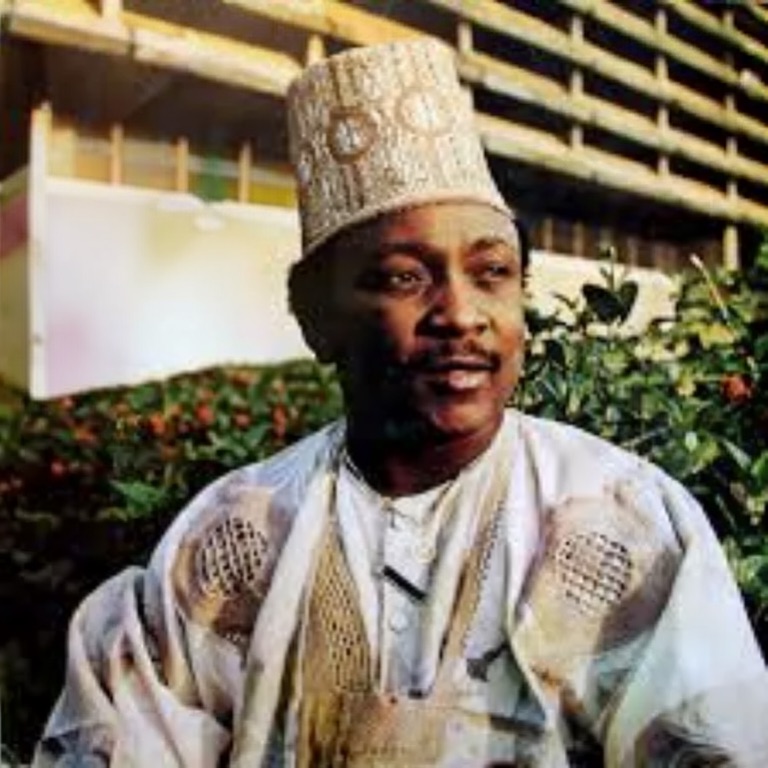
Nigerian highlife, born in the 1920s-30s in Ghana and Nigeria, is one of the most popular genres in West Africa. Guitarists like E.T. Mensah and dance orchestras popularized highlife across the continent. In the 1960s-70s, artists like King Sunny Adé (juju), Fela Kuti (afrobeat) and Mighty Universe (fuji) made Nigerian music known worldwide.
The juju, invented by Tunde King and popularized by I.K. Dairo, blends Yoruba traditions (talking drum, shakers) with electric guitars and Hausa choruses. The fuji, created by Sir Shina Peters, is music derived from Islamic chants ( iwur Yoruba) using traditional percussion and dance rhythms.
Fela Kuti’s afrobeat
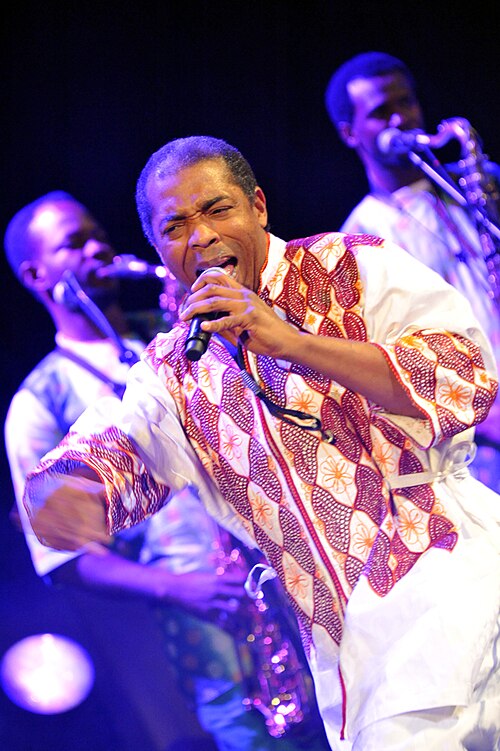
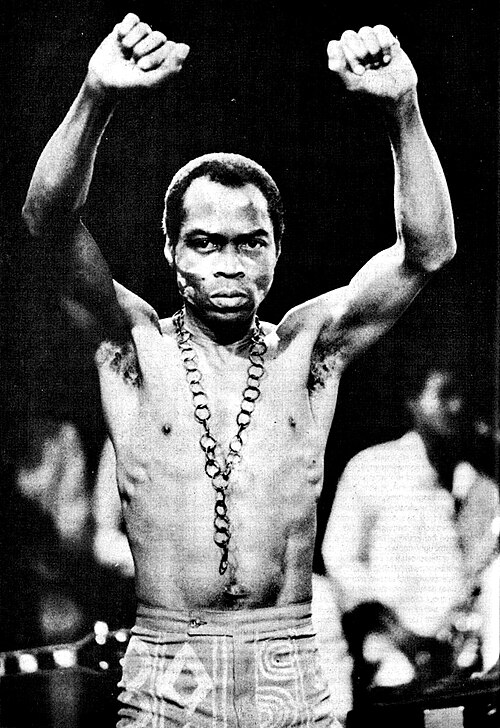
Fela Anikulapo-Kuti (1938-1997) invented afrobeat, a musical genre blending jazz, highlife, funk and Yoruba traditions. With his group Africa 70 then Egypt 80, Fela created 15-20 minute compositions, polyrhythmic and politically engaged. Afrobeat became one of the most influential African genres, reinterpreted by generations of artists like Antibalas, Erykah Badu and Burna Boy.
Nigerian traditional instruments
- Talking Drum (Dùndún) — single-string hourglass drum, emblematic Yoruba instrument
- Shekere / Igi Dúnun — perforated gourd shaker used in Yoruba and Igbo traditions
- Bàbá látí — single-cone Yoruba father drum
- Ilú / Egúngún — sacred Yoruba drum used in religious ceremonies
- Hausa balafon — Mandé xylophone from northern Nigeria
- Obo / Agogo — Igbo obo and Yoruba iron bells
- Gùgbùnlè — set of traditional Yoruba percussion instruments
References
[1] « Nigerian Music », Afropop Worldwide, http://www.afropop.org/explore/country_info/ID/5/Nigeria/. [2] « Music of Nigeria », Wikipedia, https://en.wikipedia.org/wiki/Music_of_Nigeria. [3] « Talking Drum History », Smithsonian Folkways, https://folkways.si.edu/talking-drum/world/album/smithsonian.