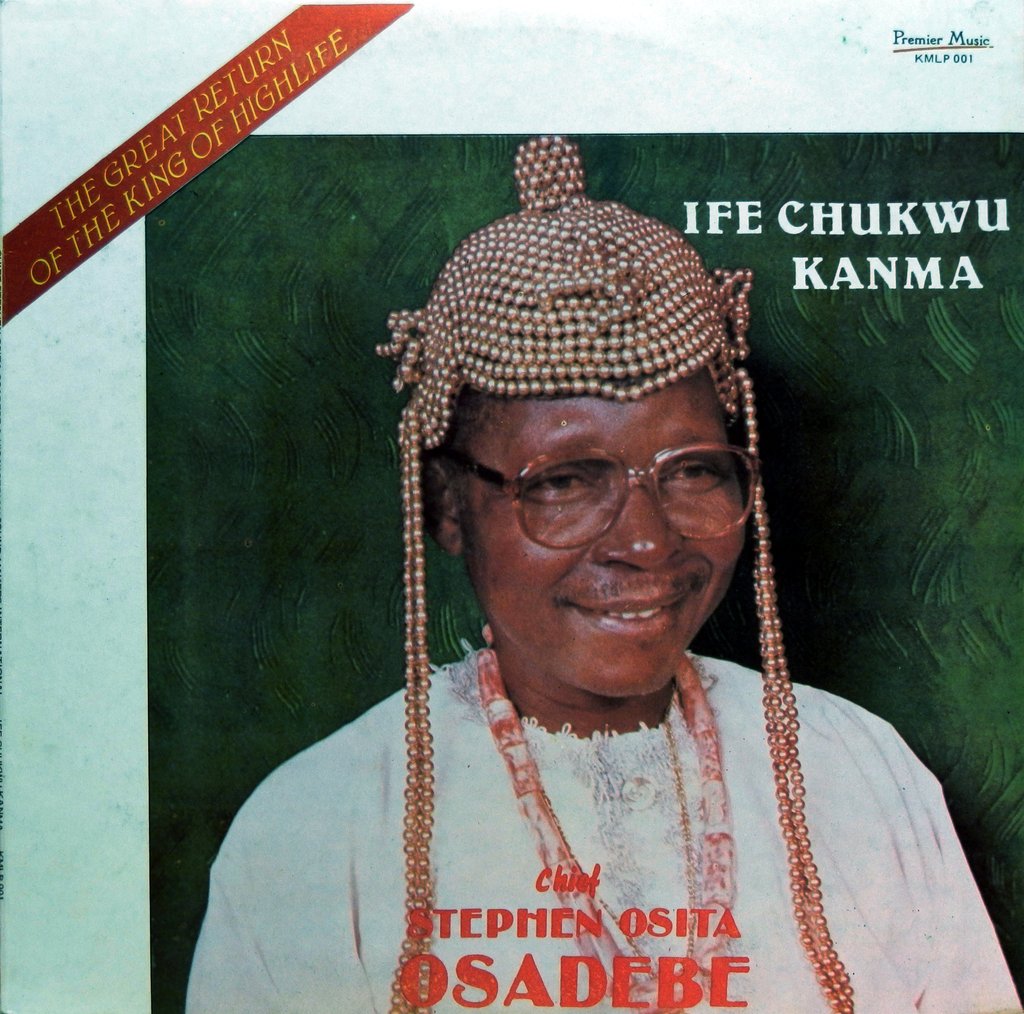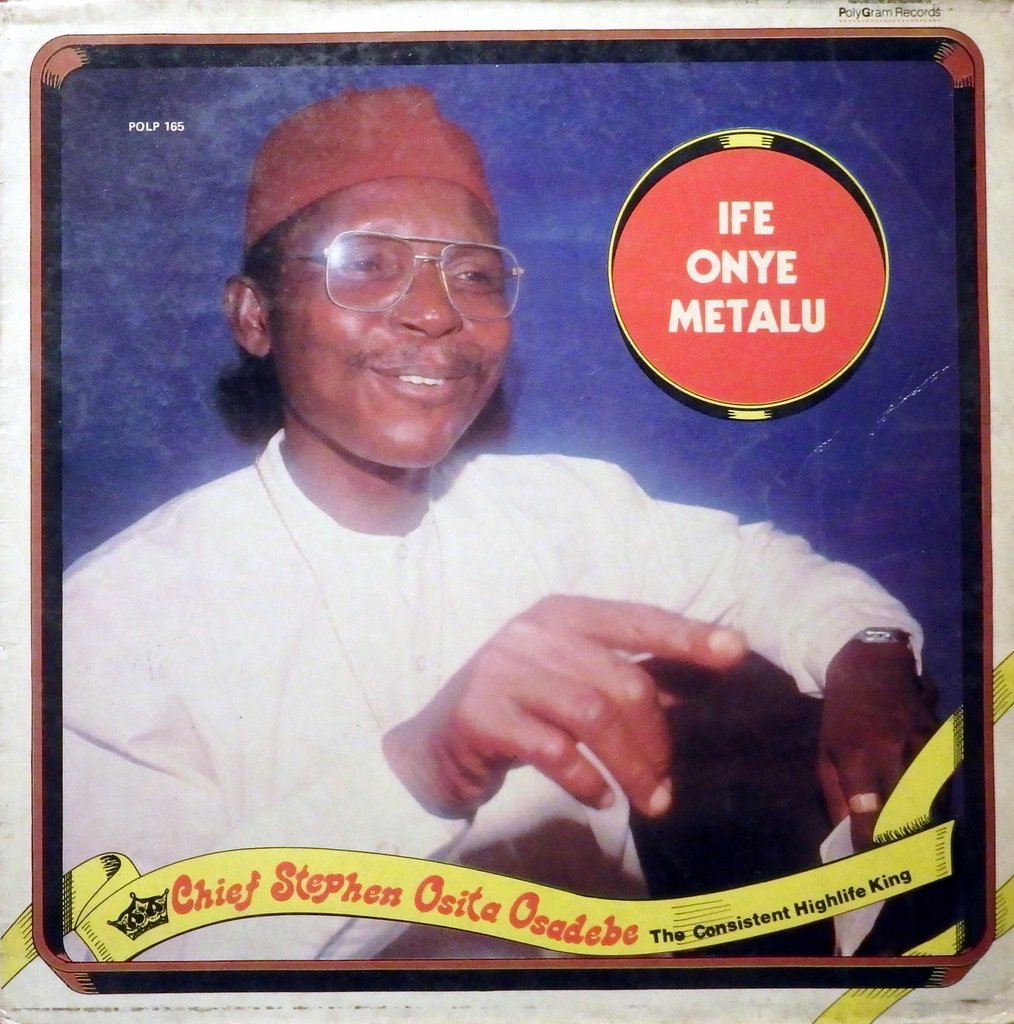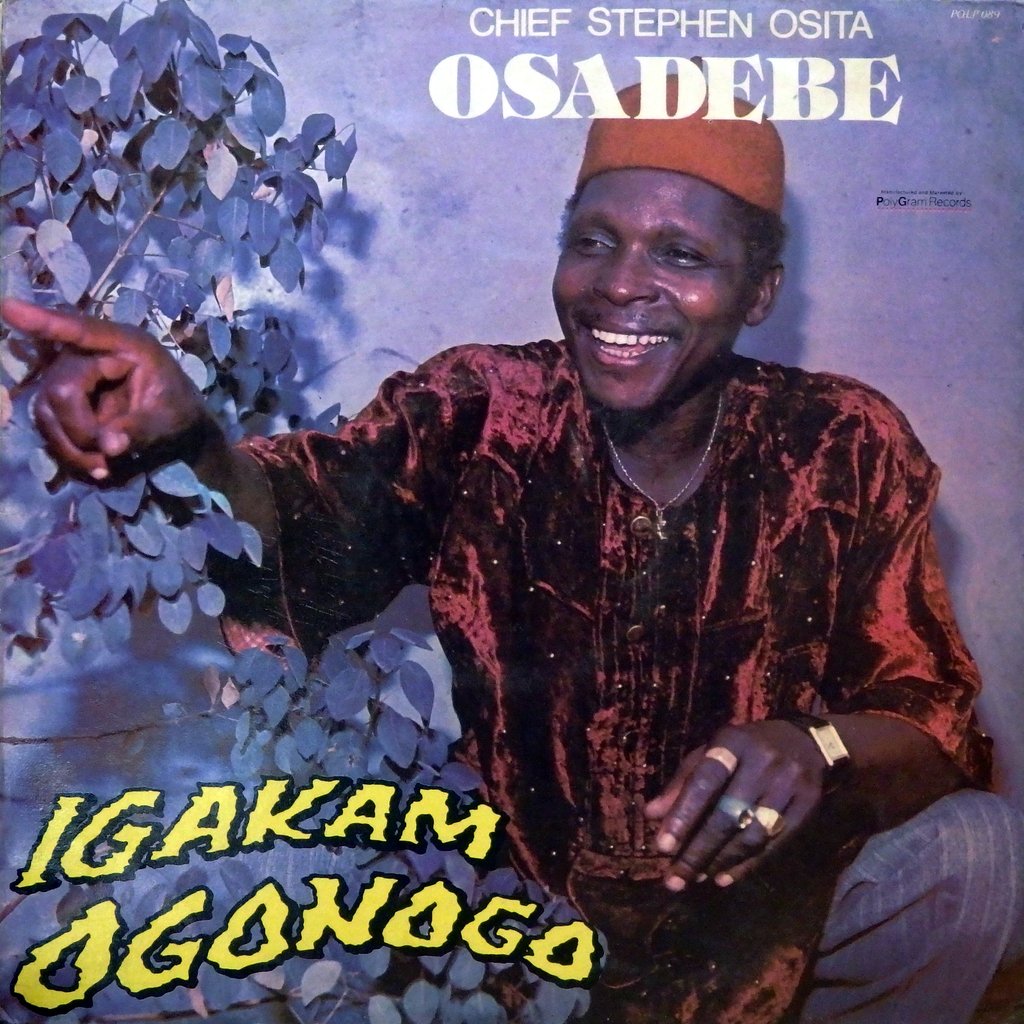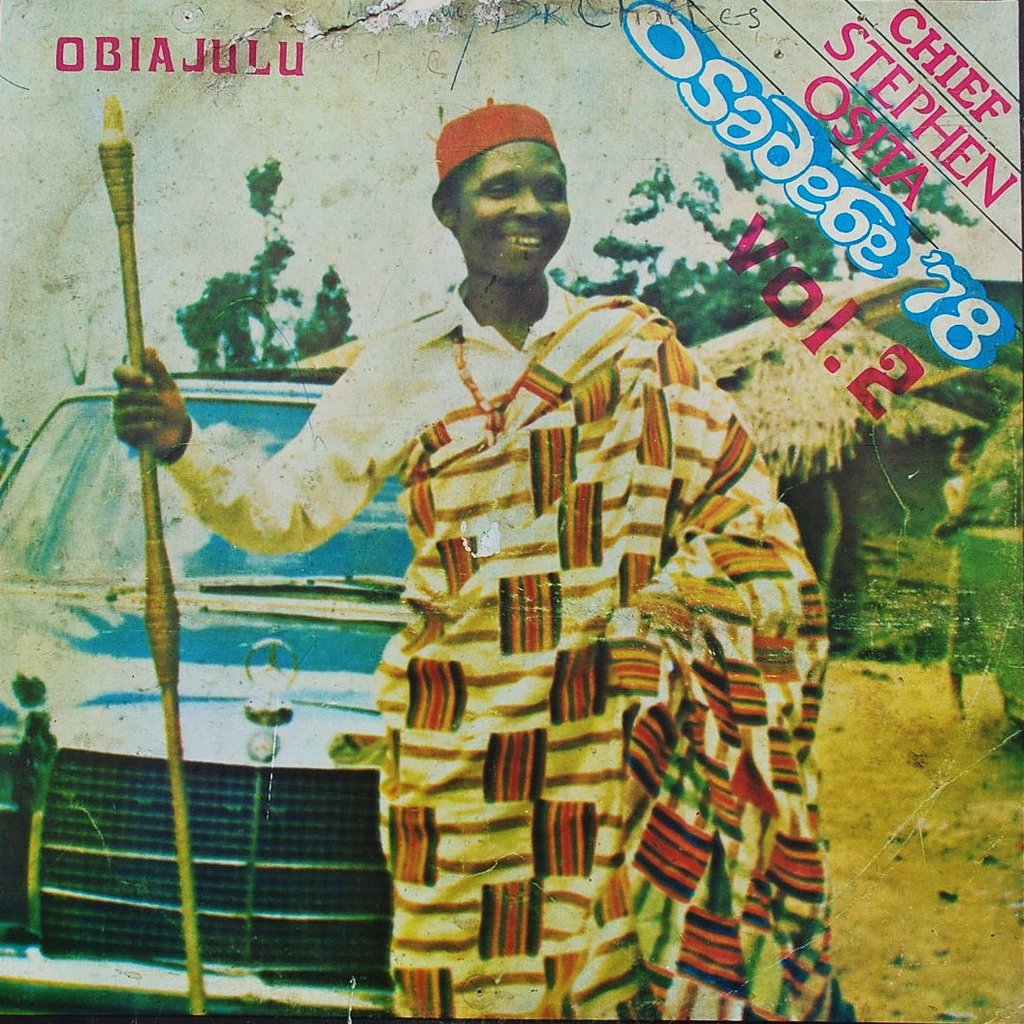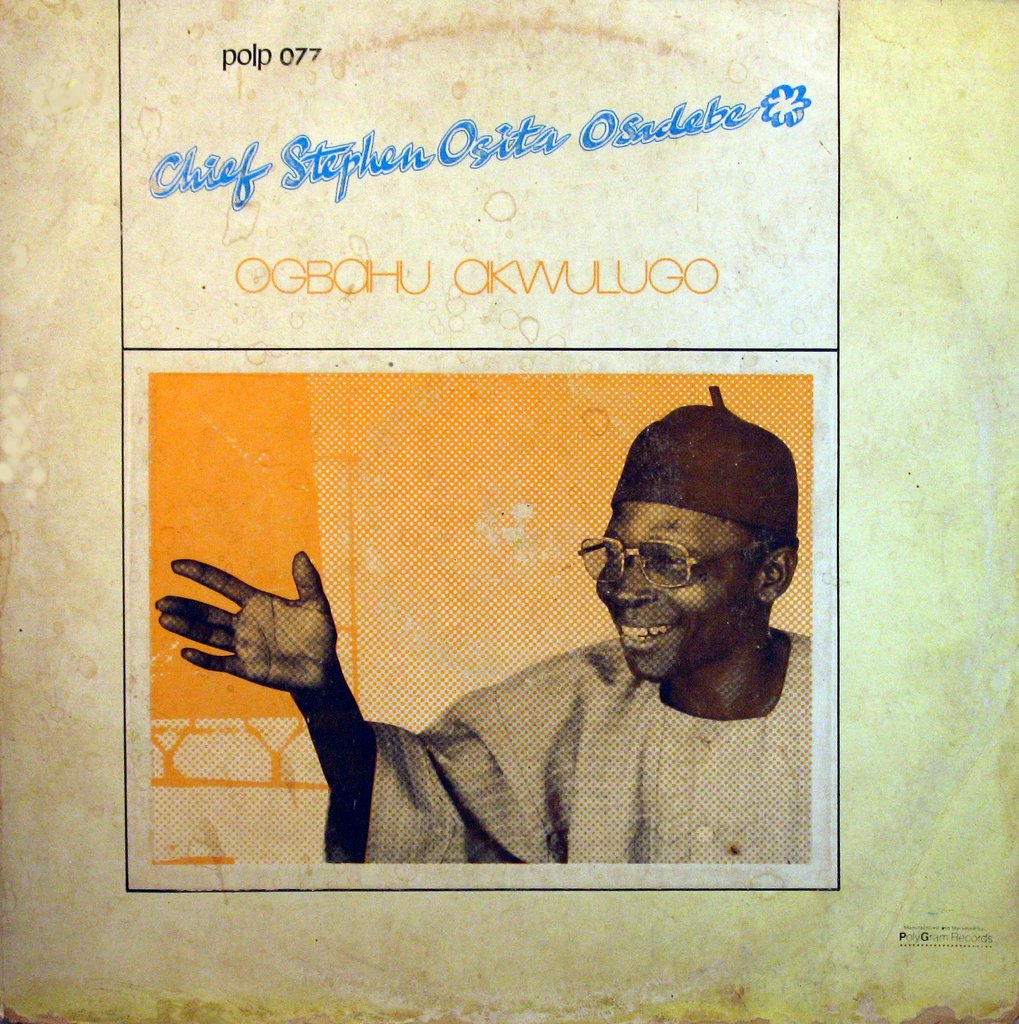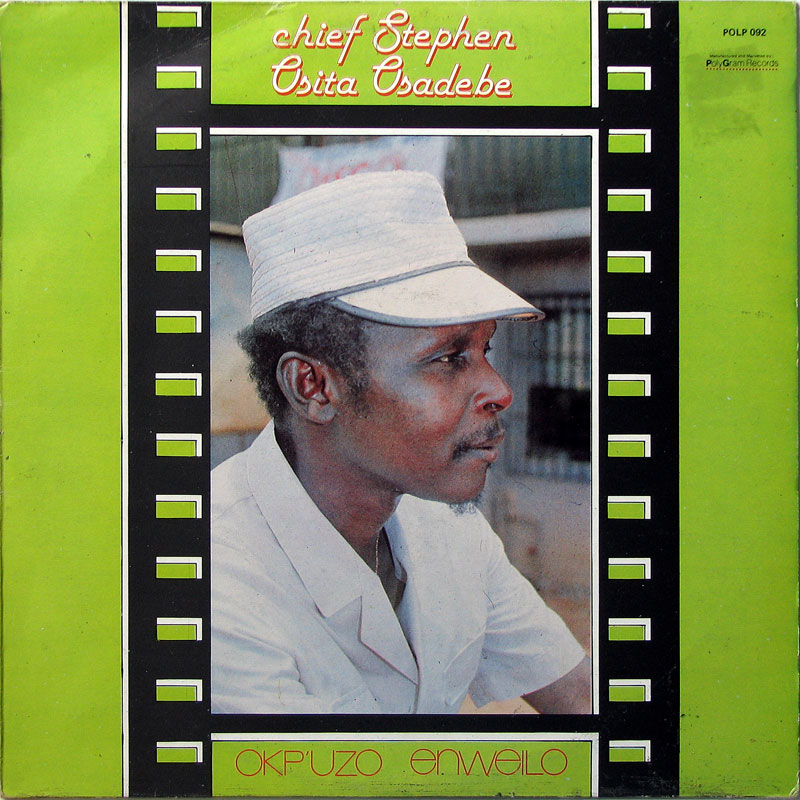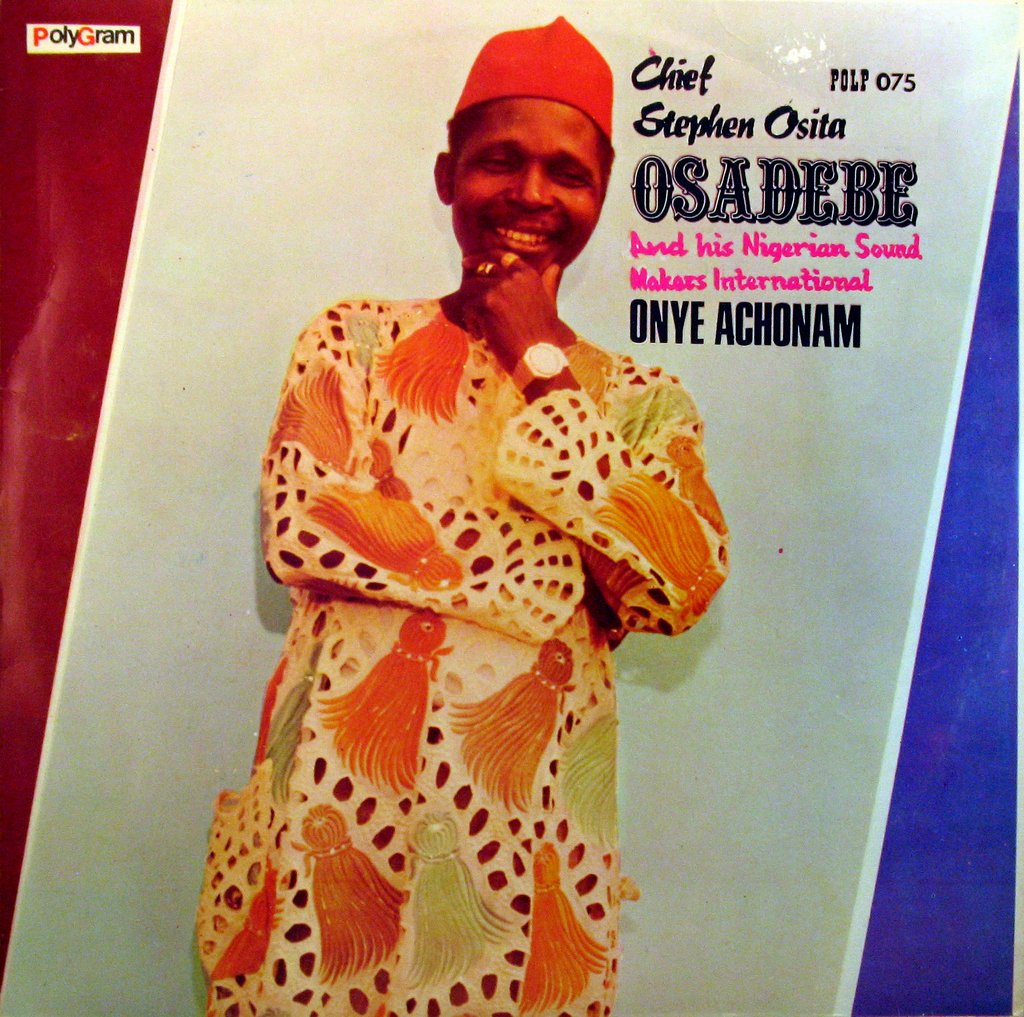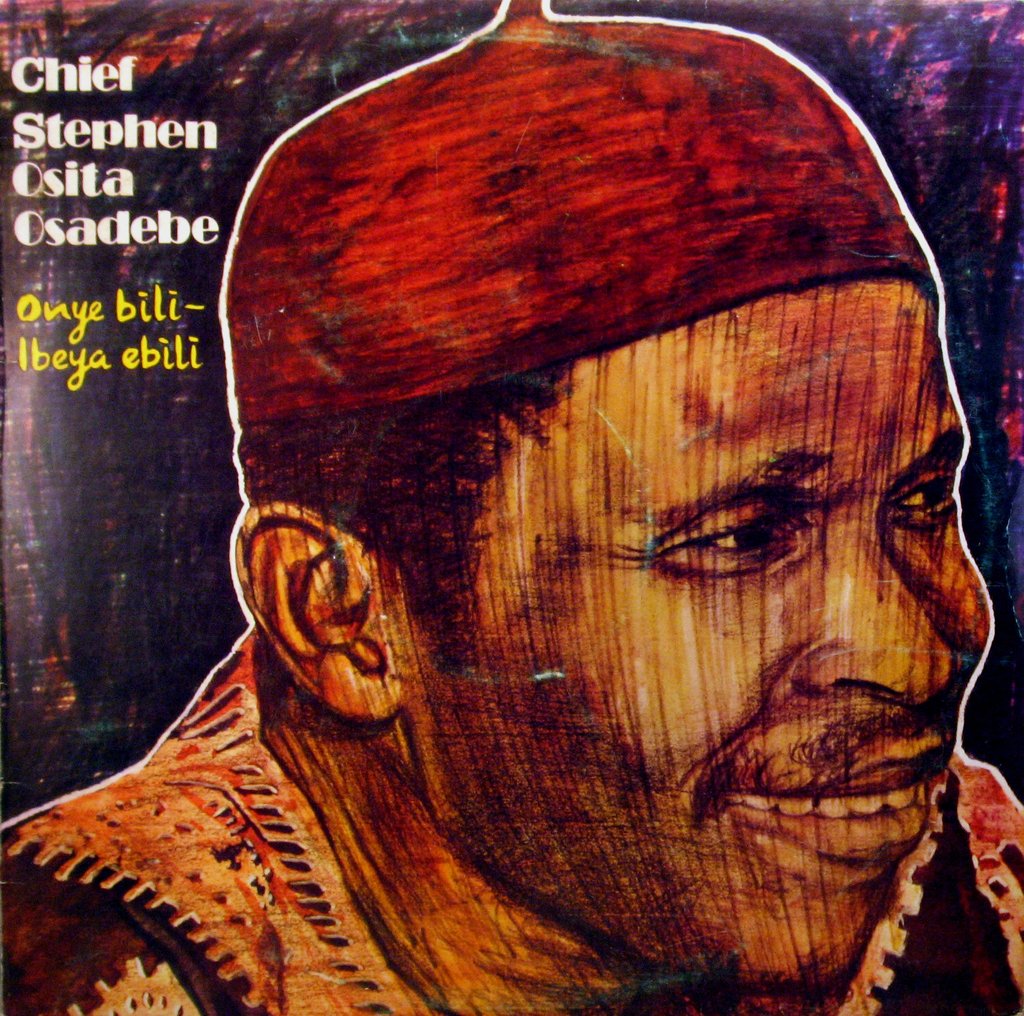
Biography
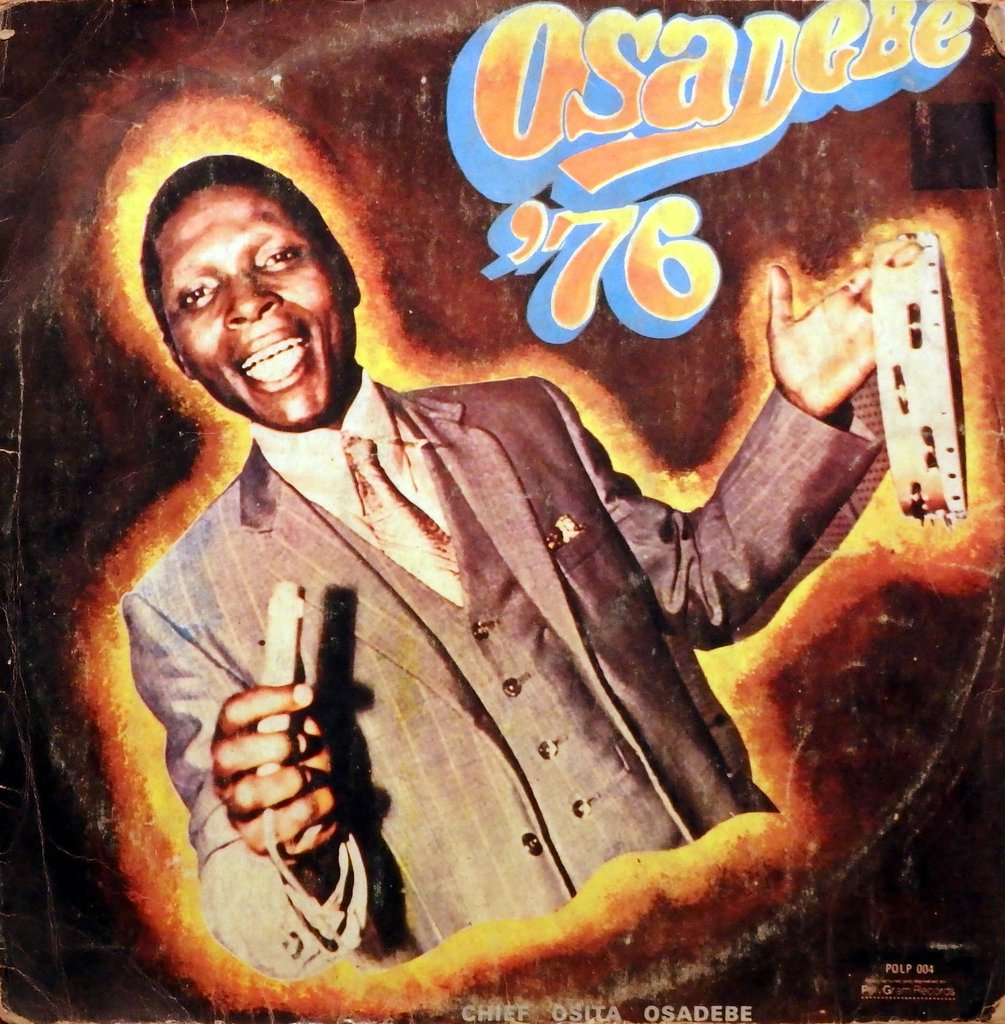
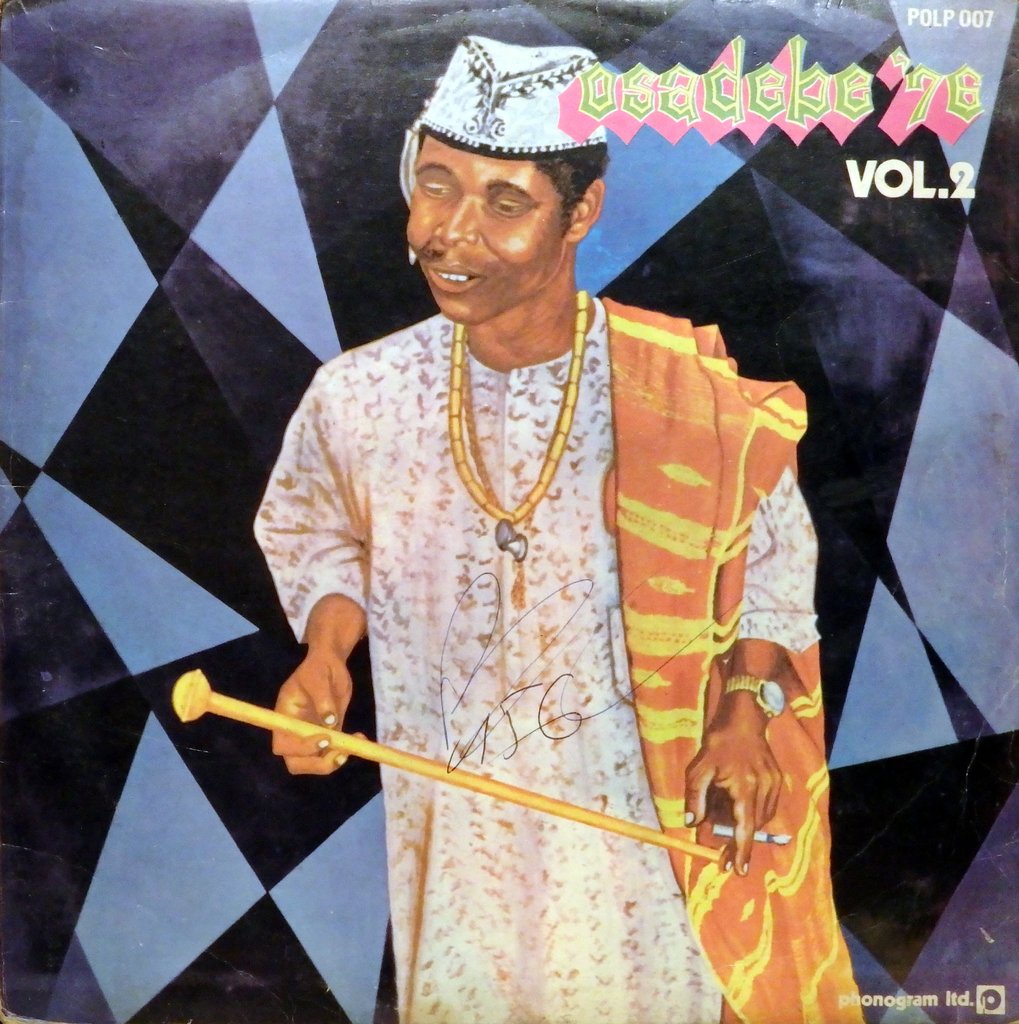
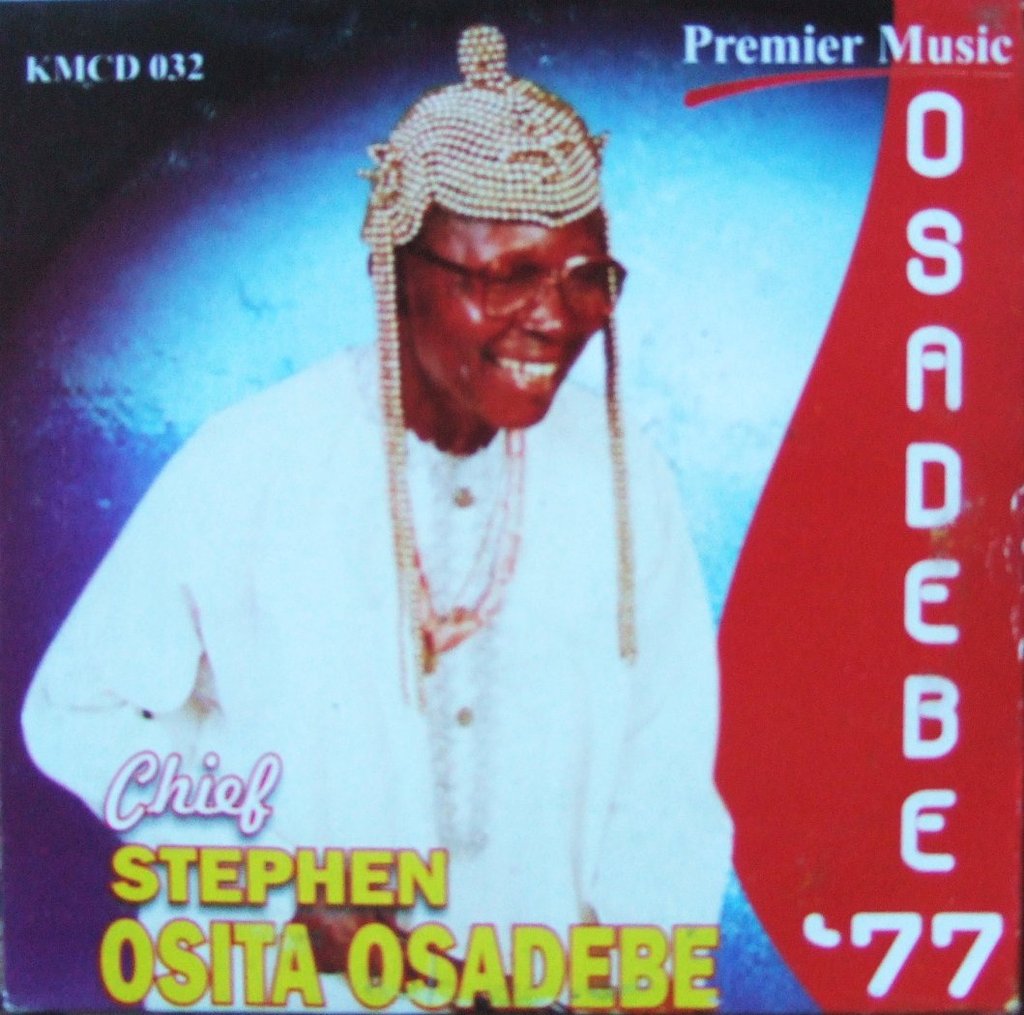
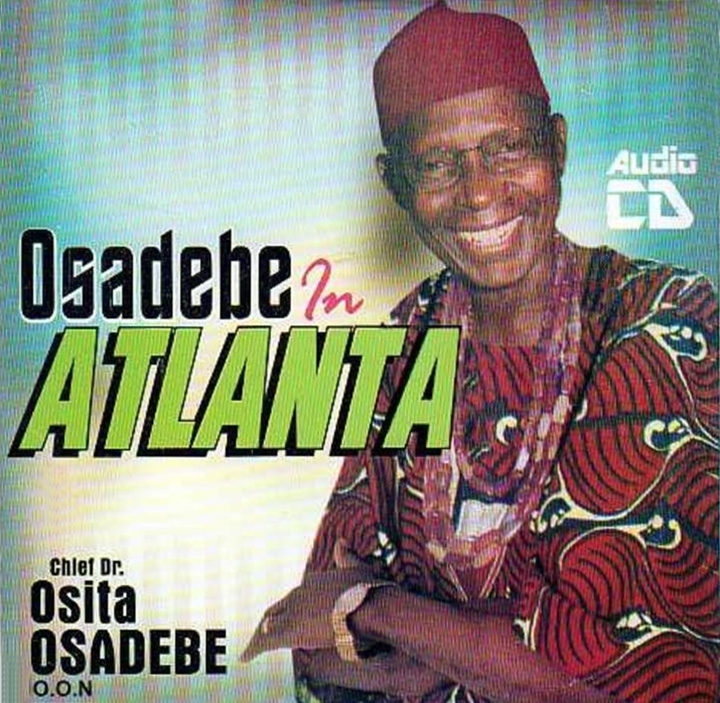
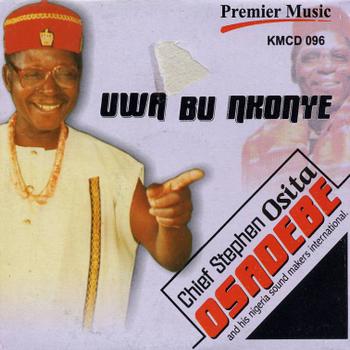
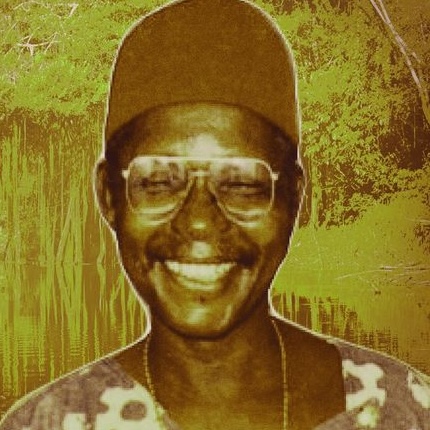
Chief Stephen Osita Osadebe: the doctor of the heart, the voice of Igbo soul
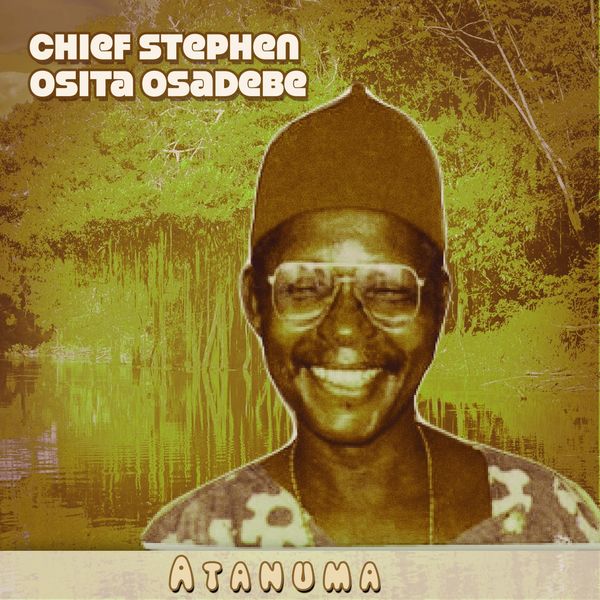
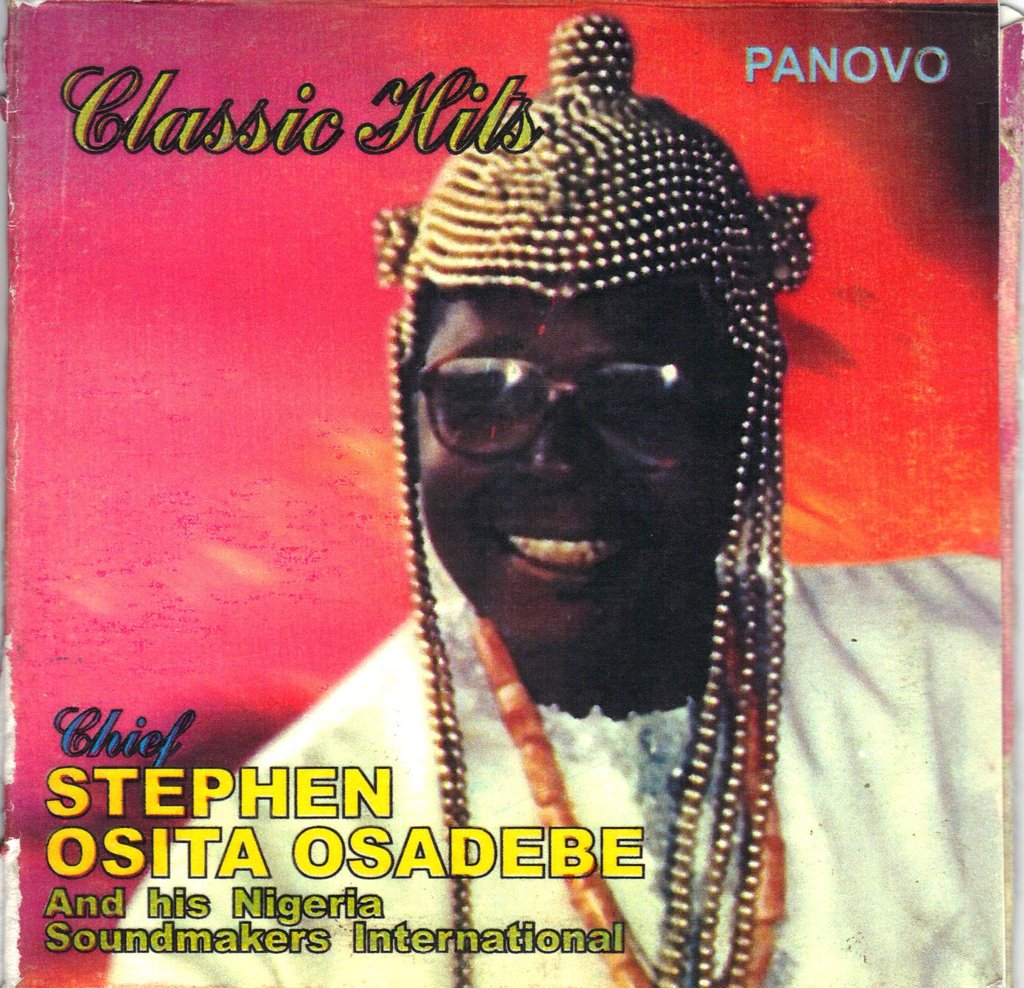
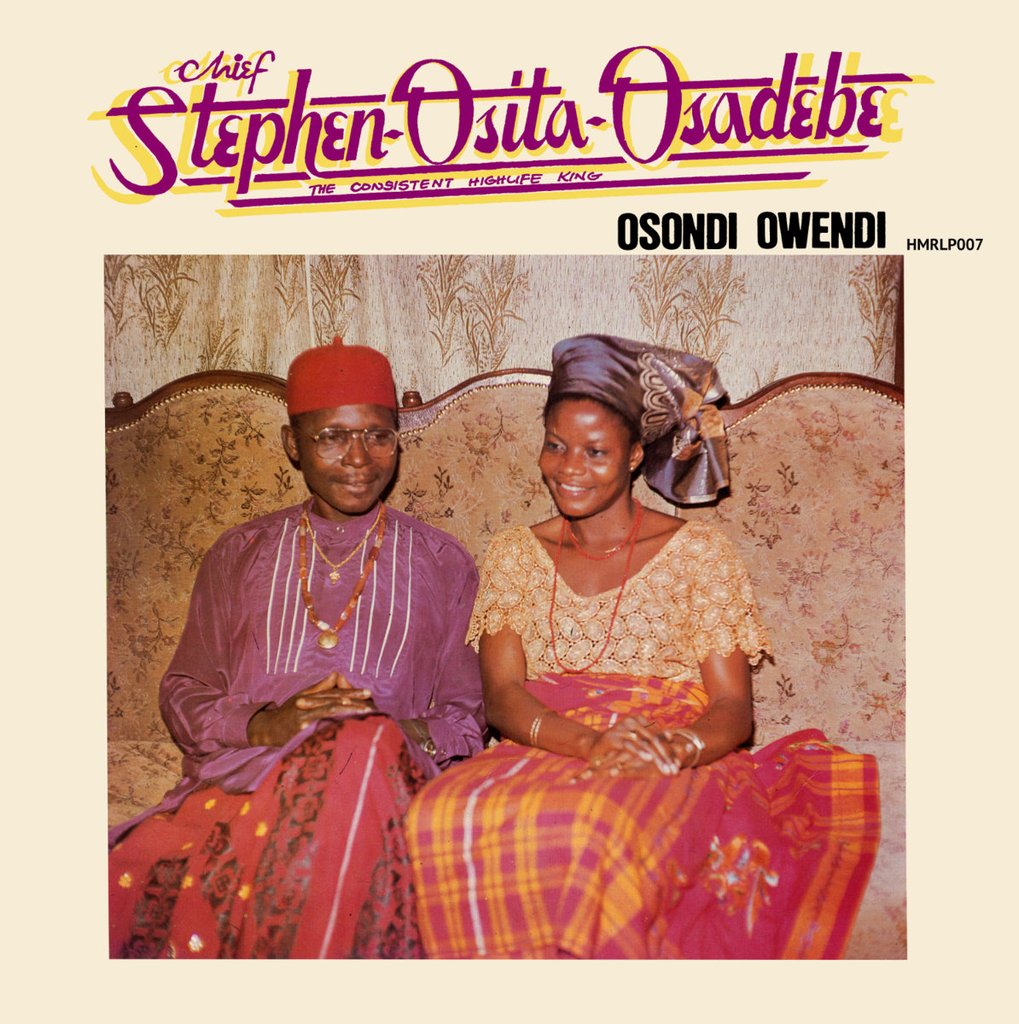
When he released “Osondi Owendi” in 1984 — a title meaning “what suits one does not suit the other,” drawn from an ancestral Igbo proverb — Chief Stephen Osita Osadebe signed the best-selling album in Nigerian history. More than forty years later, the record still stands, in a country where music is the daily language of resilience. This artist from Atani understood that his audience was not looking merely for rhythms: they were seeking relief, and Osadebe, affectionately nicknamed “the Doctor of Hypertension,” offered it to them note by note.
In brief
| Full name | Stephen Osita Osadebe |
| Birth | March 17, 1936, Atani, Nigeria |
| Death | May 11, 2007, Waterbury (Connecticut, United States) |
| Genre | Igbo Highlife — a genre born in Ghana blending social orchestras and traditional African rhythms, enriched by Osadebe with the sounds of merengue and rumba |
| Notable works | “Osondi Owendi”, “Adamma”, “Onu Kwulonjo” |
| Awards | Gold Record (1981), estimated sales of 700,000 copies |
Key dates
| Year | Event |
|---|---|
| 1936 | Birth in Atani, into a lineage of Igbo musicians |
| 1958 | First success with “Adamma” |
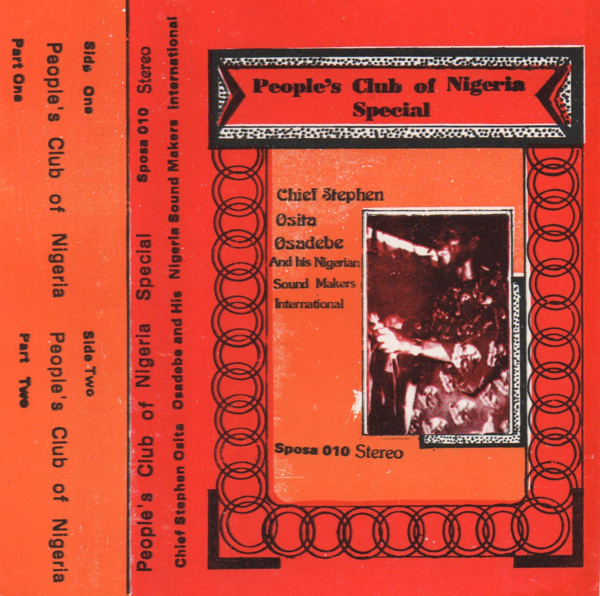
| 1964 | Founding of Nigerian Sound Makers International |
| 1981 | Gold Record for Onu Kwulonjo |
| 1984 | “Osondi Owendi”, sales record in Nigeria |
| 2007 | Death in Waterbury (Connecticut) |
Journey: from choir to glory
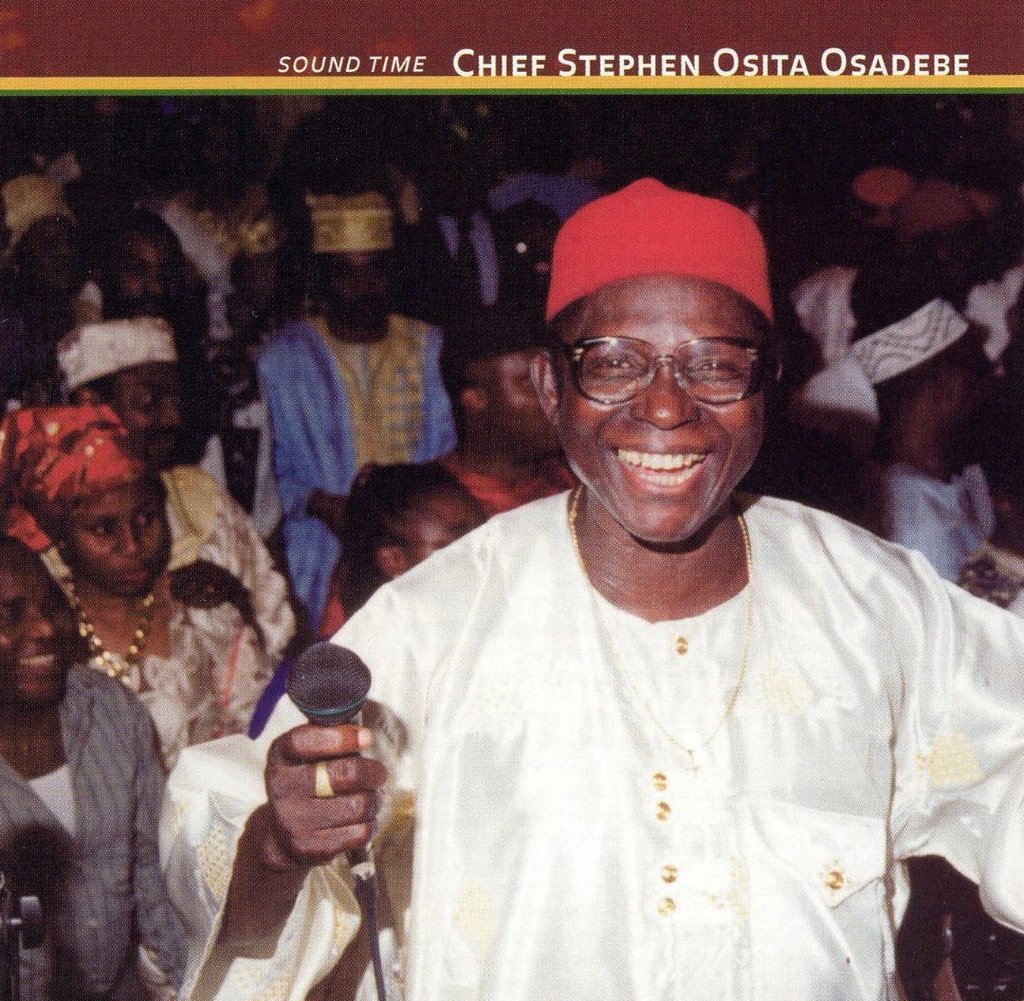
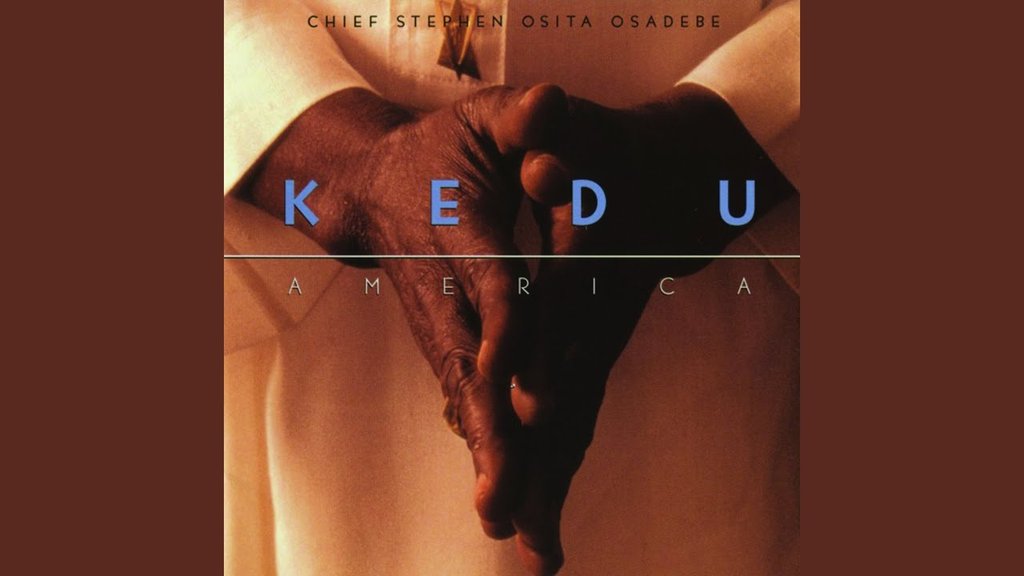
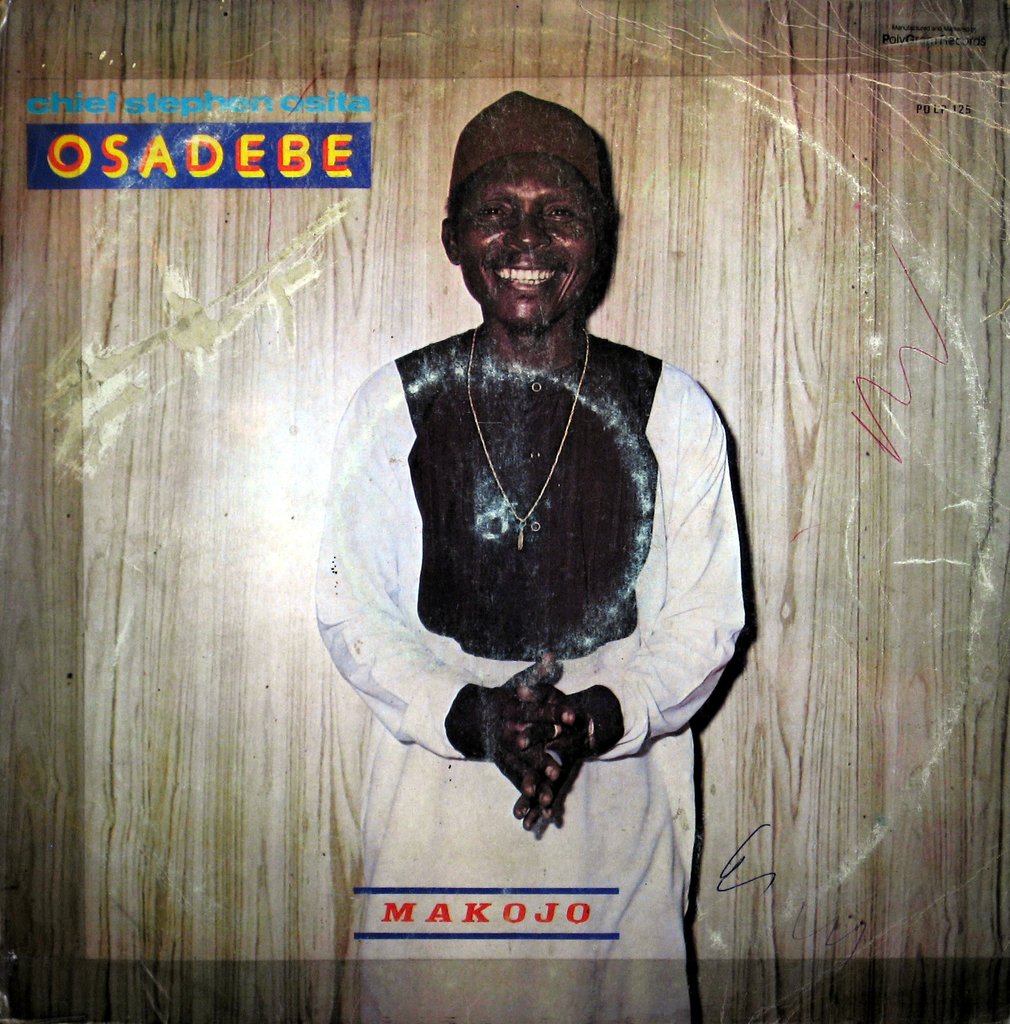
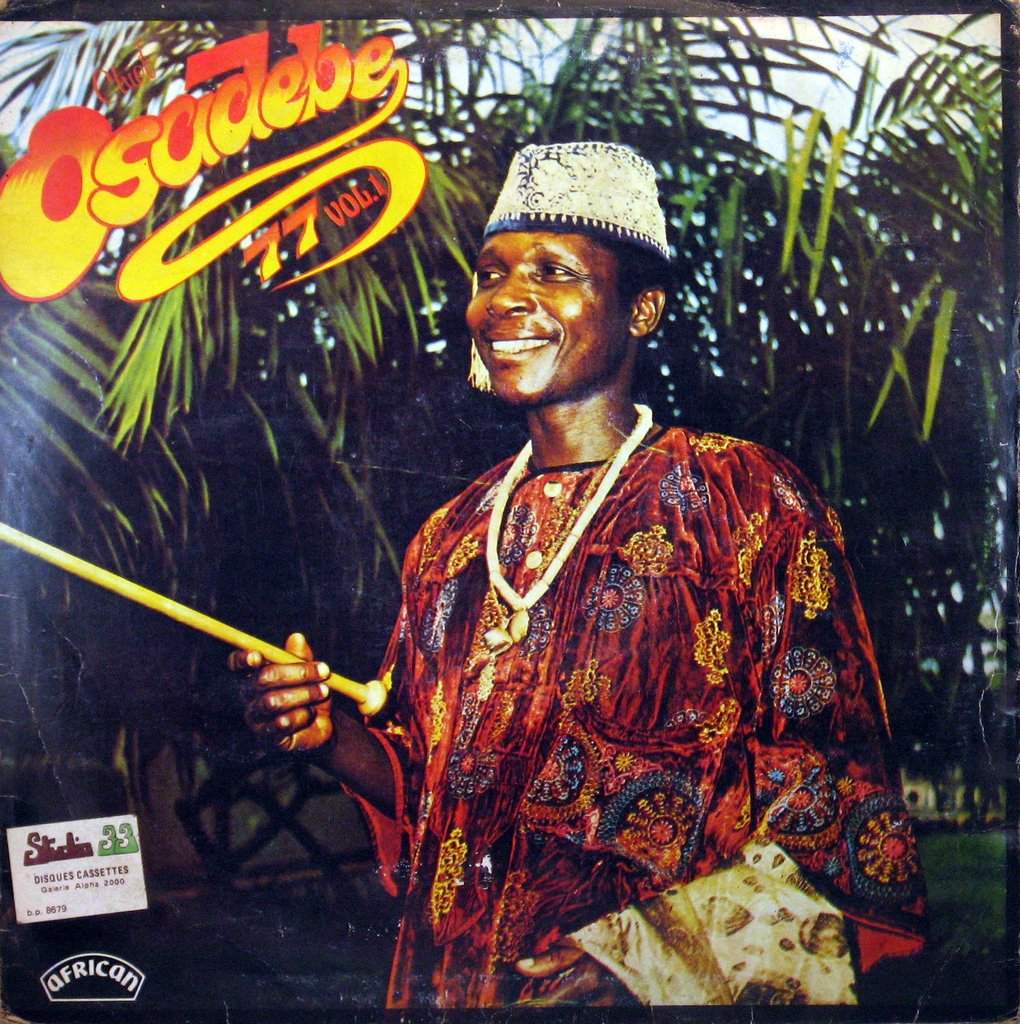
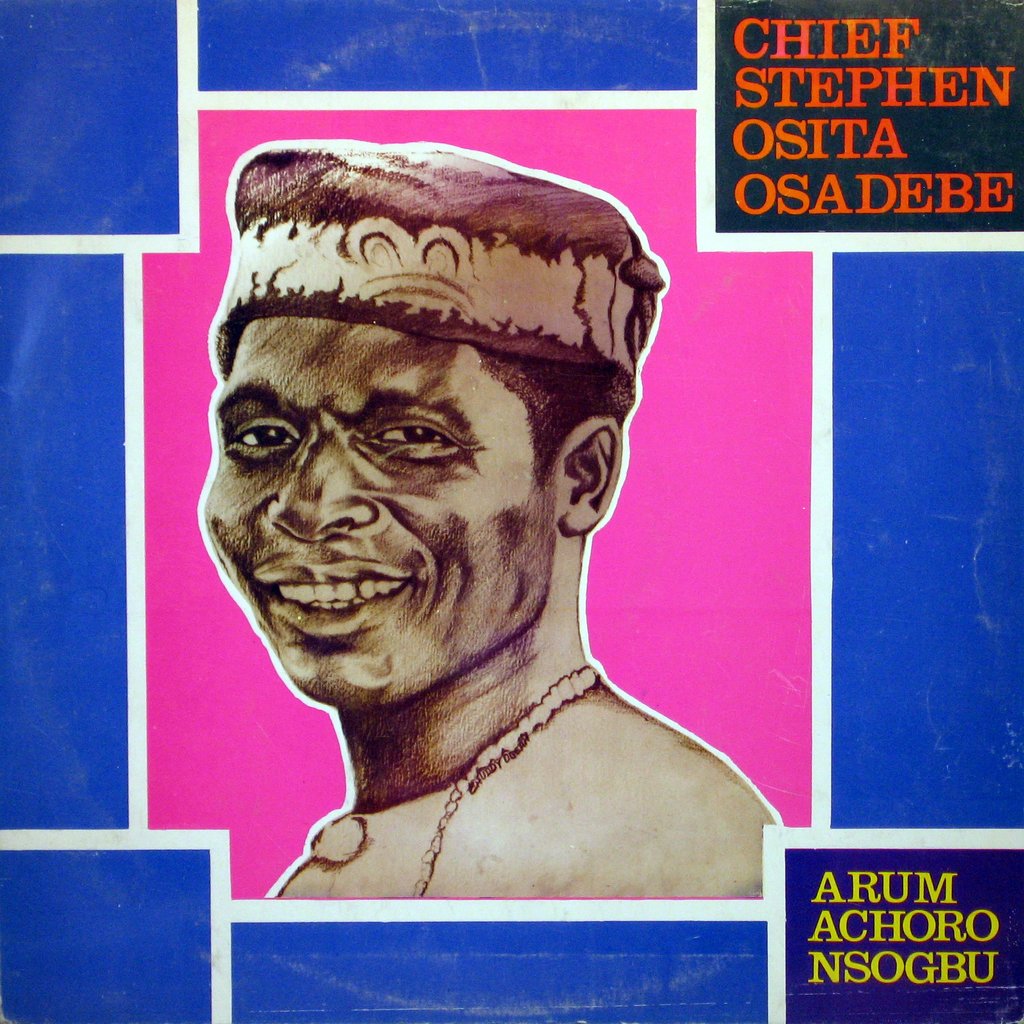
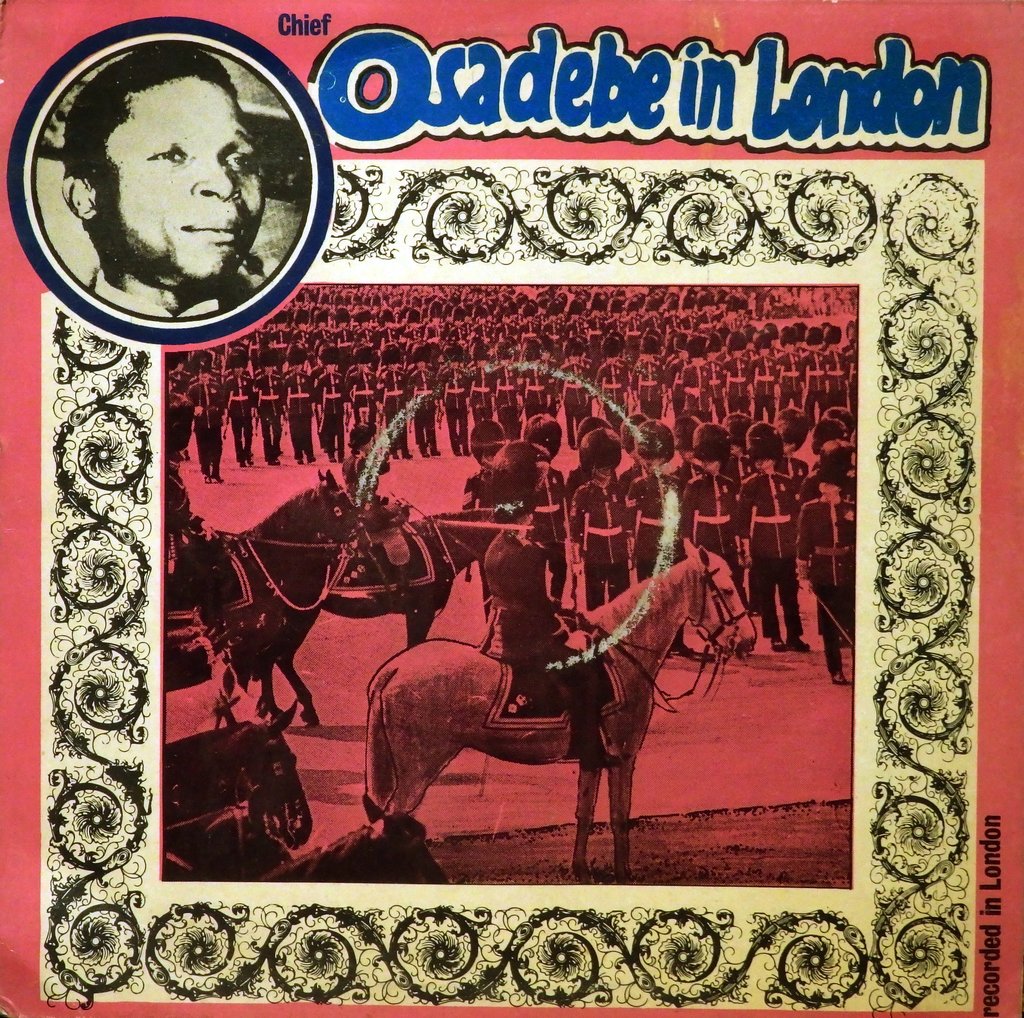
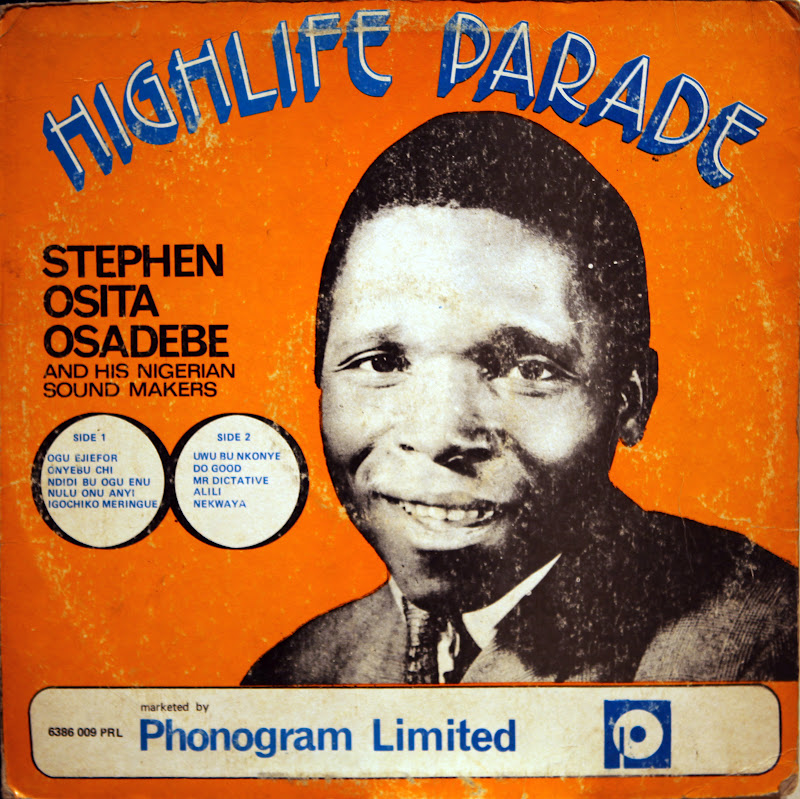
Born into a family of musicians in Atani, Osadebe was immersed in music from childhood. A choir member at church, he discovered Nat King Cole as a teenager: “The man who inspired me most for singing is the late Nat King Cole,” he later confessed. His professional career took off in Lagos nightclubs, where trumpeter Zeal Onyia became his mentor and the Empire Rhythm Orchestra, led by E. C. Arinze, transmitted to him the essentials of his craft. In 1958, he captivated crowds with “Adamma,” a moving tribute to Igbo beauty that made him an instant national star. In 1964, after a stint with the Stephen Amache Band and the Central Dance Band, he founded Nigerian Sound Makers International. The Biafran War (1967–1970) hit hard: the exodus of populations from the southeast deprived Lagos of many artists. Osadebe remained faithful to his concerts, saving a career from shipwreck that would later enjoy a second youth. By the late 1970s, he reached his artistic peak, blending social commentary and Igbo wisdom on oyolima rhythms — a languid style mixing Afro-Cuban sounds with electric guitar. In 1981, the album Onu Kwulonjo earned him a gold record. Three years later, “Osondi Owendi” exploded: produced by Chris Ajilo and released on Polydor (catalogue POLP 120), it became the best-selling album in Nigerian history, with over 700,000 copies. The Village Voice compared Osadebe to Ibrahim Ferrer of Buena Vista Social Club: “Particularly on Kedu America, Osadebe’s voice brushes against charming parchment.” Osadebe repeated: “I believe that if you do not know how to compose your song, you are nothing as a musician.”
Major works
| Work | Year | Why it is essential |
|---|---|---|
| “Osondi Owendi” | 1984 | The best-selling album in Nigerian history; an Igbo proverb transfigured into a popular hymn |
| “Adamma” | 1958 | The first national hit, a moving tribute to Igbo beauty |
| Onu Kwulonjo | 1981 | Gold Record, proving mastery of danceable highlife |
Legacy and influence
Chief Osita Osadebe died on May 11, 2007, at St. Mary’s Hospital in Waterbury (Connecticut), from pulmonary insufficiency. His funeral, held in 2008 in Atani, gathered thousands of people, and his greatest hits resonated like farewells to a genius. Over fifty years of career, more than 500 songs composed, and music that continues to fuel Igbo celebrations worldwide. By opening highlife to Latin sounds — merengue, rumba, calypso, bolero — he showed that Africa and the Caribbean were two shores of the same musical river, and that an Igbo proverb could, on a vinyl record, speak to all of Africa.
Sources and references
- Jocelyn Y. Stewart, “Chief Stephen Osita Osadebe, 71; a giant of African highlife music”, Los Angeles Times, https://www.latimes.com/archives/la-xpm-2007-may-19-me-osadebe19-story.html, accessed October 21, 2026.
- Wikipedia contributors, “Chief Stephen Osita Osadebe”, Wikipedia, https://en.wikipedia.org/wiki/Chief_Stephen_Osita_Osadebe, accessed October 21, 2026.
- Rovi Staff, “Chief Stephen Osita Osadebe — Biography, Discography, Albums & Expert Reviews”, AllMusic, https://www.allmusic.com/artist/chief-stephen-osita-osadebe-mn0000111385, accessed October 21, 2026.
- “Grokipedia — Osondi Owendi”, https://grokipedia.com/page/osondi_owendi, accessed October 21, 2026.
- “Stephen Osita Osadebe | Nigerian singer, 71”, The Philadelphia Inquirer, https://www.inquirer.com/philly/obituaries/20070520_Stephen_Osita_Osadebe___Nigerian_singer__71.html, accessed October 21, 2026.
- “Nigerian Musician Stephen Osita Osadebe”, The Washington Post, https://www.washingtonpost.com/archive/local/2007/05/20/nigerian-musician-stephen-osita-osadebe/1a8f8a9f-2c8c-497a-ab5a-120a9efbd3ef, accessed October 21, 2026.
- Milo Miles, “Village Voice” (2001), cited in Stewart (2007), Los Angeles Times.
- Interview with the Daily Sun (2004), cited in Stewart (2007), Los Angeles Times.