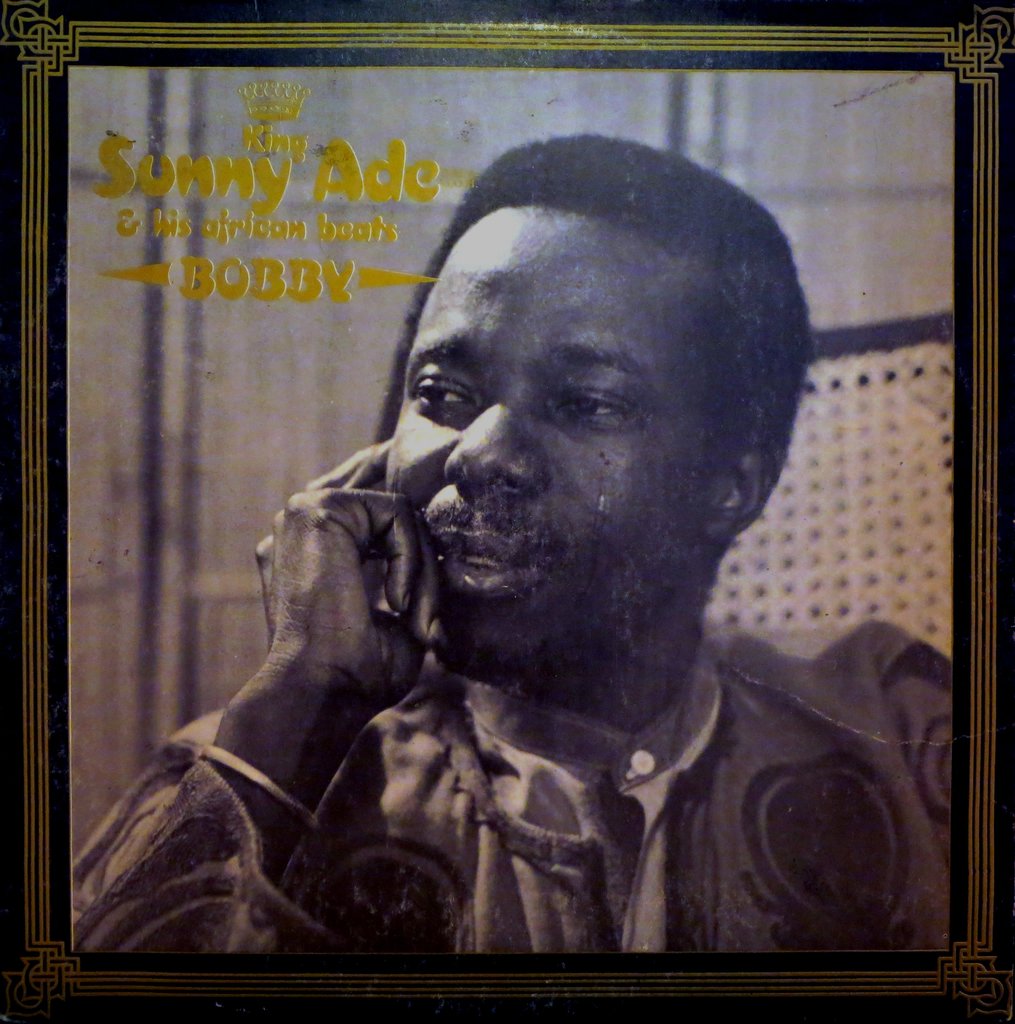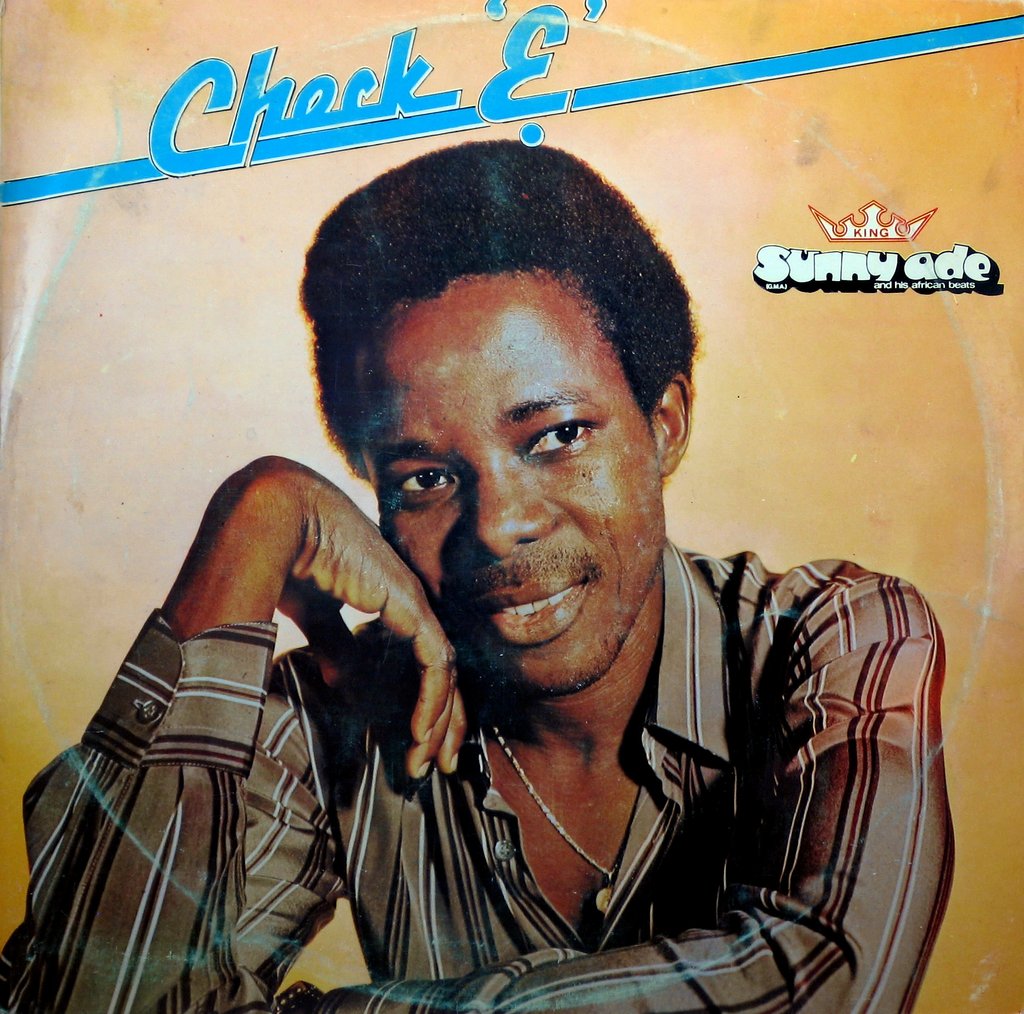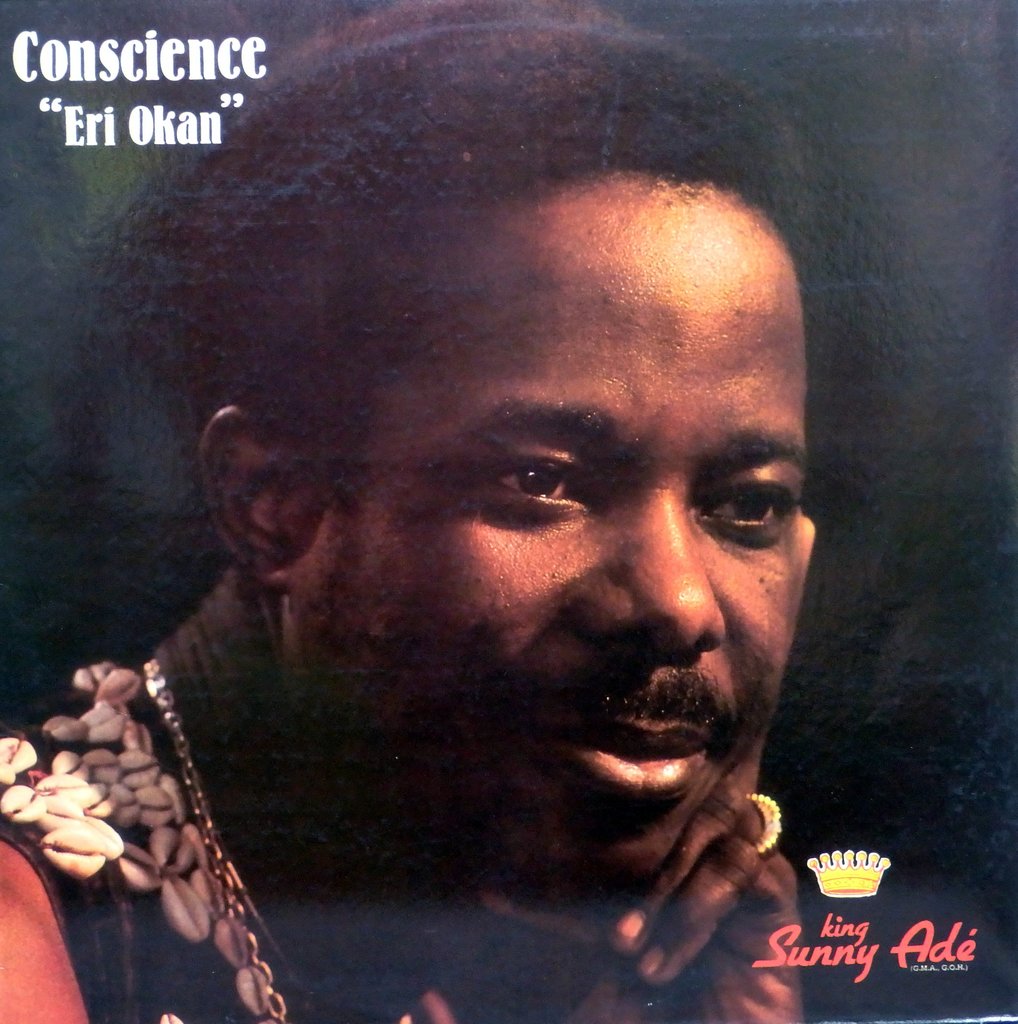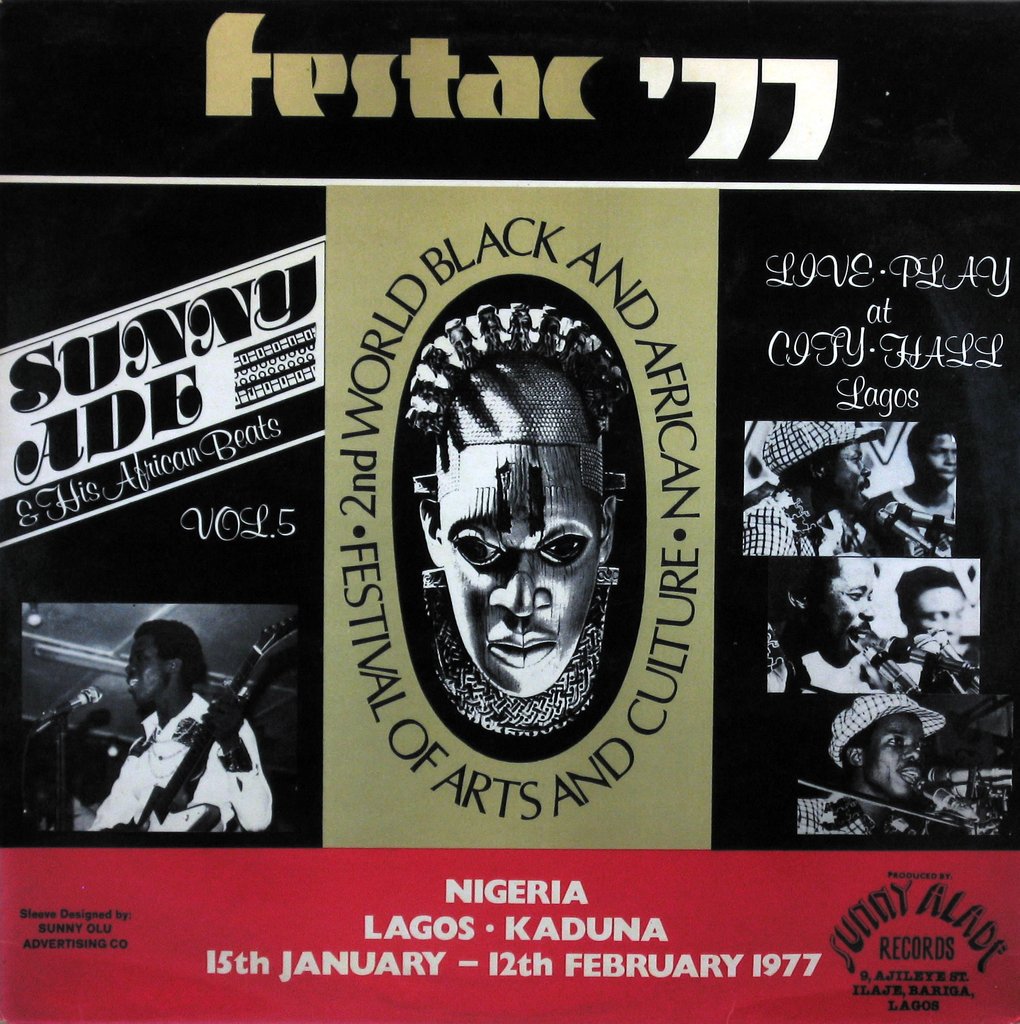
Biography
King Sunny Adé: the king of juju who conquered the world
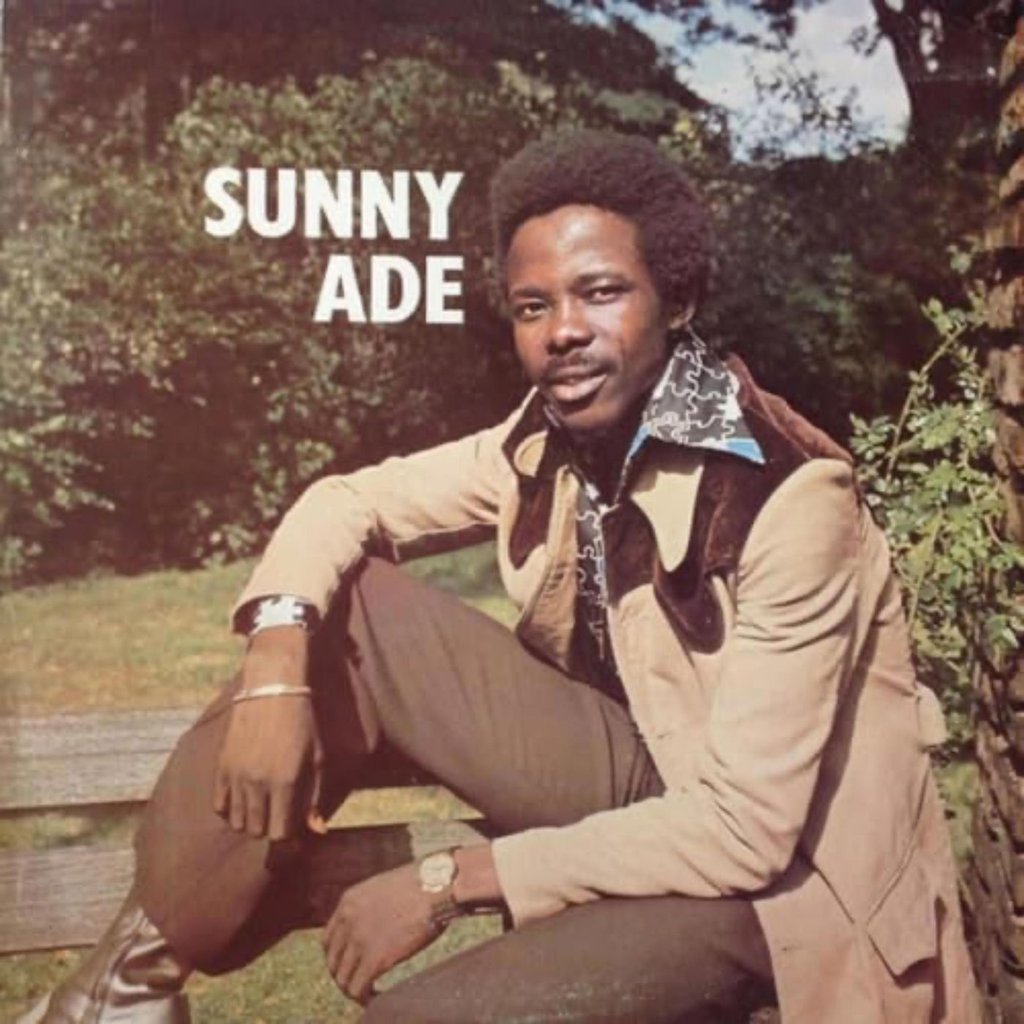
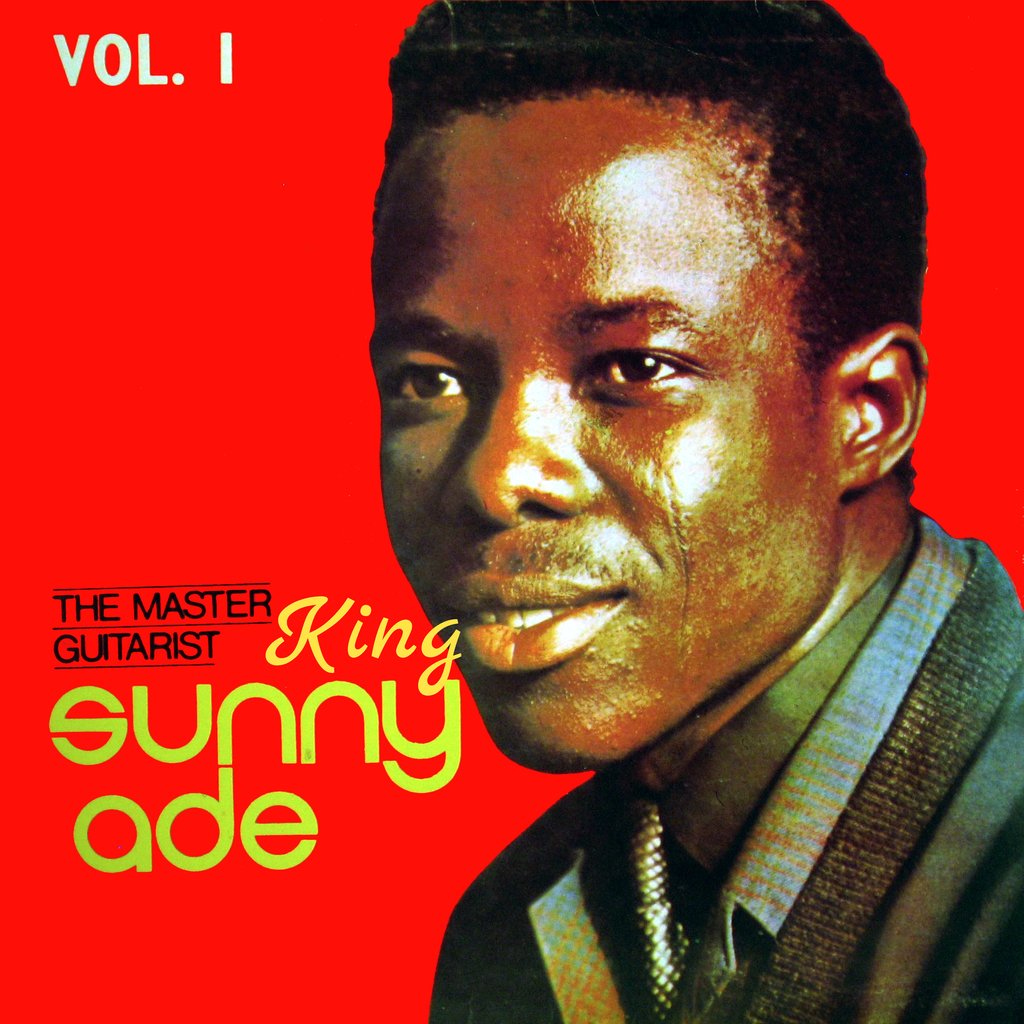
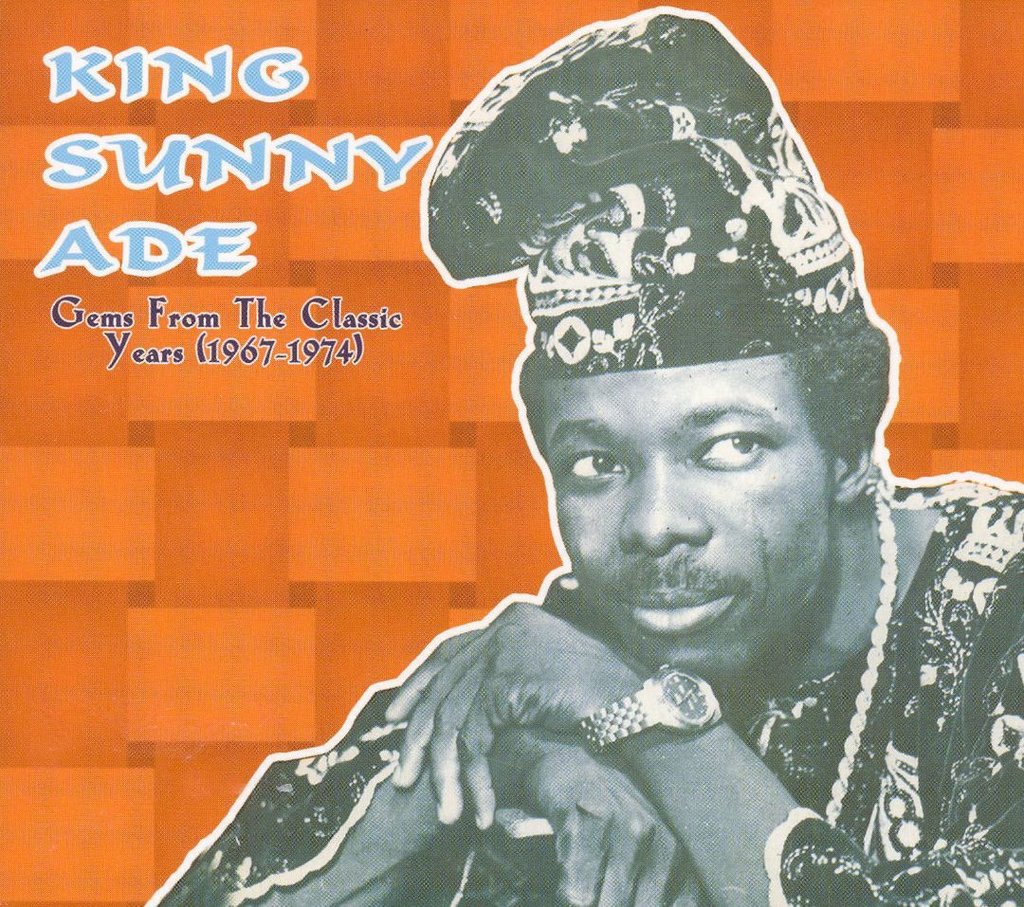
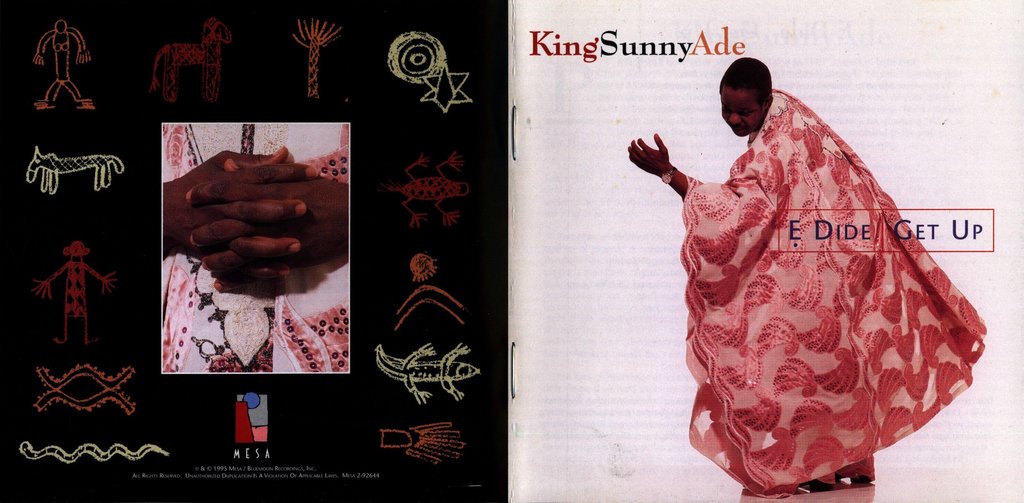
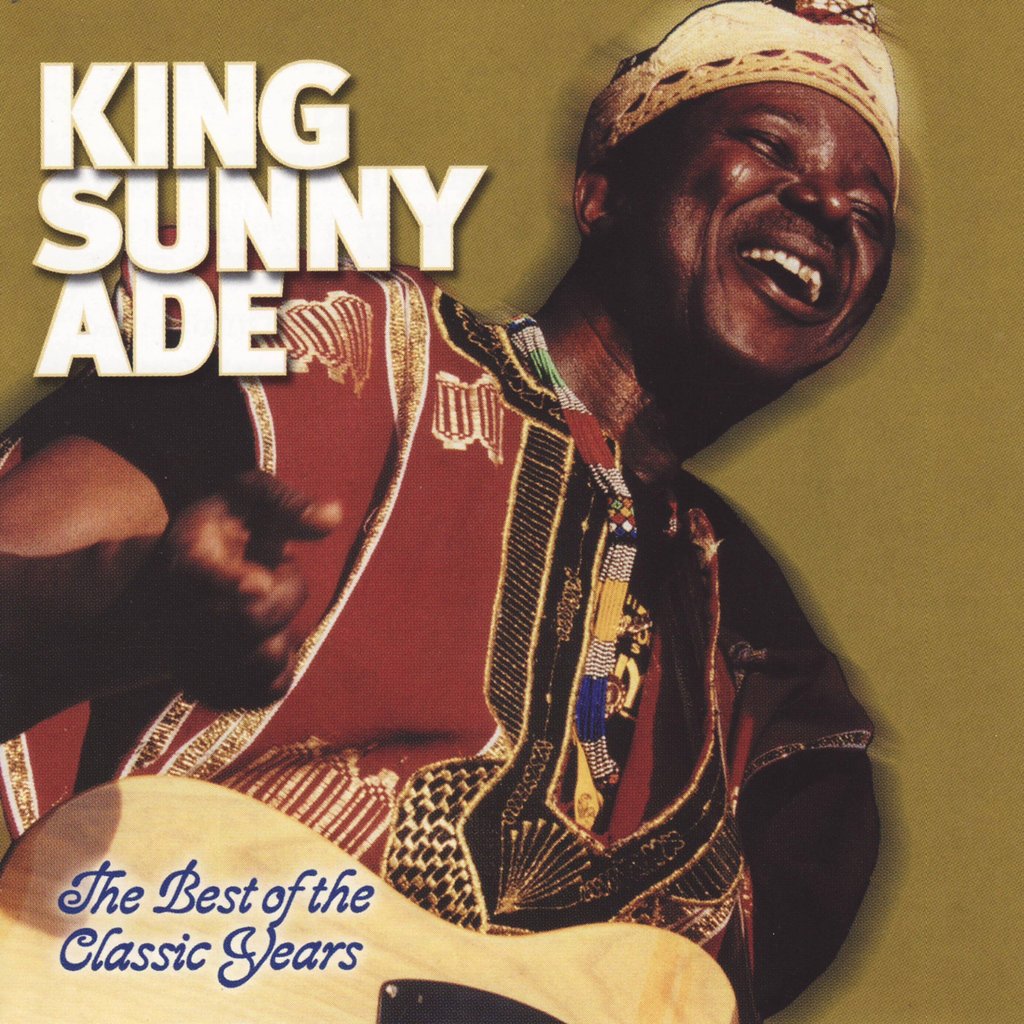
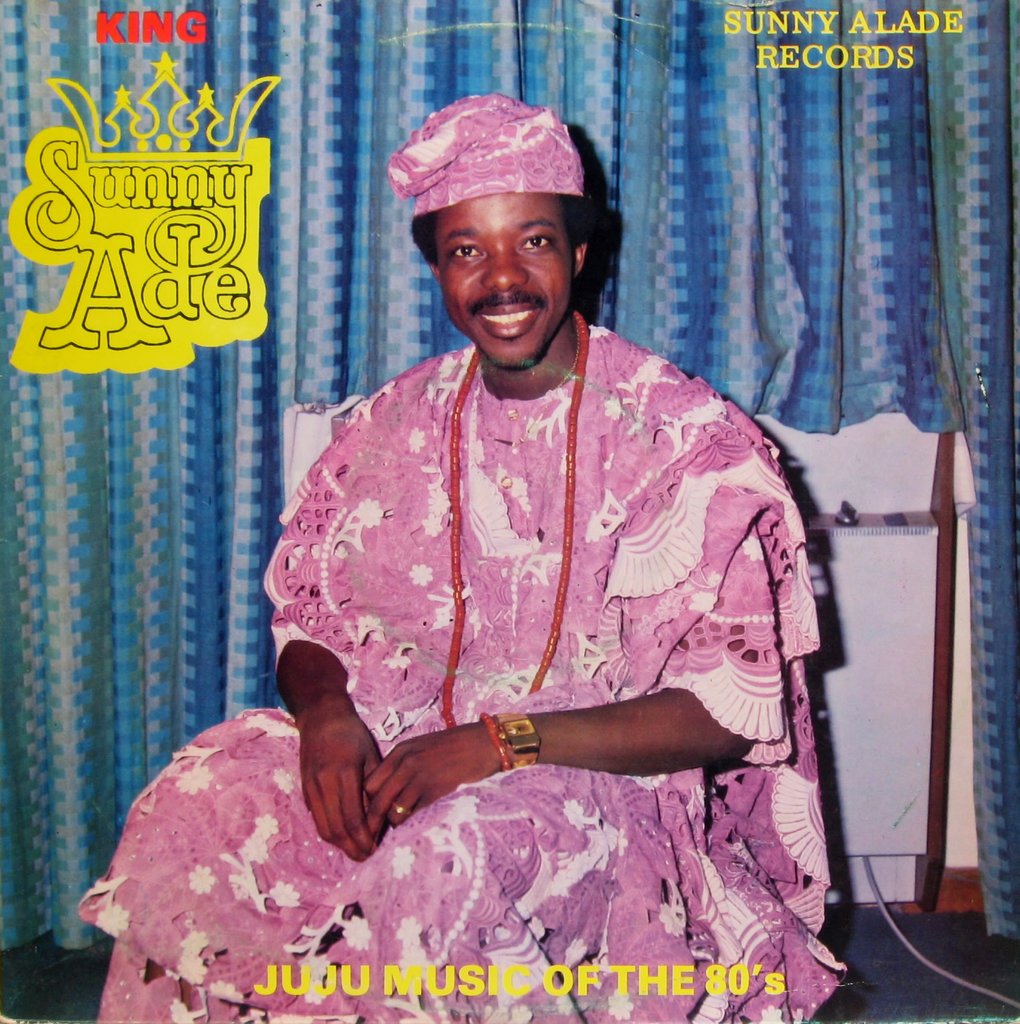
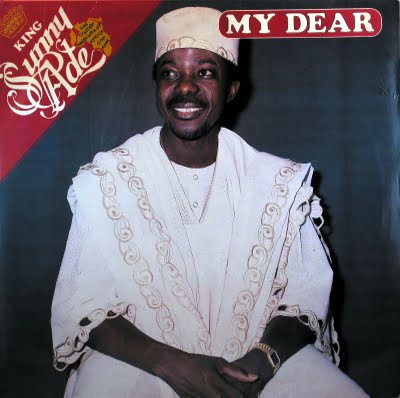
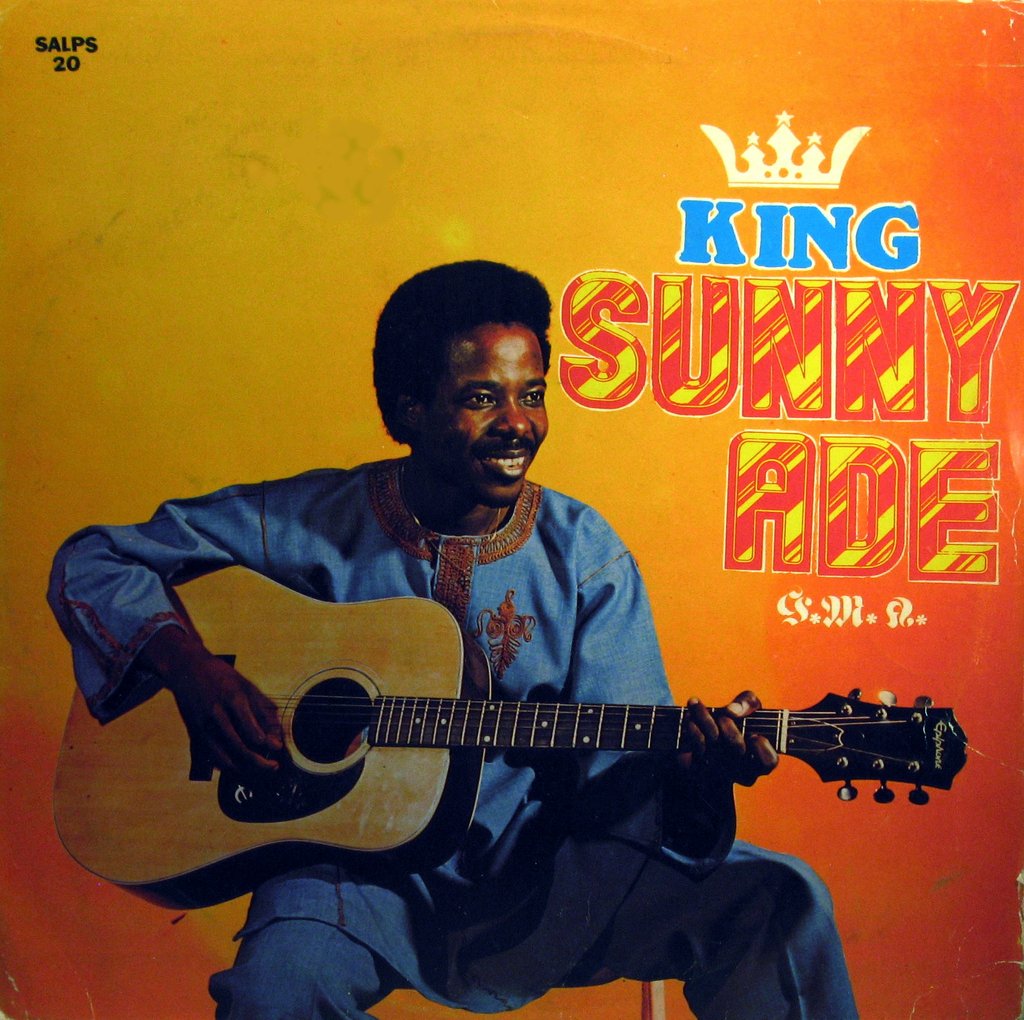
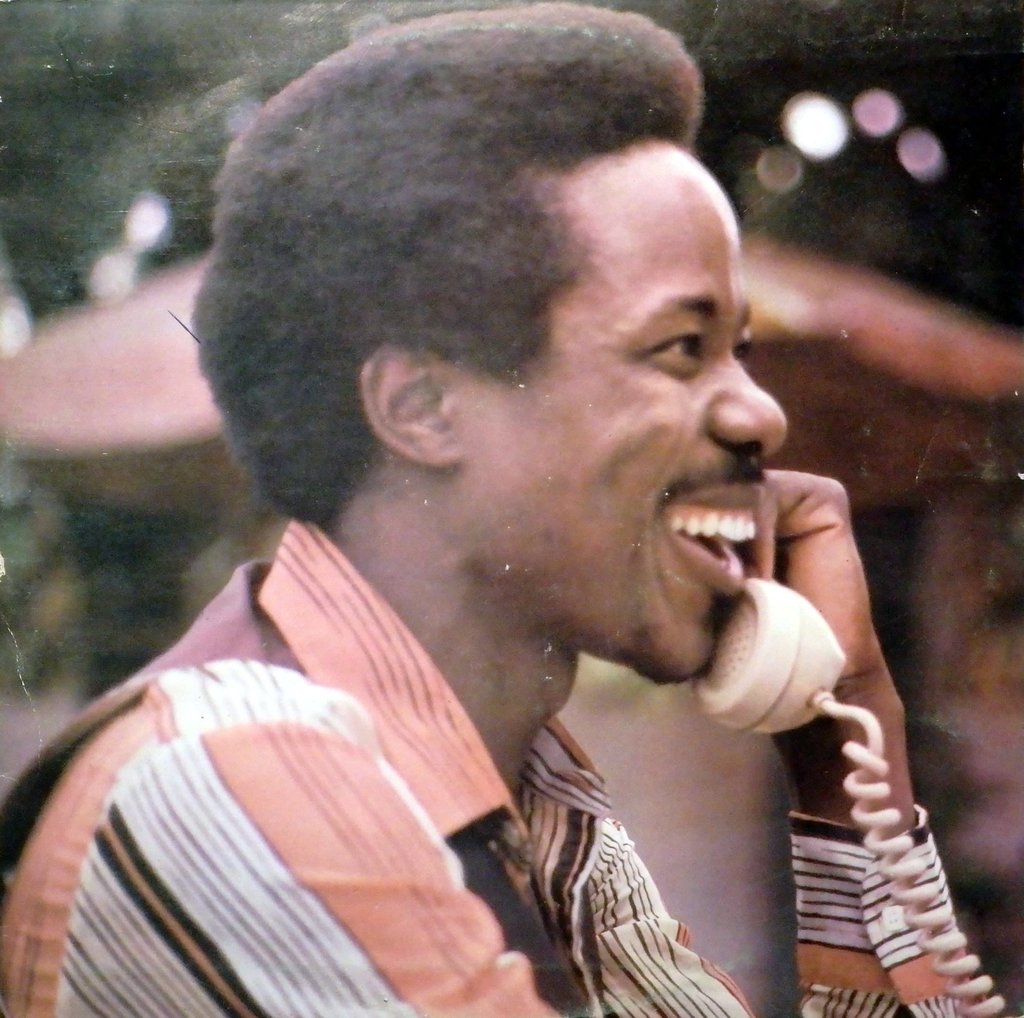
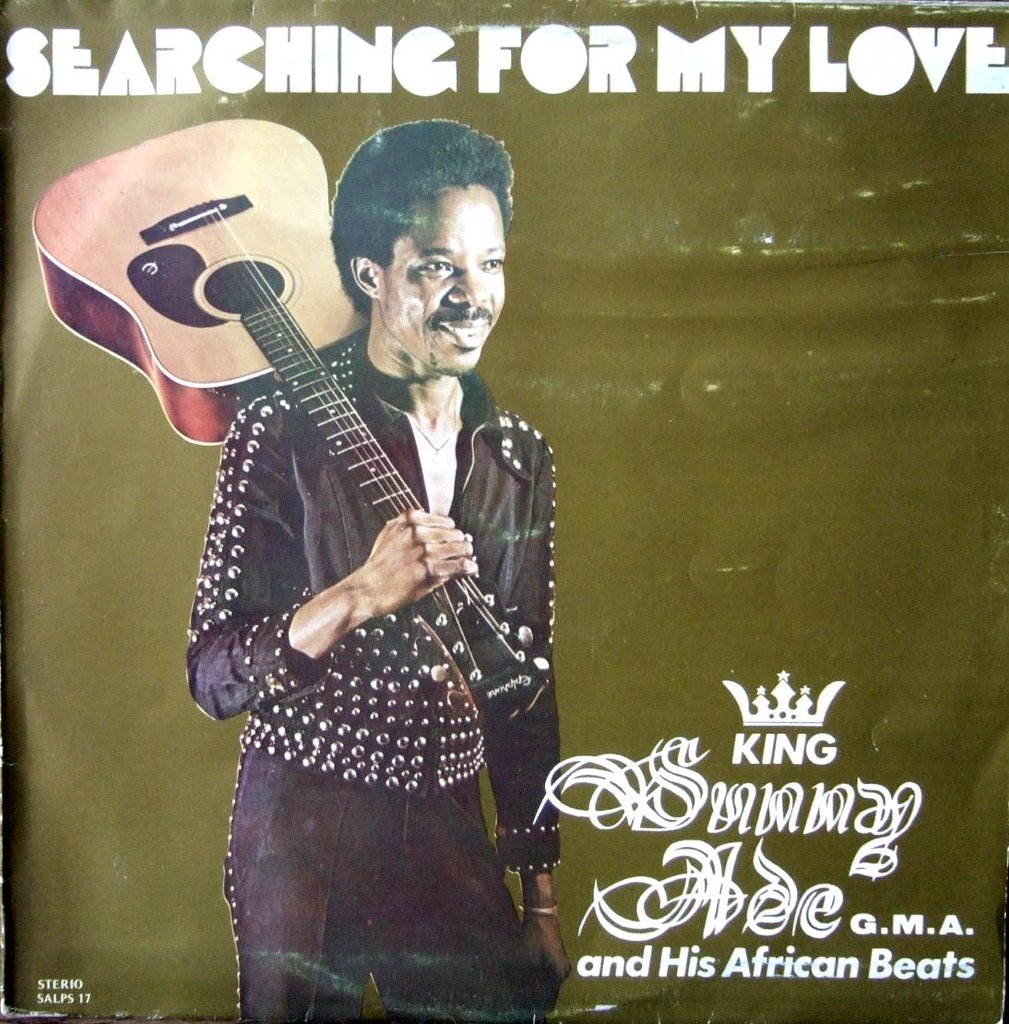
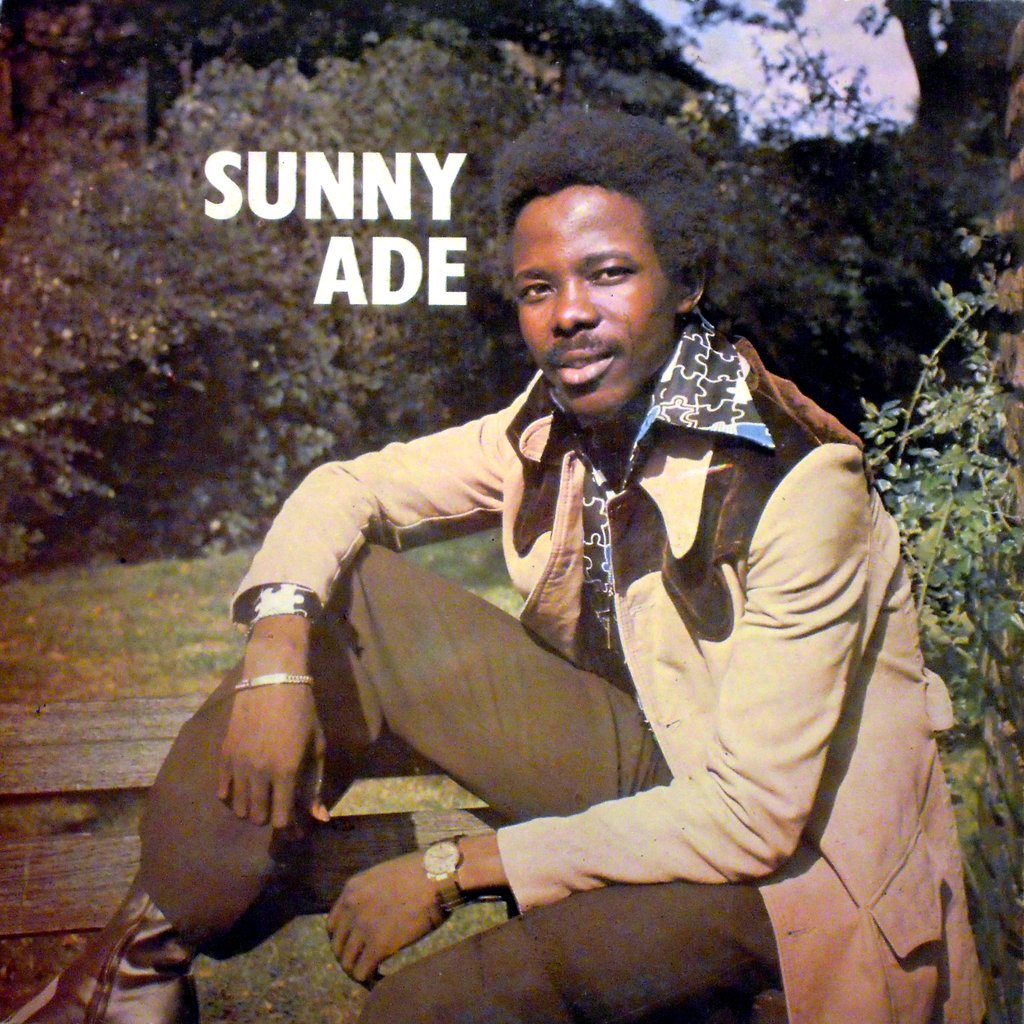
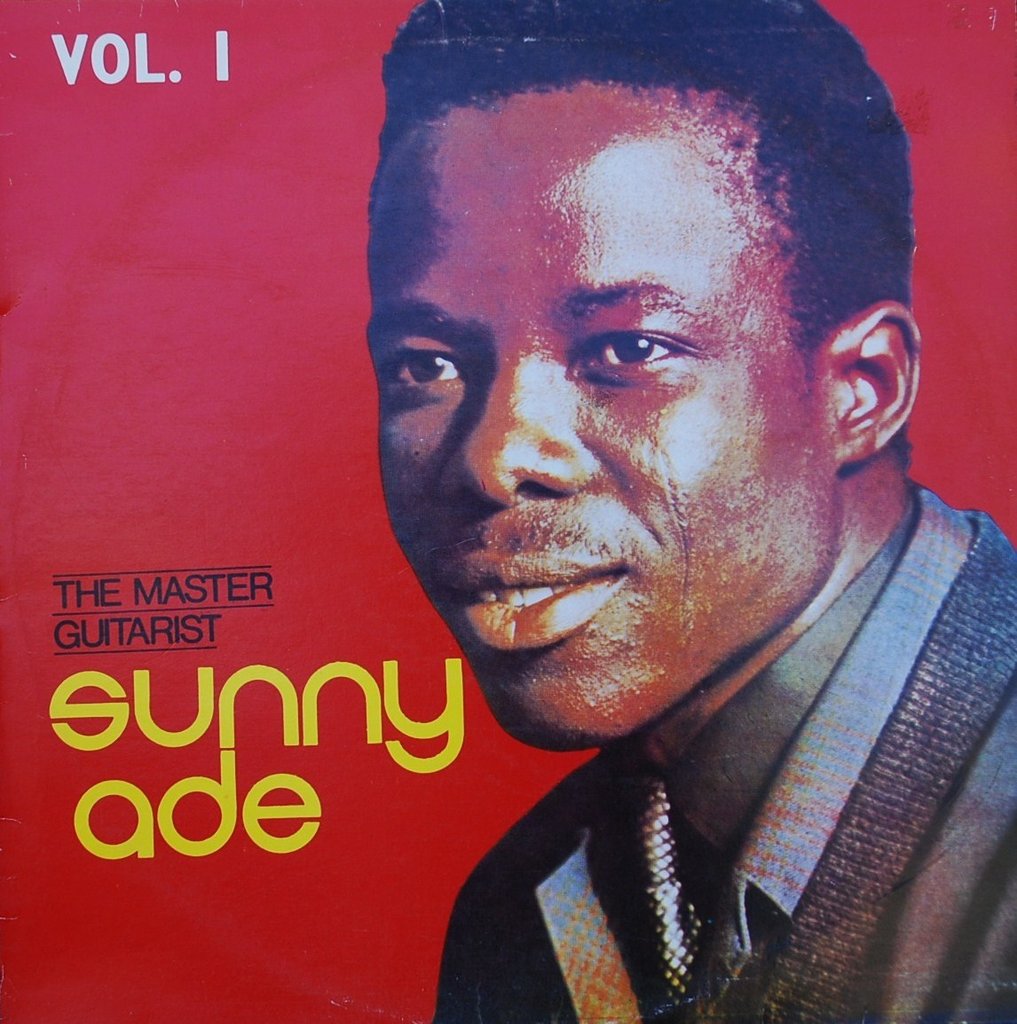
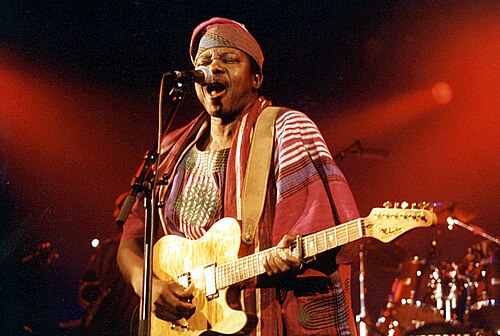
Lagos, 1960s. On a night stage where sweat runs under the spotlights, a guitarist with feline movements sends out steel guitar arpeggios that grind like spoken tongues in the tropical heat. The audience dances, but they also listen—each note tells a story. This young man is Sunday Adeniyi Adegeye, soon baptized by the press as “King of Juju”. He is not yet twenty years old, but he already carries in his fingers the sound that will make him the global ambassador of a music whose name, juju, comes from Yoruba and which fuses traditional percussion with the electric guitars of Western pop.
In brief
| Full name | Chief Sunday Adeniyi Adegeye |
| Birth | September 22, 1946, Oshogbo, Nigeria |
| Field | Juju — Nigerian music stemming from Yoruba tradition, blending percussion, electric guitars and songs of praise |
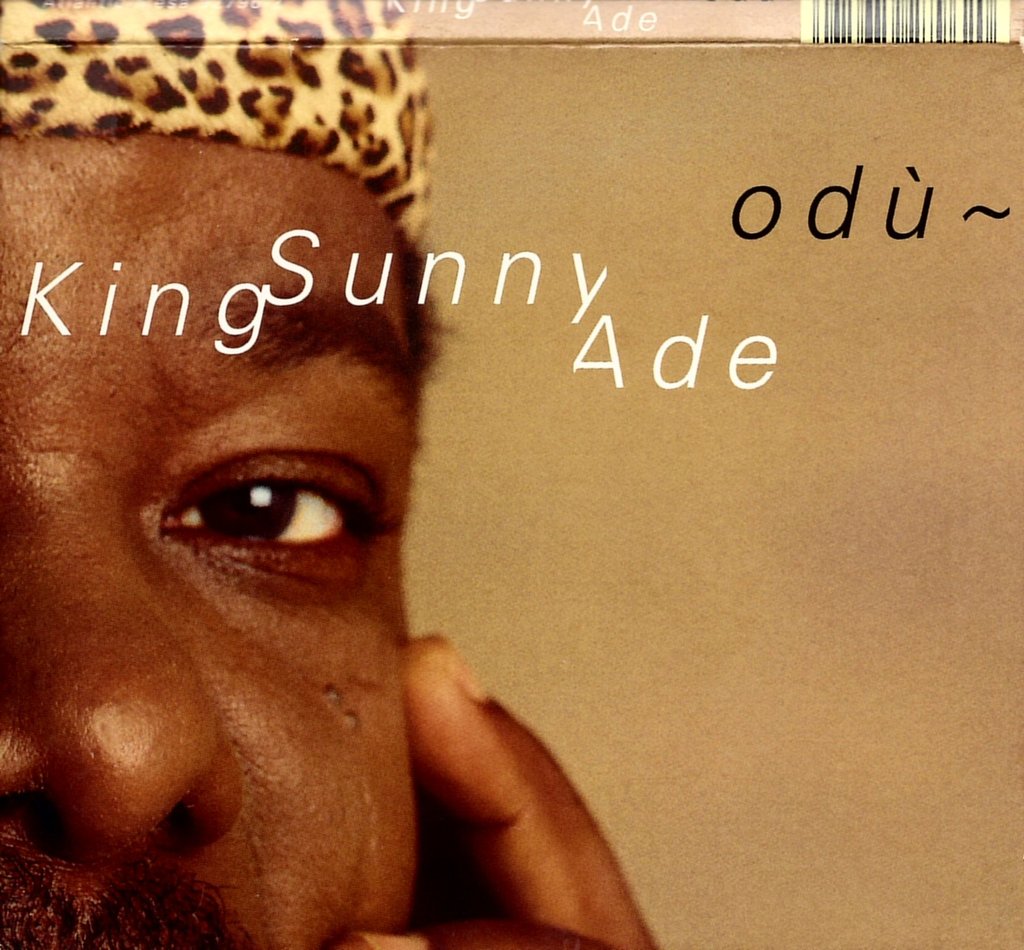
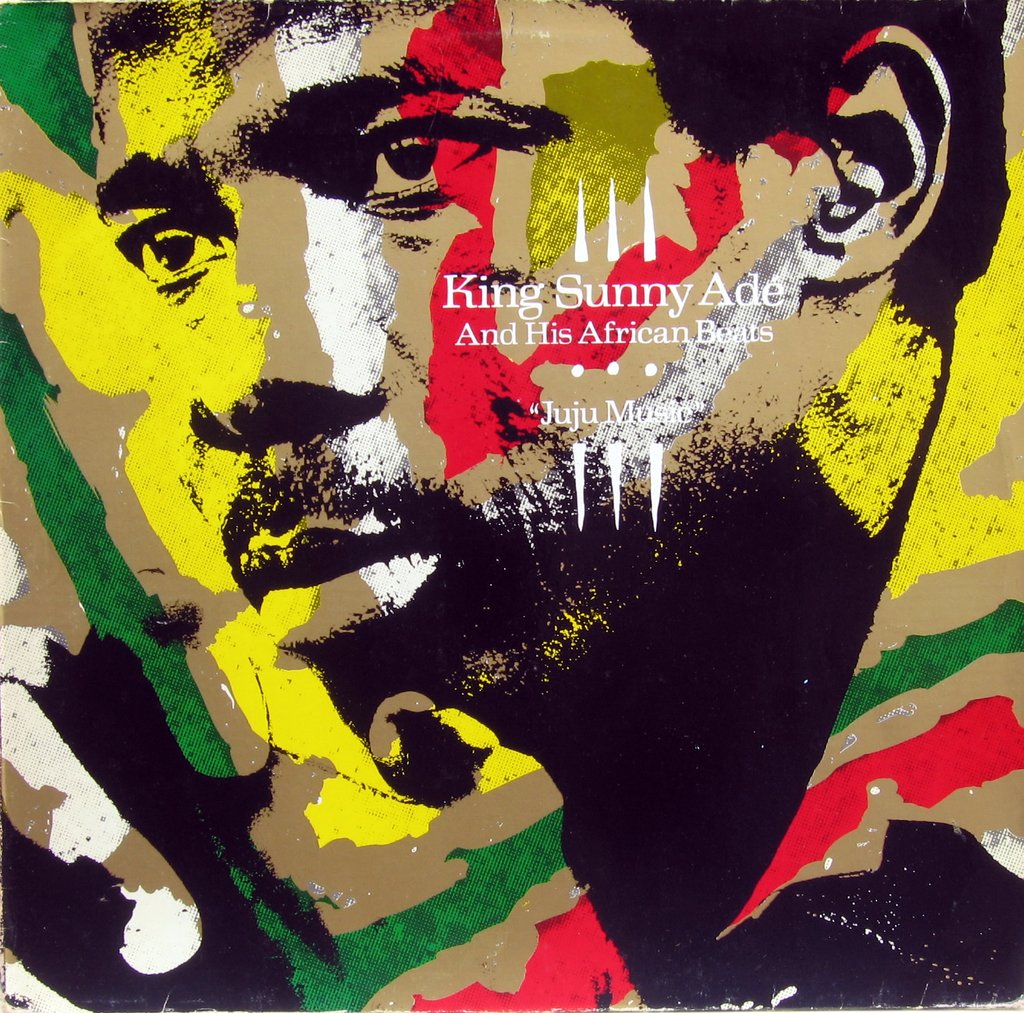
| Iconic works | Juju Music (1982), Synchro System (1983), Odu (1998) |
| Honors | Two Grammy Award nominations, MFR (Order of the Federal Republic of Nigeria), Afropop Hall of Fame, AFRIMA |
Key dates
| Year | Event |
|---|---|
| 1946 | Birth of Sunday Adeniyi Adegeye in Oshogbo, in a Yoruba royal family |
| 1963 | Leaves school under the pretext of entering university, moves to Lagos for music |
| 1965 | Forms his own group, Sunny Adé and His High Society Band |
| 1967 | Creates the Green Spots; first success with “Challenge Cup” (500,000 copies) |
| 1975 | Found his own label, Sunny Alade Records |
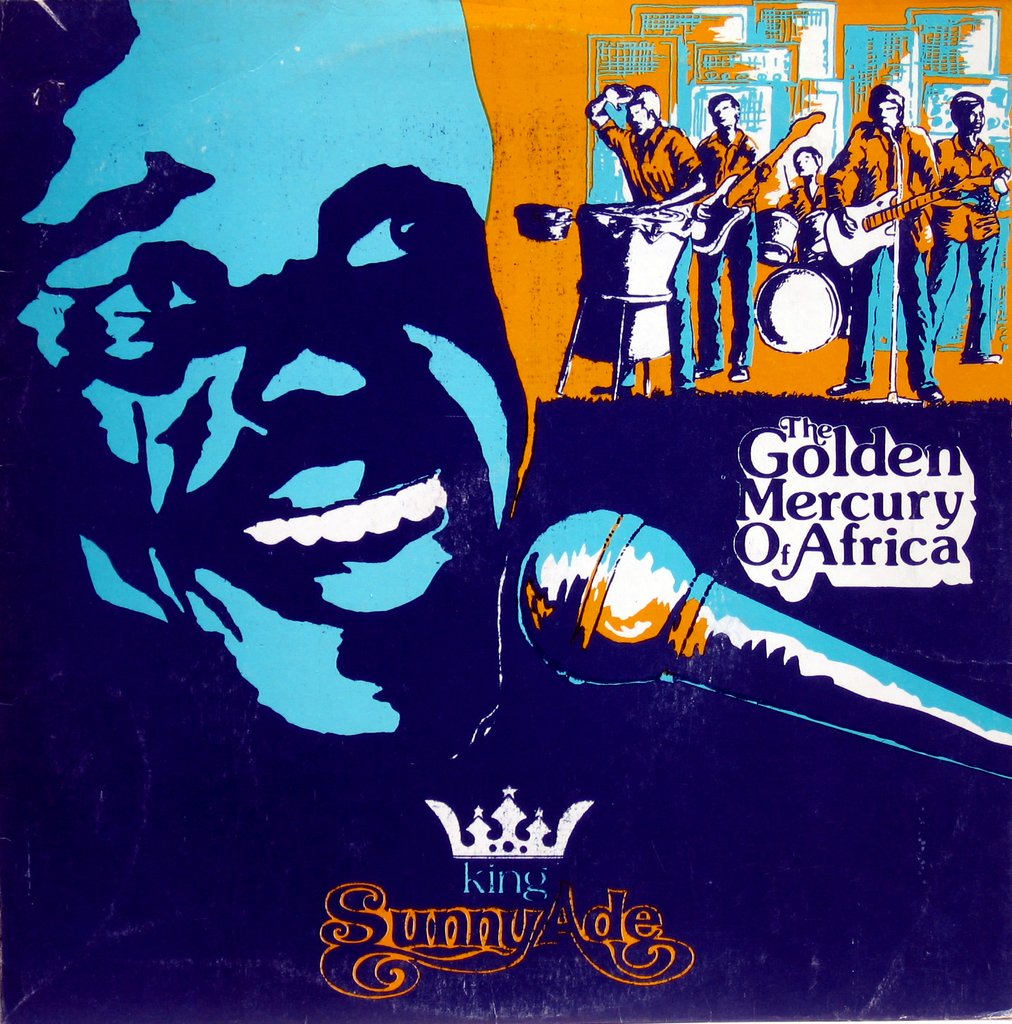
| 1977 | Proclaimed “King of Juju” by the music press |
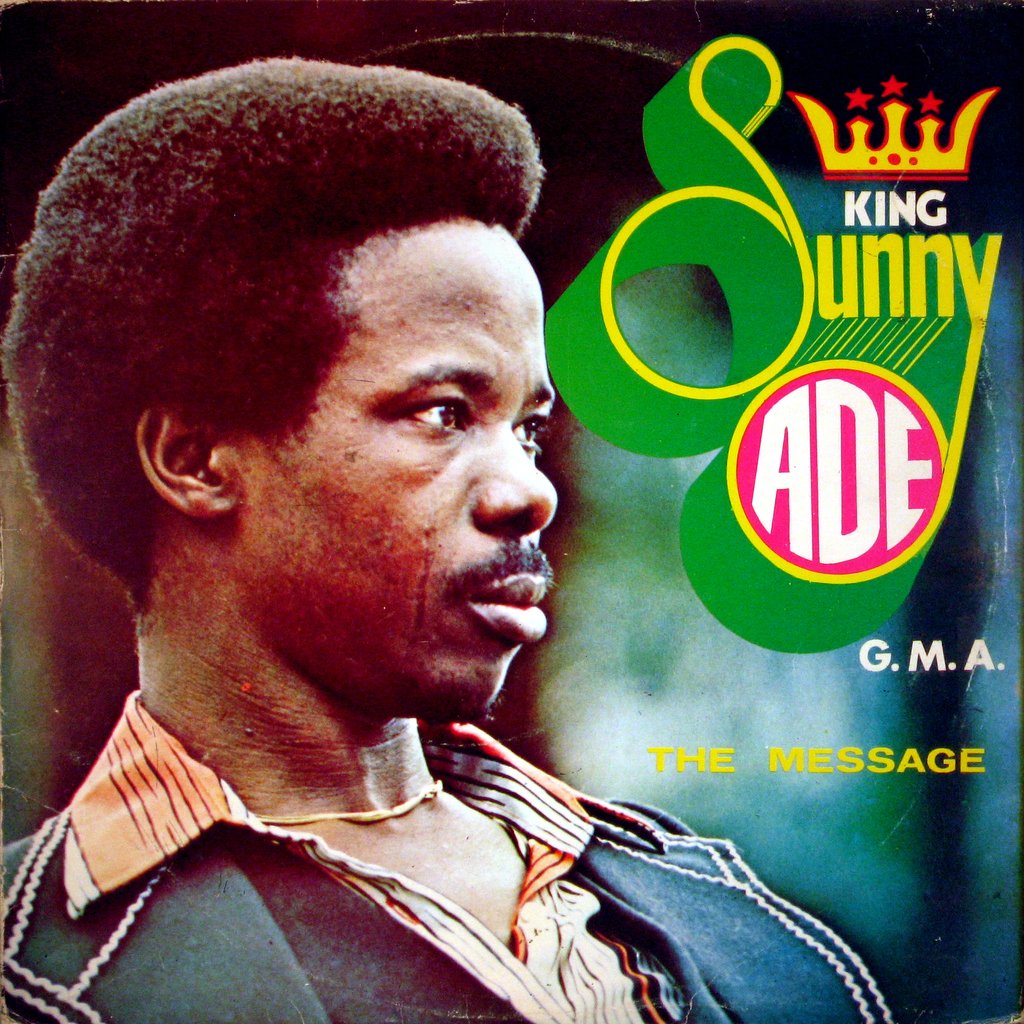
| 1982 | Signing with Island Records; release of Juju Music |
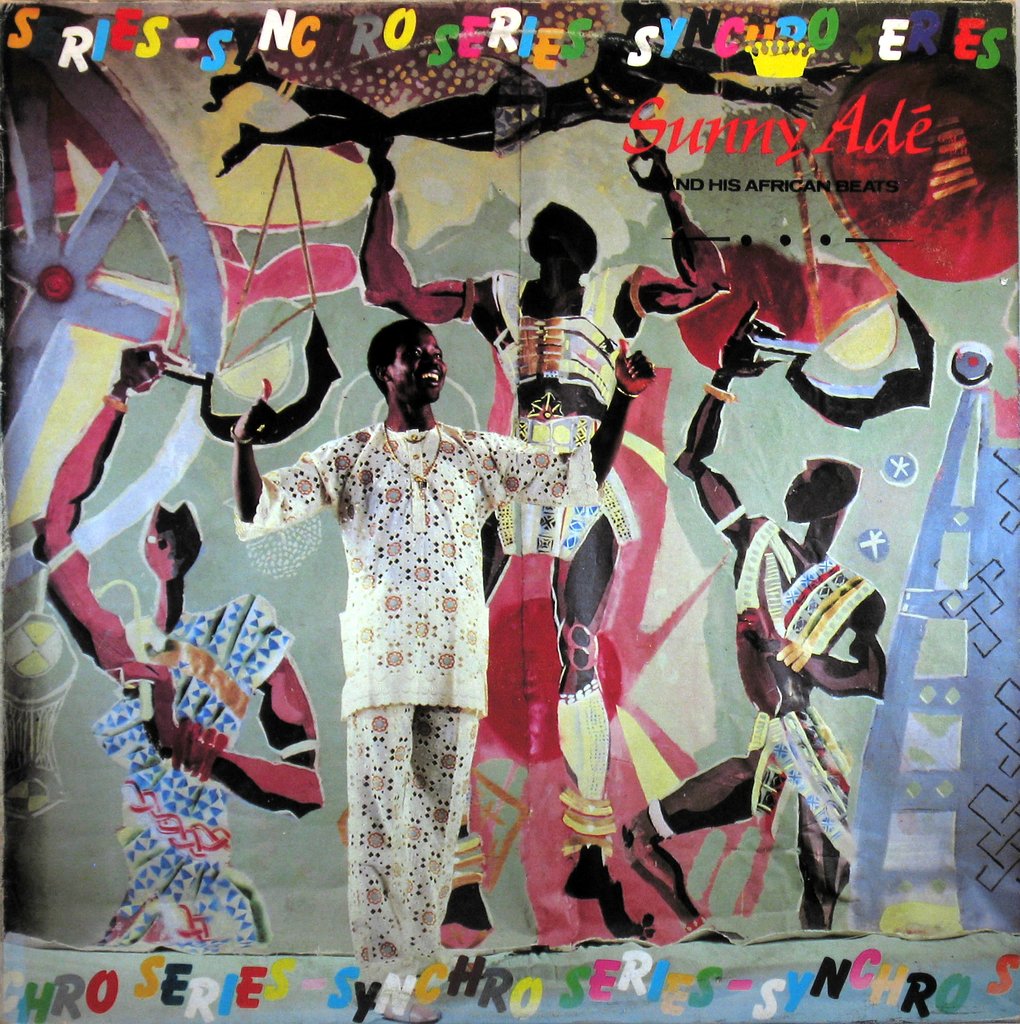
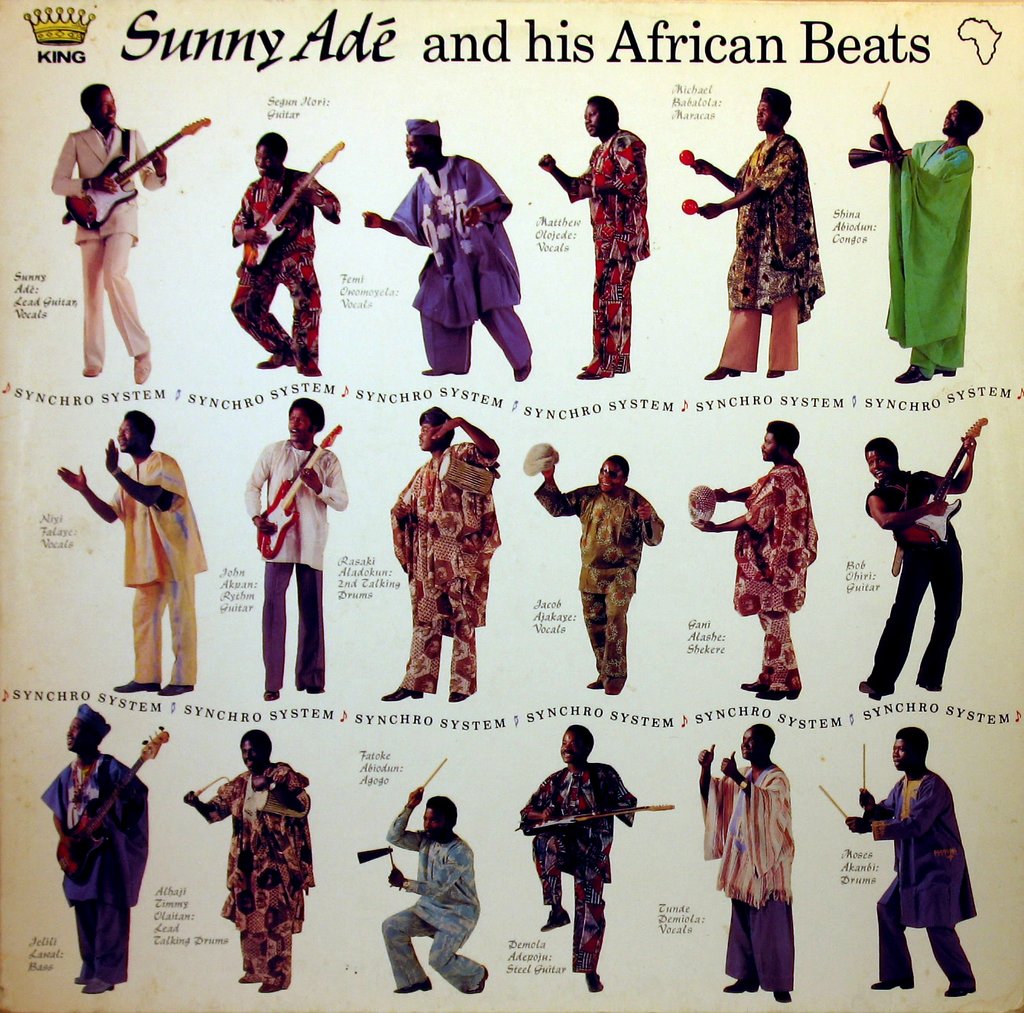
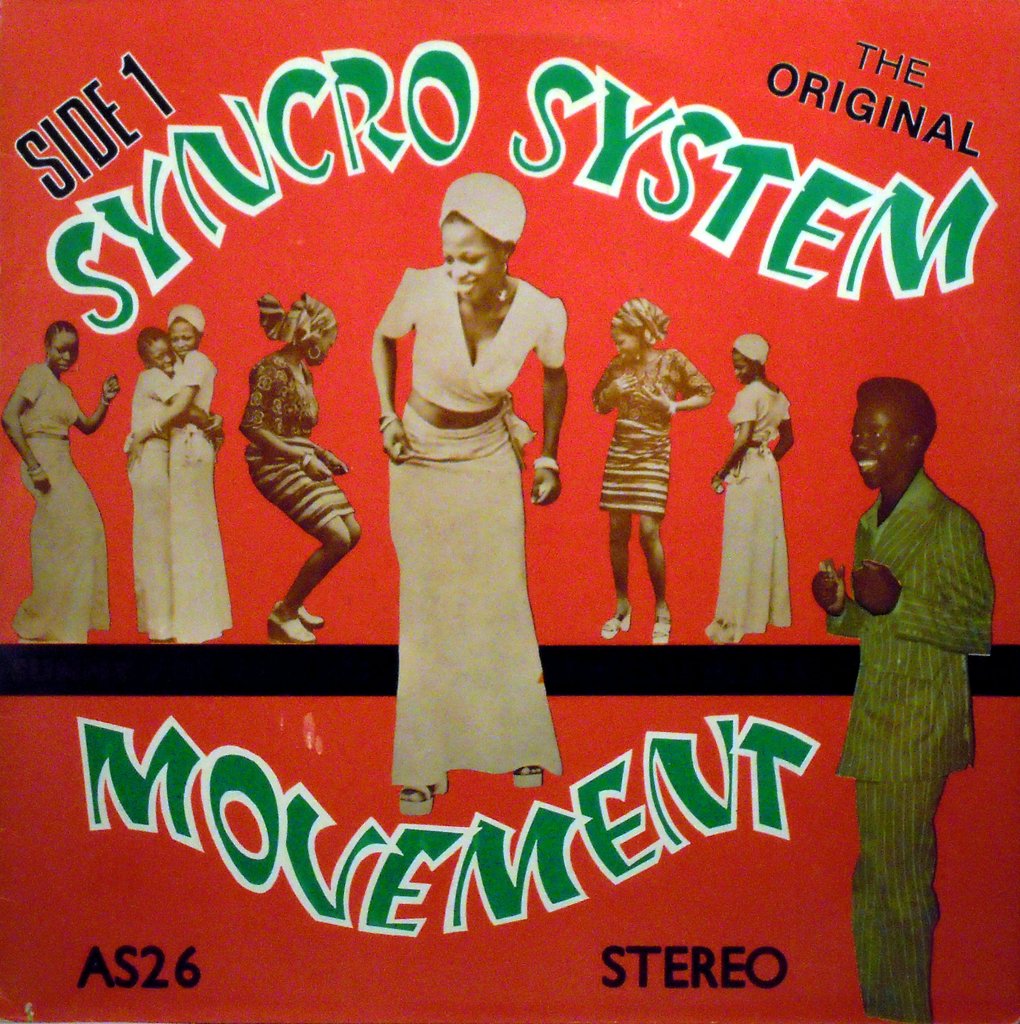
| 1983 | Synchro System earns his first Grammy Award nomination |
| 1995 | Launch of the King Sunny Adé Foundation |
| 1998 | Second Grammy Award nomination for Odu |
| 2009 | Inducted into the Afropop Hall of Fame |
| 2026 | His 80th birthday; he remains active and archives his discography |
The king of juju
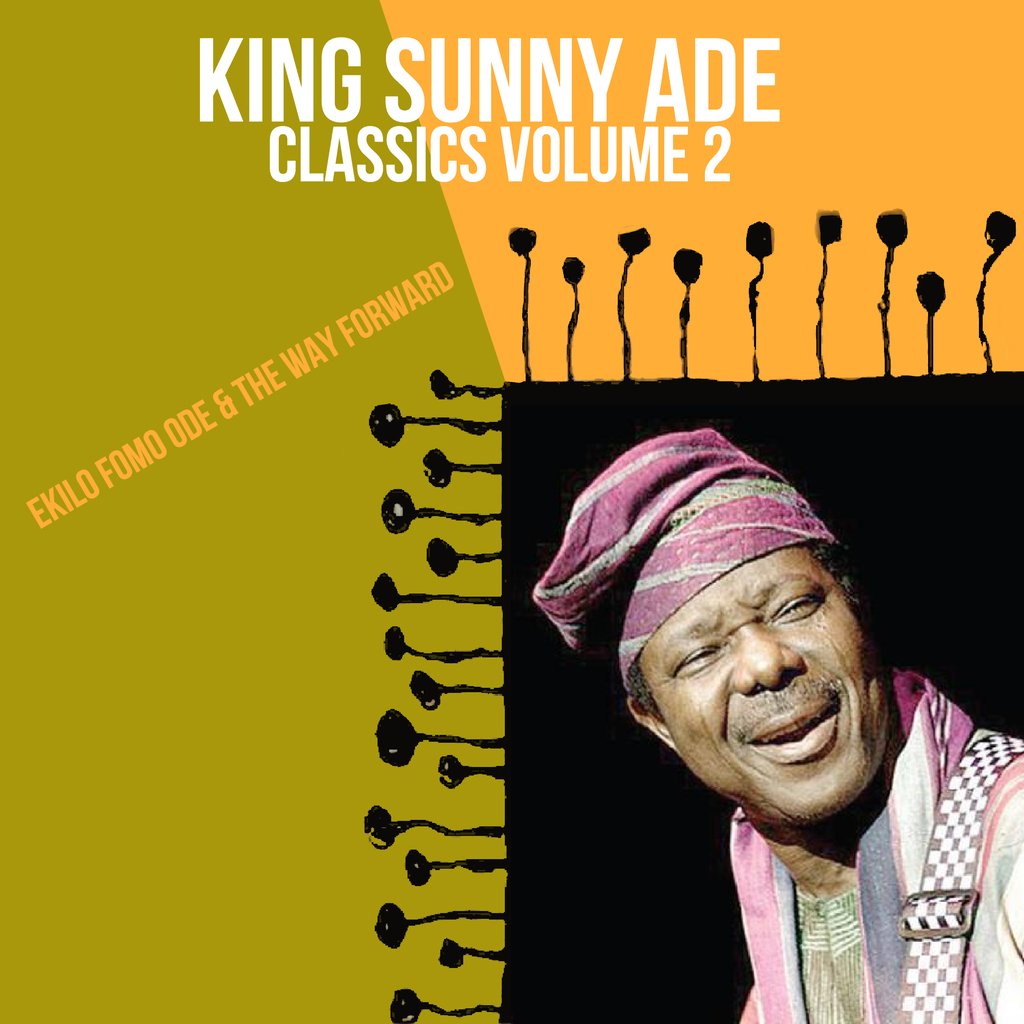
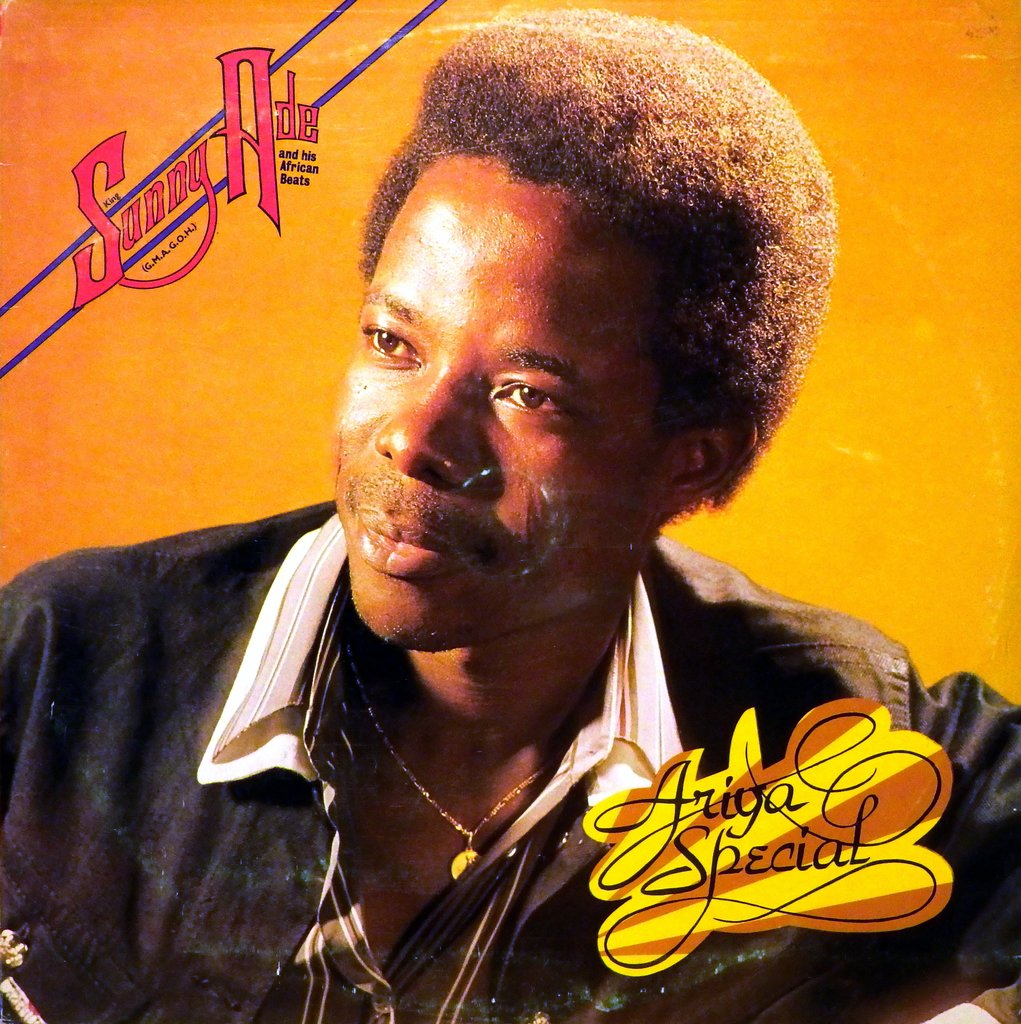
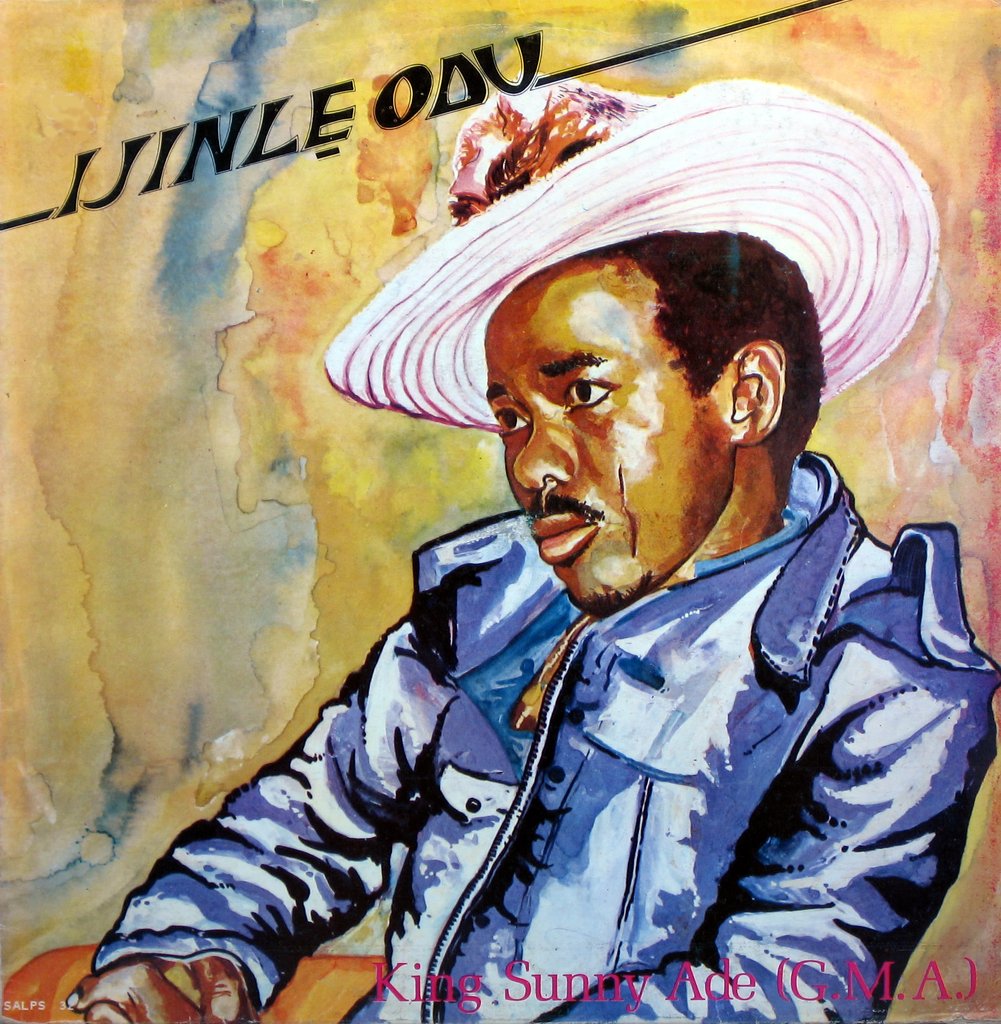
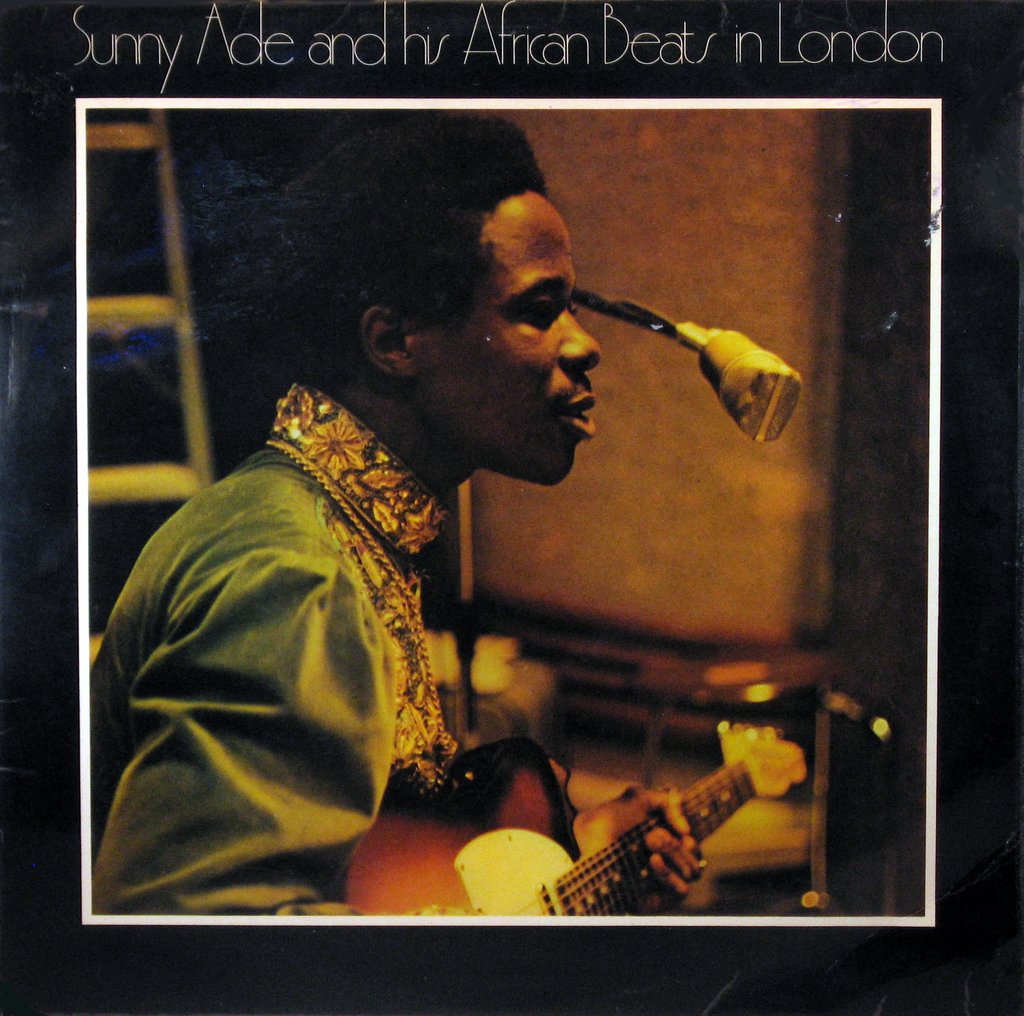
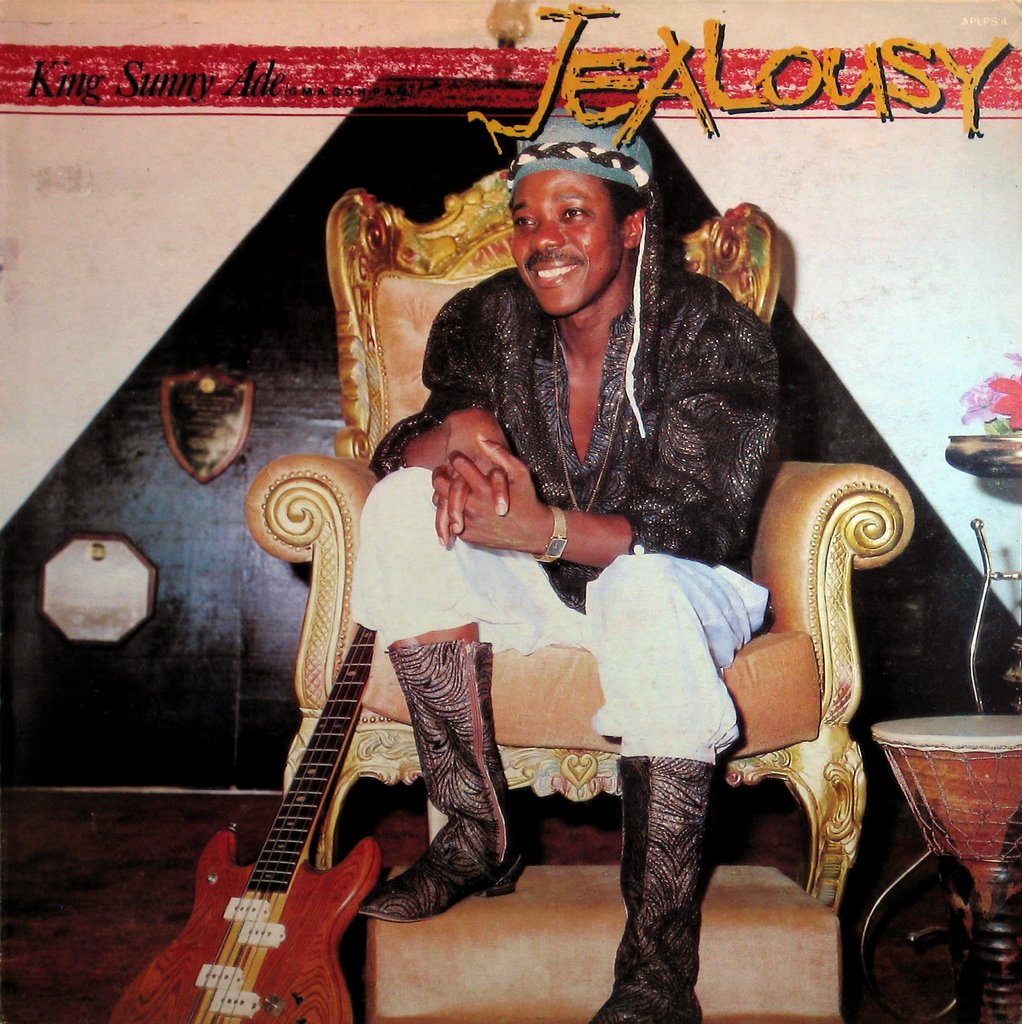
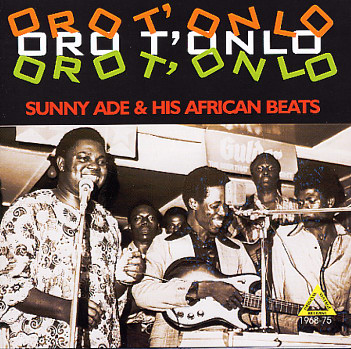
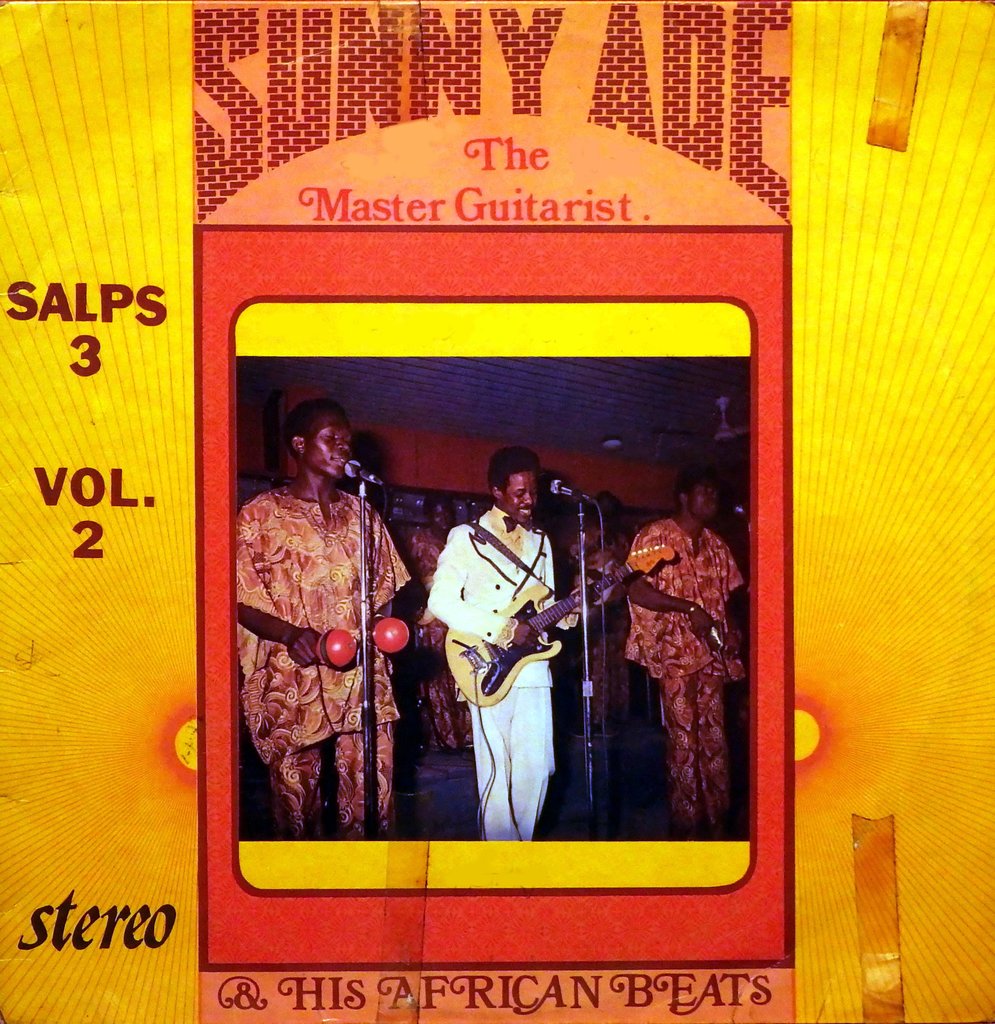
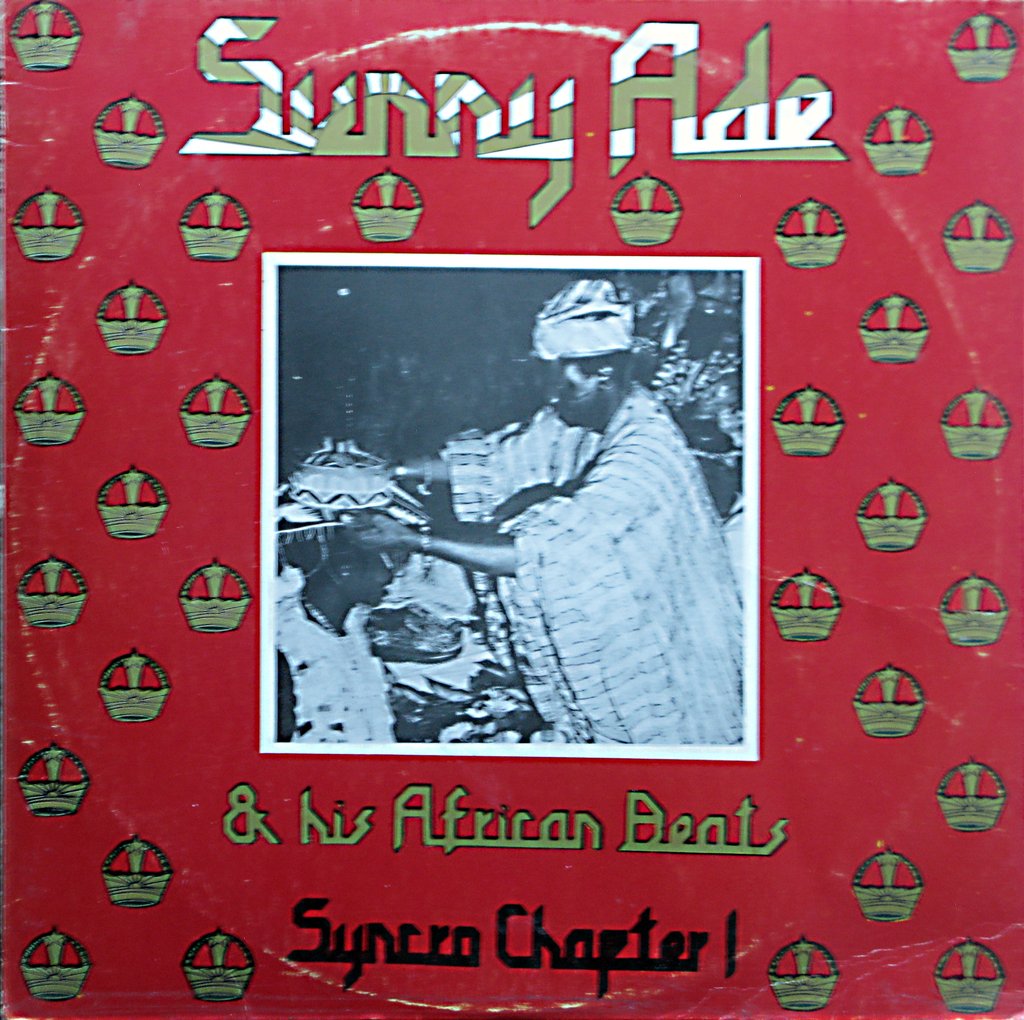
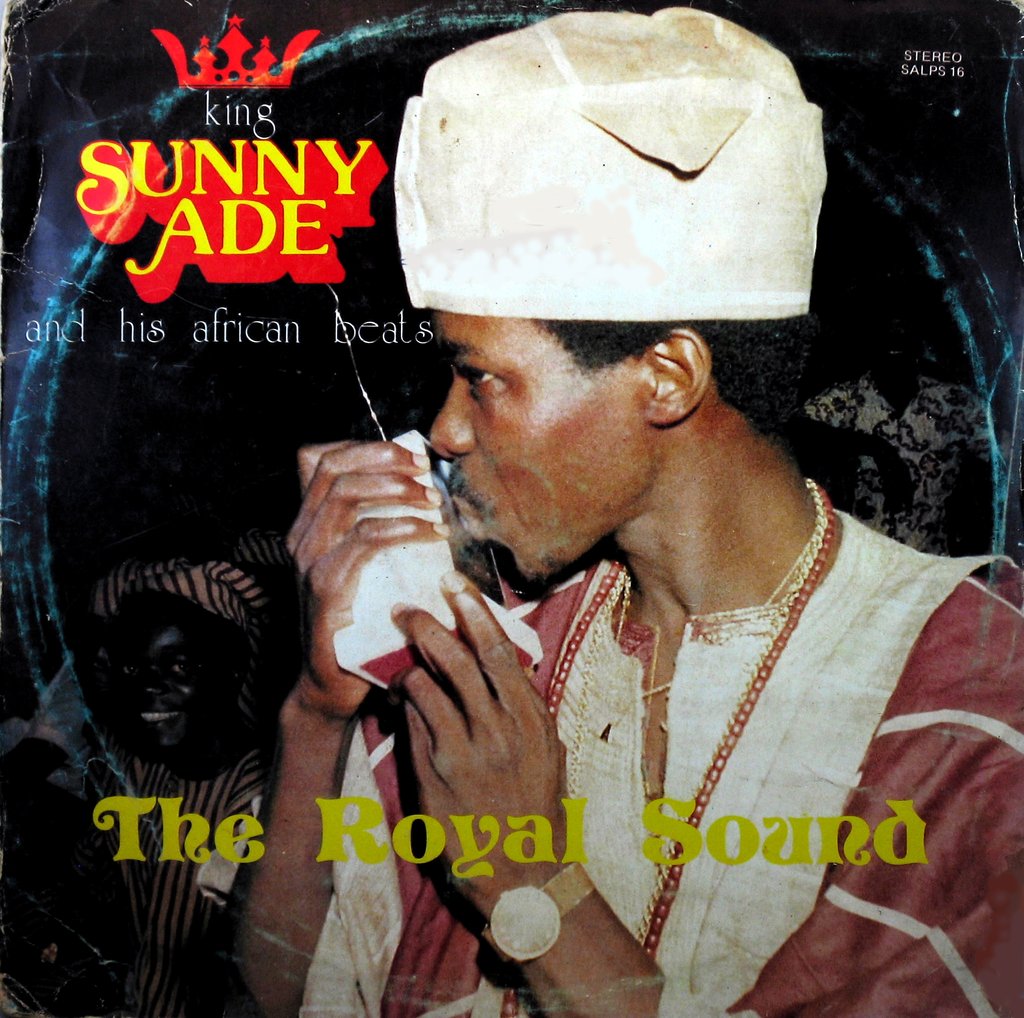
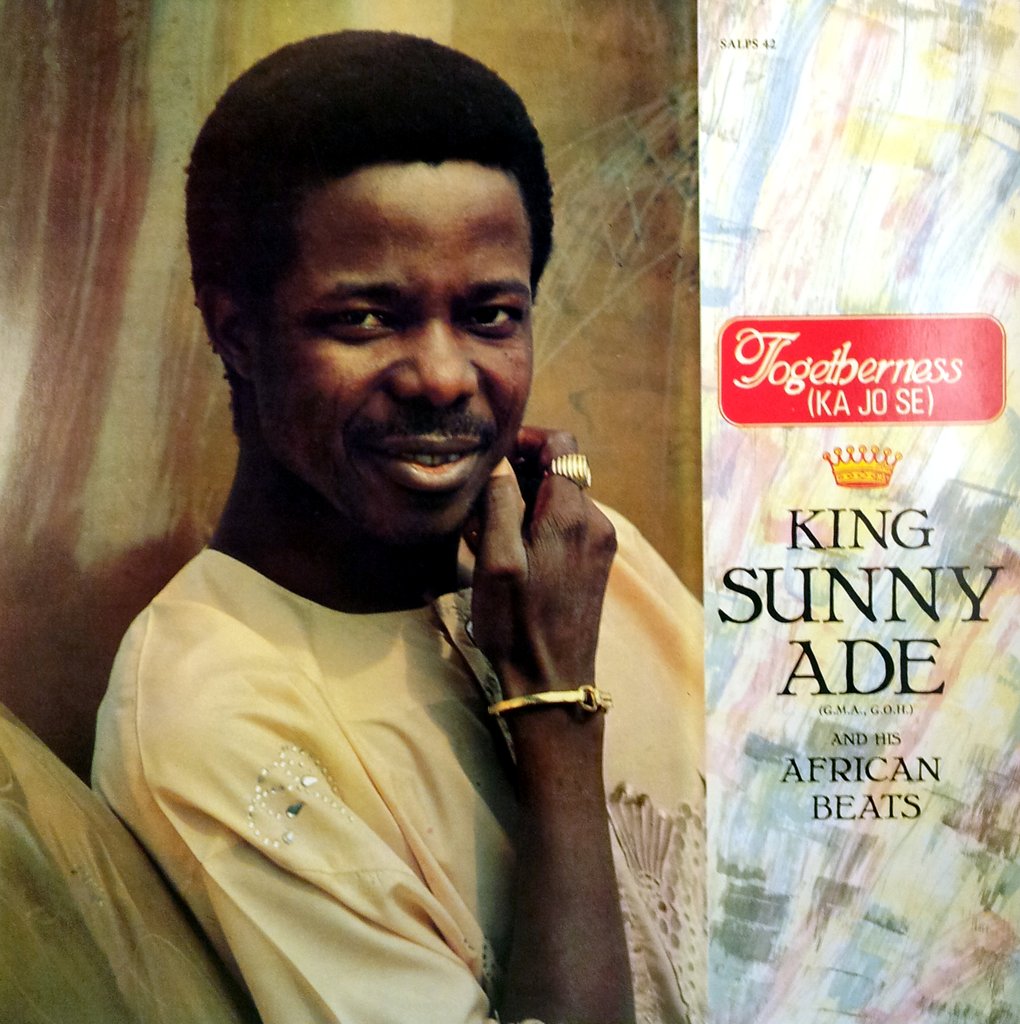
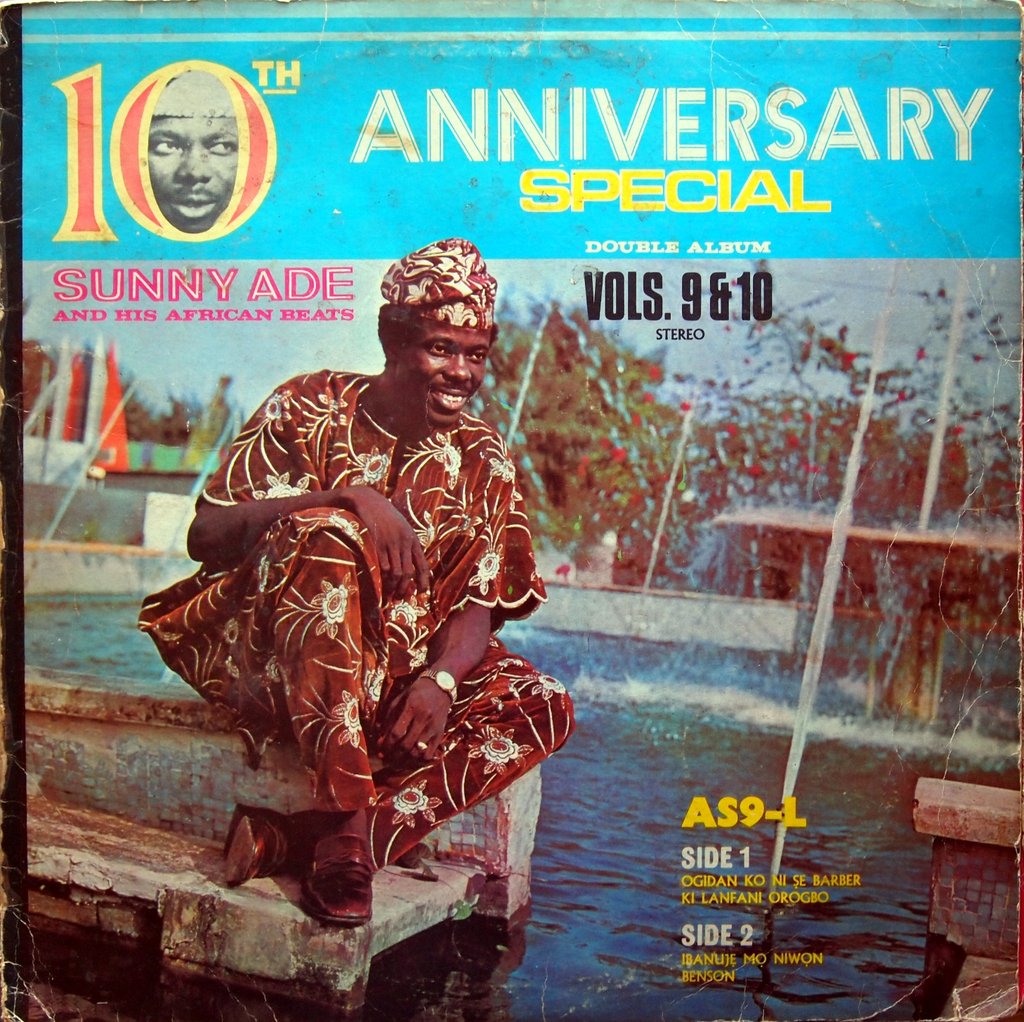
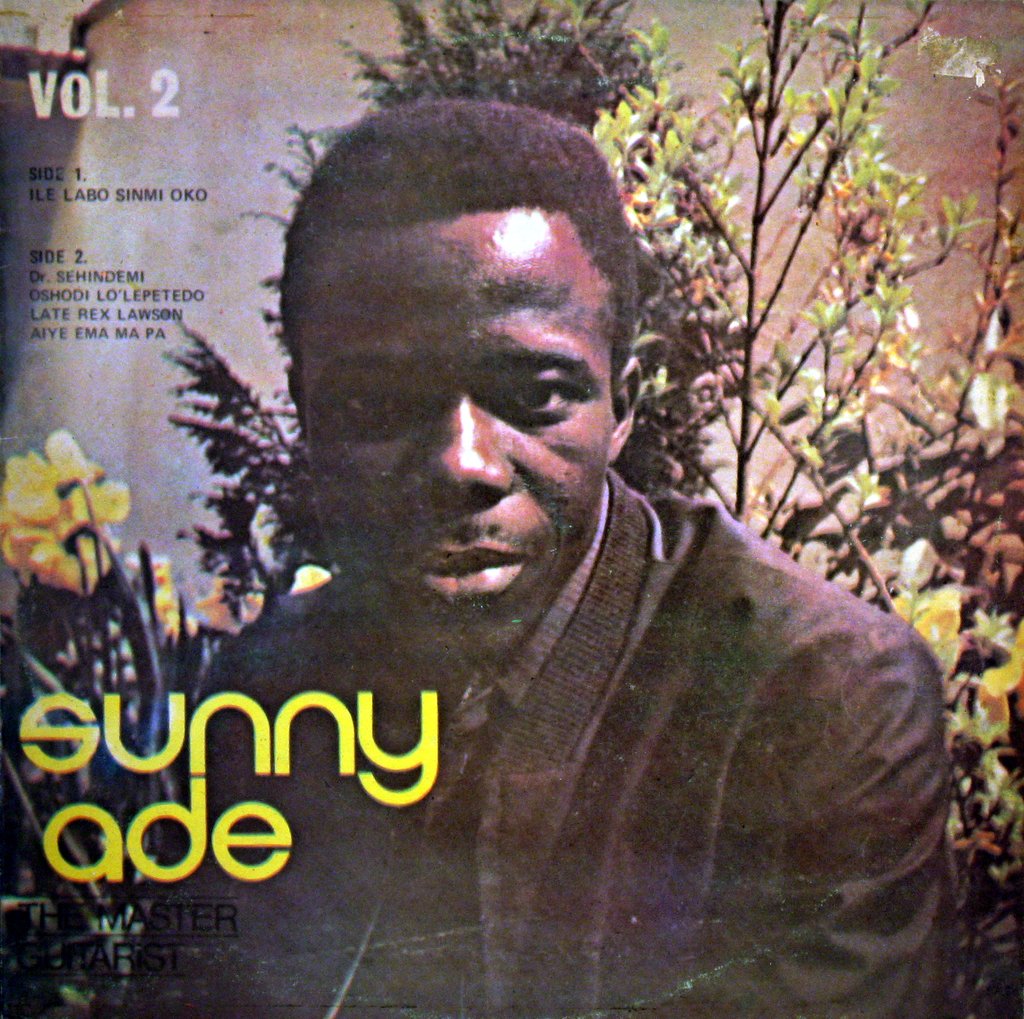
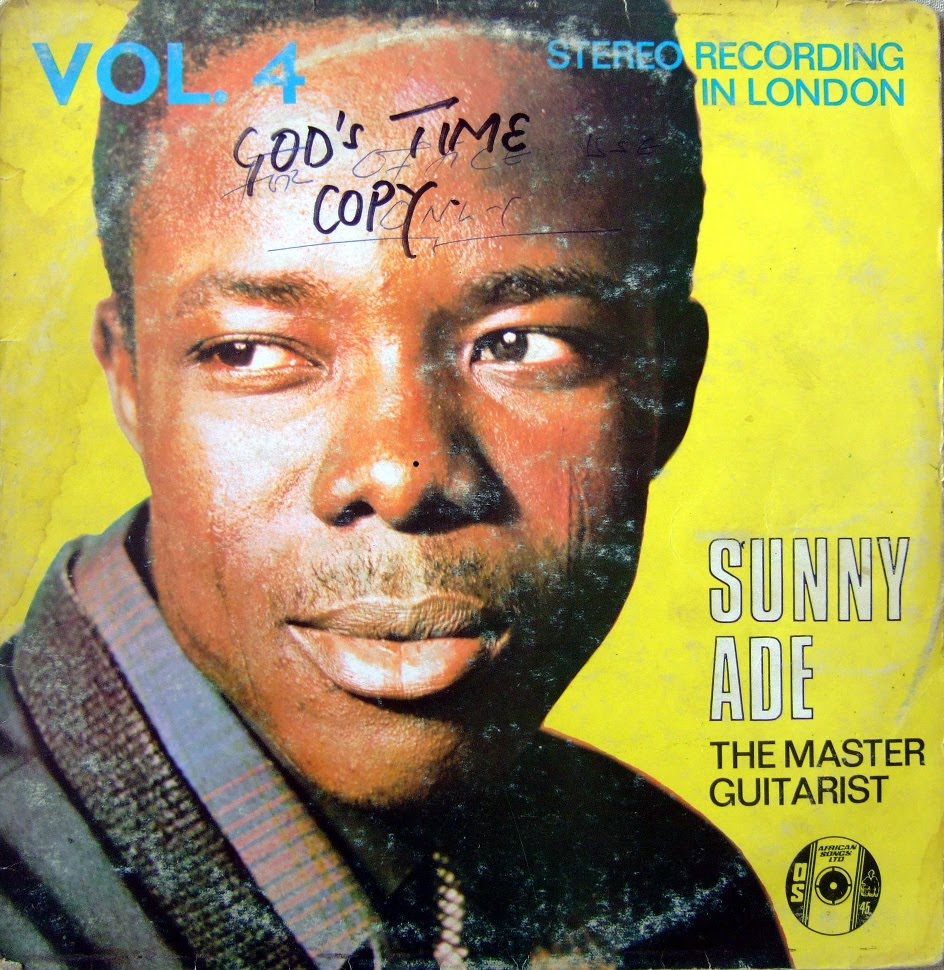
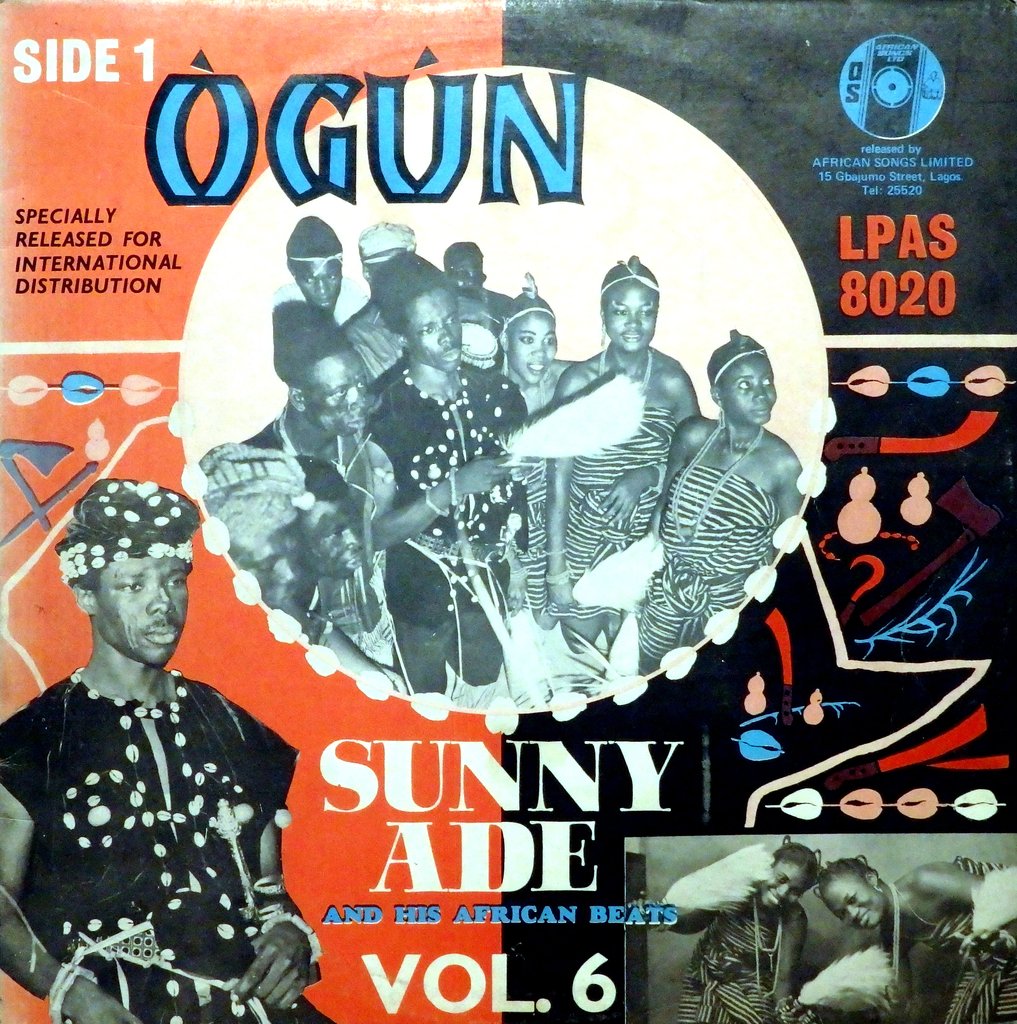
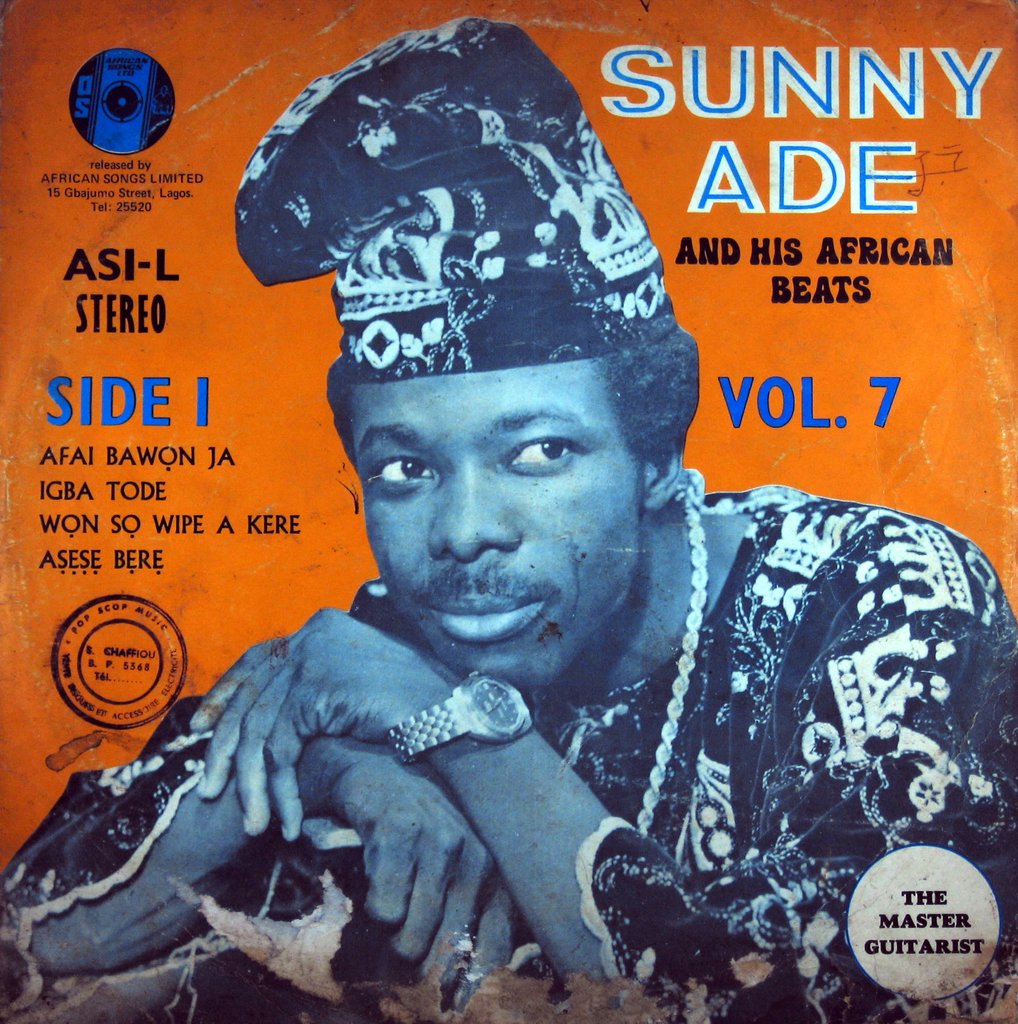
Issued from a Yoruba royal lineage, Sunday grew up in a family that did not view his passion for music very favorably. At sixteen, he left Ondo for Lagos, lying to his parents. There, he learned the trade in highlife groups, then at Moses Olaiya’s Federal Rhythm Dandies. Influenced by the pioneer Tunde Nightingale, he introduced the pedal steel guitar, synthesizers and the talk drum—the traditional instrument that imitates the tones of the Yoruba language like a Greek chorus whispering. In 1967, he founded the Green Spots (renamed African Beats in 1969). His sound became immediately recognizable: interlaced guitars, multiplied percussion, and his voice alternating between poetic songs in Yoruba and praise in the manner of griots. After years of exploitation by record companies, he created his own label in 1975, Sunny Alade Records, and opened a club in Lagos, the Ariya.
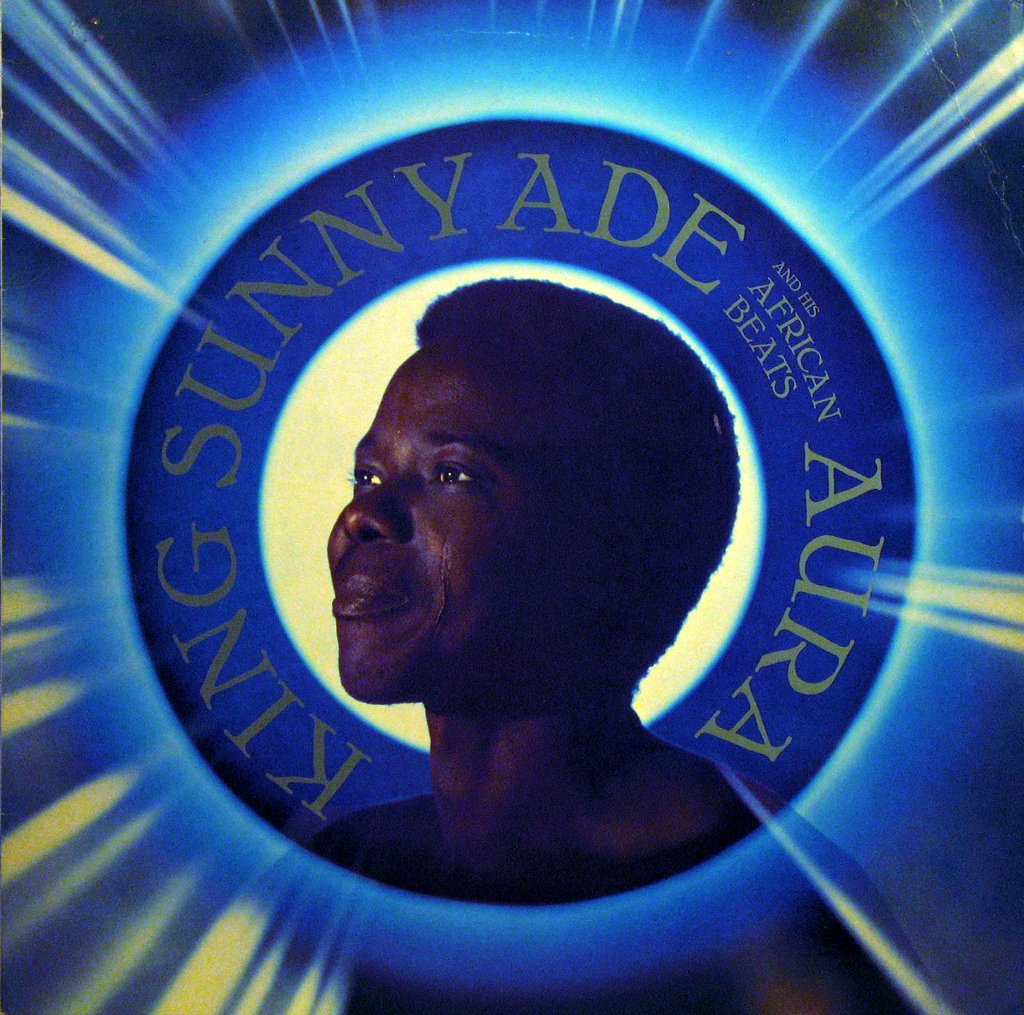
The true international breakthrough arrives in 1982. After the death of Bob Marley, Island Records seeks a third-world artist to replace Jamaican reggae. Producer Martin Meissonnier presents Sunny Adé to boss Chris Blackwell. Juju Music is released in 1982 and shakes European and American charts. The New York Times will describe him as “one of the greatest conductors in the world”. The press calls him “the African Bob Marley”. “I am not the next Bob Marley, I am the first King Sunny Adé,” he will reply, “I brought Yoruba polyrhythms, the pedal steel guitar and the talk drum—a totally different spiritual energy.” (translated from English) Synchro System (1983) earns his first Grammy Award nomination. Aura (1984) experiments further. Commercial success does not follow, and Island releases the group.
Major works
| Work | Year | Why it is essential |
|---|---|---|
| Juju Music | 1982 | His world stage entrance; he introduces Nigerian juju on Western circuits |
| Synchro System | 1983 | First Afro-Nigerian album nominated for a Grammy; skillful fusion of talk drums and Linn drum |
| Odu | 1998 | Return to Yoruba roots; second Grammy nomination; a manifesto of cultural memory |
Legacy and influence
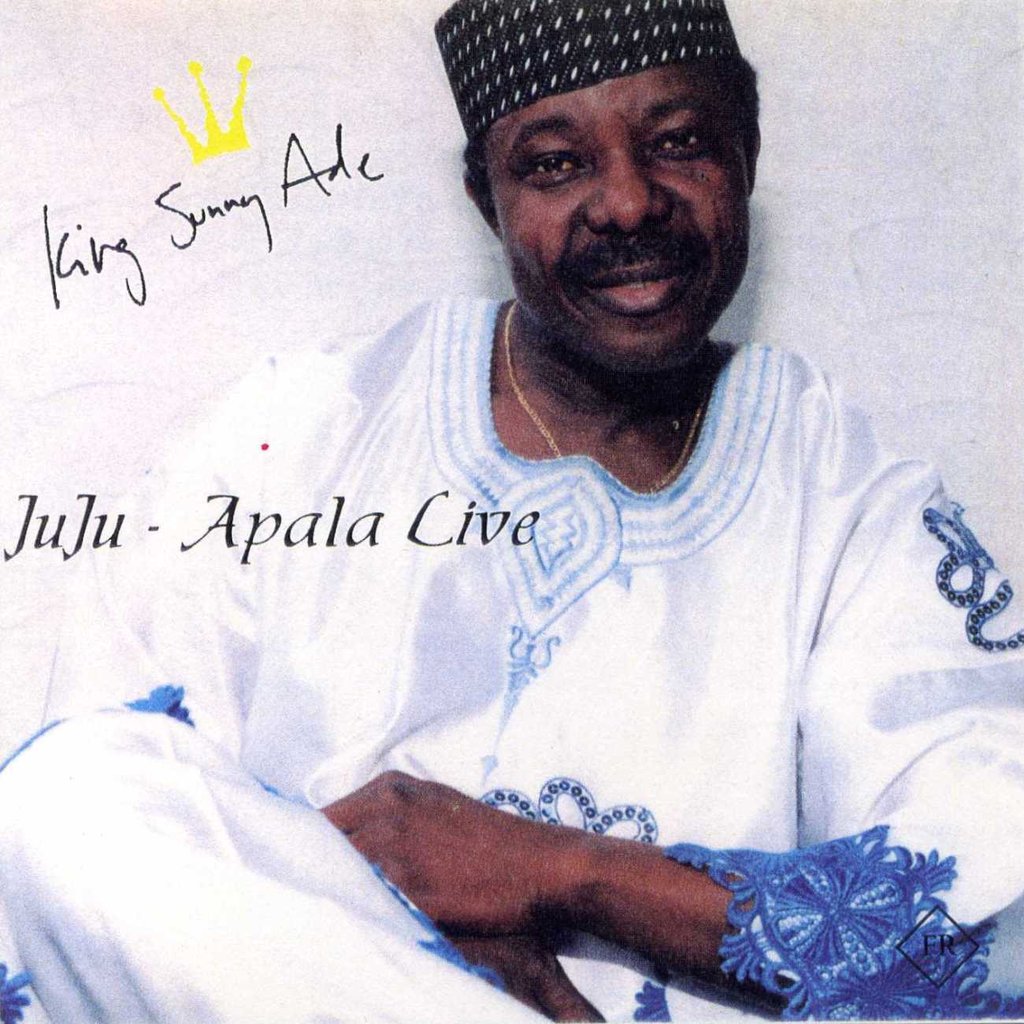
King Sunny Adé opened the door. Before him, no Nigerian music had penetrated major international circuits. His style—Yoruba polyrhythms, talk drums, interlaced electric guitars—influenced generations of musicians. His foundation trains young talents, and his archives still contain unreleased recordings. He presides over the Musical Copyright Society of Nigeria and has collaborated with Stevie Wonder, Manu Dibango, Youssou N’Dour. Today at eighty years old, he archives his recordings and sees his son Emperor Adé pursue his path. Over sixty years of career: King Sunny Adé remains a voice of Nigeria in the world.
Sources and references
- “King Sunny Ade | Biography, Music, & Facts”, Encyclopaedia Britannica, https://www.britannica.com/biography/King-Sunny-Ade, accessed October 21, 2026.
- “King Sunny Adé”, Wikipedia, https://en.wikipedia.org/wiki/King_Sunny_Ade, accessed October 21, 2026.
- “King Sunny Ade: Nigerian Superstar”, NPR, https://www.npr.org/2009/09/17/112923855/king-sunny-ade-nigerian-superstar, accessed October 21, 2026.
- “King Sunny Ade — Biography, Discography, Albums & Expert Reviews”, AllMusic, https://www.allmusic.com/artist/king-sunny-ade-mn0000771297, accessed October 21, 2026.
- “King Sunny Adé: My unfinished dream at 80”, The Guardian Nigeria, https://guardian.ng/life/king-sunny-ade-my-unfinished-dream-at-80, accessed October 21, 2026.
- « Nigeria’s King Sunny Adé: ‘I see myself as a freelance’ », The Africa Report, https://theafricareport.com/14697/nigerias-king-sunny-ade-i-see-myself-as-a-freelance, accessed 21 October 2026.
- « The Man Who Would Not Be King », Los Angeles Times, https://www.latimes.com/archives/la-xpm-1994-08-04-vl-23384-story.html, accessed 21 October 2026.
- « King Sunny Ade », Encyclopedia.com, https://www.encyclopedia.com/people/literature-and-arts/music-popular-and-jazz-biographies/king-sunny-ade, accessed 21 October 2026.