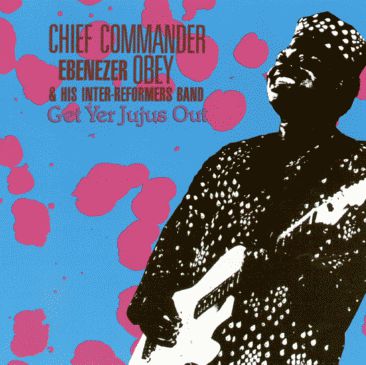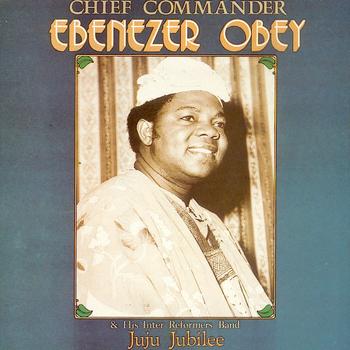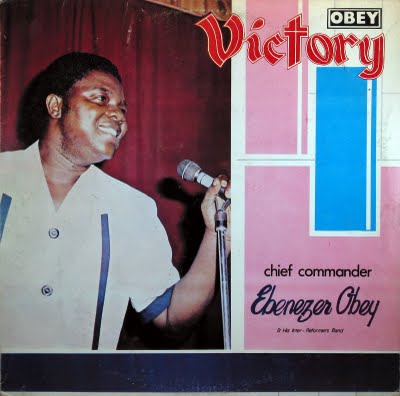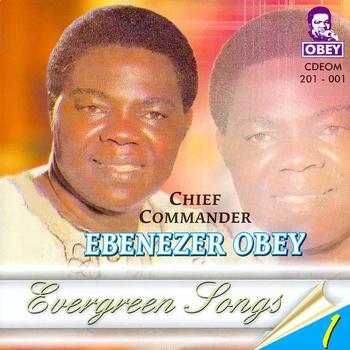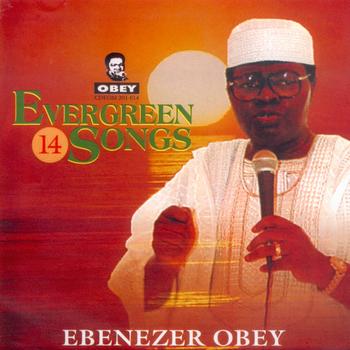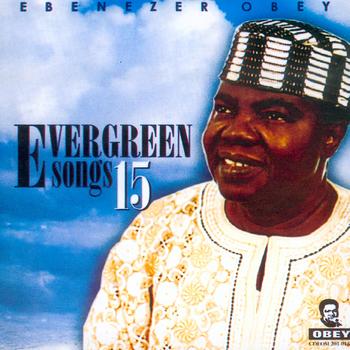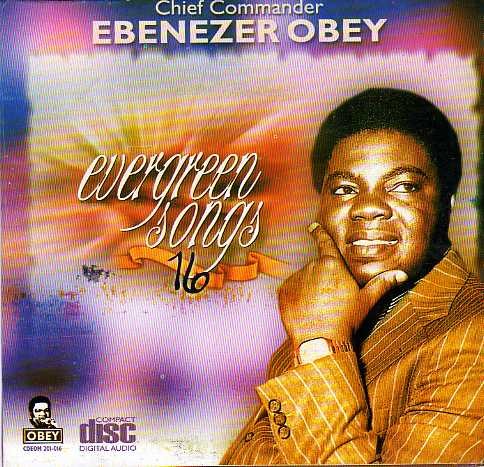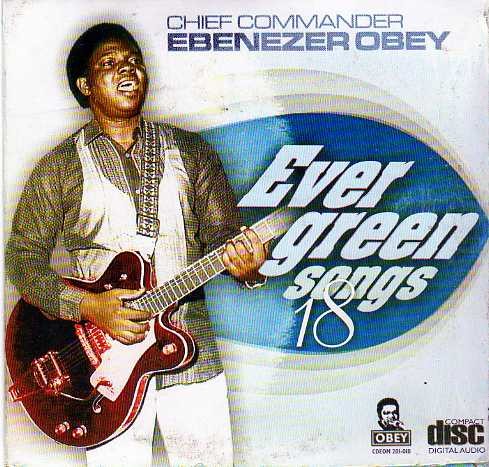
Biography
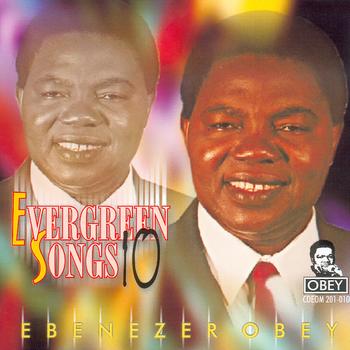
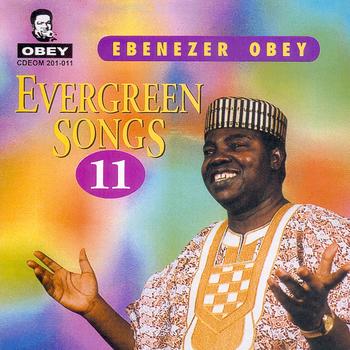
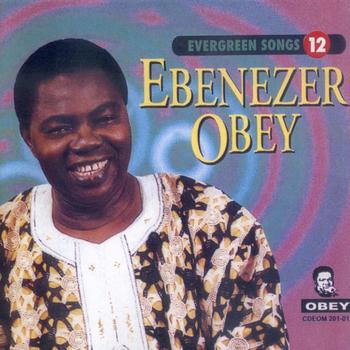
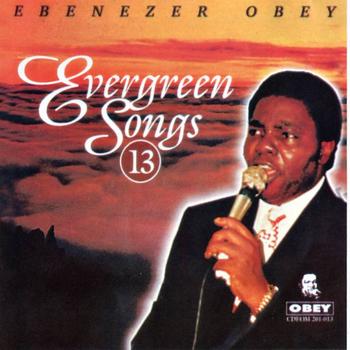
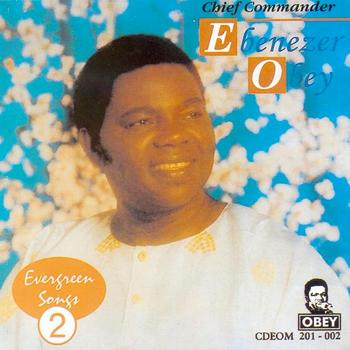
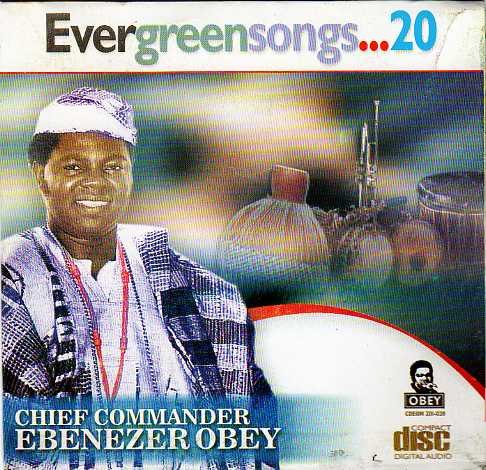
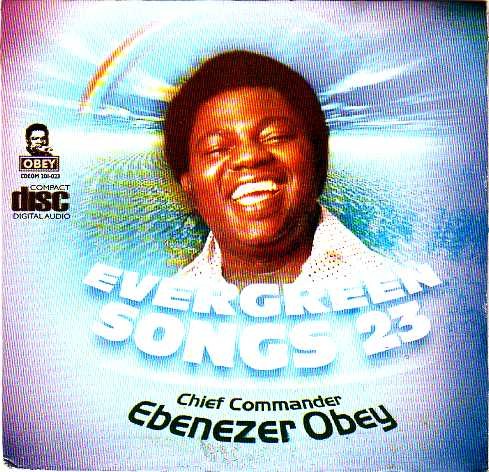
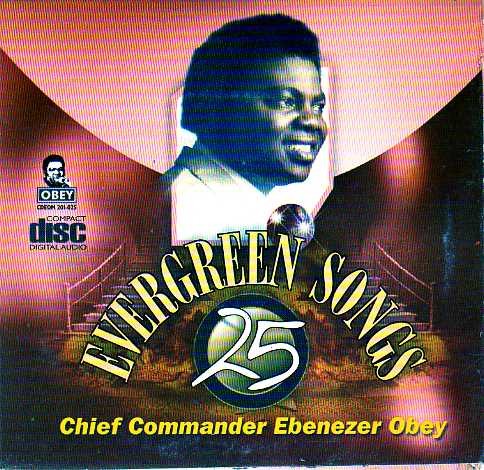
Chief Ebenezer Obey: the supreme commander of juju
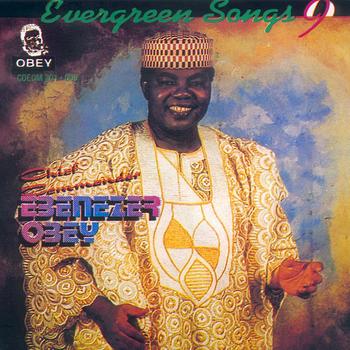
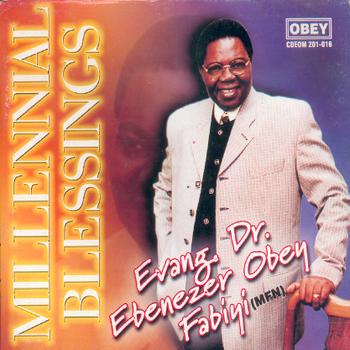
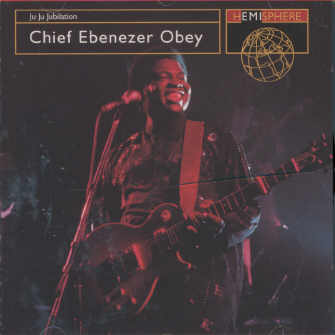
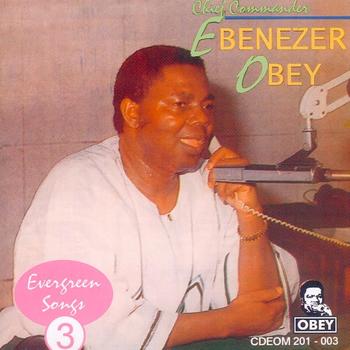
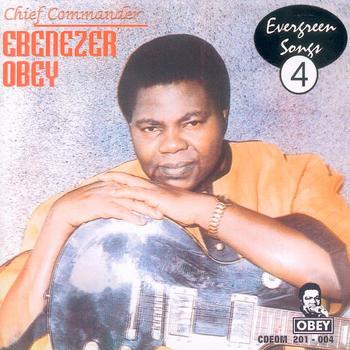
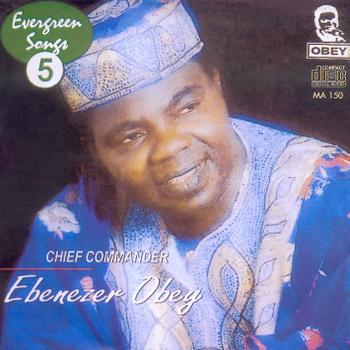
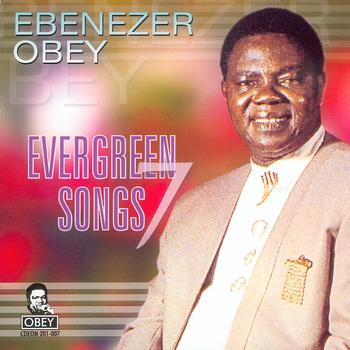
In 1964, a young Nigerian guitarist named Ebenezer Obey took the stage in Lagos with his group, the International Brothers, and launched a new sound that would span decades. Fifty-seven years later, at eighty-three years old, he still sits on his stool, the microphone resting on a table, and continues to blend Yoruba rhythms, interwoven guitars, and messages of hope—whether social or spiritual. This biography follows the journey of an artist who shaped jùjú, elevated it to the international stage, and then chose to dedicate his voice to gospel.
In brief
| Full name | Ebenezer Remilekun Aremu Olasupo Obey-Fabiyi |
| Stage name | Chief Commander Ebenezer Obey |
| Birth | April 3, 1942, Idogo (Ogun State, Nigeria) |
| Genre | Jùjú, highlife |
| Instruments | Guitar, vocals |
| Notable works | Current Affairs, Olomi Gbo Temi, Aimaisiko, Good News |
| Honors | MFR (2001), Ariya Eko Timeless Contributions Award (2025), KCW award (2025), visiting professor (OOU, 2014) |
Key dates
| Year | Event |
|---|---|
| 1942 | Birth in Idogo, into an Egba-Yoruba family |
| Mid-1950s | Start of professional career in Lagos |
| 1964 | Formation of the International Brothers |
| Early 1970s | Renamed Inter-Reformers, signed with Decca |
| 1979 | Founding of his own music production company |
| 1980 | Release of Current Affairs, international breakthrough |
| 1992 | Ordination as an evangelist by Archbishop Benson Idahosa |
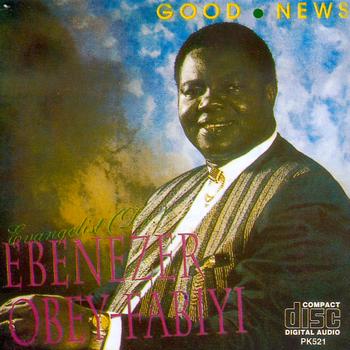
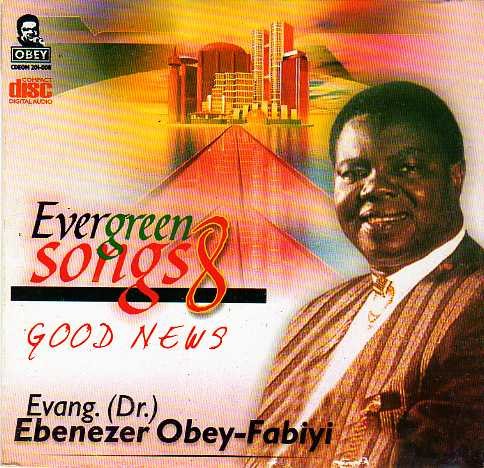
| 1993 | First gospel album Good News |
| 2001 | MFR decoration (Member of the Federal Republic) |
| 2018 | Handover of Decross Gospel Mission to his son Folarin |
Birth, training, and consecration in jùjú
Ebenezer Remilekun Aremu Olasupo Fabiyi was born on April 3, 1942, in Idogo, Ogun State, into an Egba-Yoruba family. From childhood, music inhabited him: he sang in the Sunday school choir and joined the Methodist church brass band. His school nickname, “Obey”—“obey” in English—stuck to his skin.
By the end of the 1950s, he left his village for Lagos, where he played guitar and thumb piano in several ensembles. He followed the advice of jùjú pioneer Fatai Rolling-Dollar. Jùjú—a Nigerian style born from the fusion between church hymns and Yoruba rhythms—was still a rural sound, eclipsed by highlife.
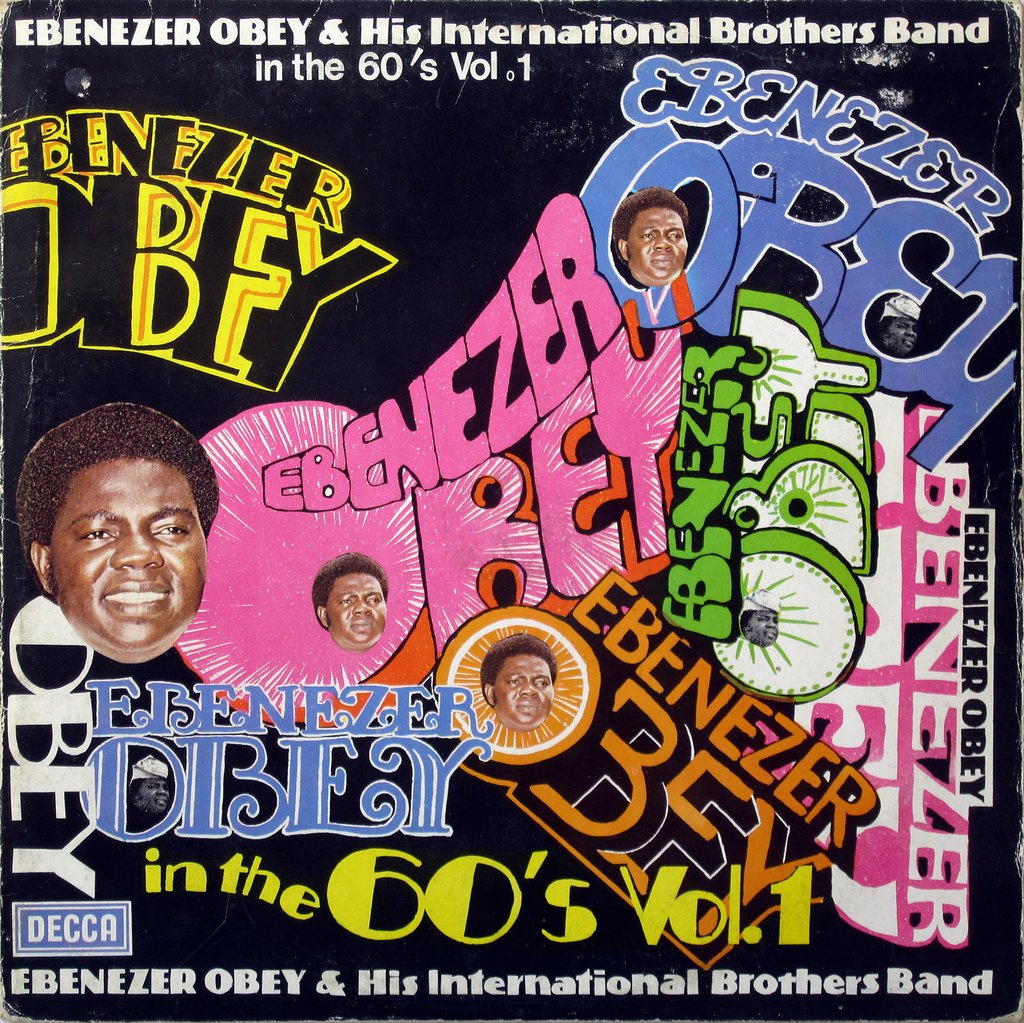
In 1964, Ebenezer founded the International Brothers. In the early 1970s, the group became the Inter-Reformers and signed with Decca Records West Africa. He enriched his sound by adding talking drums (Yoruba talking drums) and multiplied albums. Around 1975, Palongo reached gold status with 500,000 copies sold.
In 1980, he released Current Affairs, a double-sided album featuring tracks over seventeen minutes long. Oba Okunade Sijuade addressed politics; Ogunpa Flood Disaster recounted the devastating 1977 Lagos flood. This album marked his international breakthrough and earned him a tour of the United States. His discography is considerable: around thirty albums surpassed 100,000 copies, two exceeded one million, earning him thirty gold records and two platinum records with Decca.
From juju to gospel: a vocation rediscovered
Although Obey became an evangelist in the 1990s, the spiritual temptation had already crossed his secular career. “It is not a conversion; it is a call from God,” he confessed to the Guardian in 2019. “I did not leave the secular for gospel; I am answering a call.”
In 1992, on his 50th birthday, Archbishop Benson Idahosa ordained him as an evangelist. In 1993, he released Good News, his first gospel album. He founded the Decross Gospel Mission and incorporated sermons into his concerts. His gospel performances earned him up to 2.5 million nairas.
Institutional recognition followed: MFR in 2001, visiting professor in 2014, and award at the Ariya Eko Festival in 2025.
Major works
| Work | Year | Why it is essential |
|---|---|---|
| Olomi Gbo Temi | 1967 | First major success of the International Brothers era, affirming Obey’s guitar style |
| Current Affairs | 1980 | International breakthrough; two 17-minute tracks blending political news and social realism |
| Aimaisiko | 1987 | Exemplary example of the Miliki style, fusing Yoruba rhythms with modern arrangements |
| Good News | 1993 | First gospel album: spiritual turning point that redefined an entire generation |
Legacy and influence
Chief Ebenezer Obey contributed to forging the modern sound of Nigerian jùjú, alongside his friendly rival King Sunny Adé, whom he worked with for over forty years. His innovation—adding multiple talking drums to a guitar ensemble, developing the Miliki style (pleasure and enjoyment)—paved the way for generations of musicians.
His dual legacy—secular and spiritual—is rare in Nigerian music: an artist who shaped a national genre and then dedicated his legacy to evangelization. Over sixty years of career, over one hundred albums, a label bearing his name, and a music seminar in Abeokuta: Ebenezer Obey remains, as his first title already sang in 1964, “a matter of current affairs.”
Sources and references
- “Ebenezer Obey: The legend, his music”, The Guardian Nigeria, https://guardian.ng/art/ebenezer-obey-fabiyi-the-legend-his-music, accessed October 19, 2025.
- “Ebenezer Obey — Biography”, AllMusic, https://www.allmusic.com/artist/ebenezer-obey-mn0000171227, accessed October 19, 2025.
- “Obey, Ebenezer”, Encyclopedia.com, https://www.encyclopedia.com/education/news-wires-white-papers-and-books/obey-ebenezer, accessed October 19, 2025.
- « OPINION: Ebenezer Obey’s transition to gospel music », Tribune Online, https://tribuneonlineng.com/opinion-ebenezer-obeys-transition-to-gospel-music, consulté le 19 octobre 2025.
- « Ebenezer Obey’s music a blessing to the world — Buhari », P.M. News, https://pmnewsnigeria.com/2022/04/02/ebenezer-obeys-music-a-blessing-to-the-world-buhari/, consulté le 19 octobre 2025.
- « Music Legends Obey, Aragbaiye, Others Honoured at Ariya Eko Independence Music Festival », Gazelle Africa, https://gazelleafrica.com/2025/10/08/music-legends-obey-aragbaiye-others-honoured-at-ariya-eko-independence-music-festival/, consulté le 19 octobre 2025.
- « Profile | Ebenezer Obey », African Music Library, https://www.africanmusiclibrary.org/person/5001cfc1-114d-45ee-8a57-fdf285b7cc42, consulté le 19 octobre 2025.
- « Ebenezer Obey », Wikipedia, https://en.wikipedia.org/wiki/Ebenezer_Obey, consulté le 19 octobre 2025.