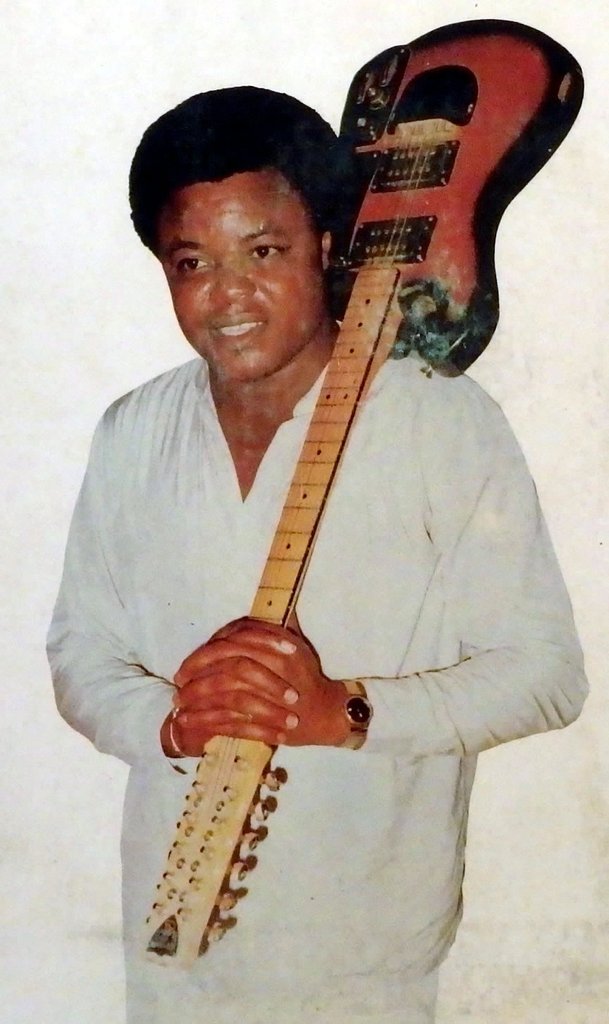
Biography
Admiral Dele Abiodun: the unyielding genius of Nigerian juju
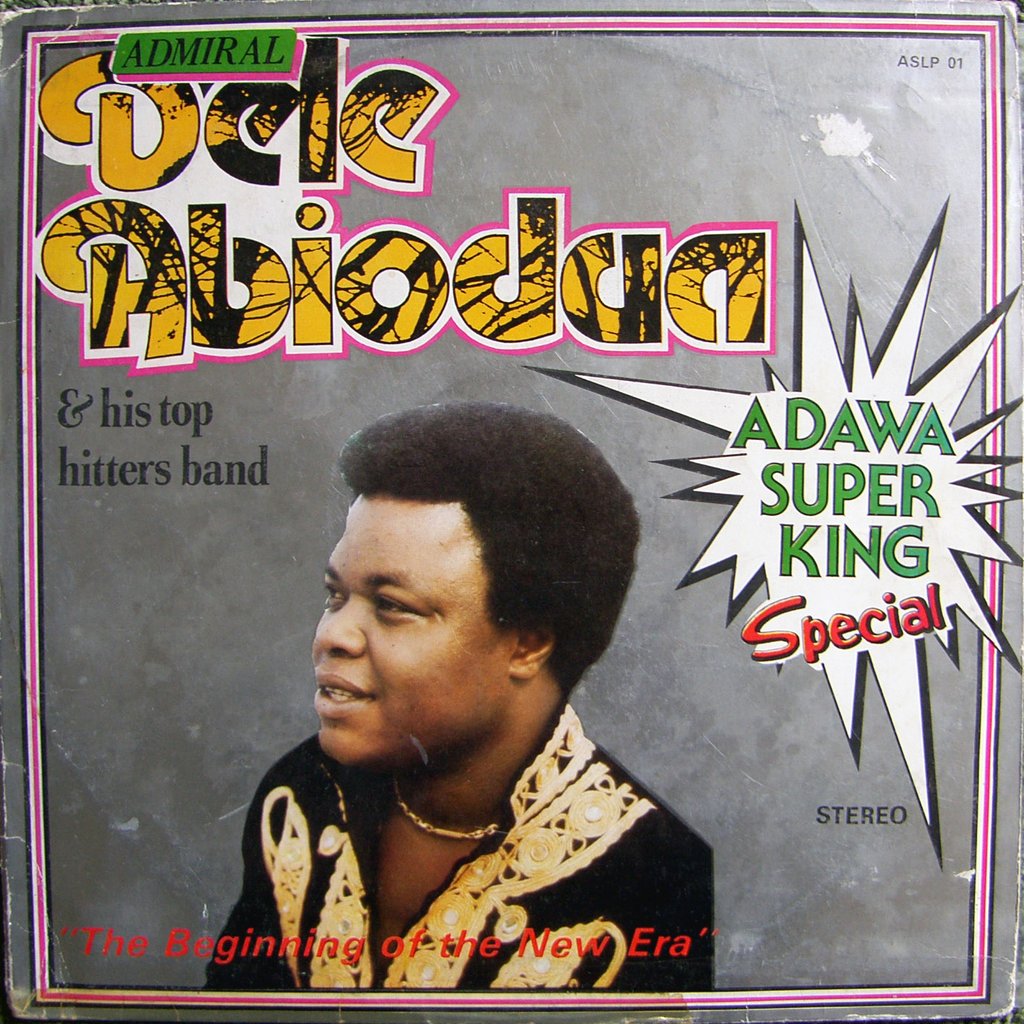
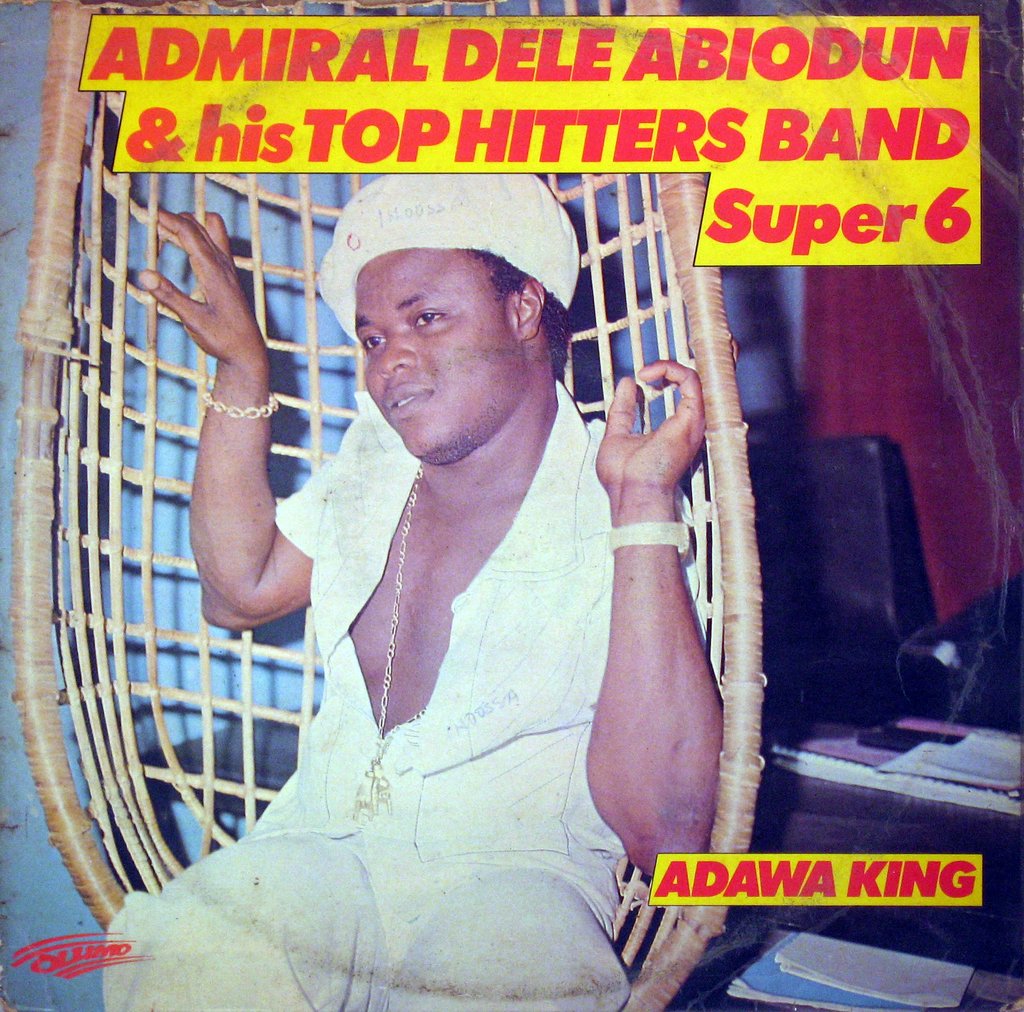
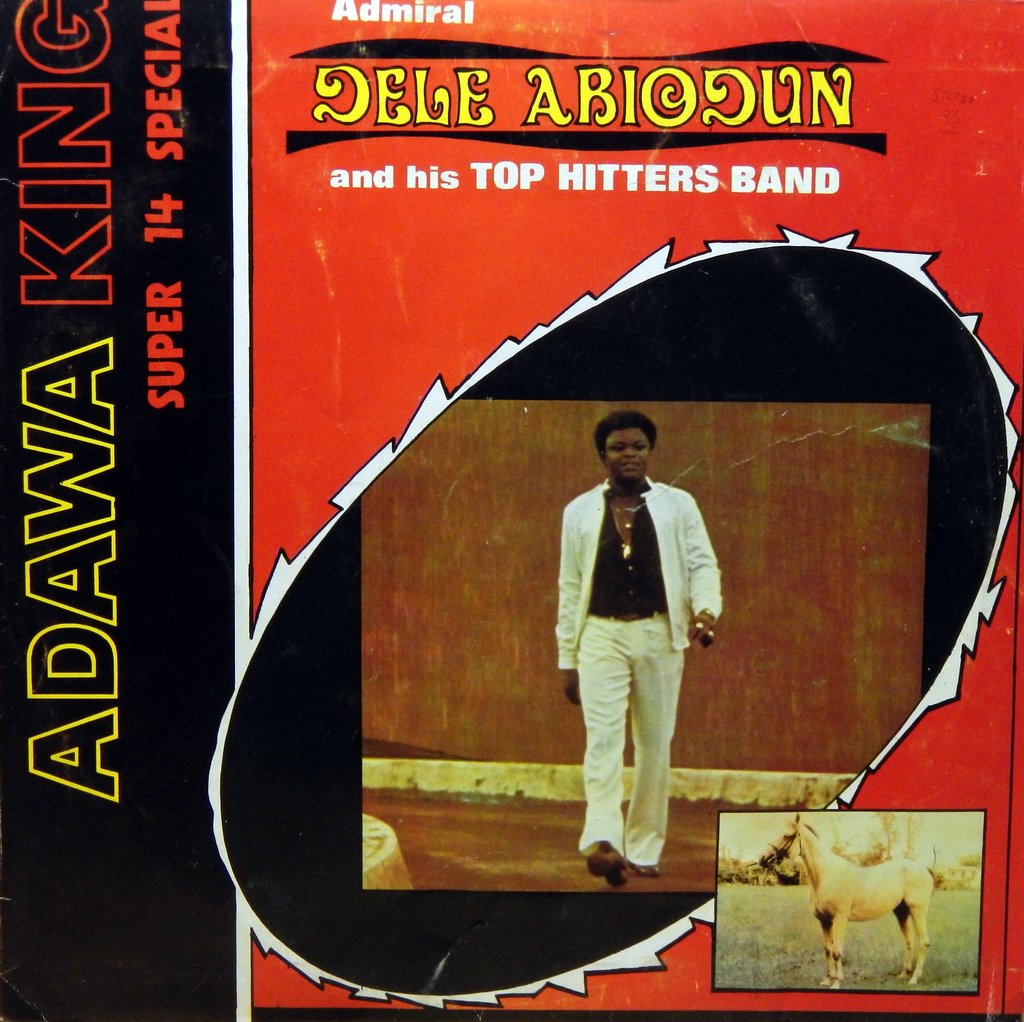
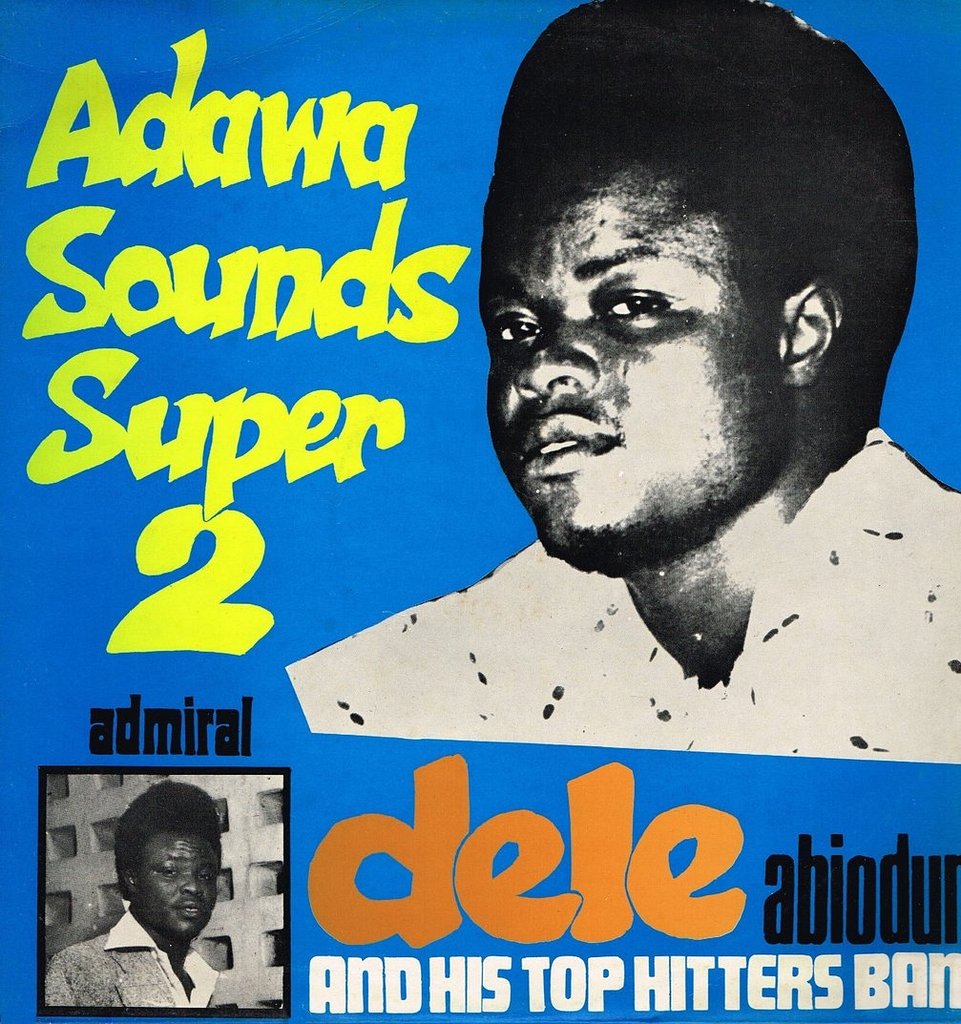
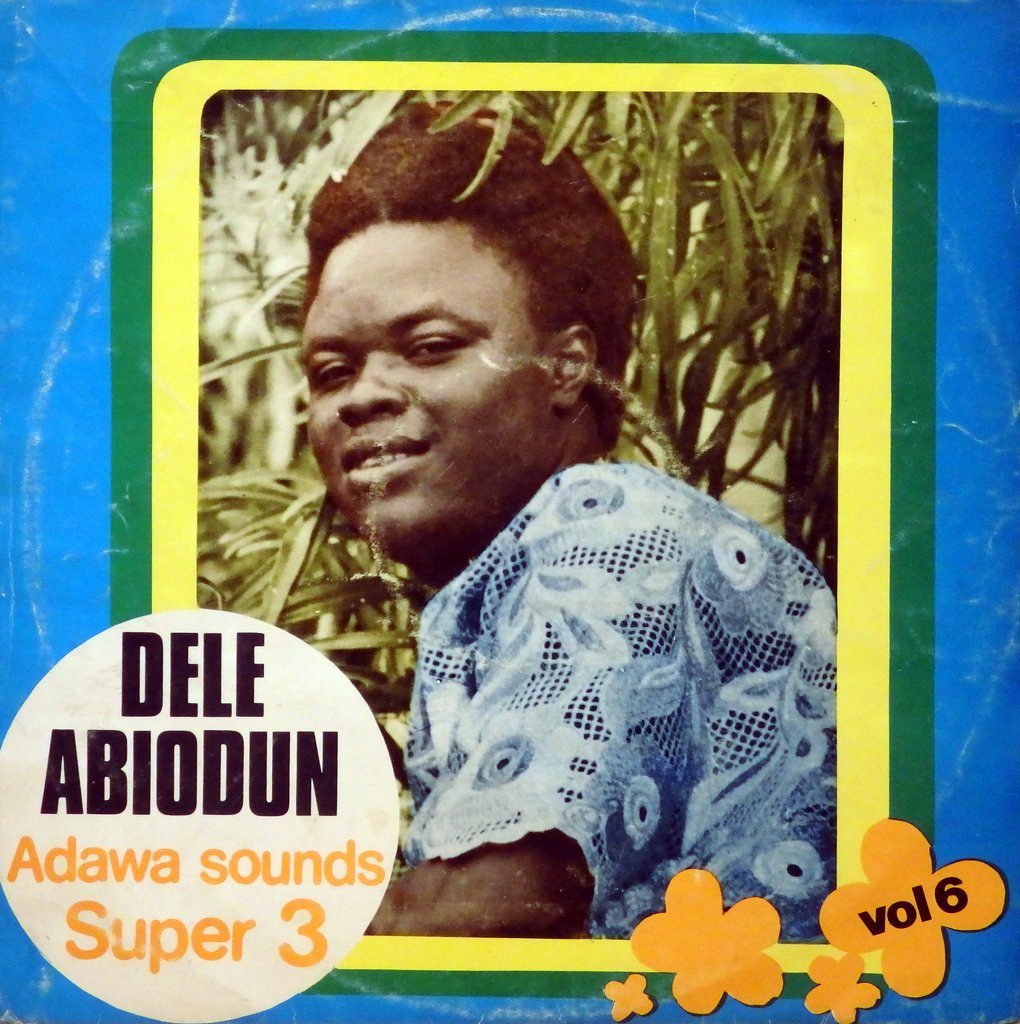
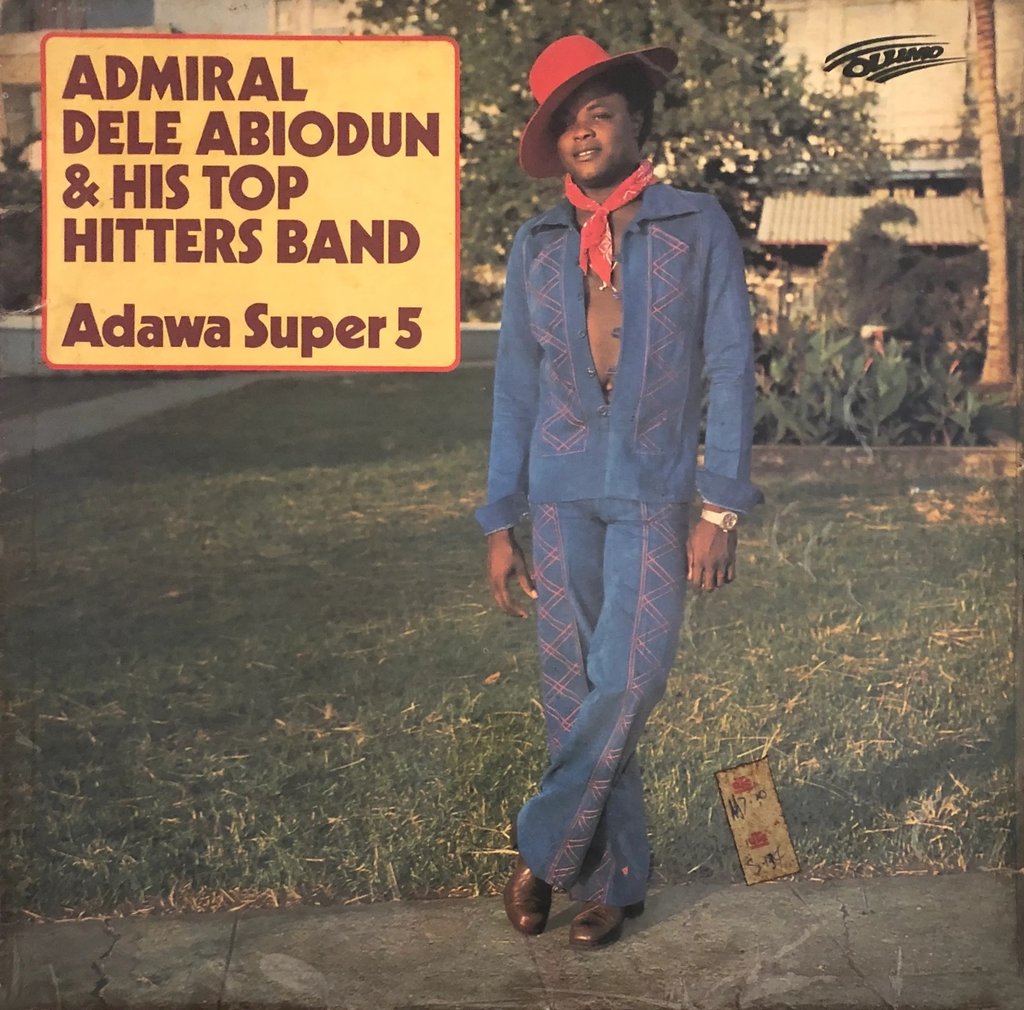
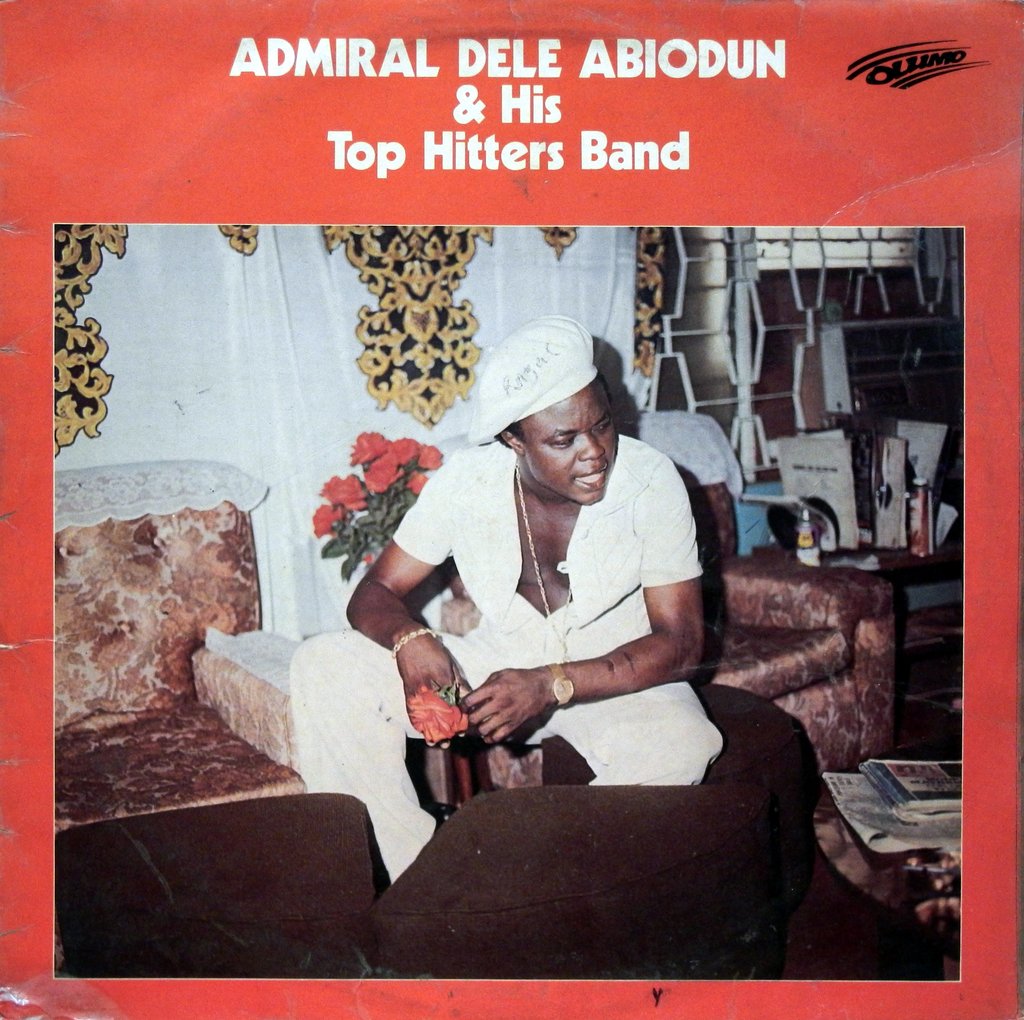
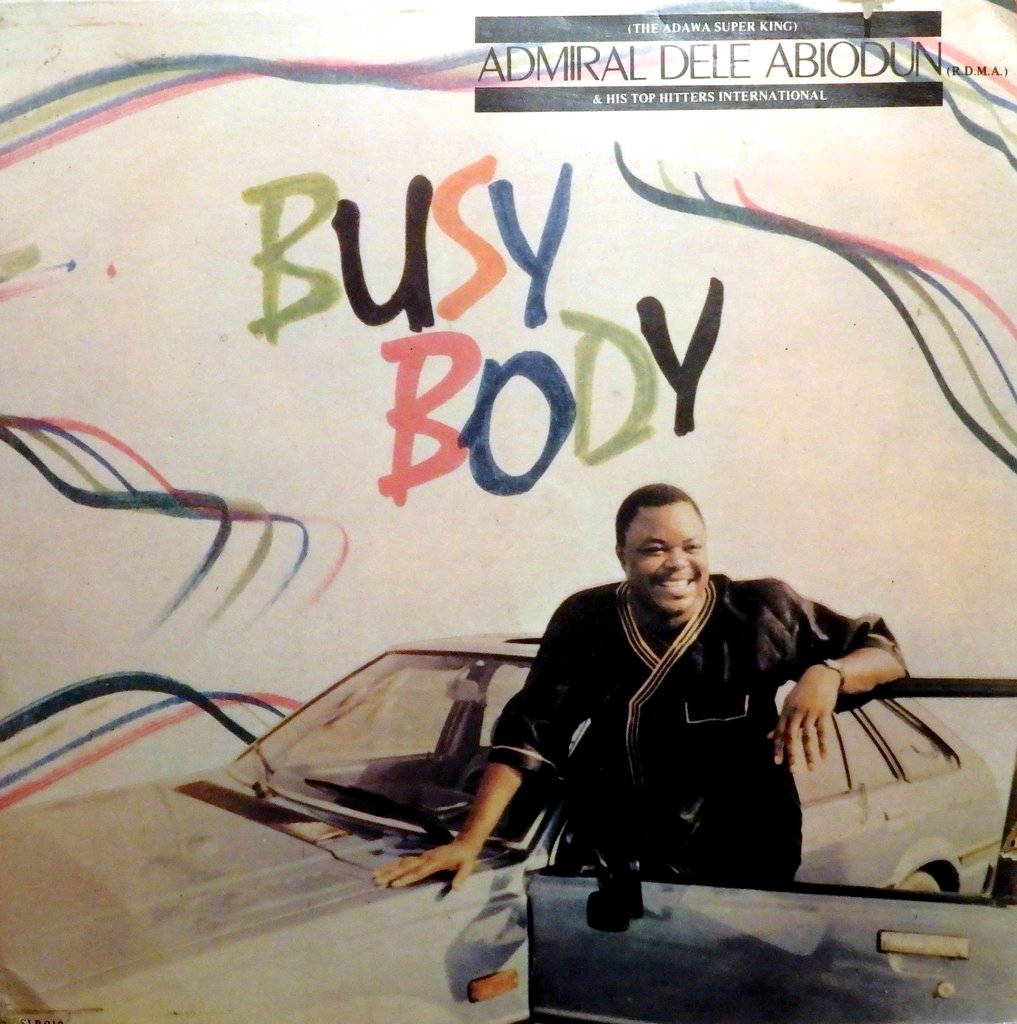
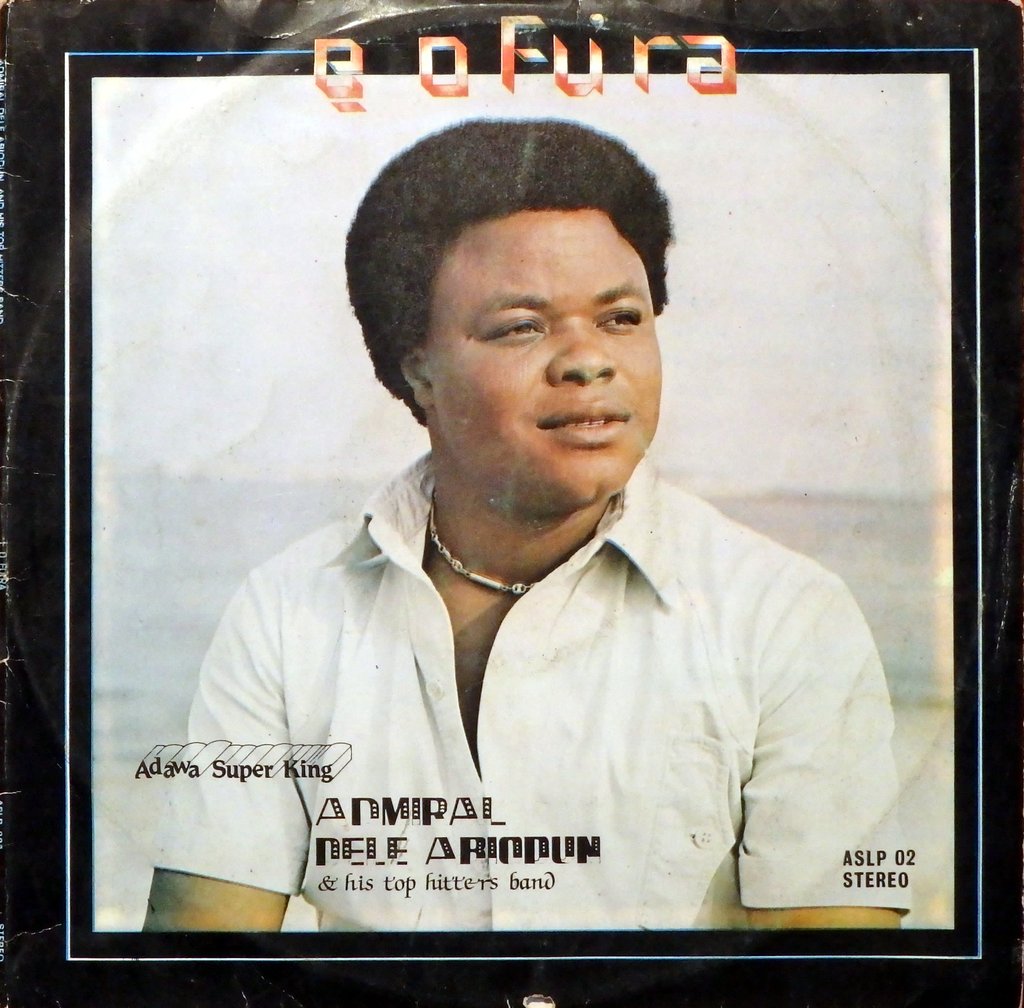
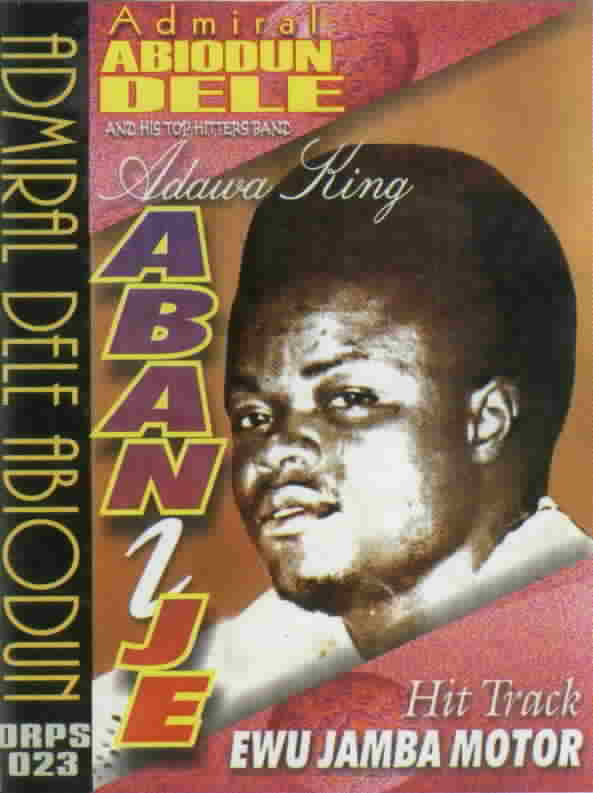
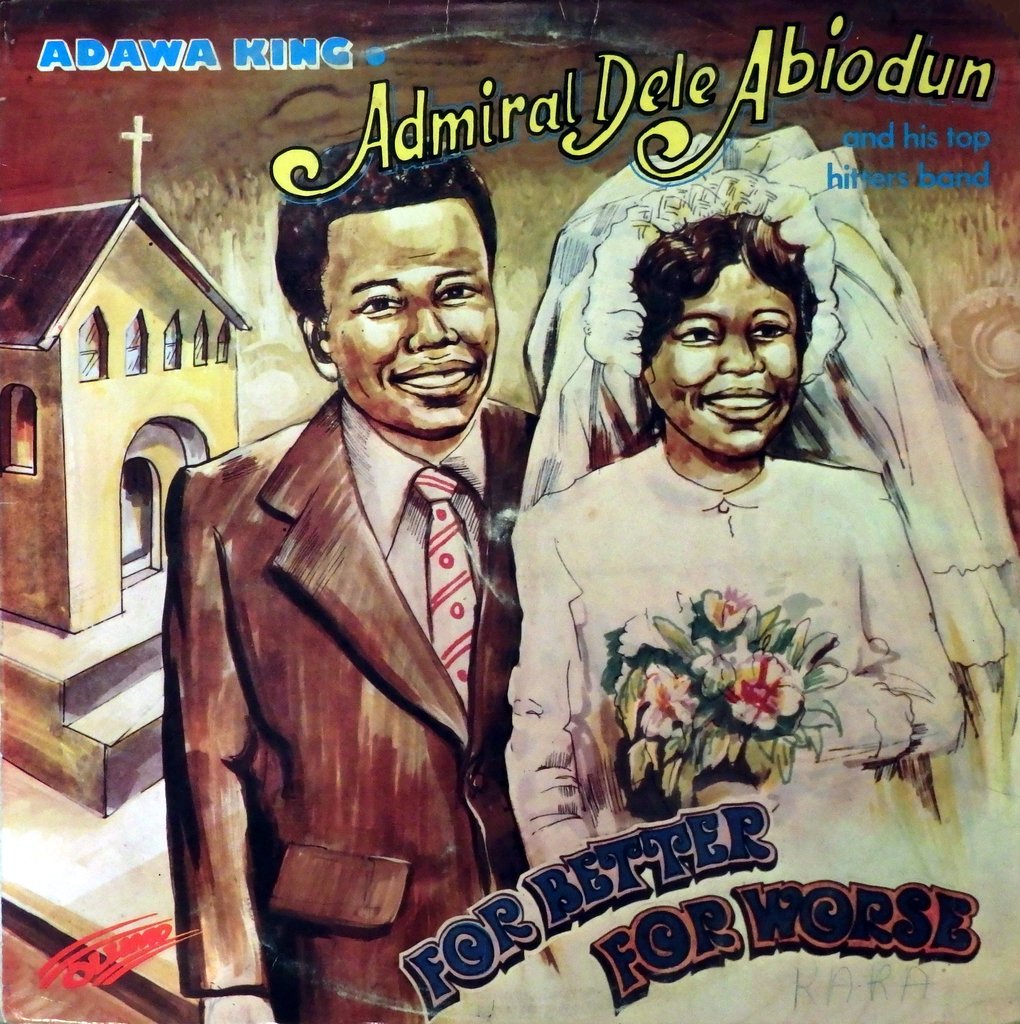
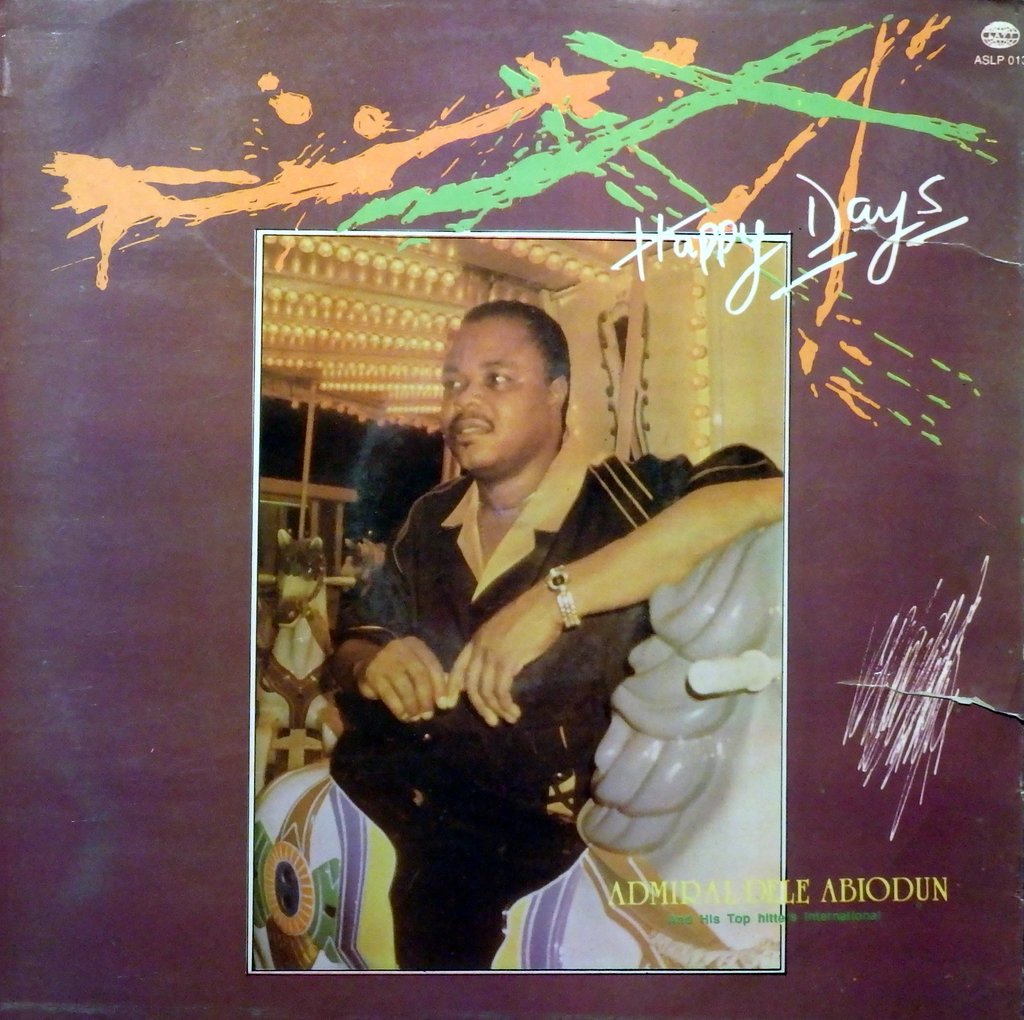
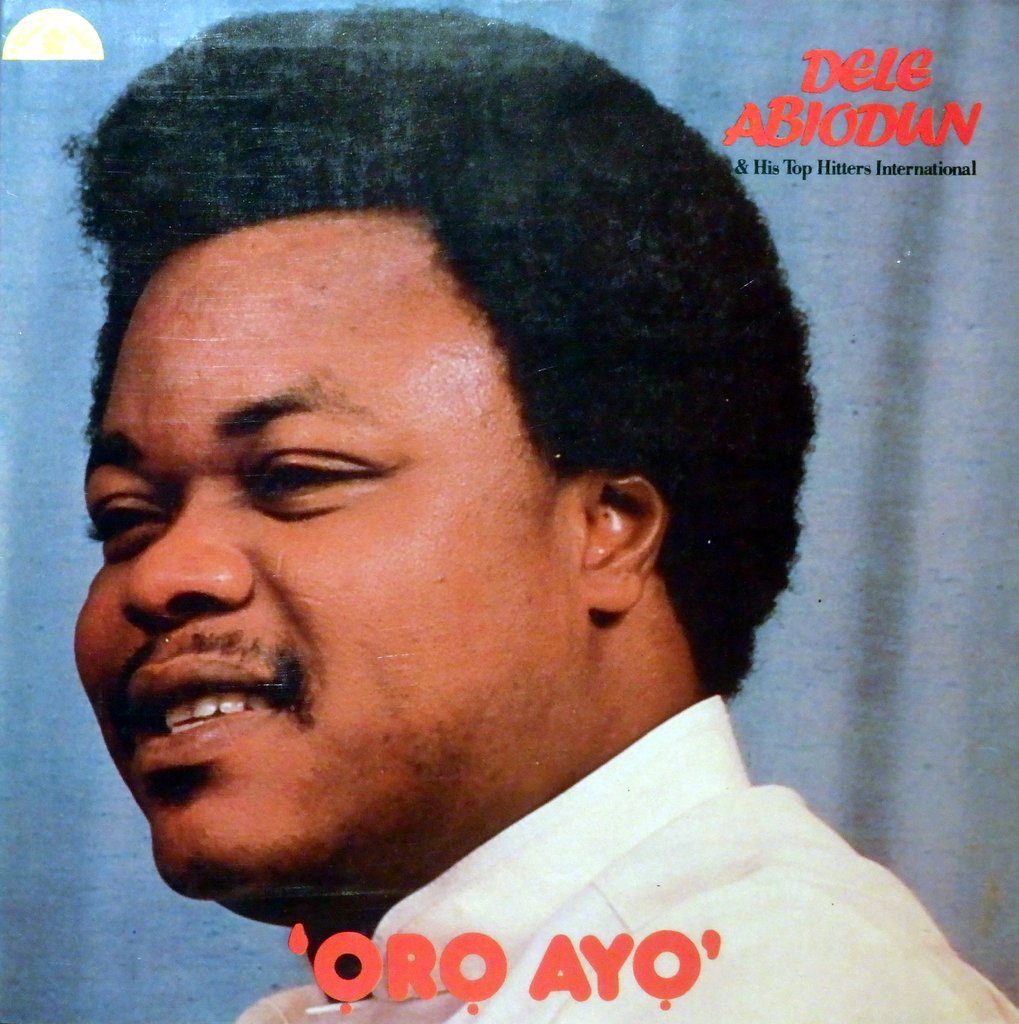
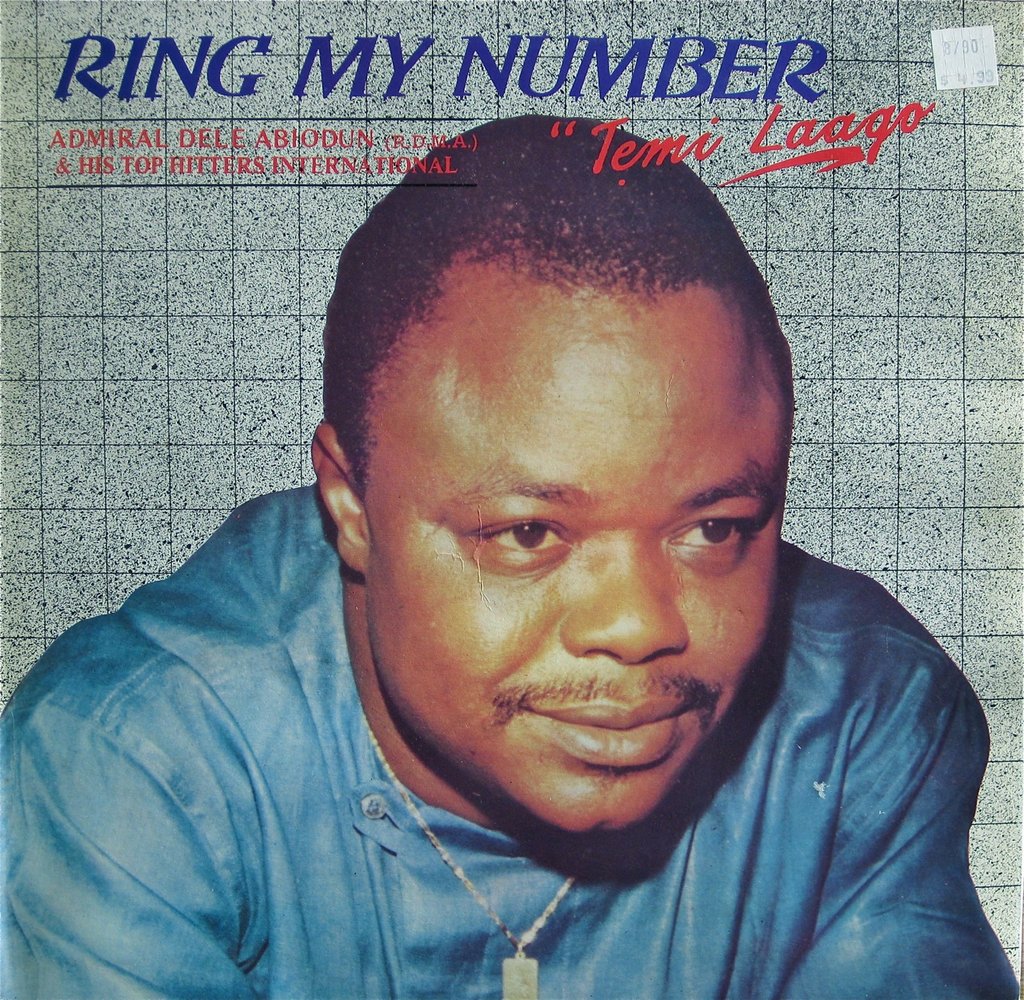
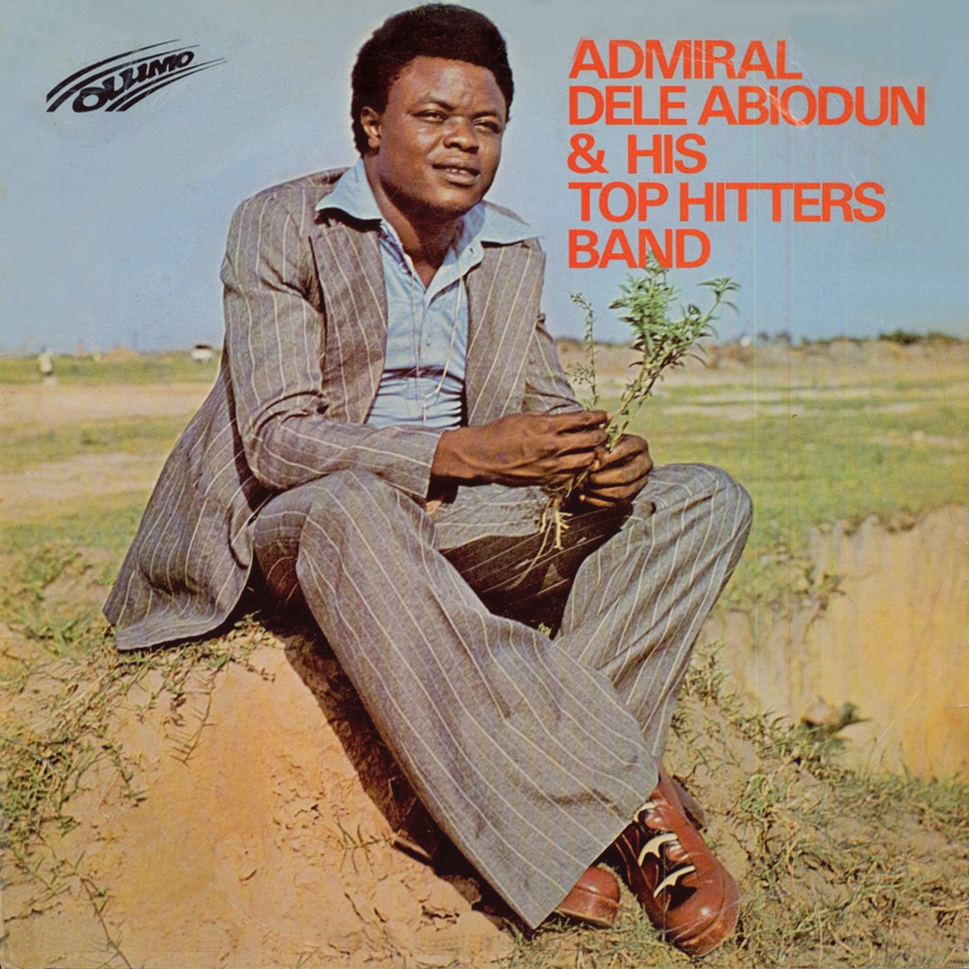
On the evening of a concert in Lagos, as the audience begins to grow impatient, Admiral Dele Abiodun signals his guitarist. The two men exchange a glance and launch into a Hawaiian steel guitar riff that has the entire hall rising to its feet. This moment, typical of his shows, illustrates the musician’s wager: creating a juju so personal that no one else could play it in his place. Nicknamed “Adawa Super” — The Independent in the Yoruba language — he could not have confirmed it better: his music was always his own.
In brief
| Full name | Prince Cyril Bamidele Abiodun Alele |
| Birth | March 23, 1948, Ijebu Ode, Nigeria |
| Genre | Juju, highlife — Nigerian music from West Africa |
| Instruments | Guitar (notably Hawaiian steel guitar), vocals |
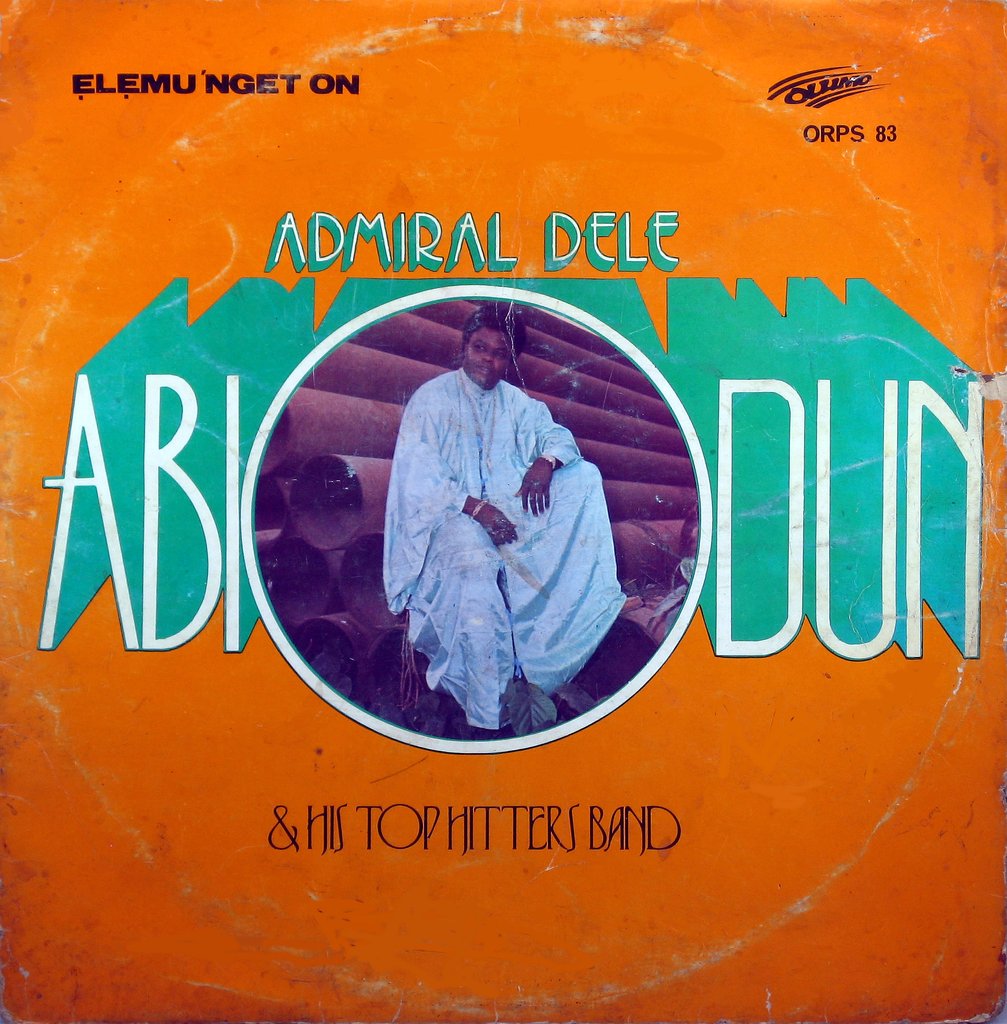
| Group | Admiral Dele Abiodun & His Top Hitters International |
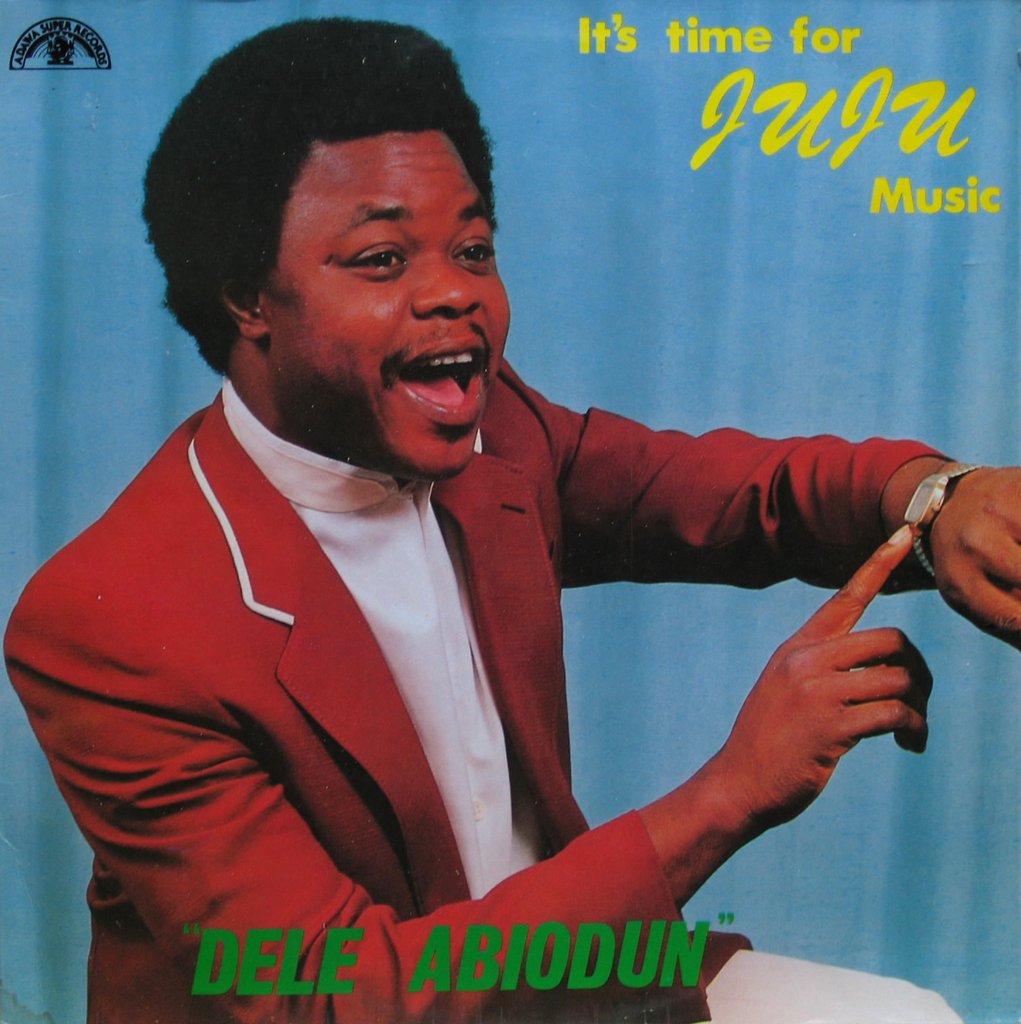
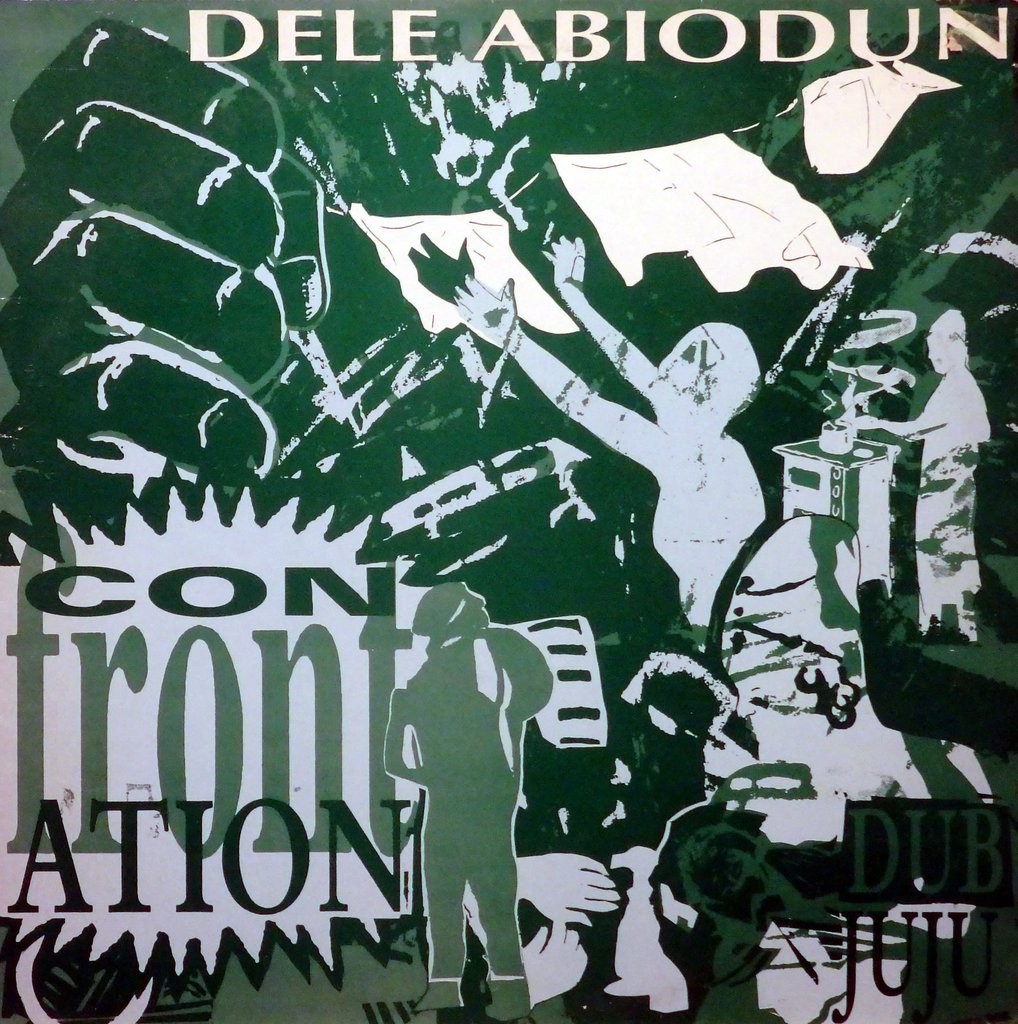
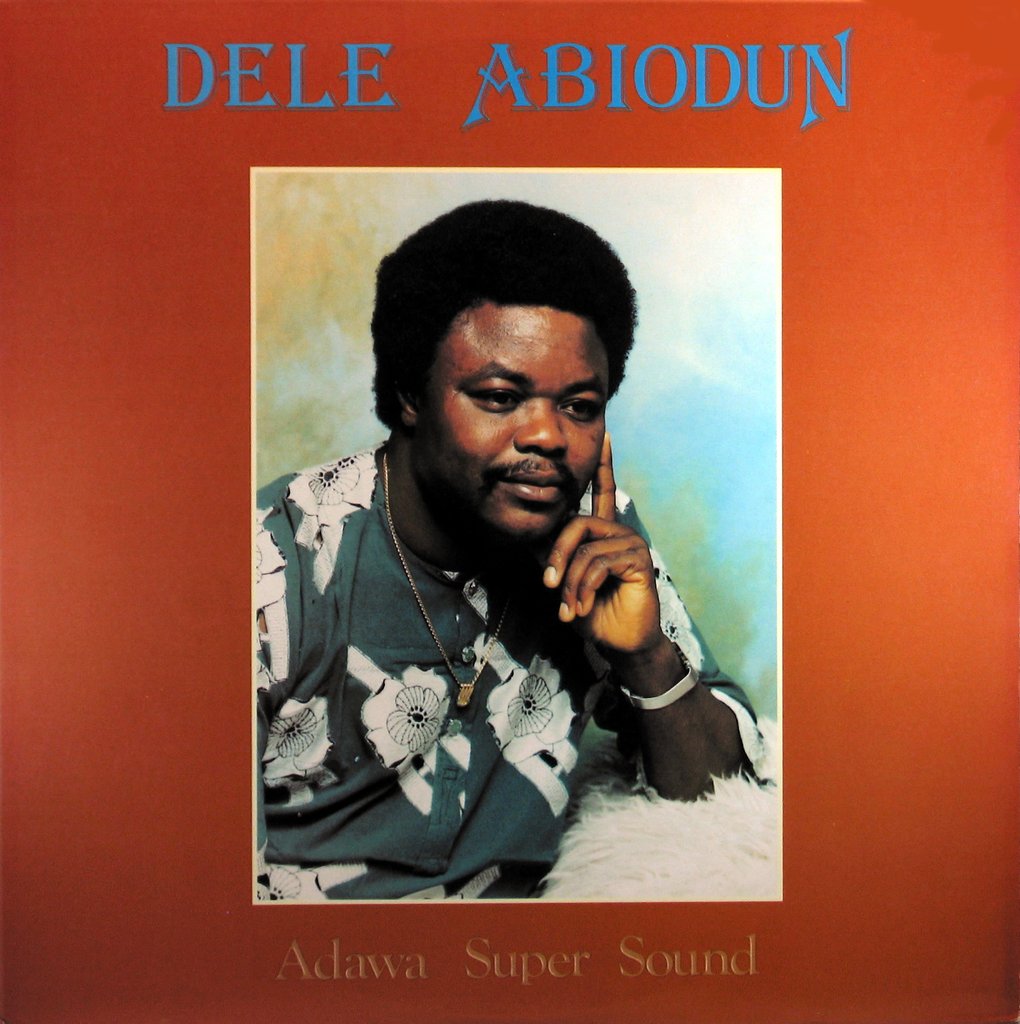
| Notable works | It’s Time for Juju Music, Confrontation, Adawa Super Sound |
| Awards | Ariya Eko Award (2020); President of the PMAN |
Key dates
| Year | Event |
|---|---|
| 1948 | Born in Ijebu Ode, son of a school principal |
| Late 1960s | Flees Nigeria for Accra; studies at Kwame Nkrumah’s Young Pioneers School |
| 1969 | Returns to Nigeria; founds Sweet Abby & The Top Hitters |
| 1970 | Creates the Adawa style (“to be independent”) and renames the group |
| 1974 | First hit, “Kini Mo Ko Soke Yi”; first tour of the United Kingdom |
| 1980 | Loss of most of his band; total recomposition |
| 1985-1986 | Apex: It’s Time for Juju Music and Confrontation on the Shanachie label |
| 2020 | Surprise release of God’s Grace, twenty years after the previous production |
From Accra to Lagos: forging a style, triumph and renewal
The son of a school principal, Dele Abiodun grew up in an environment where studies prepared for a respected career, even medical. Music called to him more strongly. “When I paid my first session fees, I packed my bags and left for Ghana,” he recalls. In Accra, he joined the Young Pioneers School, founded by President Kwame Nkrumah, and learned bass guitar in highlife formations — this urban music that fuses traditional rhythms with Western influences.
Back in Lagos in 1969, Abiodun founded Sweet Abby & The Top Hitters, playing Ghanaian-style highlife. Juju — this Nigerian dance genre carried by brass and accordions, embodied by giants like I.K. Dairo — seemed to him a field for innovation. He fused the rhythmic structures of juju with his highlife sensibility, infusing it with elements of afrobeat and especially the Hawaiian steel guitar, which he claims to be the first to introduce into juju. He baptized this blend Adawa, a Yoruba word meaning “to be independent.” The experience was immediately seductive.
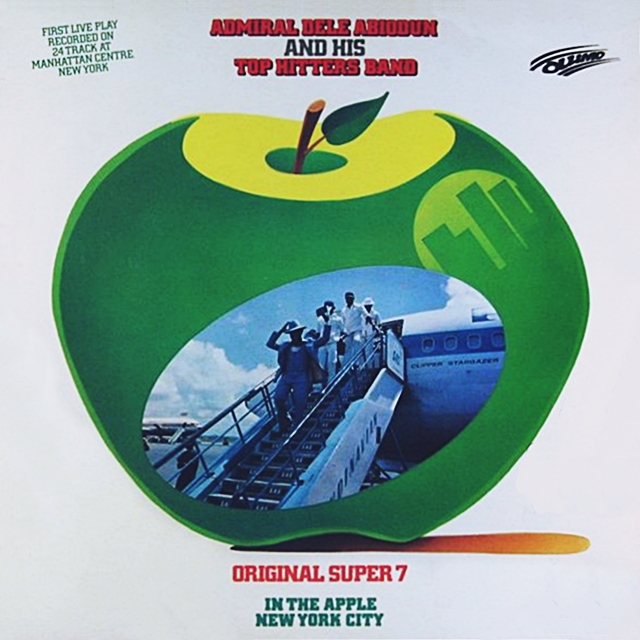
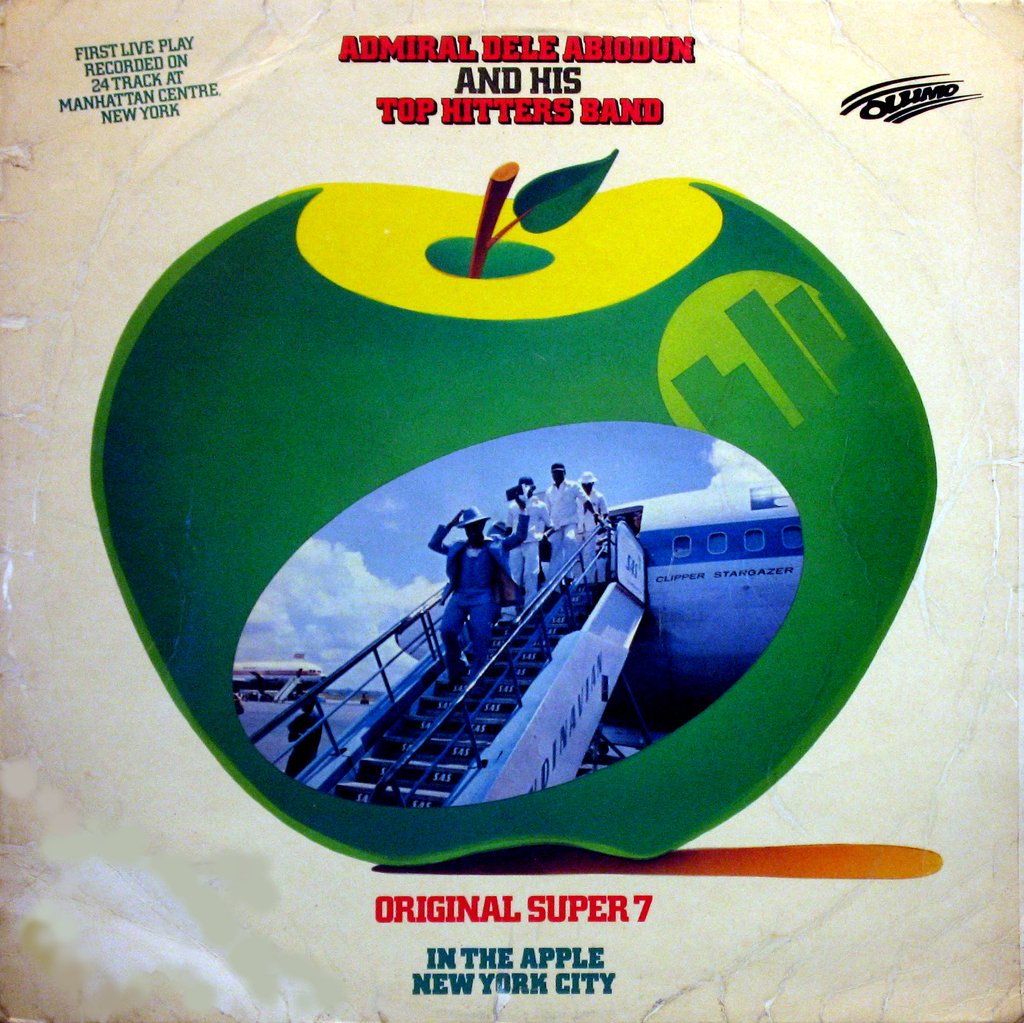
In 1974, the single “Kini Mo Ko Soke Yi” exploded on the Olumo label. His tours of the United Kingdom (1974) and then the United States (1978) reinforced his reputation: at a concert in America, the crowd honored him by dressing him in an admiral’s uniform — hence the nickname that would stick to his name. Unlike peers publishing four or five albums a year under political patronage, Abiodun released only one record a year, free of any sponsor. He did not reach King Sunny Adé’s superstar status, but he possessed a loyal following.
Around 1980, much of his band left him. He rebuilt an almost new group and modernized his sound. It’s Time for Juju Music (1985) and Confrontation (1986), published on the British Shanachie label, integrated electroclaps and drum machines into expanded traditional percussion — his artistic apex.
Major works
| Work | Year | Why it is essential |
|---|---|---|
| Adawa Super Sound | 1975 | Manifesto of the style: steel guitar and Yoruba percussion in symbiosis |
| “Kini Mo Ko Soke Yi” | 1974 | First national hit |
| It’s Time for Juju Music | 1985 | Electronic innovation: electroclaps and expanded percussion |
| Confrontation | 1986 | Apex; first international release on Shanachie |
Legacy and influence
The legacy of Admiral Dele Abiodun is read less in the charts than in the diversity of contemporary juju. Compilations like Nigeria 70: Sweet Times (2011) place his tracks alongside afrobeat classics, a sign that Western curators recognize him as a pioneer. His records remain sought after by collectors. President of the Performing Musicians Association of Nigeria (PMAN), he defends creators’ rights. “I came, I played my part and have no regrets,” he summarizes. A balance that speaks for itself.
Sources and references
- “Admiral Dele Abiodun: The Architect of Juju’s Adawa Sound”, Historical Nigeria, https://historicalnigeria.com/admiral-dele-abiodun-the-architect-of-jujus-adawa-sound/, accessed October 18, 2025.
- “Admiral Dele Abiodun Alele”, Evergreen Musical Company, https://evergreenmusic.com.ng/biographies/admiral-dele-abiodun-alele/, accessed October 18, 2025.
- “Admiral Dele Abiodun — Biography, Discography”, AllMusic, https://www.allmusic.com/artist/admiral-dele-abiodun-mn0001193765, accessed October 18, 2025.
- “Admiral Dele Abiodun”, AfricOriginal, http://afroriginal.blogspot.com/2021/04/admiral-dele-abiodun.html, accessed October 18, 2025.
- “I came, played my part and no regret, says Adawa Super”, The Nation / AcetNews, https://acetnews.com/i-came-played-my-part-and-no-regret-says-adawa-super/, accessed October 18, 2025.
- “I RAN AWAY FROM HOME TO GHANA — DELE ABIODUN”, The Nigerian Voice, https://thenigerianvoice.com/news/2853/i-ran-away-from-home-to-ghana-dele-abiodun.html, accessed October 18, 2025.
- “Dele Abiodun Discography”, Discogs, https://www.discogs.com/artist/917911-Dele-Abiodun, accessed October 18, 2025.
- « Discography of Admiral Dele Abiodun », Endo Lab Japan, https://endolab.jp/endo/EAAbiodun.html, accessed 18 October 2025.