Biography
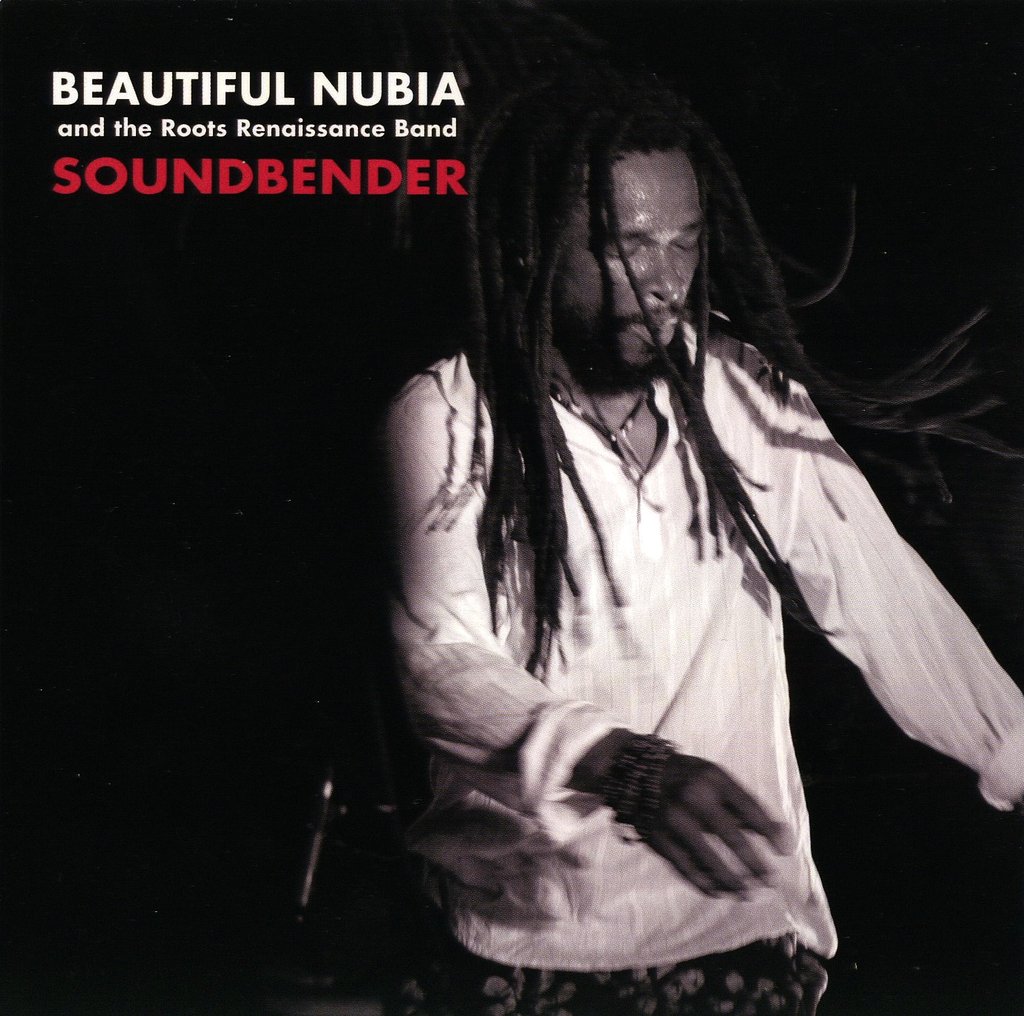
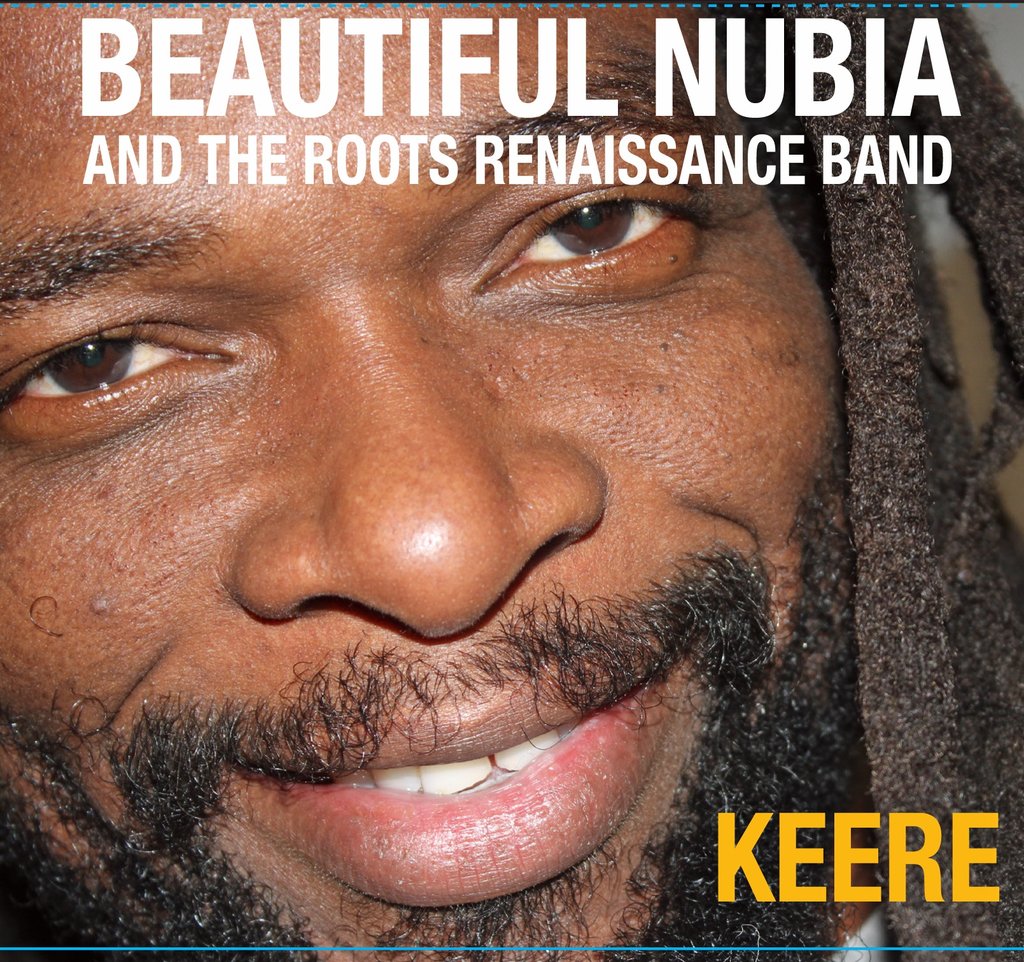
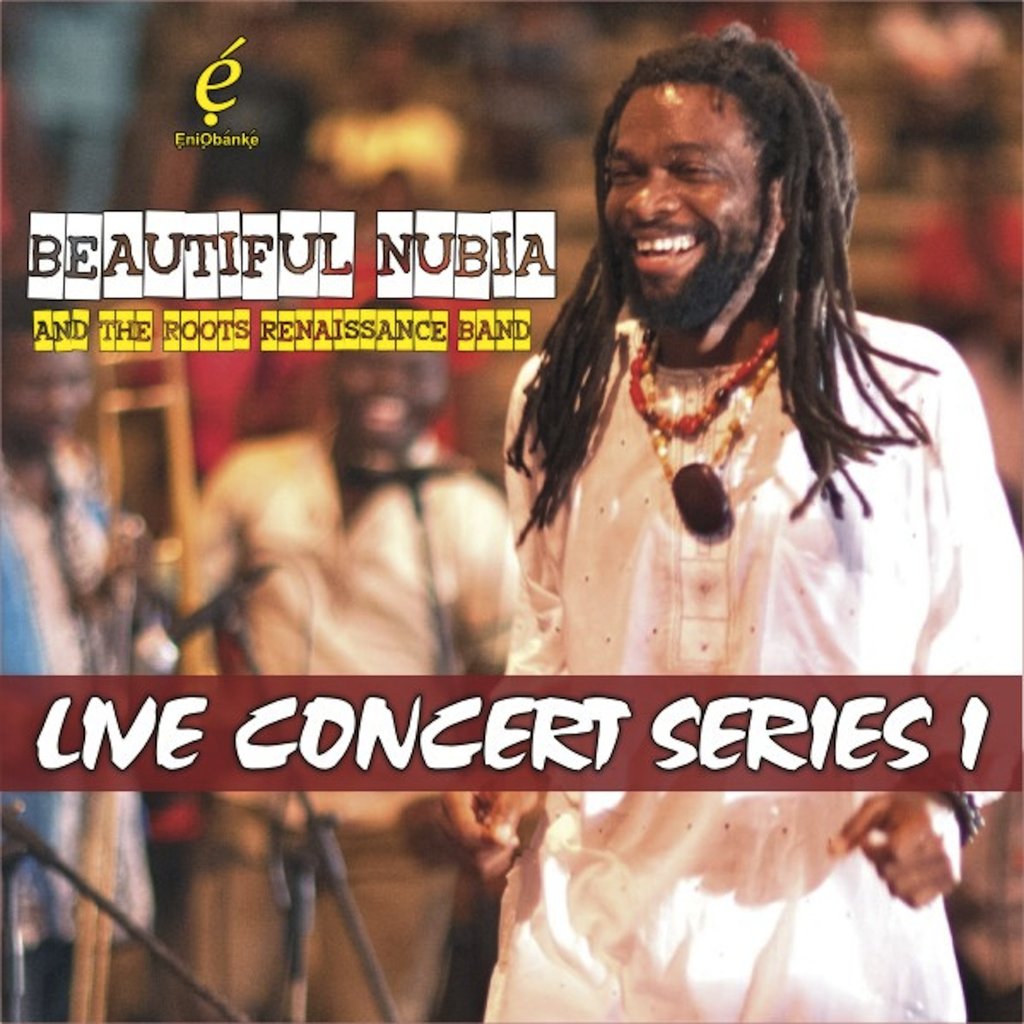
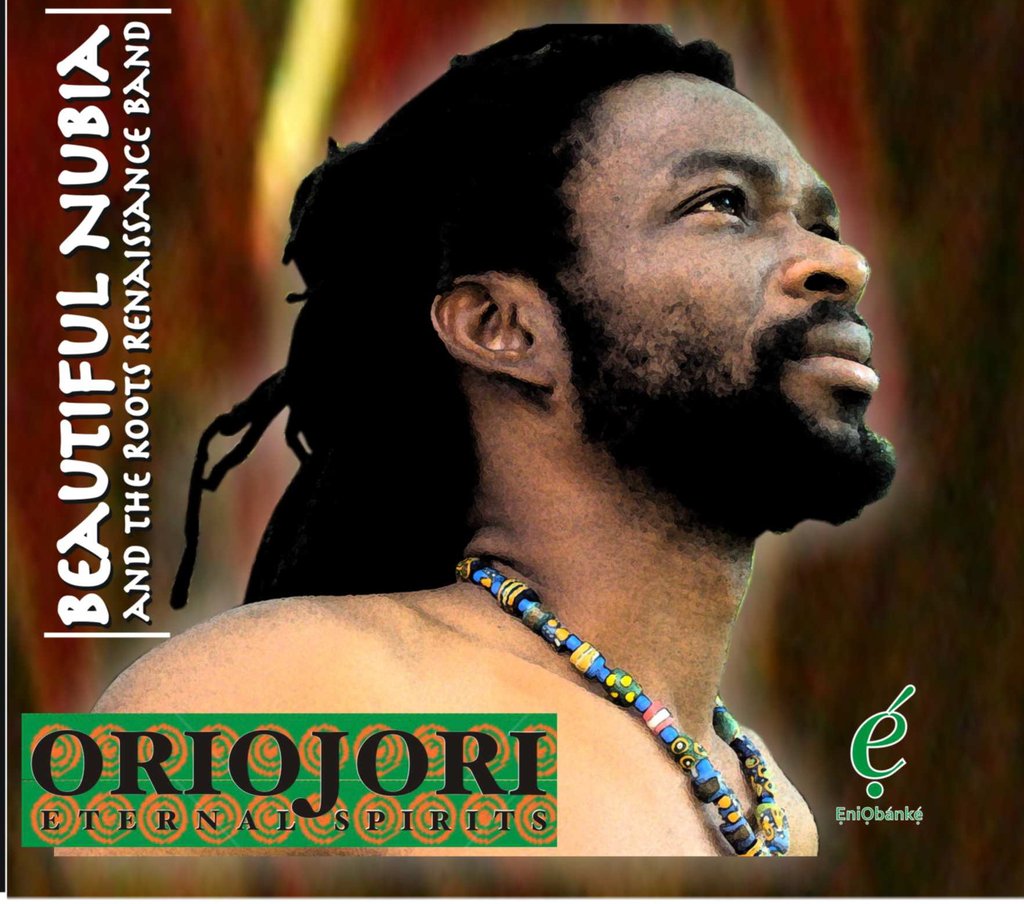
Beautiful Nubia: The troubadour who heals through music
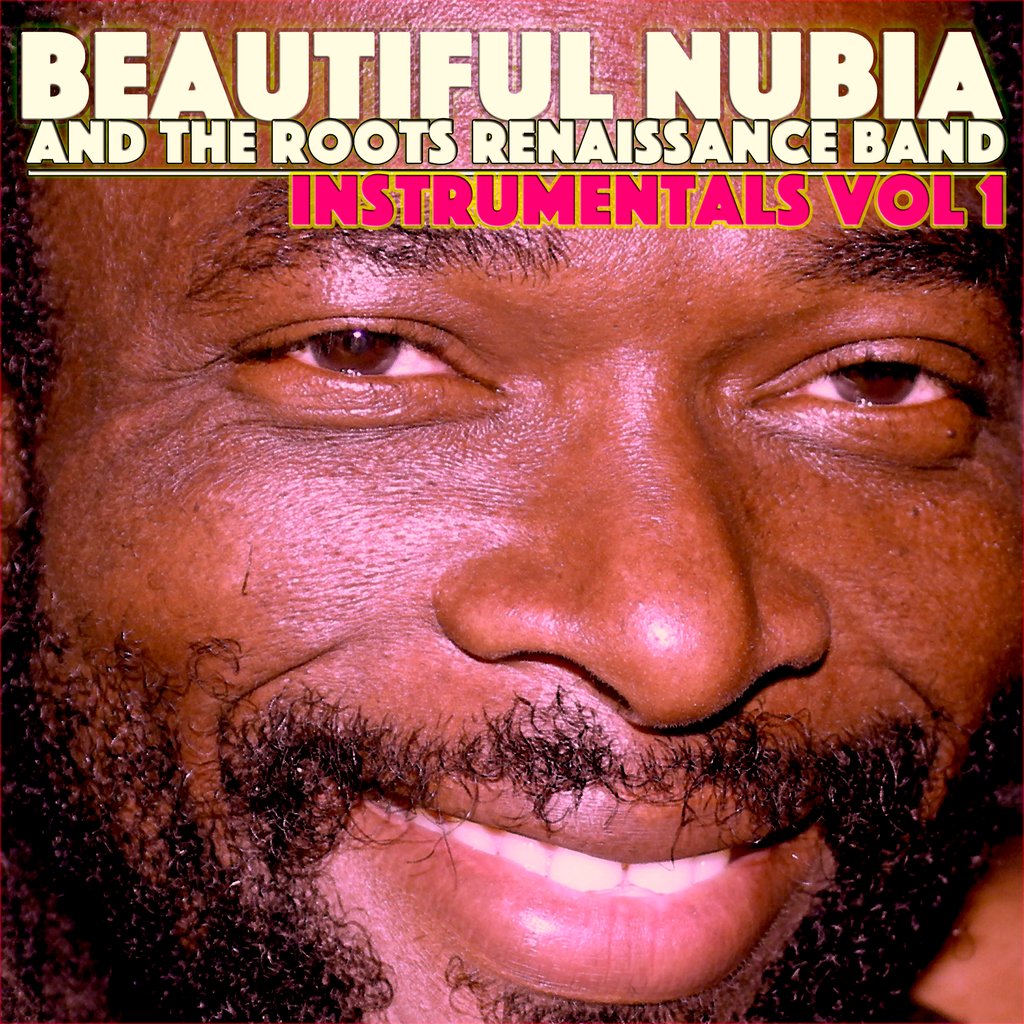
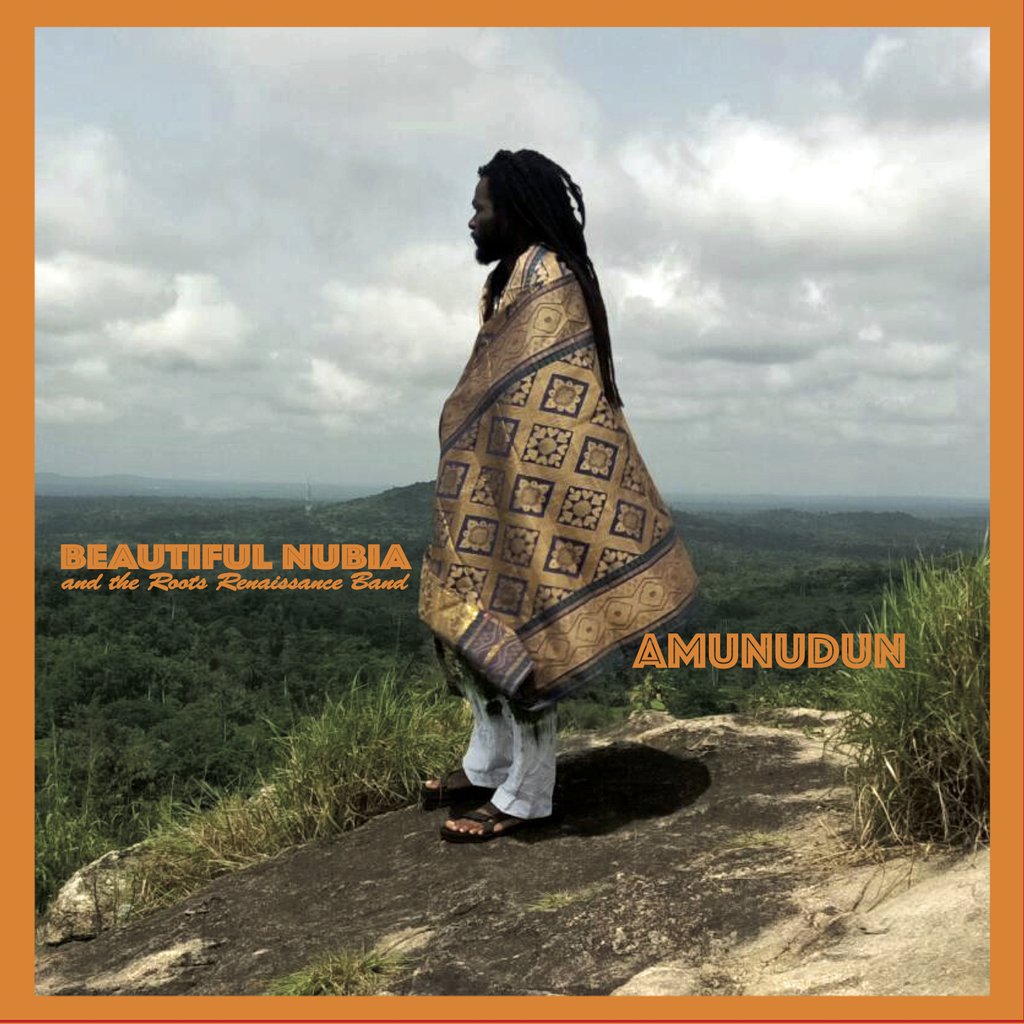
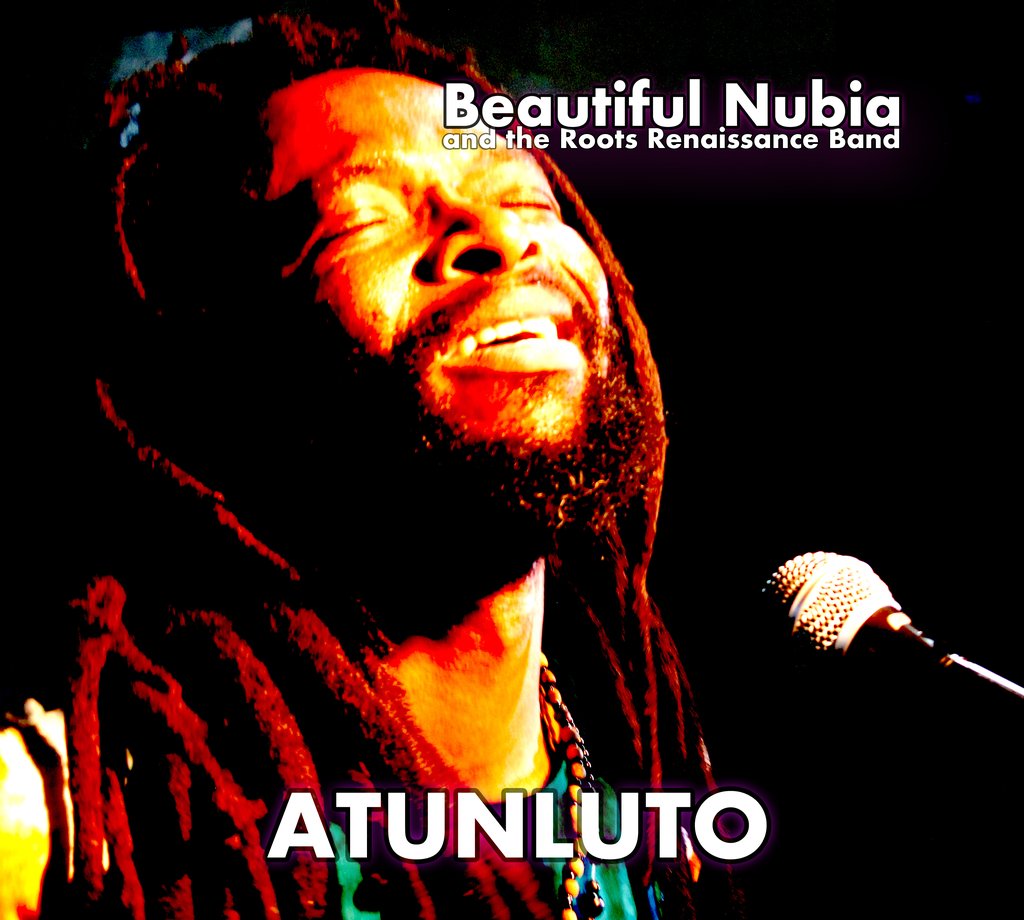
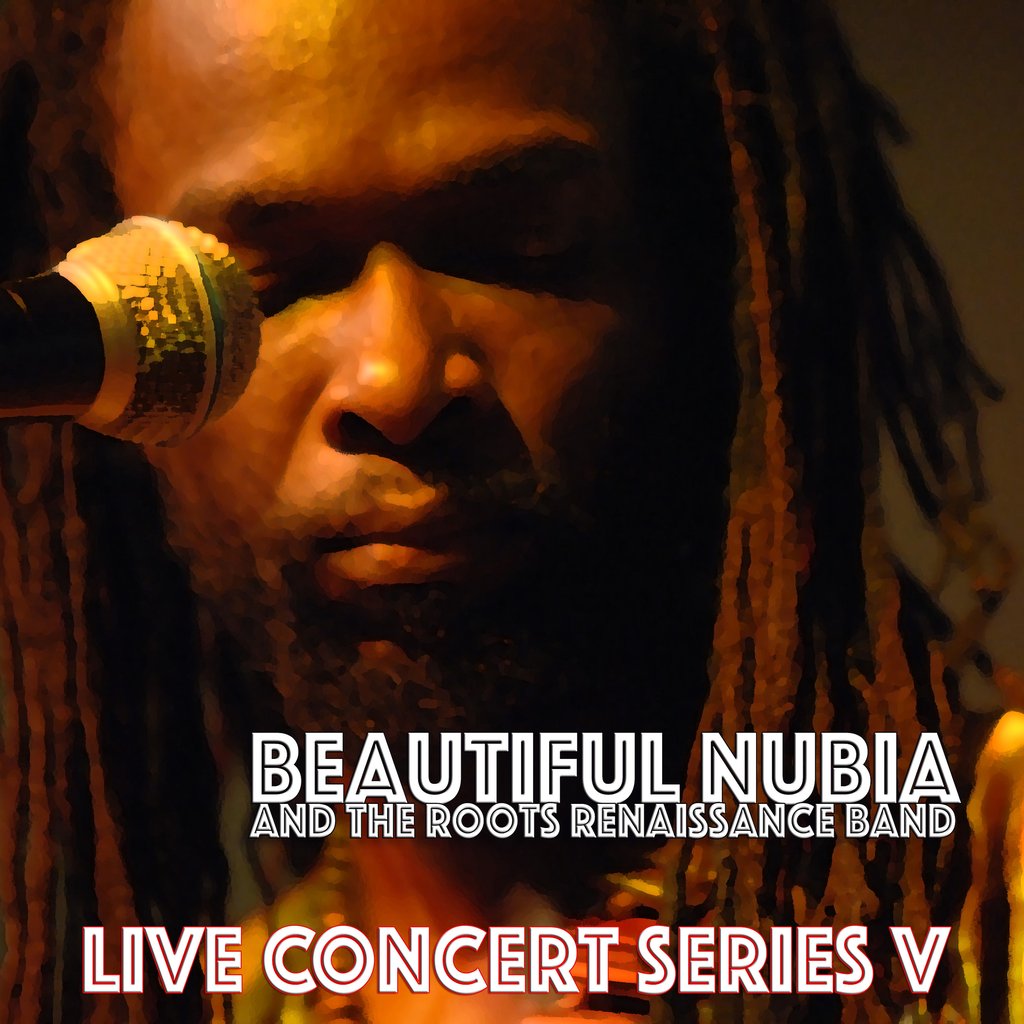
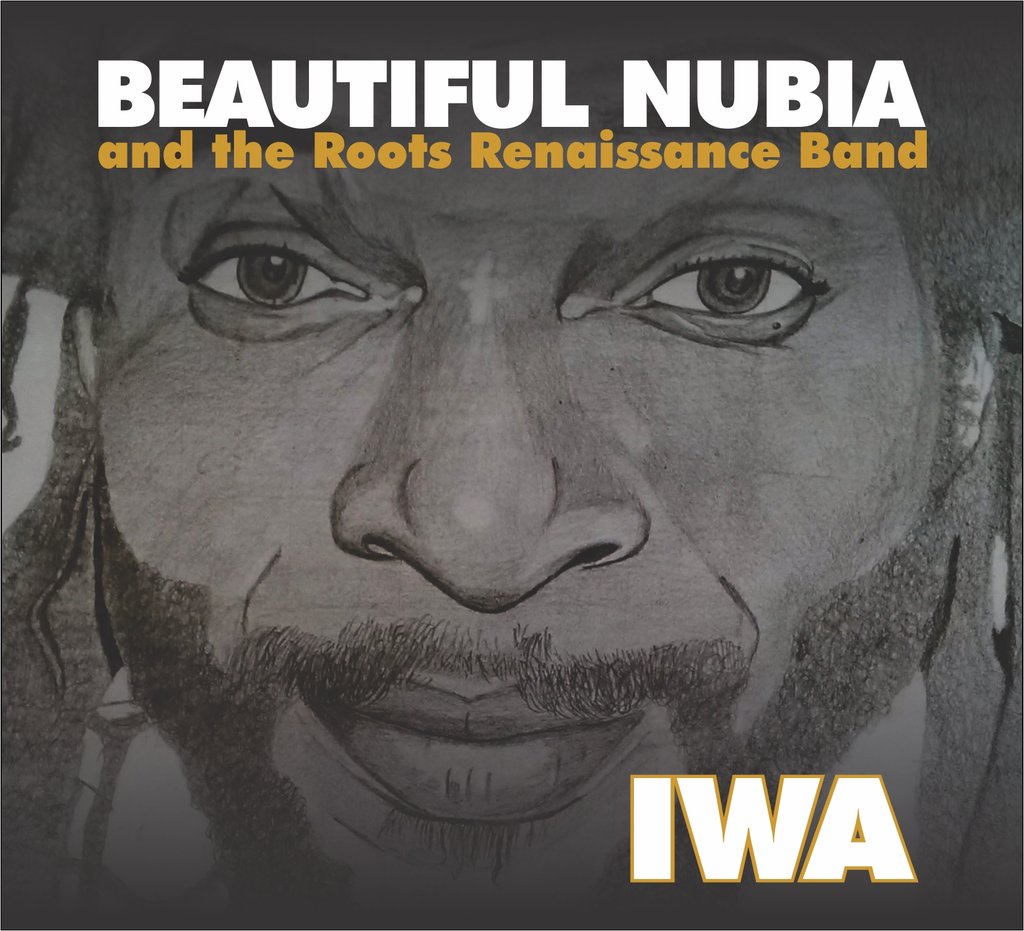
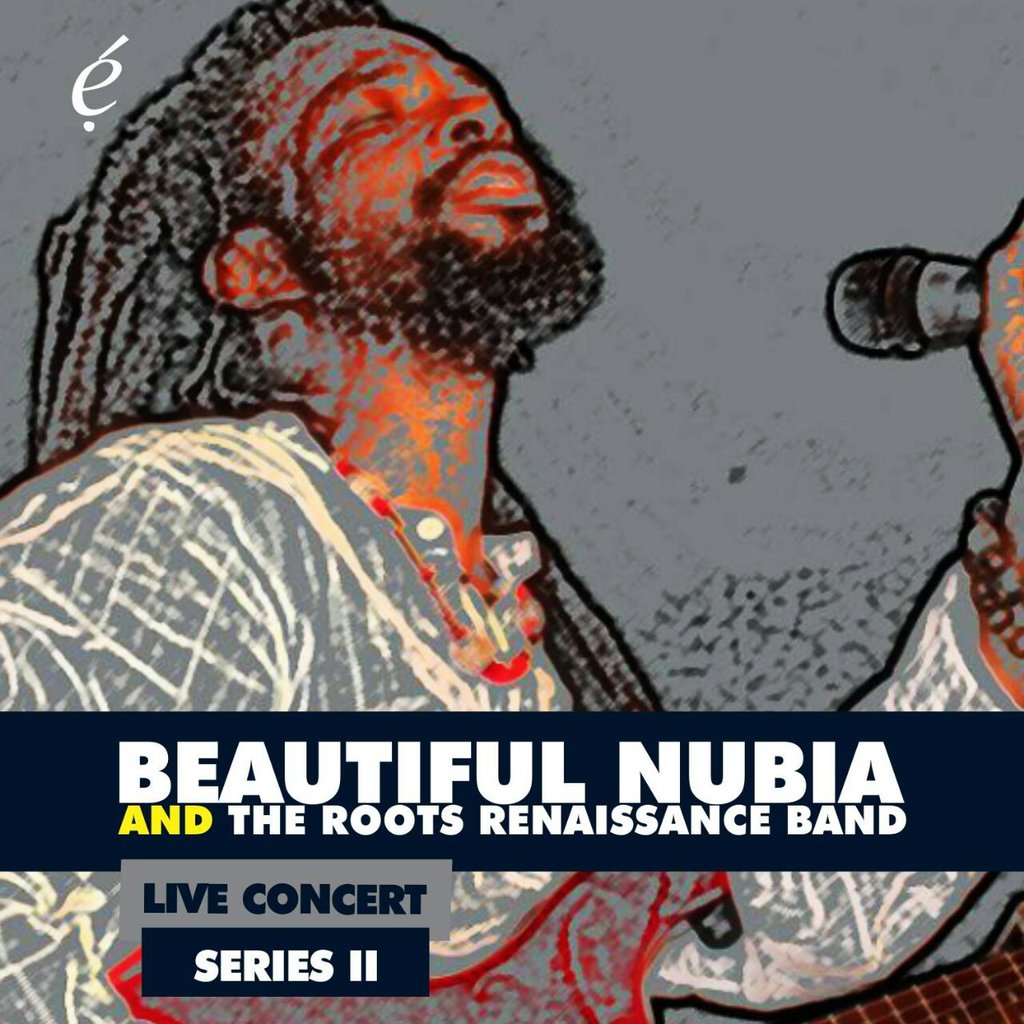
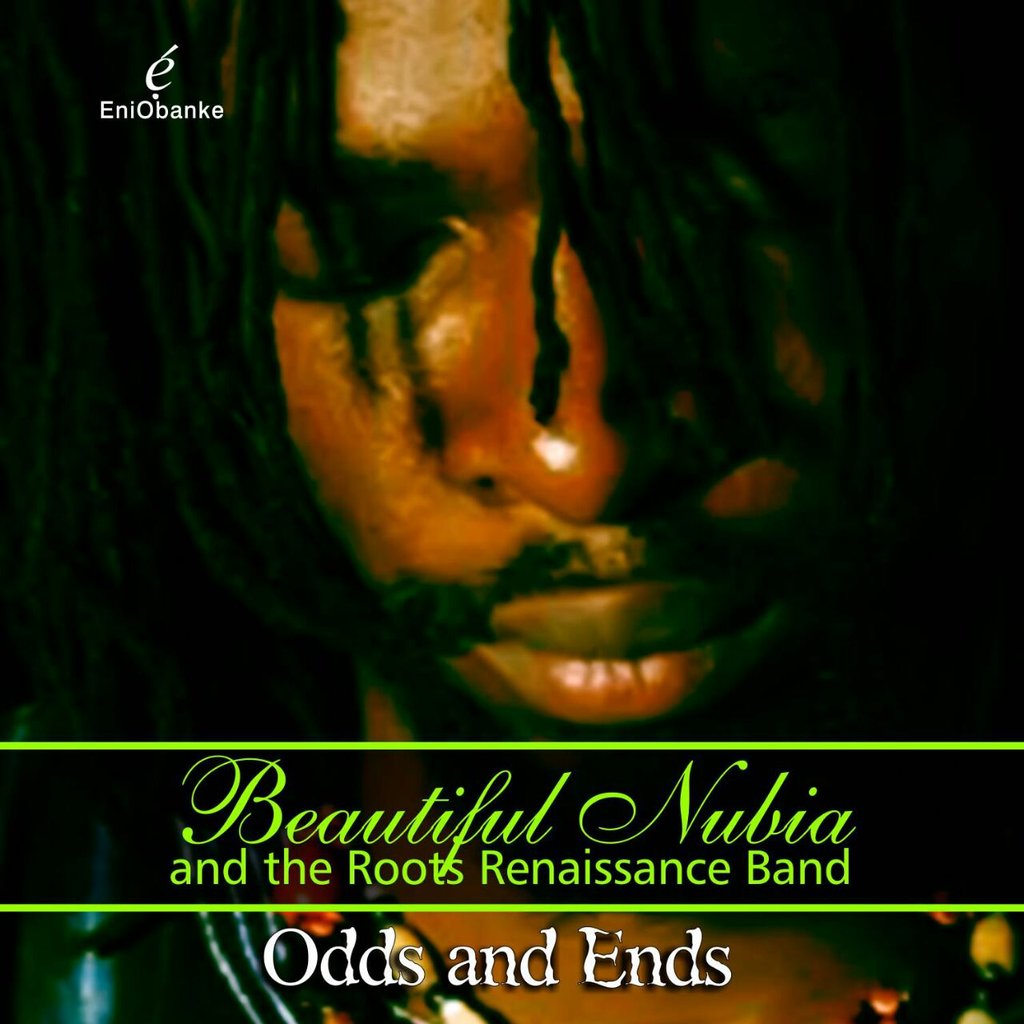
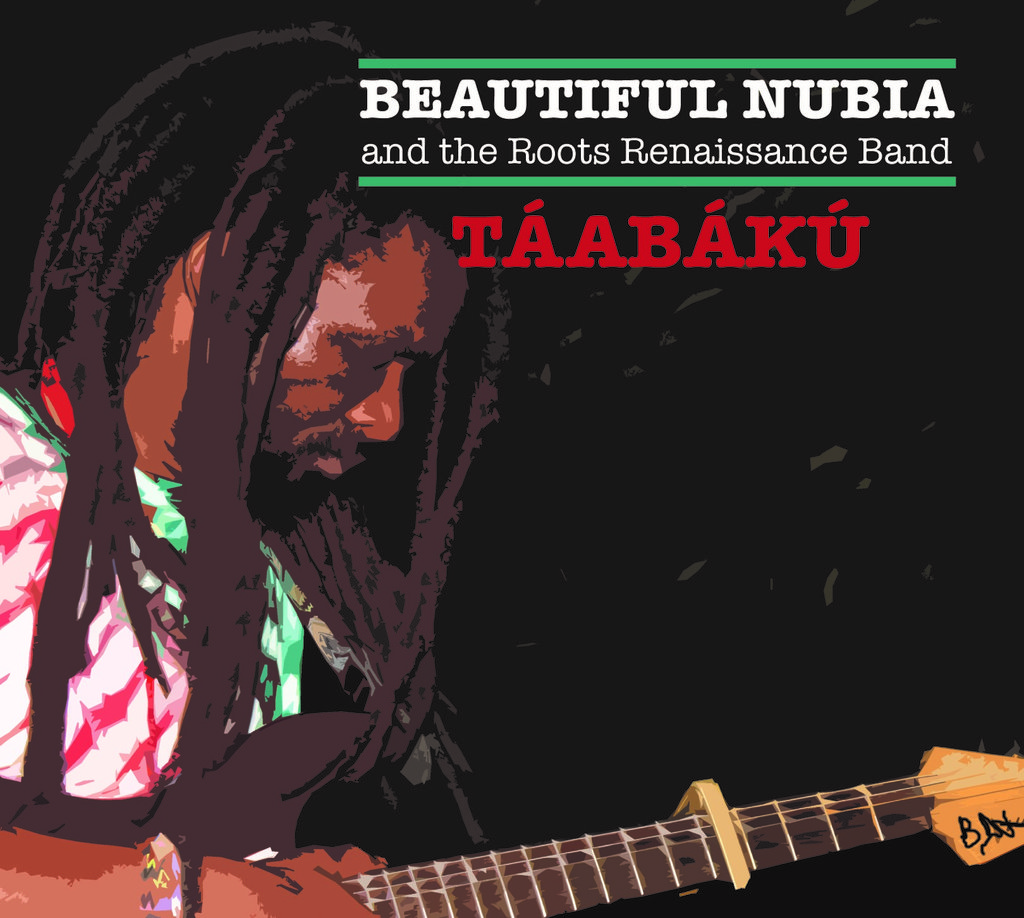
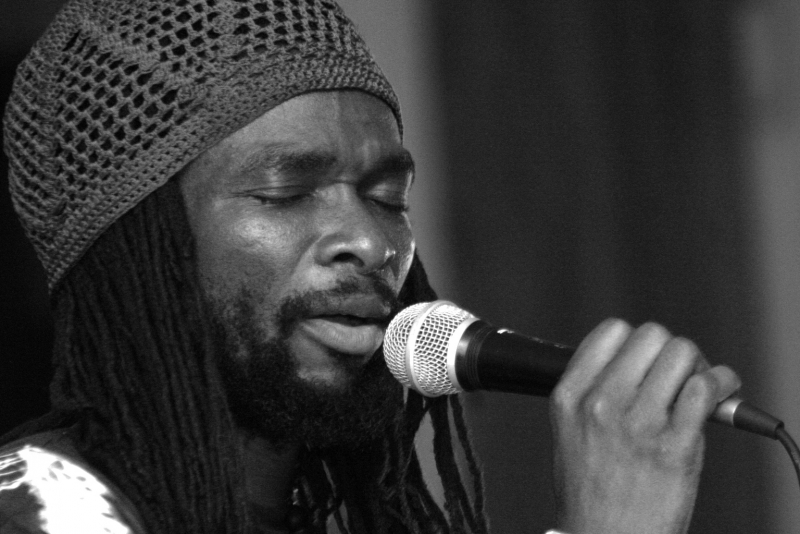
Every morning, tens of millions of Nigerians wake up to the sound of a single phrase: Òwúrọ̀ l’ọjọ́, ẹ kú de! (The morning is here, good morning!). Behind this greeting that has become ritual lies Segun Akinlolu, better known as Beautiful Nubia, a musician who has made music an art of living and a tool for collective reflection.
In brief
| Stage name | Beautiful Nubia (also EniObanke) |
| Civil name | Olusegun Akinlolu |
| Birth | November 11, 1968, Ibadan, Nigeria |
| Genre | Nigerian folk and roots music |
| Notable works | Jangbalajugbu, Fèrè, Kìlọ̀kìlọ̀, Àpèjọ |
| Awards | Honorary doctorate (ESEP Le Berger, 2016), Kora Award nominations (2000, 2001) |
Key dates
| Year | Event |
|---|---|
| 1968 | Birth in Ibadan, in southwestern Nigeria |
| 1992 | Doctorate in veterinary medicine (University of Ibadan) |
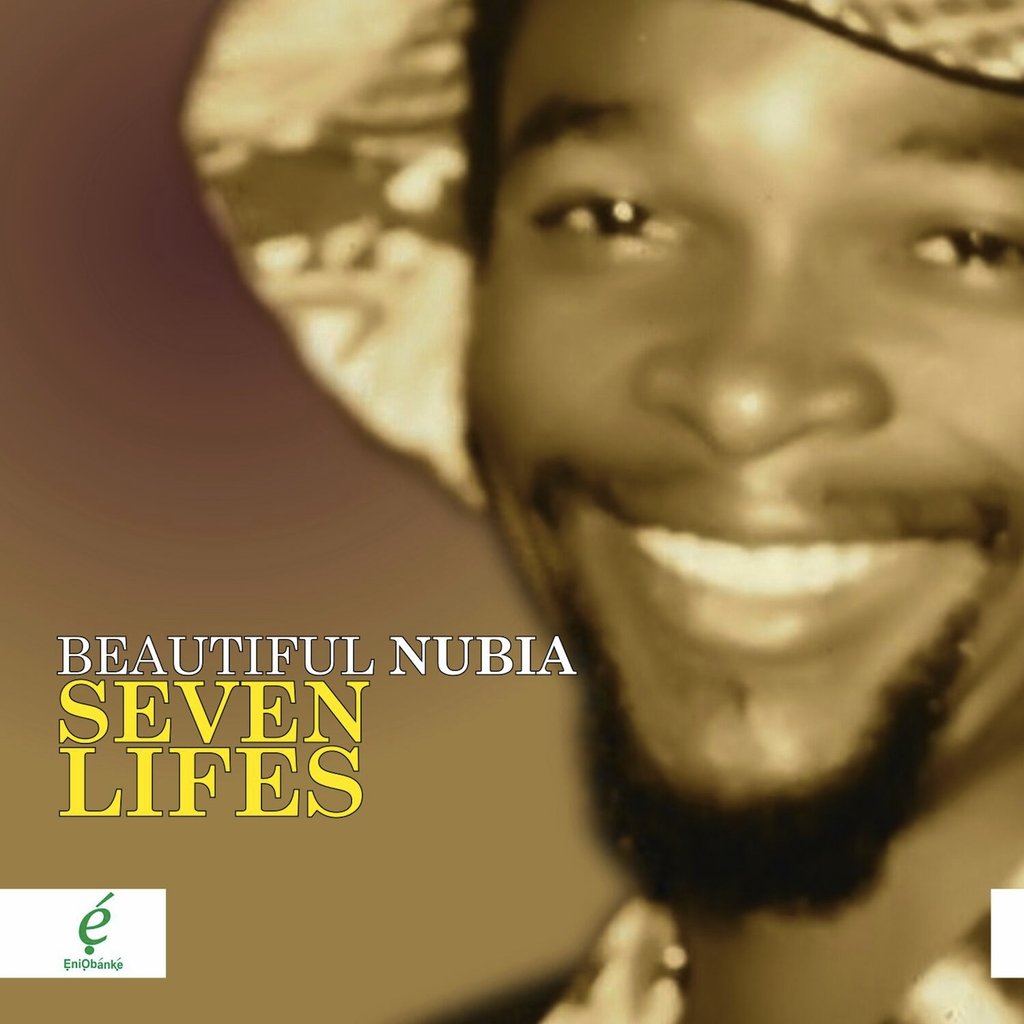
| 1997 | First album, Seven Lifes, on his own label EniObanke |
| 1998 | Creation of the Roots Renaissance Band in Lagos |
| 2000–2001 | Two consecutive nominations for the Kora All-Africa Music Awards |
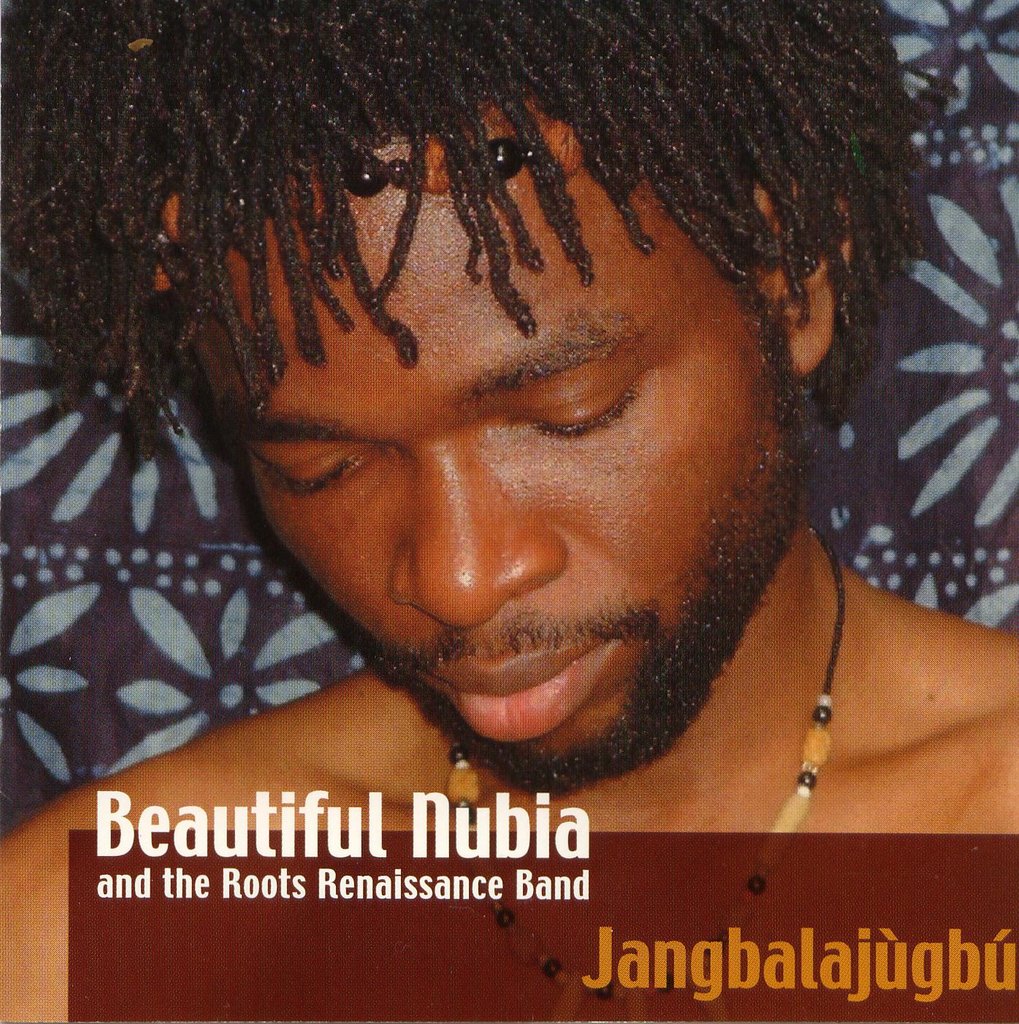
| 2002 | Release of Jangbalajugbu, the album that launched him |
| 2006 | Nicknamed “king of melody” after Fèrè |
| 2010 | Founding of the EMUfest festival, dedicated to folk and roots music |
| 2016 | Honorary doctorate in arts (ESEP Le Berger University, Benin) |
| 2024 | Distinction “UI at 75 Ambassador” by the University of Ibadan |
From clinic to stage
Segun Akinlolu grew up in a city where speech, dance, and music are part of daily life. He began writing his first songs at nine years old, nourished by oral poetry, traditional theater, and Yoruba folklore. His father ran a record store—he remembers the smell of new sleeves. That is where his passion took root, long before he became a veterinarian.
After graduating in 1992, Segun practiced for eight years. But music would not let him go. He saved his earnings to fund demos. In 1997, he made a radical decision: he completely abandoned medicine and founded EniObanke, his own production and distribution structure. The name, which he invented, means “the one the king cherishes”—a way to remind himself that he has a role to play. That same year, Seven Lifes was released, his first album, which announced an artistic direction: music rooted in African traditions but turned toward today.
The breakthrough
The first two albums did not meet the expected success. The public had difficulty accepting that a “doctor” would start singing colorful clothes on television sets. The breakthrough came in 2000 with a nomination for the Kora Awards, the continent’s greatest music awards. “For the first time, people started to say: maybe he has something,” he recalls.
In 2002, Jangbalajugbu changed everything. The album sold over a million copies—excluding the informal market—and the song Òwúrọ̀ l’ọjọ́ (How Do You Do?) became a Nigerian morning classic. Segun then gathered fourteen musicians to form the Roots Renaissance Band, refusing programmed studio sounds in favor of live performance energy and acoustic instruments. The result is a sound that blends traditional Yoruba rhythms, poetry in the Yoruba and English languages, and texts that question society without ever becoming complacent.
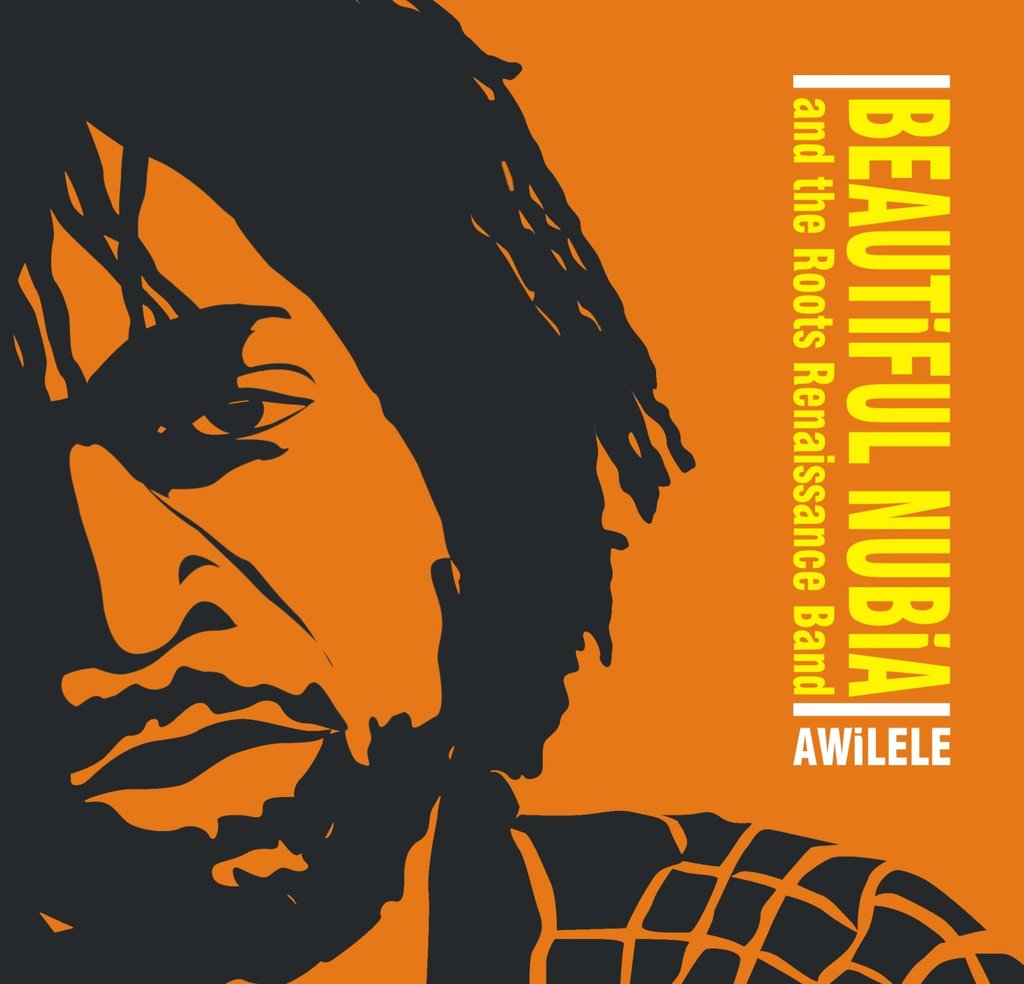
The following albums confirmed this direction. Awilele (2004) reached the top of the Canadian world music charts. Fèrè (2006) earned Beautiful Nubia the nickname “king of melody.” Kìlọ̀kìlọ̀ (2007) again reached the summit of the Canadian charts. In total, more than 250 original songs have been composed—each carries a message, whether it be social justice, respect for nature, or traditional wisdom.
Music and commitment: the EMUfest festival
Beyond his solo career, Beautiful Nubia gave himself a role broader than that of a simple interpreter. In 2010, he launched the EMUfest festival, an itinerant event that has toured Nigeria since its creation. The festival now hosts over 300 artists, choirs, and groups, blending folk music, poetry, dance, and visual arts. It promotes a vision of music that, in his view, “reflects our deepest values.”
He defines his music as a “problem-solving music” rather than simple protest art. “It is not just a cry of revolt,” he specifies: “it offers solutions. It invites to renaissance.” This stance has earned him various nicknames—“prophet,” “philosopher-musician,” “king of melody”—which he welcomes with humor, while continuing to write songs that question power, defend the most vulnerable, and celebrate human dignity.
Major works
| Work | Year | Why it is essential |
|---|---|---|
| Jangbalajugbu | 2002 | The album that changed everything: over a million copies sold and Òwúrọ̀ l’ọjọ́ became the Nigerian morning anthem |
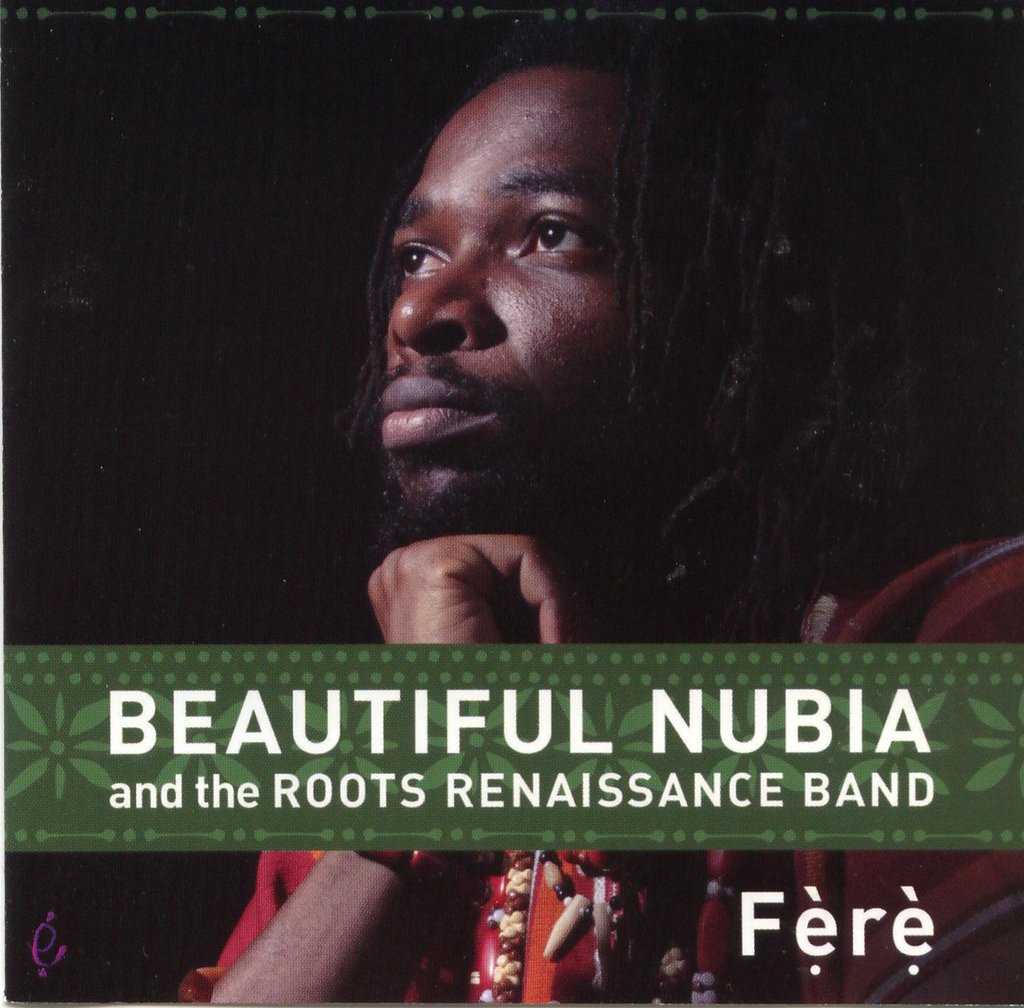
| Fèrè | 2006 | The album that earned him the nickname “king of melody”—dense political texts on catchy music |
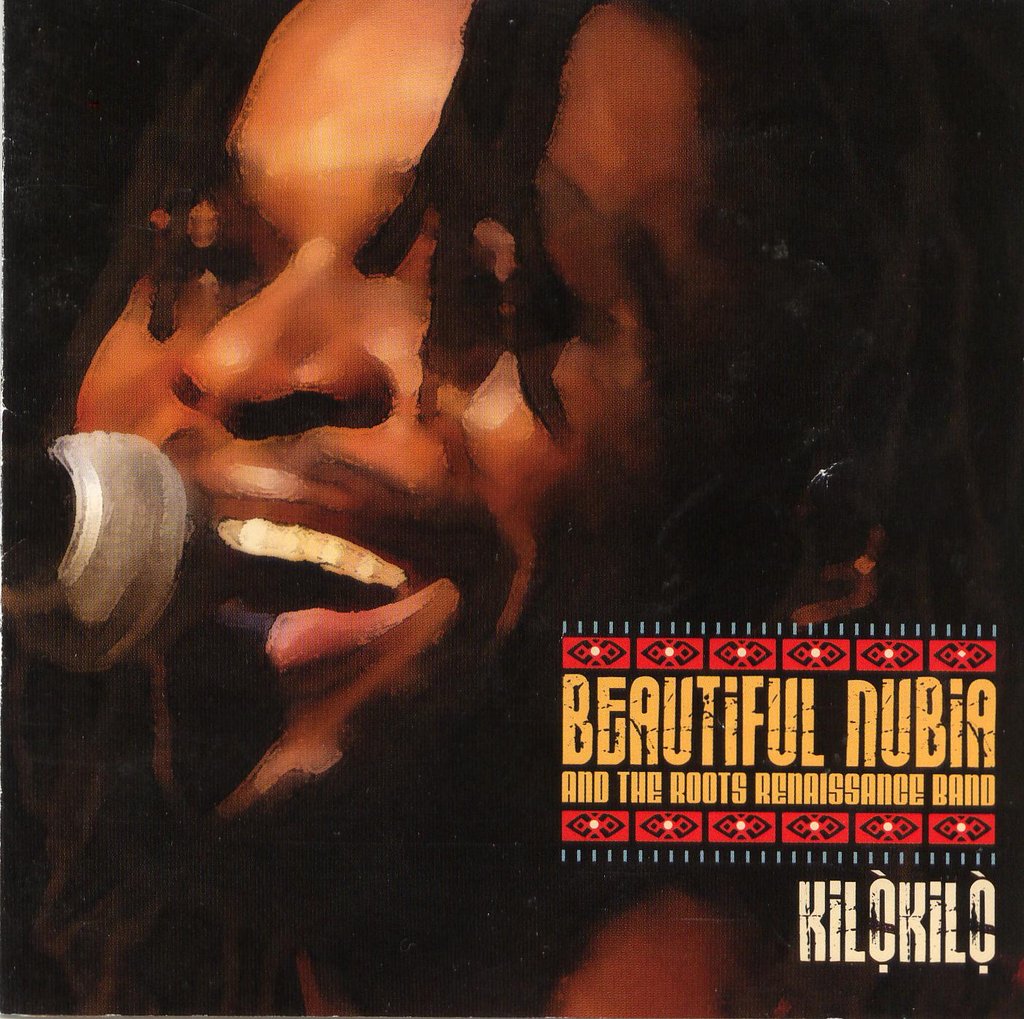
| Kìlọ̀kìlọ̀ | 2007 | First of its kind: a Nigerian album at the top of the Canadian world music charts |
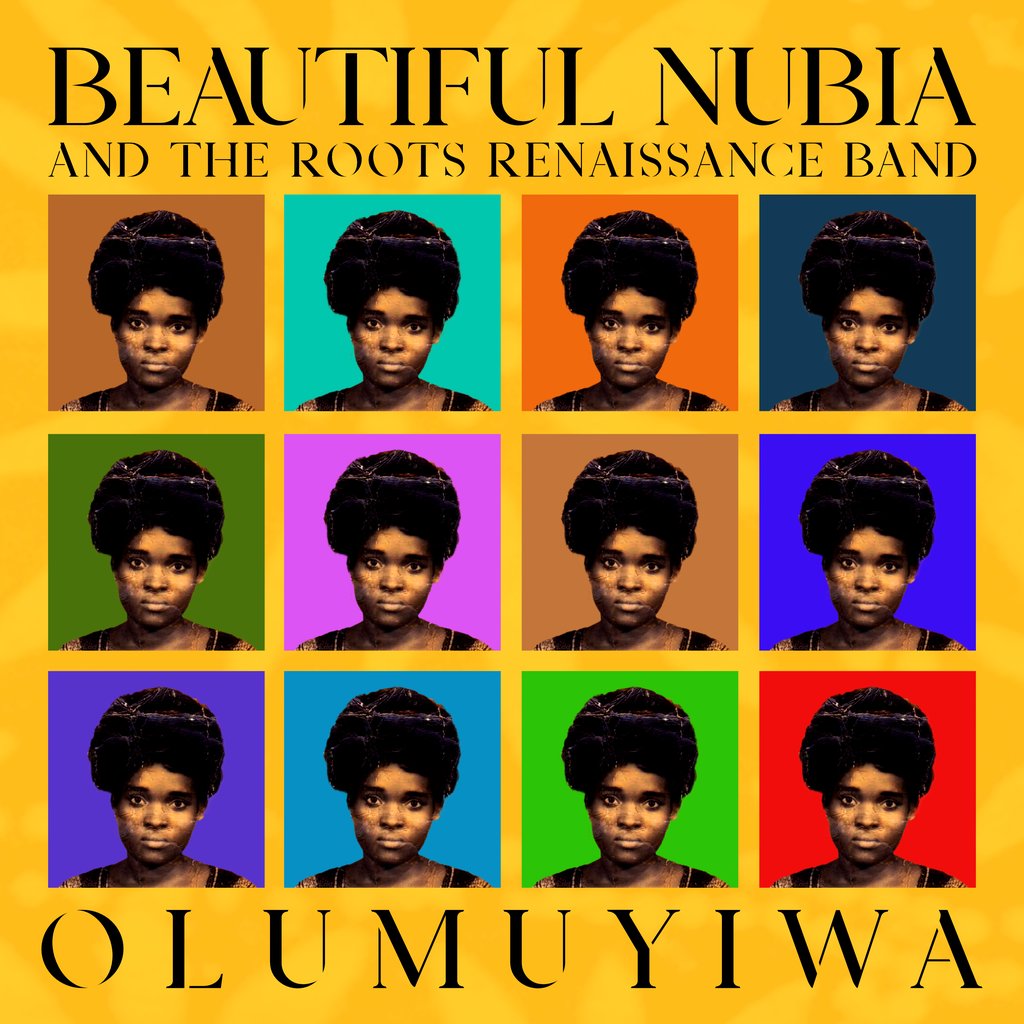
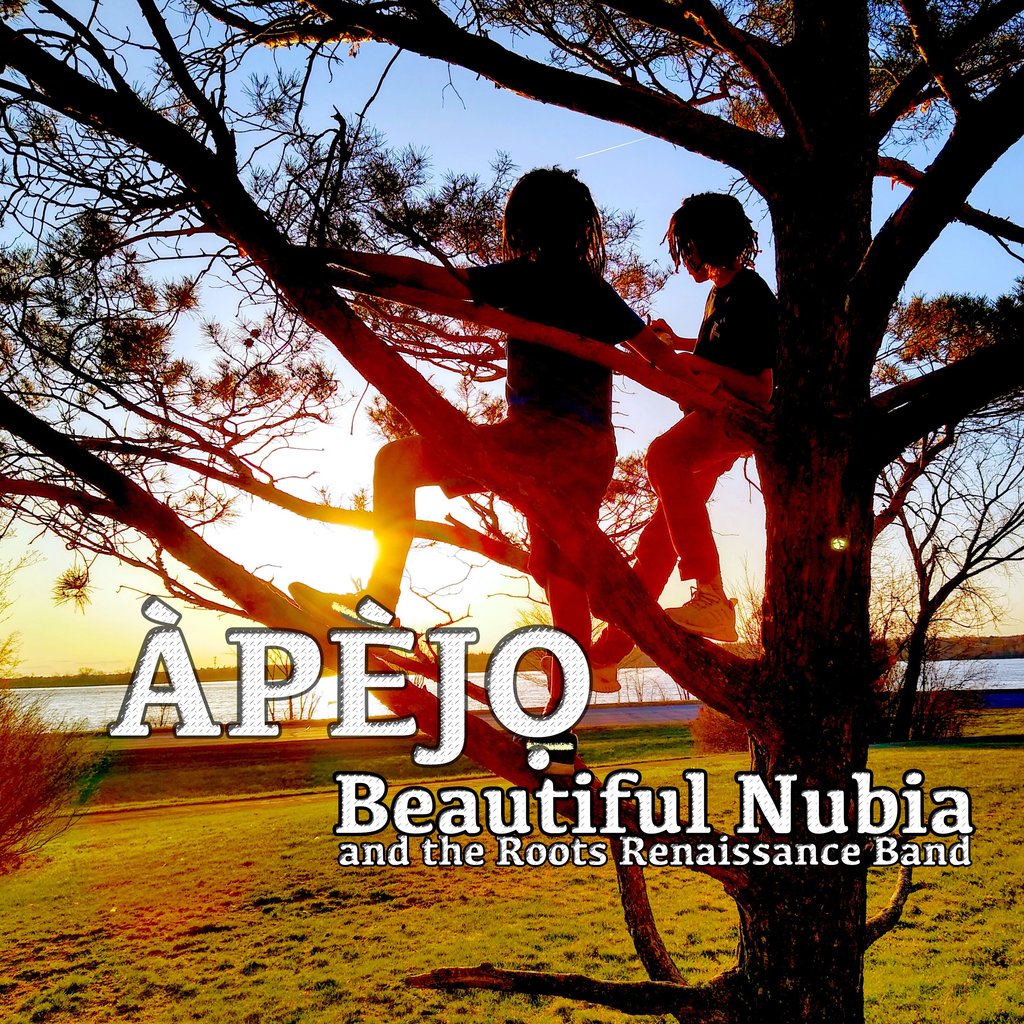
| Àpèjọ | 2019 | A collective memory act: 15 tracks that revisit Yoruba oral wisdom with flamboyant modernity |
Heritage and influence
Beautiful Nubia has proven that it is possible, in Nigeria, to create music rooted in tradition yet oriented toward the world, without relying on major label intermediaries. His more than 20 albums released on his own label EniObanke constitute a living catalogue that speaks of substance rather than trends. His influence is evident in a growing generation of Nigerian musicians who claim their roots without treating them as a burden. As for the EMUfest festival, it remains today the oldest annual event dedicated to folk music in Nigeria — and a laboratory of discoveries every year.
Sources and references
- « Beautiful Nubia - Bio », beautifulnubia.com, https://beautifulnubia.com/bio, accessed 19 October 2026.
- « Beautiful Nubia », Wikipedia, https://en.wikipedia.org/wiki/Beautiful_Nubia, accessed 19 October 2026.
- Banning Eyre, « Beautiful Nubia, Troubadour of Nigerian Conscience », Afropop Worldwide, https://www.afropop.org/articles/beautiful-nubia-troubadour-of-nigerian-conscience, accessed 19 October 2026.
- « My family can’t compete with my music », Vanguard News, https://www.vanguardngr.com/2013/03/my-family-cant-compete-with-my-music/, accessed 19 October 2026.
- « “I Started Writing Songs At The Age Of 9” – Beautiful Nubia », The Street Journal, https://thestreetjournal.org/%e2%80%9ci-started-writing-songs-at-the-age-of-9%e2%80%9d-%e2%80%93-beautiful-nubia/, accessed 19 October 2026.
- « #BNCreativesCorner: Beautiful Nubia is A Musical Conduit of Native Wisdom », Bellanaija, https://bellanaija.com/2023/06/bncreativescorner-beautiful-nubia-is-a-musical-conduit-of-native-wisdom, accessed 19 October 2026.
- « EniObanke Music Festival », Wikipedia, https://en.wikipedia.org/wiki/EniObanke_Music_Festival, accessed 19 October 2026.
- « The Artist as Social Critic: The Musical Performances of Beautiful Nubia and his Roots Renaissance Band in Nigeria », IJSSH, https://www.stm.eurekajournals.com/index.php/IJHSSIT/article/view/579/613, accessed 19 October 2026.