Biography
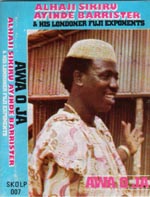
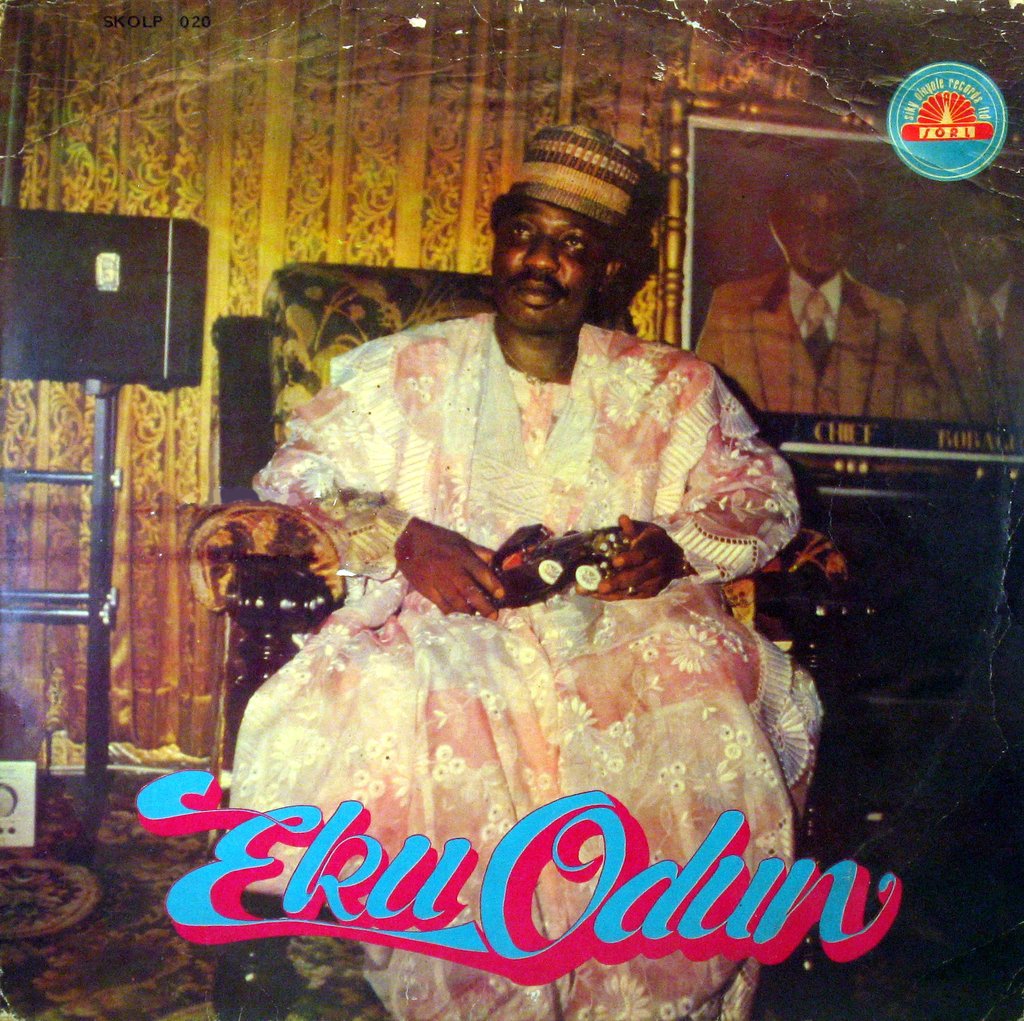
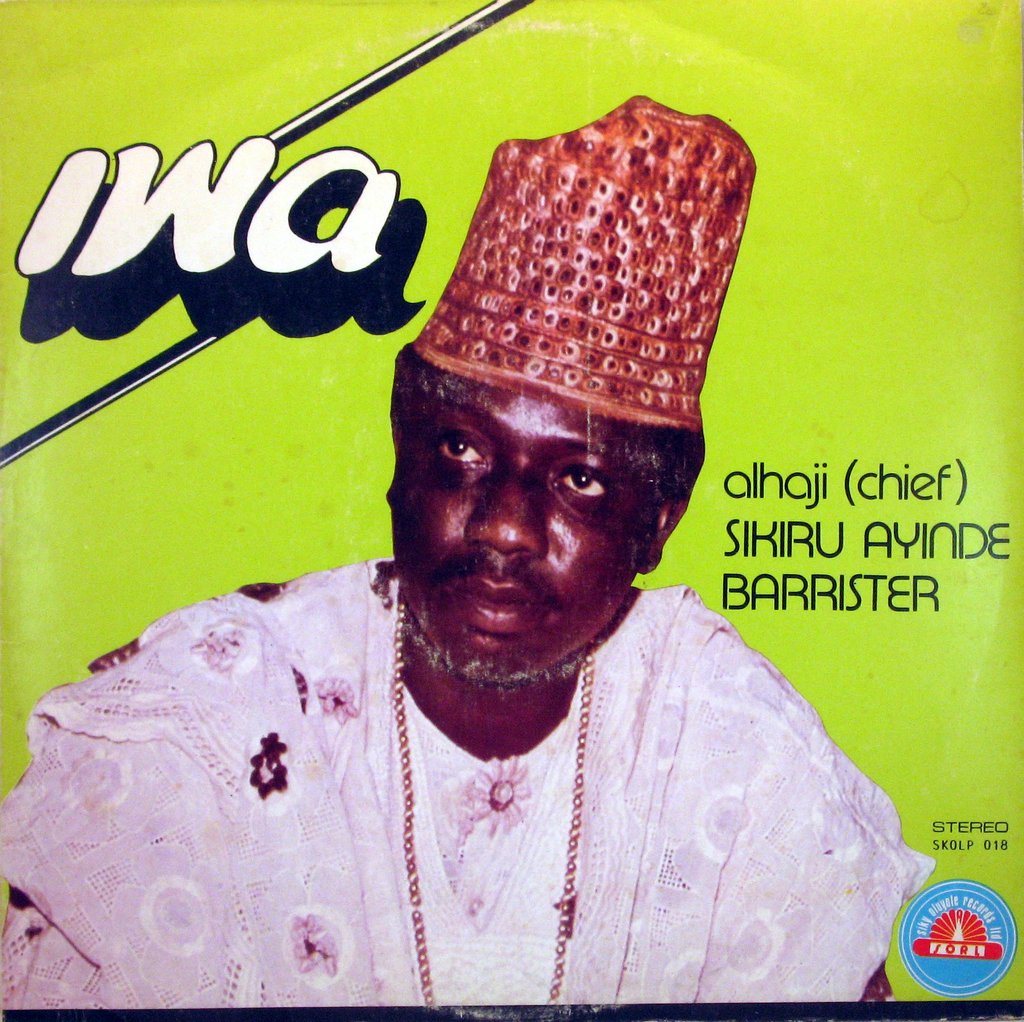
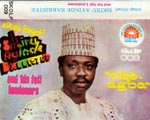
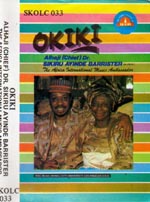
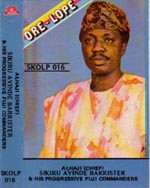
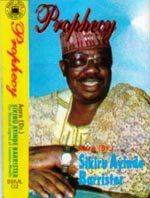
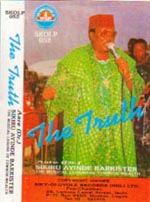
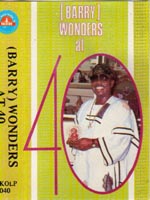
Alhaji Sikiru Ayinde Barrister: the genius of Fuji, the voice of a people
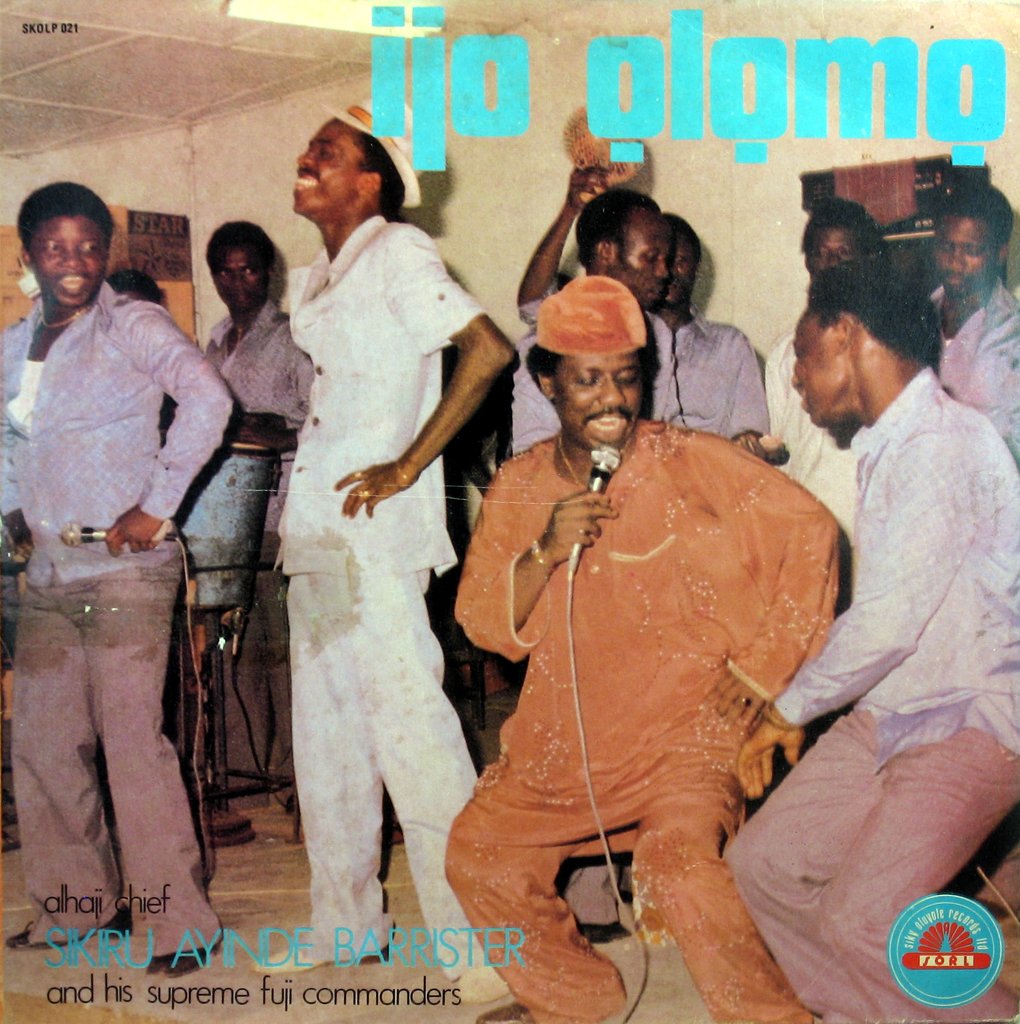
In 1982, in a Lagos undergoing upheaval, singer Ayinde Barrister took the stage and launched, through song, a political satire so biting that it provoked the anger of military authorities. He was not an activist, however: he was a Fuji musician, a genre that he himself invented, blending Yorùbá Ramadan vocal traditions and frenetic percussive rhythms.
In brief
| Full name | Sikiru Ololade Ayinde Balogun |
| Stage name | Ayinde Barrister, Barry Wonder |
| Birth | 9 February 1948, Ibadan, Nigeria |
| Death | 16 December 2010, London, United Kingdom |
| Genre | Fuji and Wéré |
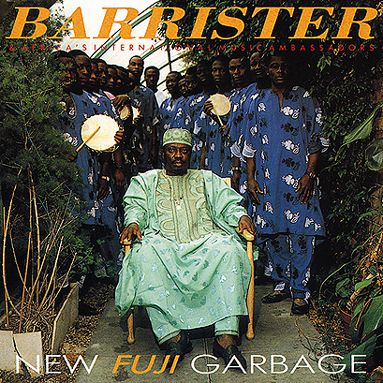
| Notable works | Nigeria (1983), Fuji Garbage (1988), Precaution (1995) |
| Honours | MFR (2006), doctor honoris causa (1983) |
Key dates
| Year | Event |
|---|---|
| 1948 | Birth in Ibadan, Oyo State, Nigeria |
| 1965 | Debut as a dajiwere singer during Ramadan |
| 1966 | First recording, Ejeka Gbo T’Olorun |
| 1967-1970 | Military service during the Nigerian civil war |
| ~1975 | Emergence of the Fuji style |
| 1978 | Creation of Siky-Oluyole Records label |
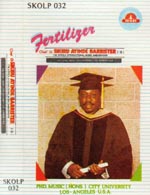
| 1983 | Album Nigeria; doctorate honoris causa in Los Angeles |
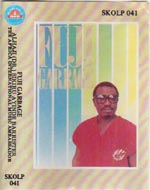
| 1988 | Release of Fuji Garbage |
| 2006 | MFR award from President Obasanjo |
| 2010 | Death in London |
From Ramadan to the international stage
Born into a modest family — his father was a butcher — Sikiru Ololade Ayinde Balogun grew up in Ibadan. From adolescence, he sang ajiwere, a traditional Yorùbá Ramadan chant. After studies at the Muslim Mission School and Model School in Lagos, followed by a stenography diploma from Yaba Polytechnic, he worked as a typist at Nigerian Breweries.
During the civil war (1967-1970), he served as a clerk in the army, fighting at Awka, Abagana and Onitsha. At the end of the conflict, he left the army and founded Supreme Fuji Commanders, an orchestra of 34 musicians. He transformed wéré — religious Ramadan music — into a secular style, drawing from apala, sakara and awurebe to invent Fuji, the “juju without guitars”. The name pays homage to Mount Fuji, “the Japanese mountain of love”.
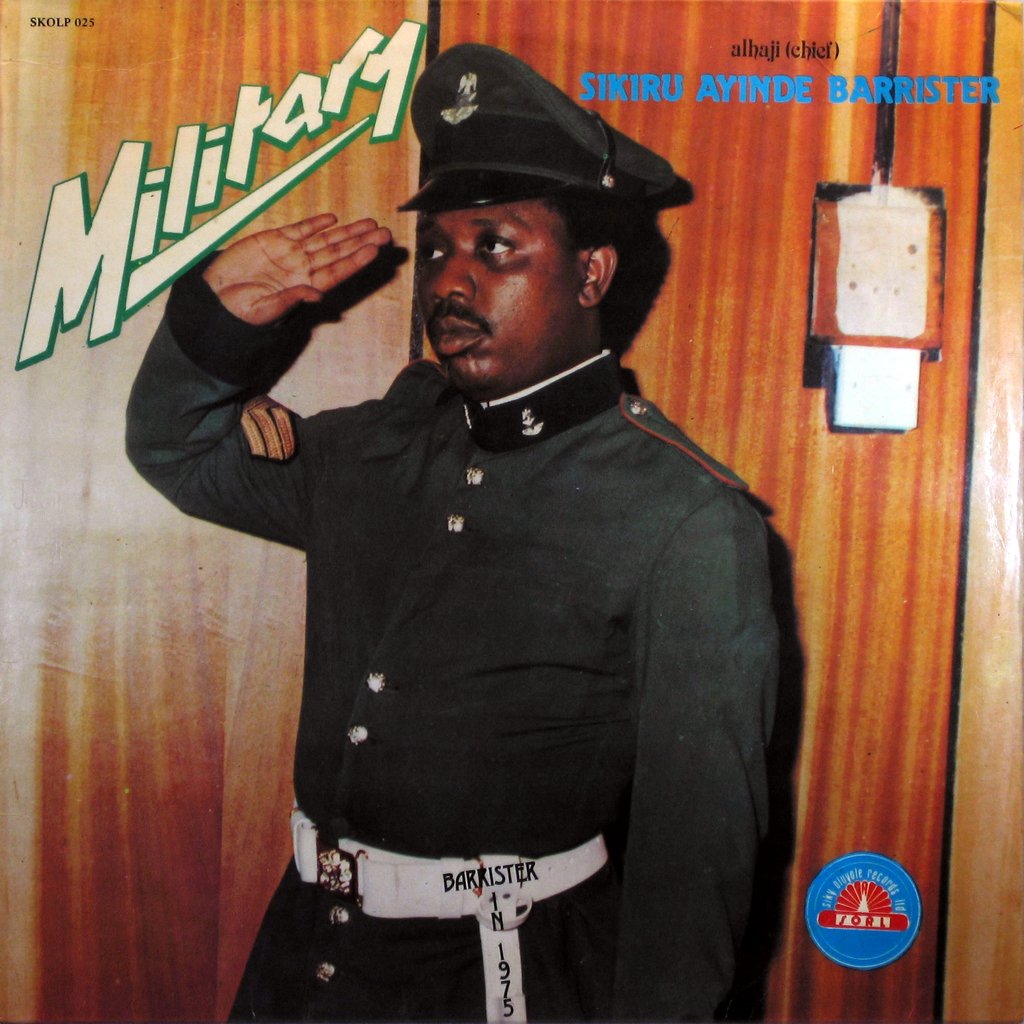
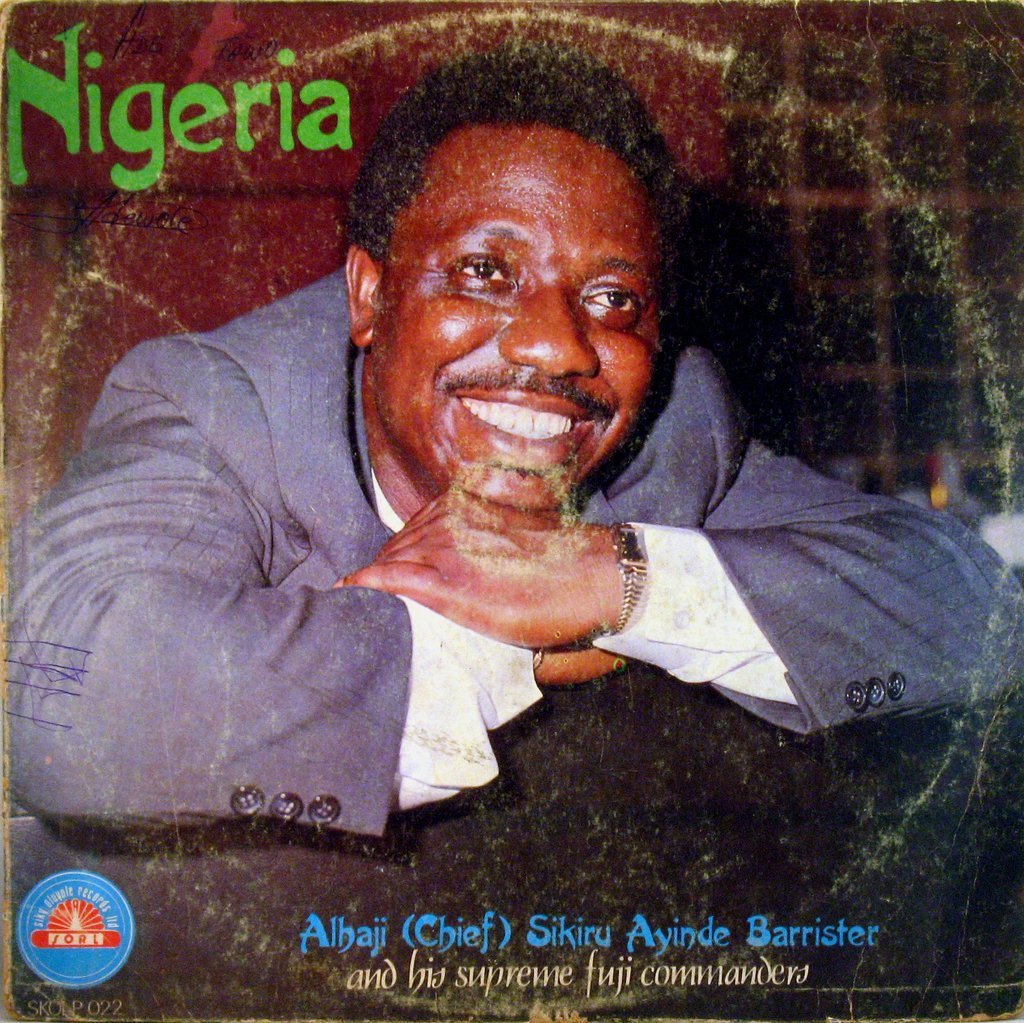
In the 1970s, he toured all over Nigeria, recorded for African Songs Ltd, then launched his label in 1978. More than 70 albums followed over forty-five years. His percussion orchestra, talking drums, sékere and brass conquered both Muslims and non-Muslims. What sets him apart is his political usage: Nigeria (1983), Military (1984), Precaution (1995) and Democracy (1999) address dictatorship, poor governance and democratic rights. Unlike his peers, Barrister made Fuji a political ideology rooted in Nigerian perspectives.
His career was not free of conflicts. In 1982, a dispute broke out with his rival Ayinla Kollington, who accused him by song of being involved in the death of Ayinla Omowura. Barrister retorted: “I am there as a father, he as a son.” In 1990 and 1993, he triumphed in London, bringing Fuji to the international stage. In 2006, the nation awarded him the MFR.
Major works
| Work | Year | Why it is essential |
|---|---|---|
| Nigeria | 1983 | First major political album, analysis of challenges under military dictatorship |
| Fuji Garbage | 1988 | Masterpiece consolidating Fuji in the collective imagination |
| Precaution | 1995 | Analysis of Nigerian problems, the album that earned the MFR |
| Democracy | 1999 | Testimony of democratic transition |
Legacy and influence
Barrister has been resting since 16 December 2010, but his influence remains profound. Fuji, the genre he invented, is one of the most listened-to music genres in Nigeria. Artists like his son Barry Jhay carry on his percussive and civic legacy. In 2024, the documentary Mr. Fuji: Barry Wonder by Professor Saheed Aderinto offers the public an in-depth view of his life, confirming that Fuji is far more than a sound: it is a way for millions of Yorùbá to understand the world.
Sources and references
- “Ayinde Barrister”, Wikipedia, https://en.wikipedia.org/wiki/Ayinde_Barrister, accessed 19 October 2025.
- “Barrister Biography”, AllMusic, https://allmusic.com/artist/barrister-mn0000143357, accessed 19 October 2025.
- “Fuji Musician, Sikiru Ayinde ‘Barrister’, Is Dead”, SaharaReporters, https://saharareporters.com/2010/12/16/fuji-musician-sikiru-ayinde-barrister-dead, accessed 19 October 2025.
- “Sikiru Ayinde Barrister, Barry wonder gbajúmọ̀ olórin Fuji tó ṣiṣẹ́ sọ́jà”, BBC News Yorùbá, https://www.bbc.com/yoruba/55329542, accessed 19 October 2025.
- Saheed Aderinto, “Fuji music in Nigeria: new documentary shines light on a popular African culture”, The Conversation, https://theconversation.com/fuji-music-in-nigeria-new-documentary-shines-light-on-a-popular-african-culture-224976, accessed 19 October 2025.
- “Life and Times of Late Sikiru Ololade Ayinde Balogun, MFR”, Oyo Affairs, https://oyoaffairs.net/life-and-times-of-late-sikiru-ololade-ayinde-balogun-mfr/, accessed 19 October 2025.
- “US-based professor premieres documentary on Ayinde Barrister”, The Punch, https://punchng.com/us-based-professor-premieres-documentary-on-ayinde-barrister, accessed 19 October 2025.
- “The Fuji Documentary”, Wikipedia, https://en.wikipedia.org/wiki/The_Fuji_Documentary, accessed 19 October 2025.