Biography
Tony Allen: the heartbeat of Afrobeat
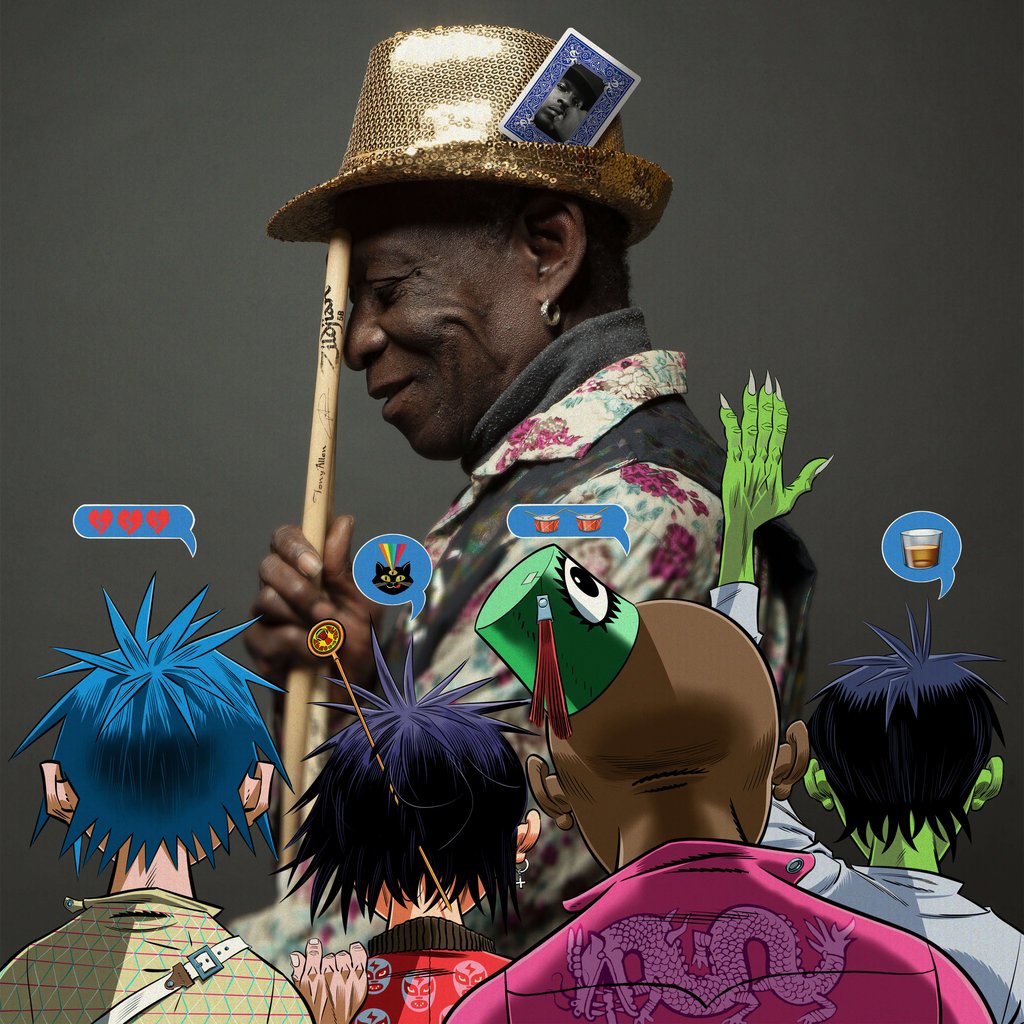
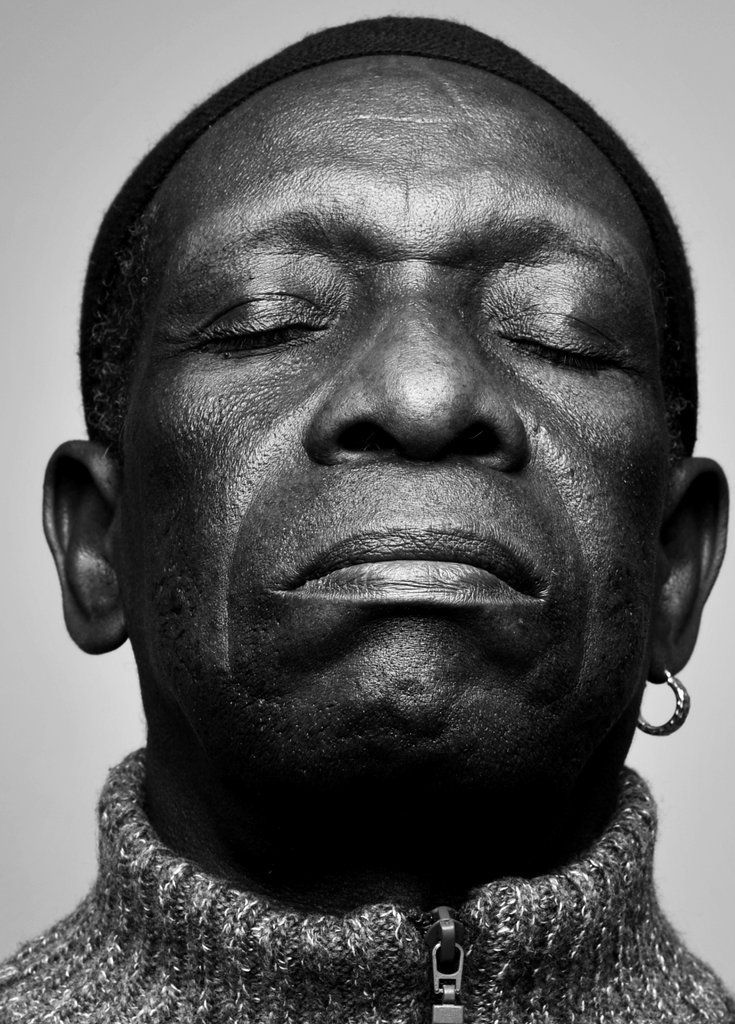
In 1969, in a smoky club in Lagos, a twenty-nine-year-old Nigerian drummer hit his cymbals and bass drum as if four musicians were holding the sticks. The sound that emerged was unlike anything heard in Nigeria before. It is slow, heavy, mechanical—a rhythm that pushes relentlessly, like a march. Fela Kuti, the leader, smiled. He had just found the backbone of Afrobeat.
In brief
| Full name | Tony Oladipo Allen |
| Birth | 20 July 1940, Lagos (Nigeria) |
| Death | 30 April 2020, Paris (France) |
| Genre | Afrobeat — jazz, funk, highlife |
| Notable works | Jealousy, Black Voices, The Source |
Key dates
| Year | Event |
|---|---|
| 1940 | Born in Lagos |
| 1958 | Discovers drums, learns as a self-taught musician |
| 1964 | Meets Fela Kuti, joins Koola Lobitos |
| 1969 | Becomes the musical leader of Africa ‘70 |
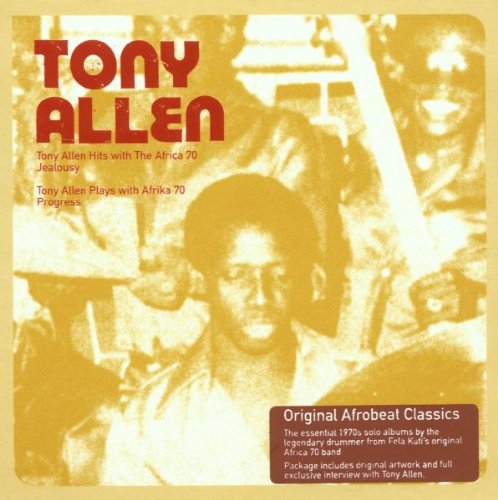
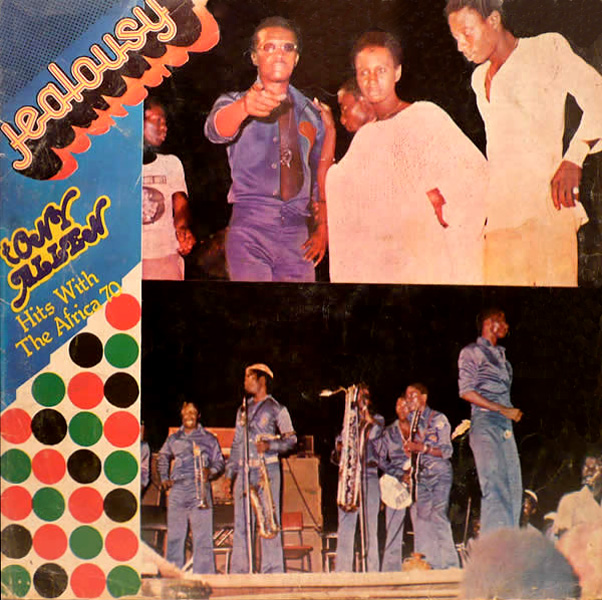
| 1975 | Releases Jealousy, first solo album |
| 1979 | Leaves Fela Kuti |
| 1985 | Moves to Paris |
| 2007 | The Good, the Bad & the Queen with Damon Albarn |
| 2020 | Dies in Paris |
From Lagos to Paris: inventing his own rhythm
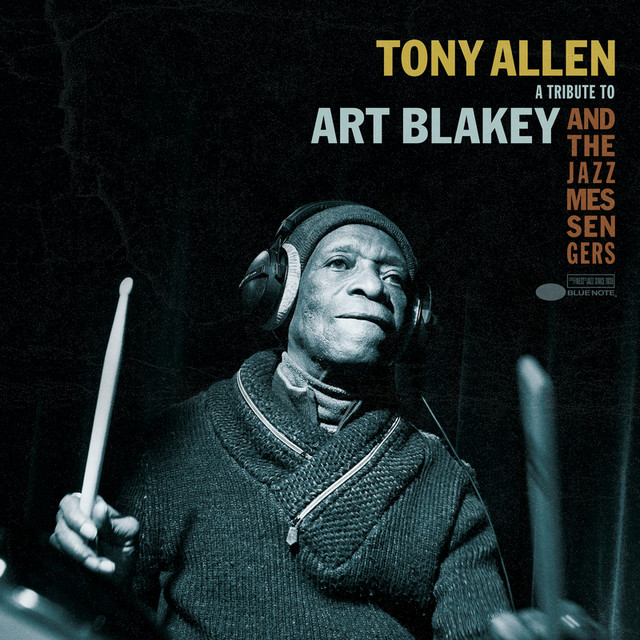
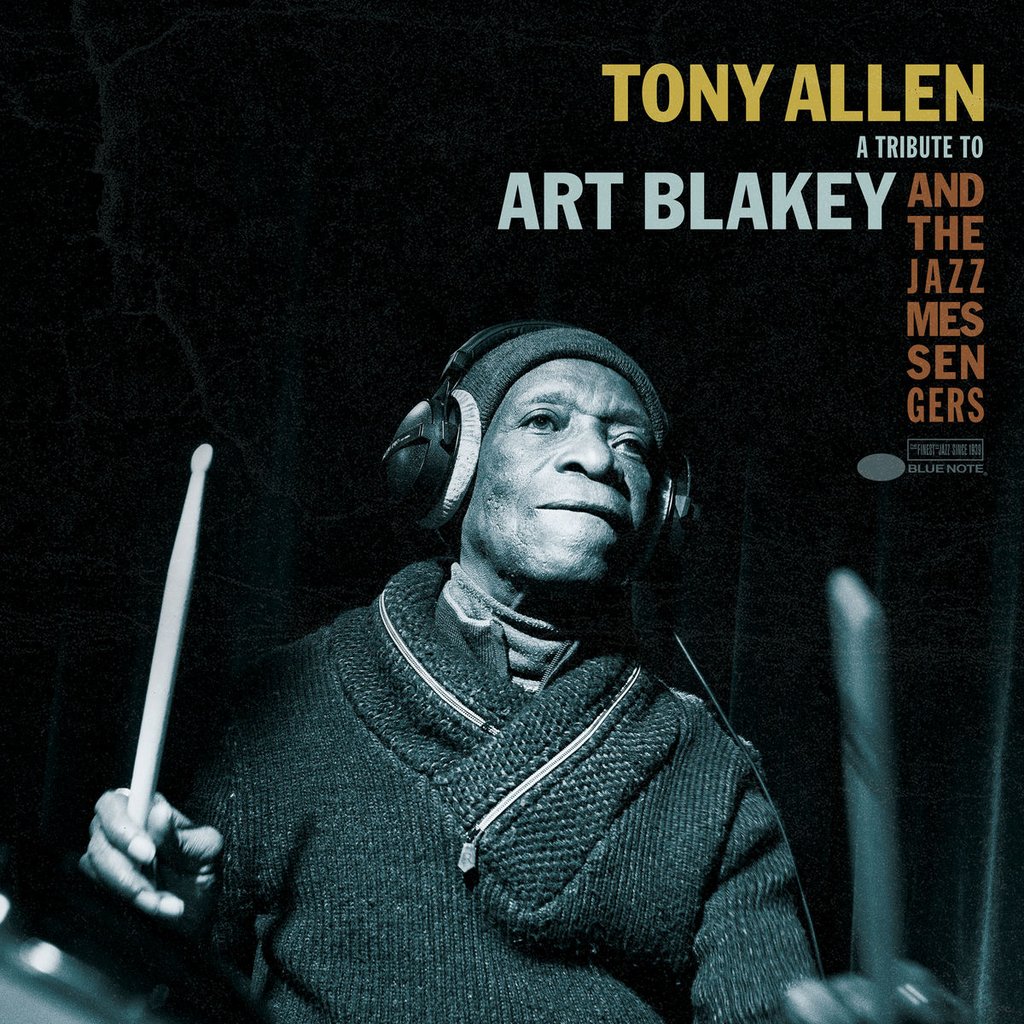
Tony Oladipo Allen was born on 20 July 1940 in Lagos, to a Nigerian mechanic-musician father and a Ghanaian mother. He grew up rocked by jùjú—this Yoruba music—and the jazz records his father listened to. At eighteen, a technician at the Nigerian radio station, he discovered drums and began playing alone while listening to Blue Note Records. In nine months, he went from beginner to professional. “Art Blakey was my great influence,” he would later confess. “I studied Max Roach’s lessons in Down Beat on the hi-hat. Most drummers in Lagos didn’t use it; it was just decoration.”
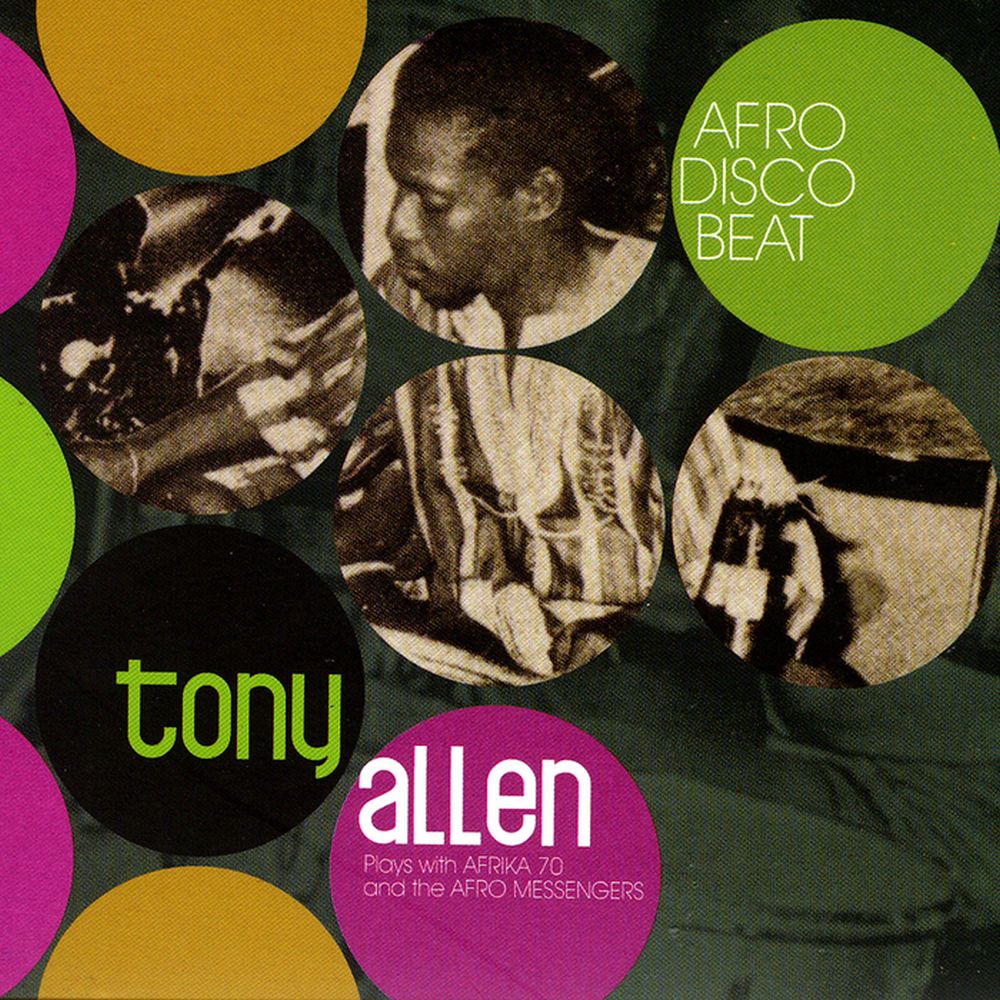
After playing in highlife orchestras—the Cool Cats, the Nigerian Messengers—he met Fela Kuti in 1964. Fela had just formed Koola Lobitos, a jazz-highlife so complex that the audience understood nothing. “In five minutes, we changed accompaniments five times,” Allen recalls. “But people wanted to dance.” On the advice of American musicians met during a tour in the United States, the duo simplified their music to “one idea, one song.” The result: a heavy groove, funk in the vein of James Brown, rooted in African pulses. This is Afrobeat. And it was Allen who forged its pulse: a bass drum doubling the beat, a shimmering hi-hat, a snare that responds, a charleston that counterposes—all simultaneously. “Fela said I sounded like four drummers,” he recounts. “I was the only one to invent what I played.”
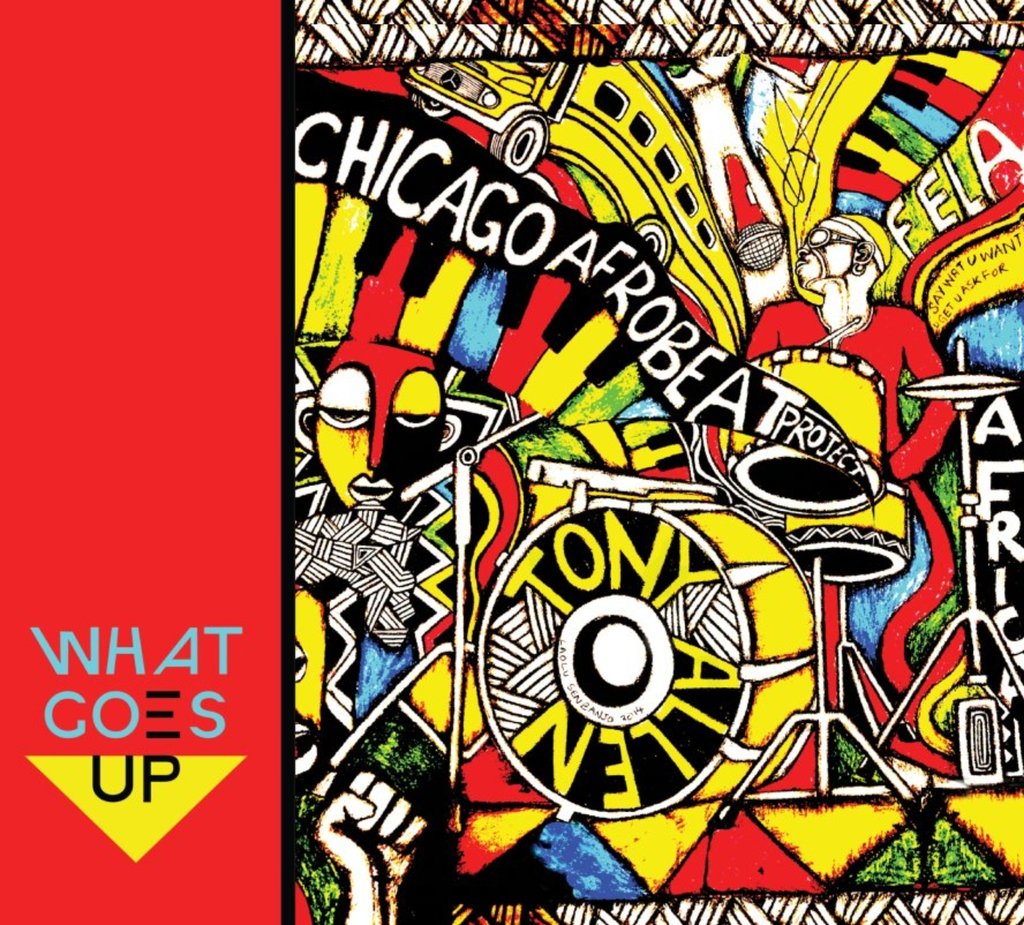
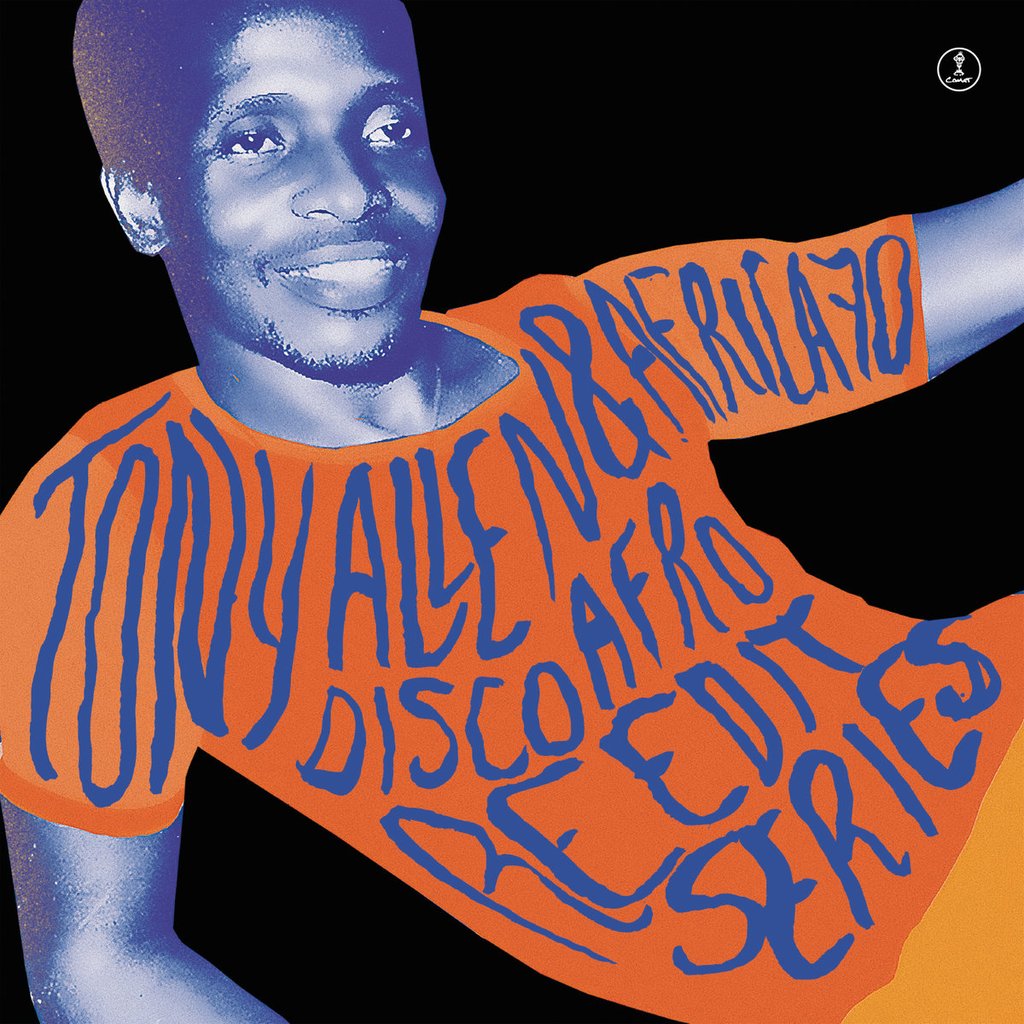
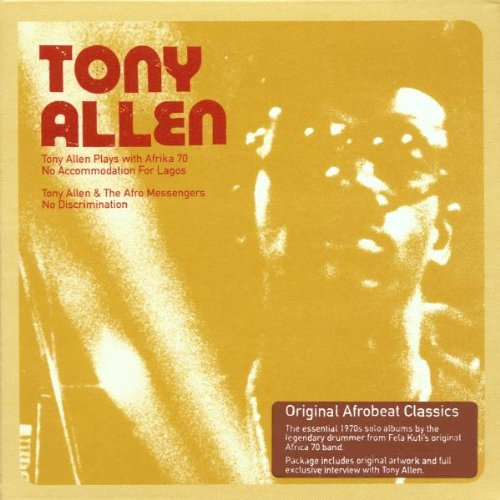
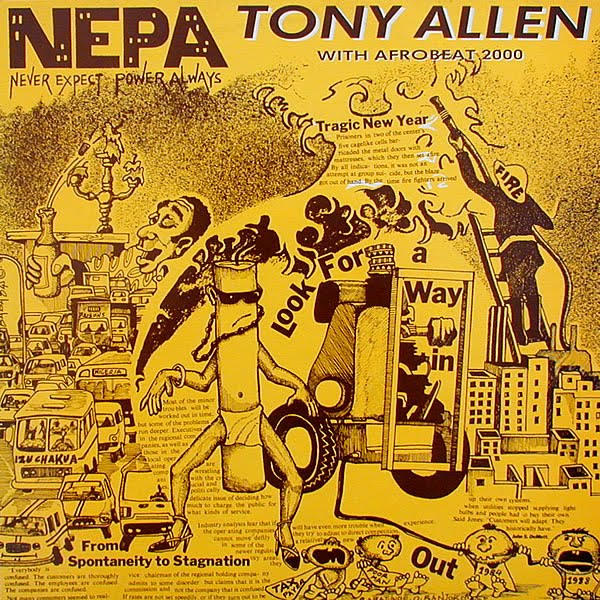
Africa ‘70 was born in 1969. Allen was its musical leader. For eleven years, he recorded more than thirty albums with Fela, including classics like Zombie (1977) and Sorrow, Tears and Blood (1977). His style permeated all of Afrobeat, and musicians like Ginger Baker studied his recordings. But in 1979, the Afrika ‘70 machine slipped off course. The tour counted seventy-one people for thirty musicians; delays accumulated. Allen put down his sticks: “I am tired. The parasites suck Fela’s strength, they suck his music.”
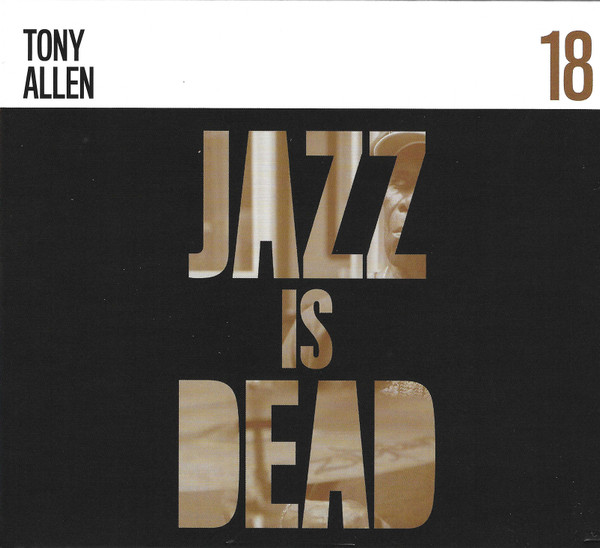
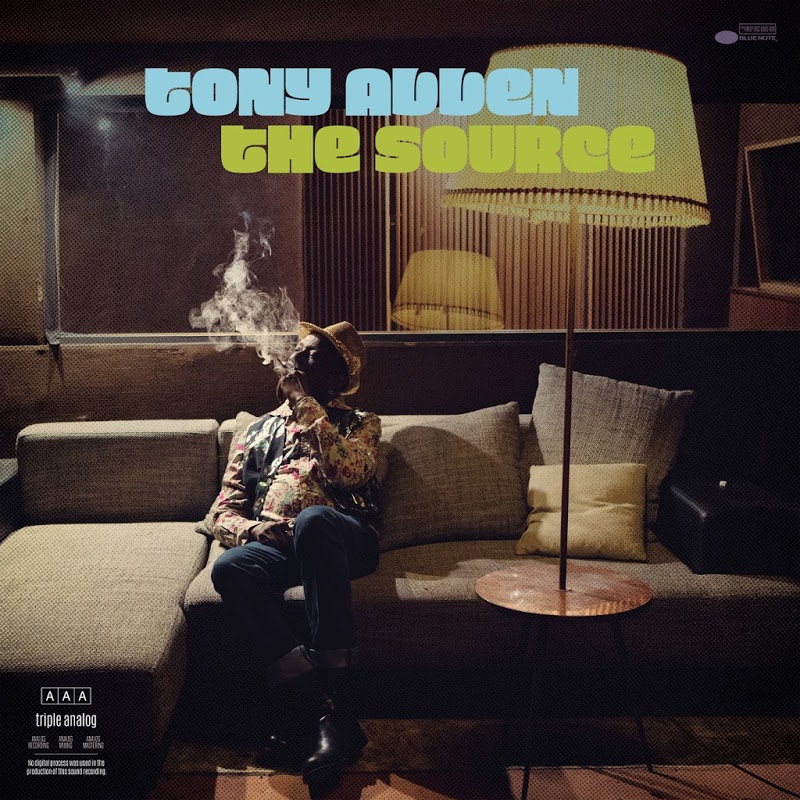
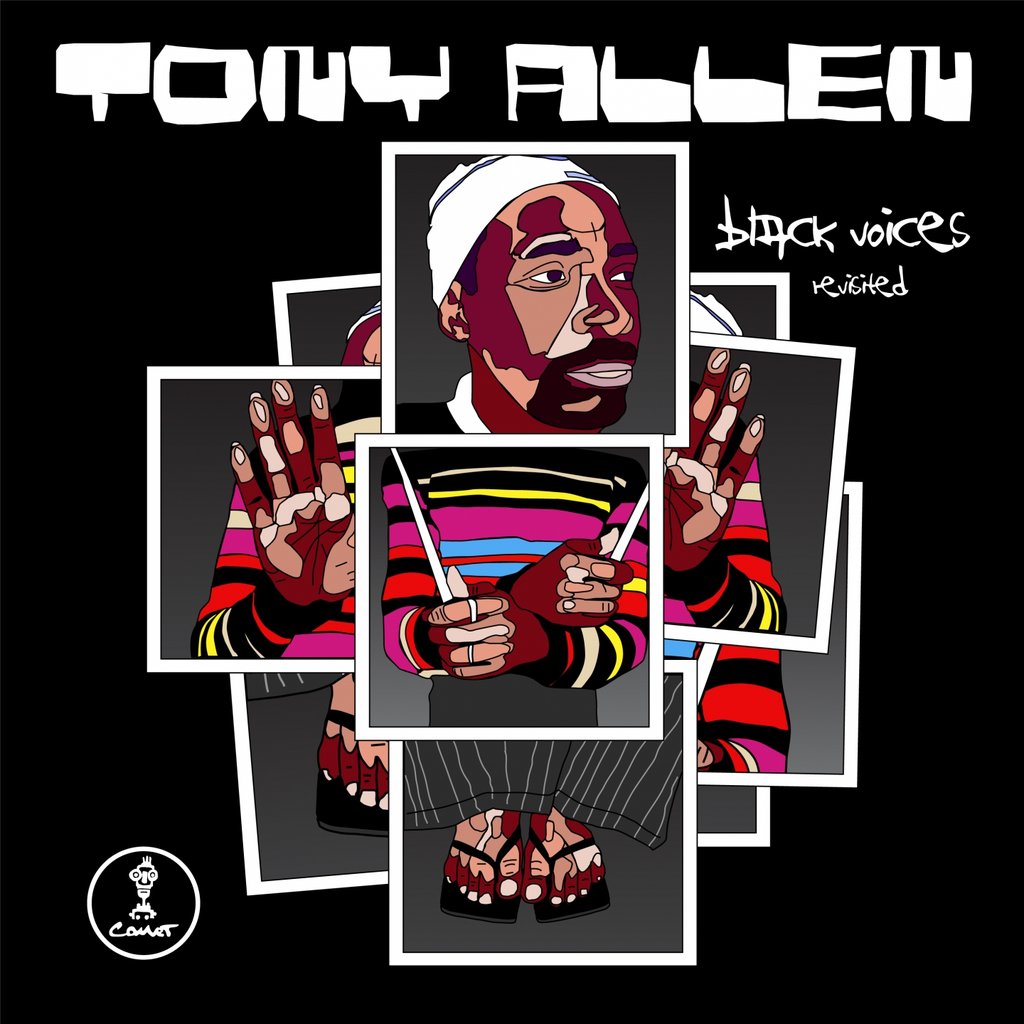
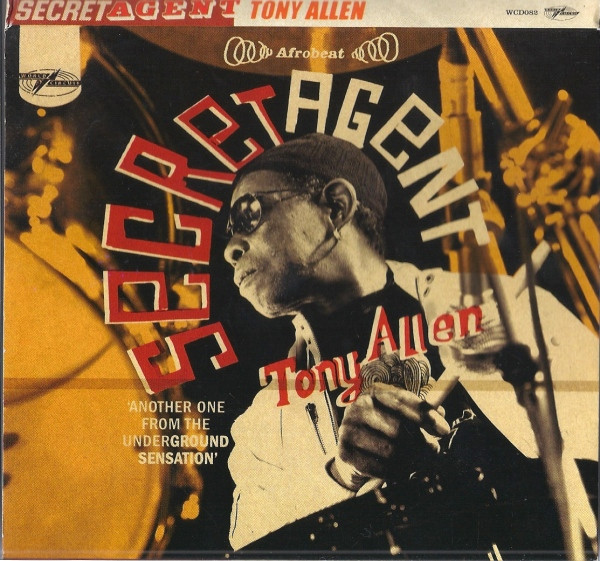
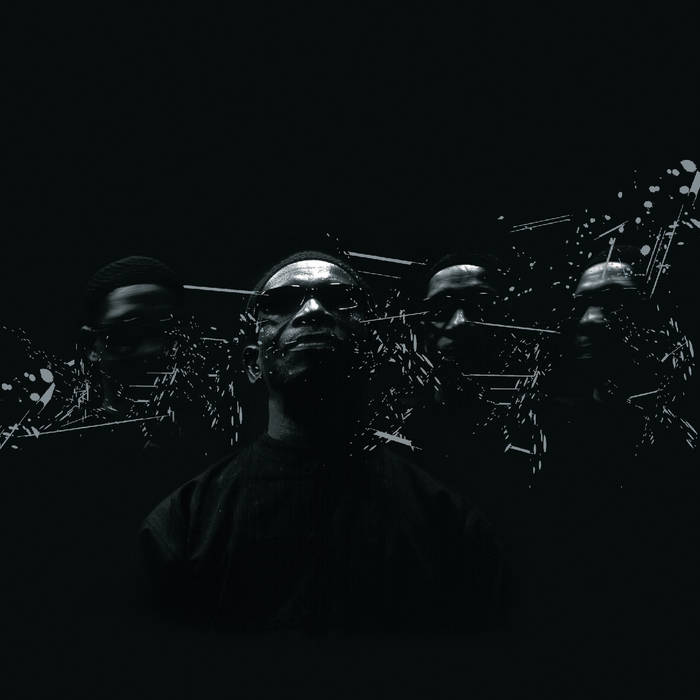
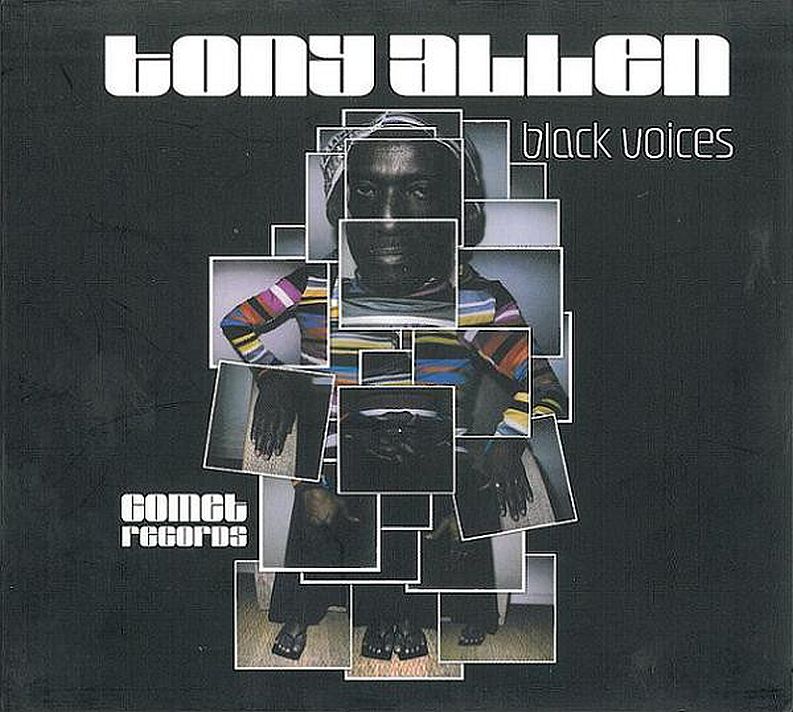
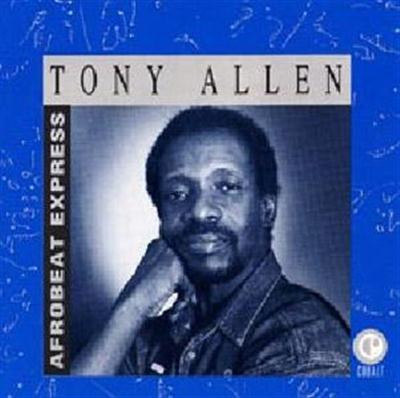
He formed his own groups and continued to keep Afrobeat alive in Nigeria. In 1984, he sailed for London, then settled in Paris in 1985: “Lagos was too small for me. I chose Paris because African music was more alive there.” In the French capital, he became the most sought-after session drummer of the diaspora—working with Manu Dibango, Ray Lema, Charlotte Gainsbourg, Grace Jones—and joined Damon Albarn, Paul Simonon, and Simon Tong in The Good, the Bad & the Queen in 2006. The album, released in 2007, was a critical triumph. “Music is my mission,” he wrote in his autobiography. “I am never satisfied; I always learn from others.” His solo albums—Black Voices (1999), Secret Agent (2009), The Source (2017, Blue Note)—confirm a permanently mutating artist, blending Afrobeat, jazz, and electronics.
Major works
| Work | Year | Why it is essential |
|---|---|---|
| Zombie (Africa ‘70) | 1977 | Anti-capitalist manifesto driven by an unforgiving groove |
| Black Voices | 1999 | Reference solo album, Afro-funk crossed with hip-hop |
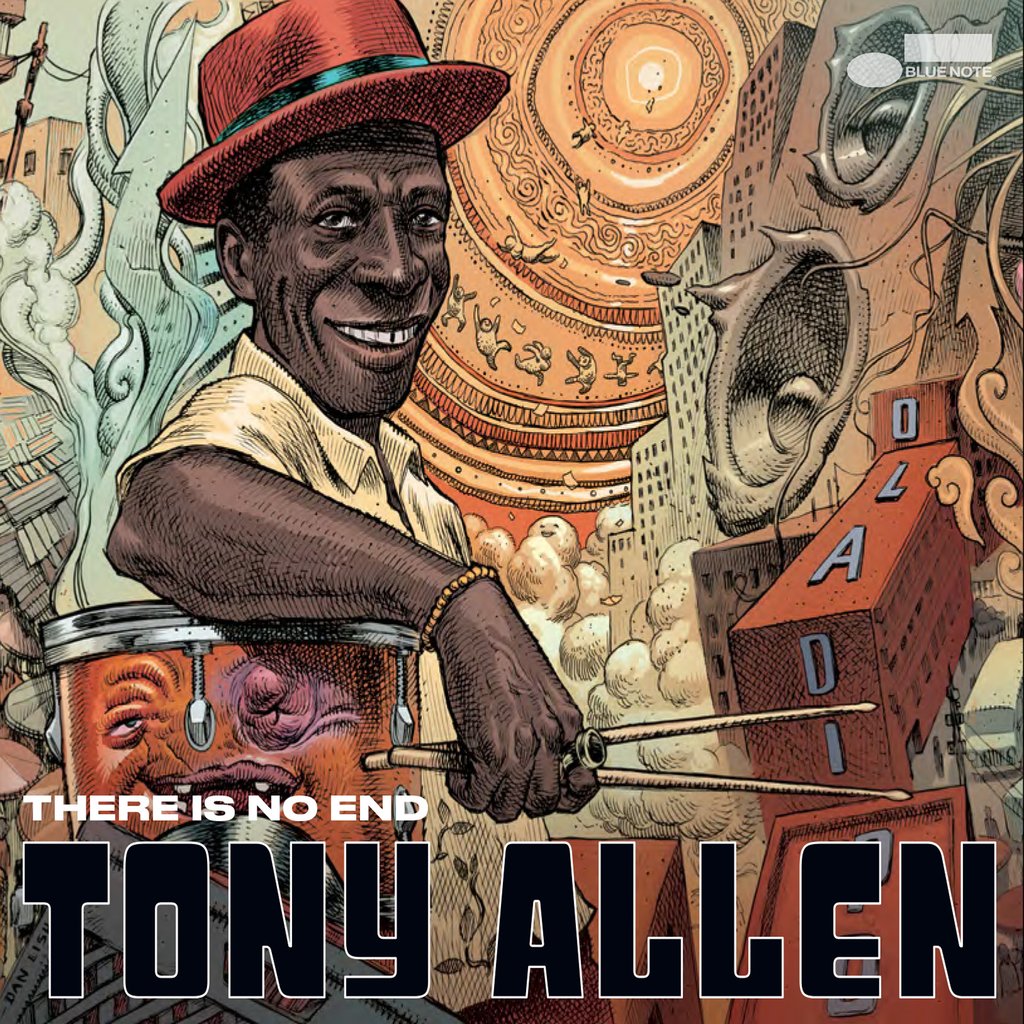
| The Source | 2017 | Homage to American black jazz, first Blue Note album |
Legacy and influence
Tony Allen’s “double kick”—that boom-ba-boom-ba—has become the unconscious grammar of modern Afrobeat. Groups like Antibalas in Brooklyn to recent African electro all build on his foundation. His autobiography, Tony Allen: An Autobiography of the Master Drummer of Afrobeat (Duke University Press, 2013), and the documentary Birth of Afrobeat (2019) secured his legacy. Brian Eno already called him “perhaps the greatest drummer who has ever lived”.
Sources and references
-
« Tony Allen: the Afrobeat maverick who blazed a trail across the globe », The Guardian, https://www.theguardian.com/music/2020/may/01/tony-allen-afrobeat, accessed 18 October 2025.
-
« Tony Allen, Drummer Who Created the Beat of Afrobeat, Dies at 79 », The New York Times, https://nytimes.com/2020/05/02/arts/music/tony-allen-dead.html, accessed 18 October 2025.
-
« Tony Allen — Biography, Discography, Albums & Expert Reviews », AllMusic, https://allmusic.com/artist/tony-allen-mn0000742990, accessed 18 October 2025.
-
« Tony Allen (musician) », Wikipedia, https://en.wikipedia.org/wiki/Tony_Allen_(musician), accessed 18 October 2025.
-
« Tony Allen Biography », World Circuit Records, https://publicity.nonesuch.com/sites/g/files/g2000019346/files/2025-01/tony-allen-bio_1267824533220.pdf, accessed 18 October 2025.
-
Tony Allen: An Autobiography of the Master Drummer of Afrobeat (with Michael E. Veal), Duke University Press, 2013, https://www.dukeupress.edu/tony-allen.
-
« The Source », Blue Note Records, https://www.bluenote.com/music/the-source/, accessed 18 October 2025.