Biography
Femi Kuti: The Afrobeat legacy forged in struggle
In 2017, on stage in London, Femi Kuti held a saxophone note for 51 minutes and 35 seconds, breaking the world record for circular breathing — a technique consisting of inhaling and exhaling simultaneously to never break the sound. This feat sums up the musician: raw energy, disciplined rigor, and the will to push limits.
Born in London in 1962, son of the afrobeat pioneer Fela Kuti, Femi grew up in the political and musical wake of Lagos. After his father’s death in 1997, he took up the torch not as an imitator but as a reinventor. “Music must continue to feature in our arsenals,” he stated in 2025 during an interview with Rolling Stone, echoing Fela’s own motto.
In brief
| Full name | Olufela Olufemi Anikulapo Kuti |
| Birth | June 16, 1962, London, England |
| Origin | Lagos, Nigeria |
| Fields | Afrobeat, jazz, funk |
| Instruments | Saxophone, trumpet, vocals |
| Signature works | Shoki Shoki, Africa for Africa, Fight to Win |
| Honors | Chevalier des arts et des lettres (France, 2022); 6 Grammy nominations |
Key dates
| Year | Event |
|---|---|
| 1962 | Birth in London, son of Fela and Remi Ransome-Kuti |
| 1977 | At age 15, joins Egypt 80 and begins playing saxophone |
| 1984 | Replaces Fela as leader during a US tour |
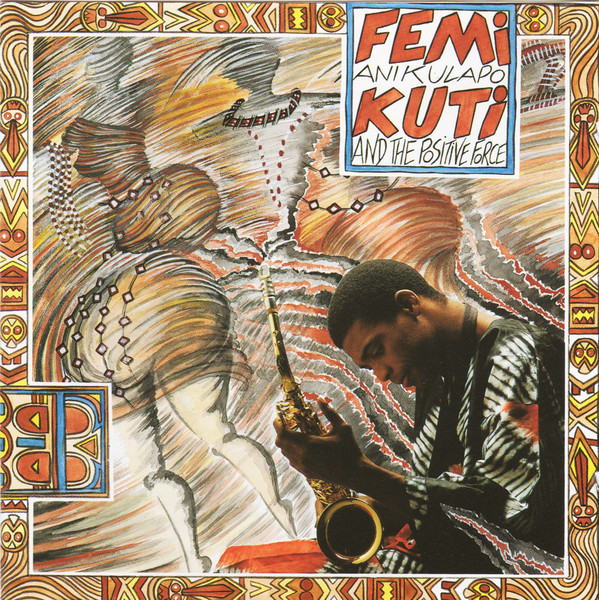
| 1986 | Founding of Positive Force, sparking conflict with Fela |
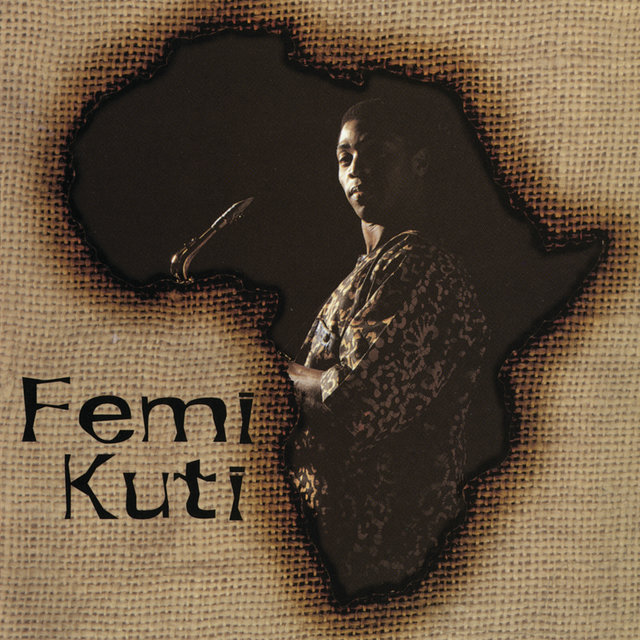
| 1995 | Self-titled album on Motown Tabu; success in Europe |
| 1997 | Death of his father; heir to afrobeat |
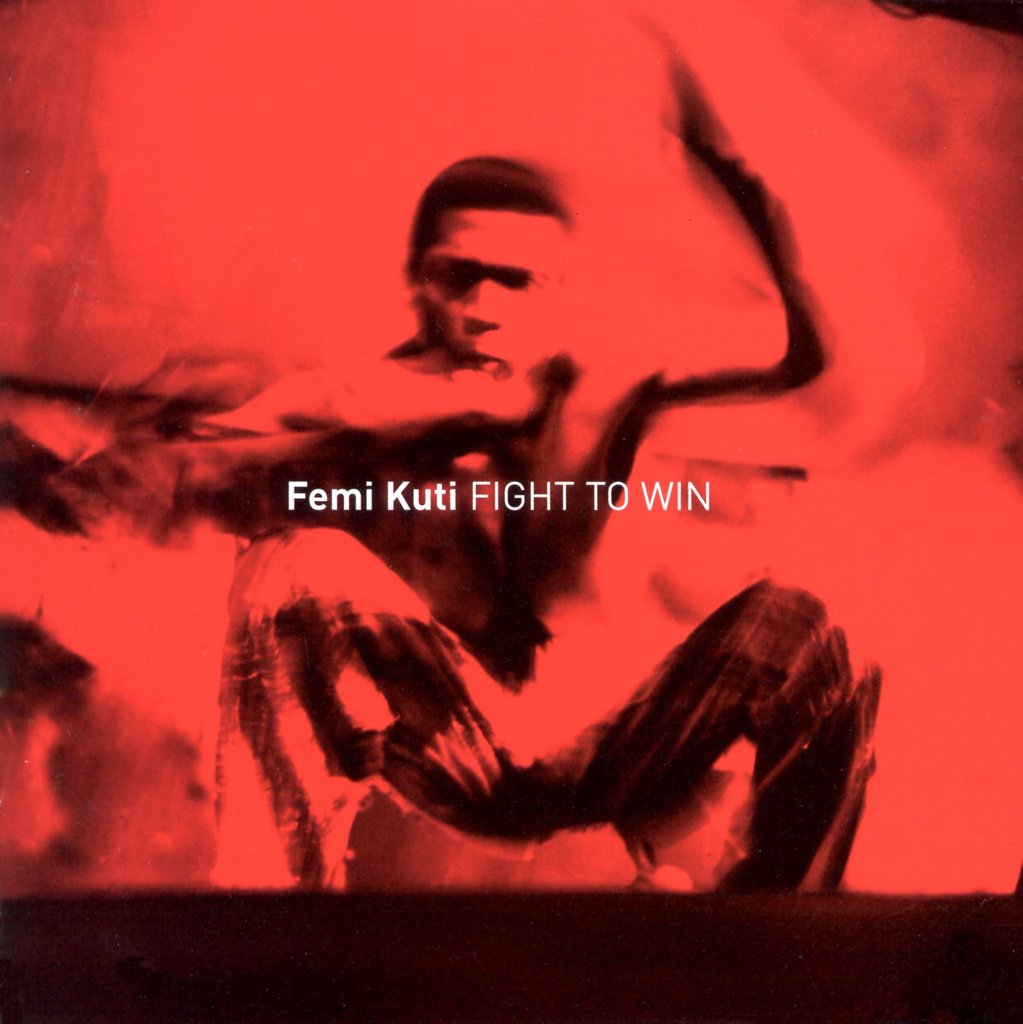
| 2001 | Fight to Win featuring collaborations with Mos Def and Common |
| 2010 | Africa for Africa, Grammy nomination; anti-corruption speech |
| 2017 | Guinness Record — 51 min 35 s saxophone note |
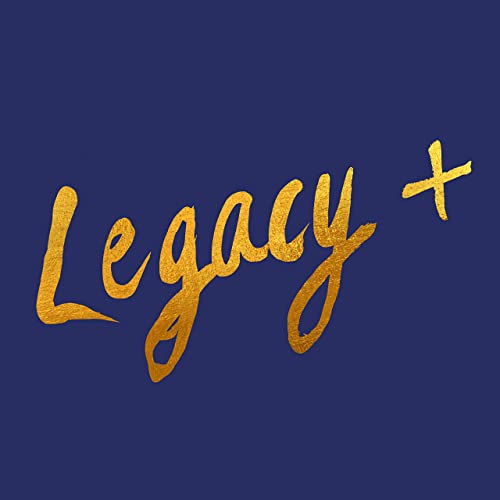
| 2021 | Stop the Hate, project Legacy+ with his son Made |
| 2022 | Chevalier des arts et des lettres by France |
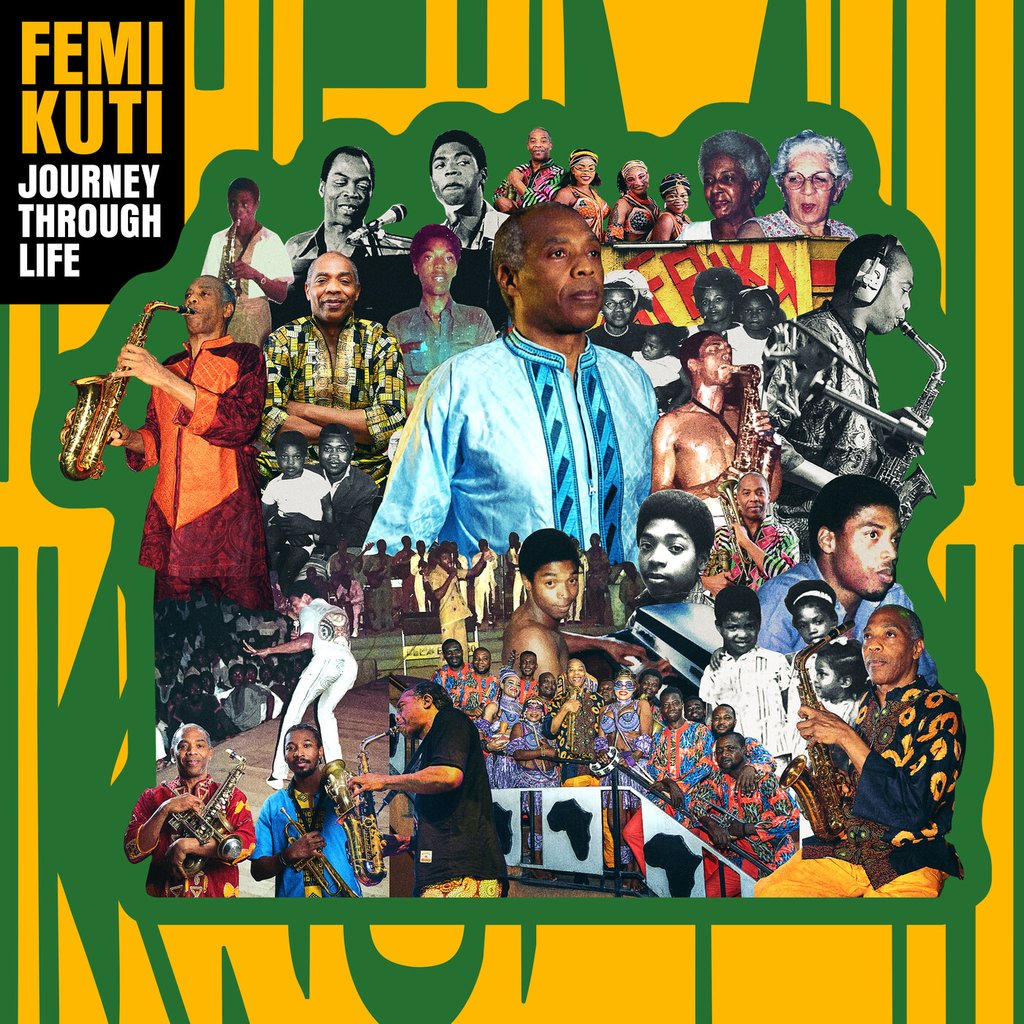
| 2025 | Journey Through Life, introspective album |
From rebellion to affirmation
Femi Kuti was born in London in 1962 into a family embodying political and artistic Africa. His father Fela was a rising figure in the Nigerian music world; his grandmother, Funmilayo Ransome-Kuti, was a militant and traditional aristocrat, emblematic of the fight for women’s rights.
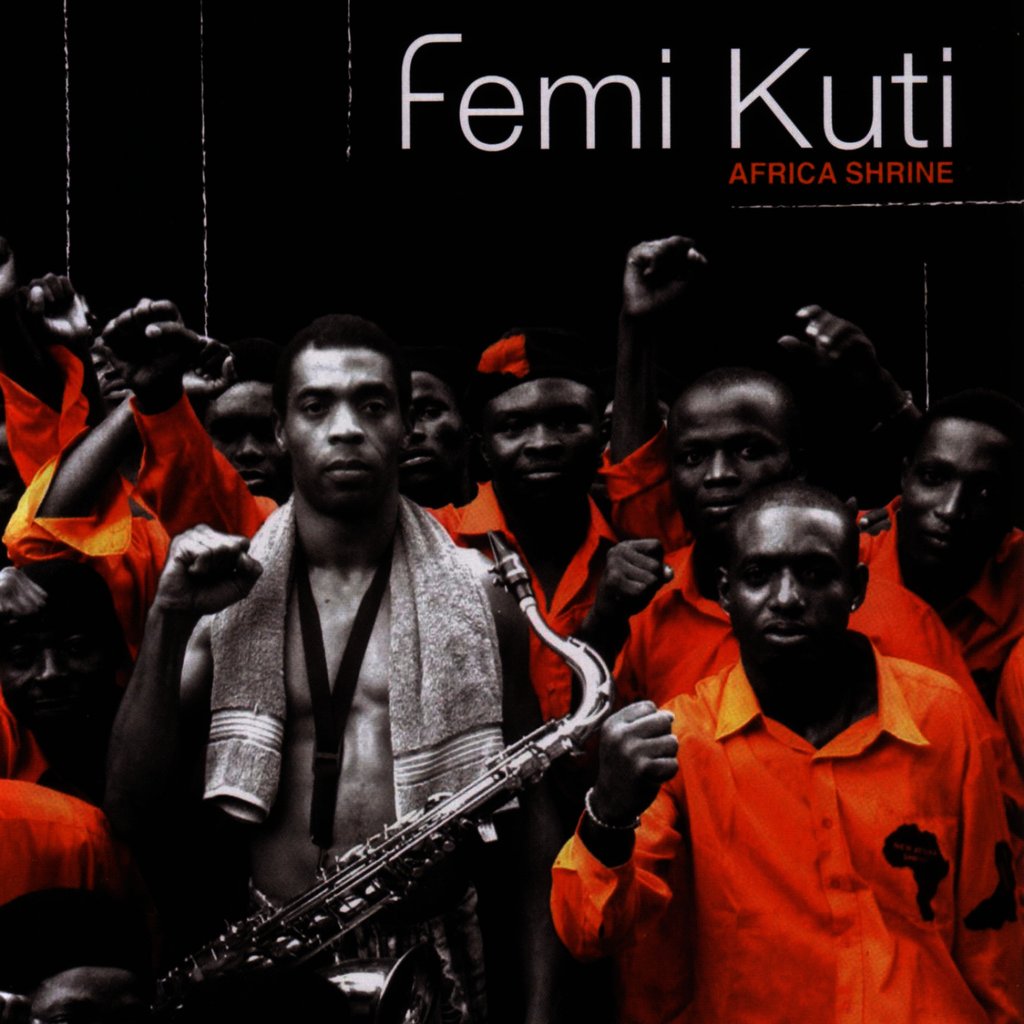
After his parents’ separation, Femi grew up with his mother Remi. At fifteen, he made a crucial choice: leaving his mother to live with his father. This decision plunged him into the universe of the Afrika Shrine and the group Egypt 80. There he discovered the artist’s trade, rubbed shoulders with genius musicians, and forged a conviction: music is a political weapon. Later, he spoke of his teenage anger toward his first instrument, the trumpet, “a Uzi with which I could skin anyone,” and how its practice soothed him.
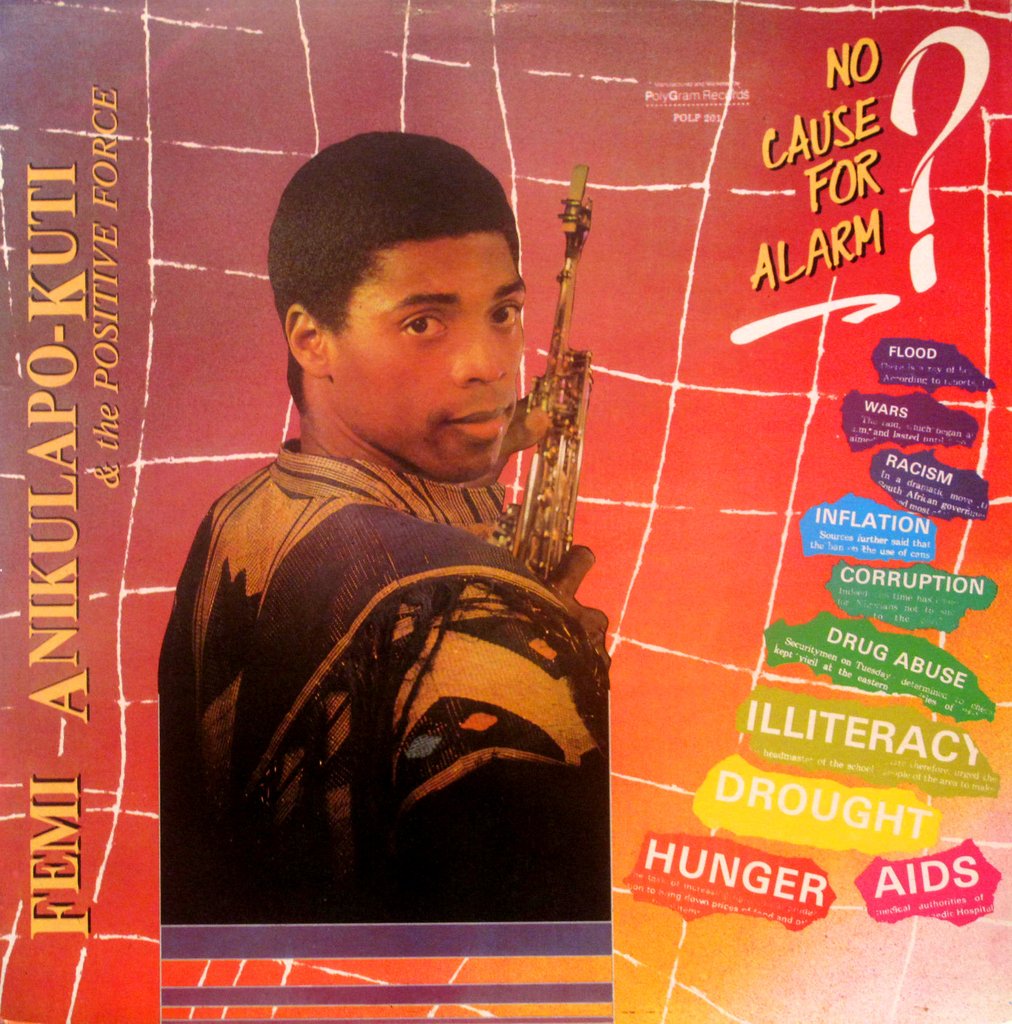
In 1984, during an American tour, Fela was arrested by police. Femi took command, stringing together concerts in the United States, including a memorable one at the Hollywood Bowl with a reconstituted Egypt 80 of forty musicians. But it was in 1986 that he created Positive Force — a gesture sparking open conflict with his father, who would only forgive him at the very end of his life. His international career began in 1988 at the Angoulême Festival, at New Morning in Paris and at the Moers Festival in Germany. His first album, No Cause for Alarm? (1989), sounded like a manifesto: funk, jazz, African polyrhythms, piercing horns, and sharp lyrics on corruption.
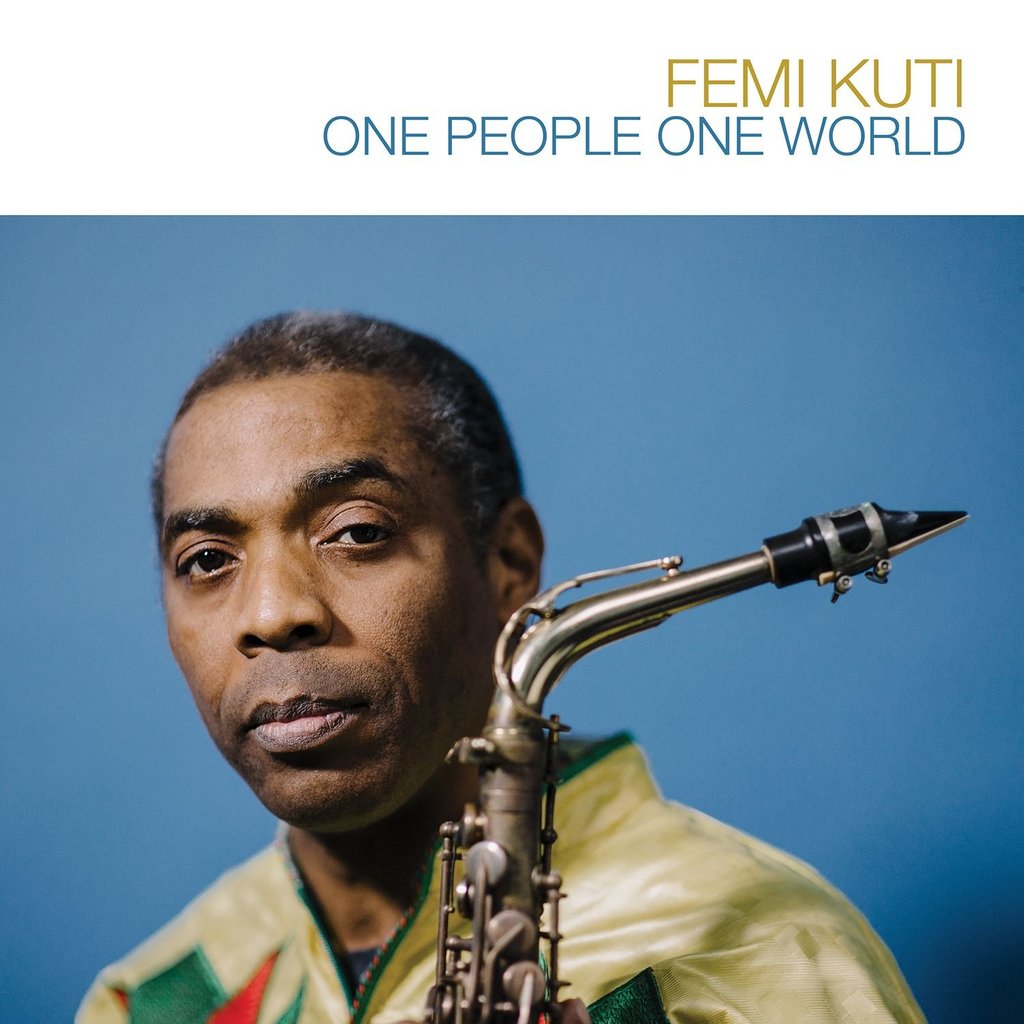
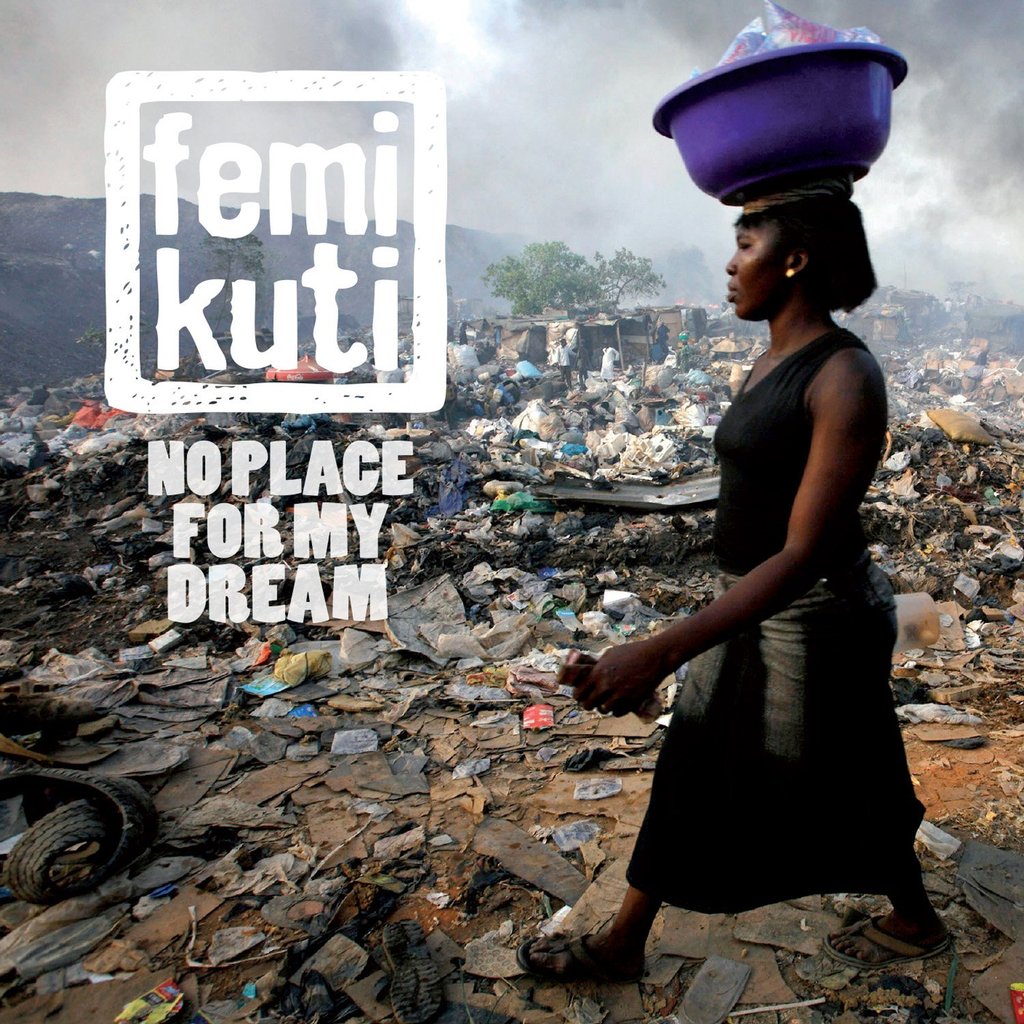
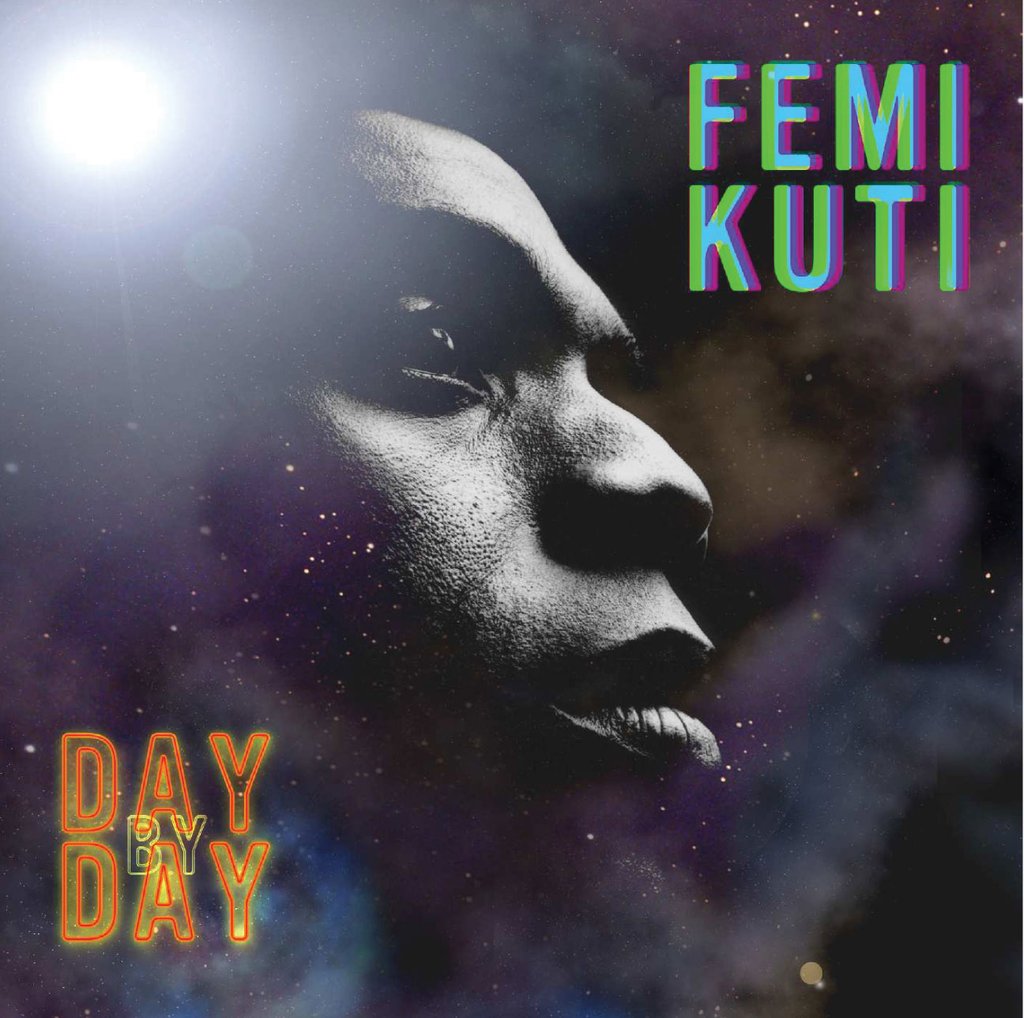
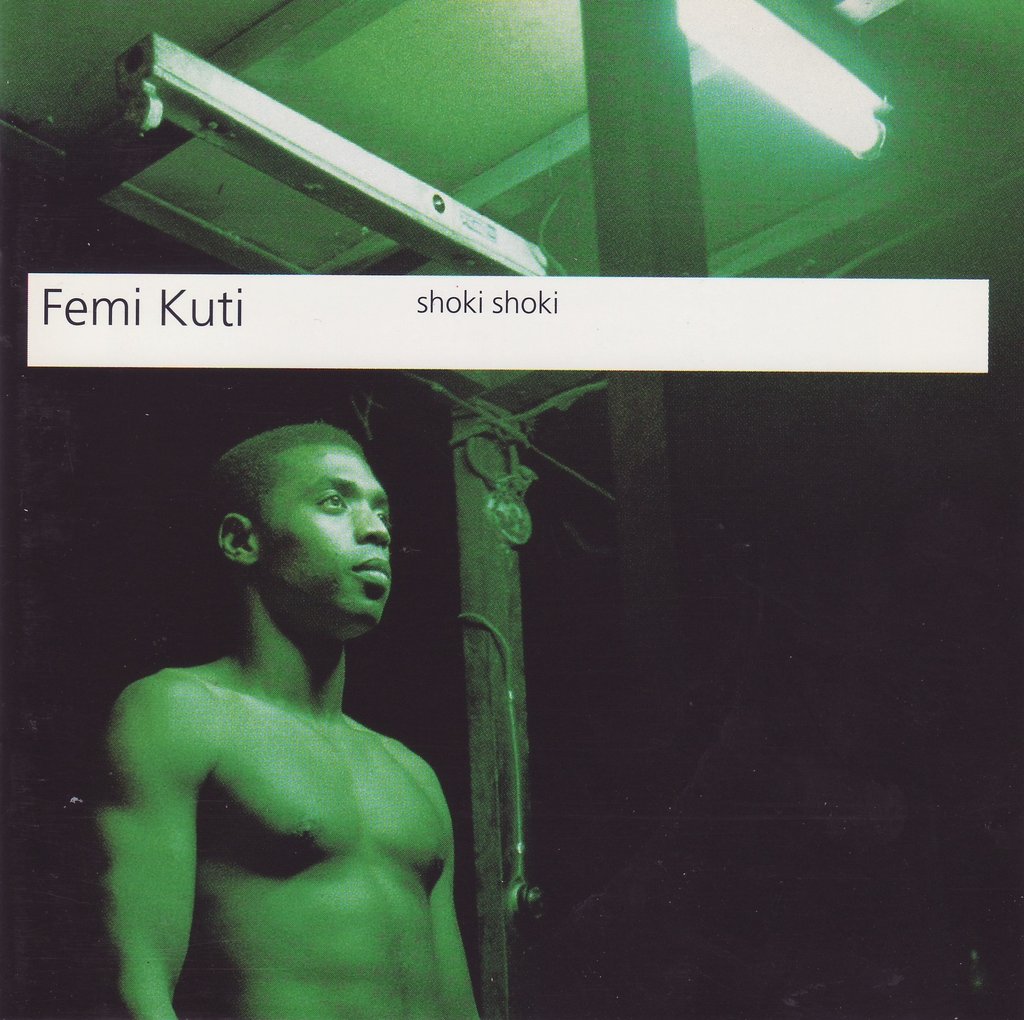
Fela’s death in 1997 propelled Femi into the heart of worldwide attention. He reopened the Afrika Shrine with his sister Yeni and launched Shoki Shoki in 1999 — the album critics consider his masterpiece. Tight grooves, accelerated tempos, a refreshed Afrobeat for a new generation. He broadened his palette with Fight to Win (2001), the first afrobeat album collaborating with American rappers, Day by Day (2008), Africa for Africa (2010), No Place for My Dream (2013) and One People One World (2018), each nominated for Grammy Awards. In 2021, he published Stop the Hate, alongside his son Made’s first album, in a joint project Legacy+. In 2025, Journey Through Life marked a personal turning point. Born from sadness — his daughter had to undergo difficult surgery — the album is the first where Femi produced alone. “There is no power to do everything I want to change things, there is one thing I can change: myself,” he wrote in Work on My Self.
Major works
| Work | Year | Why it’s essential |
|---|---|---|
| Shoki Shoki | 1999 | Foundational album where Femi imposes his own sound, between funk and Afrobeat |
| Fight to Win | 2001 | Meeting between Afrobeat and American hip-hop |
| Africa for Africa | 2010 | Frontal speech against corruption; Grammy nomination |
| Journey Through Life | 2025 | First album produced alone, intimate and introspective |
Legacy and influence
Femi Kuti is more than Fela’s heir: he is a musician who expanded afrobeat toward funk, hip-hop and techno. UNICEF Ambassador since 2002, torchbearer for Amnesty International, he carries the conviction that music engages the present. In 2015, he shared the stage with his brother Seun during the “2 Kings” concert, the first fraternal concert in history. His son Made Kuti continues his own musical trajectory. The Kuti lineage does not merely perpetuate; it advances.
Sources and references
- “Femi Kuti”, Wikipedia, https://en.wikipedia.org/wiki/Femi_Kuti, accessed October 20, 2025.
- “Femi Kuti — Biography”, AllMusic, https://www.allmusic.com/artist/femi-kuti-mn0000168497, accessed October 20, 2025.
- “Femi Kuti — UNICEF Goodwill Ambassador”, UNICEF, https://www.unicef.org/goodwill-ambassadors/femi-kuti, accessed October 20, 2025.
- « Femi Kuti: “Music Must Continue to Feature in Our Armories” », Rolling Stone, https://www.rollingstone.fr/femi-kuti-la-musique-doit-continuer-de-figurer-dans-nos-arsenaux/, accessed 20 October 2025.
- « Femi Kuti on Legacy, Betrayal, and “Journey Through Life” », Nollywood Reporter, https://thenollywoodreporter.com/music/femi-kuti-i-am-not-fela-i-dont-even-want-to-be-fela/, accessed 20 October 2025.
- « Femi Kuti Grammy Awards and Nominations », Grammy Awards, https://www.grammy.com/artists/femi-kuti/9248, accessed 20 October 2025.