Biography
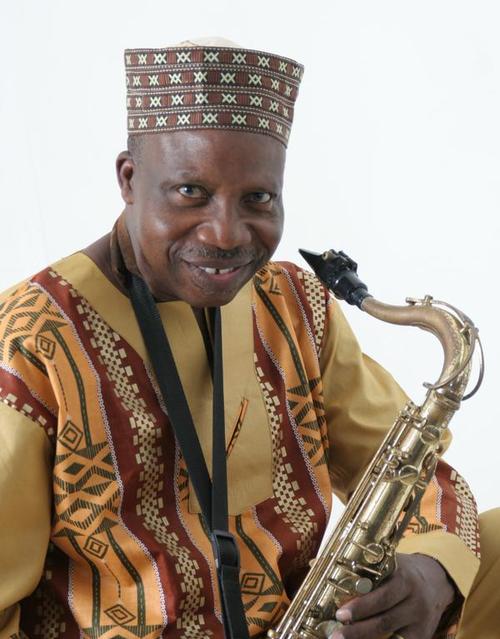
Orlando Julius: the spiritual father of Nigerian afrobeat
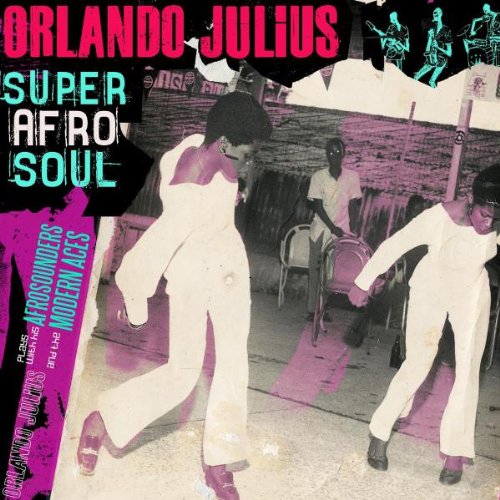
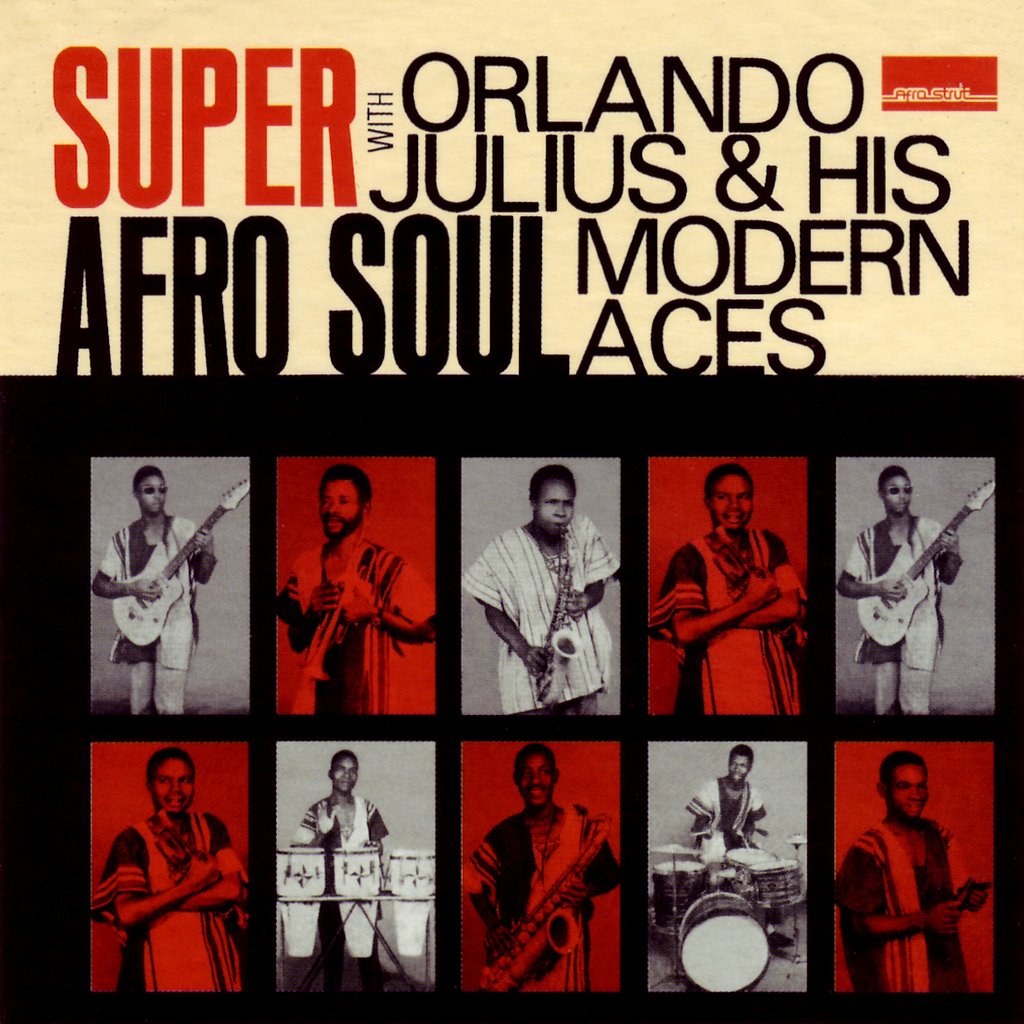
In 1966, in Lagos, Super Afro Soul by Orlando Julius made a mark1. This man with the saxophone, featuring unique sounds, had just fused Yoruba traditional rhythms, American soul, and funk into a sound that shaped the entire Nigerian music landscape.
In brief
| Full name | Orlando Julius Aremu Olusanya Ekemode |
| Birth | 22 September 1943, Ikole, Nigeria |
| Death | 14 April 2022, Ijebu-Jesa, Nigeria |
| Field | Saxophone, singing, band direction; afrobeat, afro-soul, highlife |
| Notable works | Super Afro Soul (1966), “Jagua Nana” (1965), Jaiyede Afro (2014) |
| Honors | Gbeluniyi chieftaincy title (Ijebu-Jesa, 2019) |
Key dates
| Year | Event |
|---|---|
| 1943 | Born in Ikole, into a merchant family of Ijebu-Jesa origin |
| 1957 | At age 14, leaves school after his father’s death and moves to Ibadan |
| 1960 | Joins Eddy Okonta and learns the saxophone professionally |
| 1964 | Founding of Modern Aces in Ibadan |
| 1965 | First hit with “Jagua Nana” |
| 1966 | Release of Super Afro Soul |
| 1974 | Moves to the United States, forms Umoja, collaborates with Hugh Masekela |
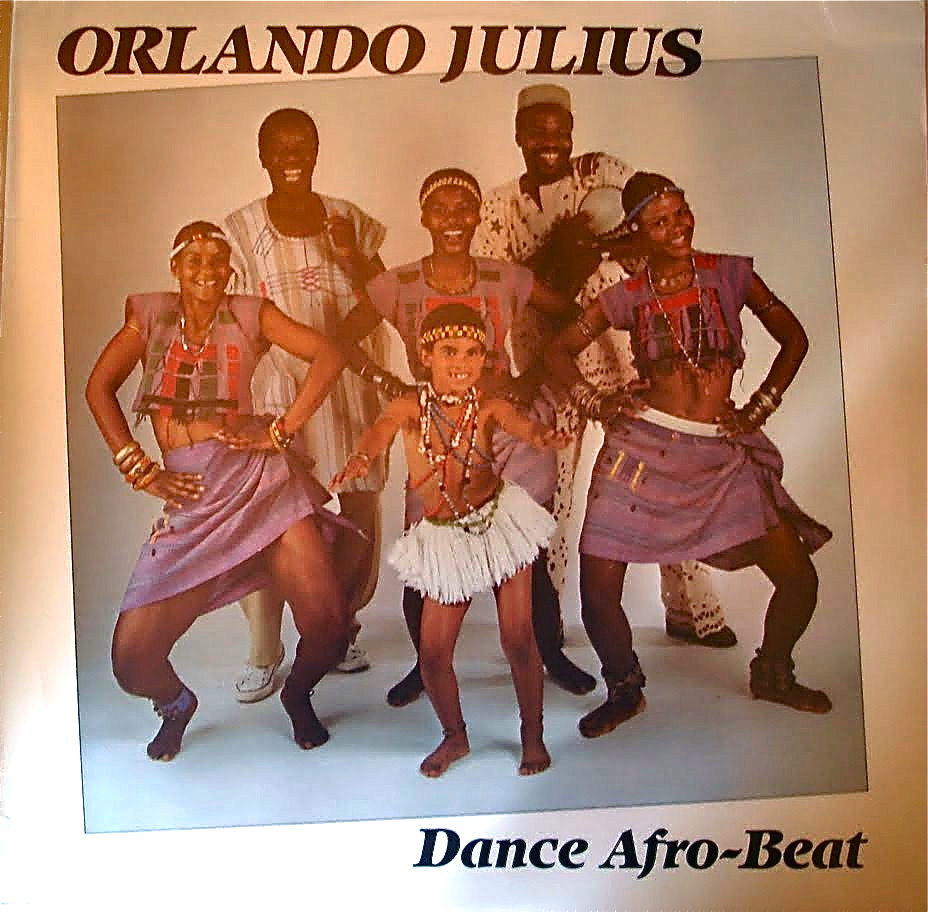
| 1984 | Returns to Nigeria, records Dance Afrobeat |
| 2000 | Super Afro Soul reissued by Strut Records, introducing him to the international public |
| 2014 | Jaiyede Afro with The Heliocentrics reaches 13th place on the Billboard World Albums chart |
From drum to saxophone: his formation
Orlando Julius grew up in Ikole-Ekiti, in southwestern Nigeria. His mother, Tinuola Dorcas, a farmer and weaver, taught him traditional rhythms by singing while he accompanied on the drums2. From Saint-Pierre Anglican primary school, he played in the brass band. But it was his father’s death in 1957 that disrupted his destiny: he dropped out at fourteen and moved to Ibadan, then the cultural capital of Nigeria.
He worked in a bakery while immersing himself in the local music scene. He started with drums and flute with juju bands3. Juju is a traditional Yoruba percussion style where the polyrhythm of conversational drums—the dundun—dialogues with songs. He drew closer to Brazilian guitarist Jazz Romero, doing his chores in exchange for lessons. Romero took him to play in Ondo and lent him his first saxophone.
Revelation and consecration in Nigeria
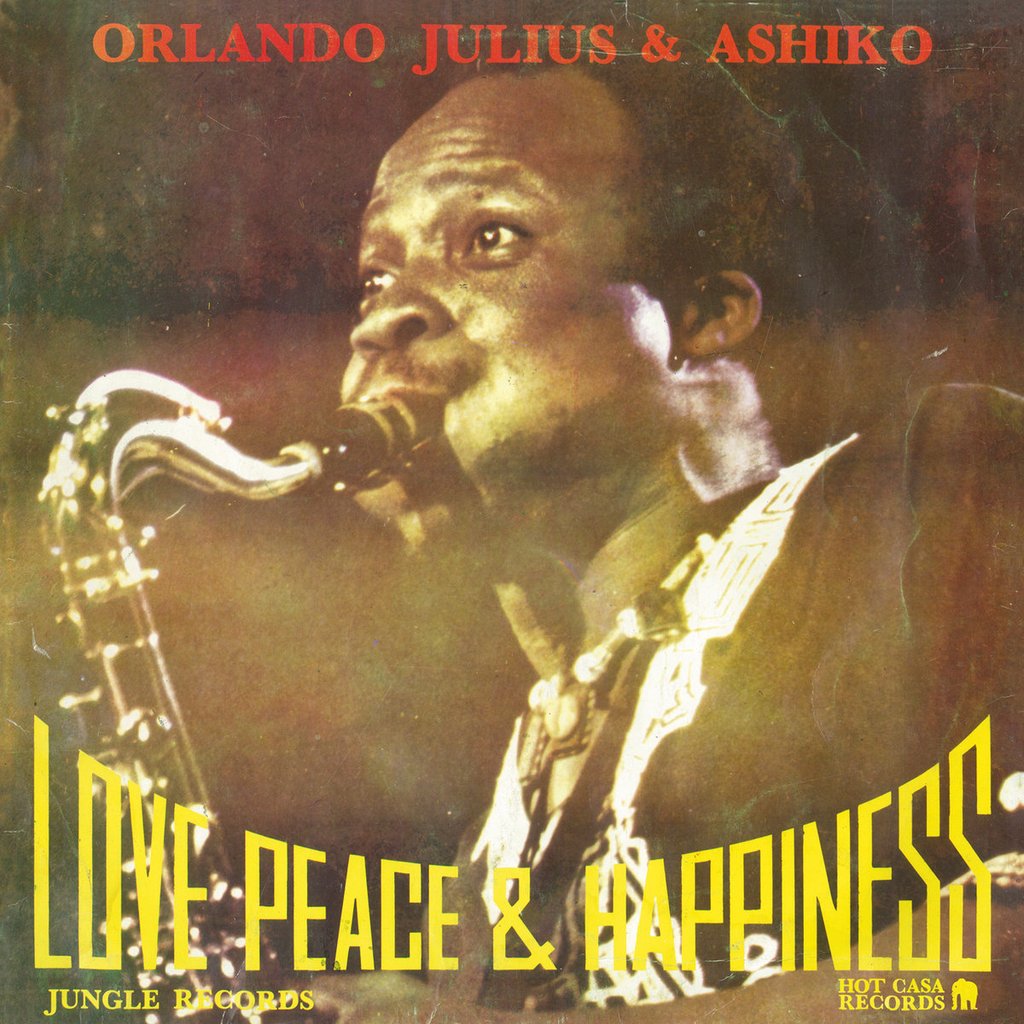
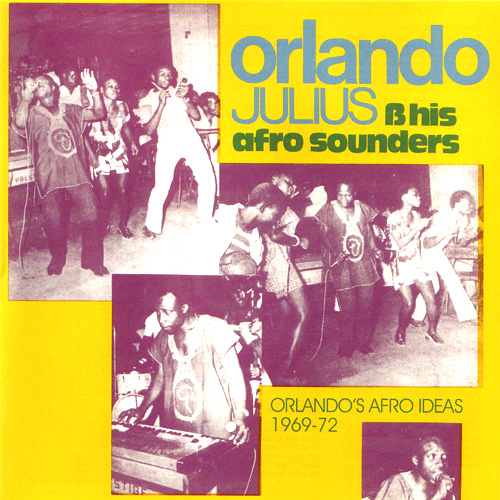
In 1960, Eddy Okonta invited Julius to his band. He learned the saxophone and became a highlife singer4. Highlife is an West African genre born in Ghana that fuses traditional rhythms with American jazz and guitars. But Julius listened to Coltrane, Otis Redding, and Smokey Robinson, and wanted to create his own music.
He founded the Modern Aces in 1964 at the Independence Hotel in Ibadan. The group fused Yoruba rhythms, funk, and American soul, attracting a fascinated young audience—including Fela Kuti5. In February 1965, “Jagua Nana” became a national hit. The following year, Super Afro Soul (1966) confirmed Julius’s genius: talking drums (dundun), saxophones, funk, and soul melodies formed an unprecedented orchestral fusion.
America and travels
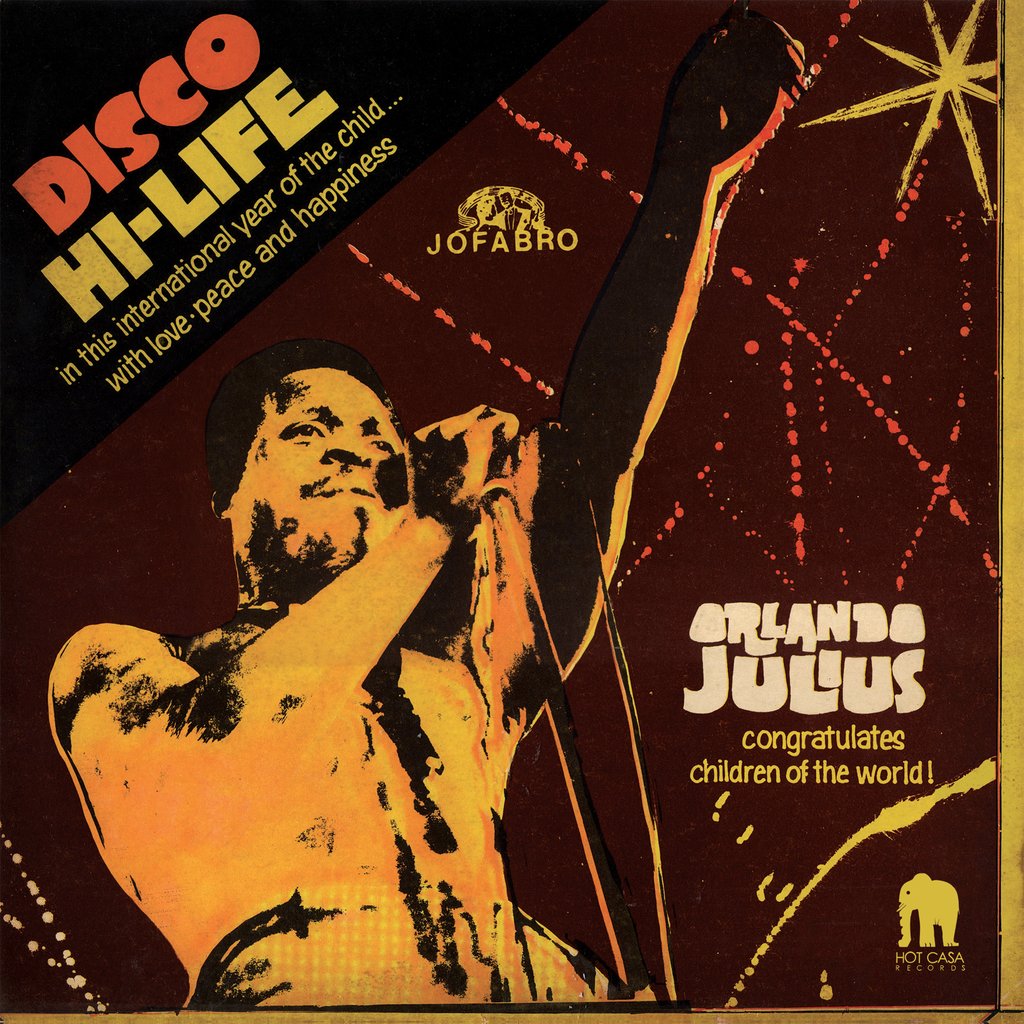
In 1974, after the Nigerian civil war, Julius left Nigeria for the United States4. In Washington, he formed the group Umoja; South African trumpeter Hugh Masekela joined them after a rehearsal. Together, they recorded The Boy’s Doin’ It (1975) and Colonial Man (1976), opening for Herbie Hancock and Grover Washington Jr. He also collaborated with Lamont Dozier on Going Back to My Roots, featuring a section in Yoruba with dundun drums. In 1978, he settled in Oakland.
Return and international renaissance
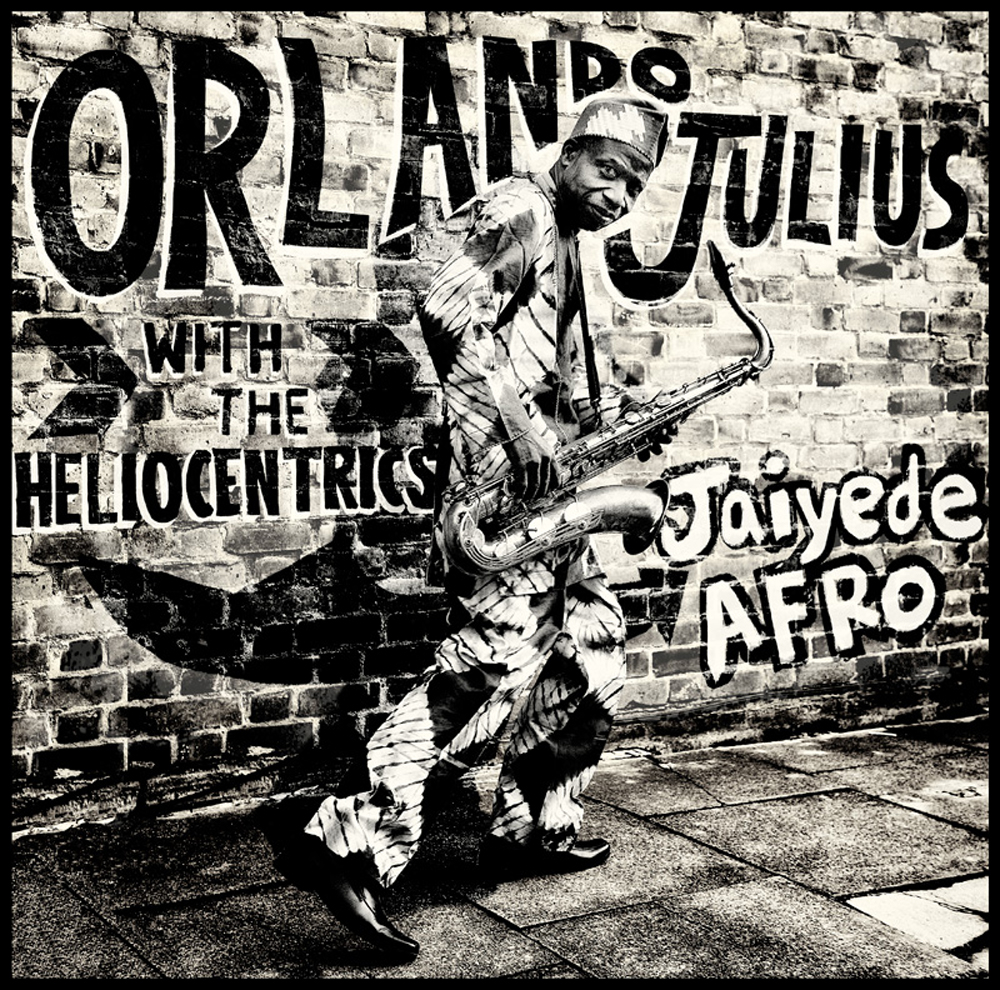
He returned to Nigeria in 19843. After decades of relative obscurity, the reissue of Super Afro Soul by Strut Records in 2000 caused a shock. He embarked on tours, and in 2014, he collaborated with the London group The Heliocentrics. The album Jaiyede Afro reached 13th place on the Billboard World Albums chart. In 2019, he received the Gbeluniyi title from the hands of Oba Moses Ogunsoye, sovereign of his region. He passed away peacefully on 15 April 2022, at the age of 78.
Major works
| Work | Year | Why it is essential |
|---|---|---|
| “Jagua Nana” | 1965 | First national hit, hymn to the saxophone and Yoruba rhythms |
| Super Afro Soul | 1966 | Founding album of afrobeat, orchestral fusion of soul and traditional percussion |
| The Boy’s Doin’ It | 1975 | Co-written with Hugh Masekela, afro-jazz scene in North America |
| Jaiyede Afro | 2014 | International renaissance with The Heliocentrics |
Legacy
Orlando Julius never wielded political power like Fela Kuti2. More peaceful, more cosmopolitan, he simply played—and what he played changed the music of his continent. A musician does not need to choose between tradition and progress. Super Afro Soul remains the cornerstone of afrobeat, according to AllMusic. Generations will remember him as the spiritual father of afrobeat.
Sources and references
-
AllMusic, biography of Orlando Julius ↩︎
-
The Conversation, Super Afro Soul: the music of Orlando Julius, titan of Nigerian music, 2022 ↩︎ ↩︎
-
The Conversation, Orlando Julius, Nigeria’s Afrobeat pioneer, lived for his art, 2022 ↩︎ ↩︎
-
Independent Newspaper, FG Eulogises Late Orlando Julius, Consoles Family, 15 April 2022 ↩︎ ↩︎
-
The Guardian, Orlando Julius obituary, 26 April 2022 ↩︎