Biography
Sonny Okosuns: Music as a Weapon of Liberation
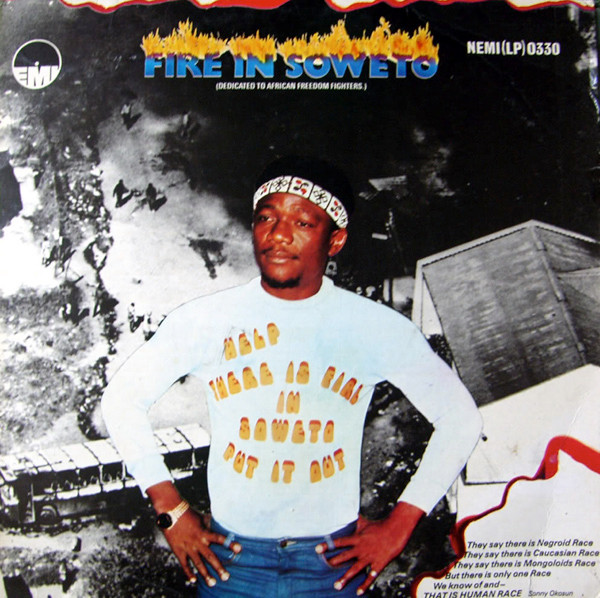
In 1977, in London, Sonny Okosuns recorded “Fire in Soweto”. This cry against apartheid, blending reggae, highlife and funk, became an underground anthem in South African townships. The self-taught guitarist — son of a cathedral choir member, former actor — had only one goal: to sing the dignity of black peoples.
In Brief
| Full name | Francis Sonny Okosun (added the “s” in adulthood) |
| Birth | January 1, 1947, Benin City, Edo State, Nigeria |
| Death | May 24, 2008 (61 years), Howard University Hospital, Washington DC |
| Genre | Highlife, reggae, afro-funk, gospel |
| Instruments | Electric guitar, flute, saxophone, electric piano, percussion, vocals |
| Notable works | “Fire in Soweto”, “Papa’s Land”, Liberation, Songs of Praise |
| Honors | Album Sun City (1985); President of PMAN (1994) |
Key Dates
| Year | Event |
|---|---|
| 1947 | Born in Benin City, from a practicing Christian Esan family |
| 1965 | Represented Nigeria at the Commonwealth Arts Festival in London |
| 1969 | Joined Victor Uwaifo’s Maestros, toured Japan and Europe |
| 1977 | “Fire in Soweto”: best-selling anti-apartheid anthem |
| 1985 | Sun City, anti-apartheid album by Artists United Against Apartheid |
| 1994 | Songs of Praise: 500,000 copies sold |
| 2008 | Died in Washington DC, buried in Lagos |
Career, Commitment and Reconversion
Born Francis Sonny Okosun on January 1, 1947, in Benin City, the young man grew up in extreme poverty. “We ate rice only four times a year,” he told the Africa News Service. His parents, members of the Church of Pentecostal Cherubim and Seraphim, were both traditional musicians and choir members at the Cathedral of the Holy Spirit. It was there that his musical vocation took root — long before rock’n’roll turned him away.
Self-taught, Okosuns learned guitar by imitating Elvis Presley, the Beatles and Cliff Richard. In 1964, at seventeen, he founded the Postmen, a cover band of the British Invasion. The following year, he represented Nigeria at the Commonwealth Arts Festival in London, where he attended concerts by the Rolling Stones and the Who, experiences that would mark his aesthetic.
After returning home, he performed in sketches on television in Eastern Nigeria and frequented the Mbari Club, an artists’ circle run by Wole Soyinka and J.P. Clark. The Biafran War (1967–1970) forced him to flee to Lagos. There, in 1969, he joined Victor Uwaifo’s Maestros, a visionary guitarist inventing psychedelic highlife. The tour of Japan and Europe allowed him to fuse African rhythms with Western rock.
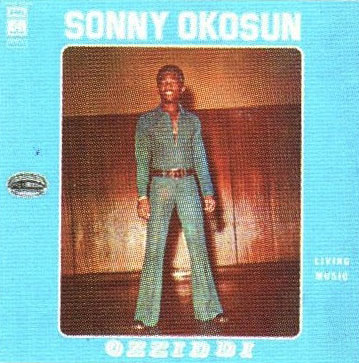
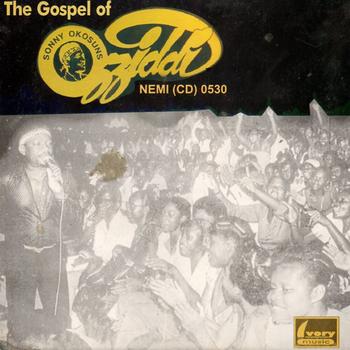
In 1972, he founded his own group, Paperback Ltd., which he renamed Ozzidi in 1973. The name comes from an Igbo word meaning “message”. Okosuns thus invented ziddism (or Ozzidism), a pan-African philosophy that became the red thread of his career. “All my friends sang love songs,” he declared in a statement reported by The Independent. “I wanted to talk about what was happening to black people.”
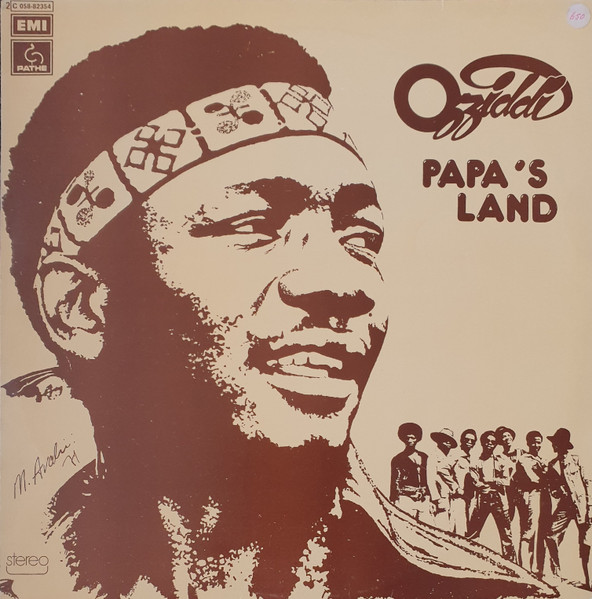
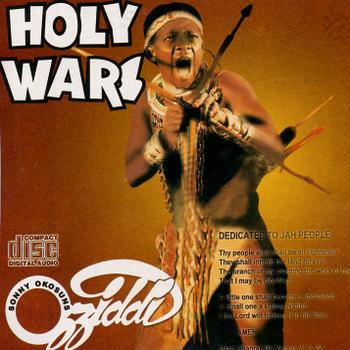
“Fire in Soweto” (1977), recorded at London’s Abbey Road Studios, denounced apartheid and became an underground best-seller. “Papa’s Land” (1977) and “Holy Wars” (1978) continued on this path. At the time, Okosuns sold each album to more than 100,000 copies and sometimes four records a year. In 1981, he signed with the London publisher Oti.
In 1985, he reached the peak of his international fame: the only African artist to participate in Sun City, the benefit album by Artists United Against Apartheid, alongside Bruce Springsteen, Miles Davis, Bob Dylan and Run-D.M.C. He played the talking drum there. Jon Pareles of The New York Times noted that he delivered his freedom songs “with the raw urgency of a soul singer”.
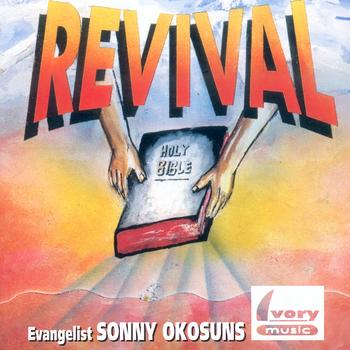
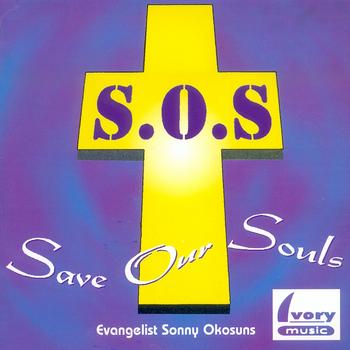
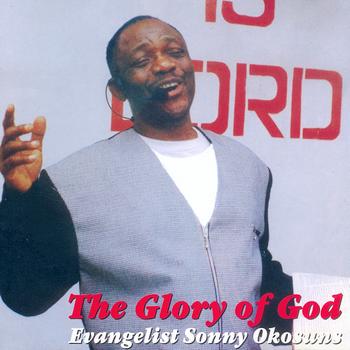
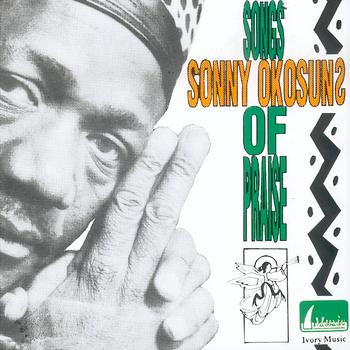
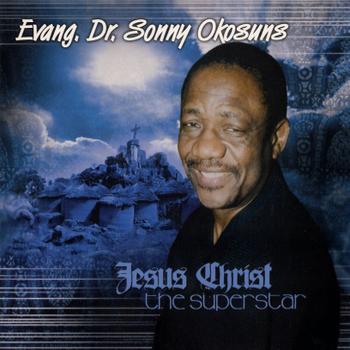
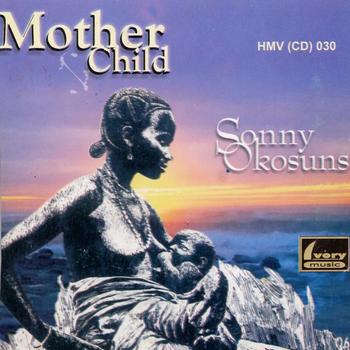
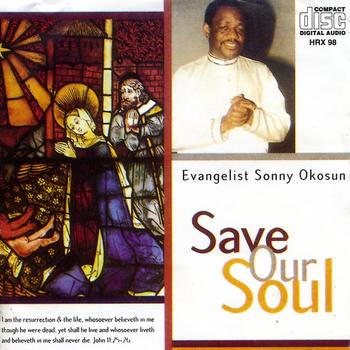
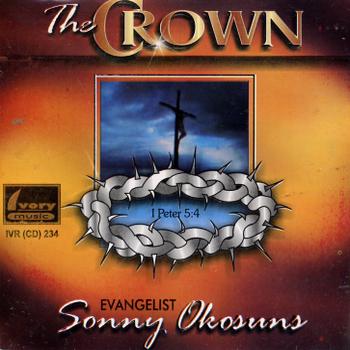
But by the late 1980s, his popularity declined. In 1993, he turned to gospel. Under the name “Evangelist Sonny Okosuns”, he released Songs of Praise (1994), which sold 500,000 copies. In 1998, he founded the House of Prayer Ministries in Ikeja, Lagos. In January 2008, he traveled to New York for the presentation of a diploma to his daughter Adesuwa, who had graduated from Pace University. Already suffering from colorectal cancer, his health deteriorated. He died on May 24, 2008, at Howard University Hospital in Washington DC, aged 61. Buried in Lagos, he leaves behind a discography of nearly forty albums recorded in Nigeria, France, England and the United States.
Major Works
| Work | Year | Why It’s Essential |
|---|---|---|
| “Fire in Soweto” | 1977 | Underground best-selling anti-apartheid anthem; recorded at Abbey Road Studios |
| “Papa’s Land” | 1977 | Denounces abuses of apartheid; mixed by Eddy Grant |
| “Holy Wars” | 1978 | Struggle for independence in Southern Africa, including Mozambique |
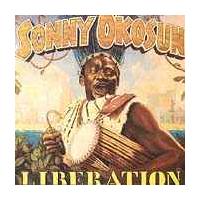
| Liberation | 1984 | First American album (Shanachie); compilation of political hits |
| Sun City (Artists United Against Apartheid) | 1985 | Only African artist on this benefit album |
| Songs of Praise | 1994 | Gospel comeback; 500,000 copies sold |
Legacy
Sonny Okosuns paved the way for a generation of Nigerian artists who understood that music could be an instrument of political dignity. Unlike Fela Kuti, whose message was more radical, Okosuns prioritized African unity and black pride. His style — a fusion of Western funk, Jamaican reggae and traditional melodies — anticipated what would later be called world music. The Africa News Service highlighted that “among his own in Edo State, he was a worthy son who did not hesitate to borrow from local culture to spread its tales and proverbs before a wider audience.”
Sources and References
- « Sonny Okosuns, 61, Musician With Message, Is Dead », The New York Times, https://www.nytimes.com/2008/06/25/arts/music/25okosuns.html, accessed October 24, 2026.
- « Sonny Okosuns », The Guardian, https://www.theguardian.com/music/2008/aug/04/popandrock.nigeria, accessed October 24, 2026.
- « Okosuns, Sonny », Encyclopedia.com (Contemporary Black Biography), https://www.encyclopedia.com/education/news-wires-white-papers-and-books/okosuns-sonny, accessed October 24, 2026.
- Sonny Okosun — Biography, AllMusic, https://www.allmusic.com/artist/sonny-okosun-mn0000039654, accessed October 24, 2026.
- « Sonny Okosun », Wikipedia, https://en.wikipedia.org/wiki/Sonny_Okosun, accessed October 24, 2026.
- « Music Icon, Sonny Okosun, Dies At 61 », Leadership (Nigeria), https://allafrica.com/stories/200805261326.html, accessed October 24, 2026.
- « Remembering Sunny Okosun, the Ozziddi exponent », Vanguard (Nigeria), https://www.vanguardngr.com/2015/07/remembering-sunny-okosun-the-ozziddi-exponent/, accessed October 24, 2026.
- « Sonny Okosun: A Pan-African Reggae Maestro », African and Black History, https://web.archive.org/web/20210712160948/https://africanandblackhistory.net/sonny-okosun-a-pan-african-reggae-maestro/, accessed October 24, 2026.