Biography
Segun Adewale: the crowned prince of Nigerian jùjù
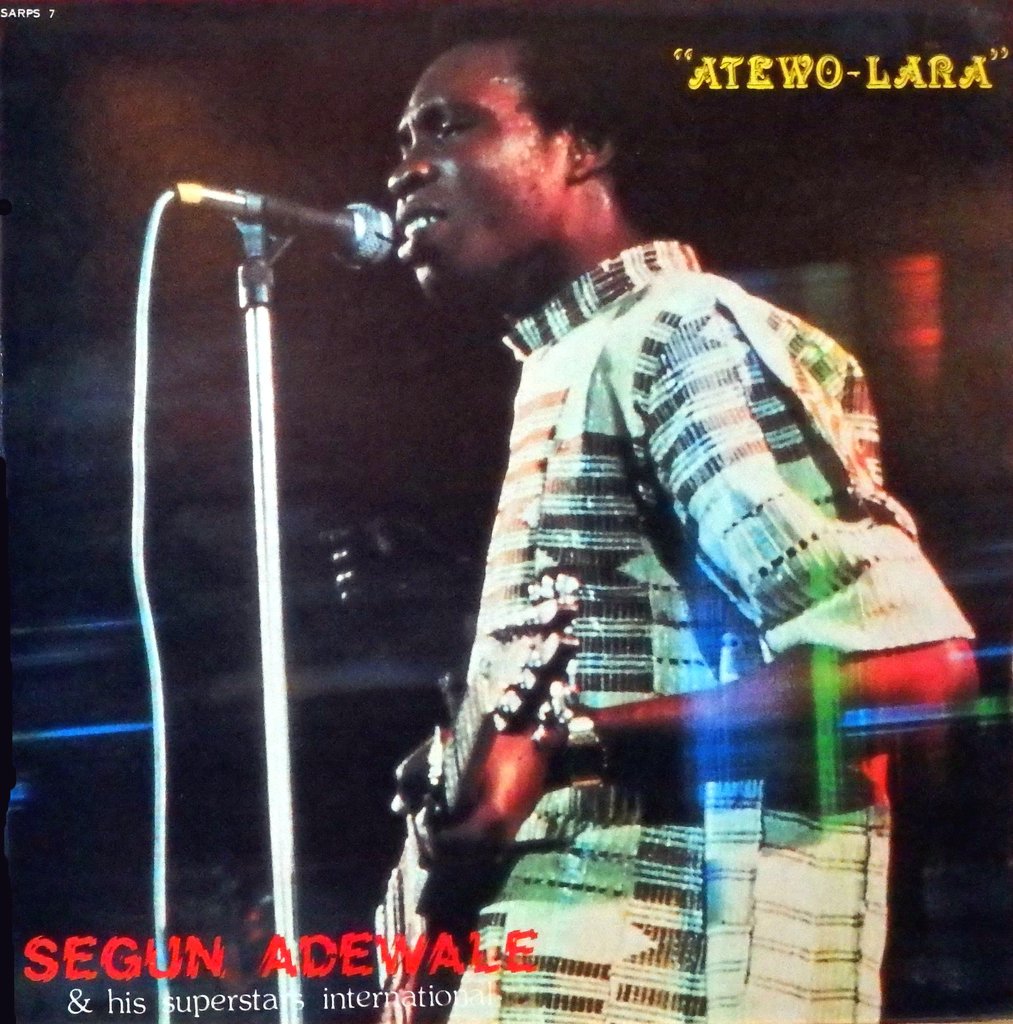
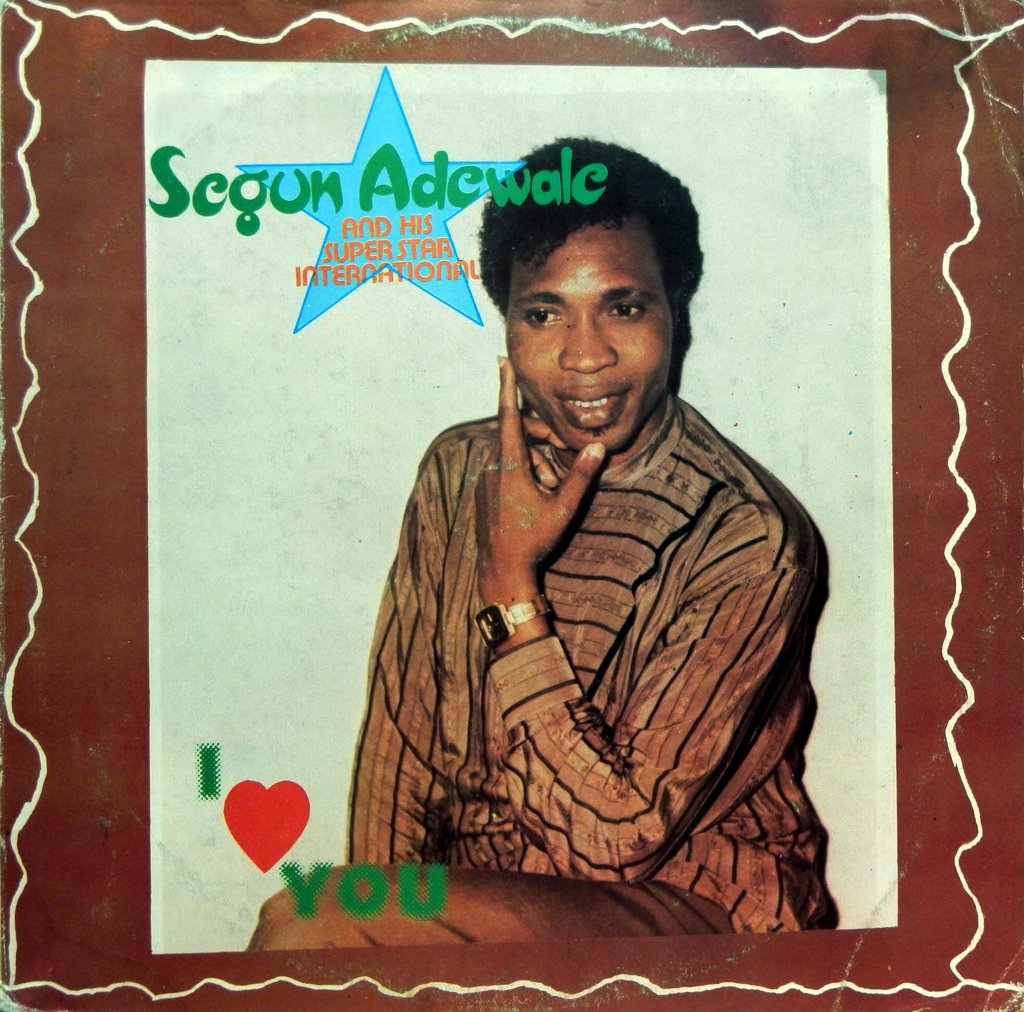
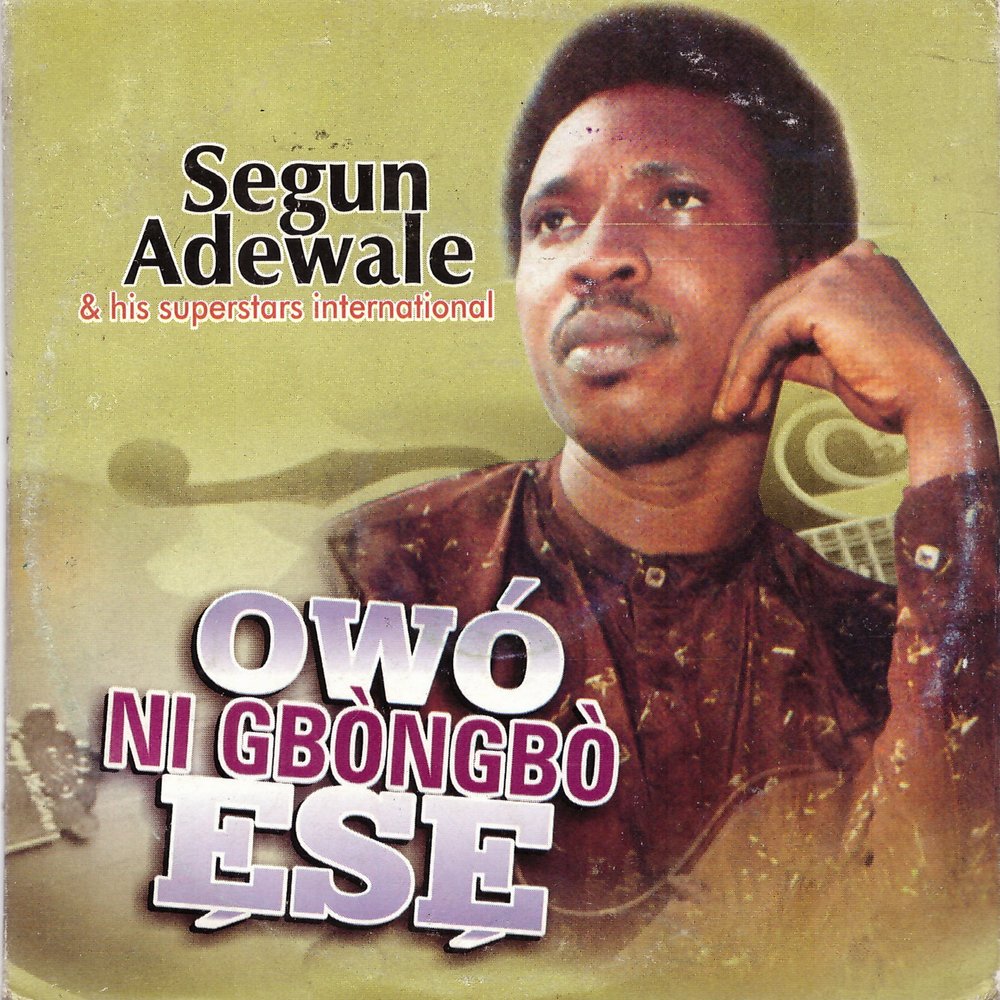
Born into a Yoruba royal family and trained by the great masters of Lagos jùjù, Segun Adewale transformed a traditional genre into a soaring sound that conquered the audiences of Lagos and then the festivals in Scotland. With his signature, yo-pop — an explosive fusion of jùjù, funk, jazz, reggae and afro-beat — he paved the way for a generation of African artists seeking to speak to the world without renouncing their roots.
In brief
| Full name | Omoba Segun Adewale |
| Birth | 1949, Osogbo, Nigeria |
| Genre | Jùjù, yo-pop, afro-beat, highlife |
| Instruments | Guitar, vocals |
| Groups | Superstars International, Shina Adewale & the Superstars International |
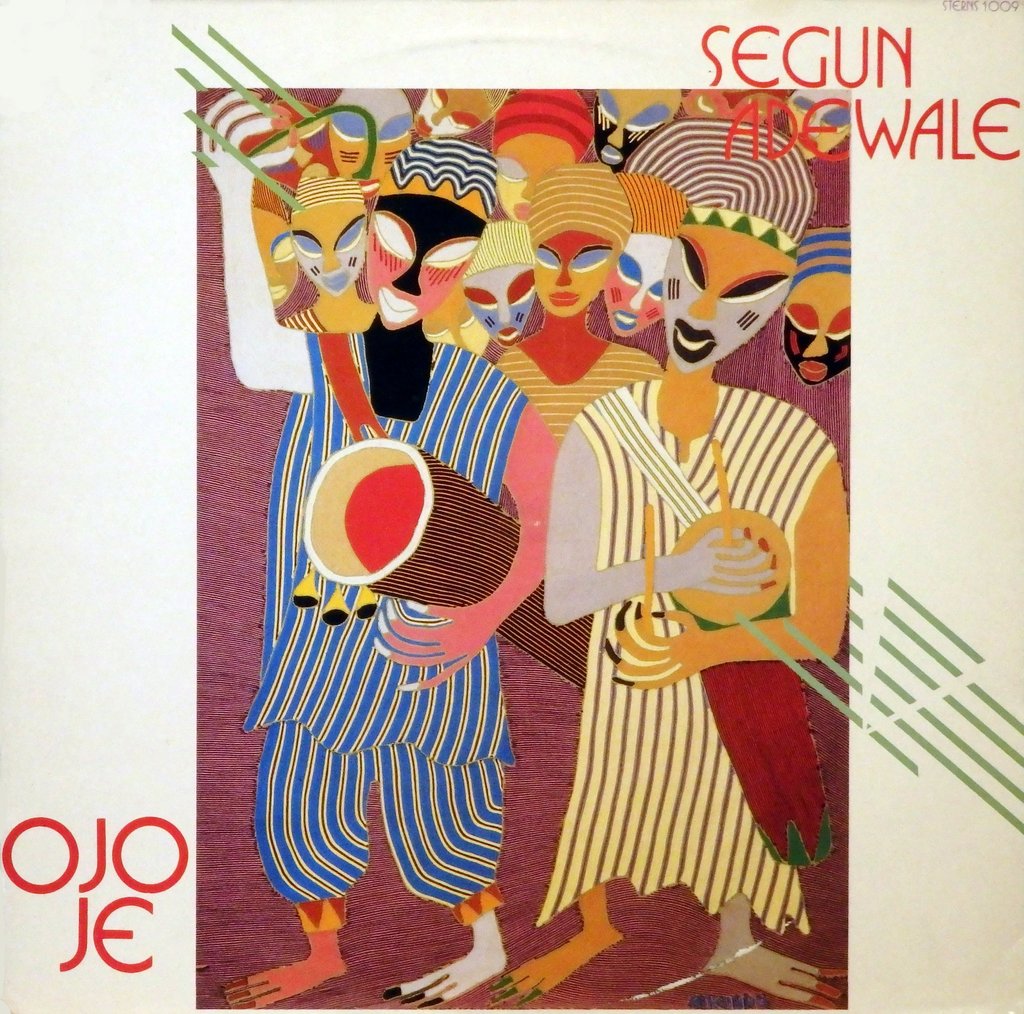
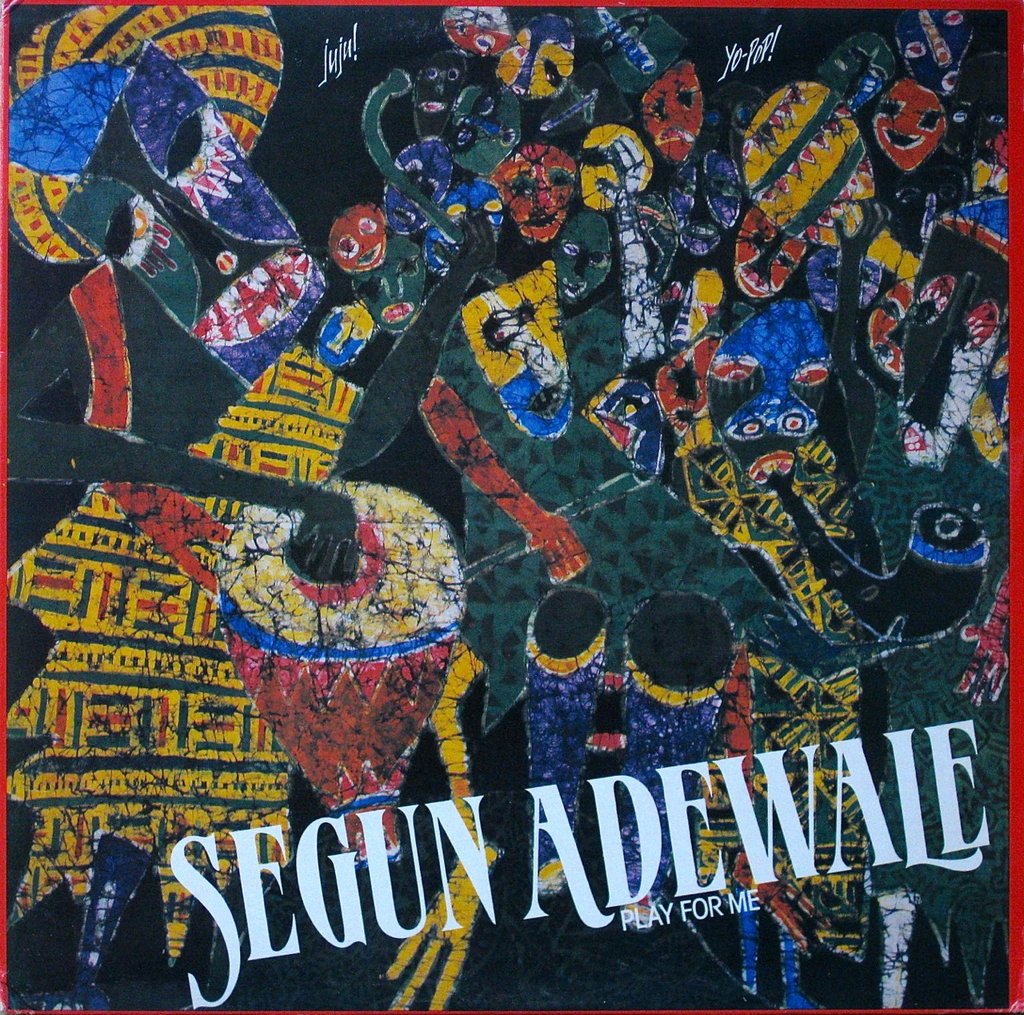
| Notable works | Play for Me, Endurance, Ojo Je |
| Nickname | “The Prince of jùjù” |
Key dates
| Year | Event |
|---|---|
| 1949 | Born into a Yoruba royal family in Osogbo |
| Early 1970s | Training with I.K. Dairo and S.L. Atolagbe in Lagos |
| 1973 | Formation of the Superstars, quickly disbanded |
| 1974 | Joined Prince Adekunle’s Western Brothers Band |
| 1977 | Co-founded Shina Adewale & the Superstars International with Shina Peters |
| 1980 | Split from Peters; formed his own ensemble of 20 musicians |
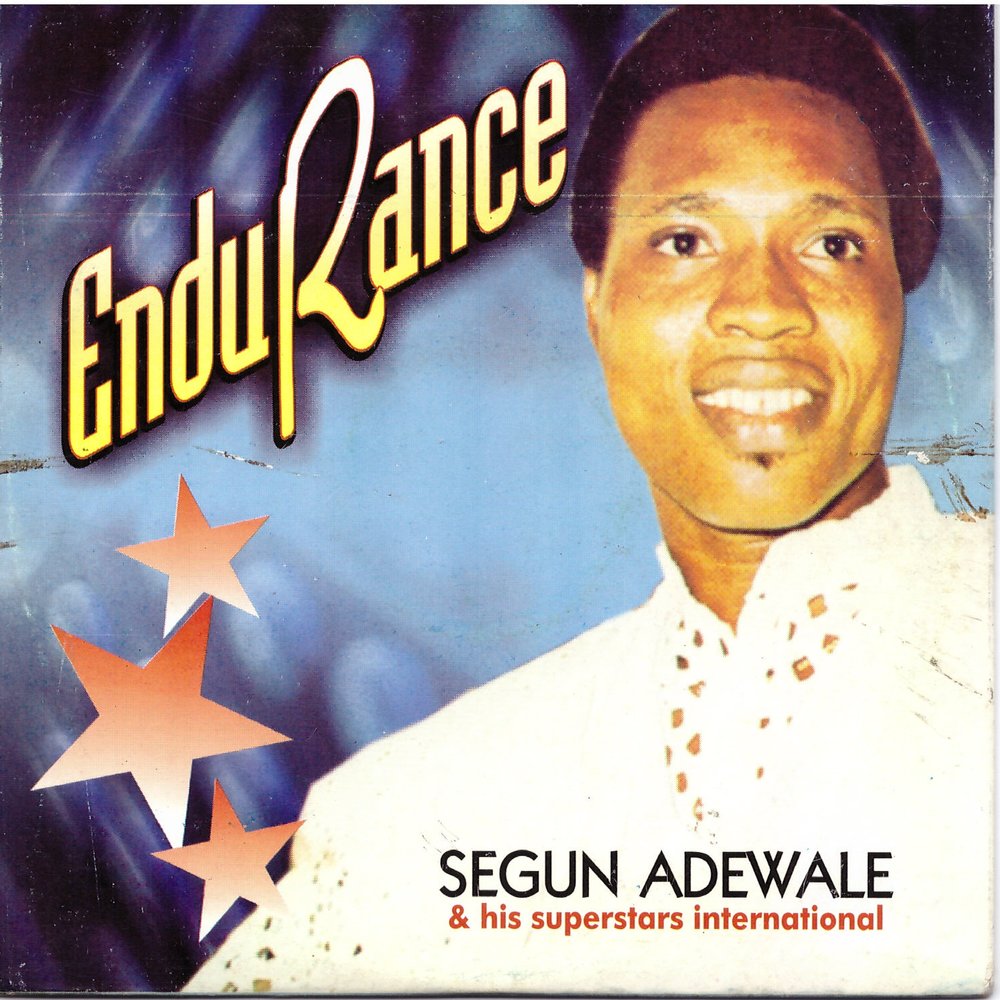
| 1982 | Release of Endurance, album marking the arrival of yo-pop |
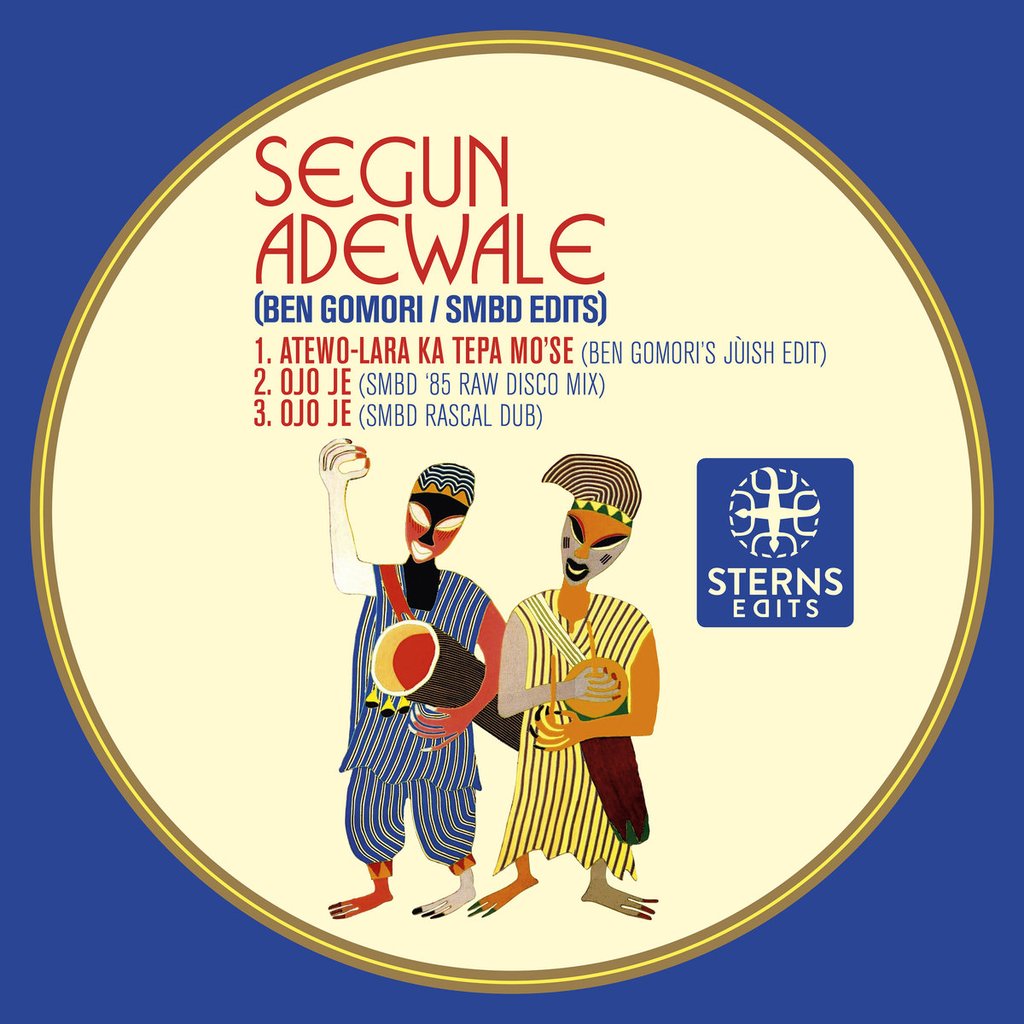
| 1984 | Signed with Stern’s Records (UK); release of Play for Me |
| 1985 | Acclaimed concerts at the Edinburgh International Festival |
| 1988 | Distributed in the US by Rounder Records |
| 1996 | Release of Here I Am in America (Celebrity Records) |
| 2026 | Yo-Pop Music reissued on the compilation Nigeria 80 (Strut Records) |
From traditional jùjù to revolutionary yo-pop
Segun Adewale grew up in the royal atmosphere of Osogbo, Nigeria. His father taught him guitar, but the family intended for him to become a doctor or lawyer. Instead, in the 1970s, he moved to Lagos, the epicentre of the Nigerian music scene. There he met two jùjù pioneers — I.K. Dairo and S.L. Atolagbe — who became his mentors. Dairo taught him the art of arrangement and composition for massive ensembles, a rare skill for a young musician. After a brief stint with M.A. Jaiyesimi, he joined the Western Brothers Band of the late Prince Adekunle, where he crossed paths with Shina Peters.
In 1977, Adewale and Peters founded the Shina Adewale & the Superstars International together, recording nine albums for Decca. In 1980, their paths diverged: Peters went his way while Adewale created his own ensemble of twenty musicians — the Superstars International. The colossal-sized group sounded different from its contemporaries: an agile lead guitar, funk basses, talking drums (these percussion instruments mimicking Yoruba speech), a pedal steel guitar, congas, gourd maracas and a gong. The result was a breathless sound, “all speed, thunder and lightning,” according to the authors of World Music: The Rough Guide.
The internationalization of yo-pop
With the album Endurance (1982), Adewale imposed yo-pop, or “Yoruba pop,” a style that grafted reggae, funk and highlife onto the rhythmic structure of jùjù. The influence of rock was predominant — a rare element in Nigerian music at the time. Guitarists wove fast melodies over a tapestry of percussion and backing vocals, creating a continuous musical flow that filled an entire side of vinyl.
In 1984, signing with the British label Stern’s Records marked the international turn. Play for Me introduced English lyrics to broaden his audience. The album was distributed in the US by Rounder in 1988, along with Ojo Je, a compilation of his most notable Nigerian tracks. That same year, Adewale and his Superstars delivered three acclaimed concerts at the Edinburgh International Festival in Scotland — a prestigious showcase that elevated him to the rank of one of the most prominent West African artists of the 1980s.
The nickname “Prince of jùjù” designates him as the spiritual heir to King Sunny Ade, but with a more hybrid vision. His commercial success declined towards the end of the decade, facing the rise of fuji in Nigeria and the competition from Peters, whose music more skillfully exploited social themes. He responded by proclaiming himself a defender of traditional jùjù and launched a new style, the peperempe, but listening to his recordings became rarer during the 1990s.
Major works
| Work | Year | Why it is essential |
|---|---|---|
| Endurance | 1982 | First album marking the arrival of yo-pop |
| Play for Me | 1984 | First international album, English lyrics |
| Ojo Je | 1985 | Compilation of essential Nigerian tracks |
| Yo-Pop 85 | 1985 | Affirmation of the hybrid sound in Africa |
| Here I Am in America | 1996 | Return after a decade of relative silence |
Legacy
Segun Adewale proved that African music could absorb funk, rock and reggae without losing its Yoruba identity. His music, rediscovered and reissued by labels such as Rounder, K7 Music and Strut Records, influenced an entire generation of West African artists seeking hybrid sounds. The reissue of Yo-Pop Music on the compilation Nigeria 80 (Strut Records, 2026) confirms that his legacy still resonates forty years after his first forays beyond classic jùjù.
Sources and references
-
“Adewale, Segun”, Encyclopedia.com (Contemporary Musicians), https://www.encyclopedia.com/education/news-wires-white-papers-and-books/adewale-segun, accessed 23 October 2026.
-
“Segun Adewale”, Wikipedia, https://en.wikipedia.org/wiki/Segun_Adewale, accessed 23 October 2026.
-
Craig Harris, “Segun Adewale”, AllMusic, https://www.allmusic.com/artist/segun-adewale-mn0000520025, accessed 23 October 2026.
-
Segun Adewale, World Music: The Rough Guide, Volume 1, Rough Guides, 1999 (cited in Encyclopedia.com).
-
« Juju », Afropop Worldwide, http://www.afropop.org/explore/style_info/ID/18/juju, accessed 23 October 2026.
-
« Nigeria 80 », Strut Records, https://strut-records.co.uk/products/nigeria-80, accessed 23 October 2026.