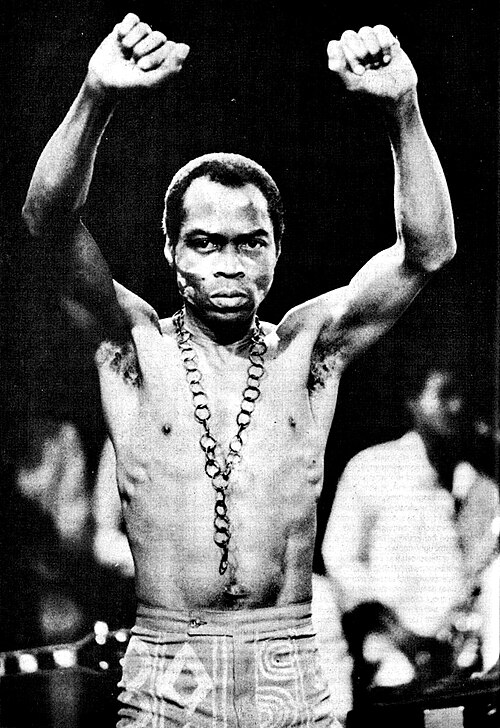
Biography
Biography of Fela Anikulapo Kuti
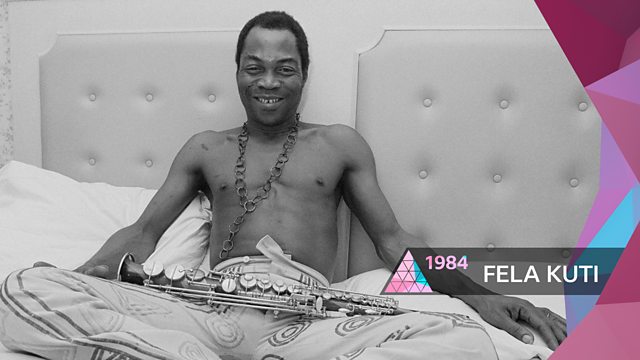
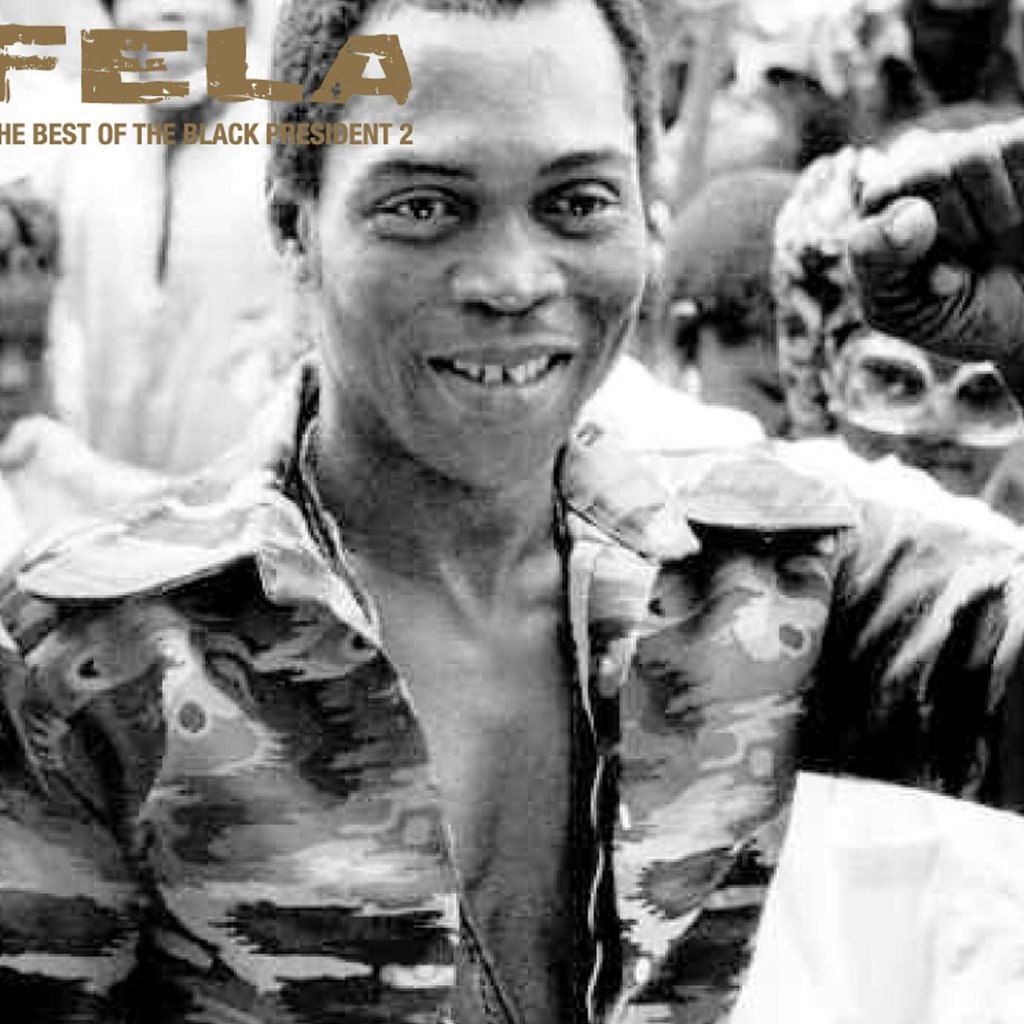
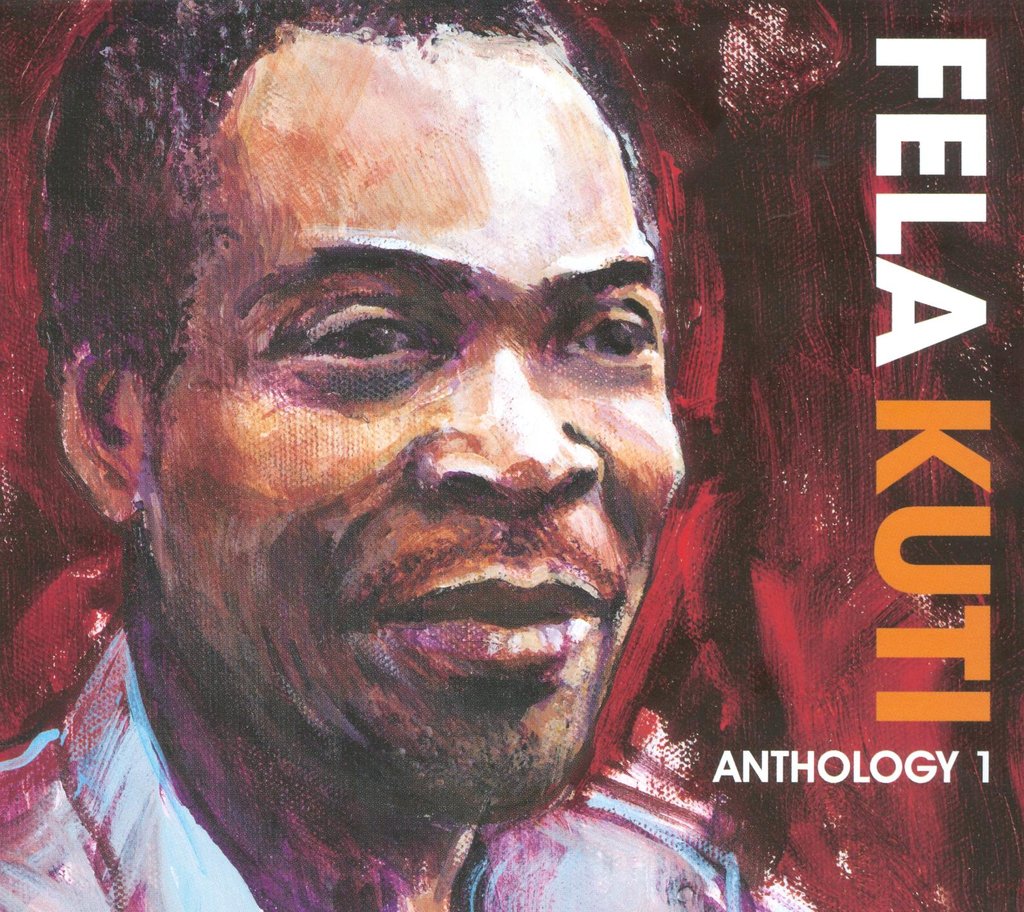
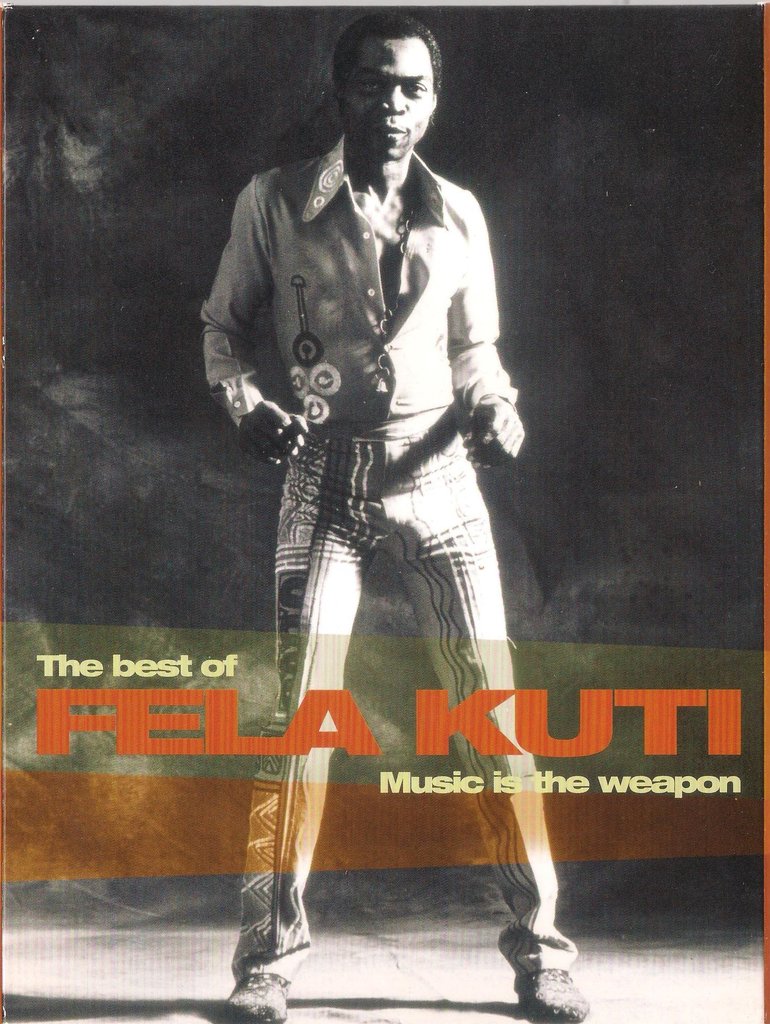
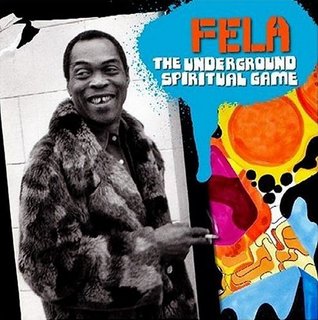
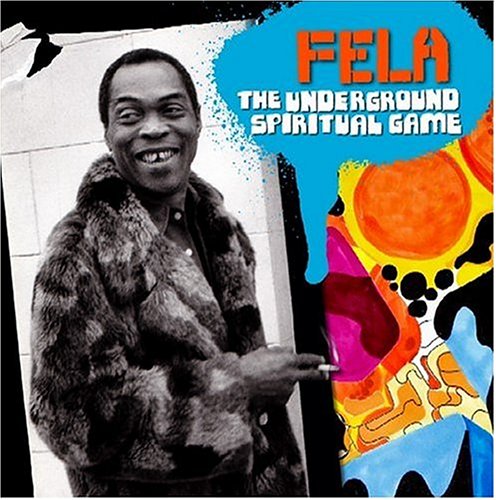
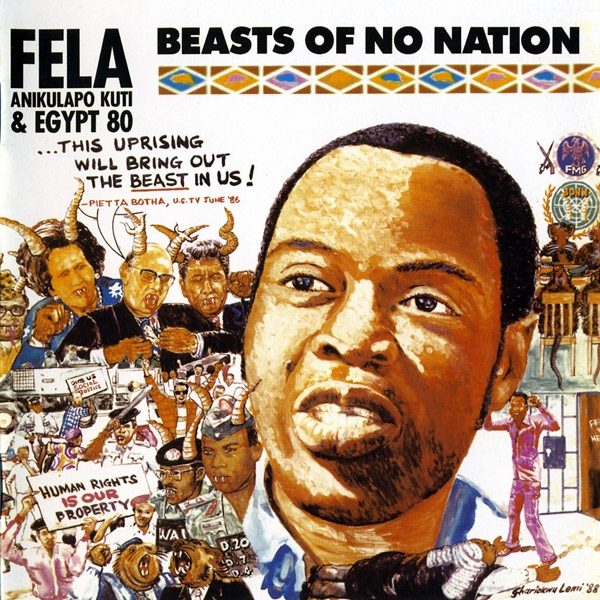
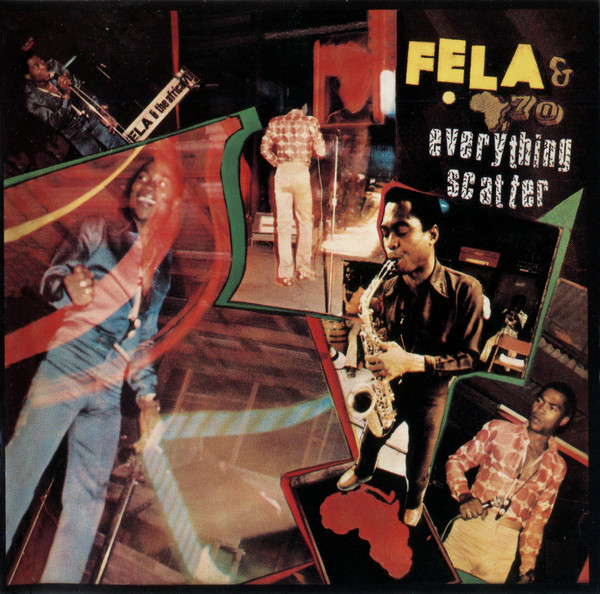
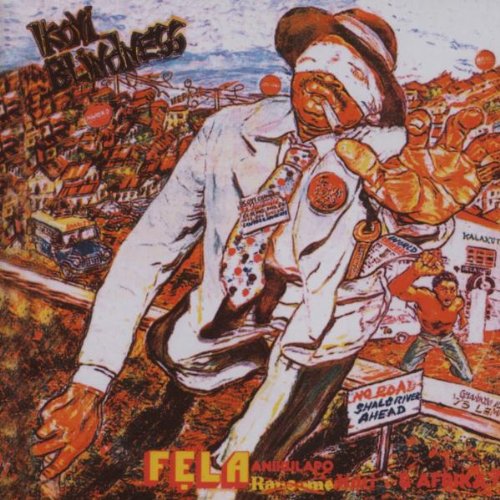
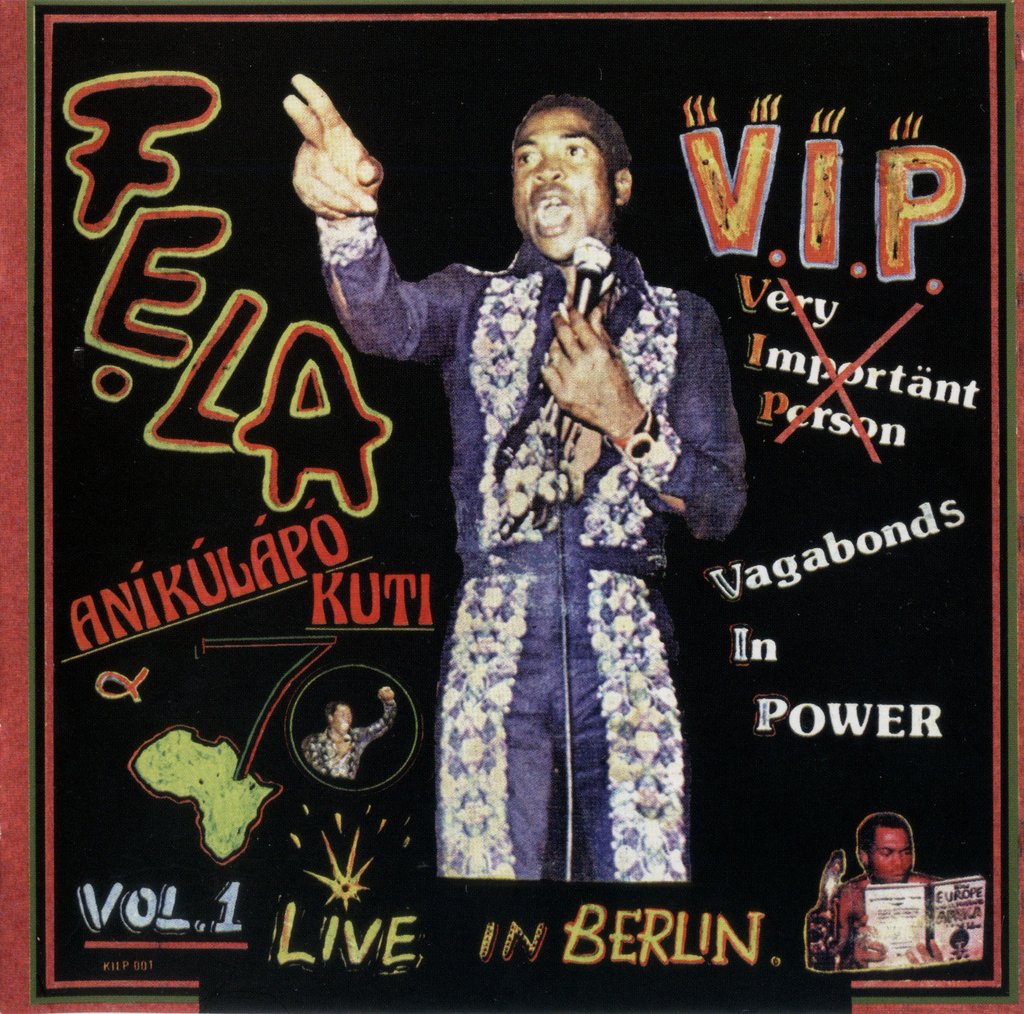
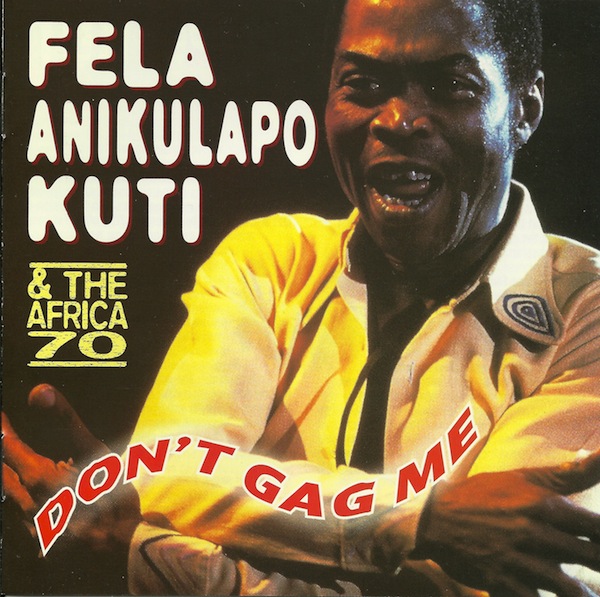
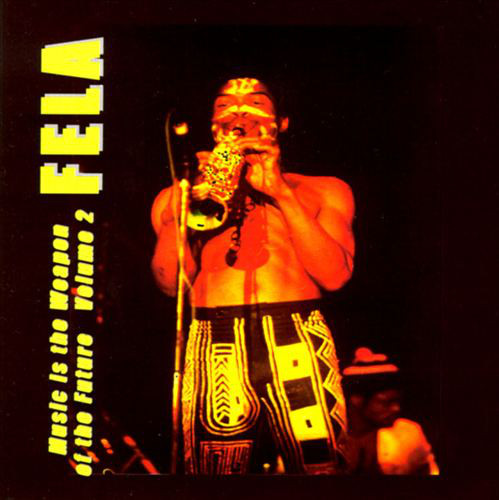
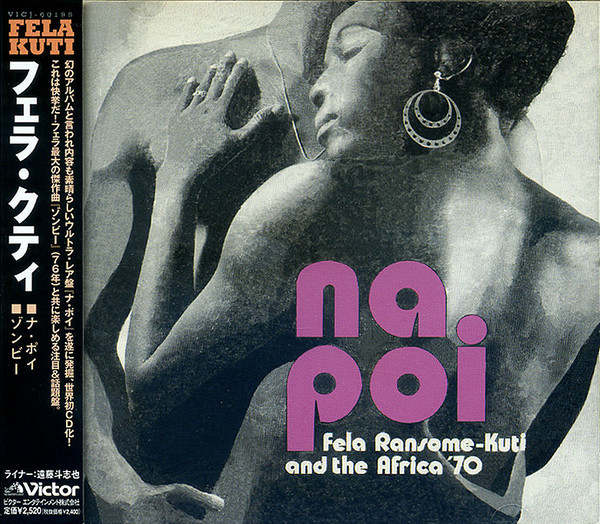
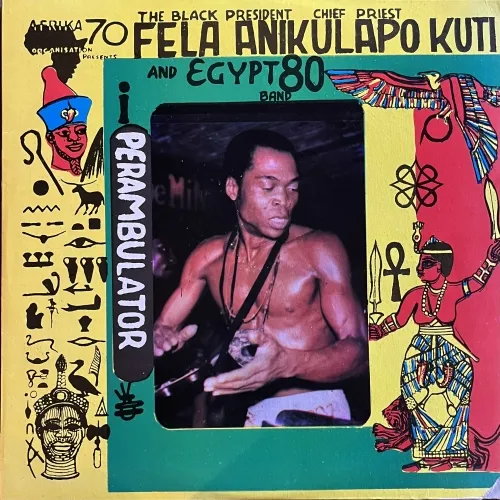
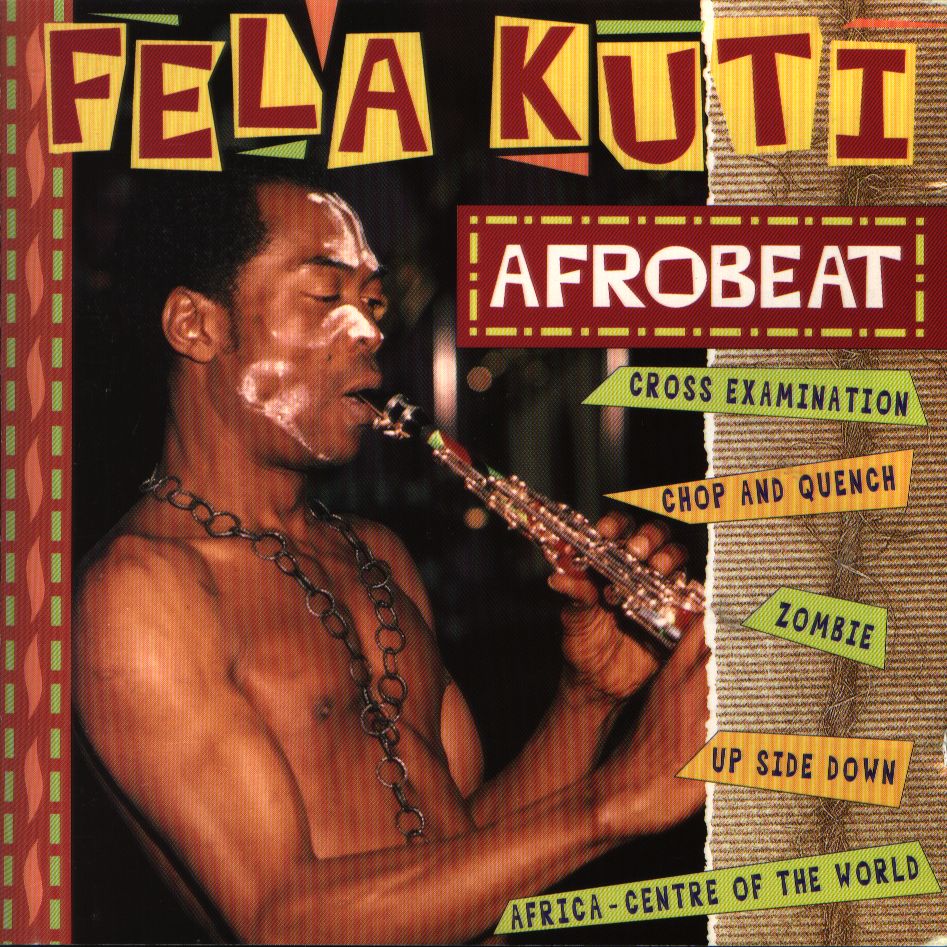
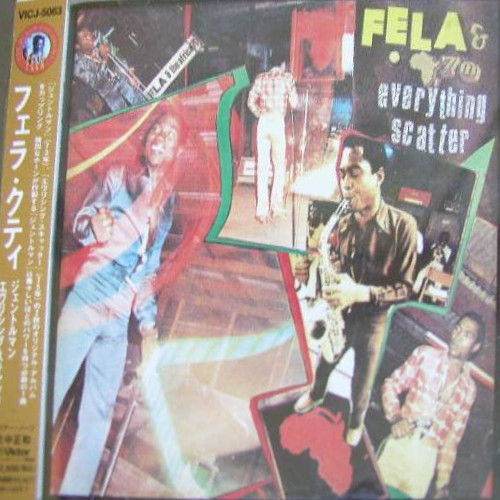
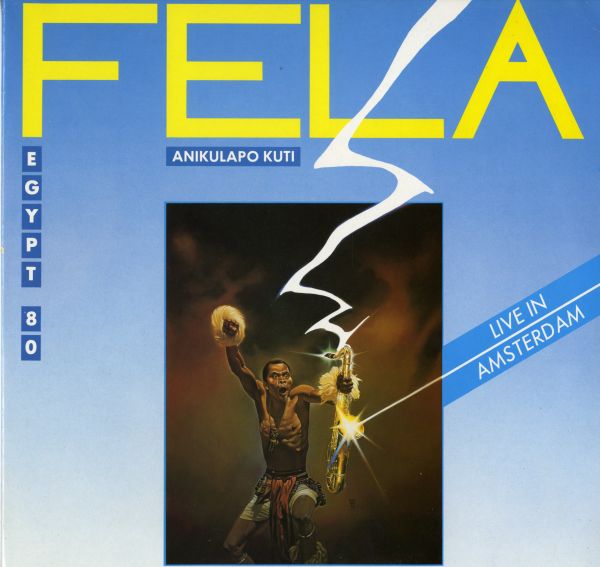
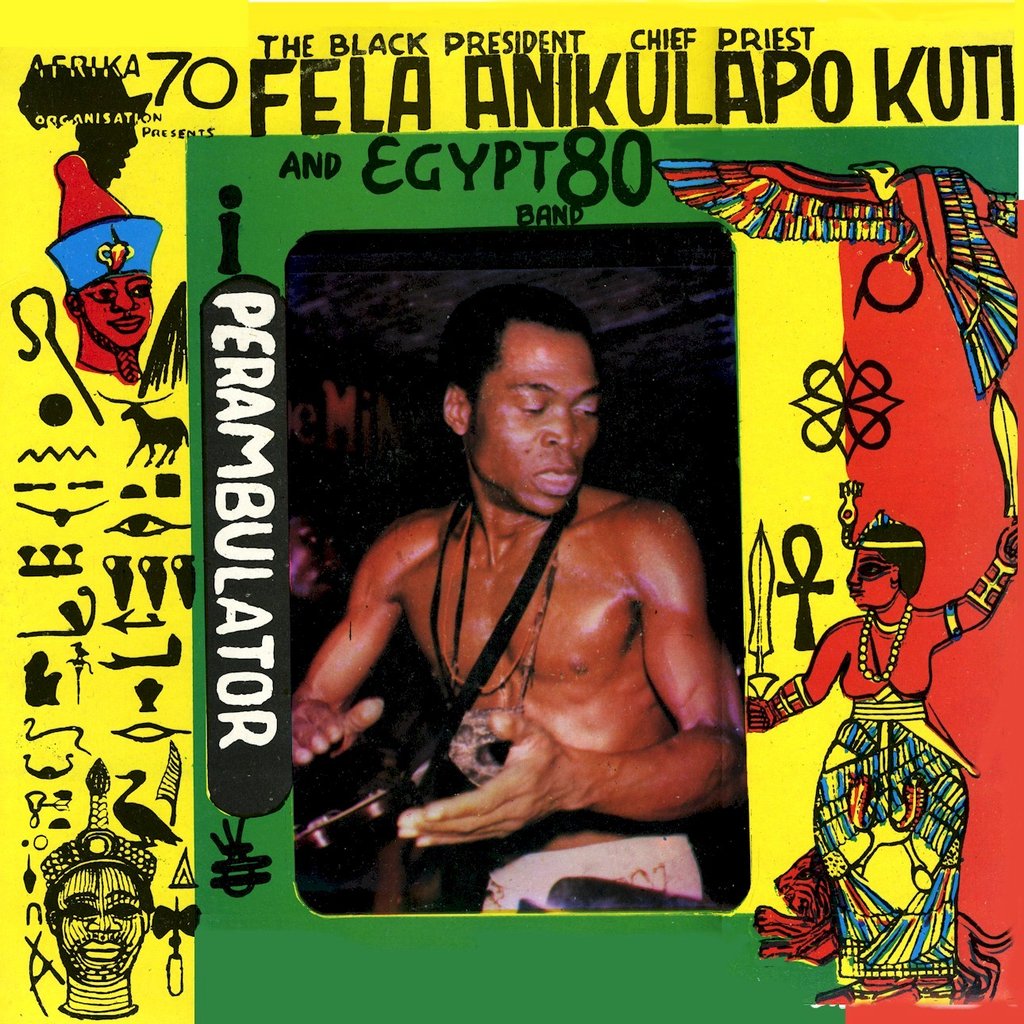
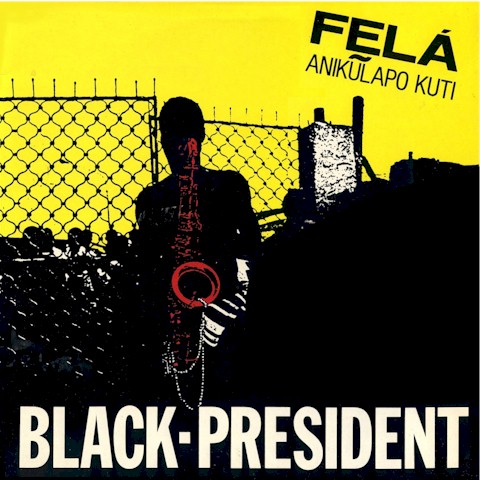
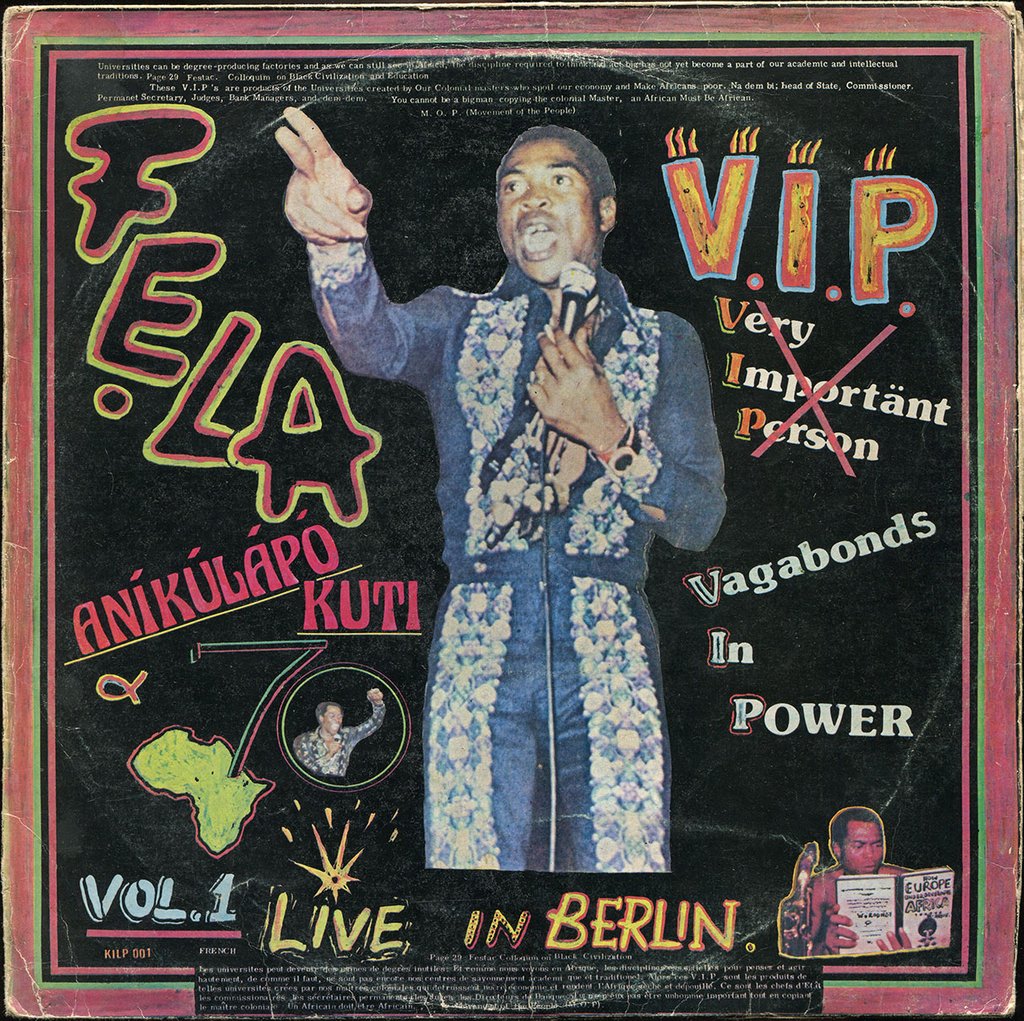
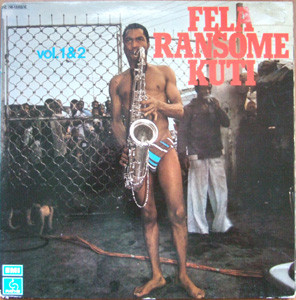
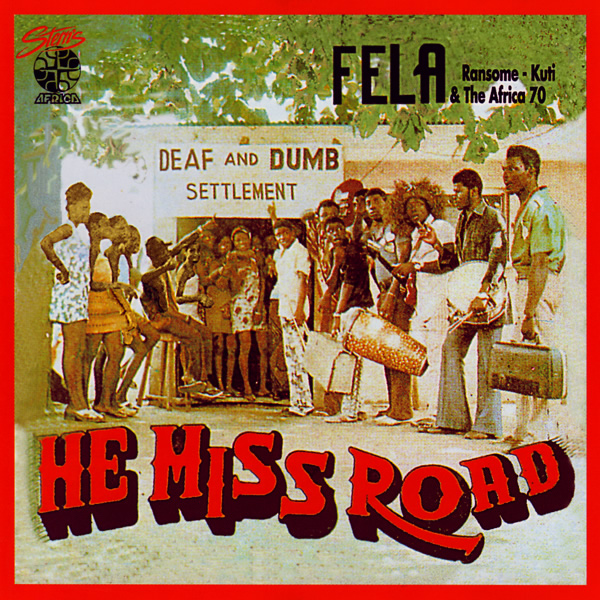
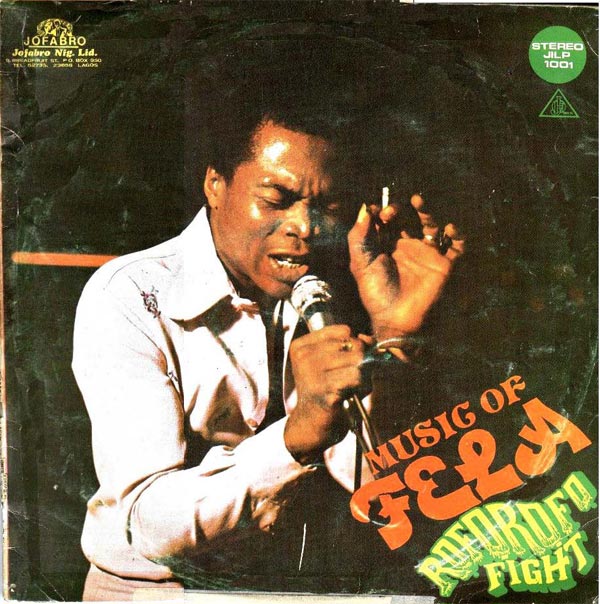
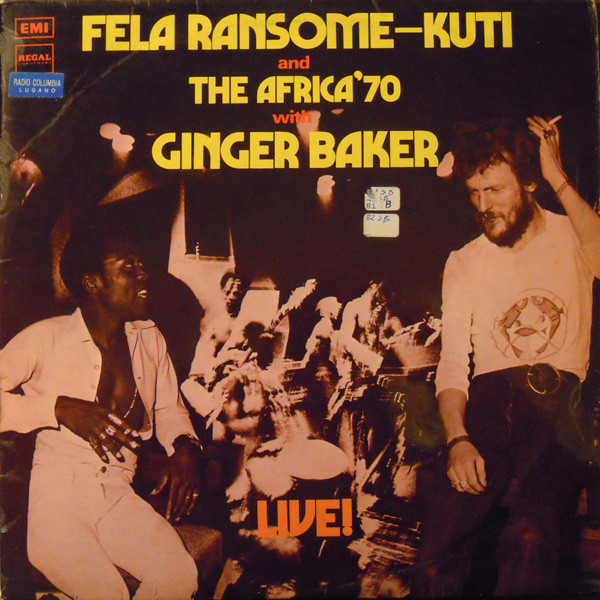
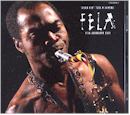
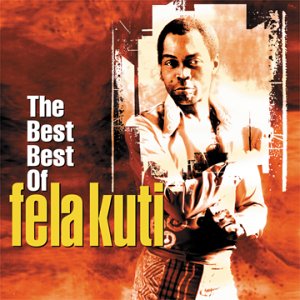
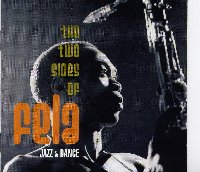
Fela Anikulapo-Kuti (born Olufela Olusegun Oludotun Ransome-Kuti1, October 15, 1938, in Abeokuta, Nigeria, and died August 2, 1997, in Lagos)2 is a musician, composer, multi-instrumentalist, and major figure of Nigerian political dissent. Pioneer and inventor of afrobeat, a musical genre he himself named3, he is recognized as one of the most influential African artists of the 20th century.
From an important and committed family, Fela is the son of Funmilayo Ransome-Kuti, a famous advocate for women’s rights and anti-colonial activist, and Joel Oludotun Ransome-Kuti, a doctor and pastor45. This lineage of intellectuals and fighters deeply marked the political engagement that would cross his entire career5.
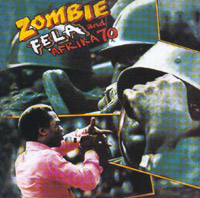
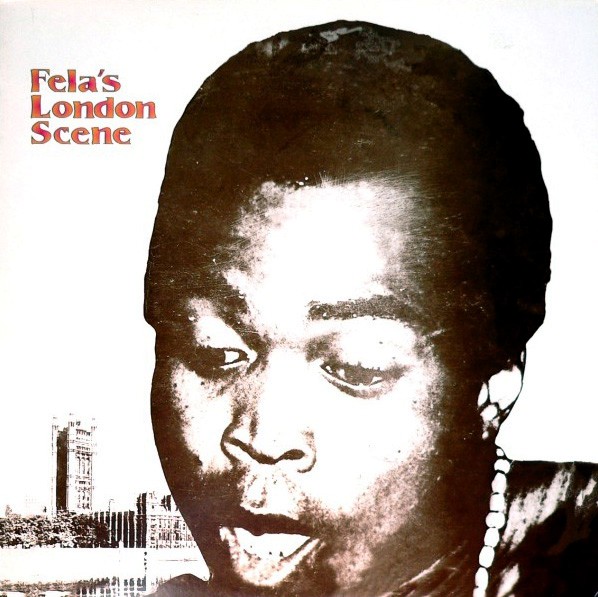
After studying theater in London, where he studied at the Royal Academy of Music and discovered American jazz and soul6, Fela returned to Nigeria in 1969. Fascinated by Black liberation movements, he went to the United States where he met Betty Adoko, a member of the Black Panthers, who inspired him to compose Zombie57. He also adopted the name “Anikulapo-Kuti,” meaning “the one who carries death in his own chest”1.
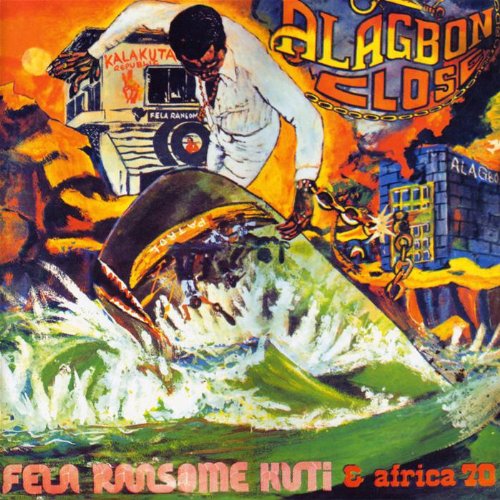
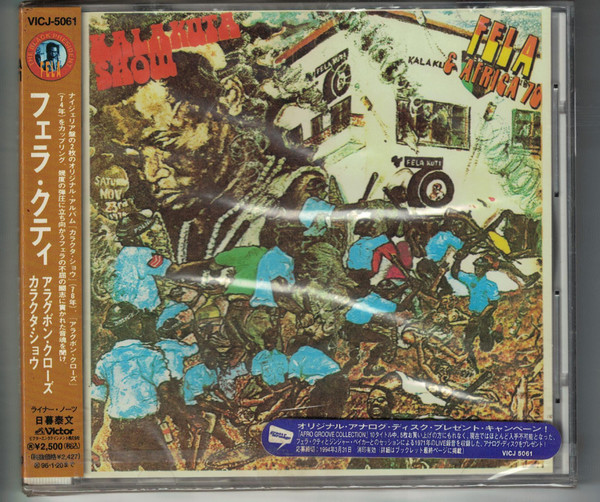
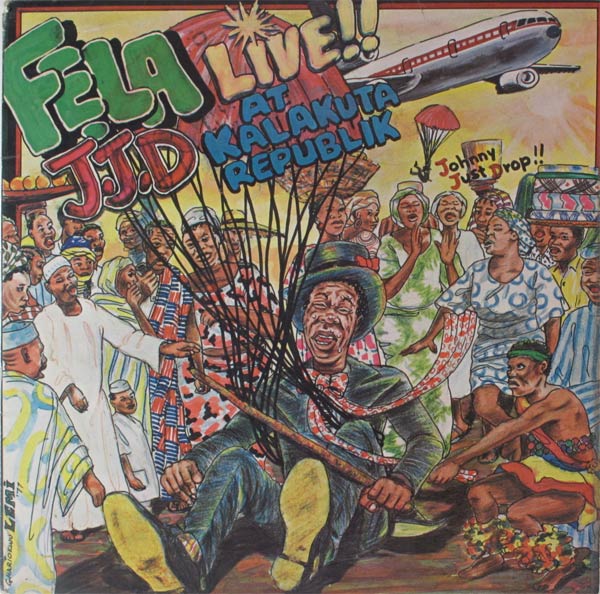
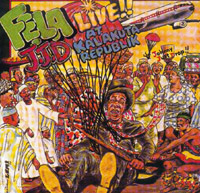
In 1970, he founded the Kalakuta Republic, a de facto independent state in the premises of his studio, the Afro-Spirit Centre in Lagos35. This complex includes a recording studio, a cinema hall, and a communal living space. Kalakuta quickly became a high place of Nigerian counter-culture, but also a target for the authorities5.
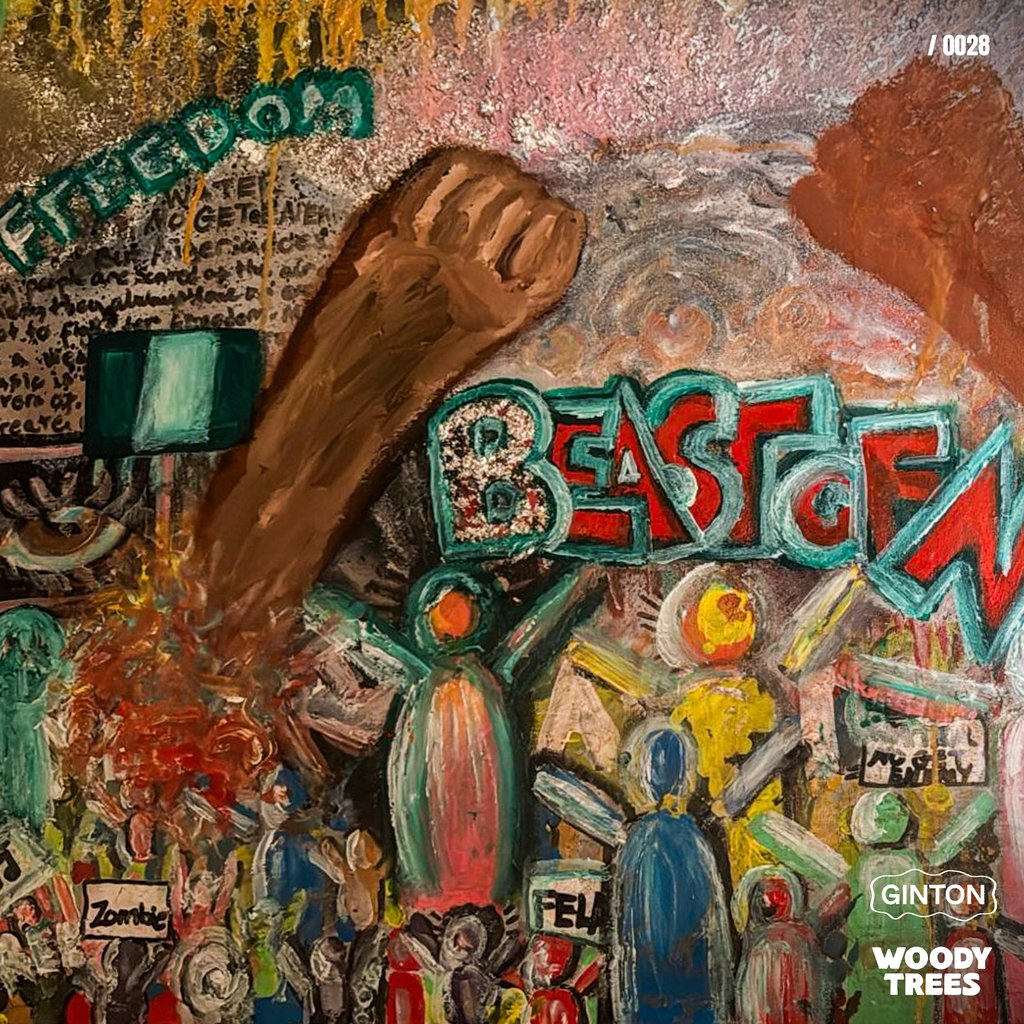
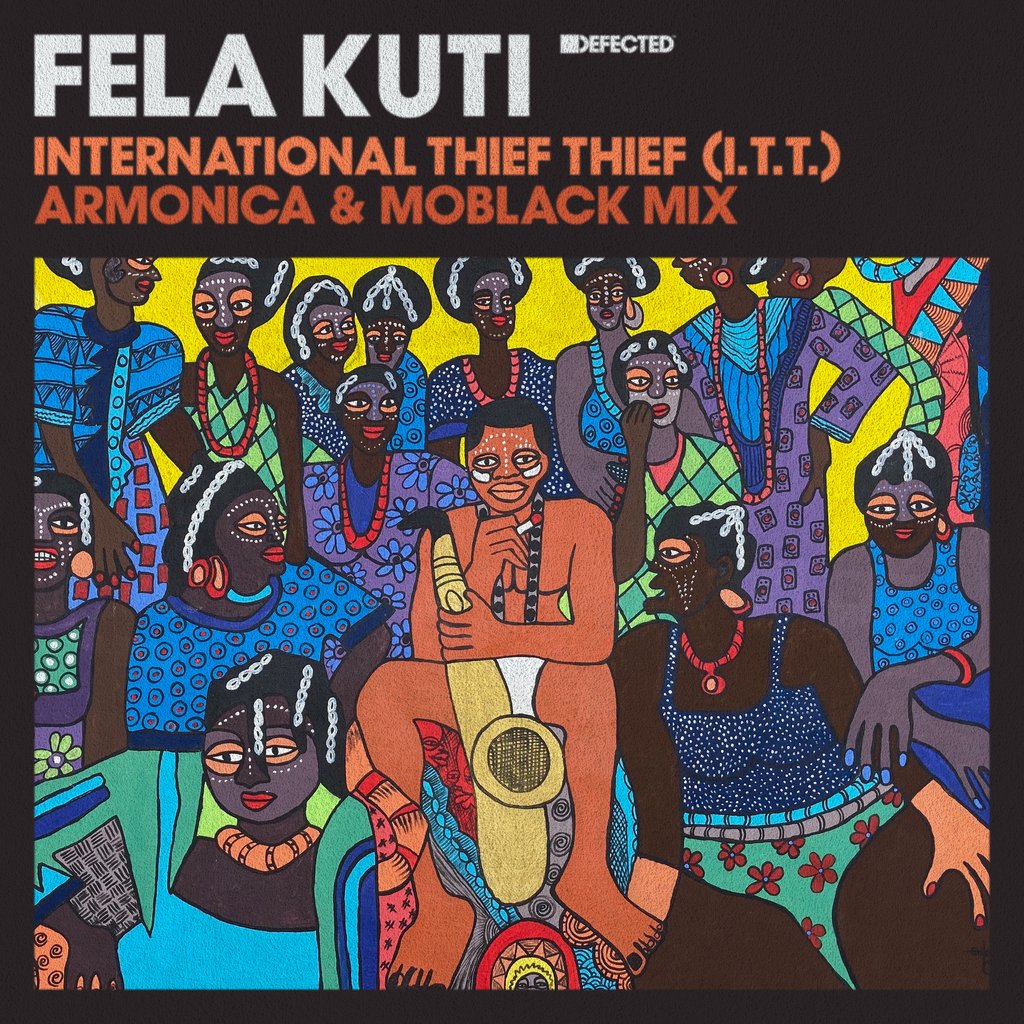
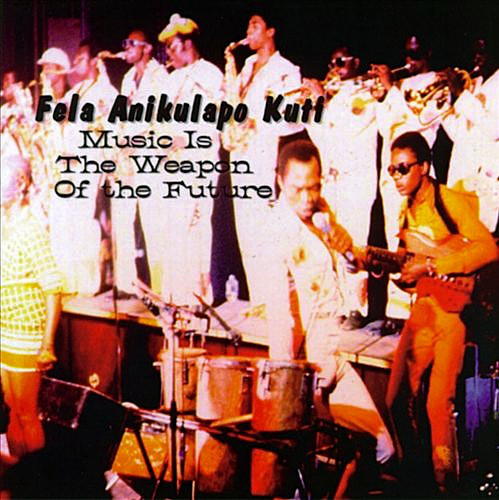
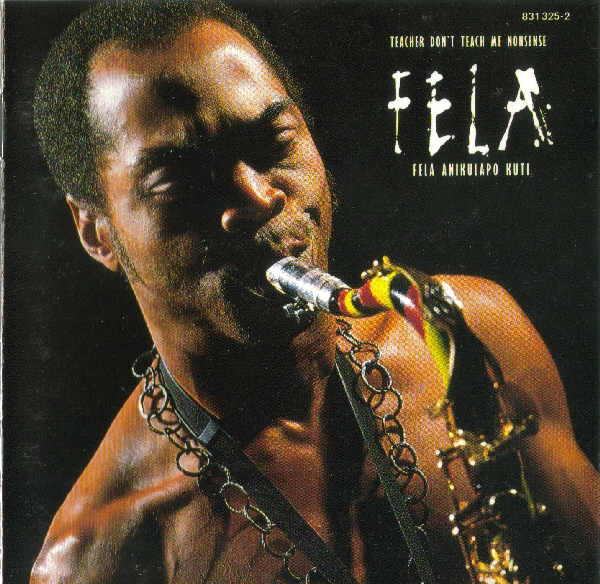
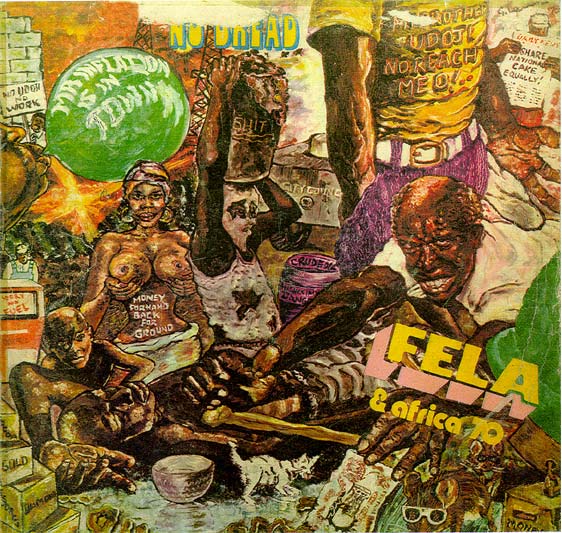
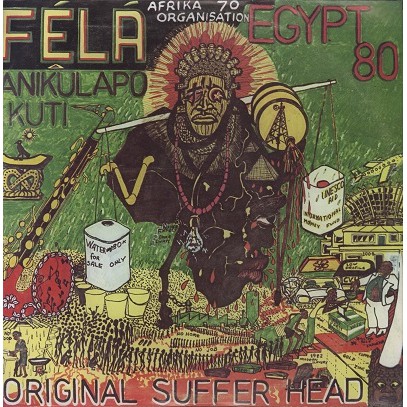
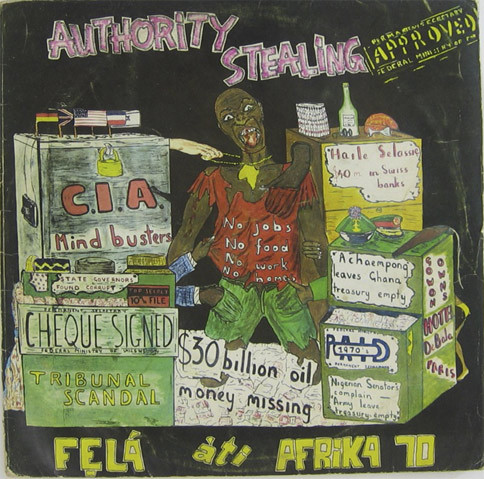
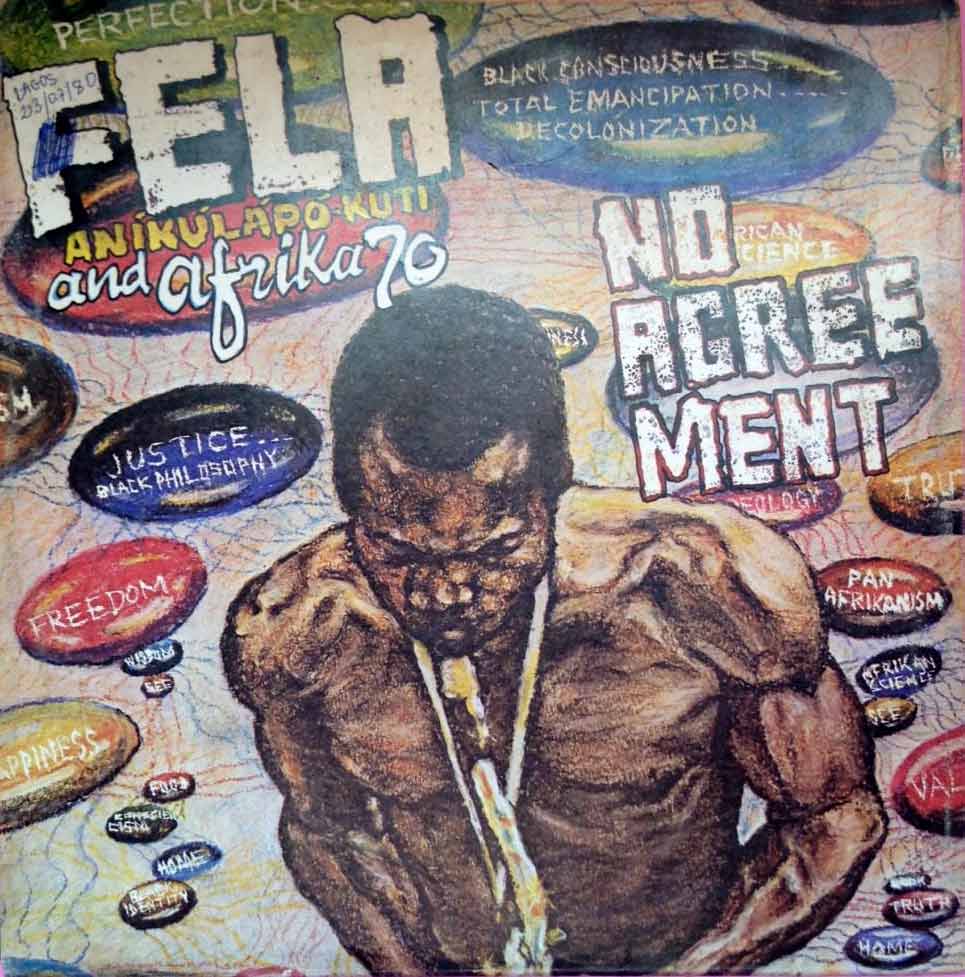
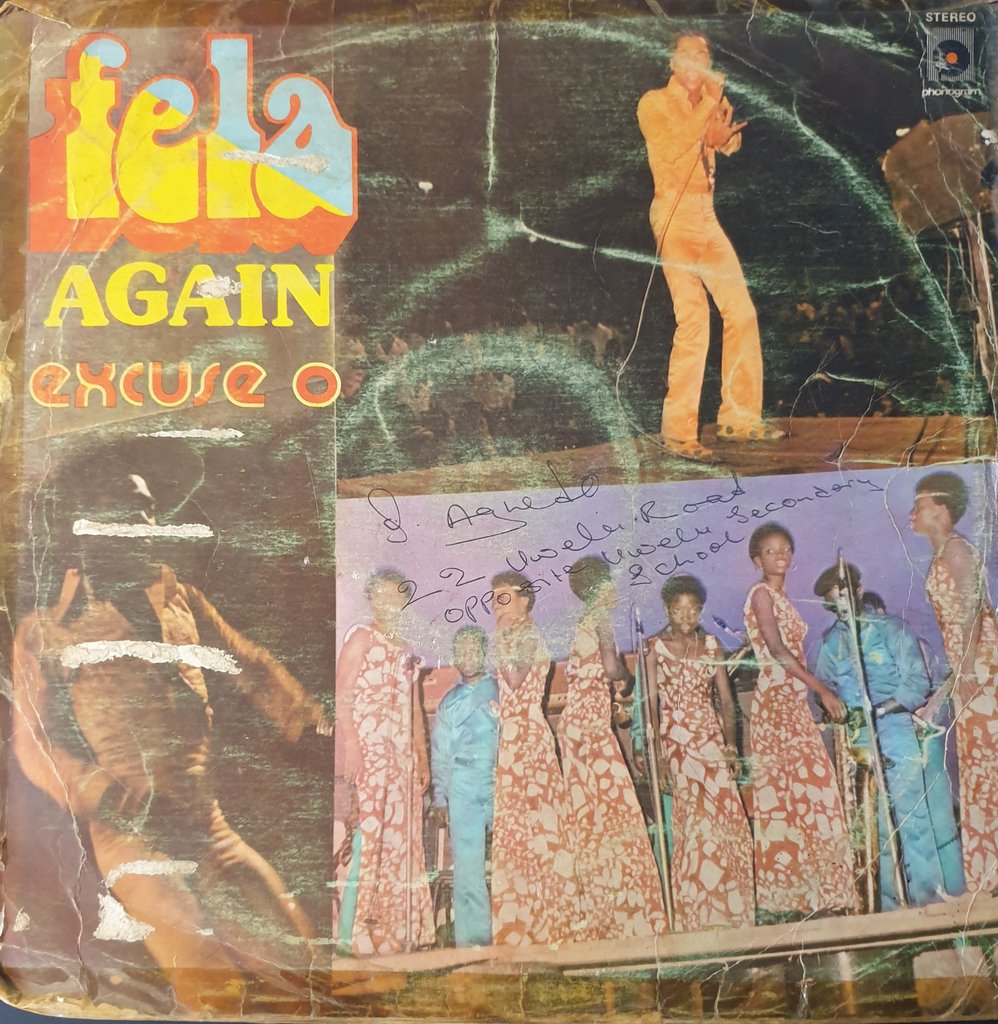
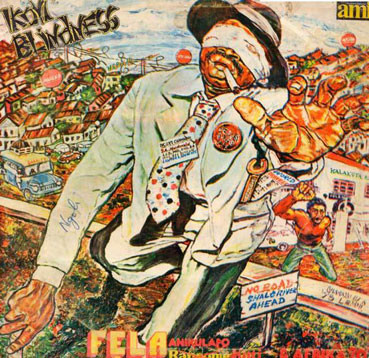
Fela’s afrobeat is a unique blend of Nigerian highlife, jazz, funk, Yoruba traditional music, and African choral chants35. The compositions, often long from ten to twenty minutes, rely on hypnotic grooves, powerful brass sections, and engaged lyrics denouncing corruption, colonial exploitation, and oppression23. His albums Zombie (1977), Teacher Don’t Teach Me Nonsense (1980) and Unknown Soldier (1997) are timeless political manifestos3.
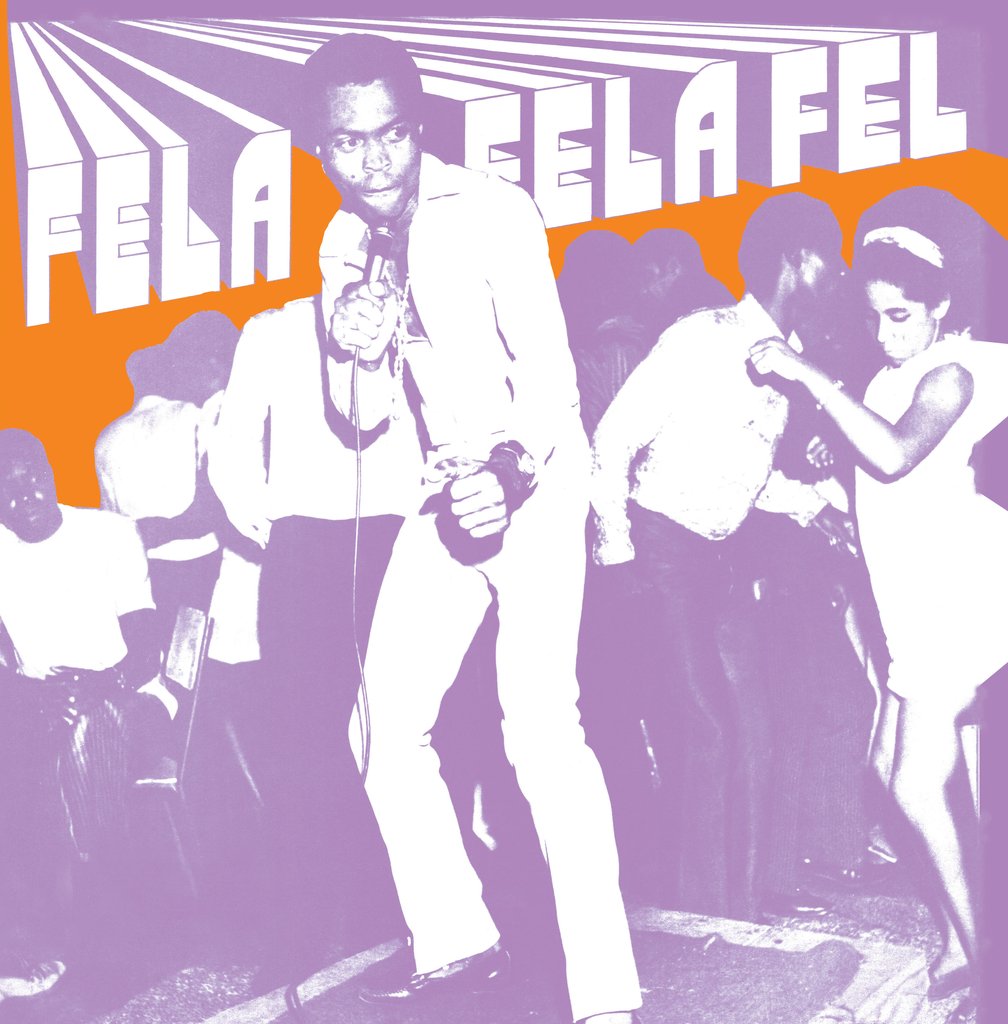
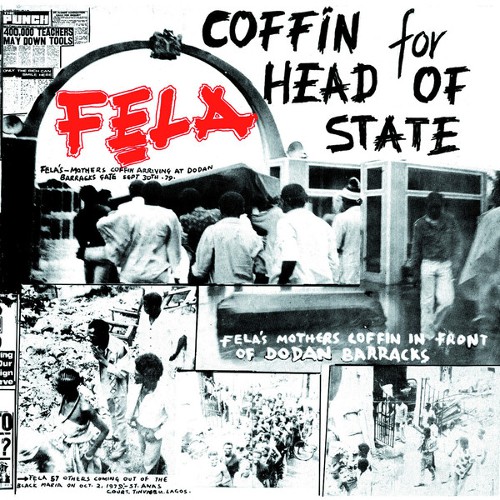
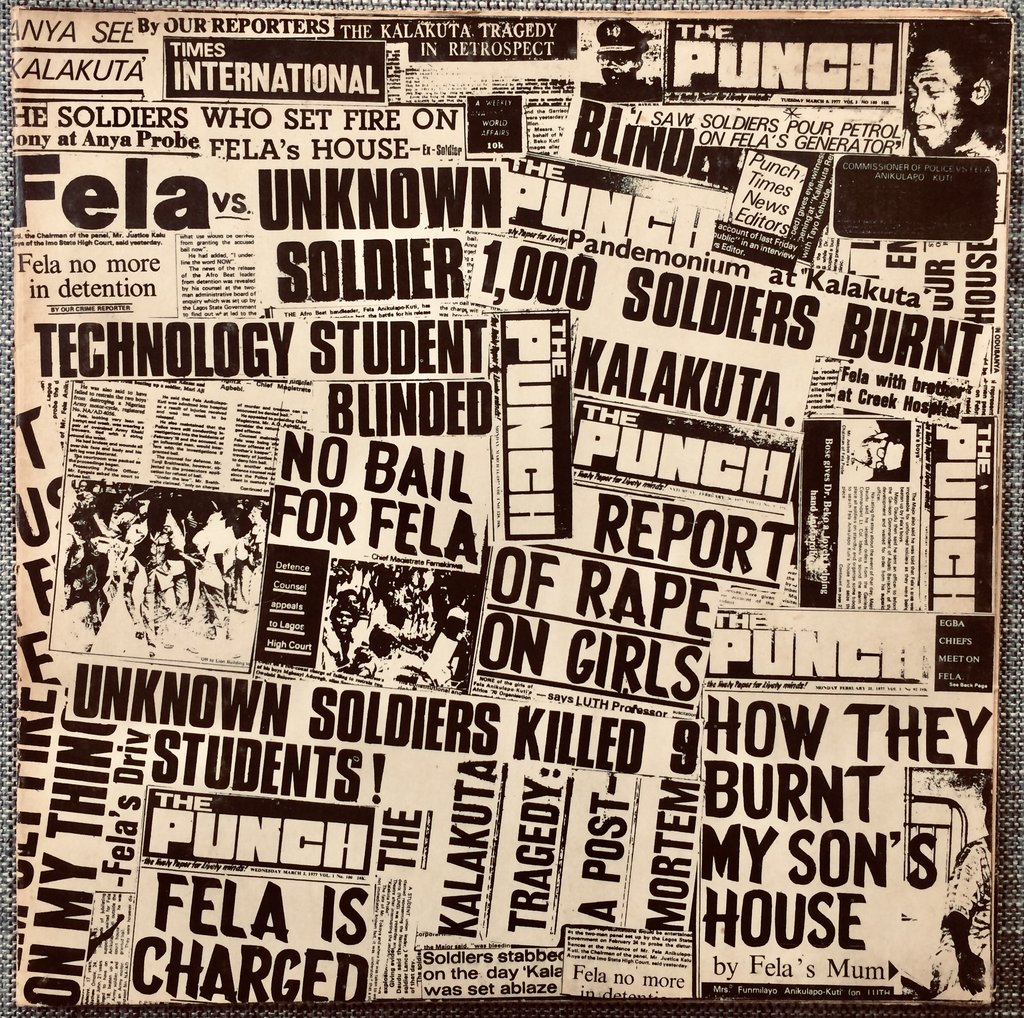
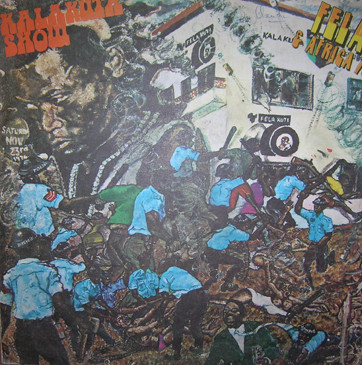
Fela faced brutal repression from Nigerian military regimes. In 1977, the army destroyed the Kalakuta Republic5. Arrested and beaten by police forces on numerous occasions, he remained unshakable in his convictions. His international notoriety grew notably thanks to documentaries like Fela Kuti: Use It (2016) and Fela, Fela, Fela (2007)89.
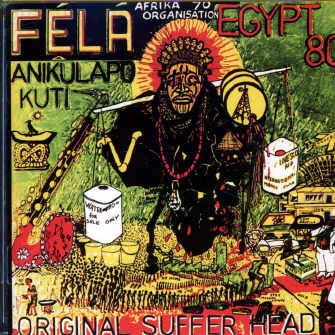
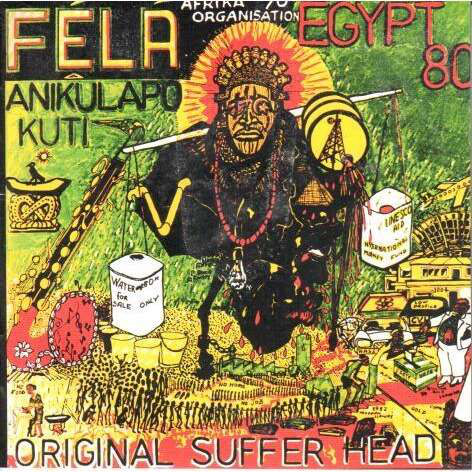
On August 2, 1997, Fela Anikulapo-Kuti died of AIDS2. The global music community lost an iconic figure, but his musical and political legacy continues to inspire generations. His music influenced artists as diverse as John Legend, The Fugees, Manu Chao, and many others5. His sons, Femi and Seun Kuti, perpetuate the afrobeat tradition with bands Fela Kuti and The Positive Force and Egypt 8010.
Notable Albums:
- Zombie (1977)
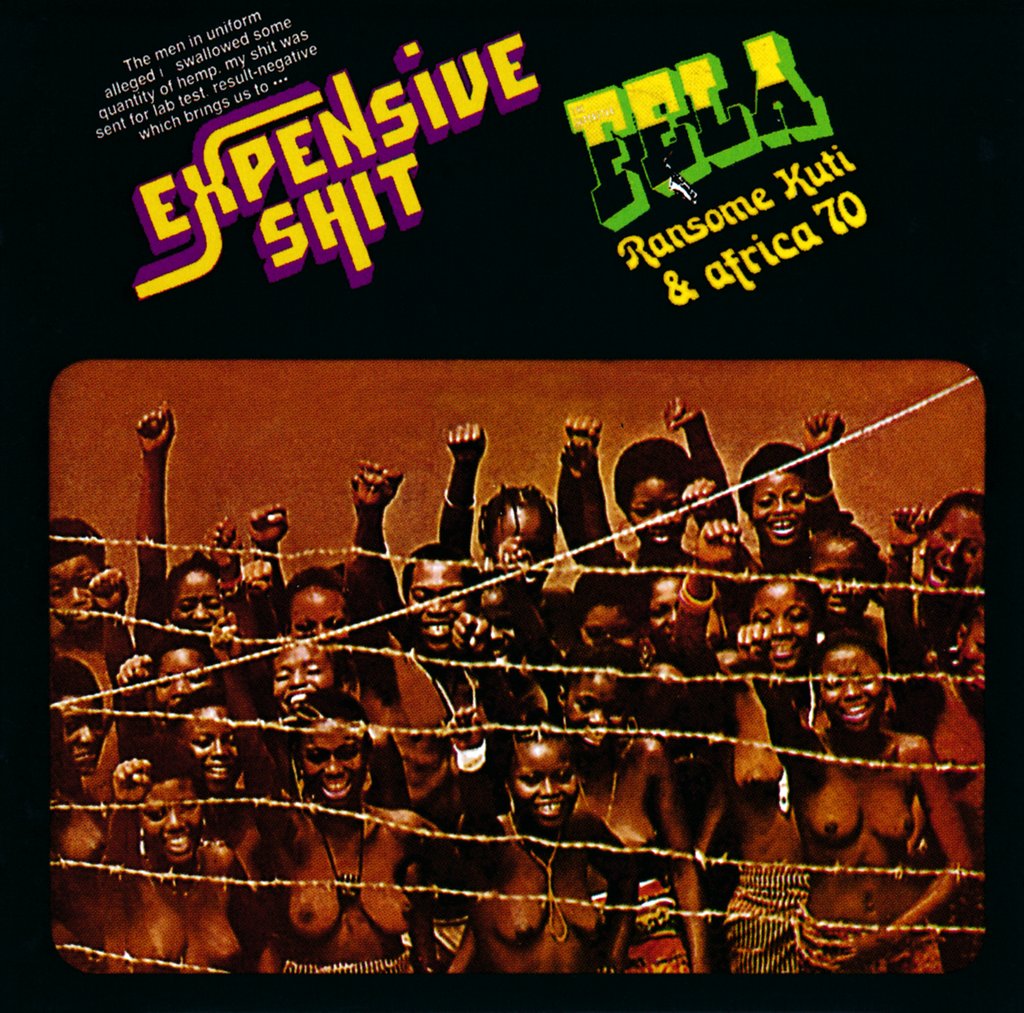
- Expensive Shit (1975)
- Teacher Don’t Teach Me Nonsense (1980)
- Unknown Soldier (1997)
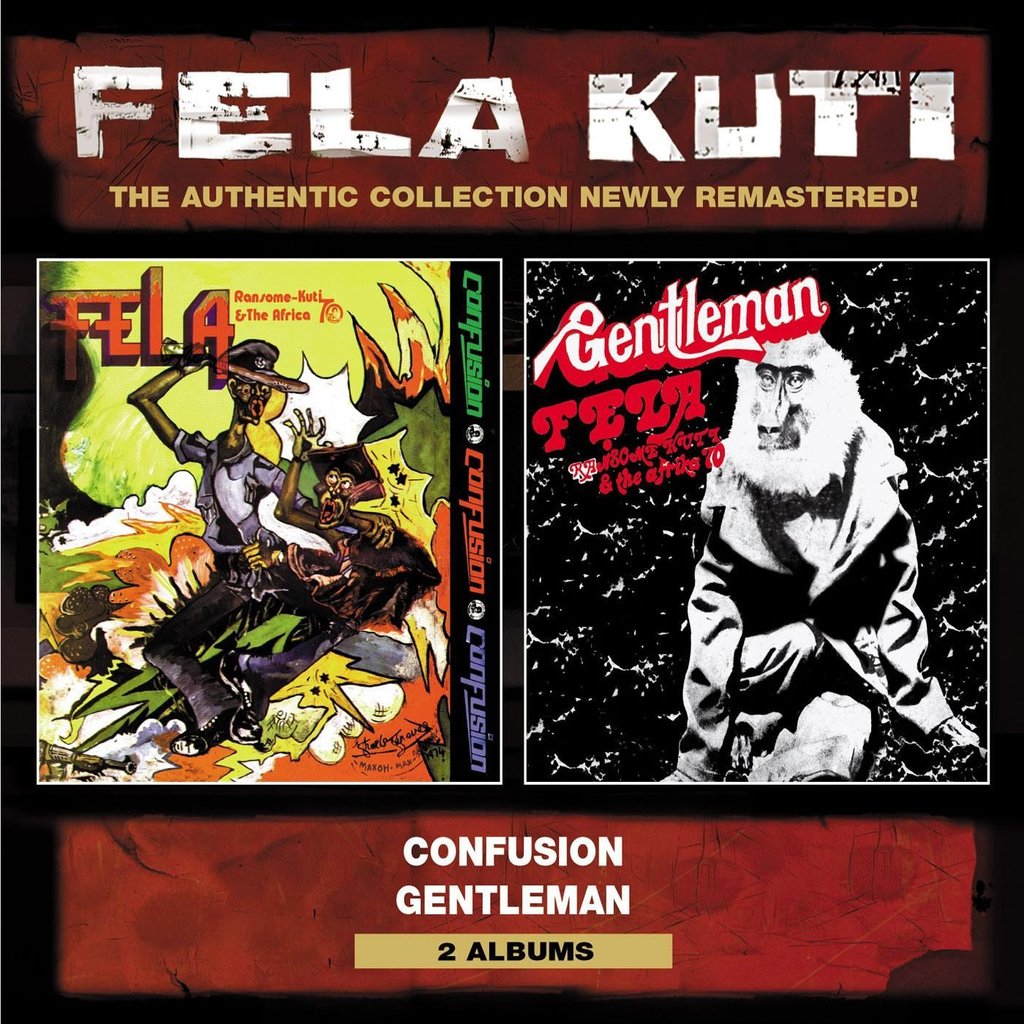
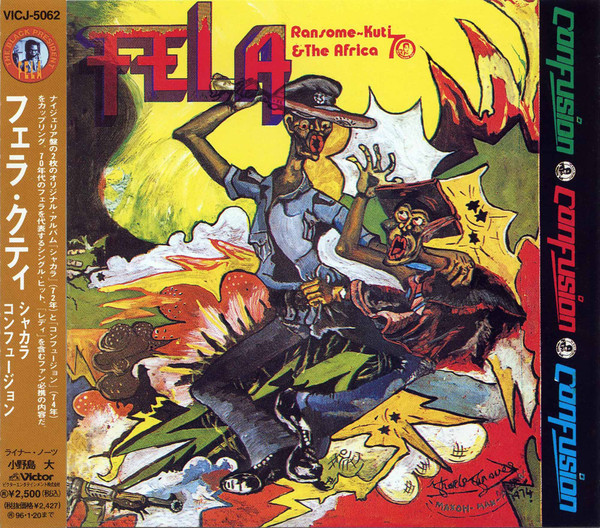
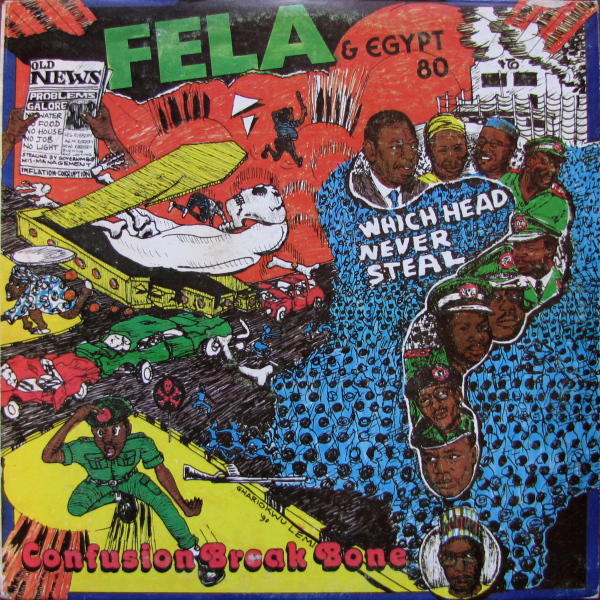
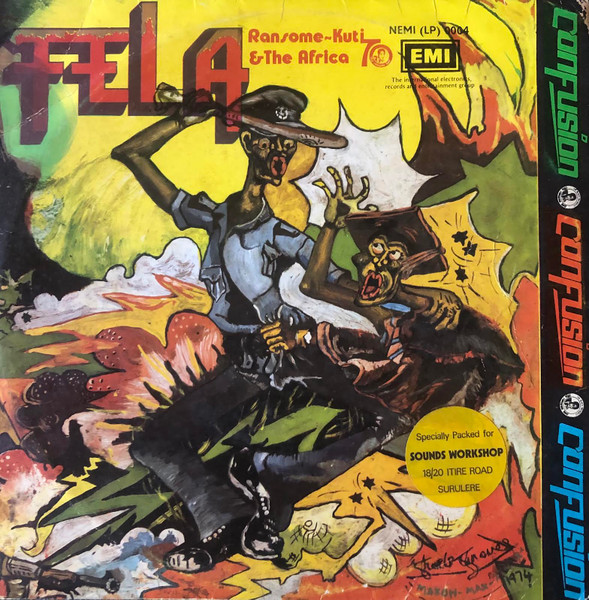
- Confusion (1975)
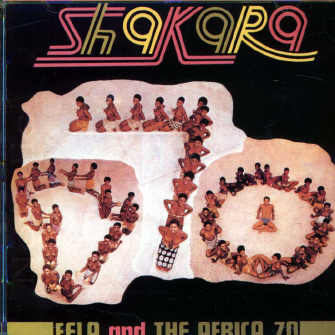
- Shakara (1972)
-
« Fela Anikulapo-Kuti », Wikipedia (EN), https://en.wikipedia.org/wiki/Fela_Kuti. ↩︎ ↩︎
-
« Fela Kuti – Obits », The Guardian, https://www.theguardian.com/music/2007/oct/26/popandrock5. ↩︎ ↩︎ ↩︎
-
Ronnie Graham, Stern’s Guide to Contemporary African Music, Vol. 1 (1988), pp. 33–74. ↩︎ ↩︎ ↩︎ ↩︎ ↩︎
-
« Joel Oludotun Ransome-Kuti », Wikipedia, https://en.wikipedia.org/wiki/Joel_Oludotun_Ransome-Kuti. ↩︎
-
« Funmilayo Ransome-Kuti », Wikipedia, https://en.wikipedia.org/wiki/Funmilayo_Ransome-Kuti. ↩︎ ↩︎ ↩︎ ↩︎ ↩︎ ↩︎ ↩︎ ↩︎
-
« Fela Kuti – Early Life », BBC Music, https://www.bbc.co.uk/music/artists/fela-kuti. ↩︎
-
« Fela Kuti – Black President », NPR Music, https://www.npr.org/sections/mays/2009/03/fela_kuti_black_president. ↩︎
-
« Fela, Fela, Fela », Documentary, 2007, directed by Kayode Kolade and Tim White. ↩︎
-
« Fela Kuti: Use It », Documentary, 2016, directed by Zeéj Balogun. ↩︎
-
« Femi & Seun Kuti – Living Legend », AllMusic, https://www.allmusic.com/artist/femi-and-seun-kuti. ↩︎