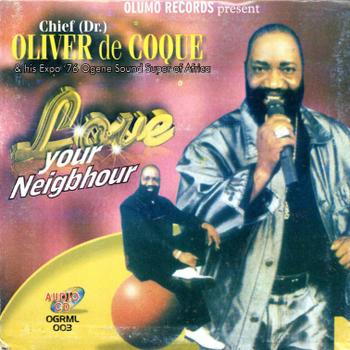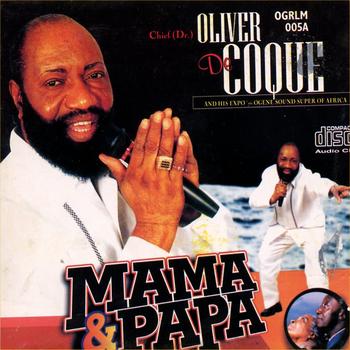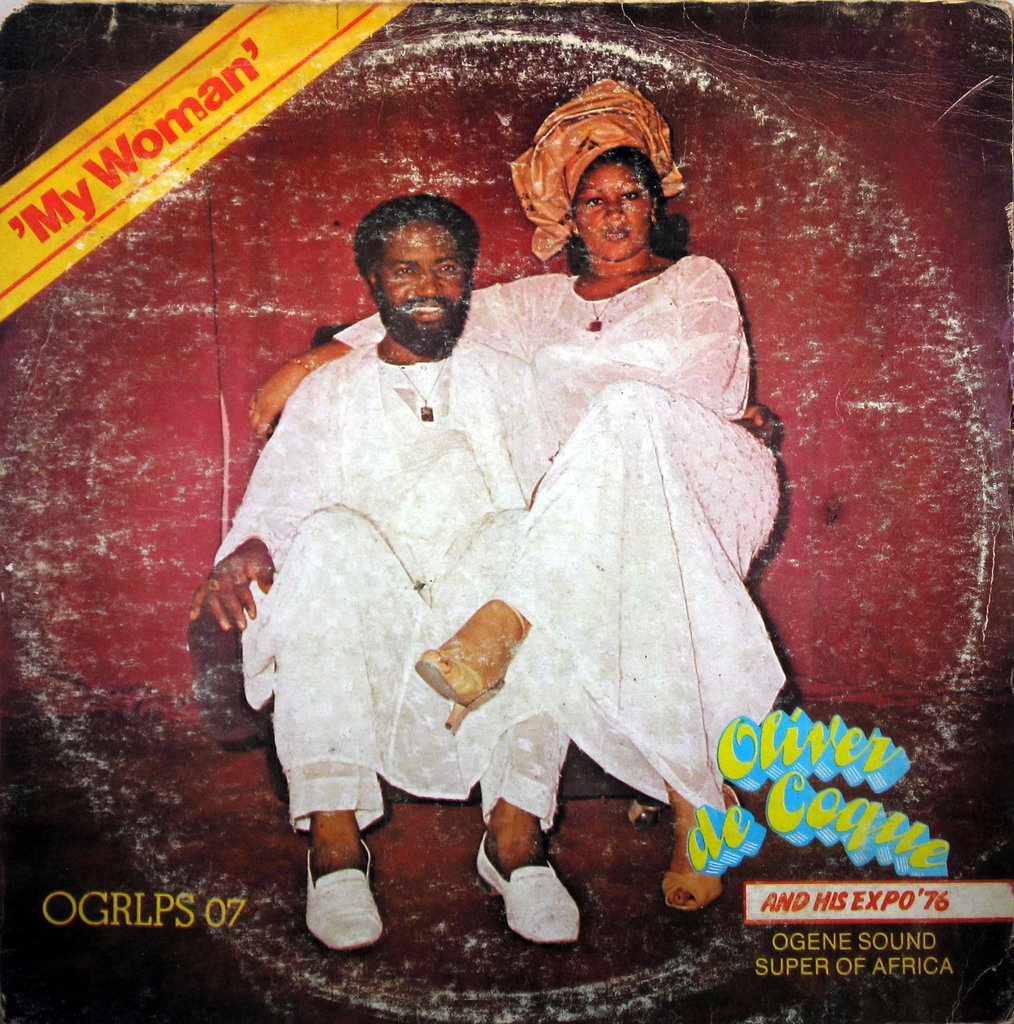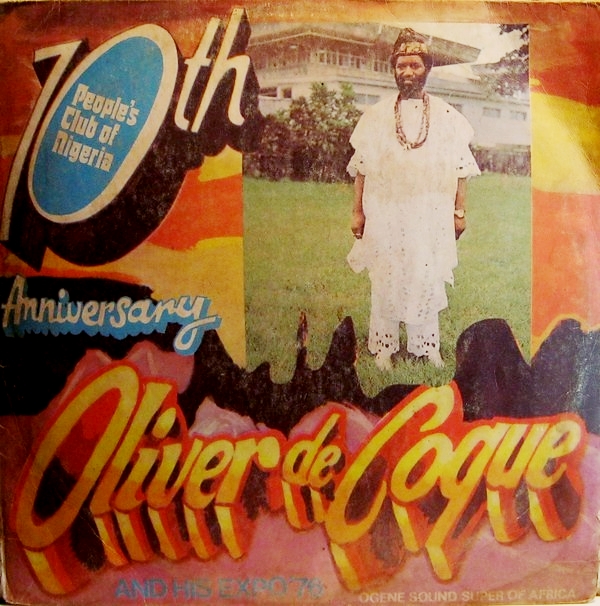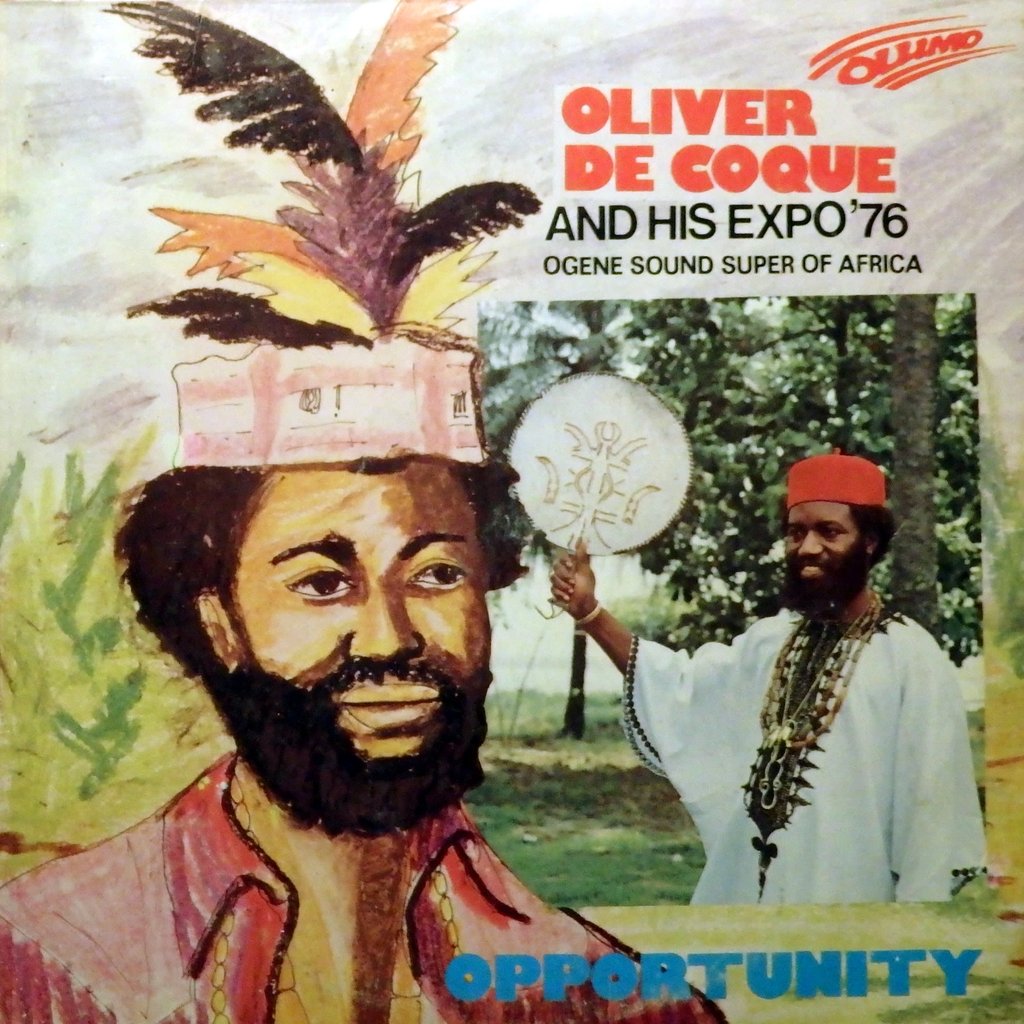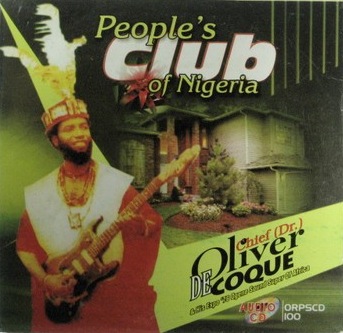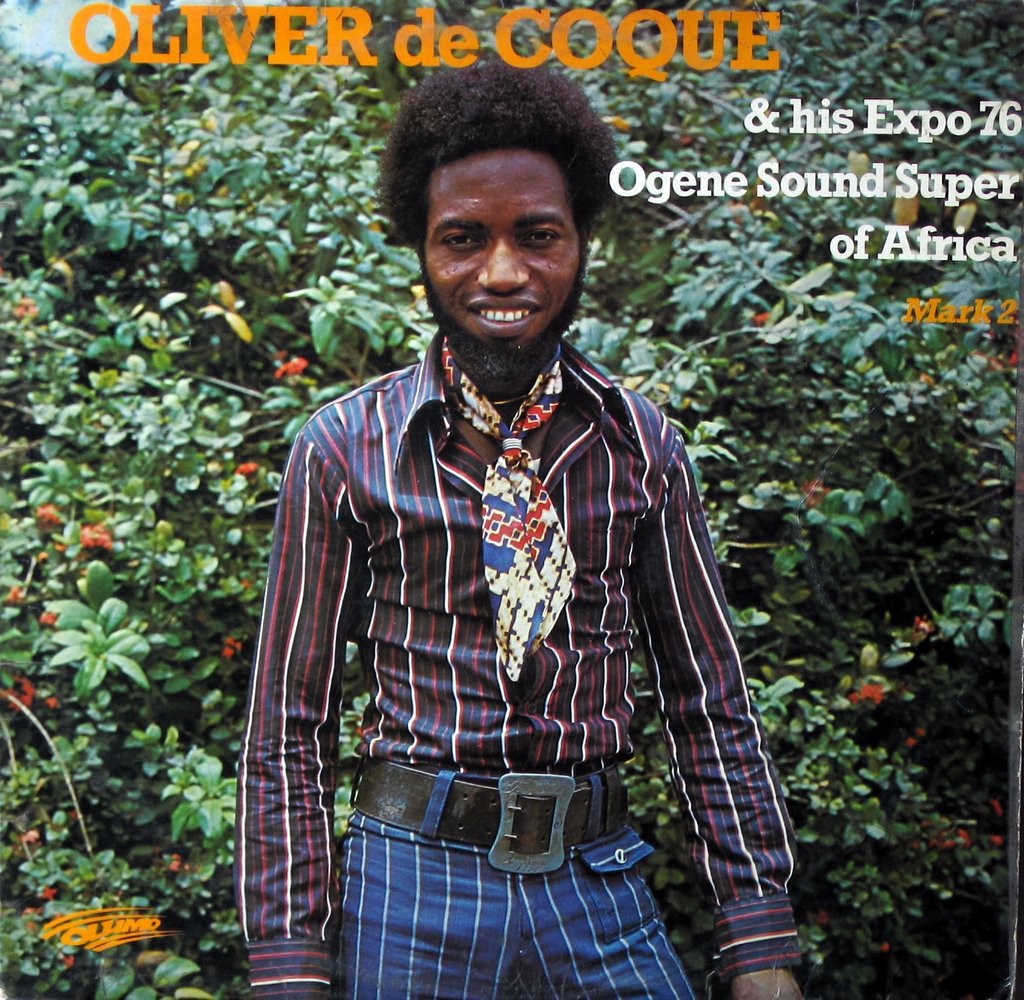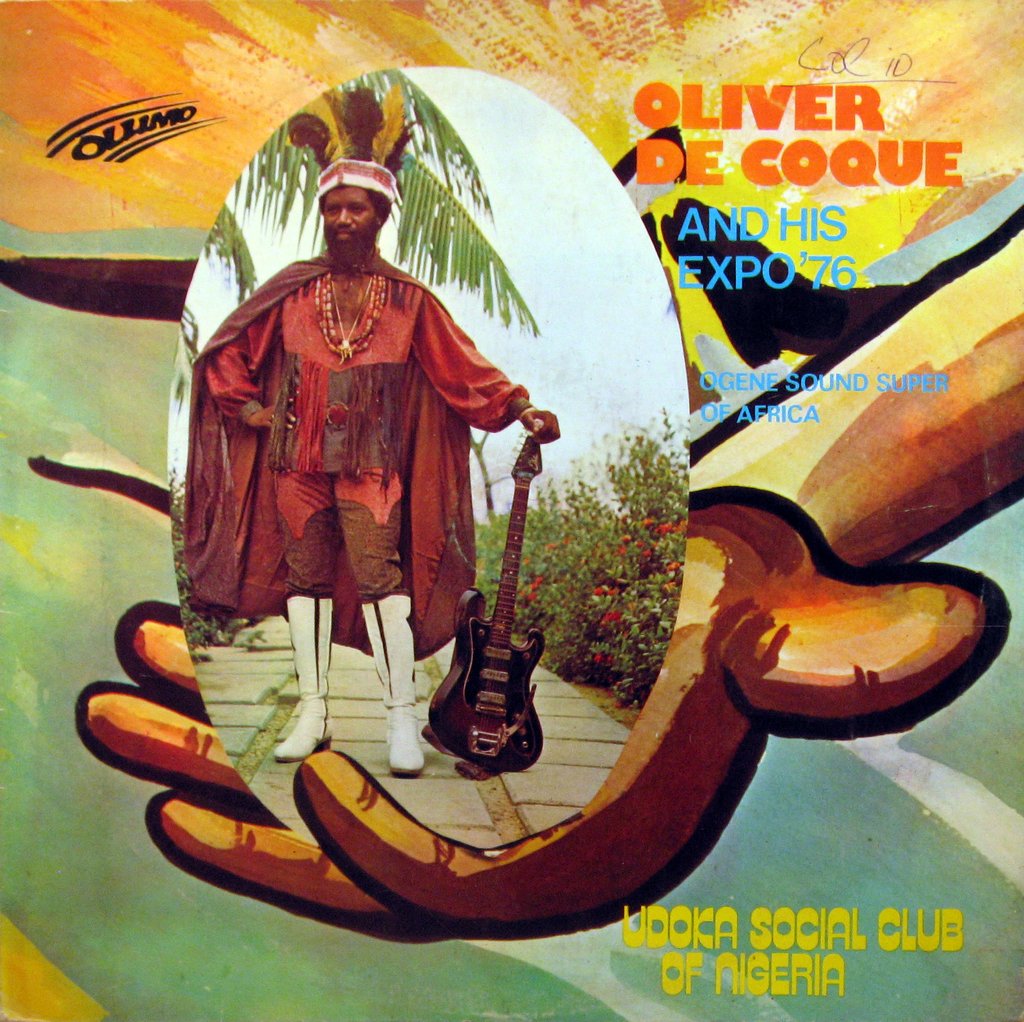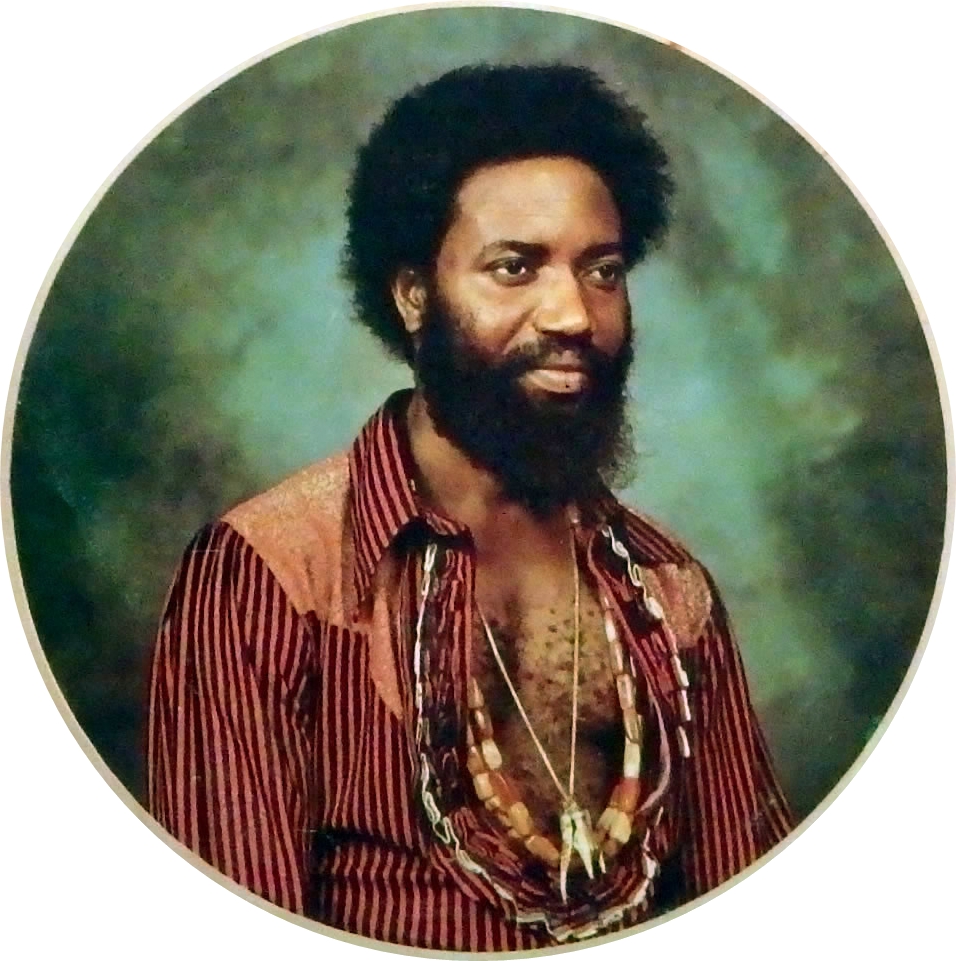
Biography
Oliver De Coque: the king of highlife who shaped the sound of Africa
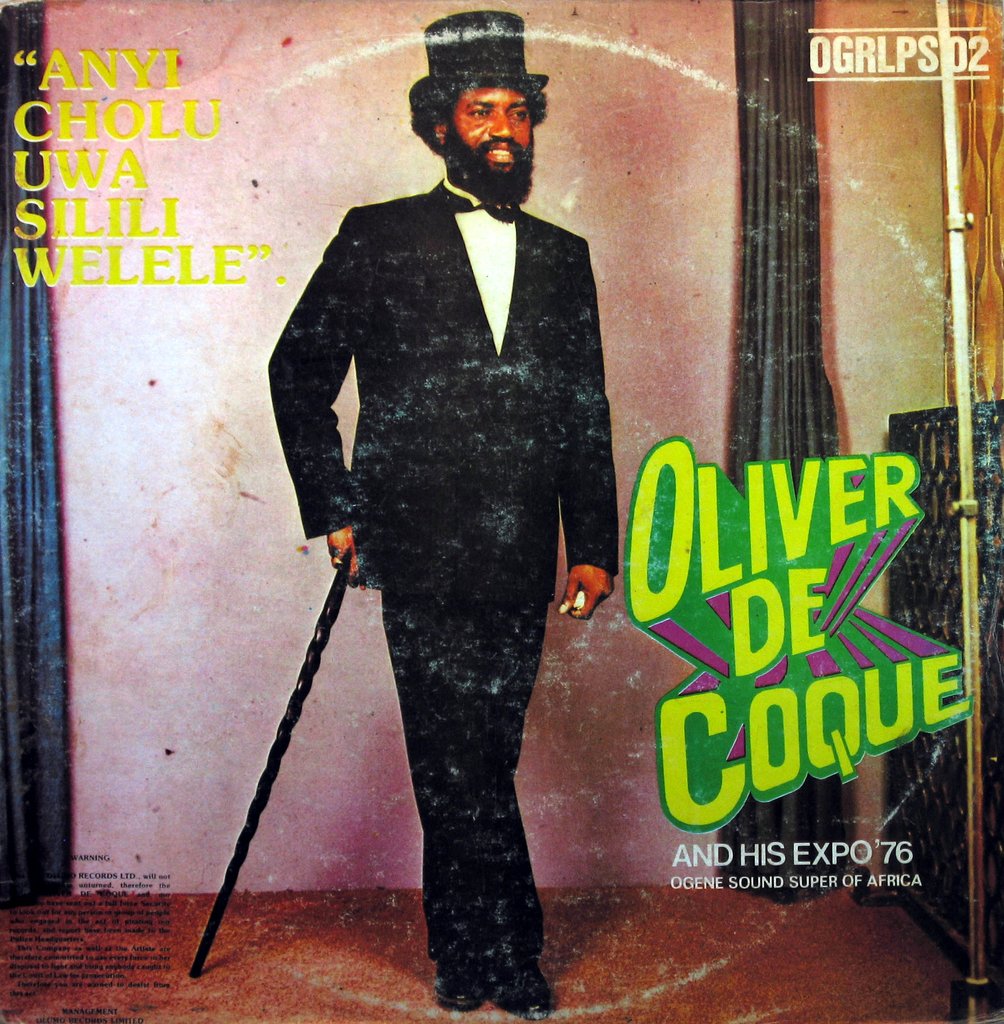
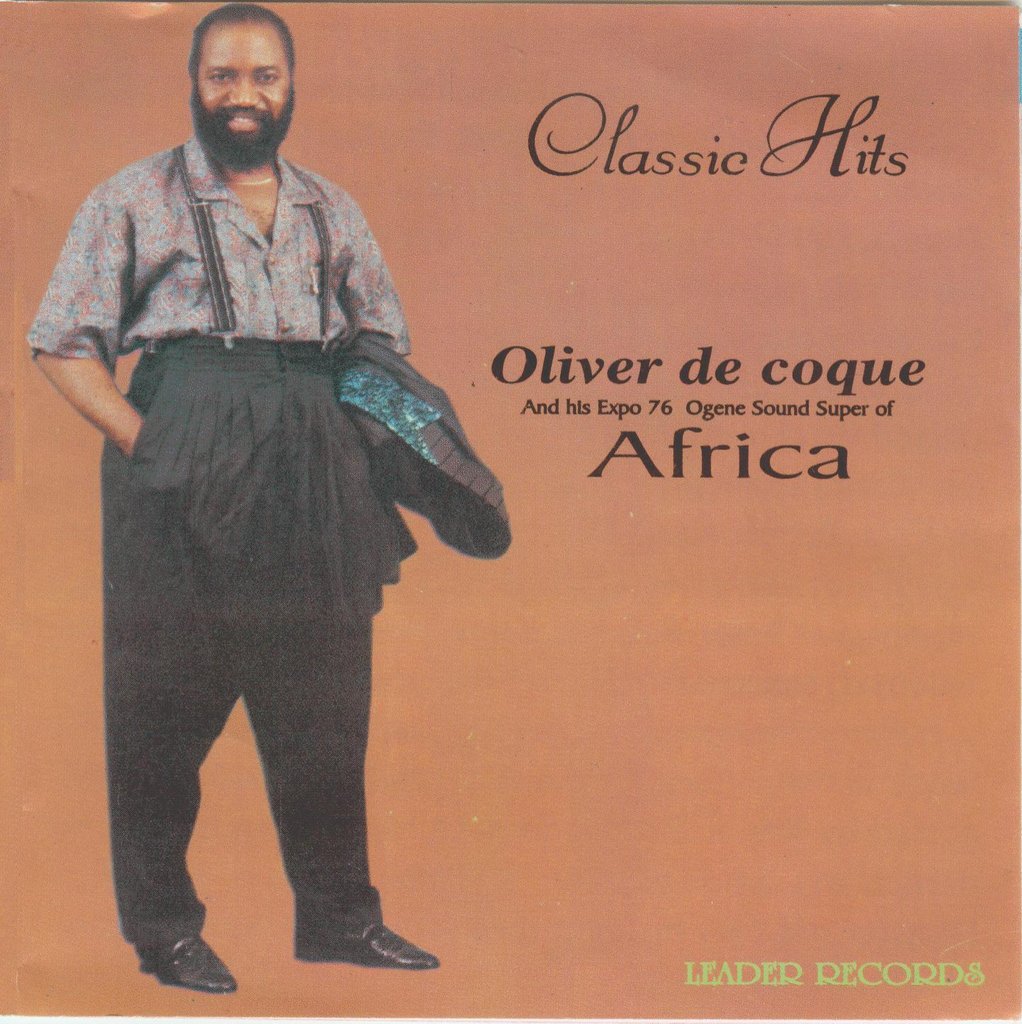
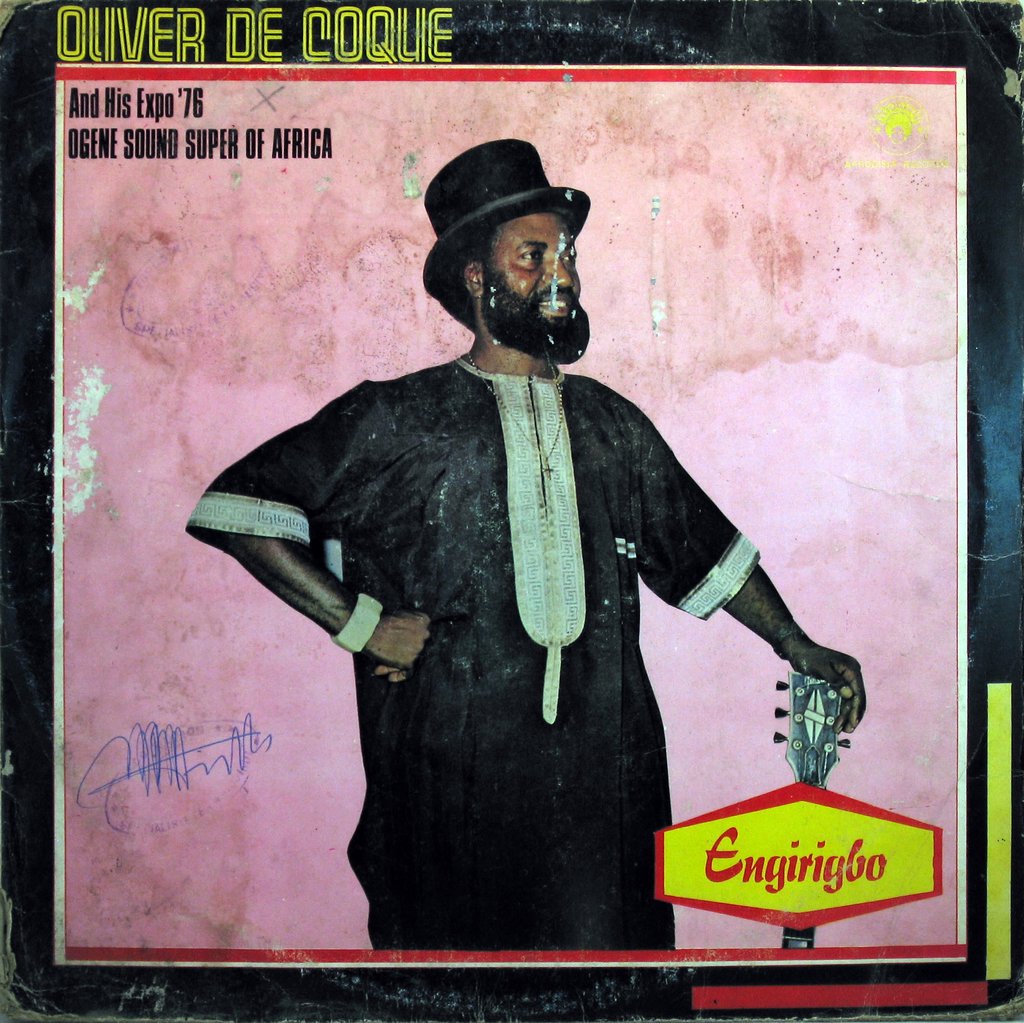
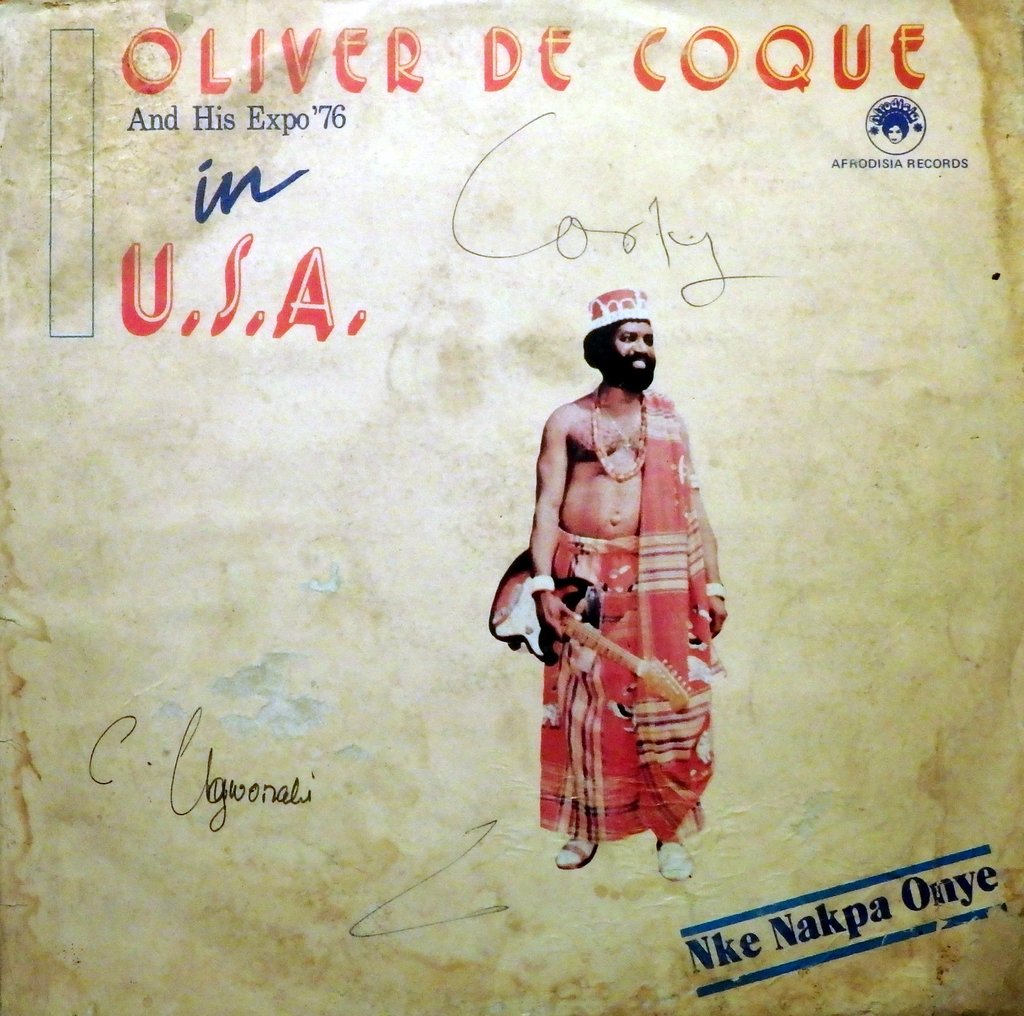
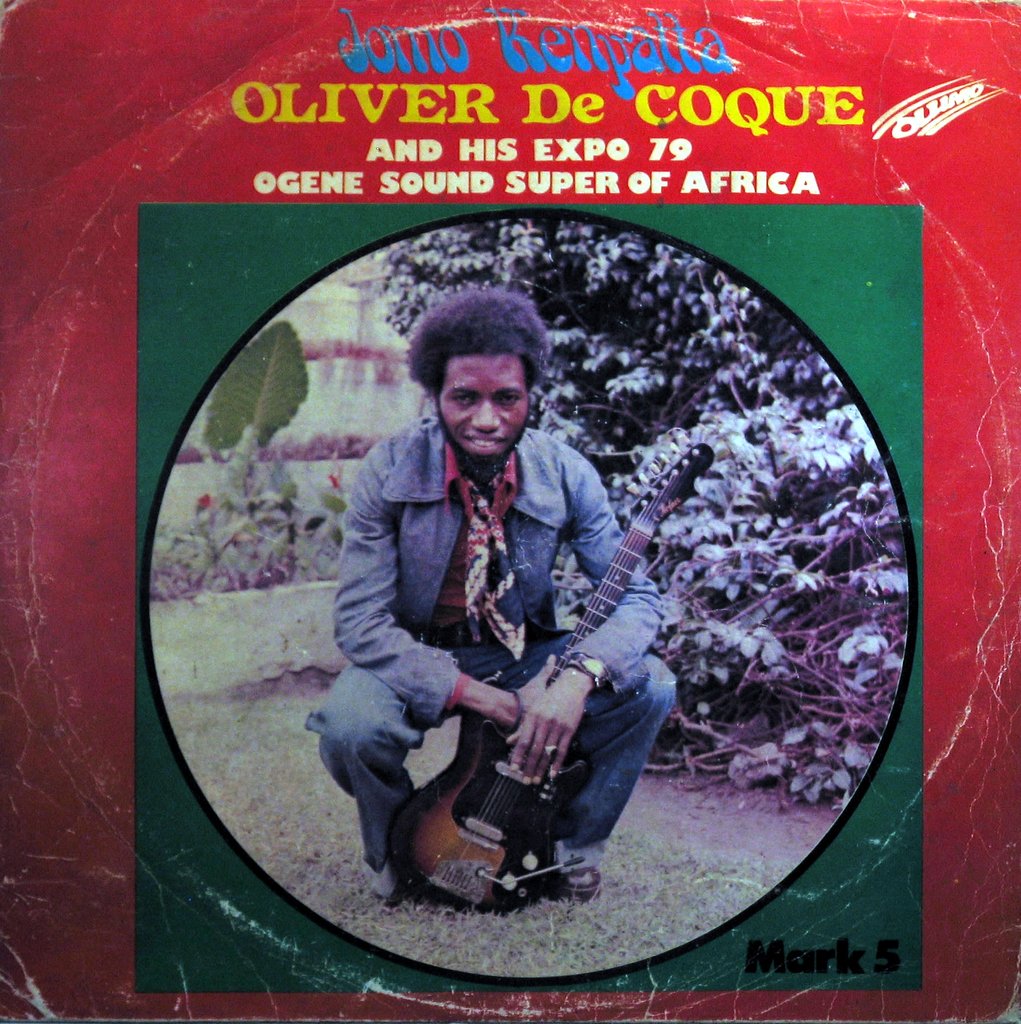
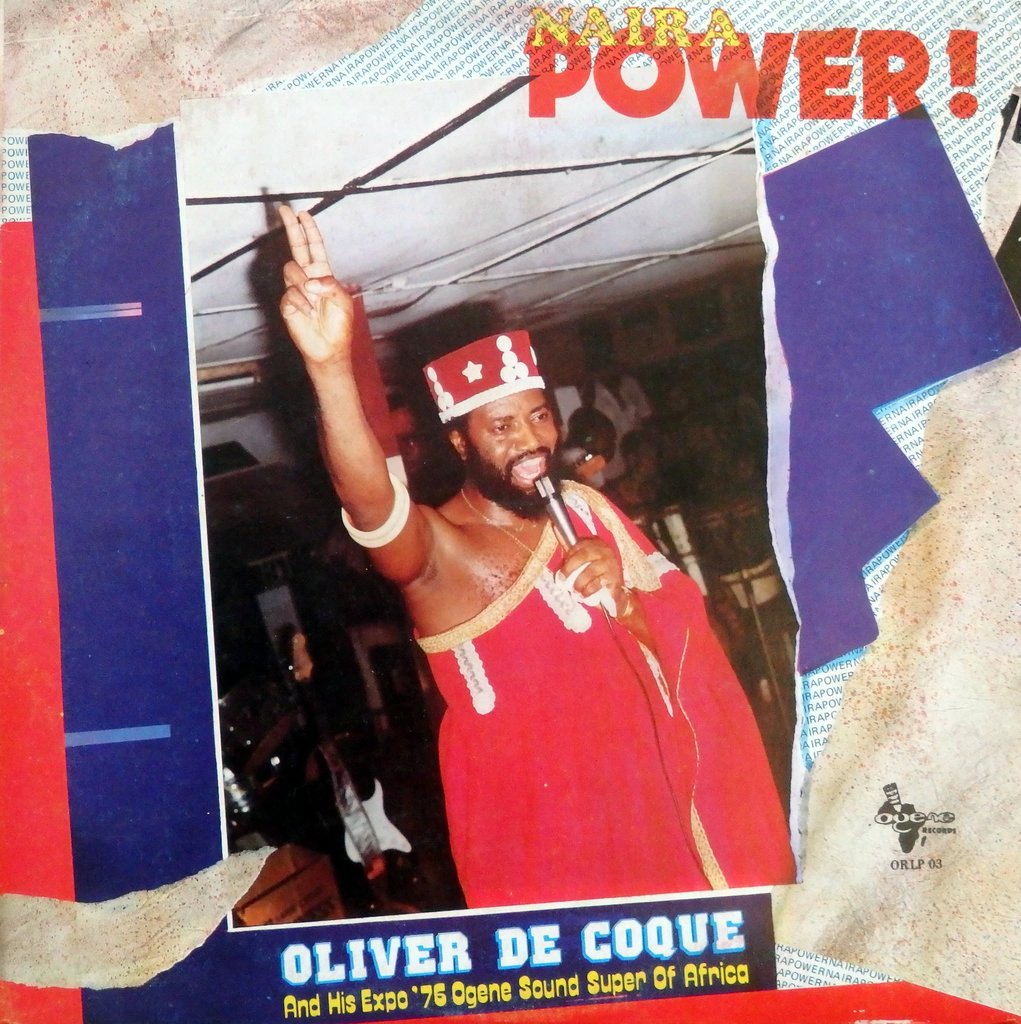
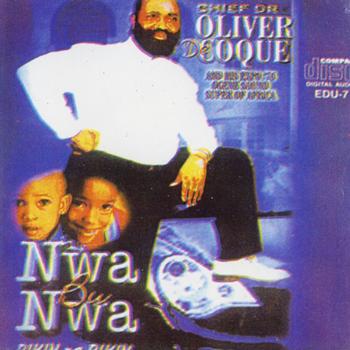
In 1981, a track remained in the top 10 of Radio Nigeria 2 for several weeks. The guitarist who played it crafted a sound bearing his mark: Congolese guitar riffs wrapped around traditional Igbo rhythms, all propelled by irresistible dance energy. Oliver De Coque, nicknamed “the king of African highlife,” had just confirmed his status as a titan of Nigerian music.
In brief
| Full name | Oliver Sunday Akanite |
| Birth | April 14, 1947, Ezinifite, Anambra, Nigeria |
| Death | June 20, 2008 (61 years), Lagos, Nigeria |
| Genre | Igbo highlife, Ogene, guitar |
| Notable works | Fire Disaster, “Identity”, “Biri Ka Mbiri”, Messiah Messiah |
| Honors | Crowned “king of African highlife” (1994), honorary doctorate from the University of New Orleans |
Key dates
| Year | Event |
|---|---|
| 1947 | Born in Ezinifite, Anambra State |
| 1965 | Earned a shorthand diploma; began with the Ekpili |
| 1973 | Concert in London; international recognition |
| 1976 | First solo album: Fire Disaster, an instant hit |
| 1977 | Messiah Messiah; participated in Prince Nico Mbarga’s Sweet Mother |
| 1994 | Crowned “king of African highlife” by the Alaafin of Oyo |
| 2008 | Died at age 61 in Lagos |
A guitarist with a unique sound
Oliver Sunday Akanite grew up in the small village of Ezinifite, in southeastern Nigeria. Son of an Igbo singer and a mother who was a diviner, he was immersed in music from childhood. Around age sixteen, he began playing guitar, taught by Piccolo, a Zairian guitarist living in Nigeria. He absorbed two influences that would define his sound: traditional Igbo music, with its percussive rhythms and energetic dances, and Congolese soukous, with its fluid guitar lines. In 1965, he began with the Ekpili, an Igbo folk genre, within the Ukonu Club. After the Biafran War, he joined the Sunny Agaga Lucky Star Band, one of the most popular juju groups, then the Jacob Oluwale Friendly Unity Juju Band, where he refined his craft. His nickname “De Coque” originated from an anecdote: as a teenager, he excelled at the Igbo board game called okwe. His friends called him “Oliver de ka Okwe,” a nickname that, through deformation, became his stage name.
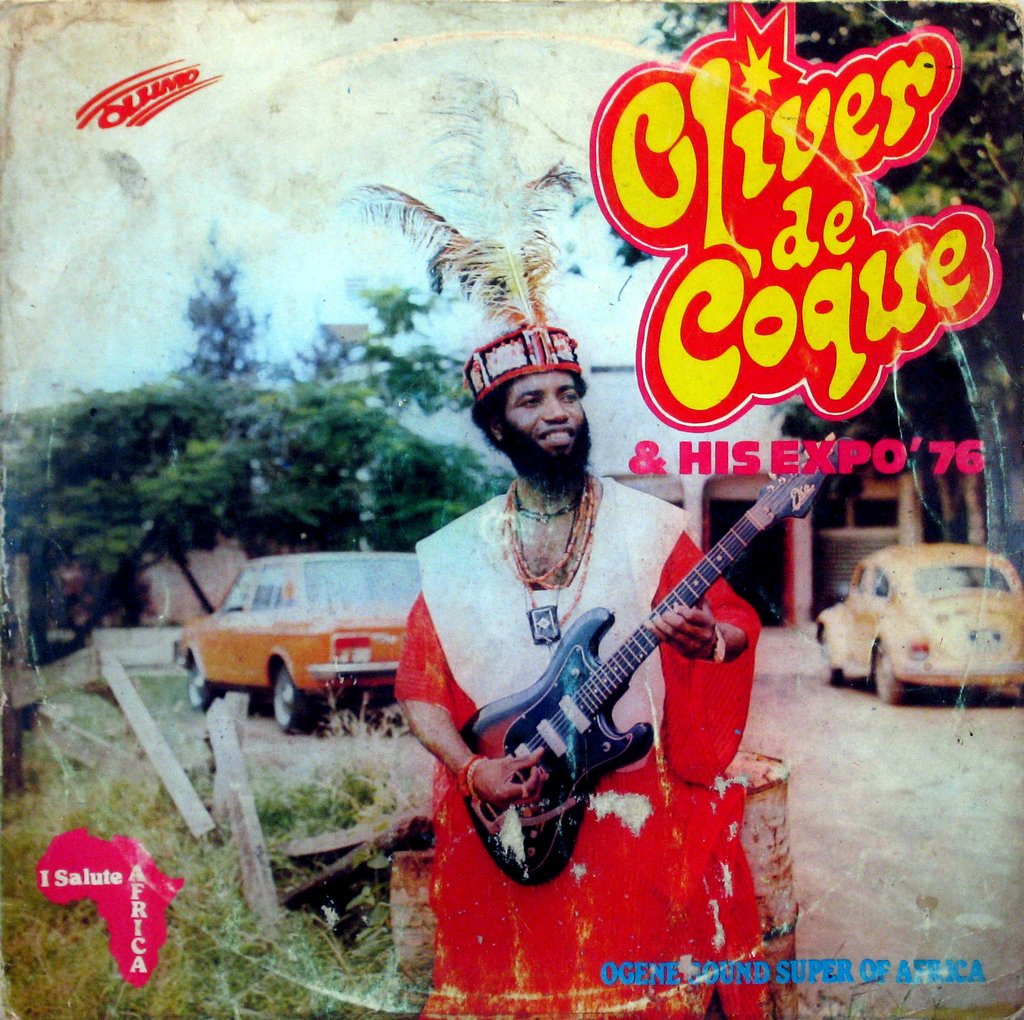
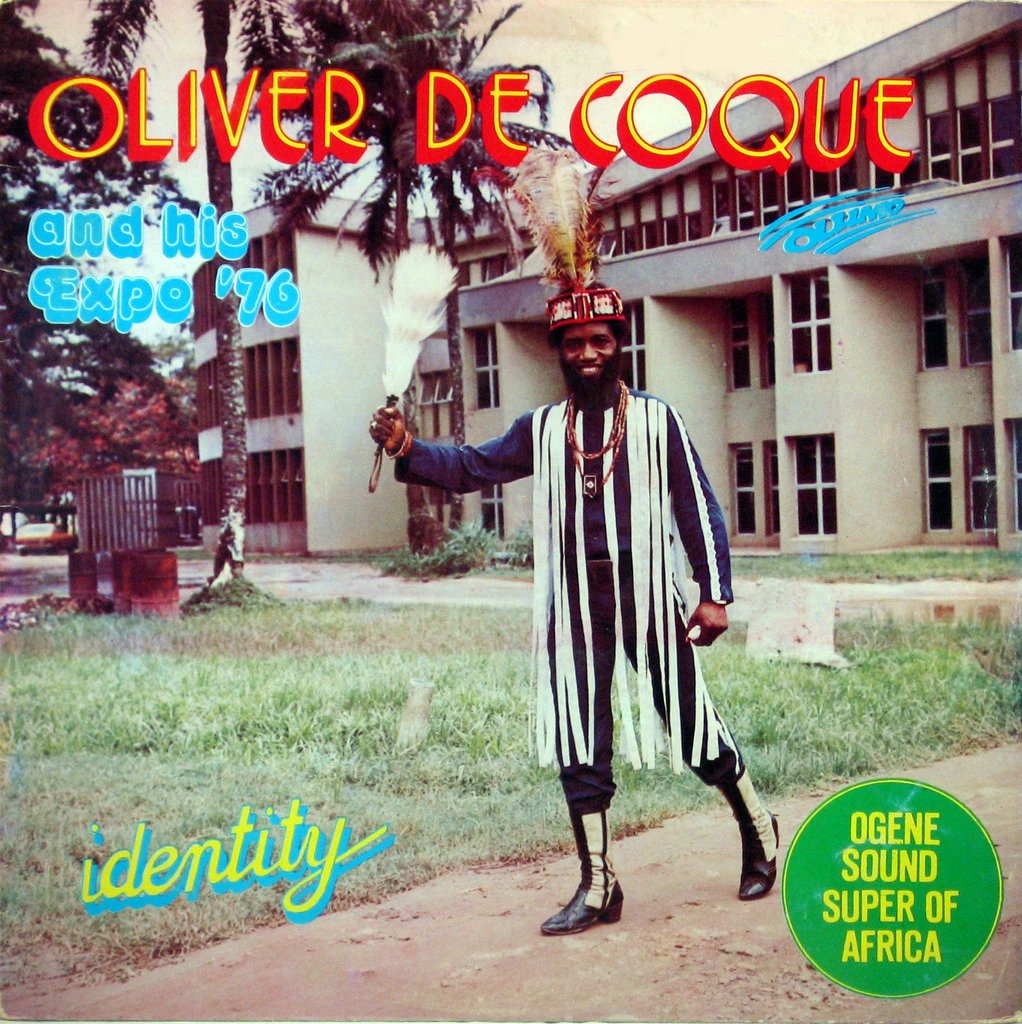
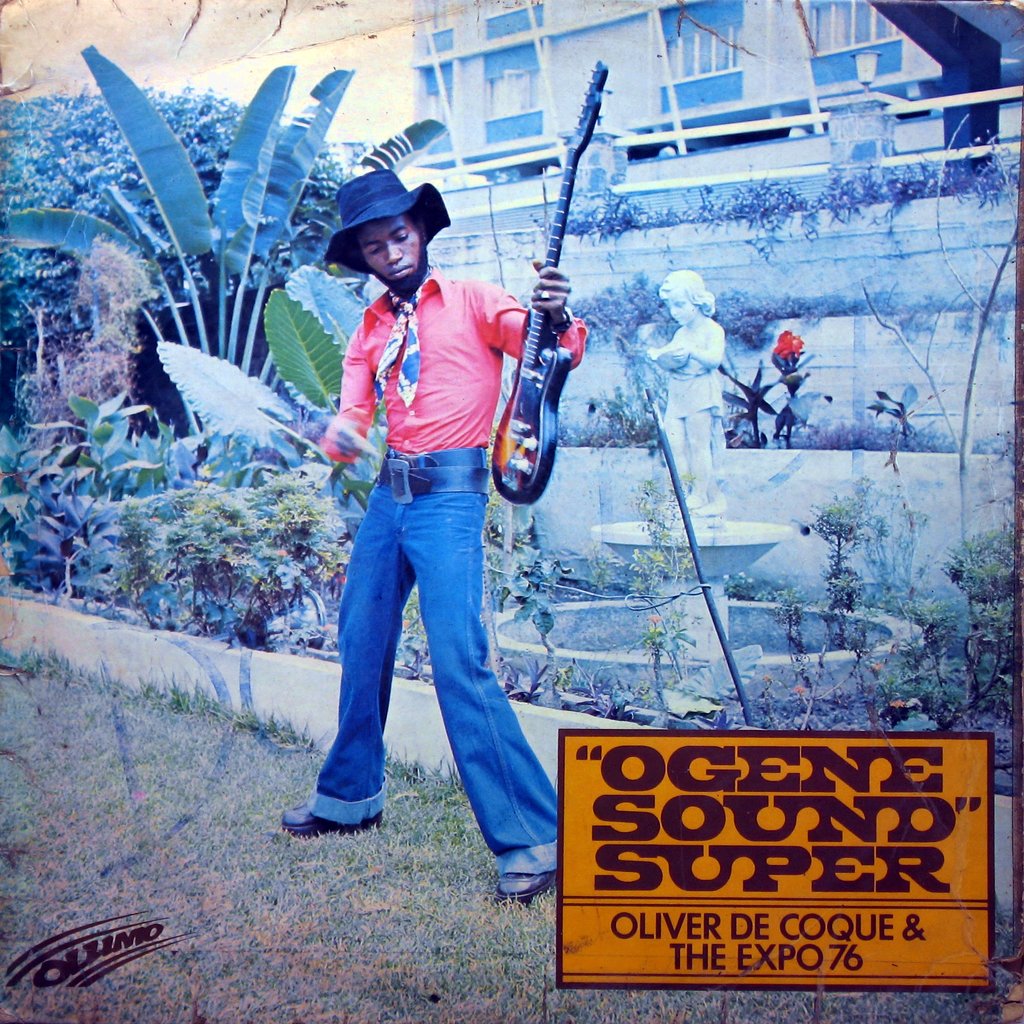
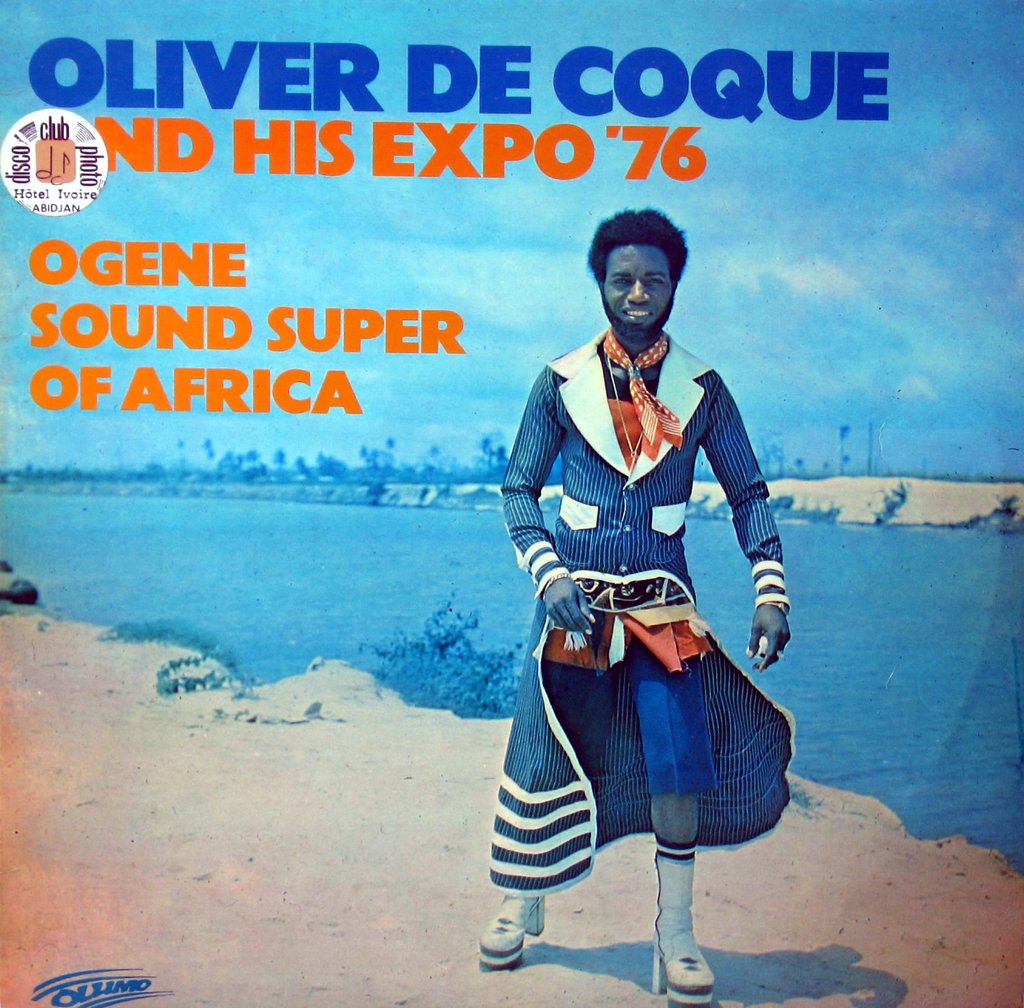
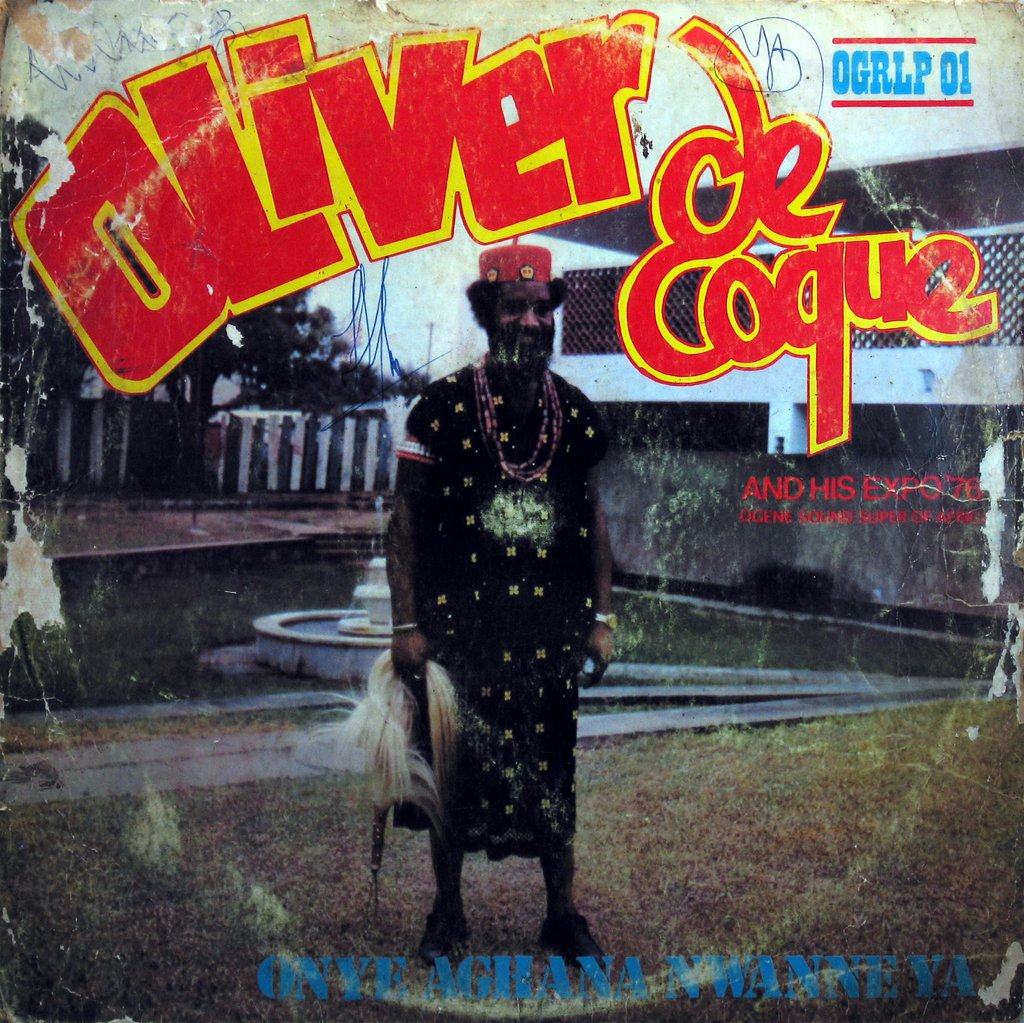
In 1976, he crossed the threshold of solo success with Fire Disaster, a highlife track recounting the burning of the Ekeoha market in Aba. The title instantly became a hit with the Igbo public. He then founded his own group and created the Ogene—a genre that fuses modern highlife with traditional Igbo harmonies and Congolese guitar virtuosity. His fast, dancing playing inspired contagious energy. He was often accompanied by his brother Eugene’s Igede International Band. Between the late 1970s and the 1980s, a flood of titles conquered Nigeria: “Biri Ka Mbiri”, “Ana Enwe Obodo Enwe”, “Nnukwu Mmanwu”, “Identity”. The latter remained in the top 10 of Radio Nigeria 2 for several weeks in 1981. He performed in Europe and represented Nigeria at the Los Angeles Festival.
Major works
| Work | Year | Why it’s essential |
|---|---|---|
| Fire Disaster | 1976 | A song about the tragedy of the Ekeoha market that propelled De Coque to the forefront |
| “Identity” | 1980 | Hit that stayed in the top 10 of Radio Nigeria 2 for several weeks; a generational anthem |
| “Biri Ka Mbiri” | — | Emblematic title of the Ogene sound; a dance invitation to irresistible rhythm |
| “Ana Enwe Obodo Enwe” | — | Perfect fusion between modern highlife and traditional Igbo rhythms |
Legacy
Oliver De Coque recorded more than 73 albums over a career spanning over forty years, making him one of Africa’s most prolific artists. Crowned “king of African highlife” by the Alaafin of Oyo in 1994 and awarded an honorary doctorate by the University of New Orleans, his Ogene continues to influence subsequent generations of Nigerian musicians. His records are regularly reissued by Olumo Records and Ogene Records. In April 2021, Google paid tribute to him with a special doodle for his 74th birthday.
Sources and references
- “Oliver de Coque”, Wikipedia, https://en.wikipedia.org/wiki/Oliver_de_Coque, accessed October 21, 2025.
- “Oliver De Coque’s 74th Birthday”, Google Doodles, https://doodles.google/doodle/oliver-de-coques-74th-birthday/, accessed October 21, 2025.
- Craig Harris, “King (Dr.) Chief Oliver de Coque — Biography & History”, AllMusic, https://web.archive.org/web/20180430181402/https:/www.allmusic.com/artist/king-dr-chief-oliver-de-coque-mn0001308852/biography, accessed October 21, 2025.
- “Oliver De Coque And His Expo'76-Ogene Sound Super Of Africa”, Discogs, https://www.discogs.com/artist/1470992-Oliver-De-Coque-And-His-Expo76-Ogene-Sound-Super-Of-Africa, accessed October 21, 2025.
- “Igbo Musicians: Oliver de Coque, Osadebe na ndị otiegwu Igbo kpọtụrụ akpọtụ n’afọ 60s rue 80s”, BBC Igbo, https://www.bbc.com/igbo/afirika-52064601, accessed October 21, 2025.
- “OLIVER DE COQUE”, Evergreen Musical Company Ltd., https://evergreenmusic.com.ng/biographies/oliver-de-coque/, accessed October 21, 2025.
- “Oliver de Coque”, Rate Your Music, https://rateyourmusic.com/artist/oliver_de_coque, accessed October 21, 2025.