Biography
Alain Kounkou: The Soukous Master Who Conquered Paris
In 1992, a young Congolese man left Kinshasa with the project of studying in Paris. A detour: immersion in the clubs of the capital led him straight to soukous, a genre born in Central Africa where guitars chain together over dancing, irresistible rhythms. Alain Kounkou remained a servant of that groove all his life.
In Brief
| Stage Name | Alain Kounkou (or Alain-Kounkou) |
| Birth | June 1969, Kinshasa, Zaire (became Democratic Republic of the Congo) |
| Field | Singer, soukous |
| Emblematic Works | “Kindobika Tout Terrain”, “380 Volts”, “Soukouss Grands Effets” |
| Adopted Country | France (Paris, from 1992) |
Key Dates
| Year | Event |
|---|---|
| 1969 | Birth in Kinshasa, Zaire (so named since 1971) |
| 1992 | Move to Paris; beginnings in the francophone soukous scene of the capital |
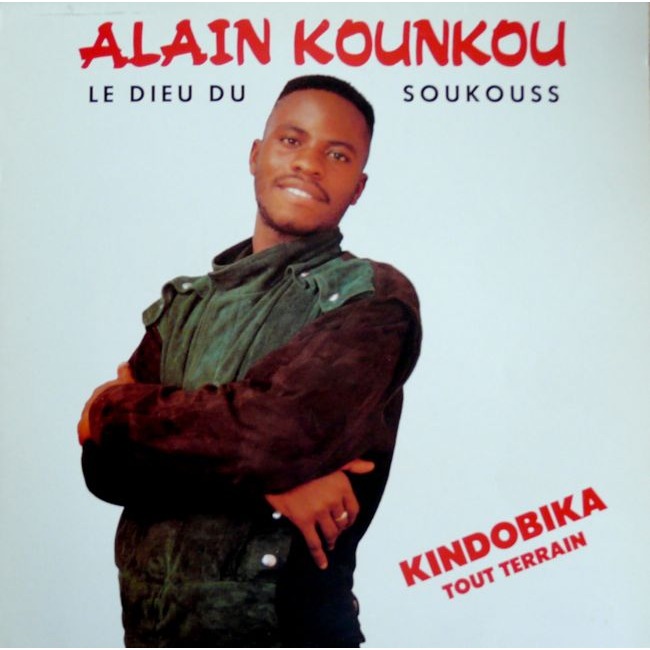
| 1993 | First album, Kindobika Tout Terrain, imposes a lively and dancing sound |
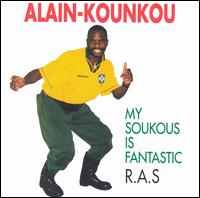
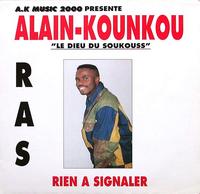
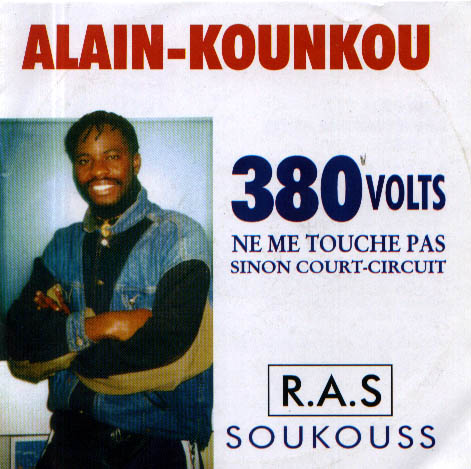
| 1995/96 | Rien à Signaler (R.A.S.) and 380 Volts confirm his electric style |
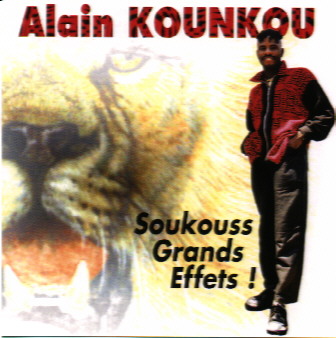
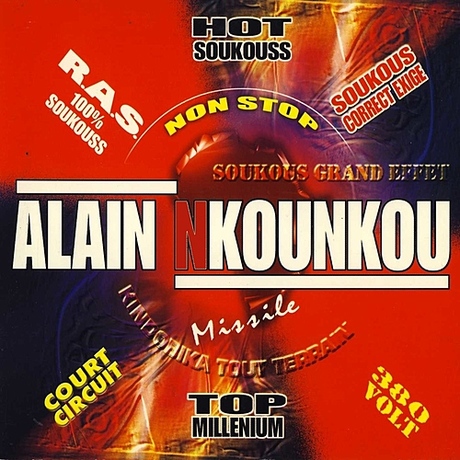
| 1997 | Release of Soukouss Grands Effets, which becomes a genre reference |
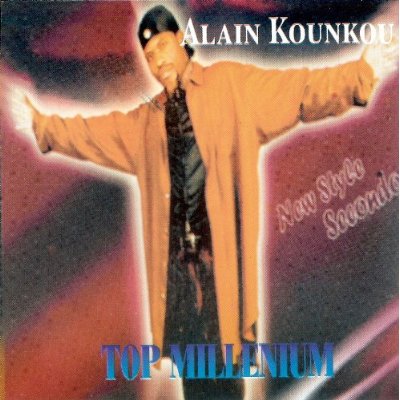
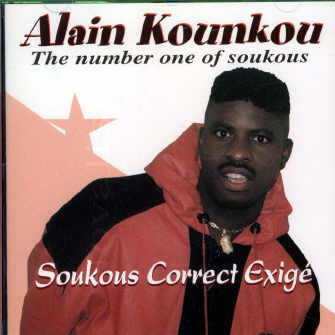
| 2000 | Soukouss Correct Exigé and Top Millenium consolidate his stature |
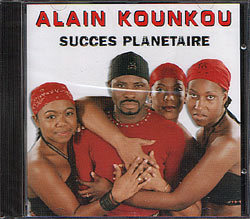
| 2002 | Succès Planétaire: last major album of the period of intense activity |
| 2005 | Last great international tour (Kenya, Zimbabwe); incident with his promoter pushes him to gradually withdraw from stages |
| 2011 | Compilatory reissue Hot Soukouss under the label Air B.Mas Production |
From Kinshasa to Parisian Soukous
Alain Kounkou was born in June 1969 in Kinshasa, capital of Zaire (renamed Democratic Republic of the Congo in 1997). Music invaded him from childhood: Congolese dances, these evenings where rumba and frantic rhythms mix, forge his ear. Soukous, this musical current characterized by interlaced guitar parts and a tempo that pushes to dance, is his musical mother tongue.
In 1992, he arrived in Paris with the initial intention of pursuing studies. But the francophone musical scene of the capital, then vibrant with a profusion of Congolese, Ghanaian, and Ivorian groups, caught him immediately. He plunged into the clubs of the Parisian suburbs where soukous was at its peak. Quickly, he carved out a place through his vocal presence and sense of groove.
Unlike many singers, Alain Kounkou never founded a stable group. His method: gather around him the best session musicians available. This approach ensures him total flexibility but also means he has no assigned group in the traditional sense—his true signature is his voice and his feeling.
The Apex: Foundational Albums
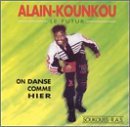
The period 1993–2002 constitutes the golden age of Alain Kounkou. He recorded nine albums, whose flagship titles regularly ascend to the dance floors of Parisian clubs. Kindobika Tout Terrain (1993), Rien à Signaler (around 1995), 380 Volts, and the titanic Soukouss Grands Effets (1997) form his foundation. These records, often published under independent labels like DEBS Music or Air B.Mas Production, capture a francophone soukous in full effervescence.
His musical team is impressive: Nene Tchakou on lead guitar, Ngouma Lokito on bass, Melash Kamanga on rhythm, the drummer “3615 Code” Niawou, as well as vocalists Aby Sourya and Lutchiana Demingongo. This string of seasoned musicians ensures the solid base on which his voice, warm and authoritative, lands with assurance.
In 2005, Alain Kounkou undertook his last great international tour, which passed through Nairobi and Zimbabwe. The adventure turned short: his promoter dropped him there, leaving his troupe of twenty people practically without resources. The incident marked a turning point. Gradually, he withdrew from the public stage and moved away from the spotlights, living reclusively in Paris.
Major Works
| Album | Year | Why It Is Essential |
|---|---|---|
| Kindobika Tout Terrain | ~1993 | First record, a sonic punch that introduces his characteristic groove and his flaming guitar parts |
| Rien à Signaler (R.A.S. 100% Soukous) | ~1995/96 | Asserts the sonic identity of Alain Kounkou — tense rhythms, percussive chants |
| 380 Volts | ~1995/96 | The eponymous title, a medley of nearly fifteen minutes, remains a classic of soukous evenings |
| Soukouss Grands Effets | 1997 | Genre reference: a suite of pieces where each title is an invitation to the dance, with guitars crossing without respite |
| Soukouss Correct Exigé | ~1998/2000 | Last notable work of his activity period, confirms a recipe that does not tire |
Legacy and Influence
Alain Kounkou belongs to that generation of Congolese singers who carried francophone soukous onto Parisian stages in the 1990s. His approach—singing without an assigned group, working with top-tier sessionmen—remains a model for solo artists who prioritize collective feeling over the conformity of a fixed formation.
Today, his music continues to circulate: compilations like Hot Soukouss (2011) and availability on Spotify or Apple Music allow new generations to discover tracks like “Missile”, “Top Millenium”, or the long medley of “380 Volts”. In Z Africa, his two tours in Zimbabwe marked minds and still contribute to his reputation as a respected artist.
Sources and References
-
« Alain Kounkou — The Soukouss Master », Jabulani Radio (X/Twitter), https://x.com/JabulaniRadio/status/2059902182640558244, accessed November 4, 2026.
-
« Alain-Kounkou », African Cassettes (University of Mainz), https://african-cassettes.uni-mainz.de/wiki/Alain-Kounkou, accessed November 4, 2026.
-
“Zimbabwe: Alain Kounkou For Country”, The Herald (Harare) via AllAfrica, https://allafrica.com/stories/200904270259.html, accessed November 4, 2026.
-
“Hot Soukouss”, Spotify — Alain Kounkou, https://open.spotify.com/album/4SPHIsTPAfln7nuWkfQMaz, accessed November 4, 2026.
-
“Alain Kounkou Profile”, African Music Library, https://africanmusiclibrary.org/artist/Alain%20Kounkou, accessed November 4, 2026.