Biography
Albéric Louison
In March 2026, in the hall of the Centre international de séjour at Étang Zabricot, Fort-de-France, Albéric Louison received an award from the Association Carrefour Barel Coppet. A belated but well-deserved recognition for the singer who, since the 1980s, has composed tracks that have become the sonic memory of Martinique.
In brief
| Full name | Albéric Louison |
| Birth | 1965, Le François, Martinique |
| Field | Singer — Martinican zouk, Creole music |
| Emblematic works | Antoinise, “Lanmou magik”, “Kay man ti son” |
| Distinctions | Award from the Association Carrefour Barel Coppet (2026) |
Key dates
| Year | Event |
|---|---|
| 1965 | Birth in Le François, Martinique |
| Late 1970s | Debut in Martinican poetry; student of poet Joby Bernabé |
| 1986–1992 | First album Antoinise (label AL 001) |
| 1987–1992 | Success of singles “Lanmou magik” and “Kay man ti son” |
| 1986–2005 | Period of intensive production: seven albums between 1986 and 2005 |
| 2006–2010 | Period of withdrawal from the front stage |
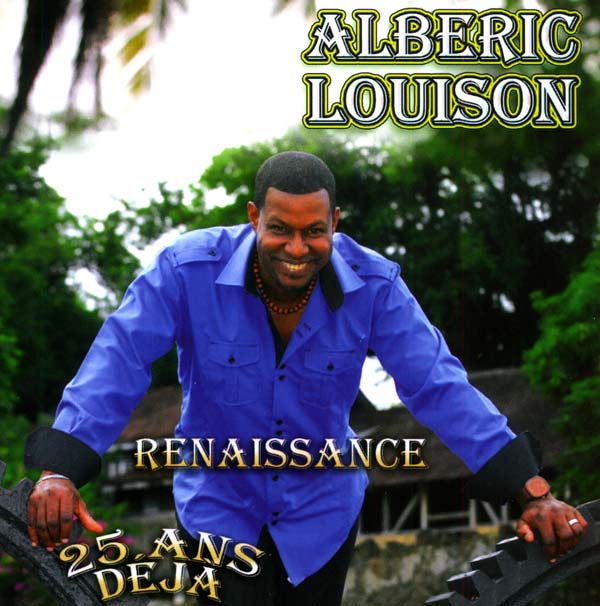
| 2012 | Release of Renaissance (25 Ans Déjà), strong comeback |
| 2016–2024 | Gradual return to the stage, concerts in Martinique |
| September 2024 | Concert at Zipps, Le François |
| March 2026 | Reception of the award from the Association Carrefour Barel Coppet |
Poetry and hairdressing, the roots of a singer
Albéric Louison was born in 1965 in Le François, a commune in northern Martinique located in an area historically agricultural and linked to sugar cane work. From his earliest age, he developed a passion for poetry and music that permeate the island. His voice was formed in Martinican poetic evenings, where Creole language and oral narratives nourished his sensitivity.
His mentor, the poet Joby Bernabé — born in Saint-Pierre in 1945, the former capital of Martinique destroyed by the 1902 eruption — profoundly influenced his artistic vision. Bernabé, who alternated French and Creole in his texts and whose voice is recognized as one of the most striking in Martinican poetry, transmitted to Louison the importance of language as a vector of emotion and identity.
Before choosing music, Albéric Louison practiced the profession of hairdresser. This trade gave him access to an informal but rich network: Martinican salons are places of musical and cultural conversation where local artistic news circulates. There he met musicians, heard new Caribbean productions, and was convinced that the scene was ready for his voice.
The rise of an authentic Creole voice
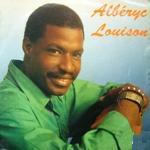
The transition from poetry to music occurred naturally. Albéric Louison signed his first album Antoinise in 1986, then officially published it in 1992 under his own label AL 001 — a rare independent approach for the time on the islands. The album was recorded with the assistance of local musicians, including Hermann Fleret on bass, keyboards and brass.
Two tracks in particular marked minds: “Lanmou magik” and “Kay man ti son”, released as singles and quickly broadcast on Caribbean radio stations. Their blend of zouk, amor and classic Creole structures made them standards of the genre. Albéric Louison distinguished himself with a voice that was both gentle and authoritative, capable of conveying intimacy without losing the power of the message.
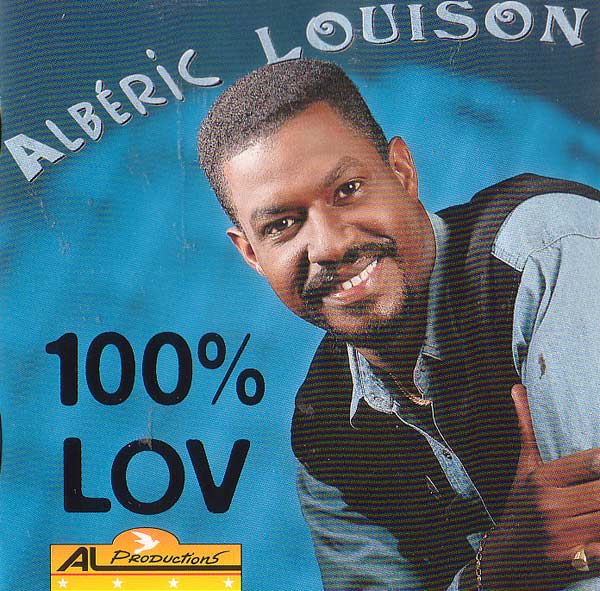
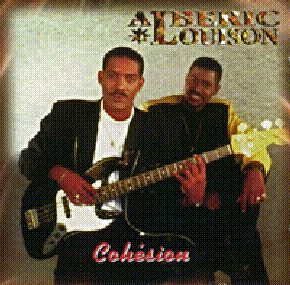
His catalog developed rapidly between the mid and late 1990s: Cohésion (1994), Douceur-tradition-délire (1996) and 100% lov (1998). These records, published on DEBS Music and other Martinican labels, testify to his ability to navigate between traditional Creole rhythms and modern zouk production. His tracks became must-haves for popular dances and communal parties on the island.
Return, recognition and legacy
After a period of withdrawal in the early 2010s, Albéric Louison returned in 2012 with Renaissance (25 Ans Déjà), an album that celebrates two decades of career and renews his catalog. The track “Ti moun mwen” confirms that his music remains rooted in daily Martinican life.
His performance at Zipps in Le François in September 2024 showed an artist always present and always listened to. In March 2026, the award from the Association Carrefour Barel Coppet officially established his place among the prominent figures of Martinican culture.
Albéric Louison is one of the few Creole artists whose career spans four decades without major breaks, except for his temporary retirement. His work fits into the tradition of Martinican voices that, without seeking the internationalism of major record labels, managed to build a solid and durable discography.
Major works
| Work | Year | Why it is essential |
|---|---|---|
| Antoinise | 1992 | First album, signed under his own label — a rare autonomy for the time in zouk |
| « Lanmou magik » | 1987 | Founding single, emblematic track that became a reference of Martinican zouk |
| « Kay man ti son » | 1987 | Second key track, blend of zouk and amor in a classic structure of the Creole genre |
| Cohésion | 1994 | Second major album, exploration of Creole rhythms and harmonies |
| Douceur-tradition-délire | 1996 | Pivot album between tradition and modernity, title indicating a mature artistic journey |
| Renaissance (25 Ans Déjà) | 2012 | Strong comeback celebrating a quarter-century of career, marks the resilience of an artist |
Heritage and influence
Albéric Louison is among those Martinican artists whose institutional recognition did not match the length of his career. His songs have accompanied weddings, popular dances and family gatherings for more than forty years. Without seeking national or international fame, he built one of the most stable Creole discographies of the 20th century.
His voice remains a reference for young artists from Martinique who are looking for an independent career model, without compromise with the Parisian or European music industry. The productions of DEBS Music and AL 001 label testify to an era when Martinican artists assumed their editorial autonomy — a rare posture that is all the more remarkable today.
Sources and references
- « Albéric Louison chez Wolfy », France-Antilles Martinique, 20 avril 2017, consulté le 18 novembre 2026.
- « Deux nouveaux trophées décernés à des artistes martiniquais par l’Association Carrefour Barel Coppet », La 1ère France Info, 19 mars 2026.
- « Albéric Louison », Martinique A Nu, consulté le 18 novembre 2026.
- Albéric Louison – Antoinise, Discogs (AL 001, 1992), consulté le 18 novembre 2026.
- « Martinique: Poetry, Hairstyling & Music Honored at Cultural Night », Archynewsy, 19 mars 2026.
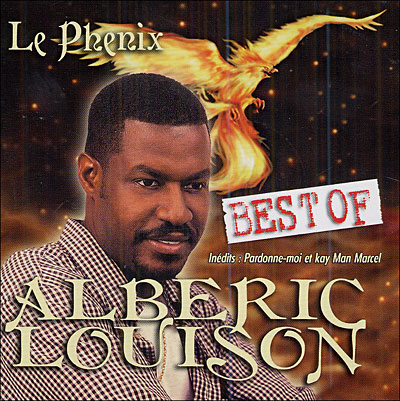
- « Best of Albéric Louison », Apple Music, Hibiscus Records, 2011.
- Albéric Louison, Afromix.org, consulté le 18 novembre 2026.