Biography
Alex Konadu: the king of Ghanaian highlife guitar
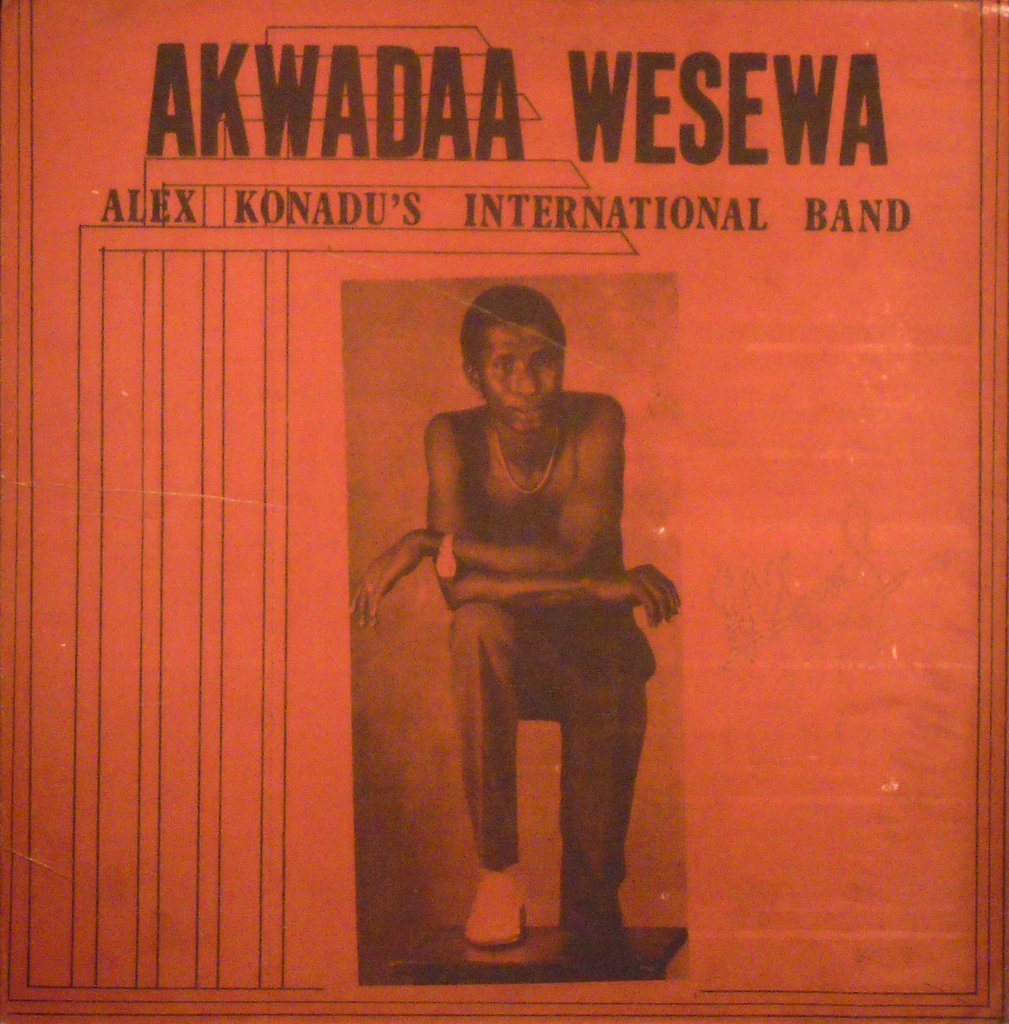
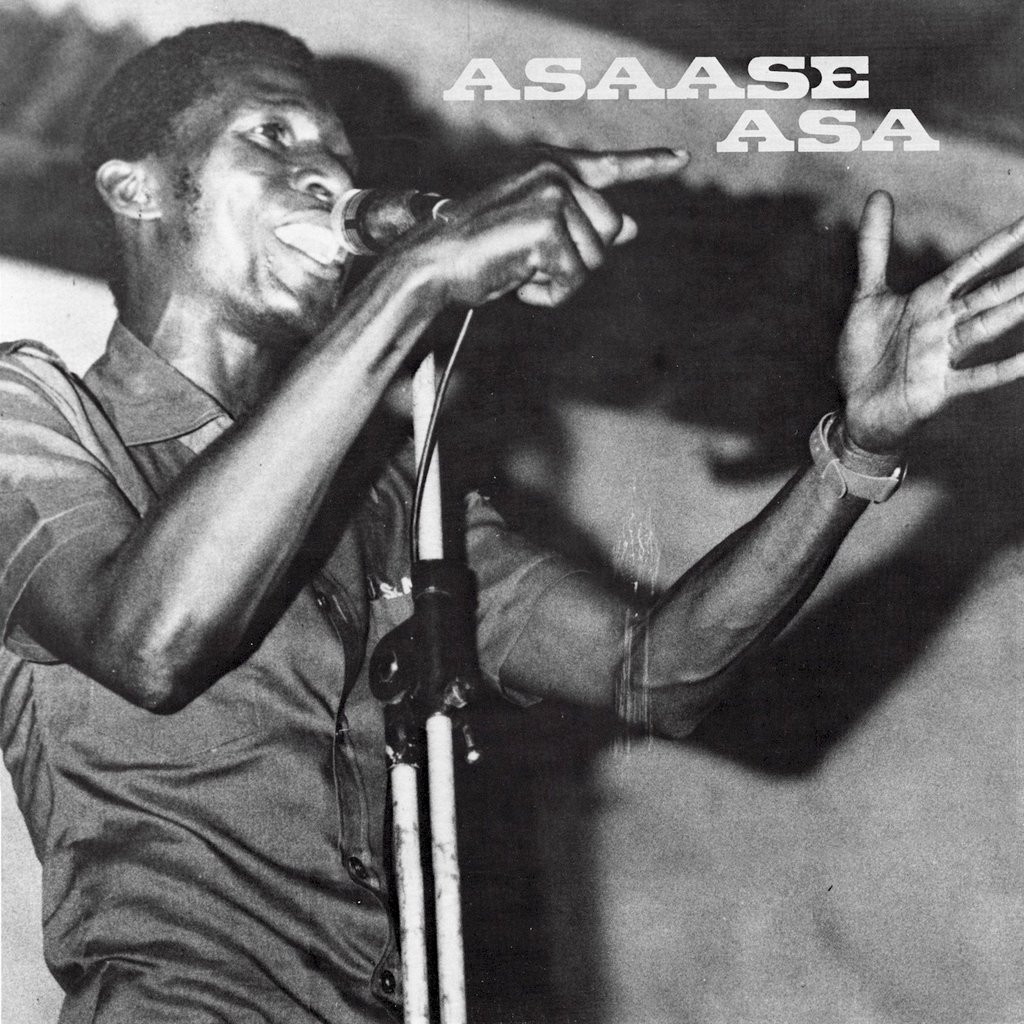
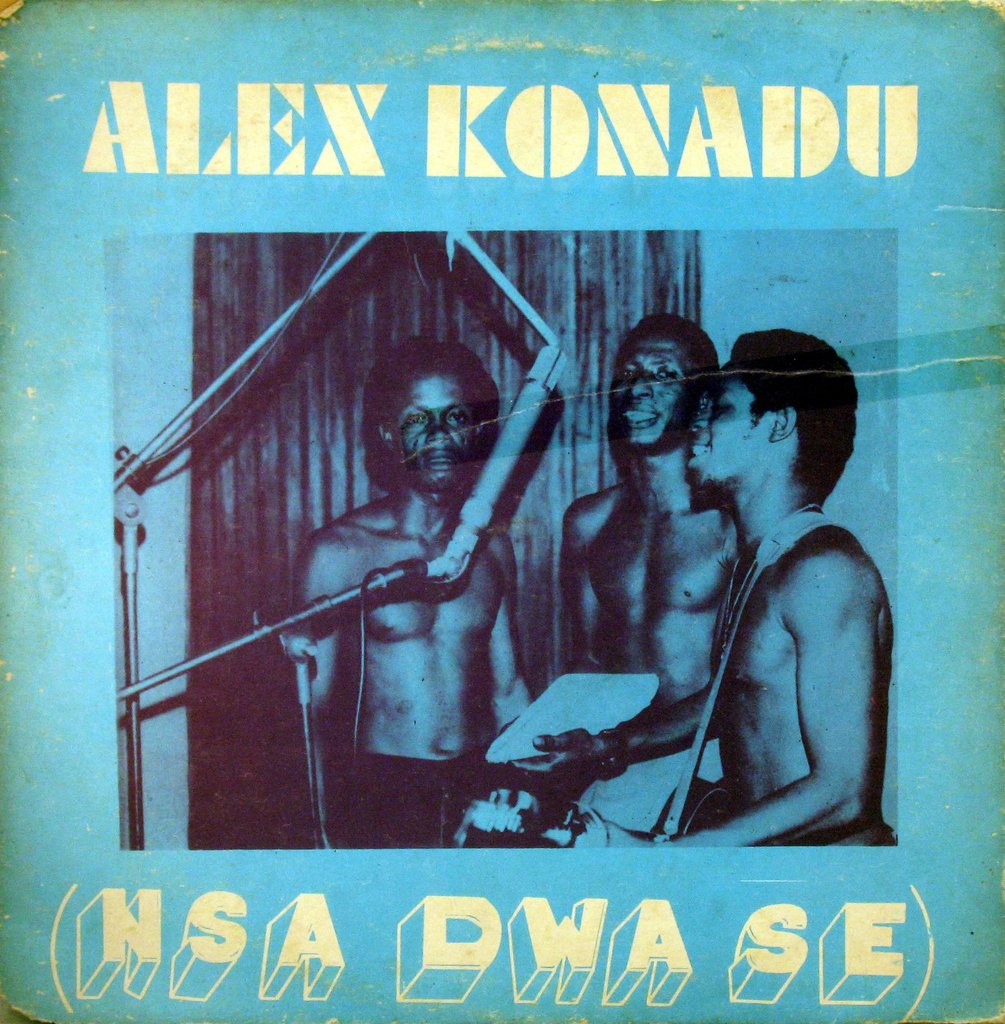
The album is called Asaase Ase, 1976. On the cover, a solitary silhouette and a title meaning the work of the earth (twi translation). Alex Konadu sings the drama of a man who returns home to find his wife and sister killed under a fallen tree — a true story transformed into a dancing prayer. In Ghana, this track immediately becomes essential at funerals. On that day, Konadu signed his entry among the masters of highlife guitar.
In brief
| Full name | Alex Kwabena Konadu |
| Birth | ~1948 (some sources indicate 1950), Adwumakase Kese, Ashanti Region, Ghana |
| Death | January 18, 2011 (63 years), Kumasi, Ashanti Region |
| Field | Ghanaian highlife — singing, guitar, composition |
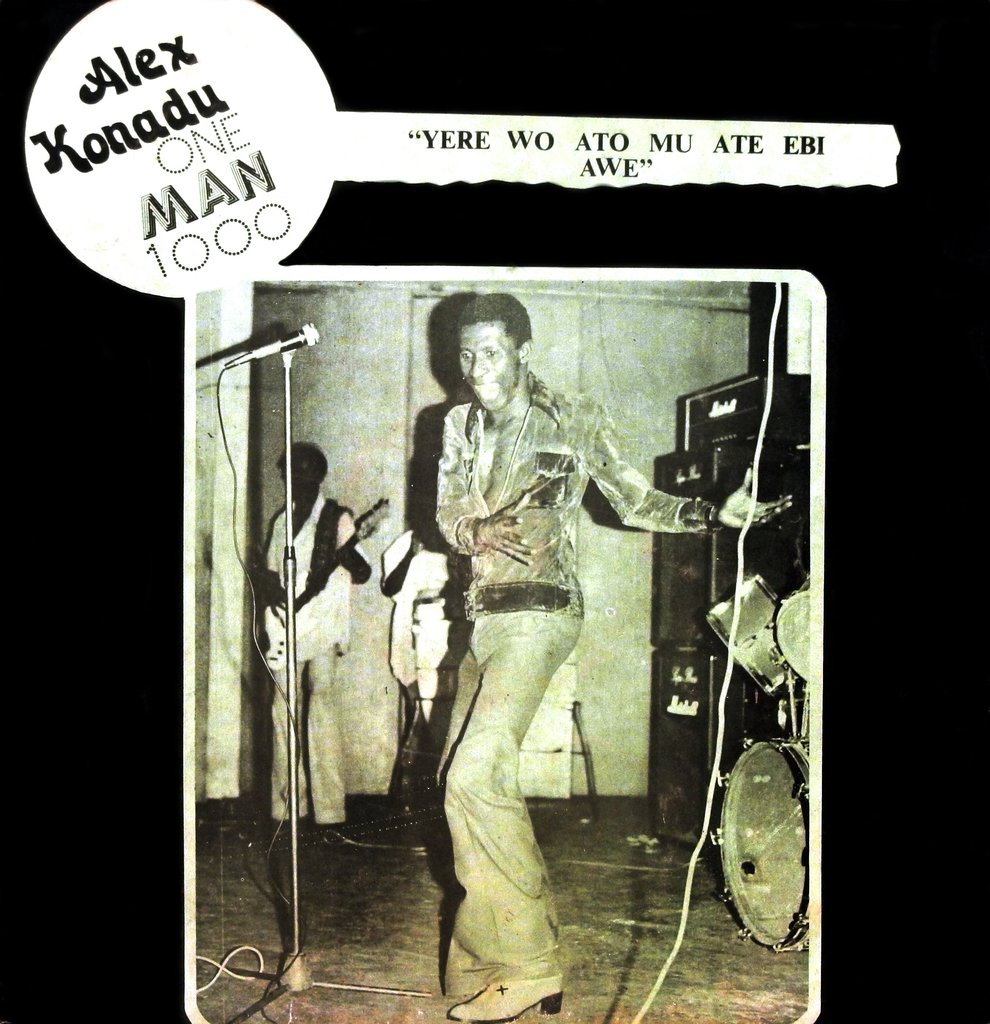
| Notable works | Asaase Ase, “Owuo Sei Ade”, One Man Thousand (Live in London) |
| Awards | Best Guitar of the Year 1976 (Ghana Entertainment Critics and Reviewers Association) |
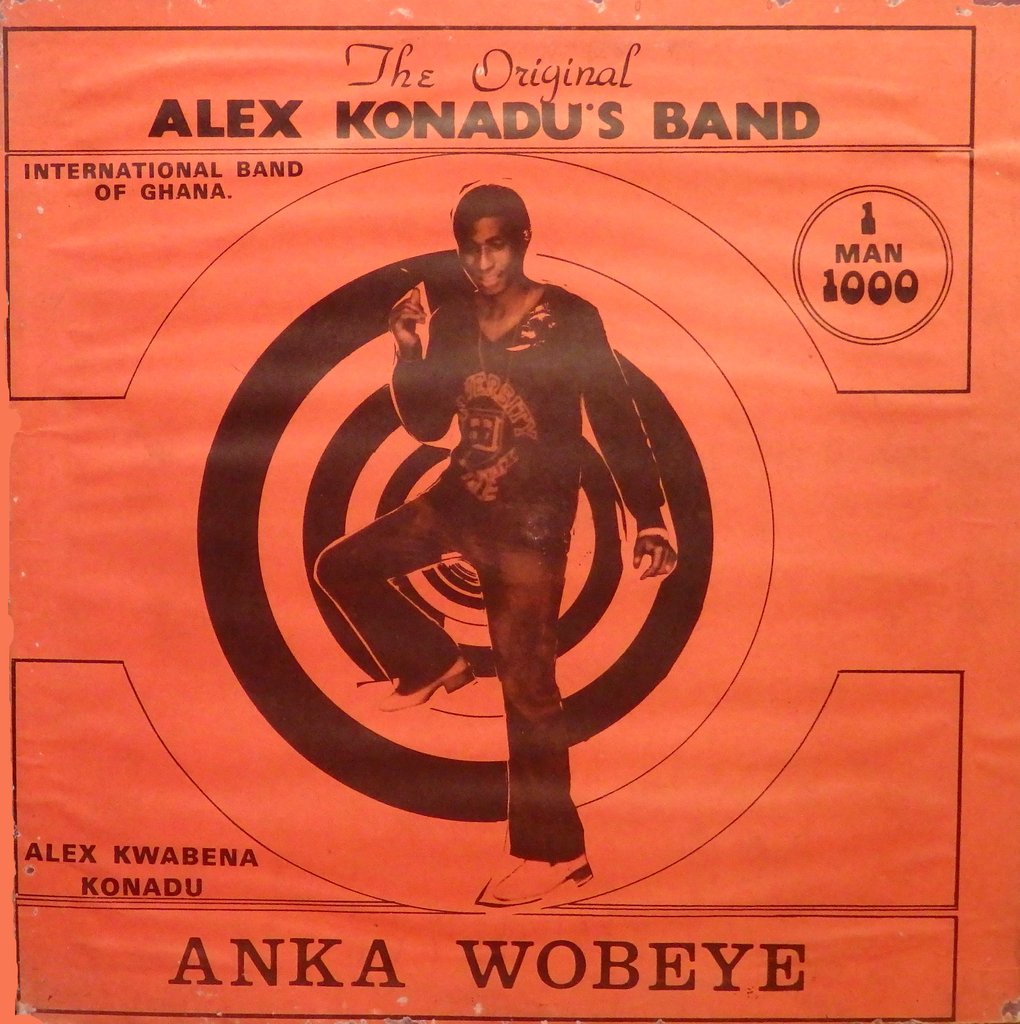
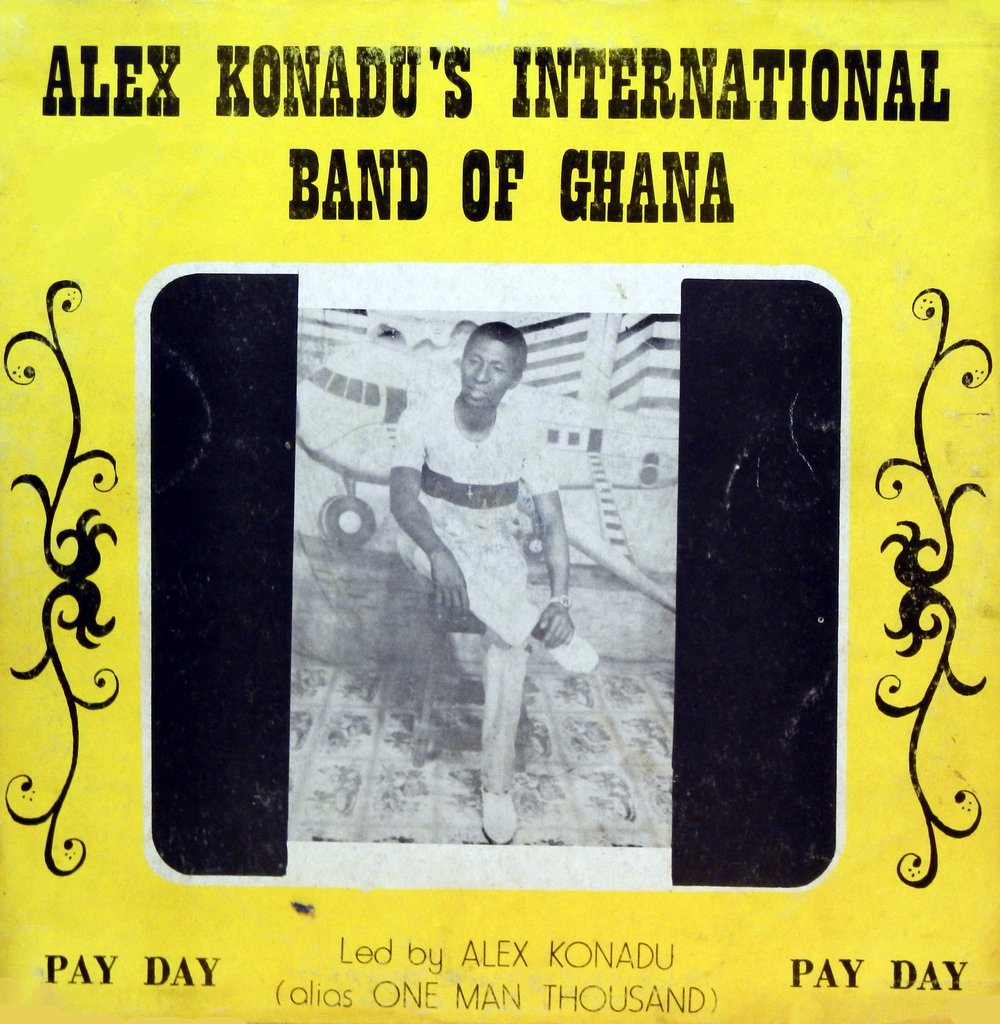
| Nickname | « One Man Thousand » (« One-Thousand Man »), also nicknamed « One Man Army » |
Key dates
| Year | Event |
|---|---|
| ~1948-1950 | Birth in Adwumakase Kese (Ashanti); his parents are musicians in the village Adowa orchestra |
| 1967-1971 | First steps in Akwaboah’s Band as singer and composer |
| 1973-1974 | Joins the Happy Brothers Band as lead singer |
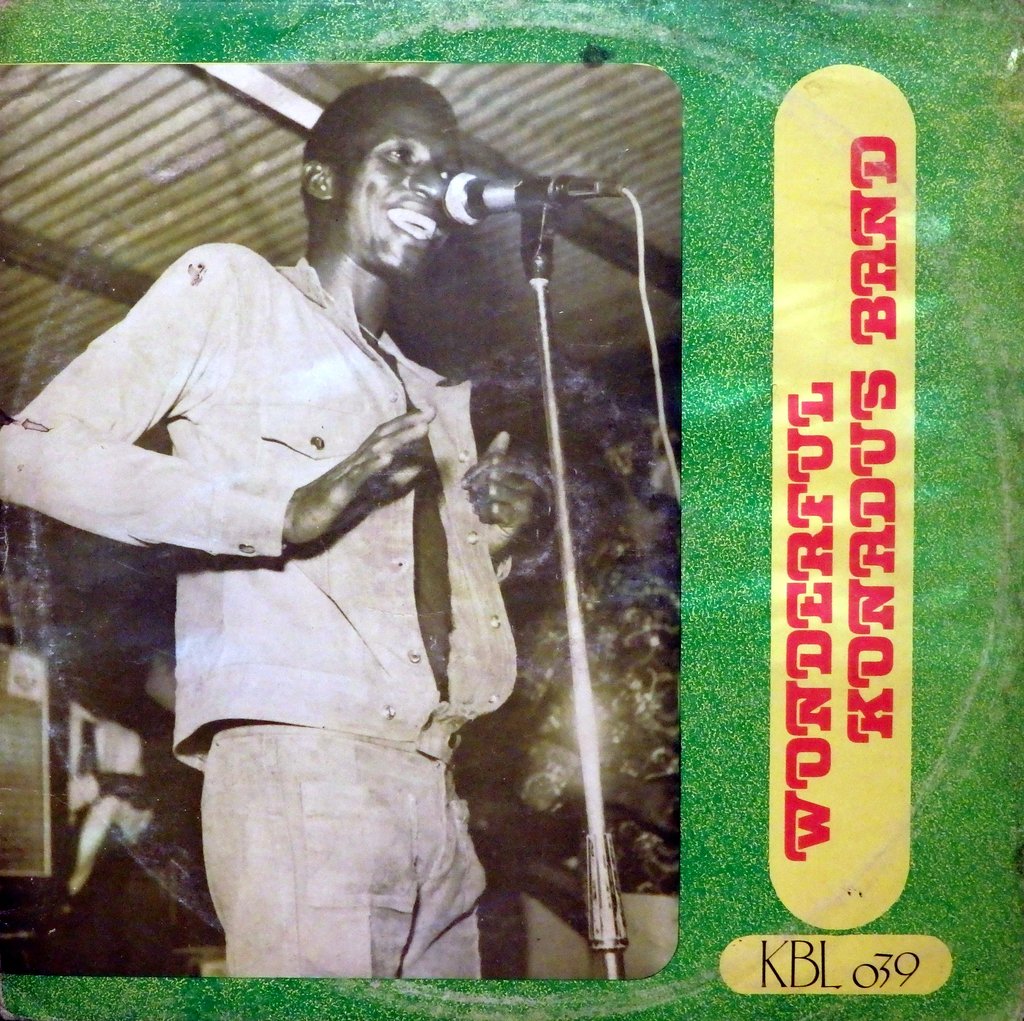
| 1975 | Establishes own group, Konadu’s Guitar Band; first independent release |
| 1976 | Signs with A.K. Brobbey and BHM label (Brobisco House of Music); release of Asaase Ase; Best Guitar of the Year award in Ghana |
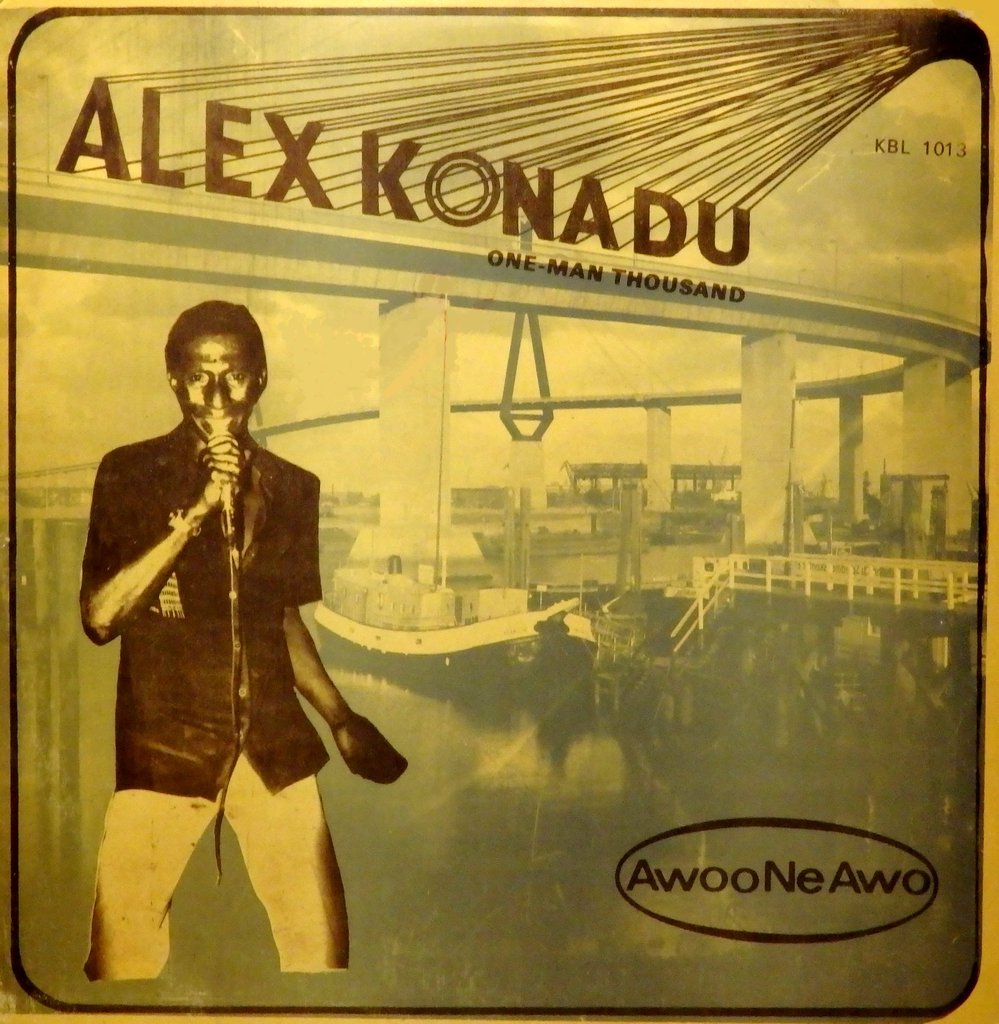
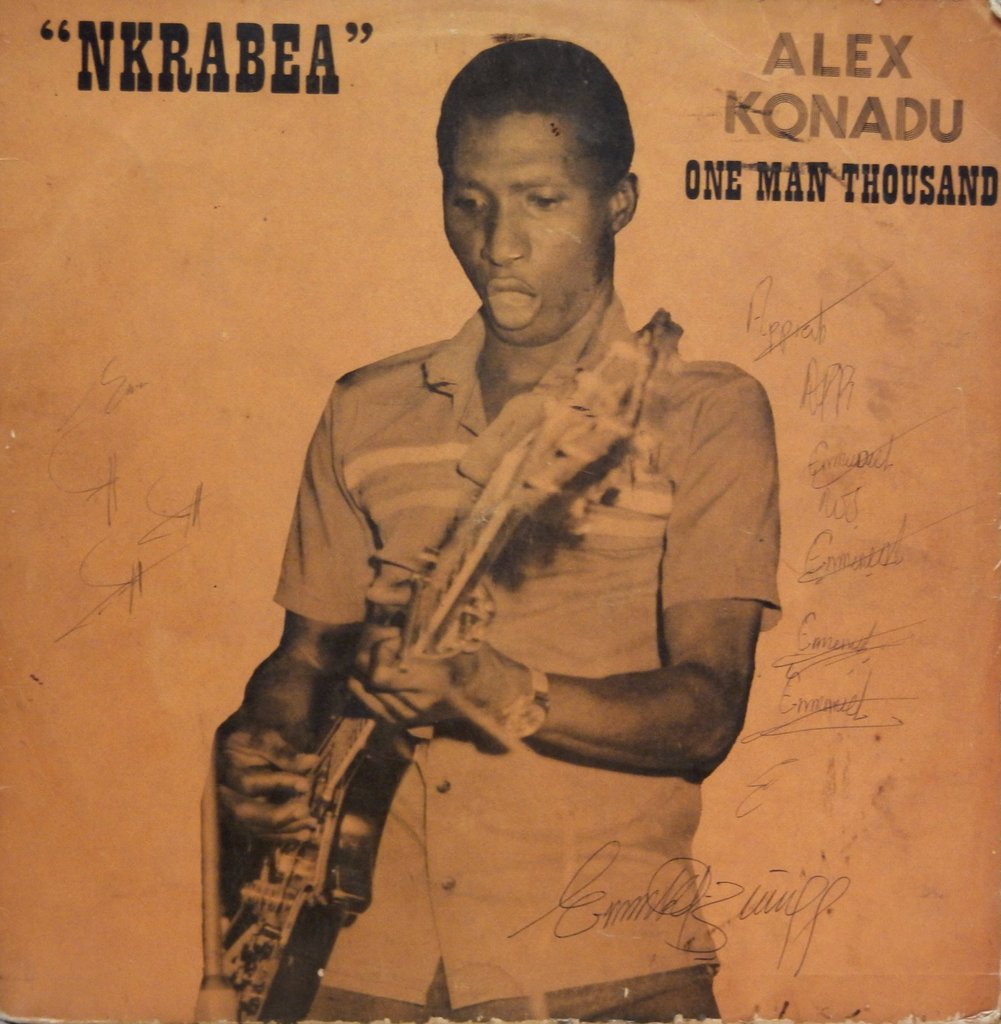
| 1977-1980 | Label wisdom, he records Awoo Ne Awo, then Nkrabea — respected success among highlife purists. The guitar sound that conquered clubs and markets |
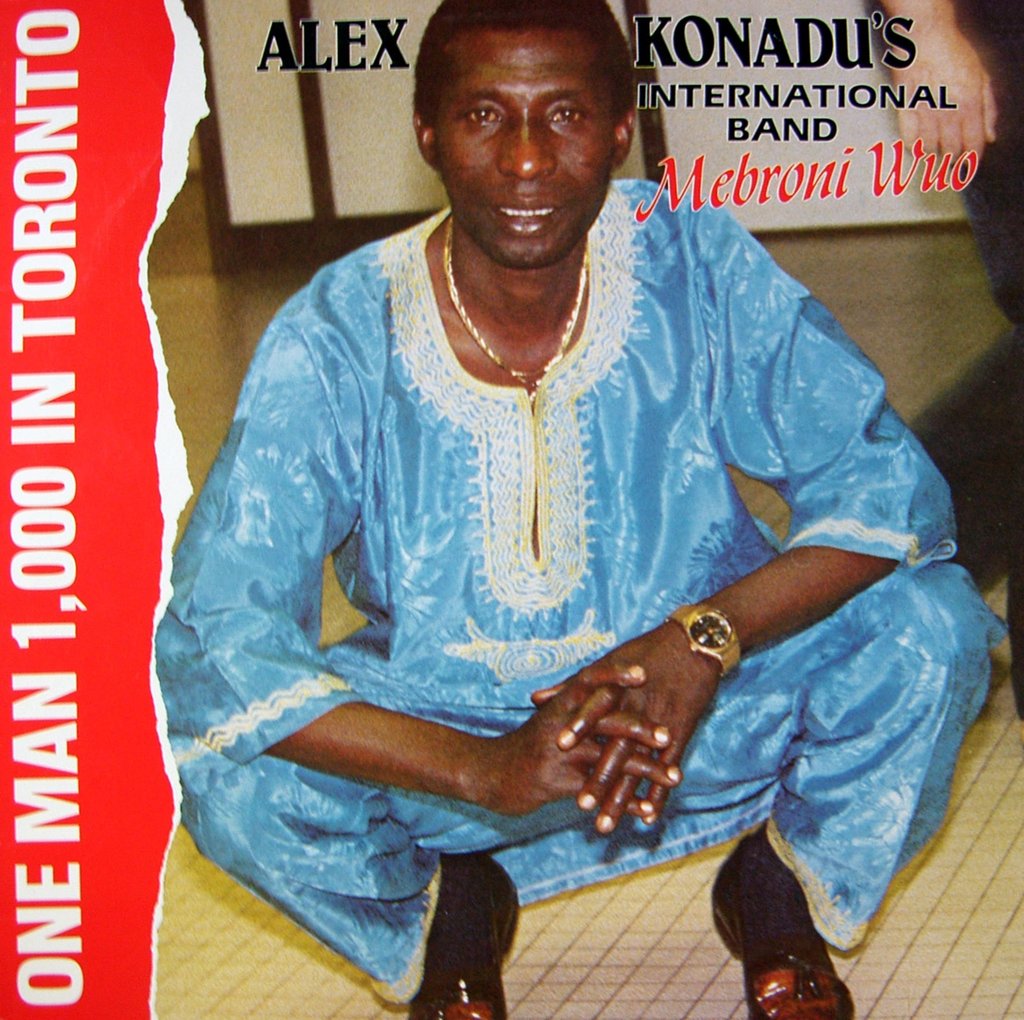
| 1988 | Live recording in London, released by World Circuit label under the title One Man Thousand |
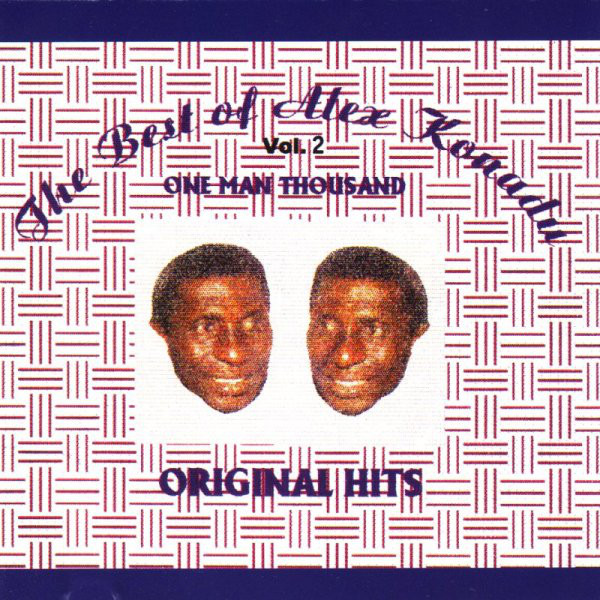
| 2003-2011 | Participation in Rough Guide to Highlife; tour with the label. Release of Best Of Vol.2 (System 77 Productions) |
| January 18, 2011 | Death in Kumasi, a few days before a scheduled concert in Sunyani; he leaves a widow, Adwoa Fordjour, and 12 children |
The people’s guitarist of Kumasi
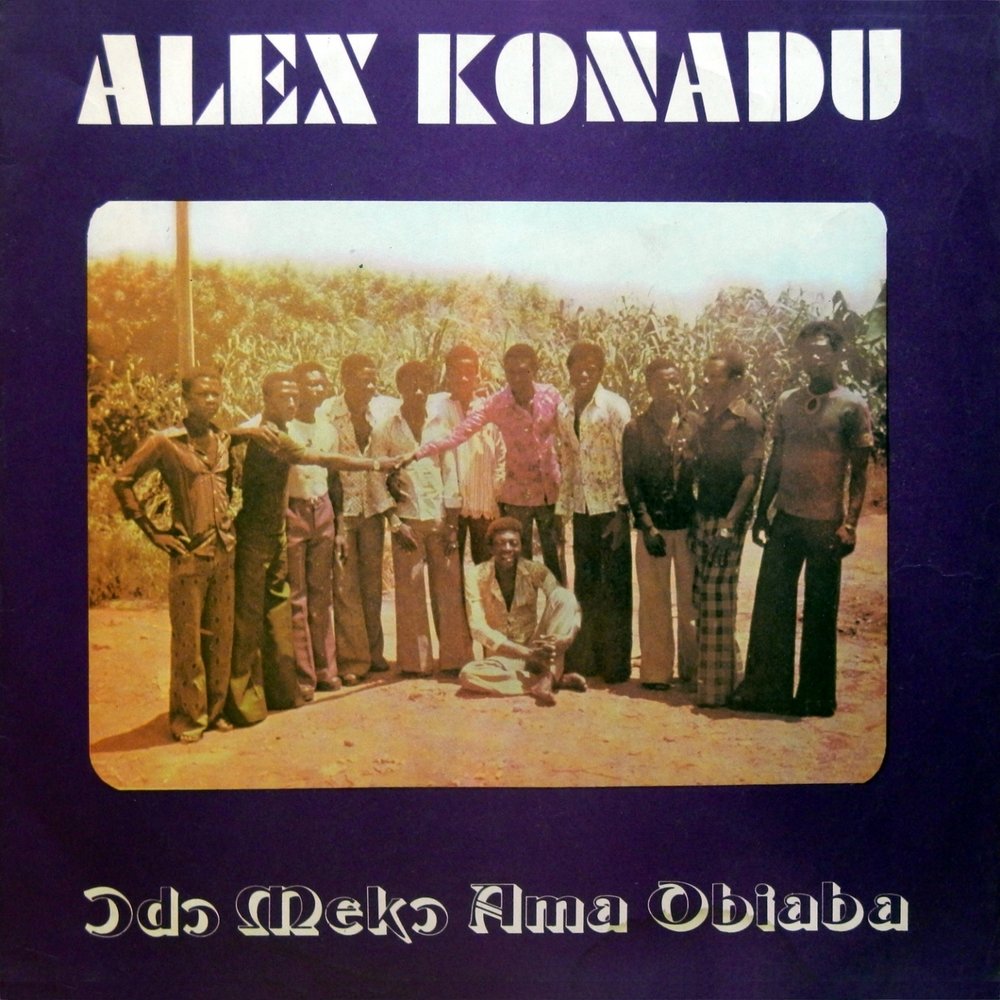
From childhood, Konadu made his own drums from pieces of plastic and wood, a passionate autodidact. His mother and father were part of the village Adowa orchestra — this Akan tradition where percussion accompanies speech and rituals.
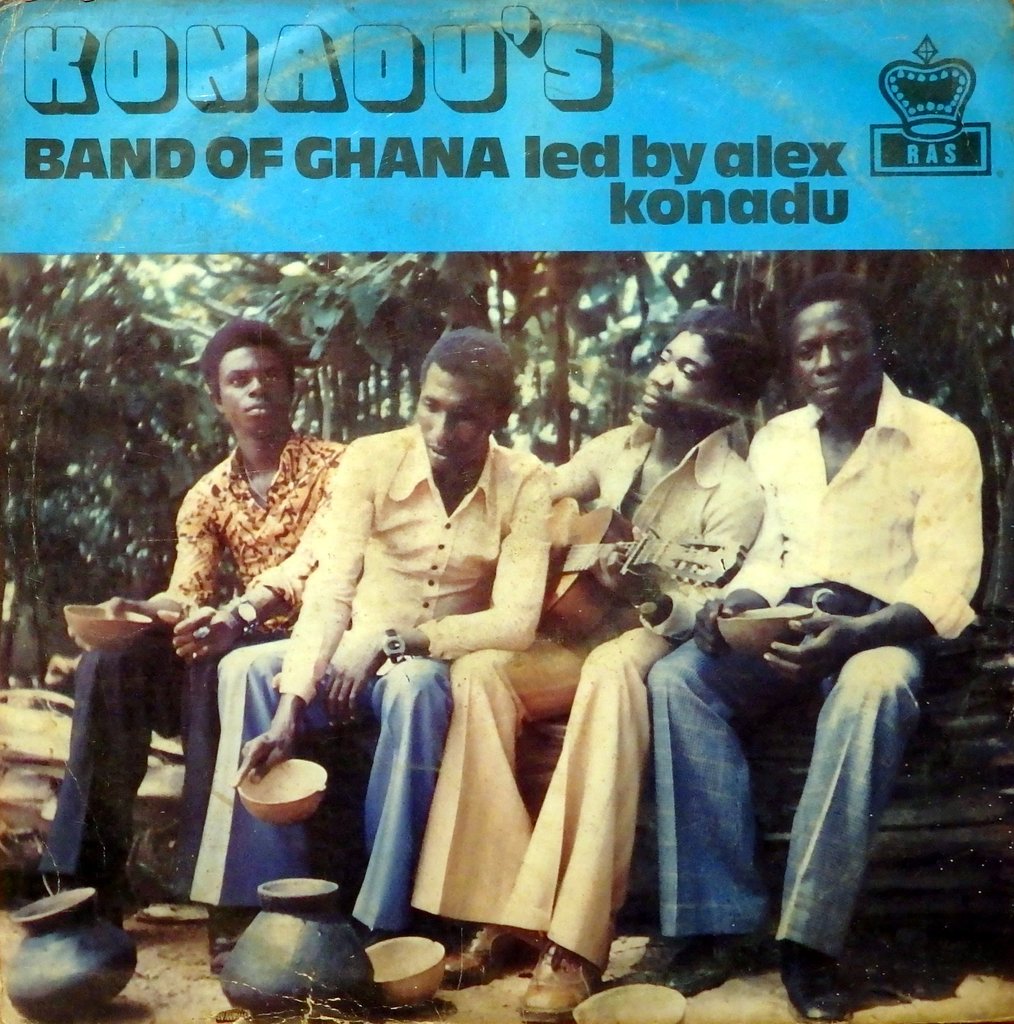
After primary school in 1967, he did not continue formal studies. Music awaited him: first with Kwabena Akwaboah as guitarist, then with the Happy Brothers Band where he became lead singer. In 1973, he founded his own group, Konadu’s Guitar Band, and composed abundantly. One day, while rehearsing in a small Kumasi studio, producer A.K. Brobbey — record distributor and showman of the Ghanaian music world — stopped at the door, listened to three tracks, and signed the contract.
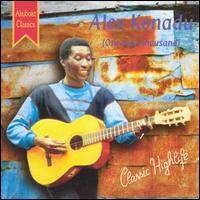
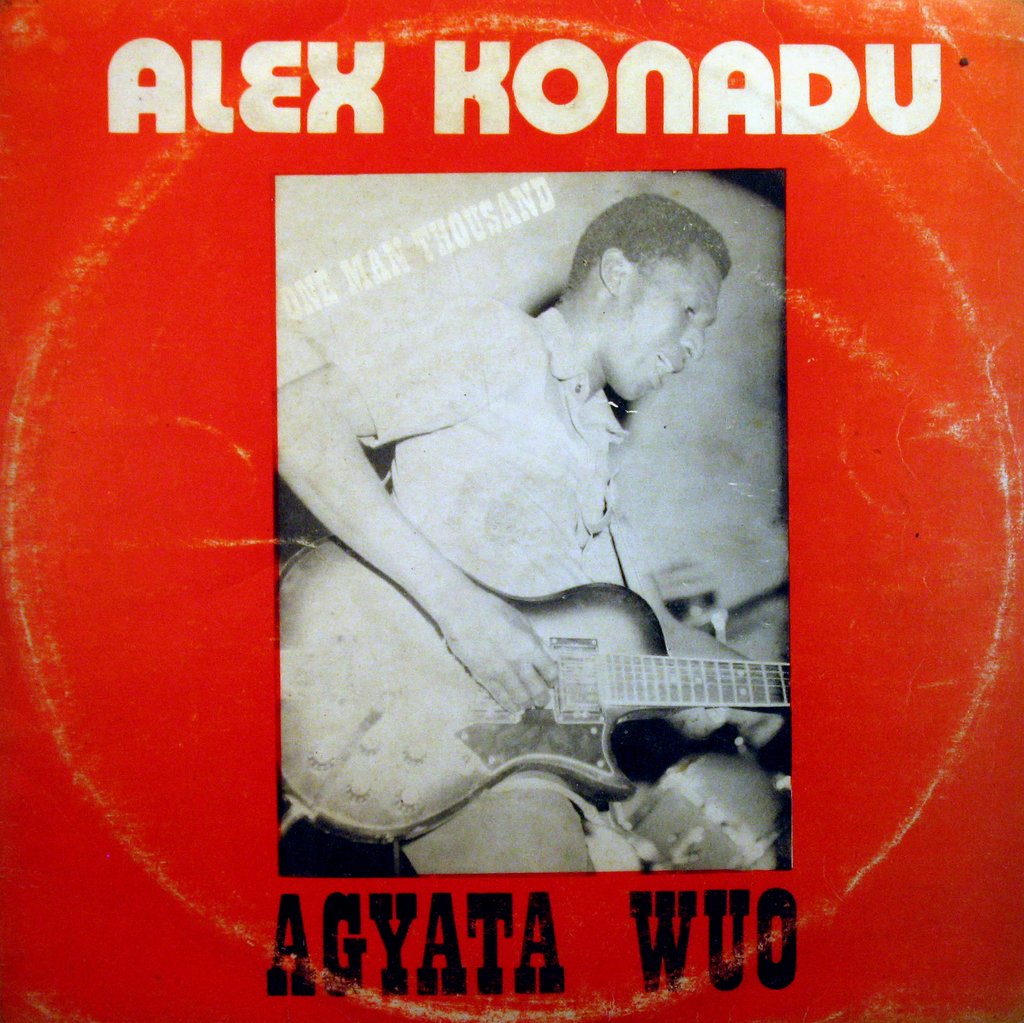
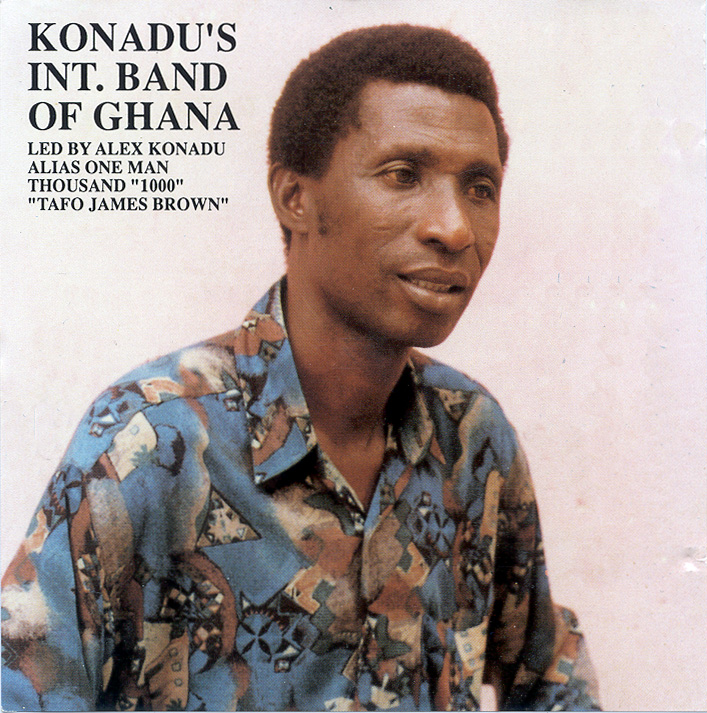
The sound? An uptempo highlife with pure guitar, stripped of the afrobeat influences from Lagos. Greenberg of AllMusic notes that he sings in Asante Twi and rejects modern influences to remain faithful to his country. In a few months, the « One Man Thousand » (a nickname that also earns him the qualification « One Man Army ») fills the halls and marks the Ghanaian imagination. His fast and precise guitar playing — what is called roots highlife — establishes itself as the absolute reference of the young Ghanaian scene.
A music between consolation and dance
The decisive turning point arrives in 1976 with Asaase Ase, an album recorded at BHM (Brobisco House of Music). The title track tells the tragic death of a man, killed along with his wife and sister under a tree — based on real facts. But in highlife, this tragedy becomes a dancing prayer, musical consolation for the living who carry the grief. Local press will qualify it as a classic of Ghanaian funerals upon the announcement of Konadu’s death in January 2011.
His work is deeply rooted in the Akan cultural vocabulary. Researchers from the University of Ghana studied dozens of his texts, demonstrating that Konadu uses proverbs as poetic weapons to address poverty (“Ɛnneɛ mɛkɔ na maba”), female beauty (“Asianawaa”), or social values. A 2005 article in Research Review designates him as an oral artist — in the academic sense of the term: one who transmits ancestral knowledge through song.
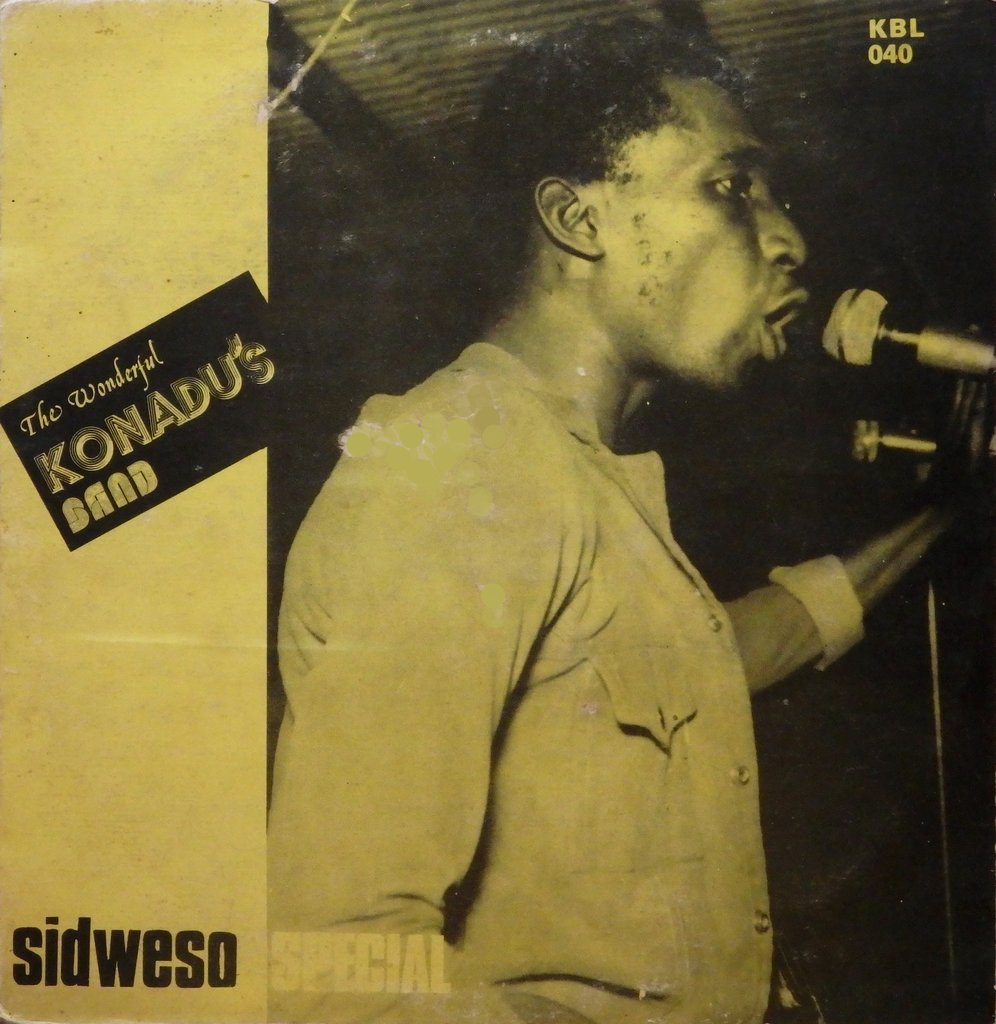
But Konadu is not just a highlife scholar. He is also an irresistible showman: he honored all types of events — parties, weddings, drinking ceremonies — and touched all social layers, according to his friend Kofi Abraham in a 2011 notice. In a few years, he accumulated awards (Best Band of the Year in 1976 and 1977), tours in Canada, the United States, and Europe.
On January 18, 2011, at Bomso Clinic hospital in Kumasi, Alex Konadu passed away at 63. He was then preparing a concert in Sunyani with his friend Professor Kofi Abraham. According to Adam Greenberg on Apple Music, Konadu is « the current king of Ghanaian highlife guitar » (translated from English), a title obtained after the death of EK Nyame. « One Man Thousand » — the man capable of gathering entire crowds and turning grief into dance — leaves behind a legacy that continues to resonate, like this Asaase Ase played in all the cemeteries of Ghana.
Major Works
| Work | Year | Why It’s Essential |
|---|---|---|
| Asaase Ase (album) | 1976 | Foundational piece of roots highlife; title turned into a funeral hymn in Ghana |
| Nkrabea (album) | 1980 | Its uptempo sound on pure guitar, a classic of the BHM label |
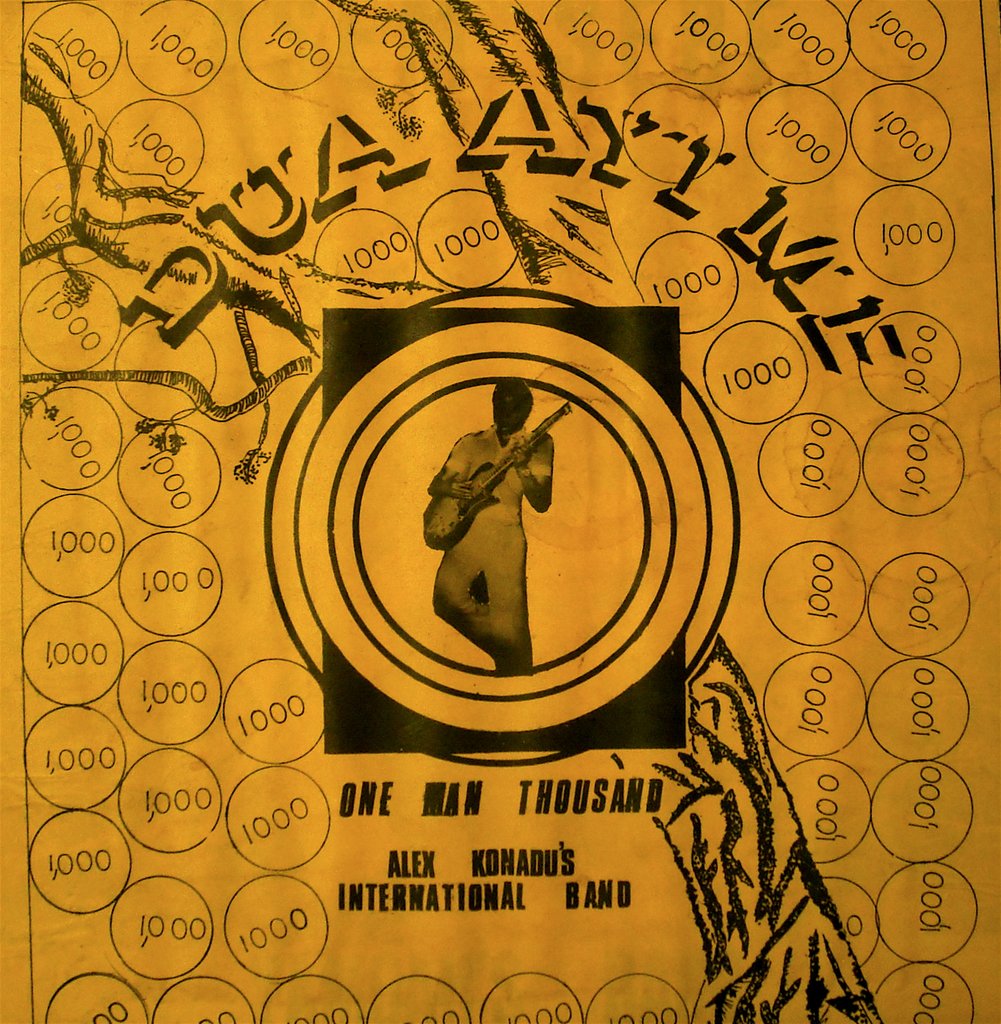
| One Man Thousand (Live in London) | 1988 | International recording released by the World Circuit label; reveals Konadu to the European public |
| The Best of Alex Konadu (System 77 compilation) | ~1999-2003 | Retrospective that gathers essential tracks and popularizes his posthumous work |
Legacy and Influence
Alex Konadu remains a reference point for Ghanaian guitar highlife, a purist whose musical practice was never submerged by external trends. He is the first guitarist to embody this roots form of highlife, sung in Asante Twi with a precision that rivals Lagos styles. His influence extends beyond music: his lyrics are cited in academic articles as cultural testimony of the Akan. His discography, although little available in the West for a non-music lover, continues to live on in funerals, parties, and homes in Ghana.
Sources and References
- “Alex Konadu”, Wikipedia, https://en.wikipedia.org/wiki/Alex_Konadu, accessed November 3, 2026.
- “Alex Konadu”, Discogs, https://www.discogs.com/artist/274629-Alex-Konadu, accessed November 3, 2026.
- Alex Konadu — Biography, AllMusic, https://www.allmusic.com/artist/alex-konadu-mn0000545984, accessed November 3, 2026.
- “Remembering the Man Behind The Highlife Hit Song Asaase Asa; Alex Konadu Goes Home”, Modern Ghana, https://modernghana.com/blogs/317087/, accessed November 3, 2026.
- “Alex Konadu Takes a Bow”, Osibisaba / George Ernest Asare, http://georgeernestasaresstories.blogspot.com/2011/01/, accessed November 3, 2026.
- University of Ghana, “Proverbs in Akan highlife lyrics: A case study of Alex Konadu’s lyrics”, UGSpace, https://ugspace.ug.edu.gh/, accessed November 3, 2026.