History of Music in Ghana
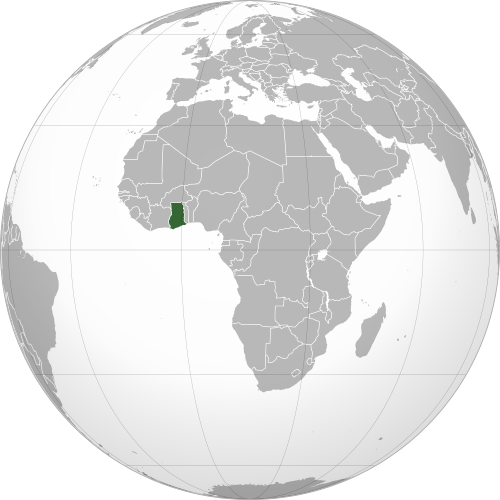
Accra vibrates on weekends in the clubs of Osu and Jamestown1. On the wooden terraces of La Banta or under the chandeliers of the National Theatre, dancers follow a rhythm that has crossed more than a century2. Ghana — the first sub-Saharan African country to gain independence, on March 6, 19573 — has placed highlife at the heart of its national culture. More than a century after the first sounds of colonial brass instruments, the country continues to shape the sound of modern Africa4. But how did a crossroads of ga, akan, and ewe rhythms become the cradle of a musical genre that conquered all of Africa?
From Drums to Early Brass Instruments (Before 1940)
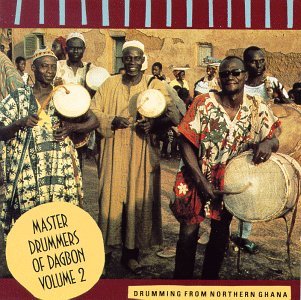
Ghanaian music draws its roots from millennial traditions. The Akan (people who include the Ashanti and Fante) and the Ewe (people of the east-Ghanaian and Togolese coast) each possess sophisticated drumming systems, with communicative drums transmitting messages and news over kilometers5. The Ga of the Accra coast practice gombe, a dance music linked to ceremonies and weddings6. These rural traditions are the soil on which everything is subsequently grafted7.
In the 19th century, British colonial presence transformed the scene. The Portuguese had imported the guitar in the 15th–16th centuries via Elmina (Fort of Elmina, on the Gold Coast), but it is the British administration that introduced military brass instruments8. Large colonial wind ensembles recruited local musicians, and Ghanaian musicians adopted foxtrot, waltz, and quickstep9. In parallel, acoustic guitar bands prospered in the Asante region and the coastal ports: the palm-wine, a name given by the musicians themselves to this music played in taverns, developed with guitarists like Kwa Mensah, nicknamed “the Grandfather”10.
In 1932, a young 13-year-old flutist, Emmanuel Tettey Mensah, joined the Accra Orchestra directed by Professor Joe Lamptey11. In 1939, Mensah and his brother Yebuah won the “Lambeth Walk” dance competition at the King George Memorial Hall (the current Parliament of Ghana), marking a symbolic step in the professionalization of the local scene12.
Did you know? Ghana has more than 100 different languages and ethnic groups13. This linguistic diversity directly nourishes music: E.T. Mensah’s songs alternated in ga, twi, fante, and ewe, creating a universal music for West Africa14.
The Golden Age of Highlife (1948–1966)
Highlife was born from the meeting between European instruments and African rhythms15. According to historian John Collins, three elements determine its foundation: West African gong rhythms, the two-finger guitar, and the Christian hymn16. The result, from the 1920s onwards, is an urban, danceable music that speaks to black colonial elites — the high ups — hence the name17.
The decisive turning point arrives after World War II. On May 31, 1919 in Ussher Town, a neighborhood of Accra18, Emmanuel Tettey Mensah — nicknamed E.T. Mensah — leaves his pharmacy training (he becomes a qualified pharmacist in 1943) to join the Tempos, an Accra orchestra that has just transitioned from a military music group to a dance band19. In 1948, Mensah takes the direction of the group, which becomes E.T. Mensah and the Tempos20. The style is a fireworks display: powerful brass instruments, tense rhythm sections, Afro-Cuban percussion brought by drummer Guy Warren (future Kofi Ghanaba), return of Jamaican calypso21. The recipe works. From 1952 to 1960, the Tempos’ records are released by Decca West Africa and sold throughout West Africa22.
Mensah becomes the “King of Highlife”23. In 1956, Louis Armstrong himself plays in a jam session with him in Accra24. In 1957, he composes “Ghana Freedom”, the independence hymn25. The Tempos tour in Nigeria (1949), Côte d’Ivoire, Guinea, Sierra Leone, and Liberia (1958–1959)26. Young Nigerian leaders — Victor Olaiya, Rex Lawson, a young Fela Kuti — learn highlife from their records27. On January 1, 1971, the Soul to Soul festival in Accra brings together Roberta Flack, Ike & Tina Turner, the Staple Singers, and more than 100,000 Ghanaian spectators28.
In the 1950s and 1960s, other groups shine: the African Brothers from Akan (Nana Kwame Ampadu), the Carousel Seven of C.K. Mann29. The lyrics speak of the hope for independence, the realities of daily life — love, death, money30.
Crisis and Resilience (1966–2000)
The 1966 coup that overthrew President Kwame Nkrumah plunges the country into political and economic instability31. Highlife, associated with the overthrown regime, loses its official support32. New sounds — American soul, Congolese rumba, afrobeat — attract the youth33. In the 1970s, Mensah’s brass orchestra style is eclipsed by acoustic guitar, disco, and reggae34.
Audio cassette (portable recording medium powered by battery, competitor to vinyl) and then piracy broke the Ghanaian recording market35. Studios closed, musicians left to work in Côte d’Ivoire, Nigeria, or London36. The country saw the emergence of an identity renaissance: Kwaa Mensah, rediscovered in 1975, recorded his album Wawo Christo37. George Darko, based in Berlin, founded Burgher Highlife38. But records became rare, copyright rights almost non-existent39.
In 1989, the Ghanaian government conferred upon E.T. Mensah the title of Okunini (“the Sage”)40. He received an honorary doctorate41. The “King of Highlife” passed away on July 19, 1996, at the age of 7742.
The renaissance: from Amaarae to Black Sherif (2000–present)
In the 21st century, the Ghanaian music scene has experienced a digital renaissance that transcends continental borders. Streaming, digital platforms, and international collaborations have placed Accra at the heart of afrobeats and African urban music43.
Amaarae, born in the Bronx and raised between Atlanta and Accra44, embodies this new generation. Her EP Passion Fruit Summers (2017) and album THE ANGEL YOU DON’T KNOW (2020) blend afrobeats, R&B, and soul45. Her song “Sad Girlz Luv Money” reached international audiences; her track “A Body, A Coffin” appears in the soundtrack of Marvel’s Black Panther: Wakanda Forever46. With over 5 million Spotify subscribers, Amaarae is the most-streamed Ghanaian artist47.
Black Sherif, a 24-year-old rapper from the Bantama district in Kumasi48, fuses highlife, drill, and hip-hop49. “Kweku The Traveller” and “Kilimanjaro” (with Tiwa Savage and Young Jonn) have garnered millions of streams50. American producer DJ Khaled describes his music as a “piece that touches the soul”51.
Stonebwoy (real name Livingstone Etse Satekla), a 45-time national award winner, has made afro-dancehall — a fusion of afrobeats, dancehall, and reggae — his trademark52. KiDi, King Promise, Shatta Wale, Gyakie, and King Paluta complete this explosion of talent53. In 2022, the Ghanaian government officially inscribed highlife on the register of intangible cultural heritage54. The Afro Nation festival takes place annually at Black Star Square, the very site of the 1957 independence proclamation55.
| Founding figure | Period | Main contribution |
|---|---|---|
| E.T. Mensah (1919–1996) | 1948–1990 | King of highlife, composer of “Ghana Freedom” |
| Joe Lamptey | 1930–1950 | Trainer of the first generation of Accra dance bands |
| Guy Warren / Kofi Ghanaba (1923–2013) | 1947–1970 | Afrocuban percussionist, figure of Ghanaian jazzification |
| Kwaa Mensah | 1975–2000 | “The Grandfather” of palm-wine, rediscovery and re-recordings |
| C.K. Mann (1942–2021) | 1960–2021 | Acoustic guitar, high-life during the rock and disco years |
| Pat Thomas (1952–2015) | 1979–2015 | Highlife-rockstar, fusion of rock and traditional sounds |
| Amaarae (born 1997) | 2017–present | International alternative afrobeats, 5M+ Spotify followers |
| Black Sherif (born 2000) | 2020–present | Ghanaian drill fusing highlife, international breakthrough |
Ghana is not merely a country that invented highlife. It is a permanent laboratory where tradition and innovation blend, a fertile ground that, from E.T. Mensah to Amaarae, continues to make the entire continent vibrate56.
Sources
-
OkayAfrica, « Black Sherif, KiDi & Stonebwoy on How Ghana’s Music Scene is Taking Over », January 9, 2023. URL: https://www.okayafrica.com/black-sherif-kidi-stonebwoy-on-how-ghanas-music-scene-is-taking-over/110494 ↩︎
-
3News, « The Big Six of Ghana’s Current Music Scene », August 4, 2022. URL: https://www.3news.com/the-big-six-of-ghanas-current-music-scene ↩︎
-
Ghana-Net, « E. T. Mensah: The King of Highlife ». URL: https://ghana-net.com/e-t-mensah-the-king-of-highlife ↩︎
-
MyJoyOnline, « Ghana’s Rising Stars and Their Bangers Breaking Borders ». URL: https://www.myjoyonline.com/ghanas-rising-stars-and-their-bangers-breaking-borders/ ↩︎
-
Willie Anku, « Drumming Among the Akan and Anlo Ewe of Ghana: An Introduction », African Music 4, no. 3, International Library of African Music. URL: https://journal.ru.ac.za/index.php/africanmusic/article/view/1827 ↩︎
-
Wolfgang Bender, Sweet Mother: Modern African Music, chap. 3 « West African Highlife ». University of Chicago Press, 1991. ↩︎
-
Ronnie Graham, Stern’s Guide to Contemporary African Music, chap. 3 « Ghana ». Zwan Publications, 1988. ↩︎
-
Bender, Sweet Mother, p. 96–98 (on the Portuguese importation of the guitar and colonial brass instruments). ↩︎
-
Graham, Stern’s Guide, vol. 1, p. 82–83. ↩︎
-
Graham, Stern’s Guide, p. 85 (on Kwaa Mensah / « The Grandfather »); Bender, chap. 3, on palm-wine. ↩︎
-
Ghana-Net, « E. T. Mensah: The King of Highlife » (section « A boy from Ussher Town »). ↩︎
-
Wikipedia, « E. T. Mensah »; RetroAfric, « The King of Highlife » liner notes. URL: https://www.retroafric.com/html/sl_notes/01xcd_3.html ↩︎
-
World Music Guide (Bensignor), chap. 3 « West Africa », p. 25. ↩︎
-
RetroAfric liner notes; Graham, Stern’s Guide, p. 82–83. ↩︎
-
Bender, Sweet Mother, chap. 3; World Music Guide, p. 25–26 (on the birth of highlife). ↩︎
-
John Collins, cited in Bender, Sweet Mother, p. 98–99; see also Music in Africa (https://musicinafrica.net) on origins. ↩︎
-
Bender, Sweet Mother, p. 96: the term « high life » comes from « high ups », the black colonial elite. ↩︎
-
Ghana-Net (E.T. Mensah): born May 31, 1919 in Ussher Town, Accra; Wikipedia (« E. T. Mensah ») corroborates. ↩︎
-
Ghana-Net on E.T. Mensah (qualified pharmacist 1943, joined Tempos 1947); Wikipedia corroborates. ↩︎
-
Ghana-Net: Mensah rebuilt the Tempos under his name in 1948; RetroAfric liner notes corroborate. ↩︎
-
Ghana-Net (Guy Warren / Kofi Ghanaba, calypso and Afro-Cuban jazz); Bender, chap. 3, on « re-Africanization » by Warren’s Afro-Cuban percussion. ↩︎
-
Ghana-Net and RetroAfric: first Decca recording in 1952; Wikipedia confirms. ↩︎
-
Ghana-Net, « The King of Highlife »; Wikipedia and RetroAfric confirm the nickname. ↩︎
-
Ghana-Net: Louis Armstrong in Accra, 1956; Wikipedia and RetroAfric corroborate the jam session. ↩︎
-
Ghana-Net: « Ghana Freedom Highlife », 1957, sung on the night of independence; Wikipedia confirms. ↩︎
-
RetroAfric liner notes: 1958–1959 tour in Côte d’Ivoire, Liberia, Guinea, Sierra Leone; Ghana-Net corroborates. ↩︎
-
RetroAfric: Olaiya and Lawson borrowed the Tempos sound; Bender, chap. 3 (Fela Kuti raised on highlife). ↩︎
-
Bender, Sweet Mother, p. 106 (Accra Soul to Soul festival, January 1971). ↩︎
-
Graham, Stern’s Guide, p. 84–85 (African Brothers, C.K. Mann). ↩︎
-
Bender, chap. 3, p. 103–105 (political and daily themes of Ghanaian highlife). ↩︎
-
Wikipedia, « E. T. Mensah » (1966 coup d’état, overthrew Kwame Nkrumah). ↩︎
-
Wikipedia and Ghana-Net: after 1966, highlife declined and Mensah experimented with reggae, soul, pop. ↩︎
-
Wikipedia: soul, Congolese rumba, afrobeat eroded highlife’s dominance. ↩︎
-
RetroAfric liner notes (1970s: guitar-band highlife, disco, reggae); Wikipedia corroborates. ↩︎
-
Bender, Sweet Mother, p. 107–108: cassettes and piracy devastated Ghanaian production. ↩︎
-
Bender, p. 107: musicians in Côte d’Ivoire, Nigeria, London, US or UK. ↩︎
-
Graham, Stern’s Guide, p. 85 (Kwaa Mensah: first album Wawo Christo, rediscovered 1975). ↩︎
-
Bender, p. 107 (George Darko in Berlin, « Burgher Highlife » with better studios). ↩︎
-
Bender, p. 107: « records are recorded and manufactured in neighbouring countries »; Piracy, zero rights. ↩︎
-
Ghana-Net: Mensah honored in 1989 with the title Okunini; Wikipedia confirms. ↩︎
-
Wikipedia, « E. T. Mensah » (honorary doctorate 1989); Ghana-Net corroborates. ↩︎
-
Wikipedia and Ghana-Net: death, July 19, 1996, Accra, age 77. ↩︎
-
MyJoyOnline (Ghana’s Rising Stars); OkayAfrica (Afro Nation at Black Star Square); 3News (Big Six). ↩︎
-
Grammy.com, « Meet The Latest Wave Of Rising Afrobeats Stars : Amaarae ». URL: https://www.grammy.com/news/10-rising-afrobeats-2023-artists-amaarae-bnxn-oladapo-videos/ ↩︎
-
Grammy.com on Amaarae (Passion Fruit Summers, THE ANGEL YOU DON’T KNOW); 3News corroborates. ↩︎
-
3News (Amaarae in Black Panther: Wakanda Forever); OkayAfrica (Afro Nation coverage). ↩︎
-
3News: « 5M+ followers Spotify »; MyJoyOnline corroborates the Spotify Global Impact list. ↩︎
-
3News (Black Sherif); OkayAfrica (Black Sherif at Afro Nation). ↩︎
-
3News: « blends Ghanaian highlife with reggae, hip hop and other sounds »; OkayAfrica confirms the drill/highlife mix. ↩︎
-
MyJoyOnline (« Kilimanjaro » with Tiwa Savage and Young Jonn); 3News corroborates. ↩︎
-
3News: DJ Khaled on Black Sherif (« music that touches your soul »). ↩︎
-
3News: « 45-time award-winning… Grammy nominee »; OkayAfrica (Stonebwoy at Afro Nation). ↩︎
-
OkayAfrica, 3News, MyJoyOnline (KiDi, King Promise, Shatta Wale, Gyakie, King Paluta). ↩︎
-
3News: « Highlife is over 100 years old and recognised as Ghana’s intangible cultural heritage » (8th Showbiz Roundtable). ↩︎
-
OkayAfrica (Afro Nation at Black Star Square, historic site of independence ↩︎
-
OkayAfrica, 3News, MyJoyOnline (synthesis of the contemporary scene). ↩︎