Biography
Osibisa: the rhythms that made the world vibrate
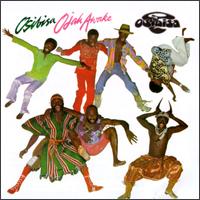
In 1970, Stevie Wonder took up the sticks to rhythm Osibisa’s rhythms in a London studio. This group formed by seven Africans and Caribbeans had just been born and already sounded like a revolution: Ghanaian highlife, British rock, jazz, Caribbean calypso — a blending that would shake stages all over the world.
In brief
| Group name | Osibisa, from fante osibisaba |
| Formation | 1969, London |
| Genre | Afro-rock, highlife — fusion of African, Caribbean, jazz and rock rhythms |
| Emblematic works | Woyaya, “Sunshine Day”, Black Magic Night |
| Living founding member | Robert Bailey (keyboards, Trinidad) |
Key dates
| Year | Event |
|---|---|
| 1962 | Teddy Osei arrives in London, a government Ghanaian scholarship holder |
| 1964 | Osei forms Cat’s Paw, the sonic predecessor of Osibisa |
| 1969 | Creation of Osibisa by seven African and Caribbean musicians |
| 1971 | Osibisa and Woyaya record an international success |
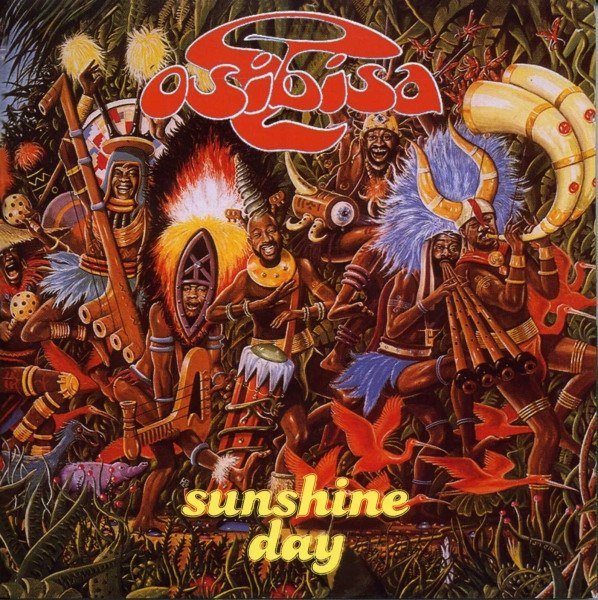
| 1975 | “Sunshine Day” reaches #17 on the British charts |
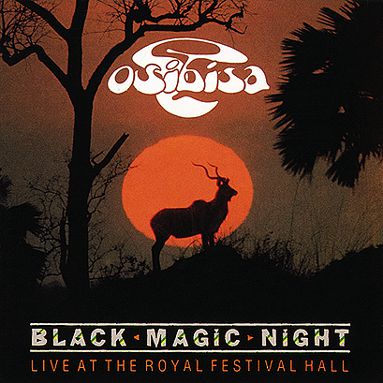
| 1977 | Black Magic Night, recorded at the Royal Festival Hall |
| 1980 | Performance at the celebration of Zimbabwe’s independence |
| 1995 | Monsore, first album after a long period of touring |
| 2021 | New Dawn, first new album in twelve years |
| 2025 | Death of Teddy Osei, founder and leader, at age 87 |
From Kumasi to London: the birth of a sound
Teddy Osei was born in Kumasi, Ghana, on December 17, 1935. From adolescence, he founded highlife groups — this lively style from Ghana that blends traditional rhythms with modern orchestration — and recorded a West African hit with the Comets in 1958. In 1962, he settled in London with a government Ghanaian scholarship. After washing dishes at a Mayfair hotel, he launched Cat’s Paw, a sonic laboratory where highlife, soul and rock coexisted.
The return to London in 1969 became the turning point. Osei gathered three Ghanaian compatriots — Sol Amarfio on drums, Mac Tontoh on trumpet — and three Caribbean musicians: Wendell Richardson on guitar (Antigua), Robert Bailey on keyboards (Trinidad), and Spartacus R on bass (Grenada). This core was baptized “Beautiful Seven”. The addition of Caribbean rhythms — calypso and reggae — transformed the Ghanaian formula, which opened up to London rock and jazz scenes. Osibisa comes from fante osibisaba, a precolonial rhythm, and for the group means “crossed rhythms that explode with happiness”.
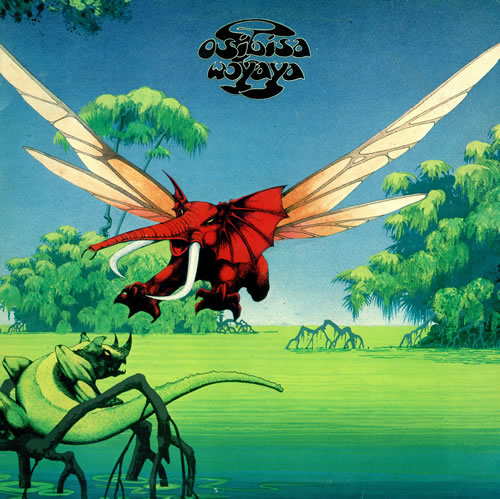
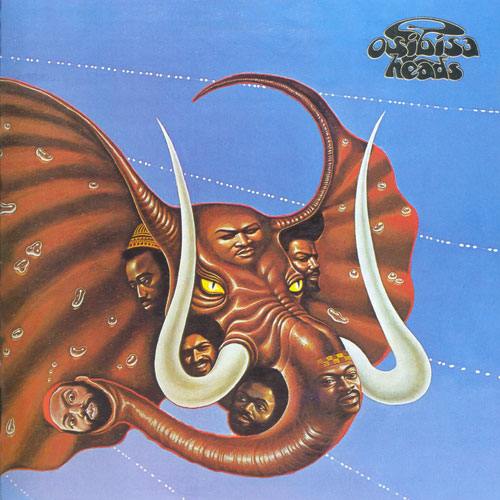
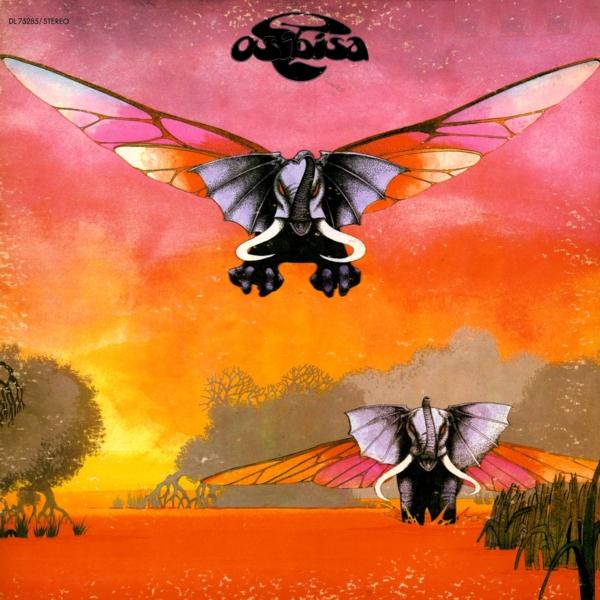
Osibisa gained momentum on the London scene, playing at the Roundhouse and Ronnie Scott’s. Jimi Hendrix watched them rehearse; in 1970, Stevie Wonder, passing through London, took up the sticks to play with them. This patronage secured a contract with producers Tony Visconti and illustrator Roger Dean, who drew the flying elephant — Osibisa’s logo — on the covers.
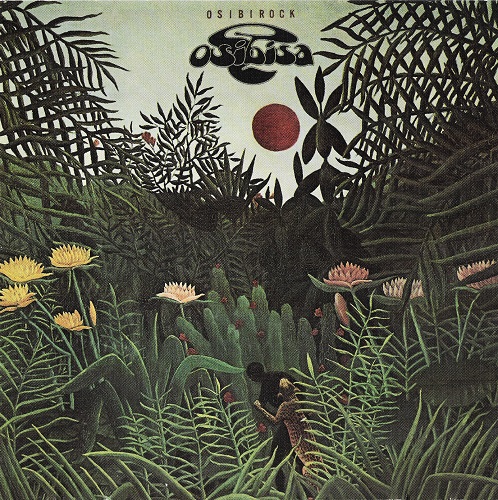
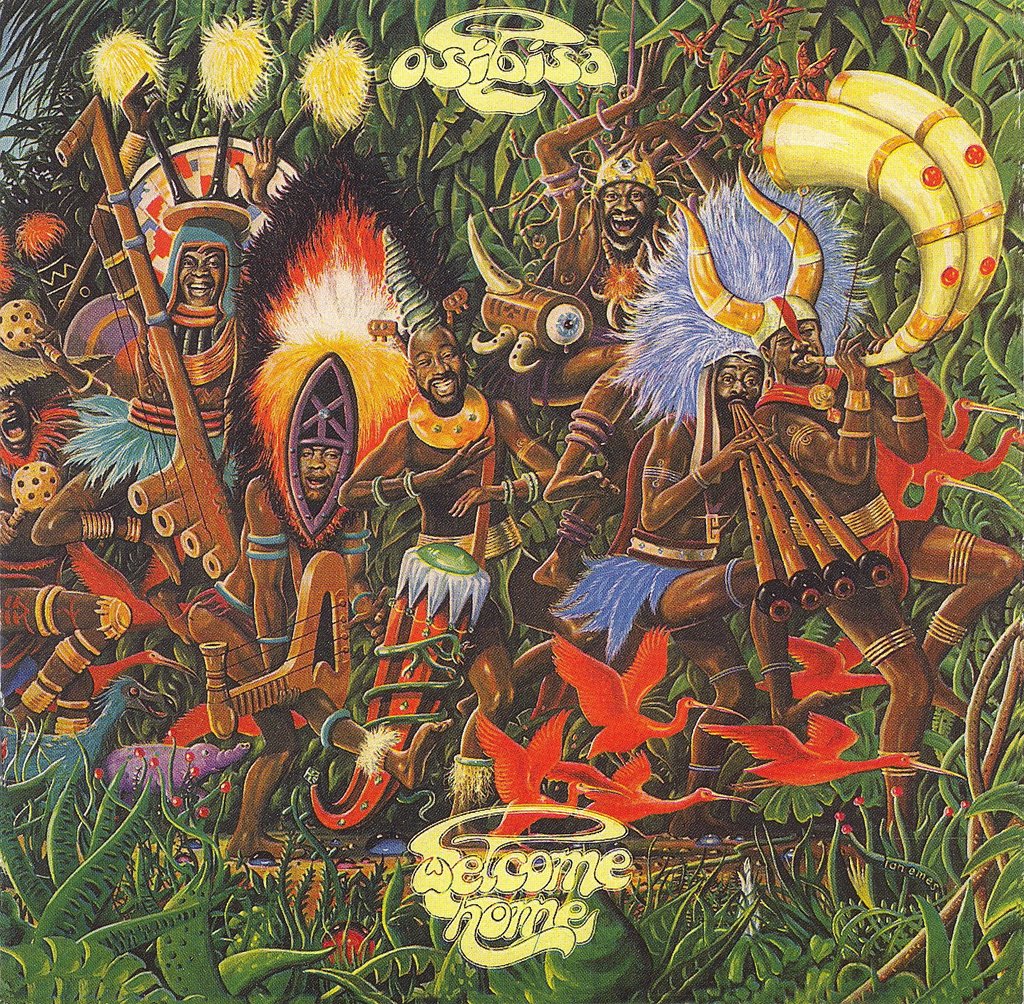
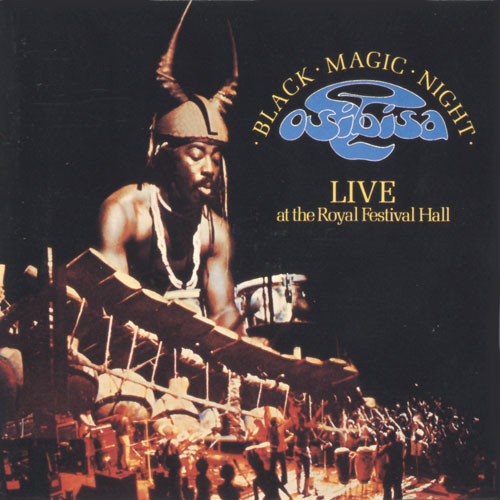
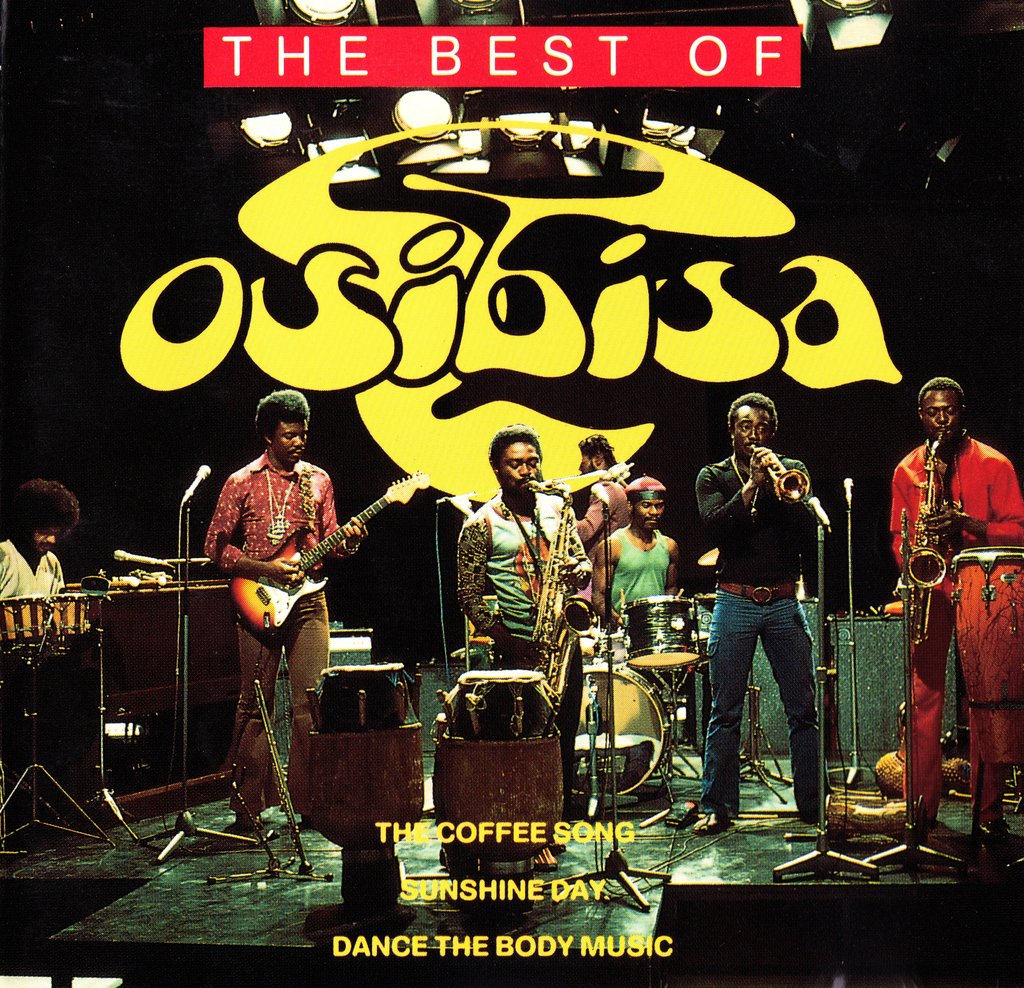
The first two albums, Osibisa and Woyaya (1971), both entered the British Top 15. Woyaya includes “Spirits Up Above”, the cover of Rahsaan Roland Kirk, and “Beautiful Seven”, hymn to the septet. The world tour that followed covered Japan, Australia, India and Africa: in Kolkata, a concert gathered 100,000 spectators. In 1977, Black Magic Night was recorded at the Royal Festival Hall with the Rolling Stones mobile — an 84-minute live double album that captures the group’s incandescence. “Sunshine Day” reached #17 on the British charts in 1975; “Dance the Body Music” followed in 1976. But the early 1980s, marked by the rise of punk and disco, widened a gap with commercial circuits. Osibisa remained on stage: in 1980, the group performed at the celebration of Zimbabwe’s independence and founded a studio in Accra for young highlife musicians.
A legacy that spans decades
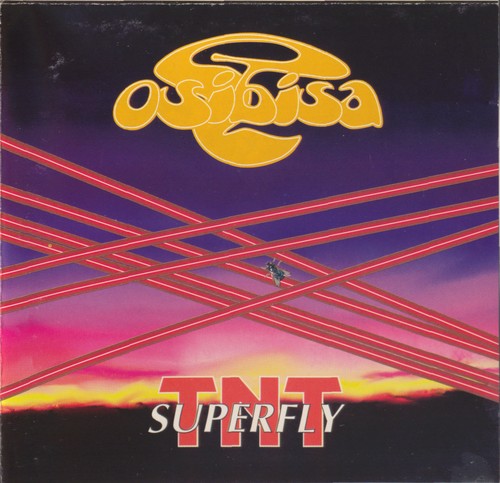
The 1990s saw Osibisa reform under the direction of Osei and Amarfio, with legal releases on CD. Monsore (1995) and Osee Yee (2009) marked a gradual return. In 2021, New Dawn — first album of new songs in twelve years — brought back Robert Bailey and introduced the group’s first female singers.
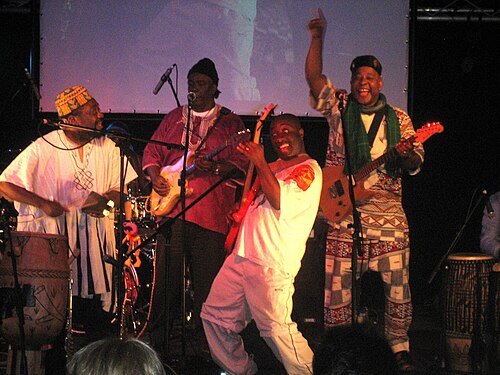
Teddy Osei passed away on January 14, 2025 in London at the age of 87. His widow, Benedicta Adu-Poku, paid an emotional tribute by singing the lyrics of “Woyaya”: “We move forward, God knows where we are going.” Robert Bailey, the last living founding member, keeps the flame alive. Osibisa is often credited as one of the first groups to introduce African music before European and North American audiences — one of the founders of world music avant la lettre. The group’s rhythms paved the way for Burna Boy, Fela Kuti, and all of today’s Afrobeats scene. Louie Vega remixed “Music for Gong Gong” in 2020, proving the sound’s endurance. With its ethos of “joyful music and good vibes”, Osibisa gave Africans and the diaspora a musical pride that still resonates.
Major works
| Work | Year | Why it’s essential |
|---|---|---|
| Woyaya | 1971 | Perfect fusion between Ghanaian highlife and progressive rock — moving cover of Roland Kirk. |
| “Sunshine Day” | 1975 | Summer anthem at #17 British: catchy Afro-pop, the group’s most distributed title. |
| Black Magic Night | 1977 | Live double album at the Royal Festival Hall: Osibisa’s incandescence in 84 minutes. |
| New Dawn | 2021 | First new album since 2009; Osibisa’s first singers, heritage and modernity. |
Sources and references
- Osibisa, Wikipedia (en), https://en.wikipedia.org/wiki/Osibisa, accessed October 19, 2025.
- The Guardian, « ‘Our ethos was happy music and good vibes’: genre-busting Black British band Osibisa », 29 April 2021, https://theguardian.com/music/2021/apr/29/osibisa-british-black-rock-band-fela-kuti-stevie-wonder, accessed 19 October 2025.
- Osibisa Biography, GhanaWeb, https://ghanawebbers.com/person/Osibisa-5761, accessed 19 October 2025.
- Osibisa, AllMusic, https://www.allmusic.com/artist/osibisa-mn0000492611, accessed 19 October 2025.
- Osibisa’s Teddy Osei Laid to Rest, The Ghanaian Chronicle, 7 April 2025, https://thechronicle.com.gh/osibisas-teddy-osei-laid-to-rest, accessed 19 October 2025.
- Osibisa Announce First New Material in Two Decades, Louder Sound, accessed 19 October 2025.
- Osibisa, Discogs, https://www.discogs.com/artist/45204-Osibisa, accessed 19 October 2025.
- Osibisa, The Guardian, 29 April 2021, accessed 19 October 2025.