Biography
Daddy Lumba: the undisputed prince of highlife
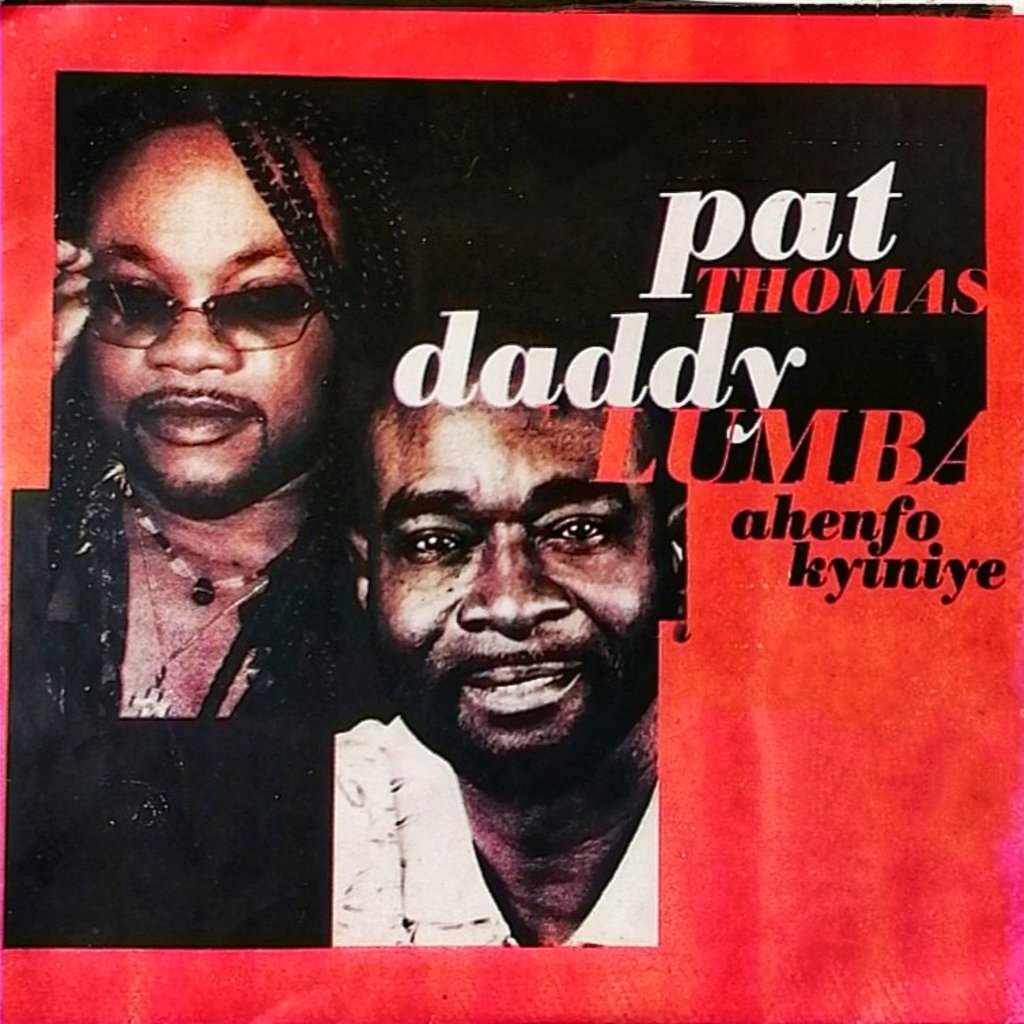
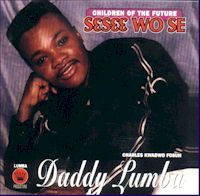
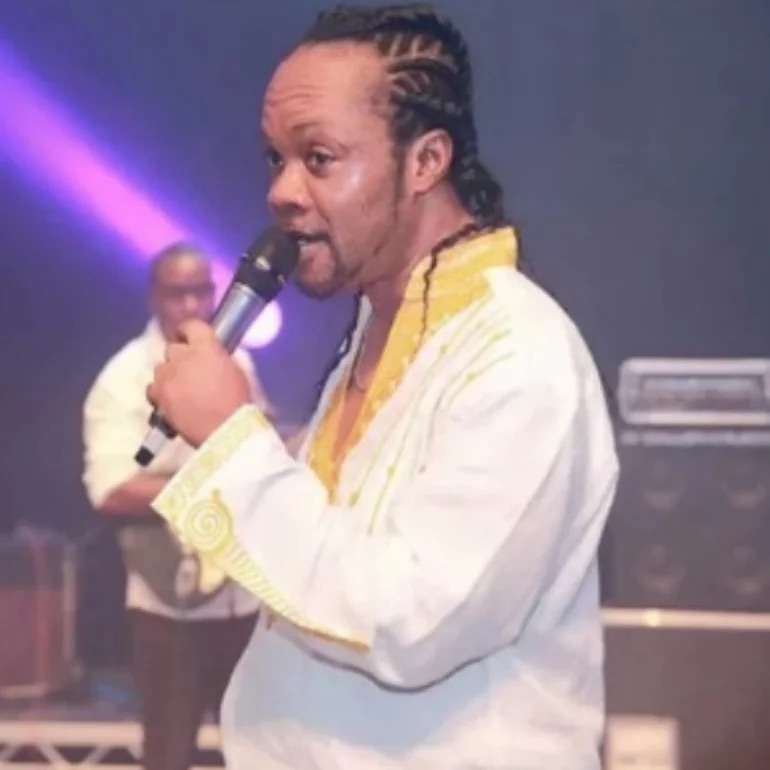
In Accra, on July 26, 2025, the radios fell silent. Within hours, a national mourning swept across Ghana: Daddy Lumba had passed away at the age of 60. For a country that grew to the rhythm of his albums, this is not just one less singer; it is an era closing. Charles Kwadwo Fosuh, better known by his stage name, spent nearly forty years writing, singing, and producing the soundtrack of a nation1.
In brief
| Full name | Charles Kwadwo Fosuh |
| Birth | September 29, 1964, Nsuta, Ashanti Region, Ghana |
| Death | July 26, 2025 (age 60), Accra, Ghana |
| Genre | Highlife, Burger Highlife |
| Instruments | Vocals, composition, production |
| Labels | Lumba Productions (founder), MiPROMO |
| Notable works | “Aben Wo Ha”, “Wo Ho Kyere”, “Theresa” |
| Awards | 6 Ghana Music Awards, National Order of the Star 2024 |
Key dates
| Year | Event |
|---|---|
| 1964 | Birth in Nsuta, Ashanti Region |
| 1983 | Migration to Germany |
| 1989 | First recordings with the Lumba Brothers |
| 1990 | Start of solo career |
| 2000 | Artist of the Year at Ghana Music Awards |
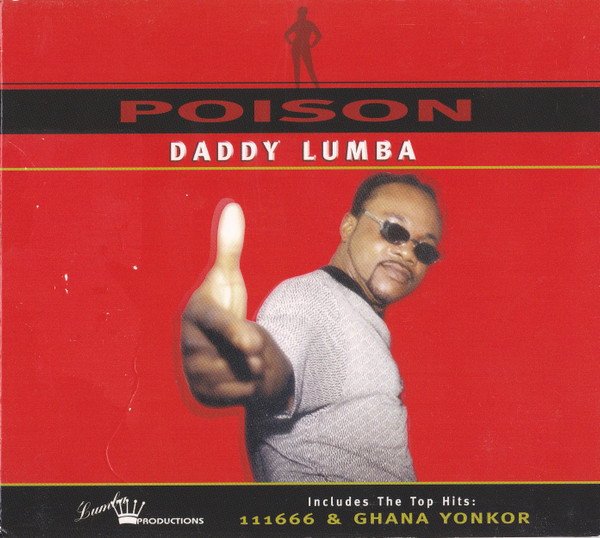
| 2001 | Release of Poison, best-selling album |
| 2014 | Massive comeback with Awosoo |
| 2018 | EMY Africa Award – Entertainment Icon |
| 2023 | Borga Highlife Lifetime Award |
| 2024 | Presidential Medal from the President of the Republic |
| 2025 | Death on July 26 in Accra |
From the boy of Nsuta to the kingdom of Burger Highlife
Charles Kwadwo Fosuh was born on September 29, 1964, in the small mining town of Nsuta, at the heart of the Ashanti Region2. Son of two teachers, he grew up in a home filled with gospel and highlife on his pocket radio. As the youngest of a large family, he discovered early on a passion for singing and joined his school choir. By sixteen, he was already directing it.
In 1983, after obtaining his high school diploma, he traveled to Germany with the support of his fiancée, Theresa Abebrese3. In Düsseldorf, among the Ghanaian diaspora, he met Nana Acheampong. Together, they formed the Lumba Brothers. Their first album, Yɛyɛ Aka Akwantuo Mu, released in 1989 after several years of financial delay, explored the hardships of immigration and popularized a new style: Burger Highlife — traditional highlife mixed with European sounds from the clubs of Cologne and Düsseldorf. The hit single became a chart-topper in Ghana. The path was set.
The man with the thousand hits
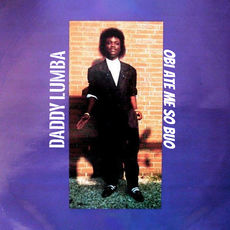
After the duo split in the early 1990s, Daddy Lumba launched his solo career and founded his own label, Lumba Productions4. His first album, Obi Ate Meso Buo (1990), laid the foundations for a style oscillating between tenderness, sensuality, and social reflection. He recorded at the Rheinklang Studio in Düsseldorf, in the sound laboratory of Bodo Staiger — the reference producer for German highlife.
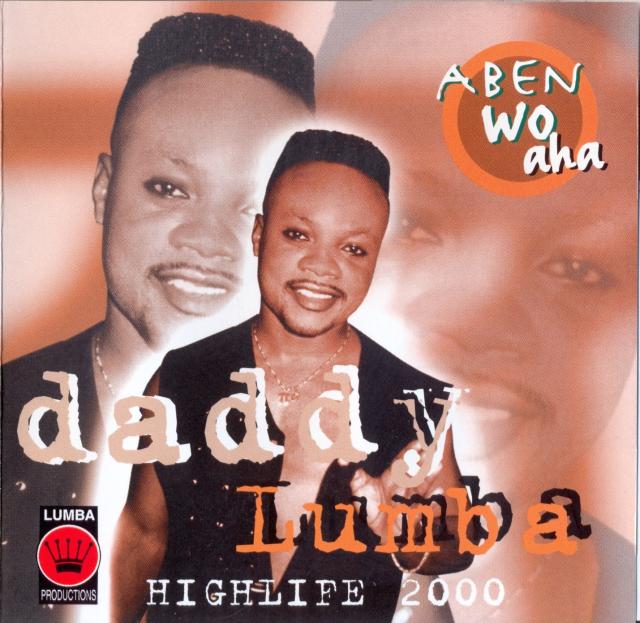
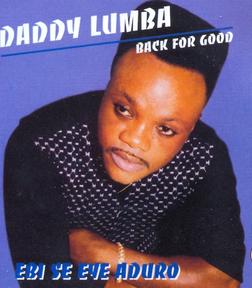
From 1990 to 2010, he released almost one album per year. Sika Asem (1991), Playboy (1992), Mesom Jesus (1995), Back For Good (1997): each release confirmed his dominance. But it was in 1998 that the thunderclap struck with Aben Wo Ha, a track so controversial that some radio presenters refused to play it, paradoxically fueling its success. The title won three awards at the very first Ghana Music Awards in 2000, including that of Artist of the Year5.
His album Poison (2001) broke all sales records, even surpassing Aben Wo Ha. In 1999, he collaborated with Ofori Amponsah on Wo Ho Kyere, a duo album that produced several hits. His versatility carried him just as well to romantic ballads, gospel songs, or social commentary.
Legacy
Daddy Lumba did not just sing; he trained a generation. Artists such as Ofori Amponsah, Selina Orleans, and Kwabena Sunkwa were launched thanks to him. Later, stars of hiplife and afrobeats — Sarkodie, King Promise, KiDi — cited Lumba as a major influence6. In 2025, his song Mpempem Do Me was included in an exclusive playlist by King Charles III for Commonwealth Day, a posthumous tribute without precedent.
With 23 studio albums, 8 collaborations, over 200 songs, and a style that transcended Ghana’s borders, Daddy Lumba remains, according to the words of the director of diaspora affairs, “the greatest in a hundred years”1.
Major works
| Work | Year | Why it is essential |
|---|---|---|
| Yɛyɛ Aka Akwantuo Mu (Lumba Brothers) | 1989 | First album, foundation of Burger Highlife |
| Obi Ate Meso Buo | 1990 | First solo, launches the solitary career |
| Aben Wo Ha | 1998 | Global hit, 3 Ghana Music Awards |
| Wo Ho Kyere (with Ofori Amponsah) | 1999 | Cult duo album, multi-hit |
| Poison | 2001 | Best-selling album of his entire career |
| Awosoo | 2014 | Massive comeback, Yentie Obiaa becomes national anthem |
Sources and references
-
BBC News, ‘Greatest in 100 years’: Ghana mourns music legend Daddy Lumba, July 27, 2025, accessed October 28, 2025. ↩︎ ↩︎
-
Wikipedia, Daddy Lumba, encyclopedia article, updated August 2025, accessed October 28, 2025. ↩︎
-
MyJoyOnline, Daddy Lumba: The voice that will never be silenced, July 27, 2025, accessed October 28, 2025. ↩︎
-
GhanaMusic.com, Tribute to Daddy Lumba: Shared Lore of the Legend, August 1, 2025, accessed October 28, 2025. ↩︎
-
GhanaWeb, Daddy Lumba: A look at the life and achievements of a Highlife legend, July 28, 2025, accessed October 28, 2025. ↩︎
-
The Guardian Ghana, Daddy Lumba: The highlife revolutionary who soundtracked generations, 2025, accessed October 28, 2025. ↩︎