Biography
Alfredo de la Fé
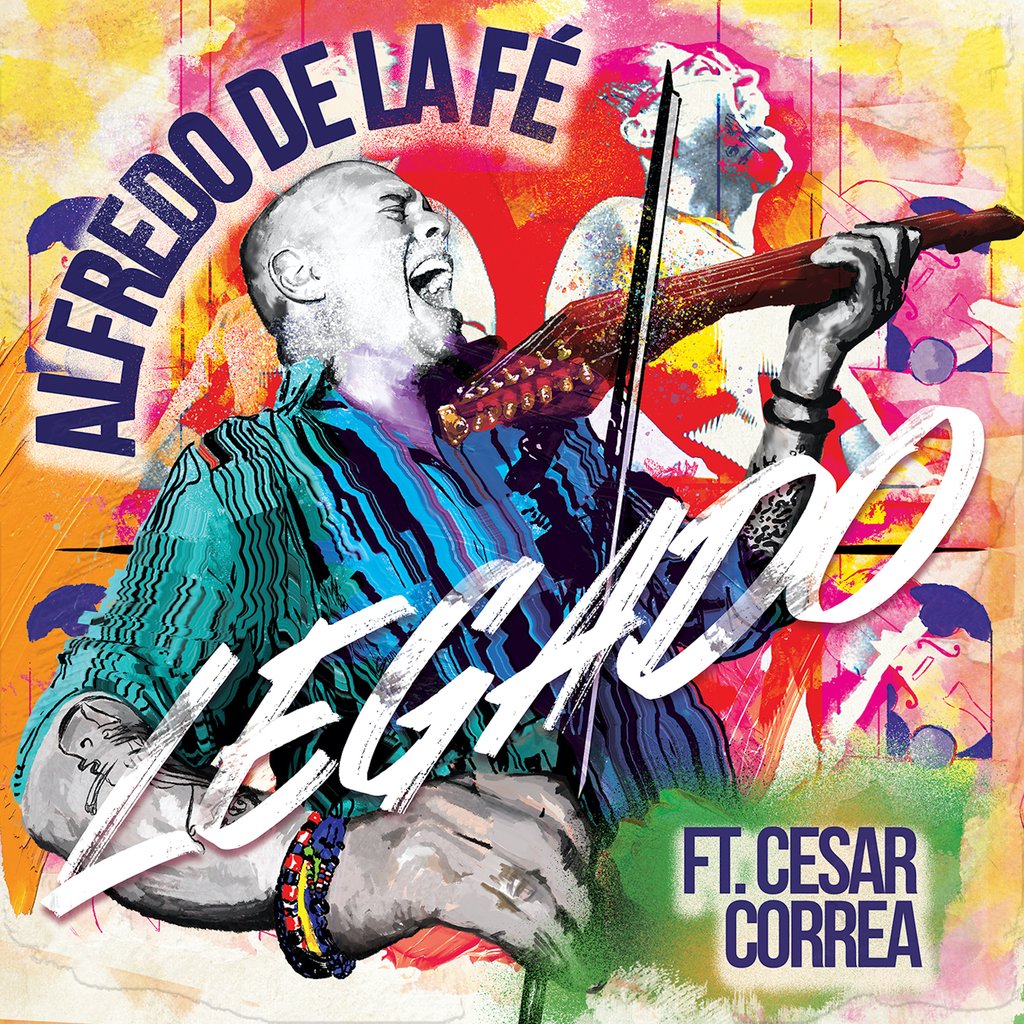
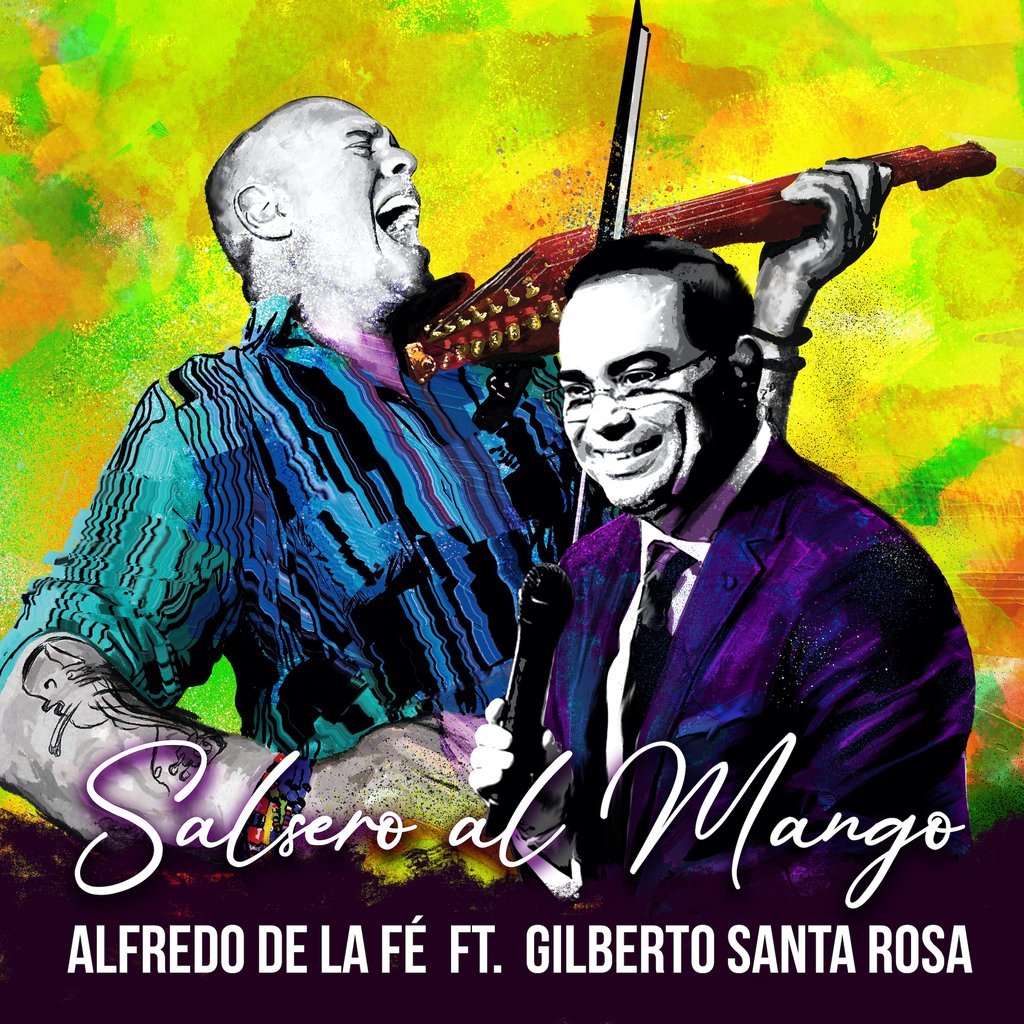
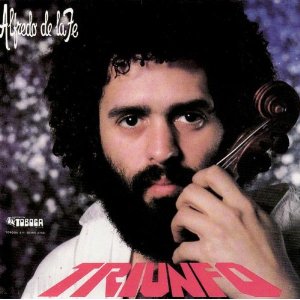
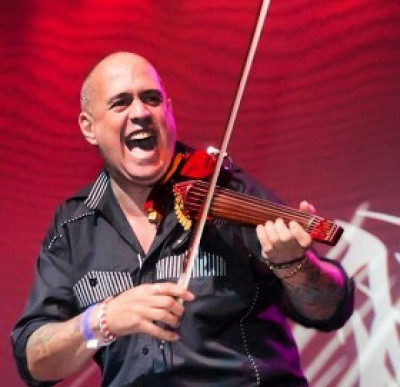
In 1973, at the Corso Club in Manhattan, crowds gathered to hear Eddie Palmieri’s Supersonic Orchestra. Amidst the brass and percussion, a teenager emerged with a six-string green Perspex violín eléctrico. He unleashed frenetic, percussive runs that made the classical violin shriek. Alfredo de la Fé is his name; he would transform this instrument into an emblem of salsa.
In Brief
| Full Name | Alfredo Manuel de la Fé Díaz |
| Birth | February 6, 1954, Havana, Cuba |
| Field | Salsa and Latin Jazz Violinist |
| Notable Works | Alfredo (1979), “Hot to Trot”, Latitudes (2000) |
| Honors | Three Grammy Award nominations; honorary citation from Juilliard |
Key Dates
| Year | Event |
|---|---|
| 1962 | Begin studies at the Amadeo Roldán Conservatory, Havana |
| 1964 | Scholarship to the Warsaw Conservatory, Poland |
| 1965 | Concert at Carnegie Hall with the Metropolitan Opera; move to New York |
| 1966 | Professional debut at age twelve with José Fajardo |
| 1972 | Joins Eddie Palmieri’s orchestra |
| 1976 | San Francisco, collaboration with Santana |
| 1979 | Release of album Alfredo, three Grammy nominations |
| 1983 | Settles in Colombia; Philips Records |
| 1992 | Colombian citizenship; Expo ‘92, Seville |
| 1995 | Joins the Fania All-Stars |
Cuban Origins and Classical Rebelliousness
Alfredo Manuel de la Fé Díaz was born on February 6, 1954, in Havana into a family of musicians. His father, an opera singer and classical guitarist, sang alongside Celia Cruz on Cuban radio waves in the 1940s. His grandmother led a symphony orchestra, and his great-grandfather was a violinist. At six years old, when his father brought him home a violin found in the trash—without strings but vibrating under the child’s fingers—Alfredo knew he had found his instrument.
By eight, he entered the Amadeo Roldán Conservatory in Havana. Two years later, a scholarship to the Frédéric-Chopin Conservatory in Warsaw opened Europe’s classical world for him. In 1965, his family emigrated to New York, and the young man performed at Carnegie Hall with the Metropolitan Opera orchestra, interpreting Mendelssohn and Tchaïkovski. Another scholarship directed him toward the Juilliard School of Music.
Yet, the destiny of salsa was already in motion. After a failed attempt with Orquesta Broadway—where he was advised to become a taxi driver—Alfredo met José Fajardo, the legendary flautist. At twelve, he joined the charanga orchestra: it was his professional baptism. “Fajardo taught me the roots,” he says even today. But the master confined him to fixed parts; Alfredo wanted to improvise. He left as soon as Fajardo settled in Miami, preferring to embark on the adventure of Típica 73.
In New York, he juggled sessions and nights that led to an addiction to hard drugs—he would remain its prisoner for twenty-two years. “I started using at twelve, out of a desire to be accepted,” he would later write with frankness. He did not end this spiral until fifteen years later, around 2000. “It was taking the decision to die or change,” he summarizes, explaining this difficult journey from which he draws lessons today for young musicians facing the same trials.
This troubled destiny led him to Eddie Palmieri in 1972. “Fajardo taught me the roots, but Eddie opened my mind,” he declared decades later in Tidal Magazine. Palmieri allowed him to improvise, shifting his violin behind the piano in the formation. Alfredo thus became the first solo violinist of a salsa orchestra. With Palmieri, he recorded The Sun of Latin Music, one of the most influential records in the genre.
Toward Consecration: Solo, Grammy, and Colombia
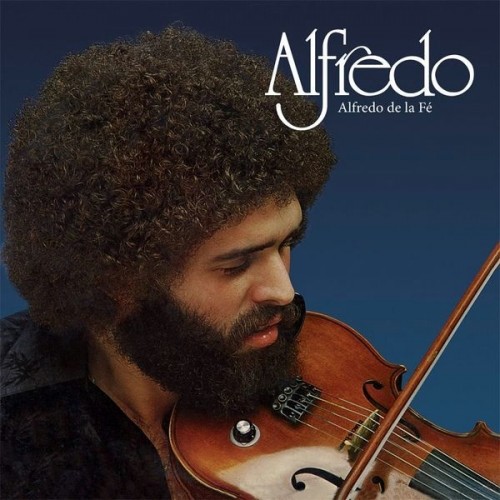
In 1979, Alfredo recorded his first solo album, Alfredo, on the Sarsa label. The record pitted salsa against jazz-funk-disco on the second side—a signature that remained his. The track “Hot to Trot” reached number 73 on the Billboard Dance chart; he recounts having had to travel in a limousine to Studio 54 among Donna Summer and the notables. Three Grammy Award nominations, including that for “Best Latin Album.” He followed up with Charanga ‘80, signed contracts for thirty-two albums, and became in 1981 the musical director of Tito Puente’s Latin Percussion Jazz Ensemble orchestra.
In 1983, he settled in Colombia and signed with Philips Records. He recorded Made in Colombia, Dancing in the Tropics, and Alfredo De la Fé Vallenato. The electric violin served cumbia, vals, and vallenato rhythms. With Colombian citizenship acquired in 1992, he was appointed by the government to represent his country at Expo ‘92 in Seville.
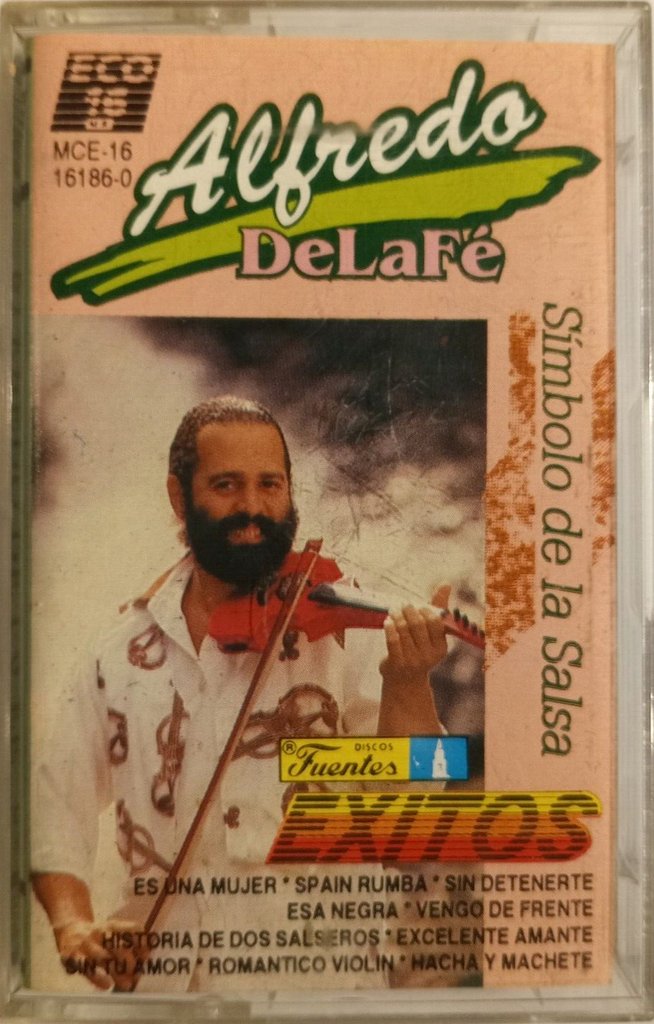
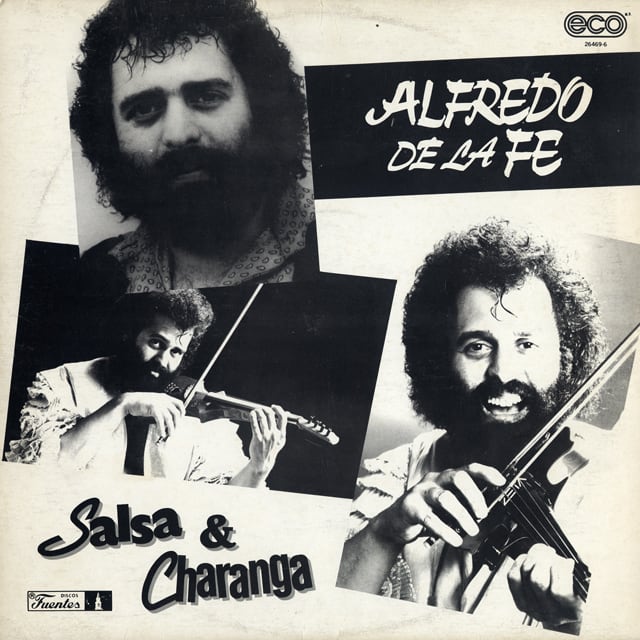
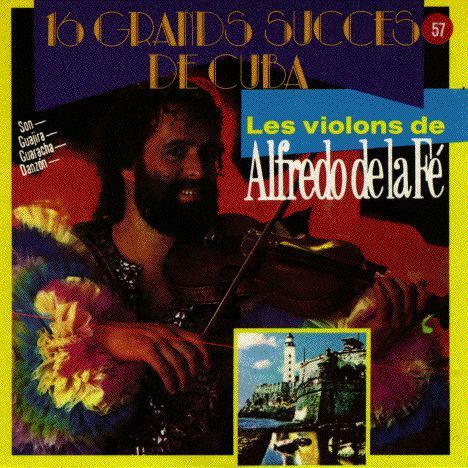
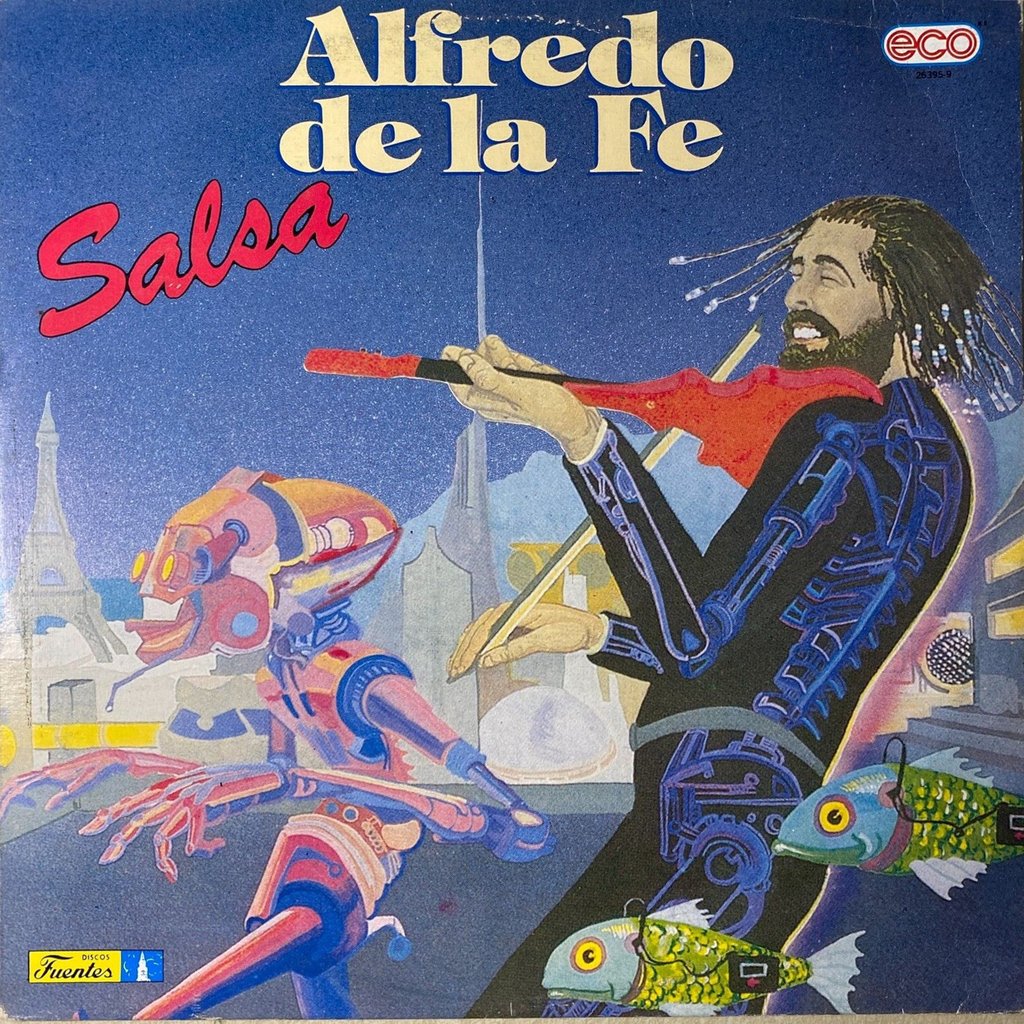
Returning to New York in 1989, he signed with Fuentes Records and albums multiplied: Salsa (1990), Los violines de Alfredo De la Fé, and then in 1993, Con toda la salsa Alfredo De la Fé—considered by himself as “his best work.” He shared stages with giants of salsa and Latin jazz: Rubén Blades, Ismael Miranda, Papo Lucca, Cachao, Dizzy Gillespie. In 1995, he joined the ranks of the Fania All-Stars and toured European festivals—Montreux, Umbria Jazz, Pavarotti & Friends.
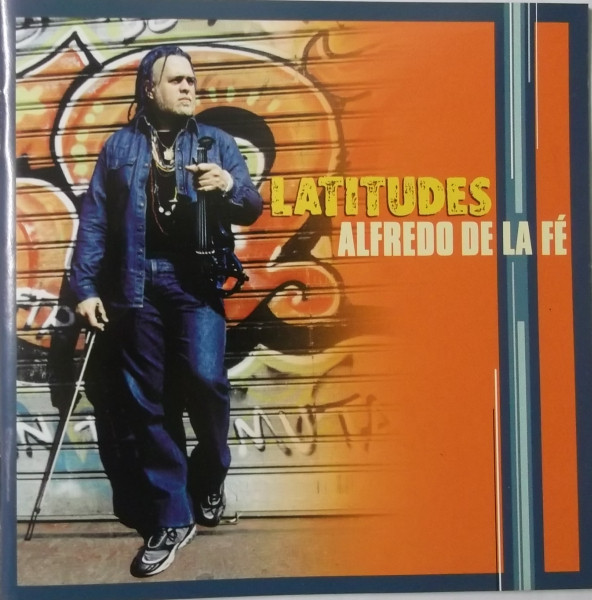
In 2000, the album Latitudes, with Ryko Latino, captured this journey between Cuban tradition and Latin innovation. Two years later, he returned definitively to New York with a new group led by pianist Israel Tanenbaum, percussionists Tony Escapa and Little Johnny Rivero.
Major Works
| Work | Year | Why It’s Essential |
|---|---|---|
| Alfredo | 1979 | First solo album, three Grammy nominations; launch of the electric violin in salsa |
| “Hot to Trot” | 1979 | Disco-funk single played at Studio 54 and Paradise Garage |
| Made in Colombia | 1984 | Vallenato-cumbia innovation, introduction of the violin to Colombian popular music |
| Latitudes | 2000 | Bridge between Cuban tradition, jazz and Latin electronic music |
Legacy and Influence
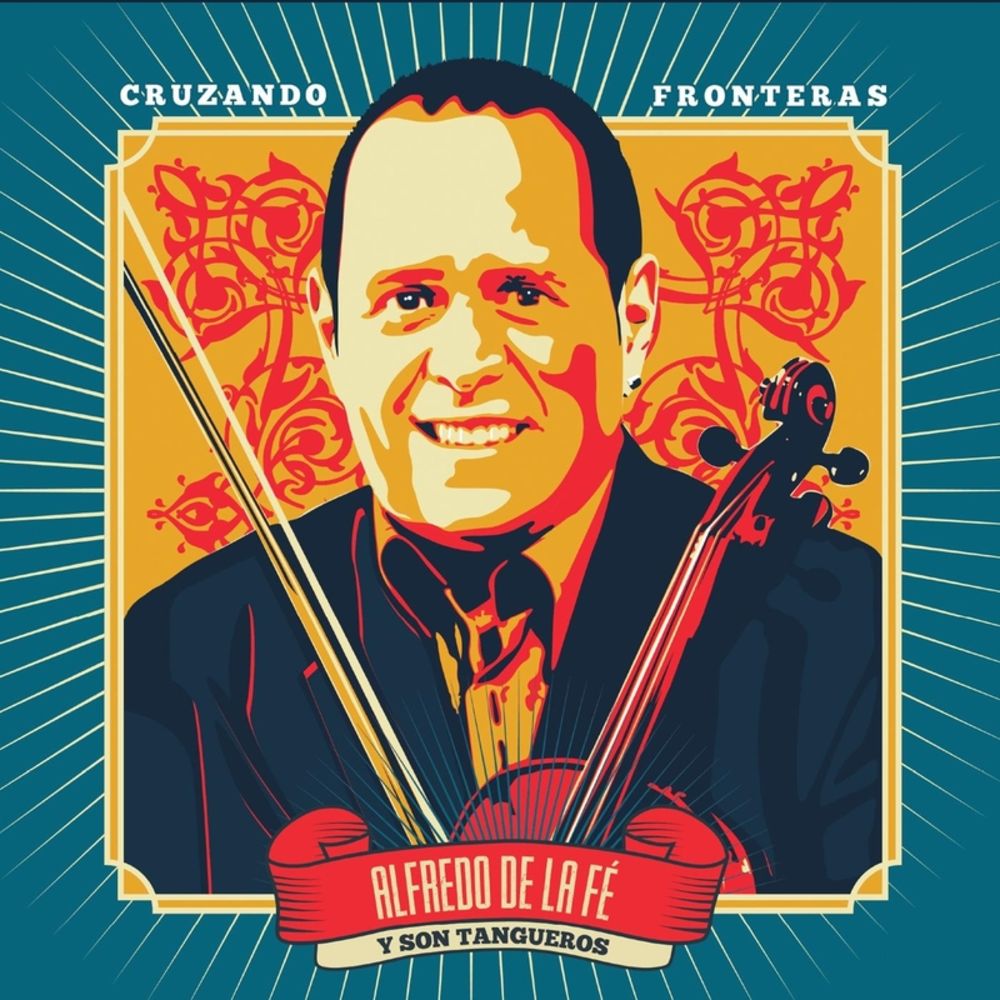
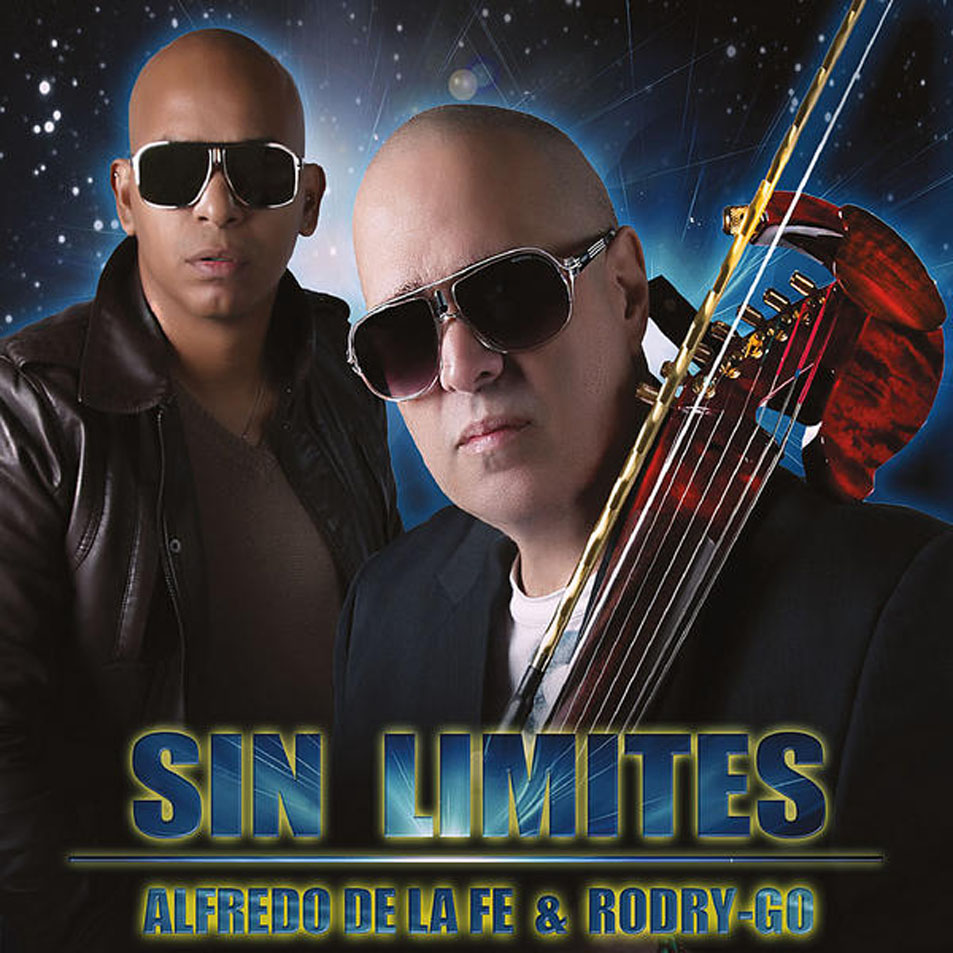
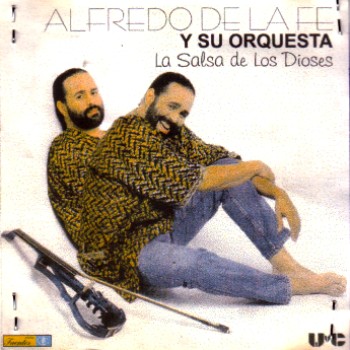
Alfredo de la Fé transformed the violin into an emblematic instrument of salsa. Where it was confined to Cuban charangas, he made it an electric and percussive voice. His six-string Perspex violin design is his visual signature, as recognizable as his playing style. Most current salsa violinists owe him a direct legacy — he is, according to specialized critics, the first and only solo salsa violinist in the world.
Now based in New York and regularly performing with Eddie Palmieri, Alfredo de la Fé remains a living bridge between generations: from Dizzy Gillespie’s jazz to 21st-century Latin electro, his career is a map of Latino music.
Sources and References
- “Alfredo de la Fe”, Wikipedia, https://en.wikipedia.org/wiki/Alfredo_de_la_F%C3%A9, accessed November 9, 2026.
- “De La Fé Alfredo”, The Encyclopedia of Popular Music (Colin Larkin), Oxford University Press, http://www.oxfordreference.com/viewbydoi/10.1093/acref/9780195313734.013.6671, accessed November 9, 2026.
- “Alfredo De La Fé bio”, JazzTimes, https://jazztimes.com/artists/alfredo-de-la-fe, accessed November 9, 2026.
- “Alfredo De La Fé”, AllAboutJazz, https://www.allaboutjazz.com/musicians/alfredo-de-la-fe, accessed November 9, 2026.
- Fred Dove, “The Sound of De La Fé”, BBC World Service Arts, https://www.bbc.co.uk/worldservice/arts/highlights/alfredo.shtml, July 18, 2000.
- “Fania Records at 60: An Interview with Alfredo De La Fé”, Tidal Magazine, https://tidal.com/magazine/article/alfredo-de-la-fe/1-95870, September 30, 2024.
- “Biografía de Alfredo de la Fe”, Americasalsa, https://www.americasalsa.com/biografias/alfredodelafe.html, accessed November 9, 2026.
- “Entrevista con Alfredo de la Fé”, Anaparapa, https://anapapaya.com/especial/e_adlafe.html, accessed November 9, 2026.