Biography
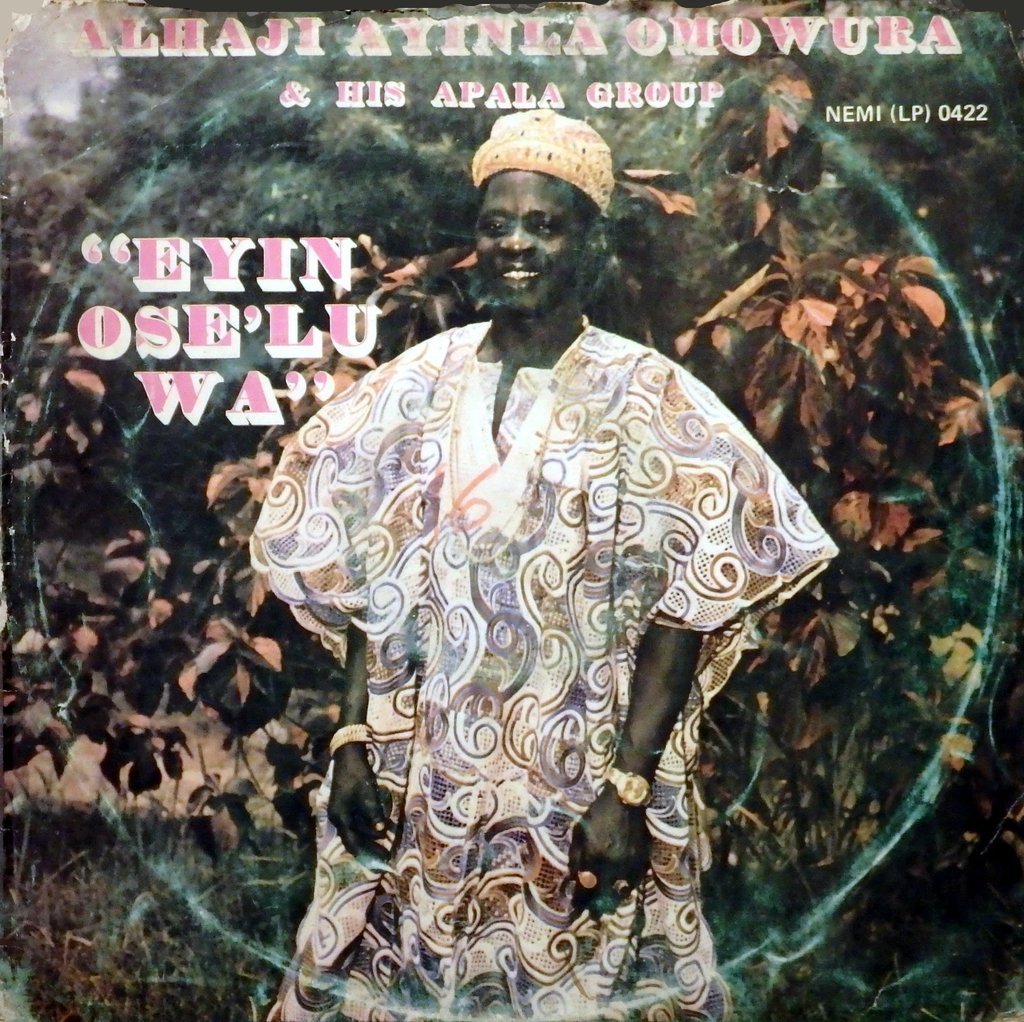
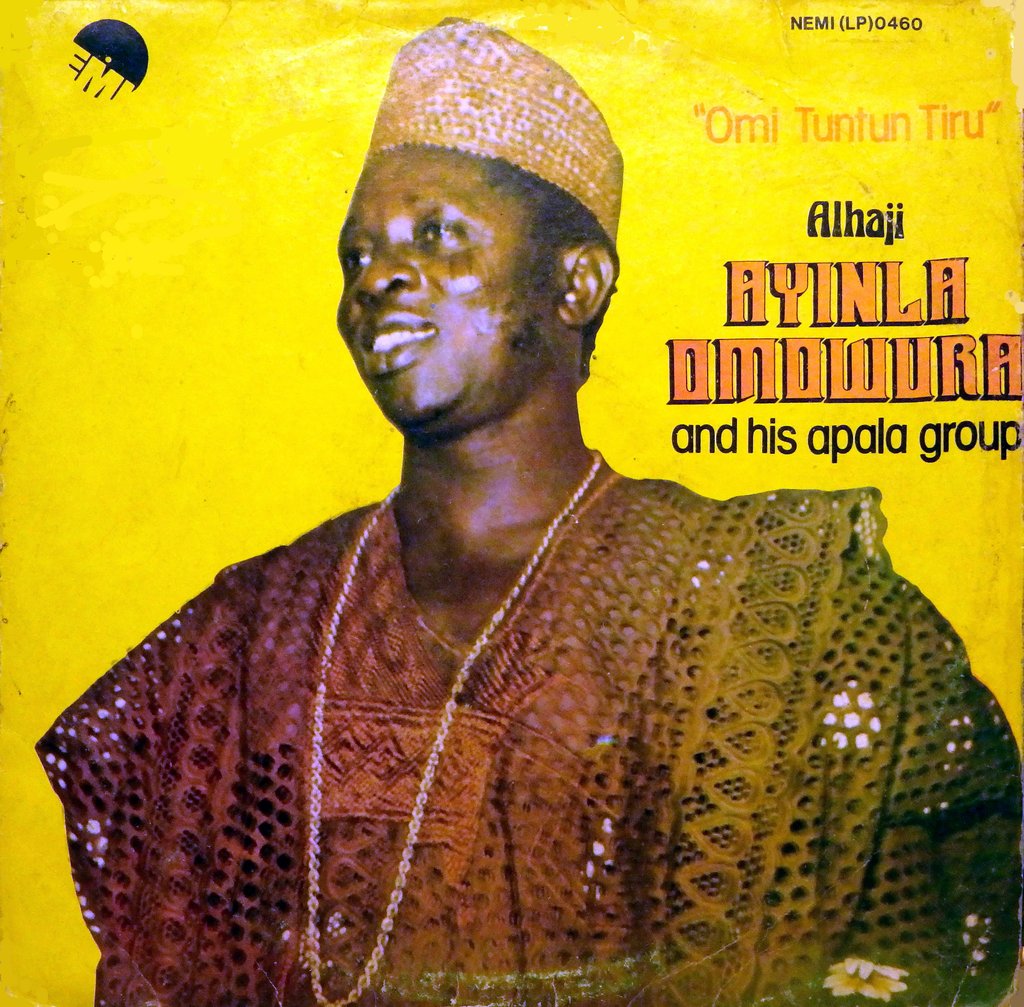
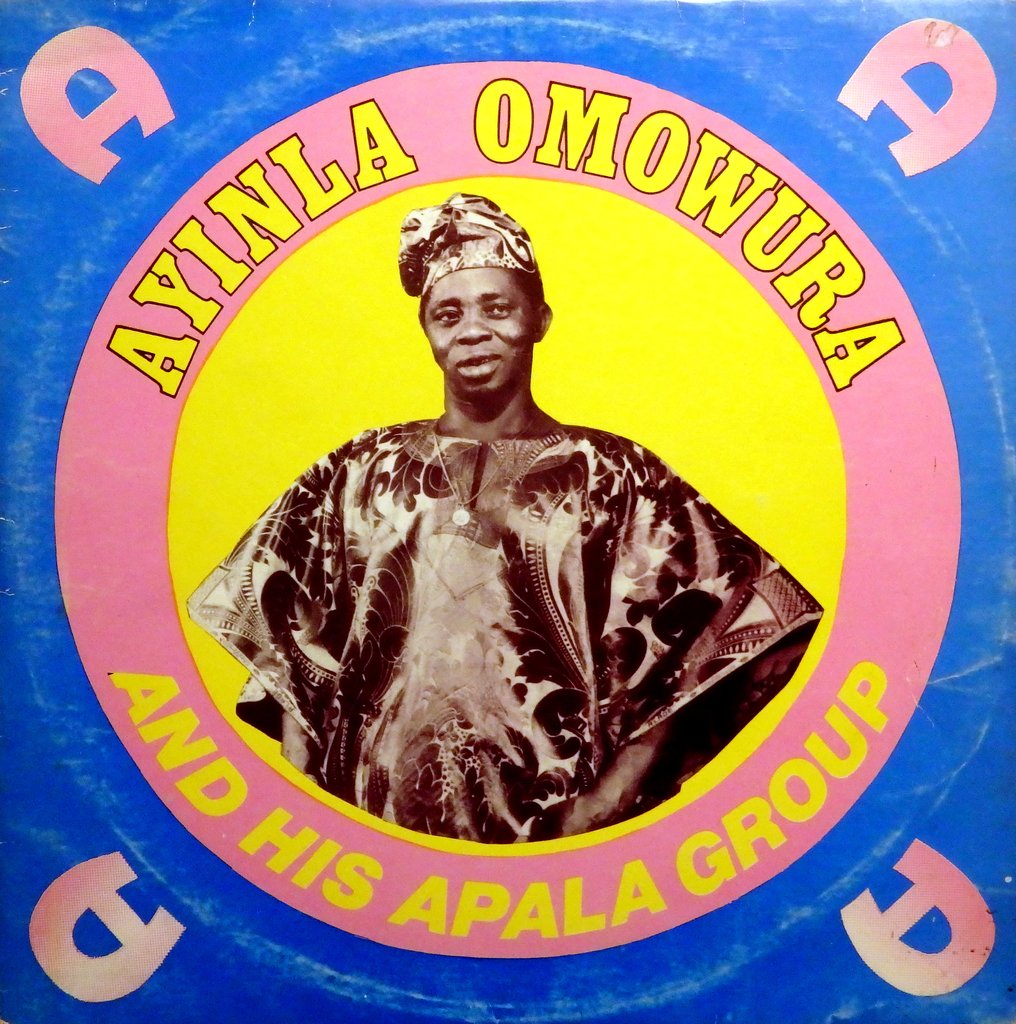
Alhaji Ayinla Omowura
In Abeokuta, Nigeria, one evening in 1975 — Alhaji Ayinla Omowura arrives at the bus park with a bloodied face, a fresh head wound from a fight, yet he steps onto the stage and sings as if the world were about to collapse. His audience cheers, either ignoring him or mocking him: for these workers, drivers, and vendors, Omowura’s sound was not ordinary music. It was spoken journalism, a prayer, and the beating heart of Apala.
In Brief
| Full name | Waidi Ayinla Yusuf Gbogbolowo, known as Alhaji Ayinla Omowura |
| Birth | 1933, Itoko, Abeokuta (now Ogun State) |
| Death | 6 May 1980, Ago-Ika, Abeokuta (47 years) |
| Genre(s) | Apala (Yoruba music) |
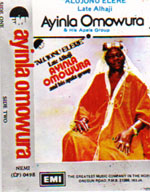
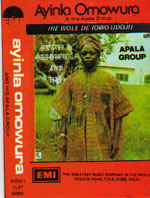
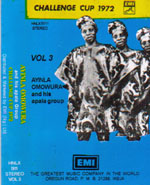
| Notable works | Challenge Cup ‘73, Ati D’Ariyo, Owo Udoji / Owo Tuntun |
| Honors | Sold over 50,000 copies per album with EMI Records; Nigerian musical national legend |
Key Dates
| Year | Event |
|---|---|
| ~1933 | Birth in Itoko, Abeokuta; son of Yusuff Gbogbolowo (blacksmith) and Wuramotu Morenike |
| ~1950 | Musical debut with the Olalomi, an early variant of Apala; first recordings late 1950s |
| 1970 | Signed with EMI Records; the single Aja t’o f’oju d’ejo marks massive success |
| 1973–1976 | Prosperous period: albums with social themes — census, currency, rents, Udoji raise |
| 1975 | Pilgrimage to Mecca and Medina; takes the title Alhaji |
| 6 May 1980 | Death in a bar fight in Ago-Ika, Abeokuta; his manager Bayewu is sentenced to death |
| 2010–2020 | Gradual rediscovery; publication of the biography Ayinla Omowura: Life and Times of an Apala Legend by Festus Adedayo |
| 2021 | Release of the film Ayinla directed by Tunde Kelani, available on Netflix |
A blacksmith who became the voice of Abeokuta
Waidi Ayinla Yusuf Gbogbolowo was born in 1933 in the Itoko neighborhood of Abeokuta, in southwestern Nigeria. His father Yusuff Gbogbolowo was a blacksmith and his mother’s name was Wuramotu Morenike. Without formal schooling, he worked in his father’s workshop before taking on various jobs — driver, butcher, carpenter, and even a boy at a bus park. These experiences gave him intimate knowledge of the people and their language, which would become his future strength.
His meeting with Adewole Alao Onilu-Ola — future first drummer of his group — opened the path to music. He learned the Olalomi, an ancestral style that would become modern Apala. The transition from one to the other happened naturally: the rhythm became faster, percussion intensified, and Omowura’s improvised voice grew sharper.
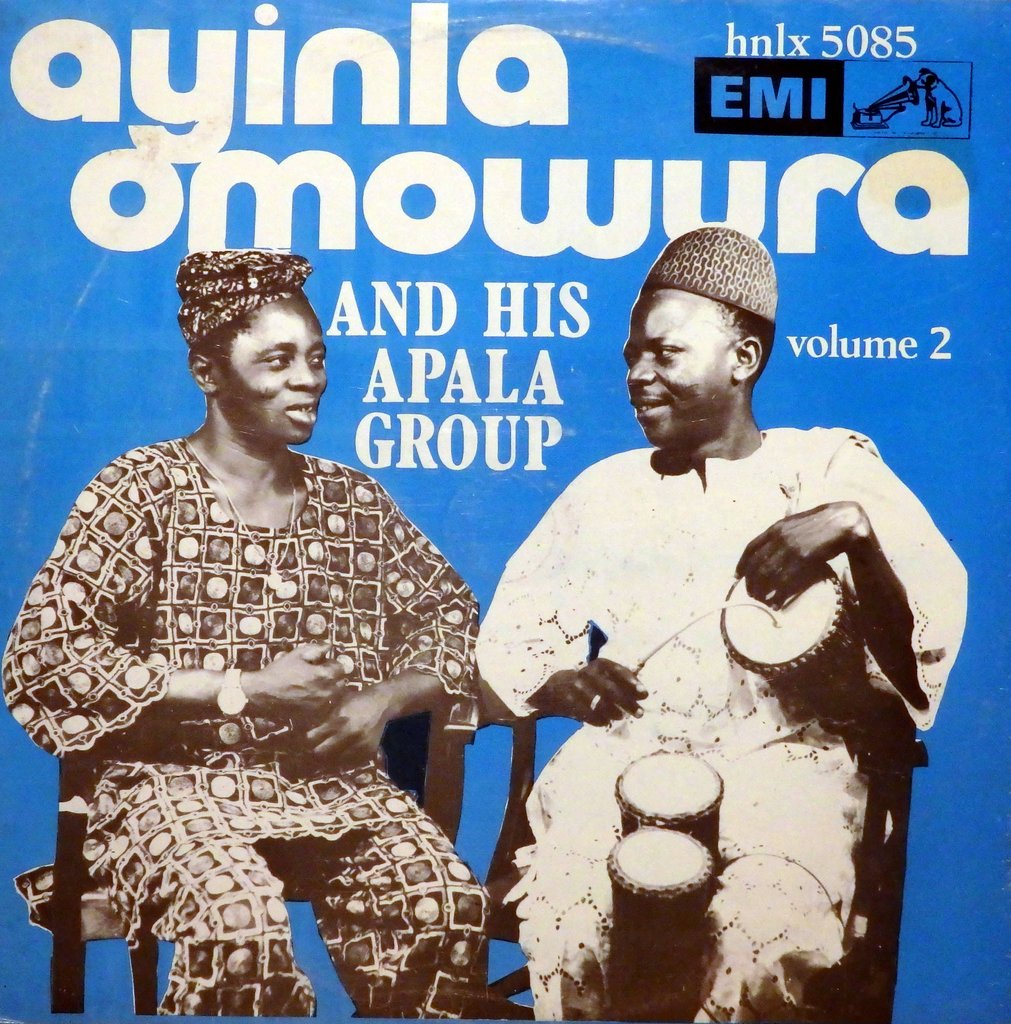
In June 1970, EMI Nigeria recorded his first single, Aja t’o f’oju d’ejo, which sold massively. EMI invited him to sign, and for ten years, Omowura produced albums one after another, each reaching at least 50,000 copies on release day. The formula was simple but effective: four instruments — the sekere (maracas), akuba, iya-ilu (large drum) and agidigbo (bass box) — accompanied sharp, improvised lyrics rich in meaning.
The journalist in songs
Omowura was not merely an entertainer — he was a social commentator, critic, and moral instructor. His repertoire covered everything: monetary policy (Challenge Cup ‘73, transition from pound to Naira), civic education (census, driving on the right), local politics (Orin Owo Ile Eko, Lagos rents), and social morality (Ebi Kipagun D’Ale). His language was acidic, humorous, and metaphorical. He criticized both authorities and depraved customs — skin blanchers, dissolute lives. His verbal acrobatics earned him enemies: he challenged Haruna Ishola, Dauda Epo Akara, and Ayinde Barrister to duels, sometimes with sharpened lyrics, sometimes in violent real-life altercations.
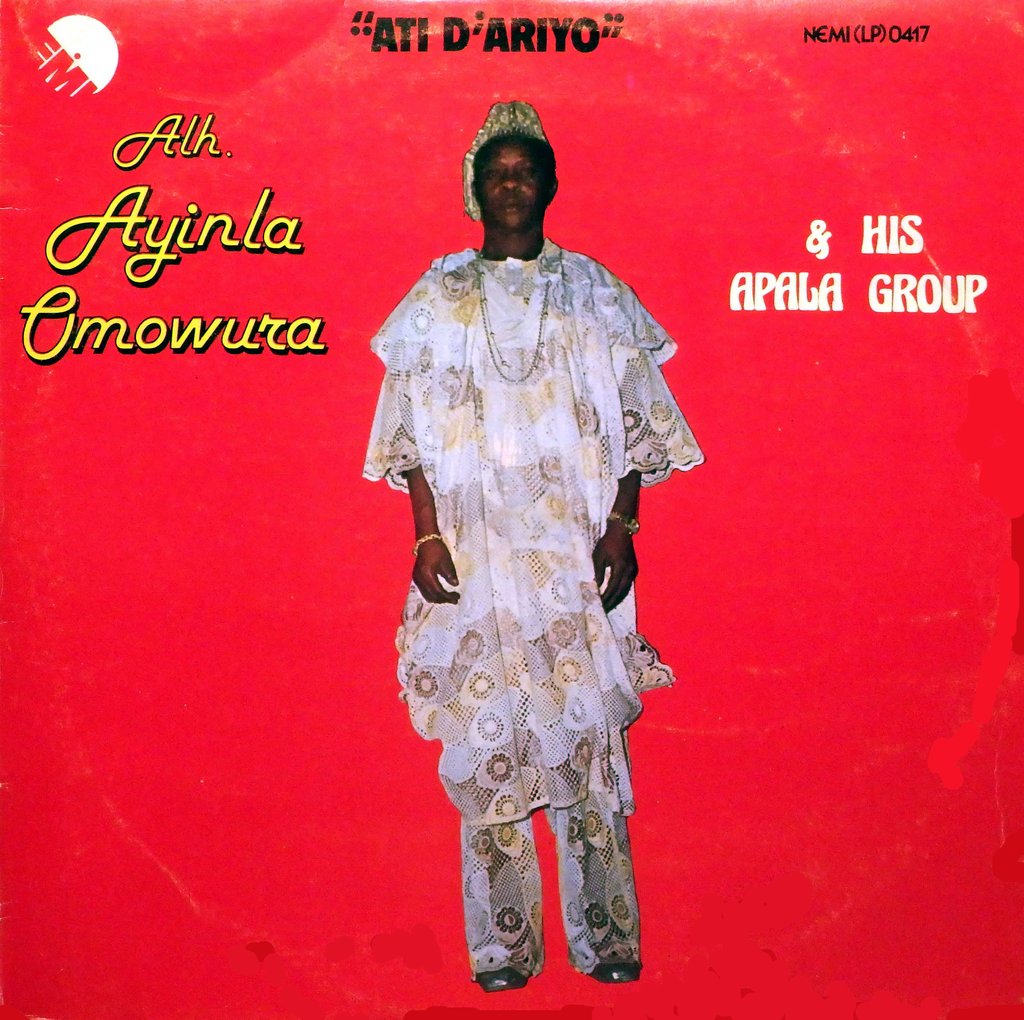
But it is also in music that this fervor uniting the Egbas plays out. In Ati D’Ariyo (1979), he praises traditional music as a remedy for the ills of existence. Each album was an opportunity to affirm who they were, and why their culture must not yield to foreign influences.
The death of a legend and the enduring legacy
On May 6, 1980, Omowura was assassinated in a barfight in the Ago-Ika district of Abeokuta. His manager, Bayewu, struck him on the head with a beer bottle. The wound caused a fatal brain hemorrhage. He died at Abeokuta General Hospital, aged 47. Bayewu was tried and sentenced to death a few years later.
Ironically, news of his death triggered a surge in sales: EMI Records recorded at least 50,000 copies sold per album on the very same day. Following his passing and that of Haruna Ishola in 1983, the popularity of Apala declined, and it was largely replaced by Fuji.
Yet, Omowura’s music refuses to die out. Artists such as Terry Apala, Mayolee, and Q-dot Alagbe claim his influence. Kollington Ayinla, who adopted his style and musical adversaries, made him a lasting heir. His songs continue to resonate at traditional ceremonies (the owambe) and during seasonal festivals in Egbaland.
In 2020, journalist and lawyer Festus Adedayo published Ayinla Omowura: Life and Times of an Apala Legend, the first complete biography of the musician. A musical tribute, Anigilaje, was also recorded for the 40th anniversary of his death, featuring participation from Omowura’s son, Akeem Ayinla Omowura. In 2021, director Tunde Kelani released a film of the same name about his life, later broadcast on Netflix. The former Governor of Ogun, Ibikunle Amosun, oversaw the restoration of his birthplace in Itoko in preparation for commemorations.
Apala was born with Haruna Ishola and Ayinla Omowura—one bringing wisdom, the other verve. Together, they brought this Yoruba genre to the ears of millions of Africans, far beyond Nigeria.
Major Works
| Work | Year | Why it is essential |
|---|---|---|
| Challenge Cup ‘73 | 1973 | Discusses the modernization of Nigeria: driving on the right and the new currency, the Naira |
| Ati D’Ariyo | 1979 | Musical power, fiery rhythms, and a true Apala manifesto |
| Orin Owo Ile Eko | 1973 | Explanation of the Lagos rent edict in popular language |
| Ebi Kipagun D’Ale | 1978 | Social portrait on family duties and Yoruba responsibilities |
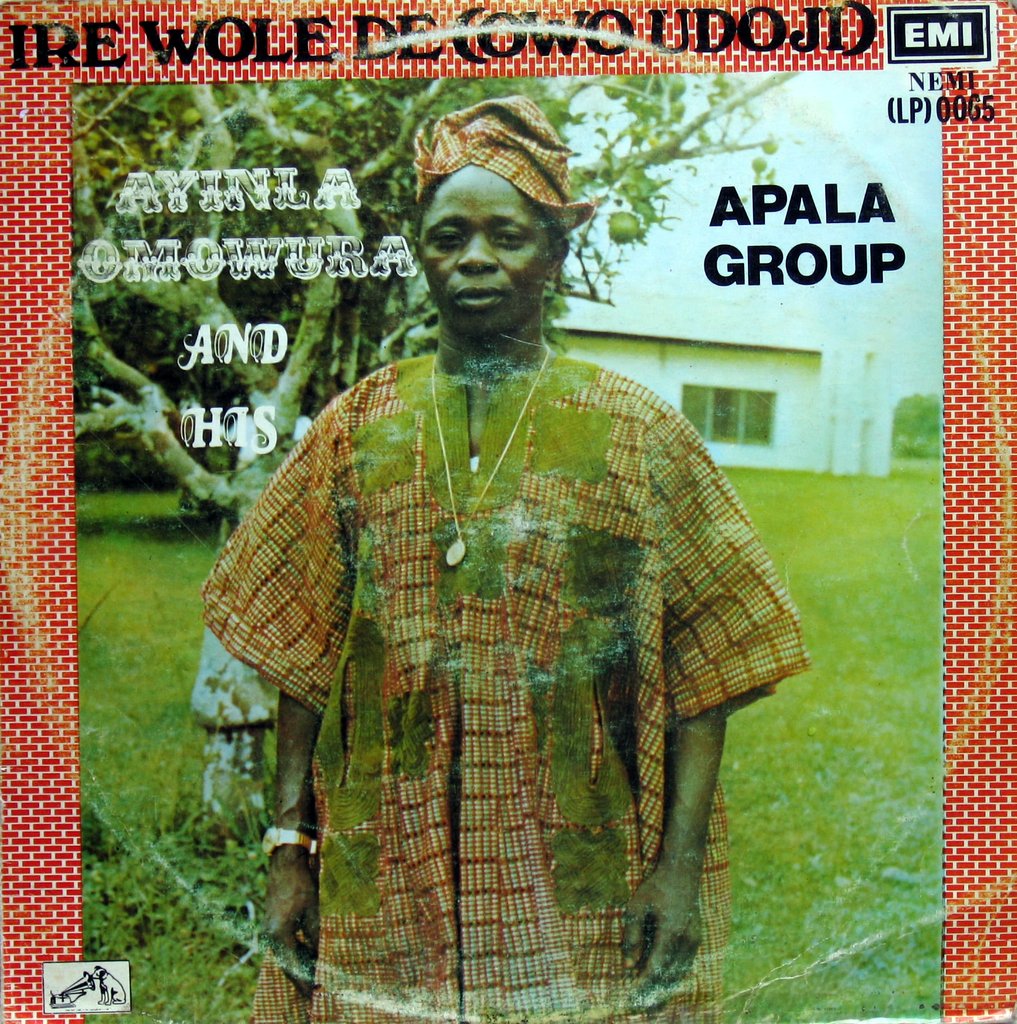
| Owo Udoji / Owo Tuntun | 1976 | Direct dialogue between artist and government on salaries |
Legacy and influence
Omowura transformed Apala—a genre born in Yoruba Islamic ceremonies of the 1930s—into an urban, political, and popular music. His sharp lyrics paved the way for a whole generation of social artists, including Fuji and even Juju.
Artists who survived his death—Terry Apala, Kollington Ayinla—continue to draw from his repertoire and methods. He remains a tutelary figure, whose songs still play on owambe stages in Nigeria and within the African diaspora.
Sources and references
- “Ayinla Omowura”, Wikipedia, https://en.wikipedia.org/wiki/Ayinla_Omowura, accessed November 9, 2026.
- “Nigeria’s Ayinla Omowura: The original gangster and patron saint of Abeokuta’s working class”, The Africa Report, https://www.theafricareport.com/67977/nigerias-ayinla-omowura-the-original-gangster-and-patron-saint-of-abeokutas-working-class/, accessed November 9, 2026.
- “Ayinla Omowura: 30 Years After”, PM News Nigeria, https://pmnewsnigeria.com/2010/11/05/ayinla-omowura-30-years-after/, accessed November 9, 2026.
- “Enduring Legacies Of Ayinla Omowura”, The Nigerian Voice, https://thenigerianvoice.com/news/287920/enduring-legacies-of-ayinla-omowura.html, accessed November 9, 2026.
- “Traditional Music in Nigeria: Example of Ayinla Omowura’s Music”, Developing Country Studies (IISTE), https://www.iiste.org/Journals/index.php/DCS/article/view/3192, accessed November 9, 2026.
- “Apala Music Icon Ayinla Omowura’s Drummer Adewole Dies at 97”, Igbera TV News, https://igberetvnews.com/1377285/apala-music-icon-ayinla-omowuras-drummer-adewole-dies-97, accessed November 9, 2026.