Biography
Ali Chukwuma: The guitarist who shaped Igbo highlife
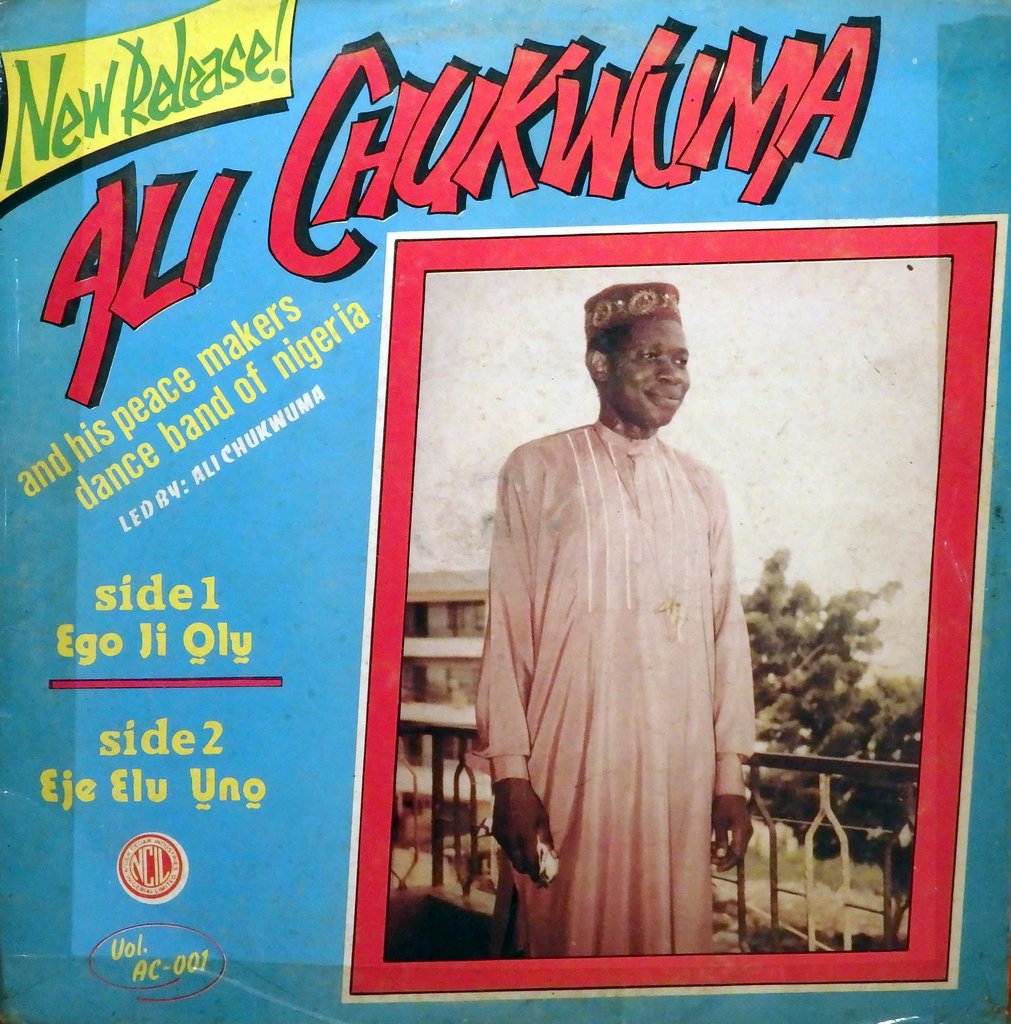
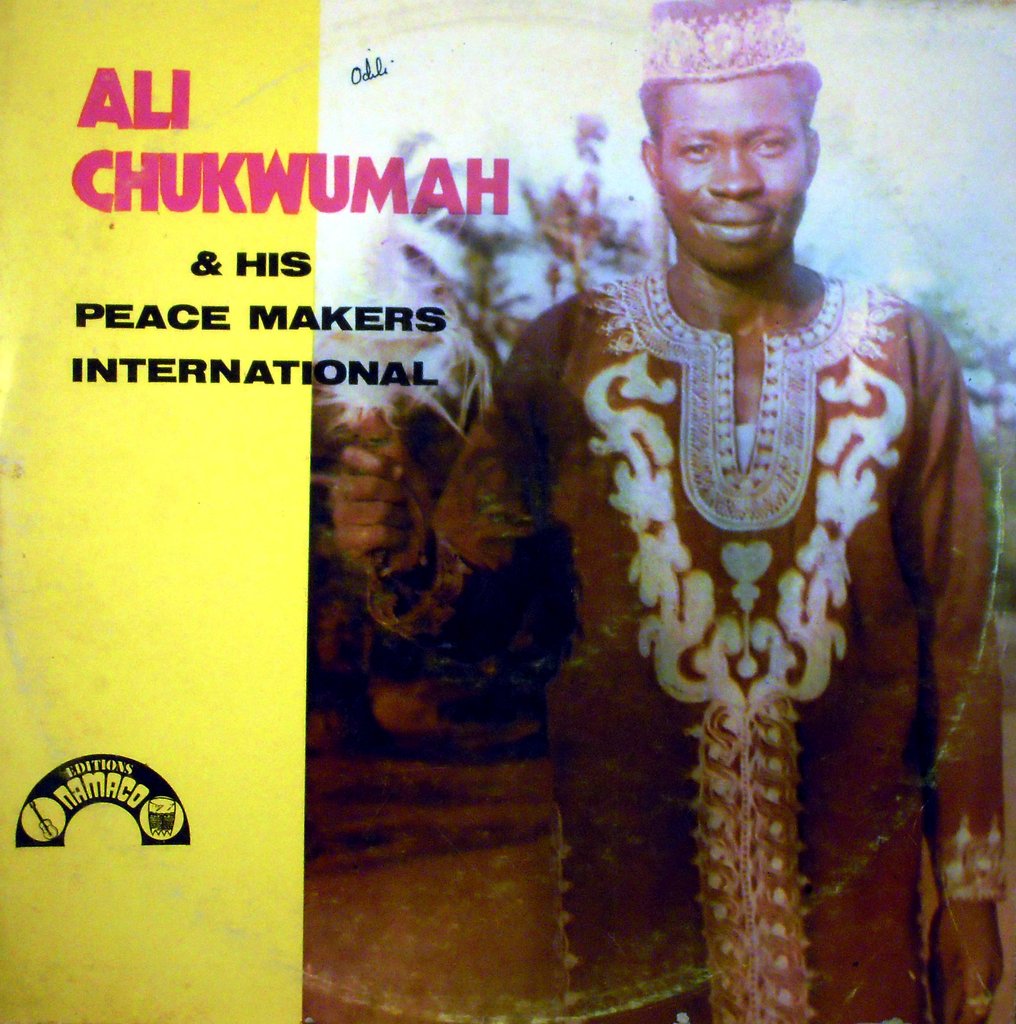
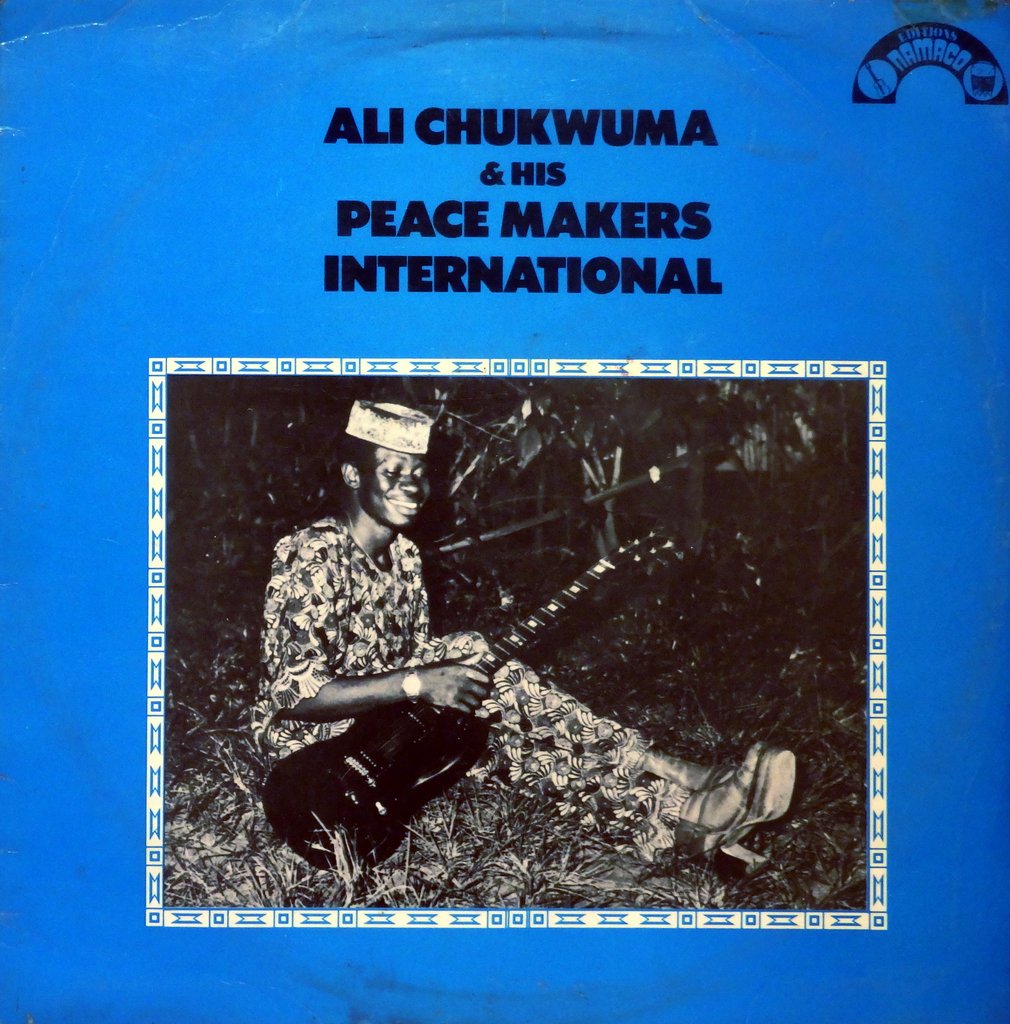
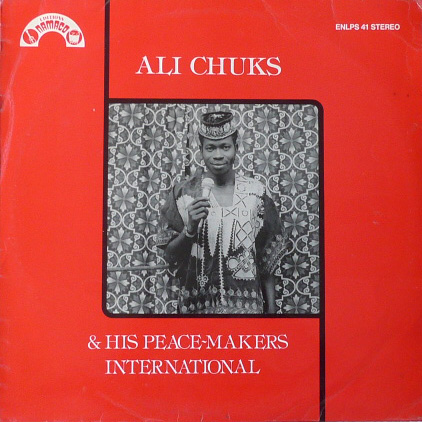
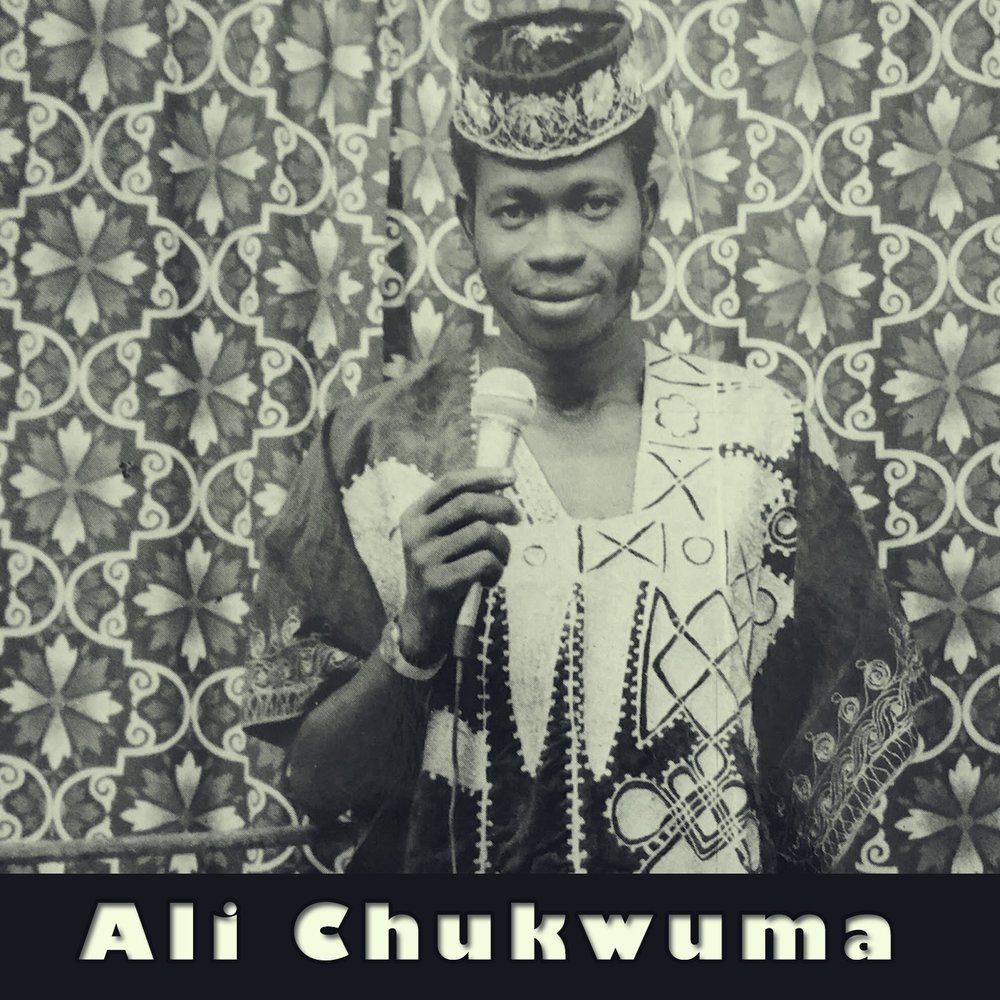
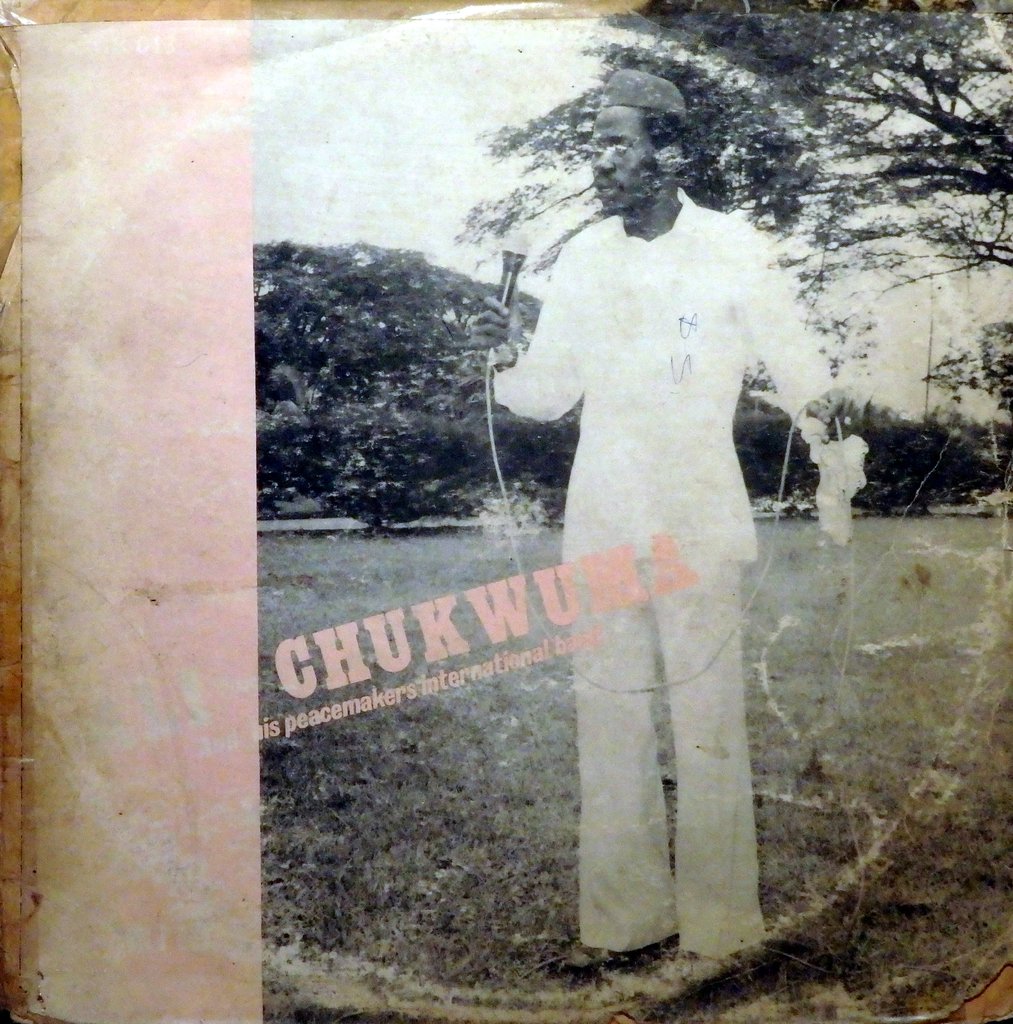
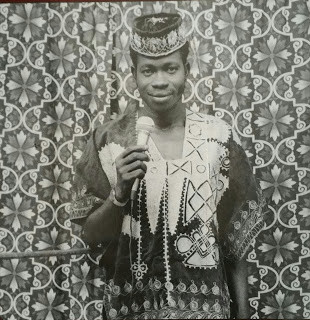
In 1975, on an Editions Namaco vinyl released under the tropical rain of Onitsha, a male and steady voice emerges over a dancing guitar riff that weaves between traditional Igbo chords and Western rhythm. On the cover: Ali Chukus & His Peace Makers Dance Band. The artist did not choose this name by chance. It reflects his dual identity—a man from the Anambra people who became an orchestra leader, and a figure who, for ten years, carried Igbo highlife throughout West Africa.
In brief
| Full name | Ali Nwachukwuma (also spelled Chukwumar) |
| Nicknames | “Ali Chuks”, “Ali Chukus” |
| Birth | Circa 1919, Aboh (Oshimili LGA), Anambra State |
| Death | Mid-1980s (liver failure) |
| Genre | Nigerian highlife, Igbo genre |
| Instruments | Vocals, guitar |
| Groups | Nigeria Sound Makers (Chief S.O. Osadebe), Peace Makers Dance Band / International |
Key dates
| Year | Event |
|---|---|
| ~1919 | Birth in Aboh, Anambra State (Nigeria) |
| ~1930s | Moves to Atani after his father’s death |
| Late 1960s | Joins Chief Stephen Osita Osadebe’s Nigeria Sound Makers |
| 1975 | Found his own orchestra, Peace Makers Dance Band |
| 1975–1985 | Releases more than a dozen vinyls on Editions Namaco and Akpola Records |
| Mid-1980s | Death (liver failure) |
Origins and highlights
Ali Nwachukwuma was born in Aboh, in the current Oshimili Local Government Area of Anambra State, in southeastern Nigeria. At a very young age, he lost his father and moved to Atani, a neighboring locality where commercial routes and Igbo musical traditions intersected. It was there that he met Stephen Osita Osadebe, an ambitious young musician who gathered the best guitarists in the region around him. The Nigeria Sound Makers Band—later renamed Chief Stephen Osita Osadebe & His Africa Sound Bar—was one of the leading formations in highlife at the time, and Ali learned his trade on the front line.
The name “Ali” does not come from Islam, as some have claimed. It pays homage to Ali Baba, a popular African wrestler of the 1960s and 1970s, whose name was synonymous with strength in postcolonial Nigeria. This choice of identity reflects the spirit of the generation: drawing from both contemporary heroes and musical heritage to forge their own image.
In 1975, after several years spent perfecting his craft within Osadebe’s orchestra, Ali Chukwuma left the group to found the Peace Makers Dance Band. The name is ambitious: it promises unity through music, an ideal championed by many highlife artists who saw in the genre a social glue after the trauma of the Biafran War (1967–1970). The first album, Amala Isekise, was released on vinyl by Editions Namaco (catalogue ENLP 4). Side A opens with the title track, a piece where the guitar weaves traditional Igbo melodies over a dancing rhythm, while the lyrics explore love and community life.
International career
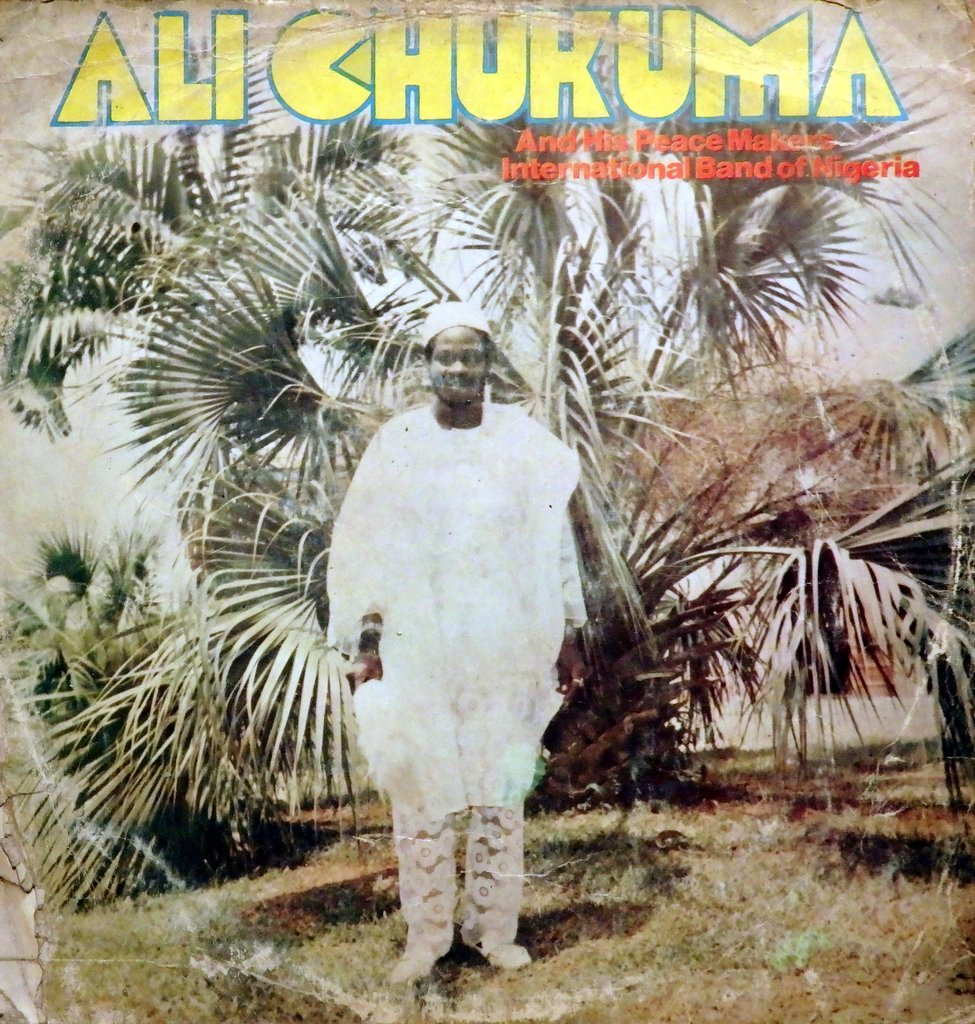
The years 1975–1985 constitute the most prolific period of Ali Chukwuma’s career. In ten years, he recorded a dozen albums—a considerable volume for an African highlife artist of that era. His records were primarily released through two labels: Editions Namaco, based in Onitsha, and Akpola Records from Benin City. Several of his vinyls also reached Gabon, proof that Igbo music circulated well beyond Nigeria’s borders.
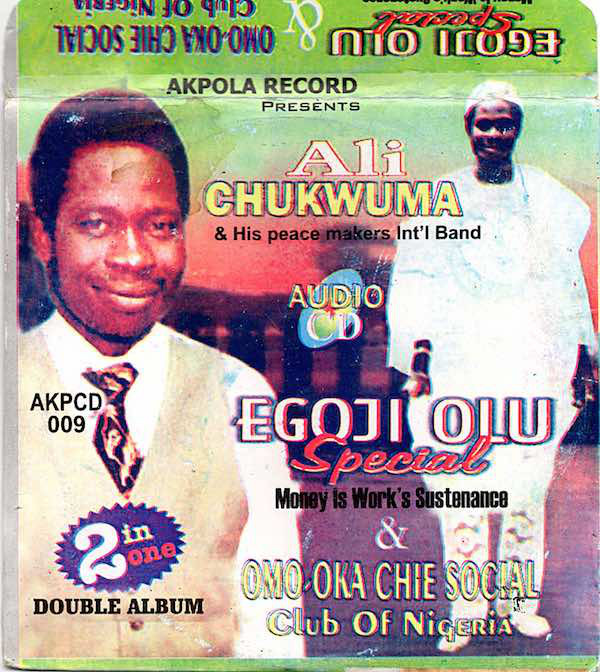
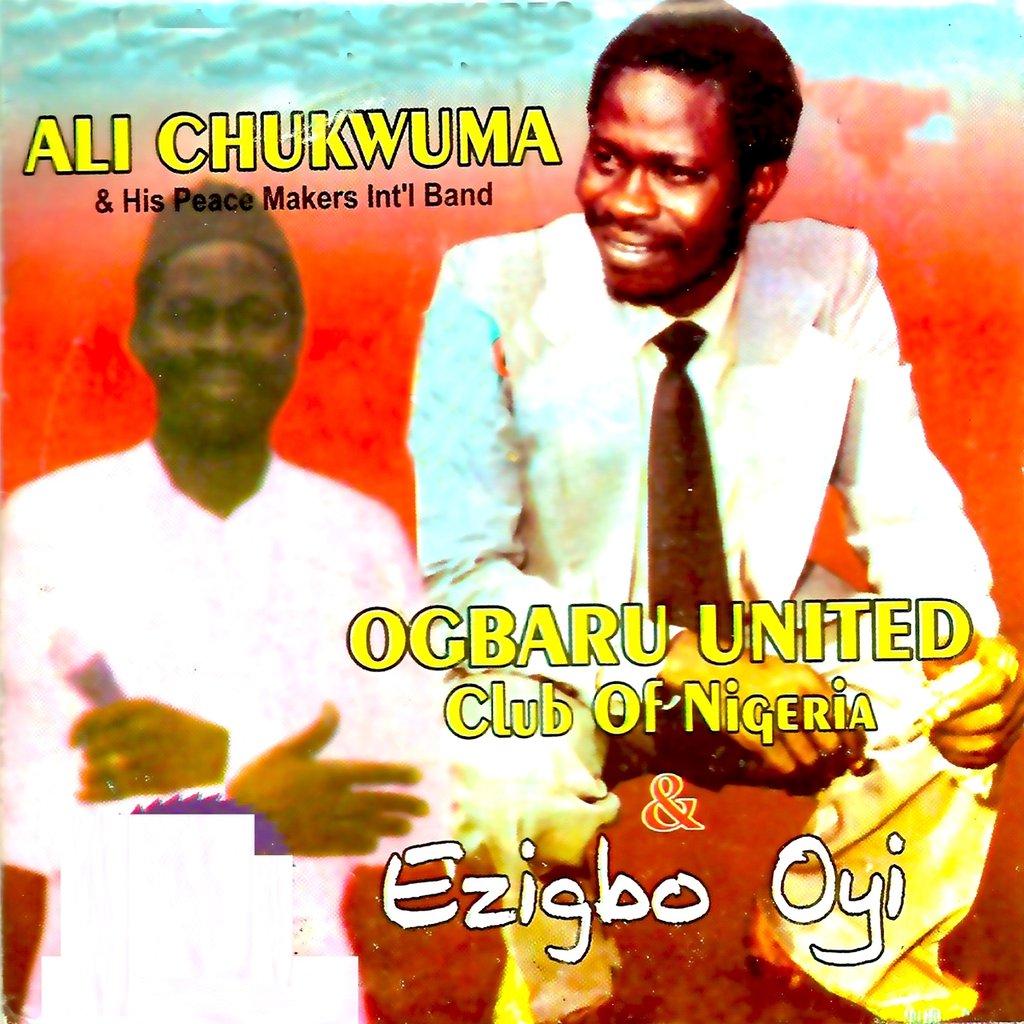
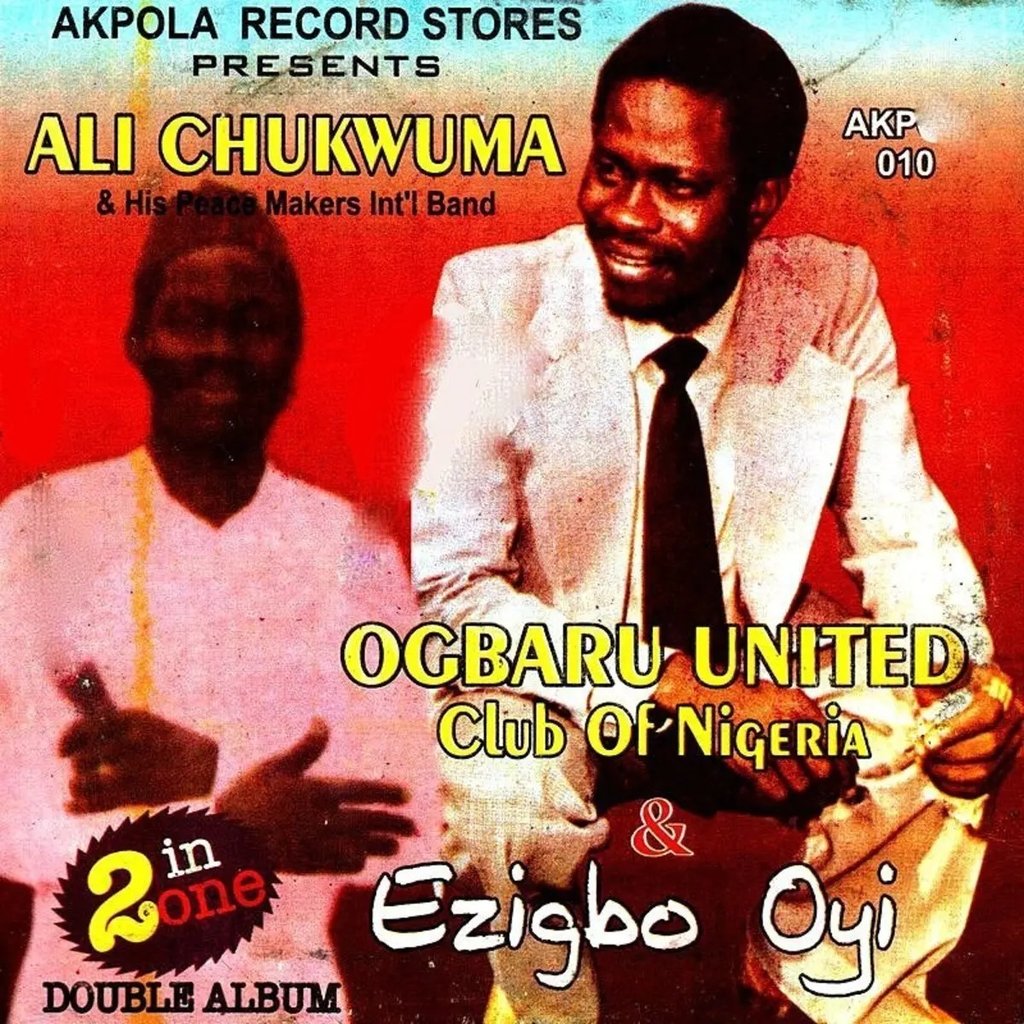
Ali Chukwuma’s repertoire is characterized by a highly recognizable sonic signature: steady male vocals, melodic guitar in the foreground, and titles often dedicated to social clubs (Omo-Okachie Social Club of Nigeria, Cardinal Social Movement of Nigeria) or local communities (Nnewi Young Boys Timber Special, Egwu Ifunanya). These titles were more than songs; they served as soundtracks for parties, weddings, and community gatherings where highlife was the ultimate social language.
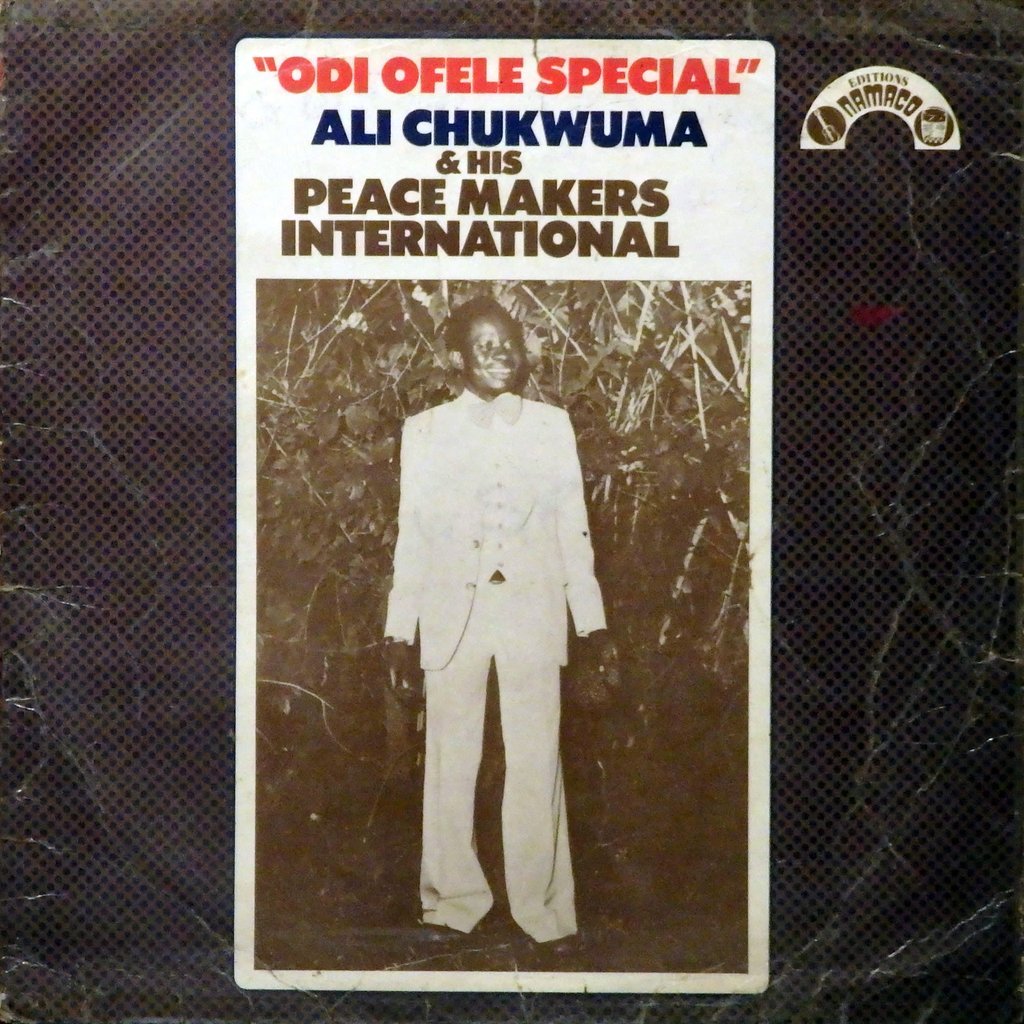
Among notable albums, Odi Ofele Special (1977, Editions Namaco ENLPS 26) explores questions of social justice and human relationships, while Isu Bu Egwu (1977) blends reflection with dance. The track Club 25, released in the late 1970s, became one of his most popular signatures. In 1985, Ego Ji Olu (Niger Cedar Industries AC 001) marked one of his last known recordings before his disappearance, around the mid-1980s due to liver failure.
Legacy and influence
More than forty years after his last releases, Ali Chukwuma’s vinyls are the subject of a genuine rediscovery. Enthusiasts of African highlife such as Didier J. Mary (African Music Forum) and John Beadle (Endo Lab) have restored, digitized, and shared his entire albums online. Nigerian YouTubers group his music under hashtags like #highlife, #igbomusic, and #ukwuanimusic. Discogs lists several of his pressings in Gabon, South Africa, and the United States.
His approach—a locally rooted Igbo highlife open to Western influences, sung in the local language with titles that celebrate daily life—fits into a lineage inaugurated by artists like Chief Osadebe, Oliver De Coque, and Rex Lawson. The rigor of his discography and the consistency of his style make him a cornerstone of 1970s–80s Igbo highlife, a generation where each region of Nigeria developed its own local version of a pan-African genre.
Sources and references
- “Discography of Ali Chukwuma”, Endo Lab (John Beadle’s website), http://endolab.jp/endo/EAChukwuma.html, accessed November 13, 2026.
- “Alichukwuma Profile and Discography”, African Music Library, https://africanmusiclibrary.org/artist/Alichukwuma, accessed November 13, 2026.
- “Ali Chukwuma & His Peace Makers International - Odi Ofele Special”, Discogs, https://www.discogs.com/release/2227666, accessed November 13, 2026.
- “Ali Chukwuma and His Peace Makers Dance Band: A Highlife Legacy”, Facebook Historical Nigeria, https://www.facebook.com/HistoricalNigeria/posts/ali-chukwuma-and-his-peace-makers-dance-band-a-highlife-legacy-in-nigeriathe-ima/122238449930189242/, accessed November 13, 2026.
- “Ali Chukus and His Peace Makers Dance Band”, African Music Forum (Didier J. Mary), https://amf.didiermary.fr/ali-chukus-peace-makers-dance-band/, accessed November 13, 2026.
- “Ali Nwachukwumah & His Peace Makers International”, Discogs, https://www.discogs.com/master/3315424, accessed November 13, 2026.
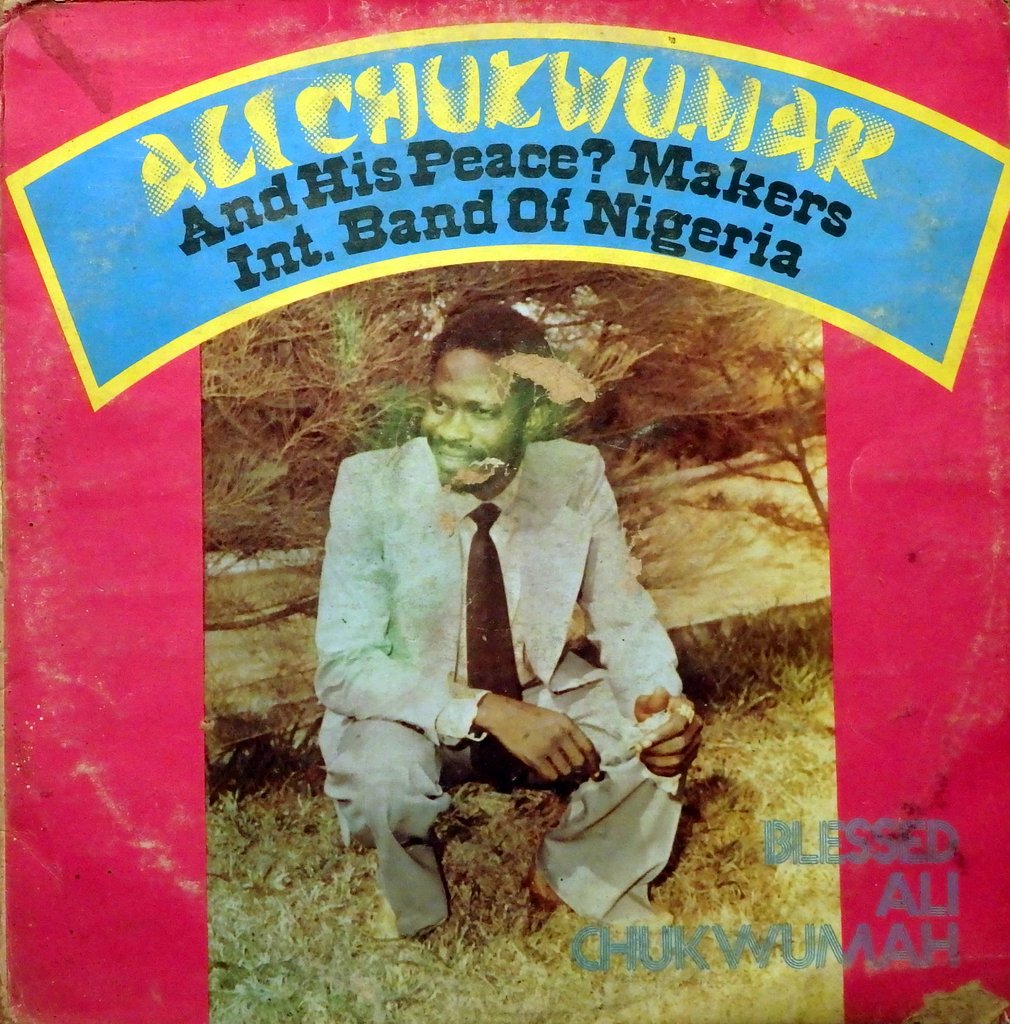
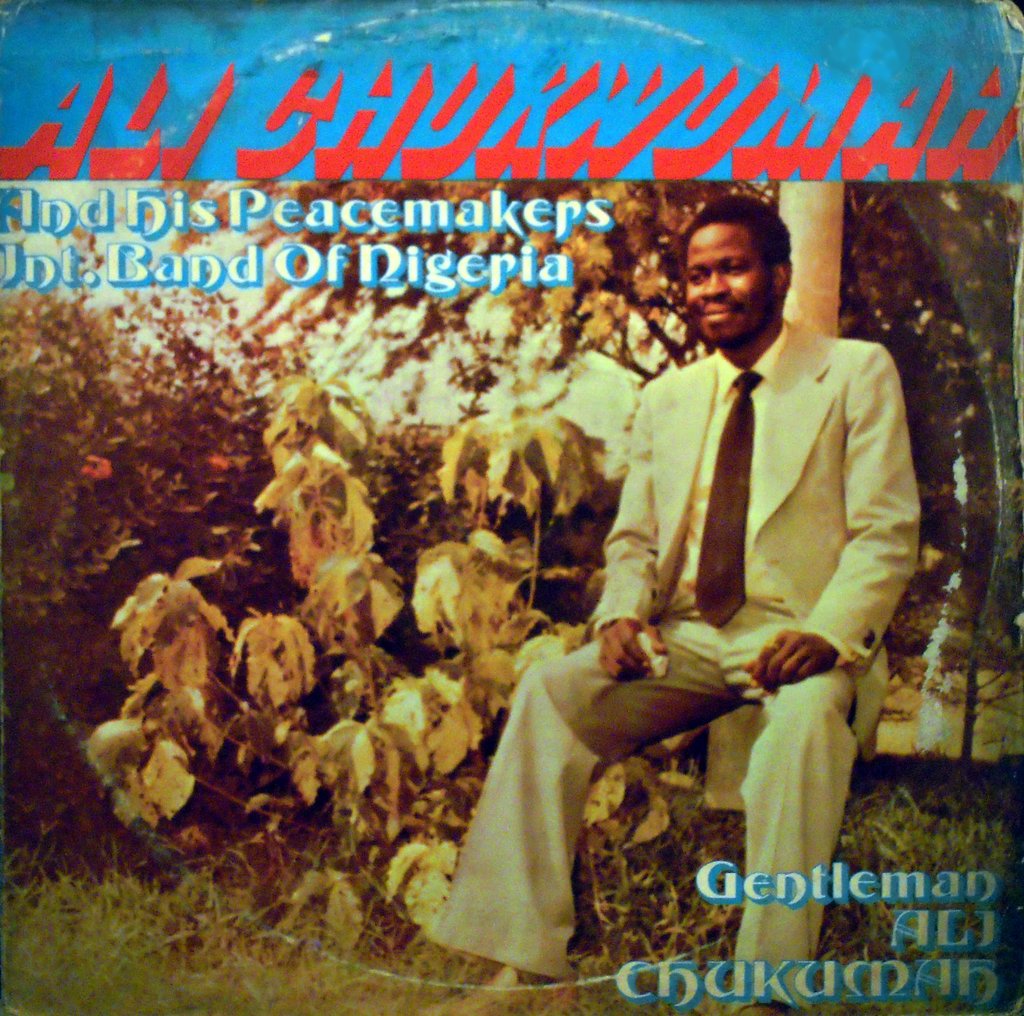
- “Ali Chukwumar & His Peace Makers Int. Band Of Nigeria”, Discogs, https://www.discogs.com/master/1440646, accessed November 13, 2026.
- “Ali Chukwumah & His Peace Makers Int’l” (album Amala Isekise), Apple Music, https://music.apple.com/ng/artist/ali-chukwuma/1240552729, accessed November 13, 2026.