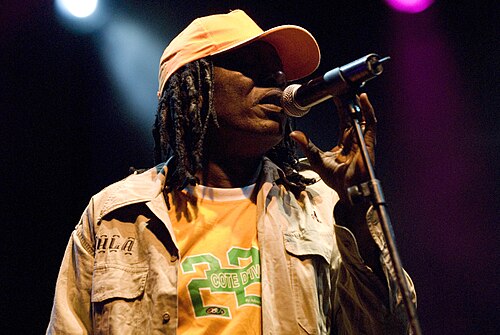
Biography
Alpha Blondy: Prophet of African Reggae
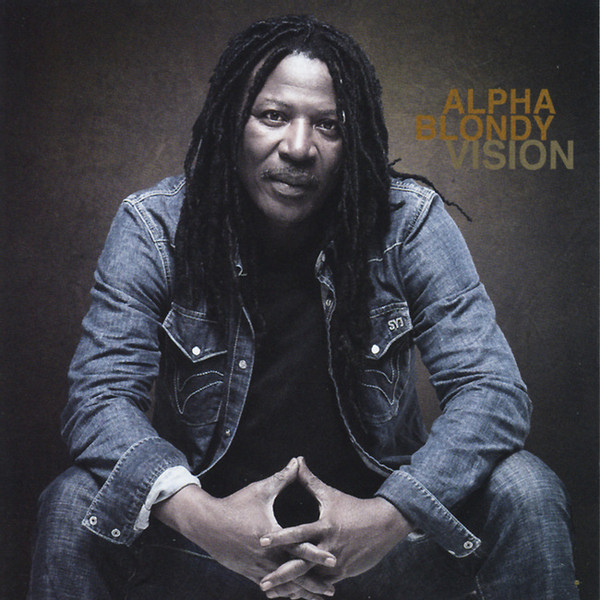
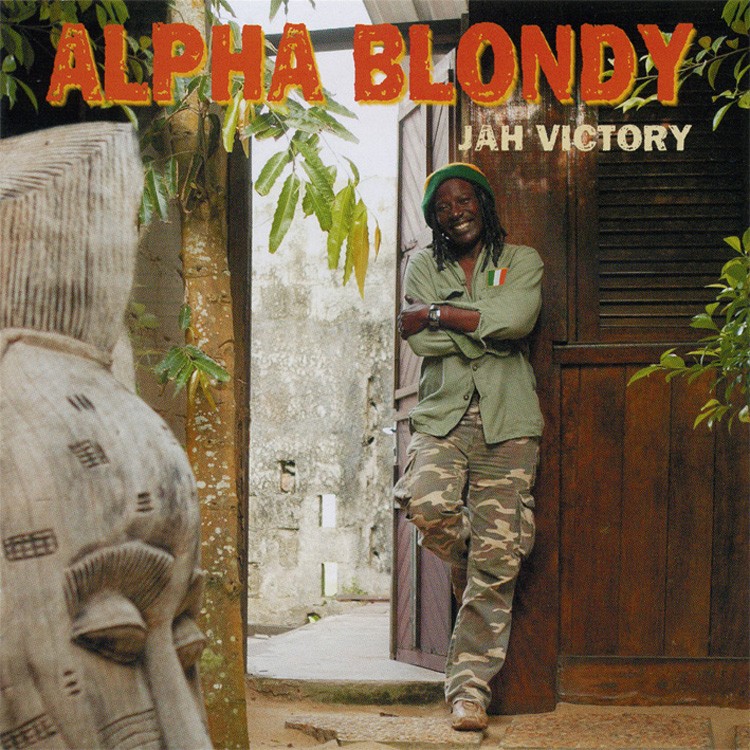
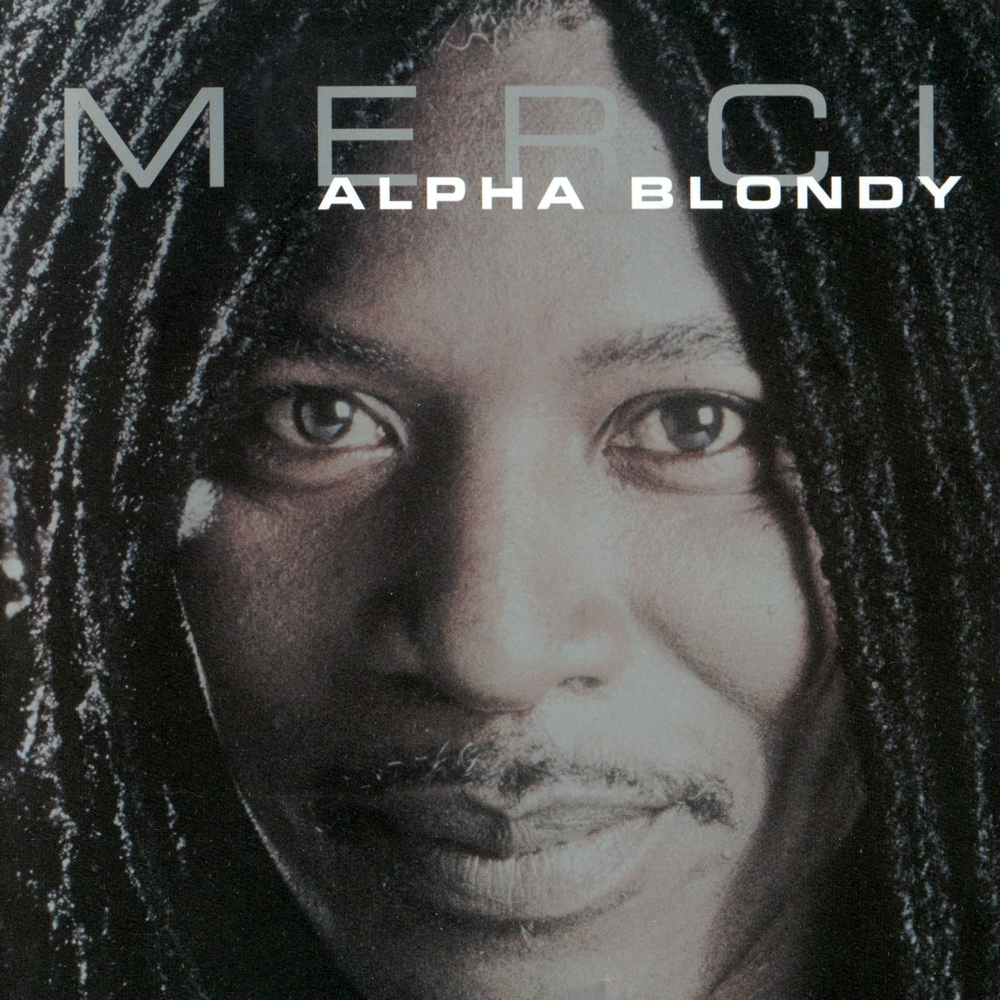
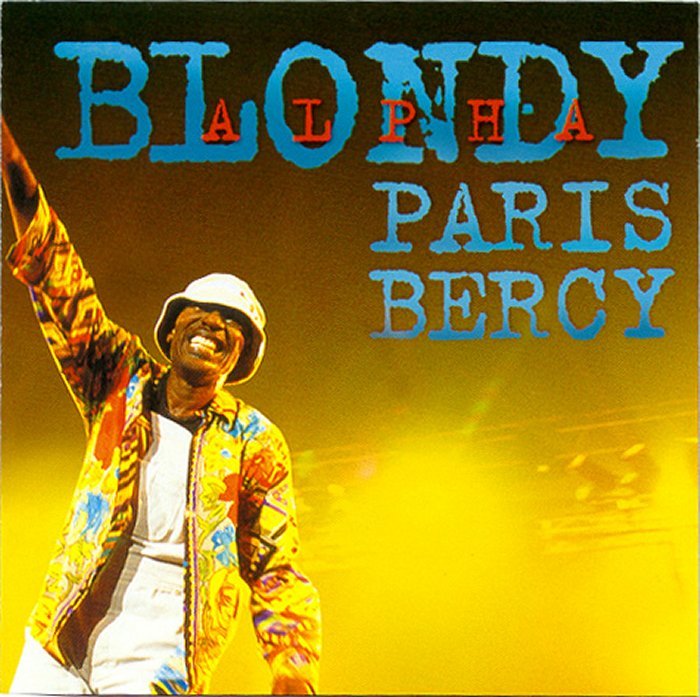
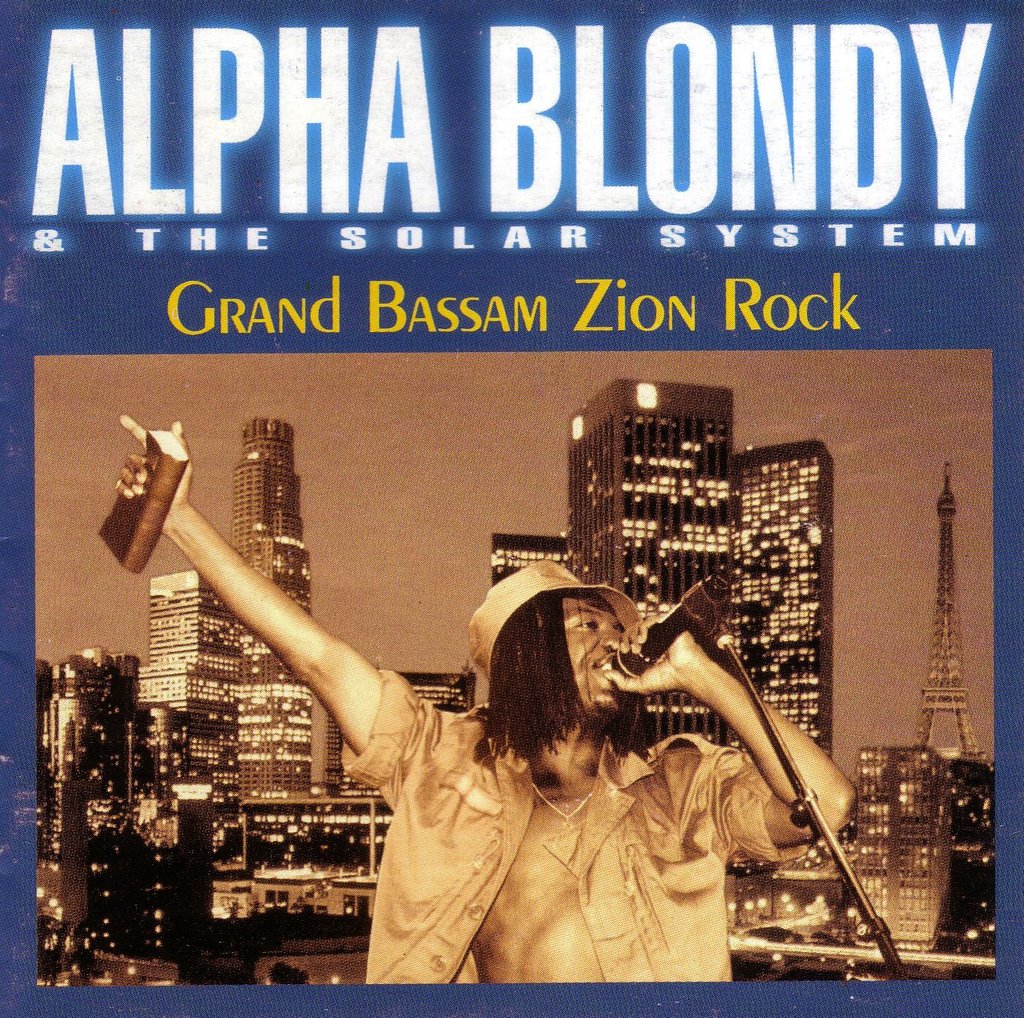
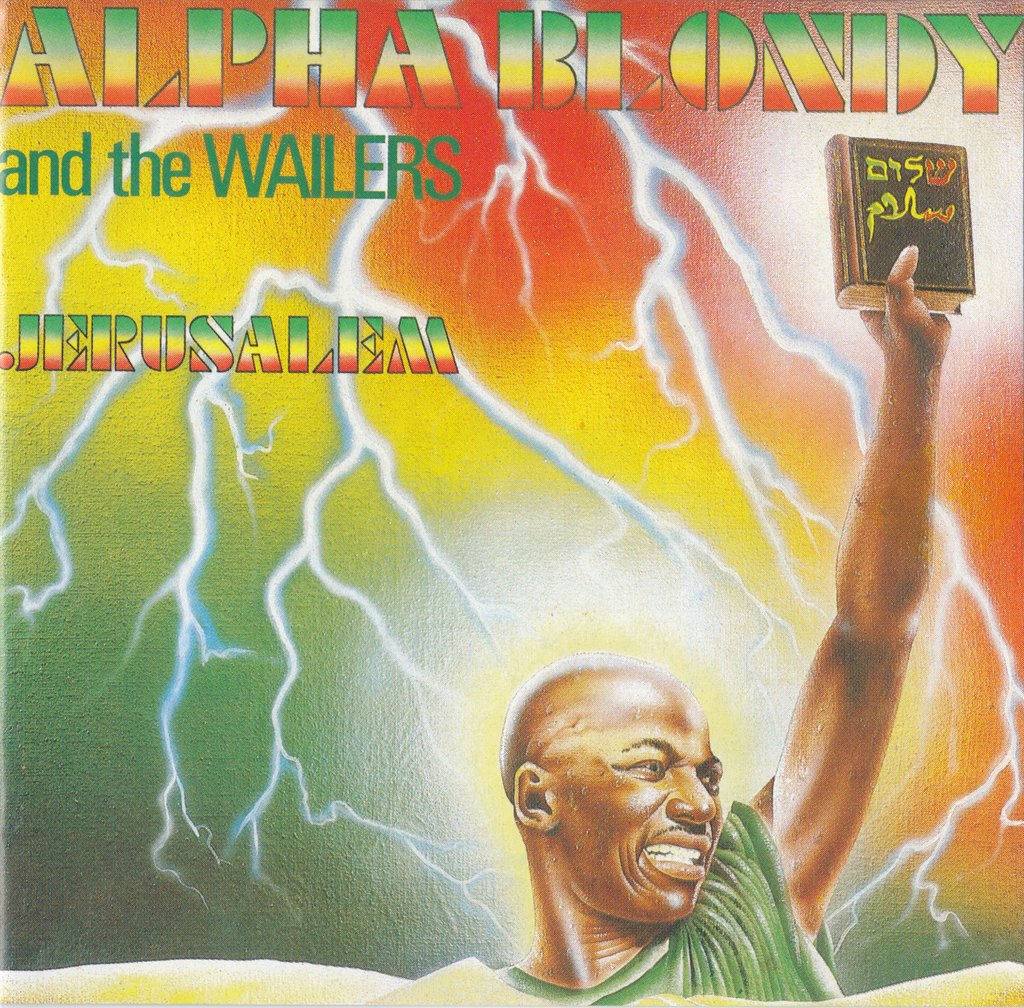
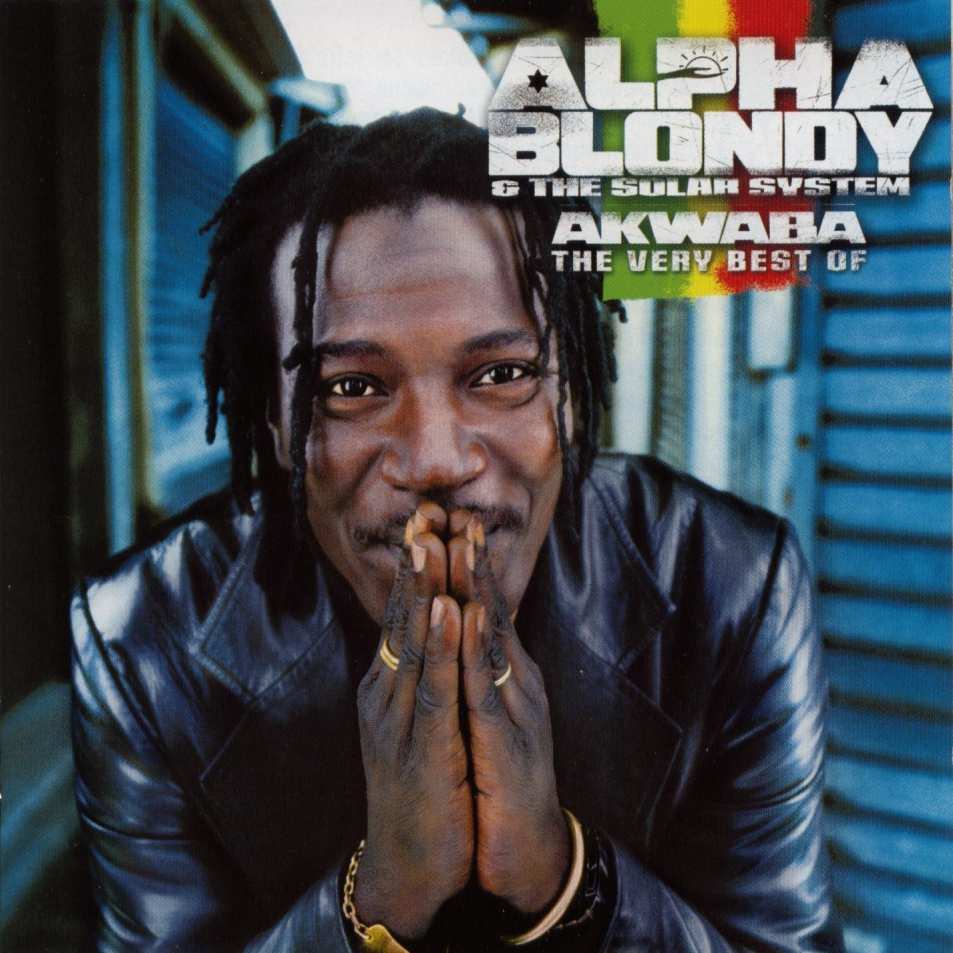
In July 1986, in the Tuff Gong studio in Kingston, Alpha Blondy sings the Hebrew lyrics of Jerusalem alongside the Wailers, Bob Marley’s group. The sound of Ivorian reggae resonates under a Caribbean sun, and the world discovers that it was never exclusive to Jamaica. Alpha Blondy forged this moment with his own hands—in the ghettos of Abidjan, on Parisian stages, and at the heart of peace struggles in Africa.
In Brief
| Full Name | Seydou Koné, known as Alpha Blondy |
| Birth | January 1, 1953, Dimbokro, Côte d’Ivoire |
| Field | Reggae, African music |
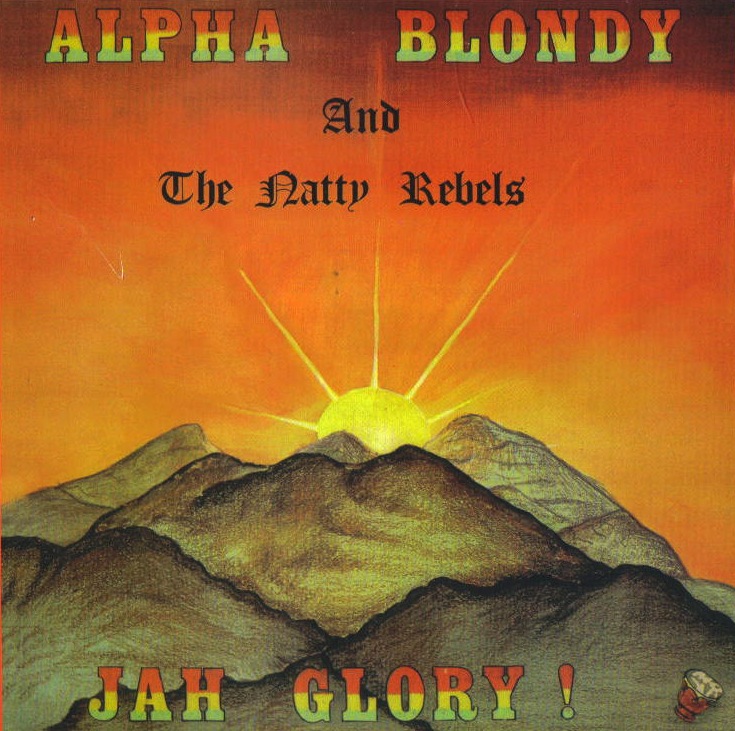
| Iconic Works | Jah Glory, Brigadier Sabari, Jerusalem |
| Honors | UN Peace Ambassador (2005), Grammy Award nomination |
Key Dates
| Year | Event |
|---|---|
| 1953 | Birth in Dimbokro, raised by his grandmother Chérie Coco |
| 1974 | Departure for New York, discovery of reggae and Rastafarianism |
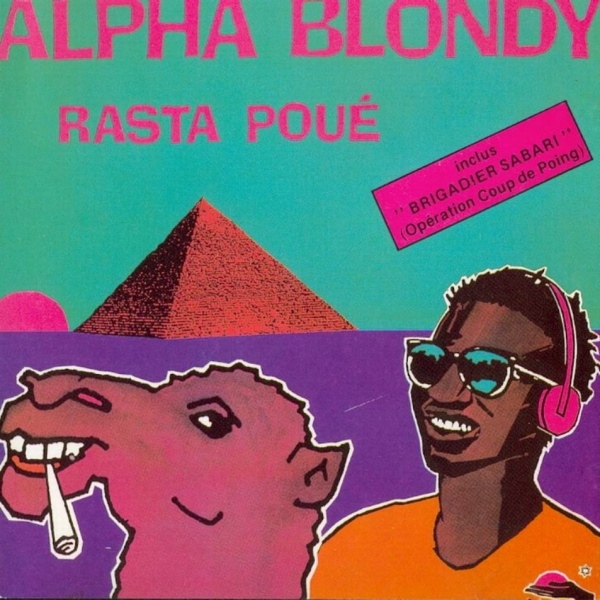
| 1982 | First album, Jah Glory, and hit single Brigadier Sabari |
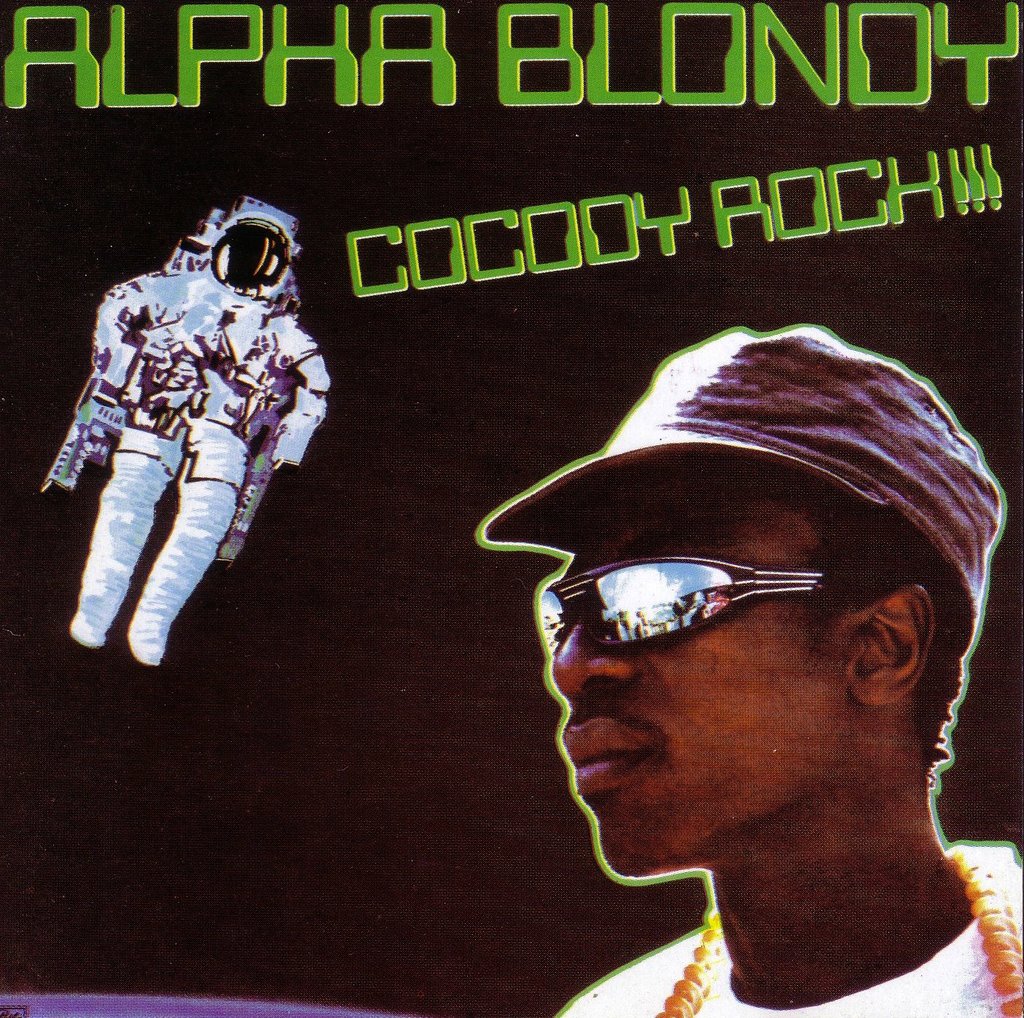
| 1984 | Signing with Pathé-Marconi / EMI, recording of Cocody Rock at Tuff Gong studios |
| 1986 | Album Jerusalem recorded in Kingston with the Wailers |
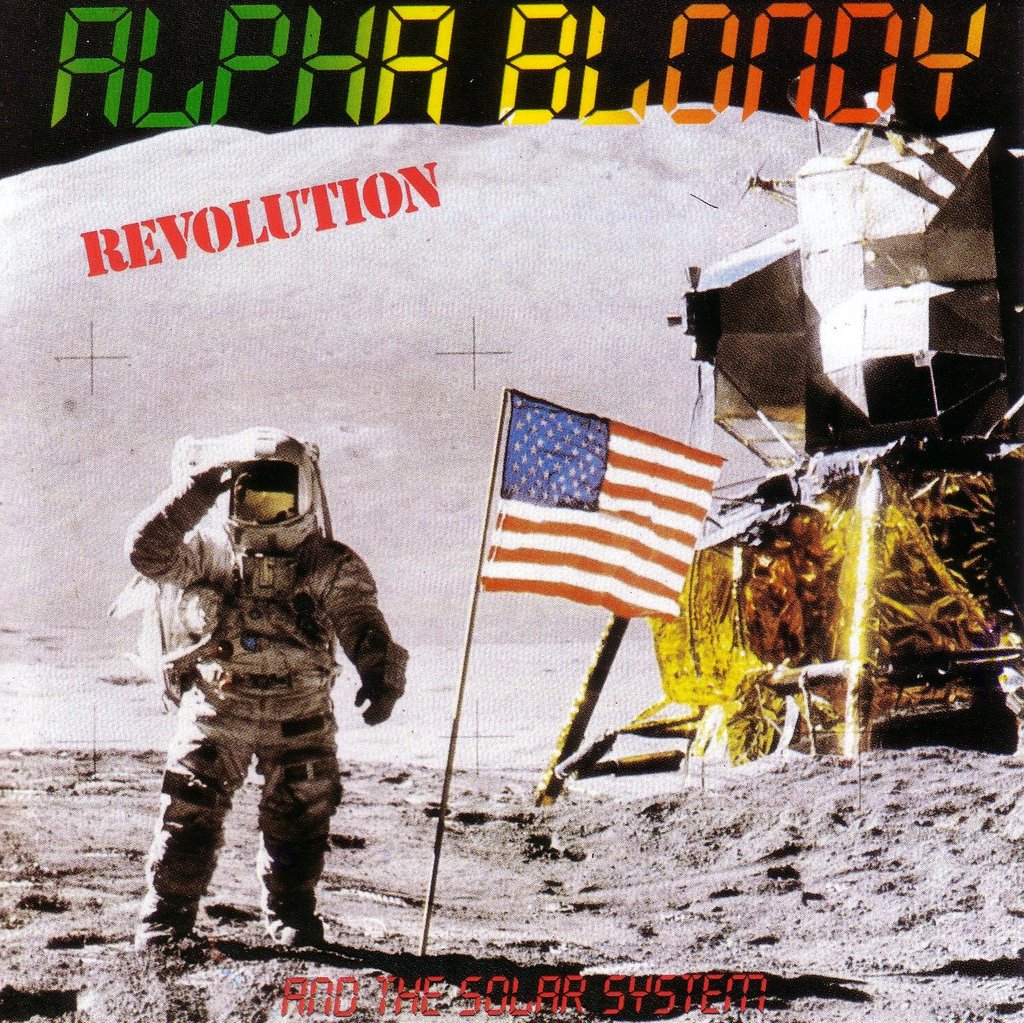
| 1987 | Album Révolution, blending reggae and violins |
| 2005 | Named Messenger of Peace by the UN |
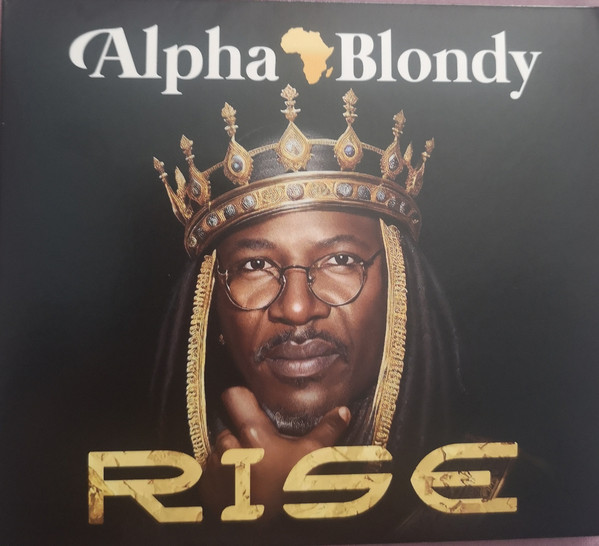
| 2025 | Release of album Rise, at age 72 |
From West African Origins to American Reggae
Seydou Koné was born on January 1, 1953, in Dimbokro, Côte d’Ivoire. First son of a family of eight children, he was taken in by his grandmother, Chérie Coco, who instilled values that would mark all his work: truth, justice, and respect for elders. He himself spoke of his childhood as a time spent “with the elders,” this education among older women shaping his sensitivity toward those seeking justice.
In 1962, he joined his mother in Odienné. The young Seydou excelled at school, but his passion for music distracted him. At nineteen, he was expelled from Lycée Sainte-Élisabeth. His father-in-law sent him to Monrovia so he could learn English. In 1973, he flew to New York. The New York metropolis would change everything: in 1977, he attended a Burning Spear concert at Central Park and discovered reggae and Rastafarian philosophy. He enrolled at Hunter College and Columbia’s language program, while singing in various groups.
From Depression to the Nickname “Ivorian Marley”
A Jamaican producer, Clive Hunt, opened the door to a recording session… then retracted at the last minute. Devastated, Seydou returned to Côte d’Ivoire and went through a dark period: he spent two years in a psychiatric hospital, clinging to his songs. After this ordeal, he took the name Alpha and started over from zero.
Life turned around thanks to Fulgence Kassy, his childhood friend who became a television producer at RTI. Alpha appeared on the show Première Chance and recorded his first album, Jah Glory, in 1982. The record contains Brigadier Sabari, a song inspired by a police raid where the singer nearly got arrested. The title exploded in Côte d’Ivoire. Reggae, thought to be Jamaican, became African. In a few months, Alpha Blondy earned the nickname “Bob Marley of Africa.”
The Pacifist Artist Crossing Borders
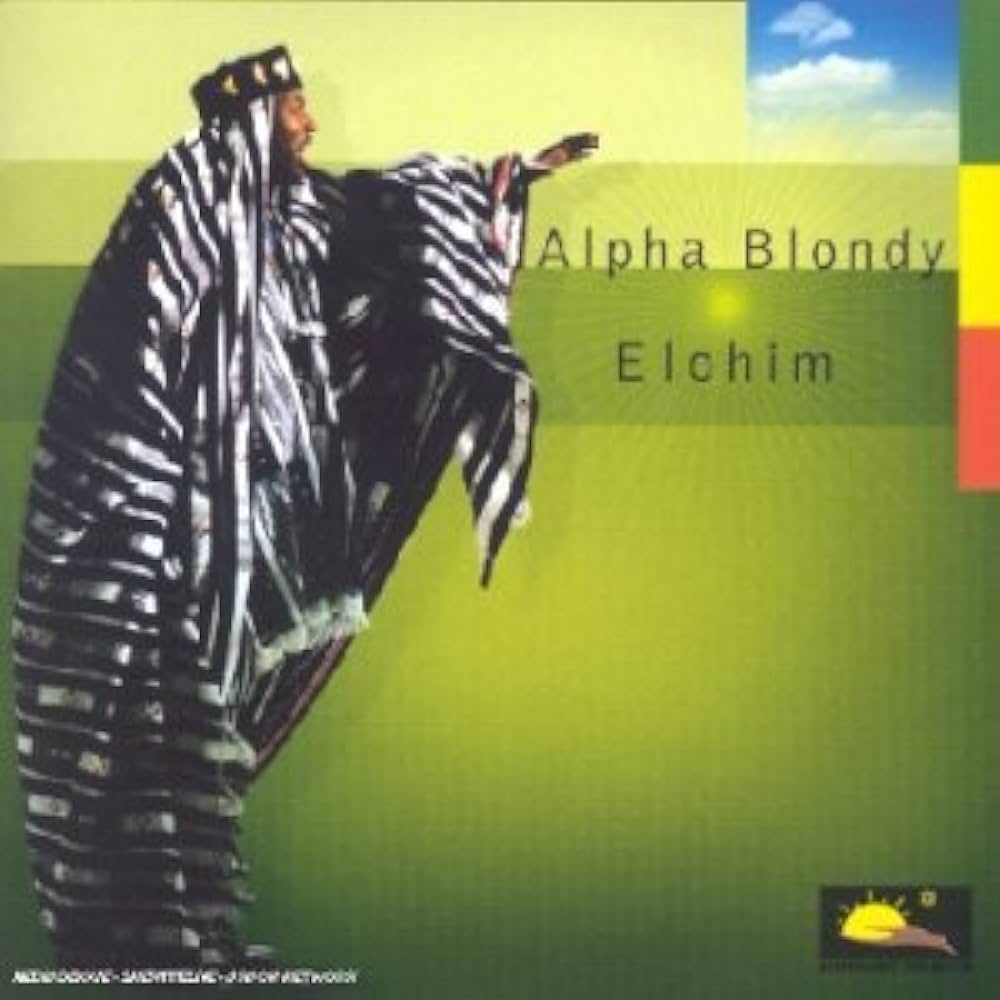
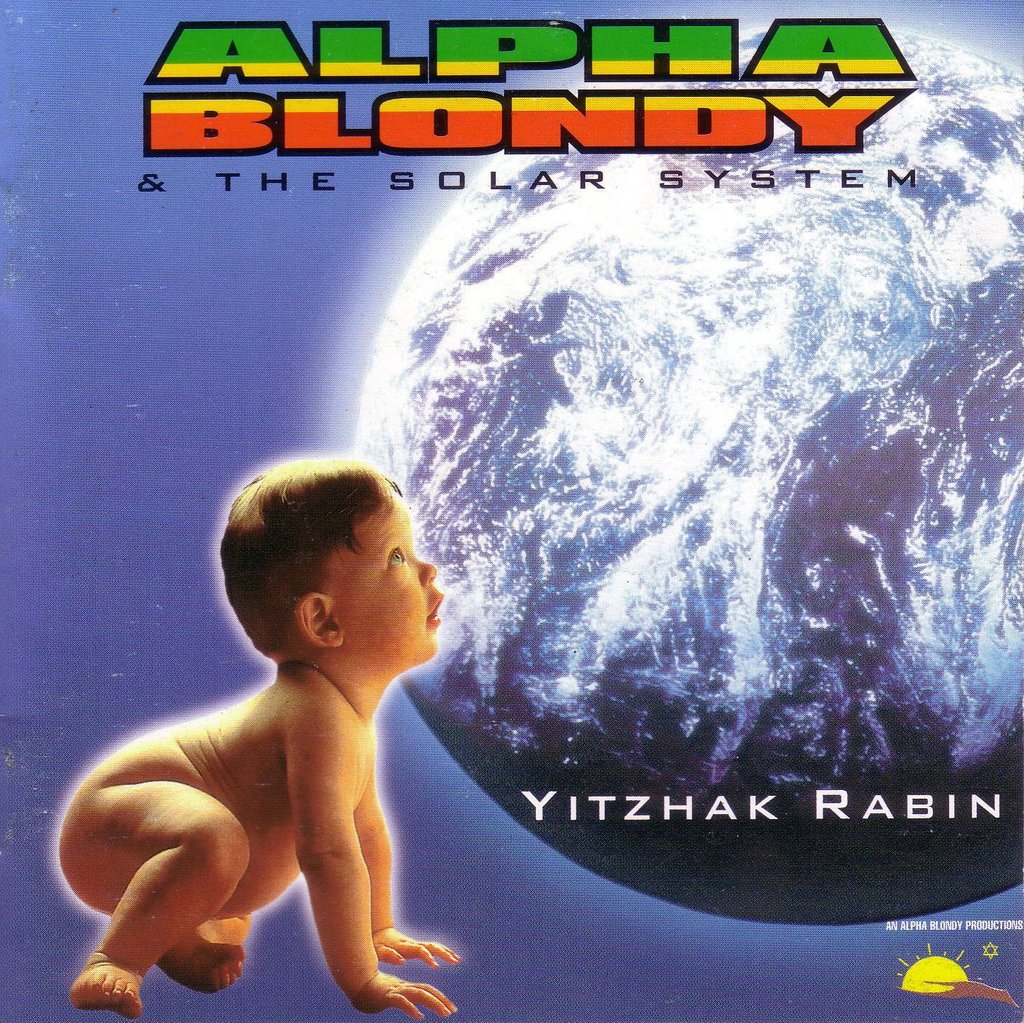
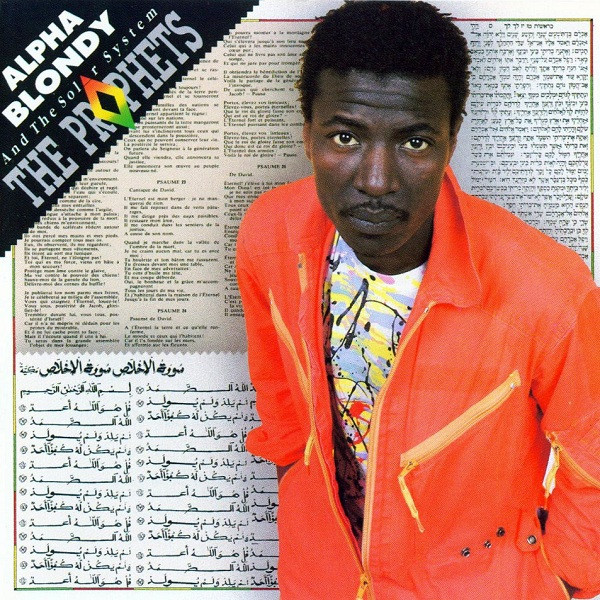
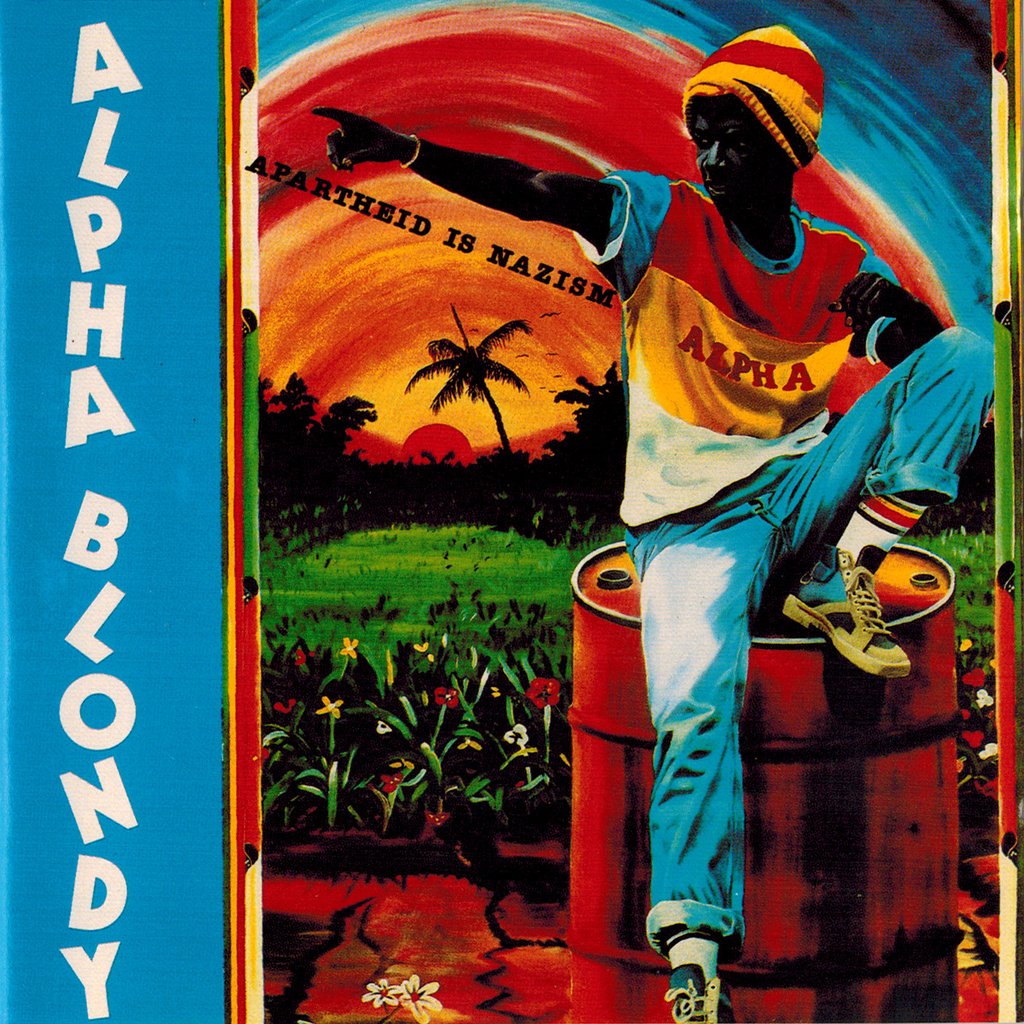
His signing with Pathé-Marconi (EMI group) in 1984 opened the doors to Paris and London. He recorded Cocody Rock at Tuff Gong studios in Kingston, Jamaica, alongside the Wailers. In 1986, the album Jerusalem confirmed it: he sang in Hebrew and celebrated unity between religions. With Apartheid Is Nazism (1985), he turned reggae into militant weaponry. The visionary Rasta never rested: his group, The Solar System, integrated violins, cellos, and African percussion.
In 2005, the UN named him Messenger of Peace for Côte d’Ivoire. Alpha founded the Jah Glory Foundation, dedicated to helping orphans and conflict victims. He continued decades of frenetic world tours without ever ceasing to write. In April 2025, his album Rise still bore the cry of a standing Africa. At over 70, Alpha Blondy tirelessly tours, from Japan to South Africa.
Major Works
| Work | Year | Why It’s Essential |
|---|---|---|
| Jah Glory | 1982 | Foundational first album, featuring Brigadier Sabari, a resistance hymn |
| Cocody Rock | 1984 | First recording at Bob Marley’s Tuff Gong studios |
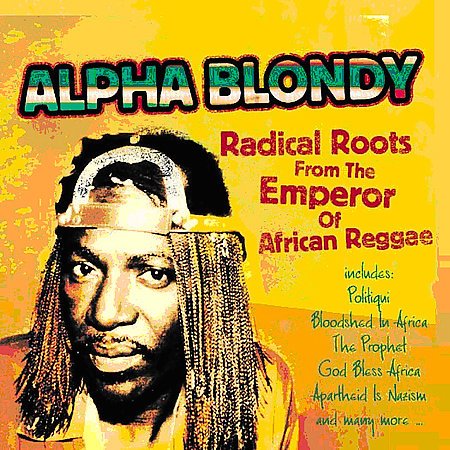
| Apartheid Is Nazism | 1985 | Militant reggae, anti-segregationist manifesto |
| Jerusalem | 1986 | Ecumenism in music: Hebrew, Arabic, and Christianity with the Wailers |
Legacy and Influence
Alpha Blondy proved that reggae was not a Jamaican possession but a universal voice. Artists like Princess Erika or Faada Freddy cite him as an absolute reference. His legacy is not limited to his repertoire: the Jah Glory Foundation, his concert-cradles across Africa, and his persistence in blending politics and spirituality make him a model for the engaged artist. Newcomers to African reggae, from Mali to Senegal, all claim descent from this prophet who paved the way.
Sources and References
-
“Alpha Blondy”, Wikipedia, https://en.wikipedia.org/wiki/Alpha_Blondy, accessed October 19, 2025.
-
“Alpha Blondy”, AllMusic, https://www.allmusic.com/artist/alpha-blondy-mn0000016944, accessed October 19, 2025.
-
“Alpha Blondy — Biography”, Afromix, https://www.afromix.org/html/musique/artistes/alpha-blondy/bio.fr.html, accessed October 19, 2025.
-
“Alpha Blondy”, RFI Musique, https://www.rfi.fr/fr/musique/20230405-alpha-blondy, accessed October 19, 2025.
-
“The Story of Alpha Blondy, Icon of African Reggae and Peace Ambassador”, France Inter, https://www.radiofrance.fr/franceinter/podcasts/legendes-de-la-musique-africaine/youssou-n-dour-6281620, accessed October 19, 2025.
-
« Alpha Blondy Discography », Reggae Discography, https://reggaediscography.blogspot.it/2010/01/alpha-blondy-discography-reggae-singer.html, accessed on 19 October 2025.