Biography
Atakora Manu
In Toase, in the Ashanti region of Ghana, a man nourished by highlife songs crafted during the 1970s-80s a sound that blended roots guitar with quirky electronic keyboards. His name, Atakora Manu, remains synonymous with fluid groove and a highlife that is both nostalgic and resolutely modern.
In brief
| Full name | Atakora Manu |
| Birth | 1940, Toase (Ashanti), Ghana |
| Death | September 2015, Toase (Ashanti) |
| Field | music — Ghanaian highlife, composer, guitarist and sound engineer |
| Instrument(s) | guitar, vocals |
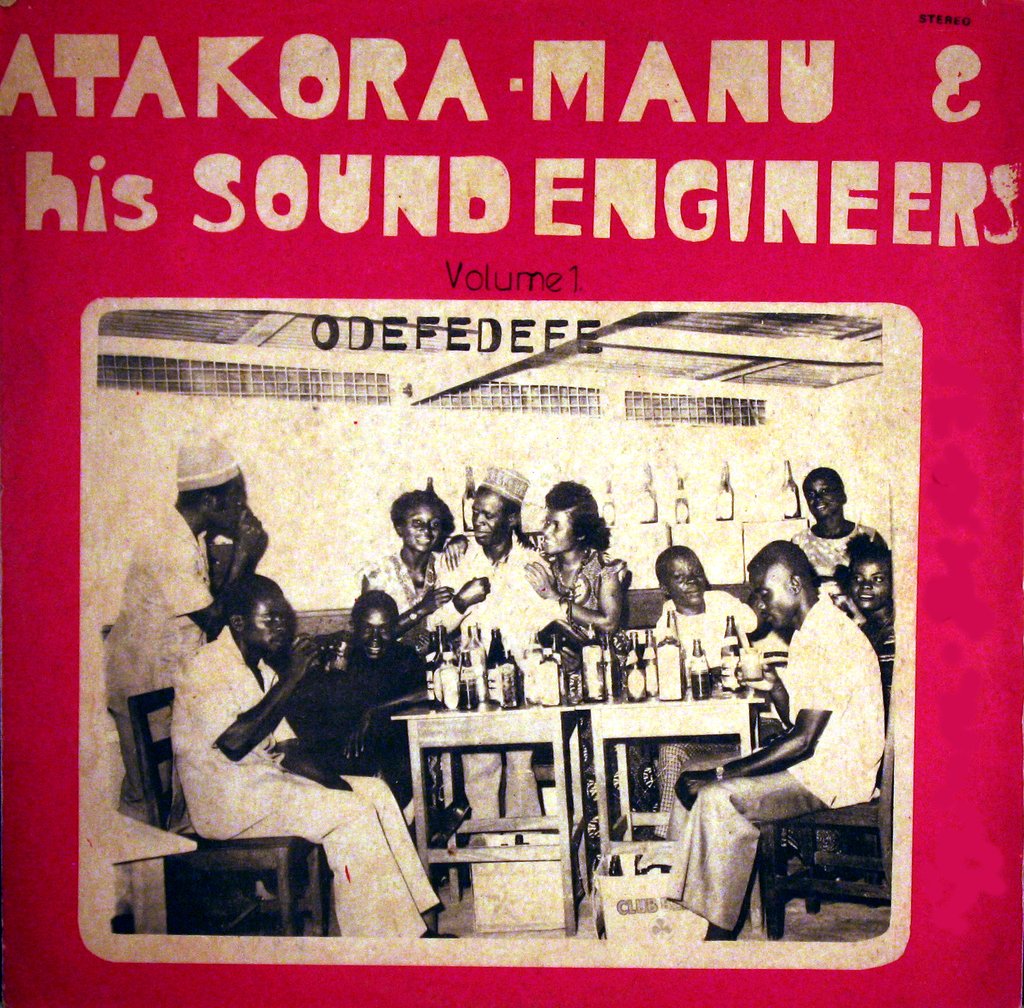
| Groups / formations | Princess Trio, Kakaiku No.2 Band, Sound Engineers |
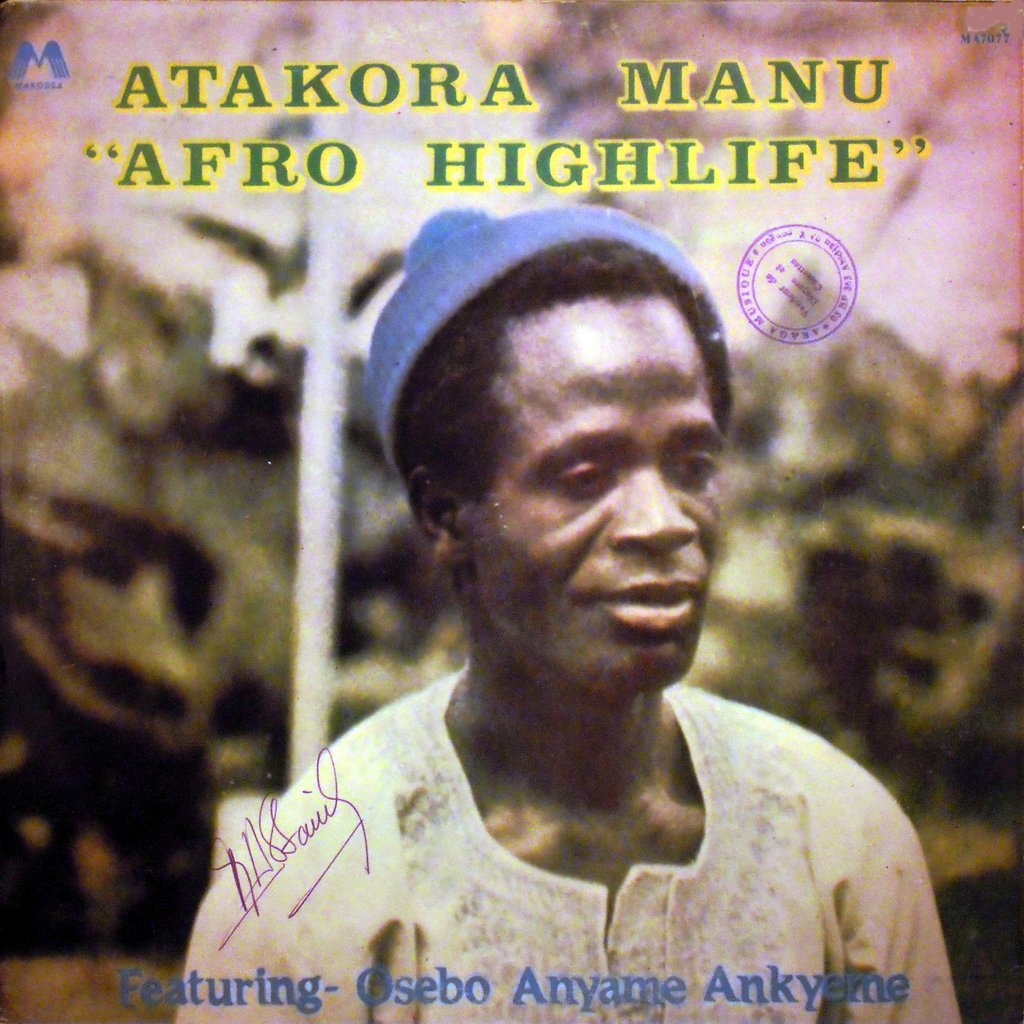
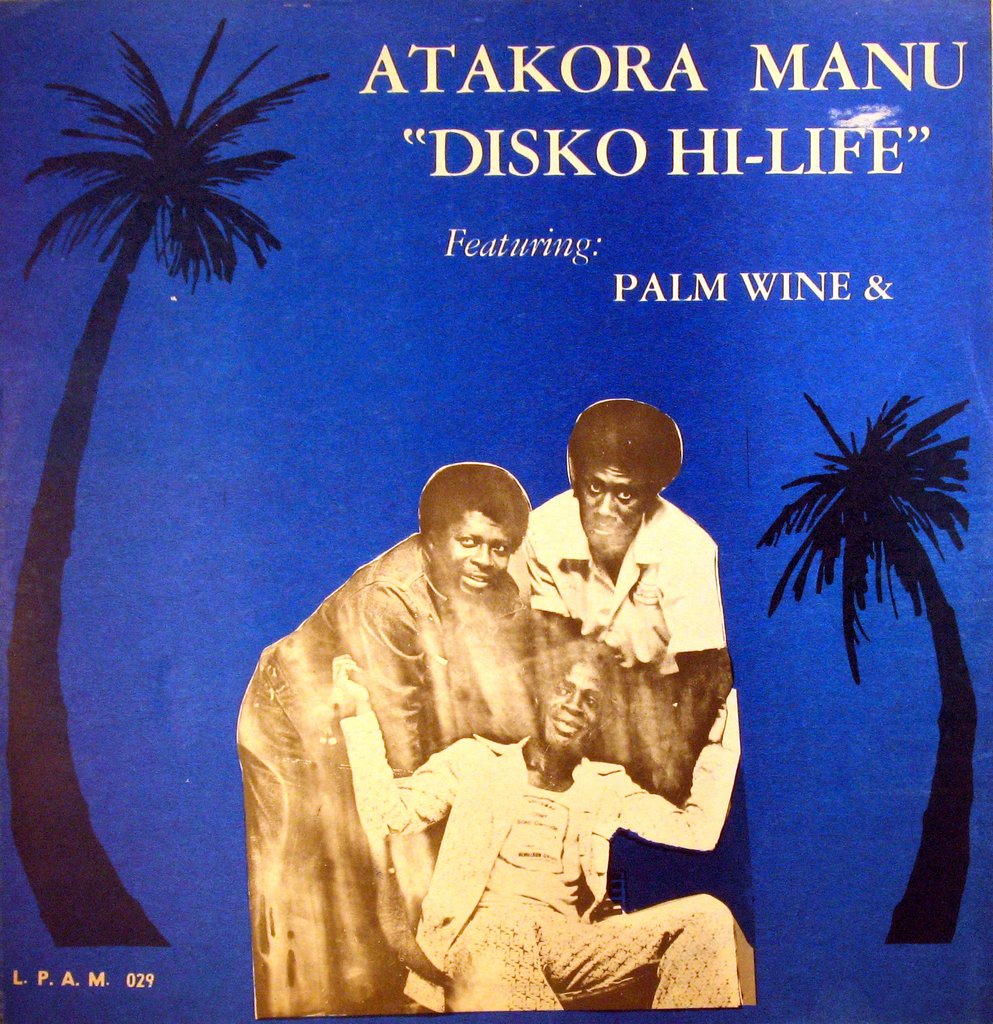
| Notable works | Disko Highlife, Afro Highlife, Omintiminim, Pim No Bi |
| Distinctions | — (professional recognition; MUSIGA, BBE reissues) |
Key dates
| Year | Event |
|---|---|
| 1940 | Birth in Toase, Ashanti region |
| 1956 | End of studies; employment as machine operator at Brofoyedru (Adansi) |
| 1961-63 | Princess Trio founded; national tours |
| 1963-66 | Guitar for the United Ghana Farmers’ Council Theatre Troupe; disbanded after the 1966 coup d’état |
| 1967-70 | Kakaiku No.2 Band with Moses Kweku Oppong; national success (“Ohoho Batani”, “Kookrokoo”) |
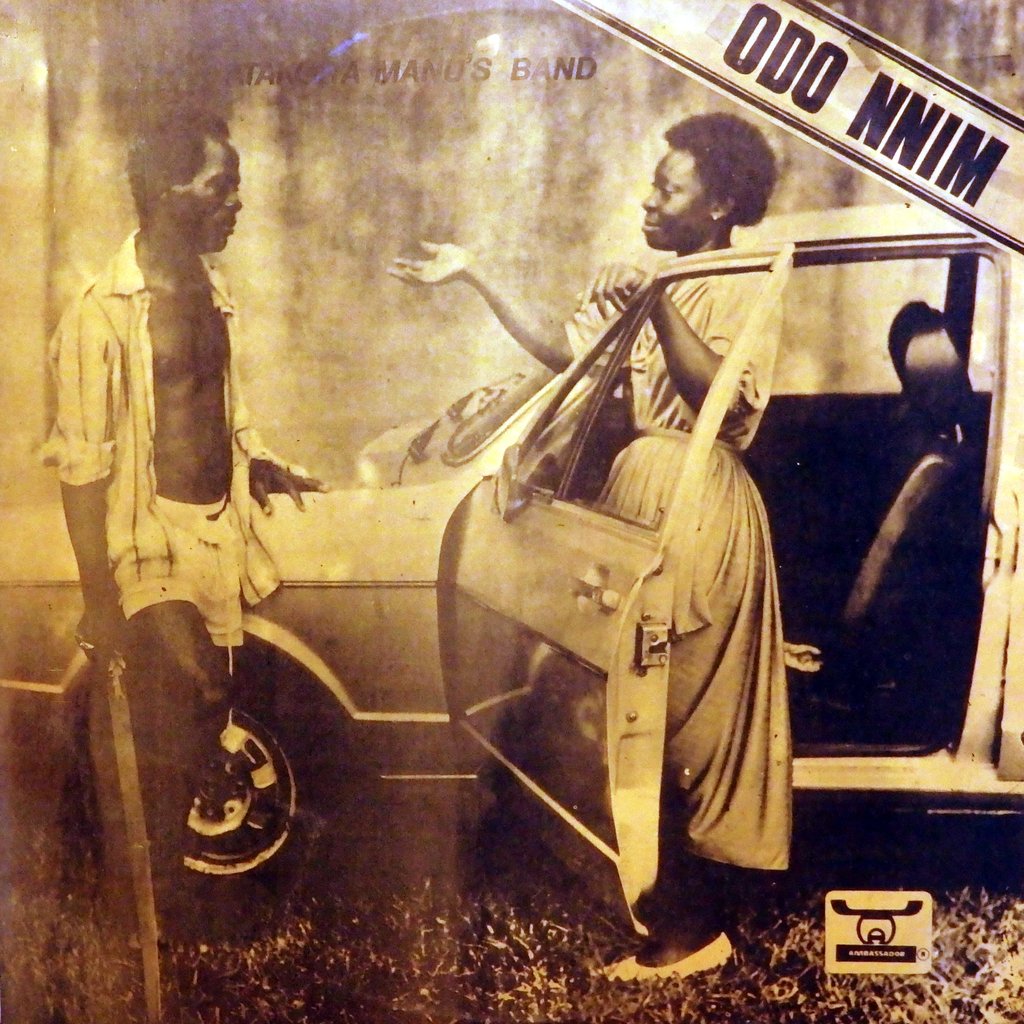
| 1973 | Sound engineer position at Ambassador Records (Kumasi); regrouping of the Princess Trio |
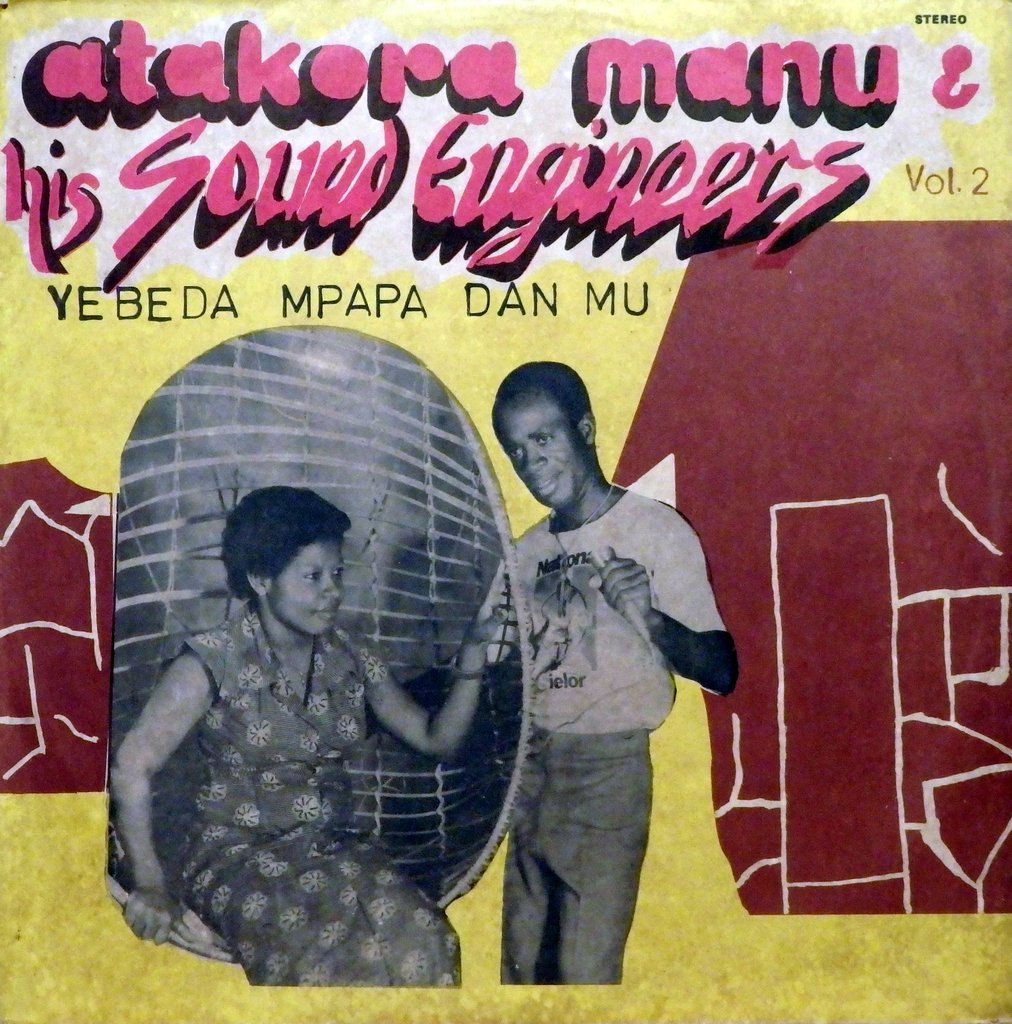
| 1970-80 | Significant album catalogue with the Princess Trio and the Sound Engineers |
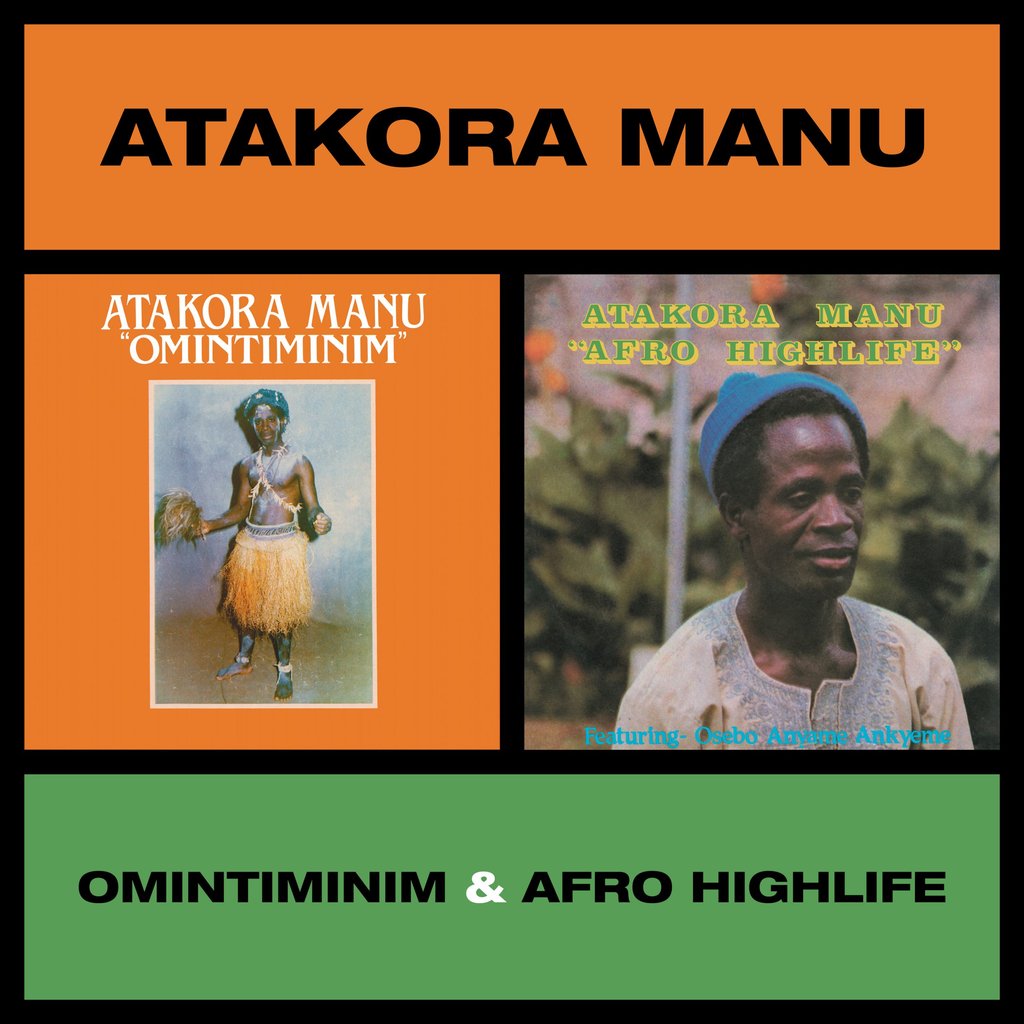
| 2015 | Death in Toase; his work reissued by BBE Music (Afro Highlife, Omintiminim) |
Origins and musical training
Atakora Manu was born in 1940 in Toase, in the Ashanti region. He completed his elementary studies at the Catholic schools of Toase and Amoako College. In 1956, he left school to become a machine operator at the Ministry of Agriculture, stationed at Brofoyedru in the Adansi district. His band leader was an accomplished guitarist, and his musical instinct was awakened; he became a fervent disciple. The station’s spray engineer, the late B.D. Prempeh — also his brother-in-law — encouraged him by promising to buy a set of guitars if he achieved perfection. Prempeh died suddenly in an engine accident in 1961, and Atakora’s wish went unfulfilled. He then resigned to return to Toase, where B.K. Amankwah bought him a set of instruments and made him the resident band leader at the club. He formed the Princess Trio, which became so popular in Toase that it performed throughout the country.
Career: tours, coup d’état and return to the studio
The Princess Trio (played from 1961 to 1963 with drummer Togas and multi-instrumentalist Elder Osei Bonsu) alternated with a stint in 1963 at the United Ghana Farmers’ Council Theatre Troupe, where Manu played guitar until 1966. The 1966 coup d’état disbanded the Troupe and sent Atakora back to Toase. In 1967, he formed Kakaiku No.2 Band with Moses Kweku Oppong (from the famous Kakaiku No.1) as solo guitar, and produced a series of national singles over three to four years — “Ohoho Batani”, “Kookrokoo”, “Akwantu Mu Nsem” and “Akyinkyina Akyinkyin”. In 1970, he resigned from the formation and worked for a few years as a sound engineer on other projects. In 1973, Ambassador Recording Studios in Kumasi — then the country’s largest independent label — offered him an engineering position, and his talent behind the console inspired the owner to take up his own music again. Thanks to this trust, Manu regrouped the Princess Trio and recorded an album catalogue in the 1970s and 1980s.
Major works
| Work | Year | Why it’s essential |
|---|---|---|
| Disko Highlife | 1970-80 | Signature sound: roots guitar and electronic keyboards, fluid playing |
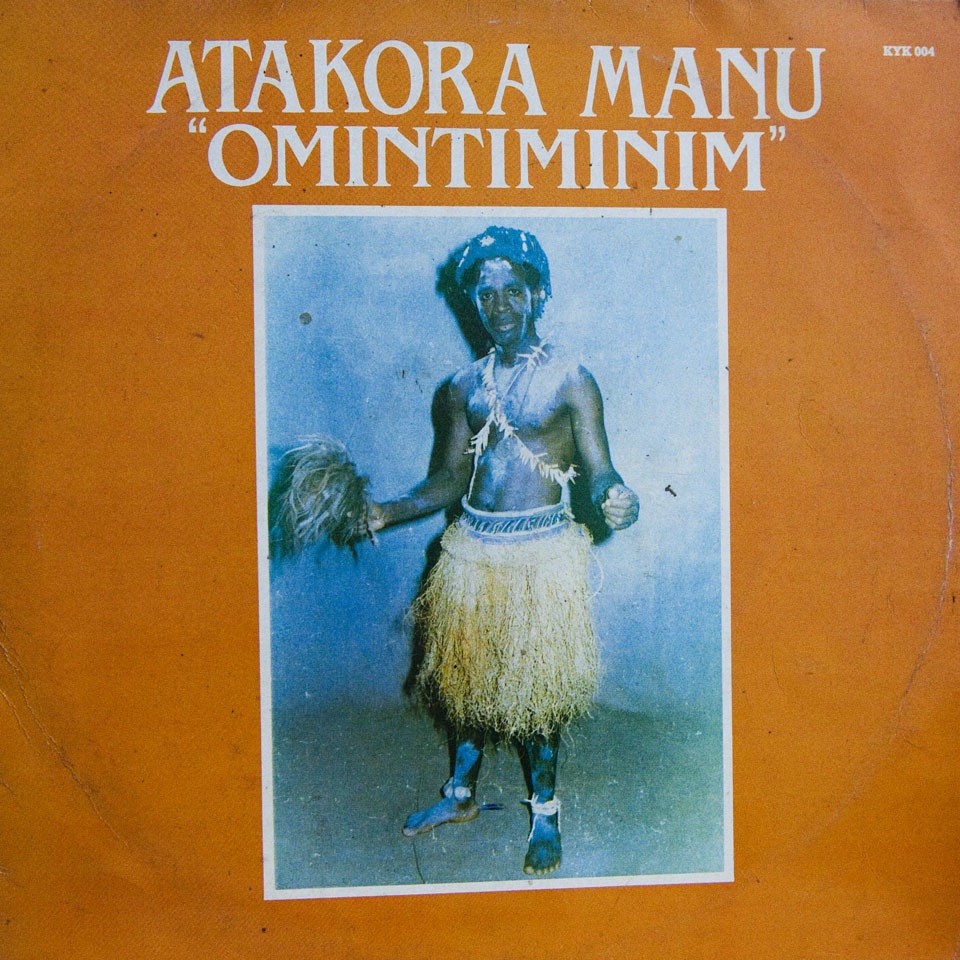
| Afro Highlife / Omintiminim | 1980s (reissued in 2021) | Double album reissued by BBE; “Dada” and “Cape Coast Cousin” |
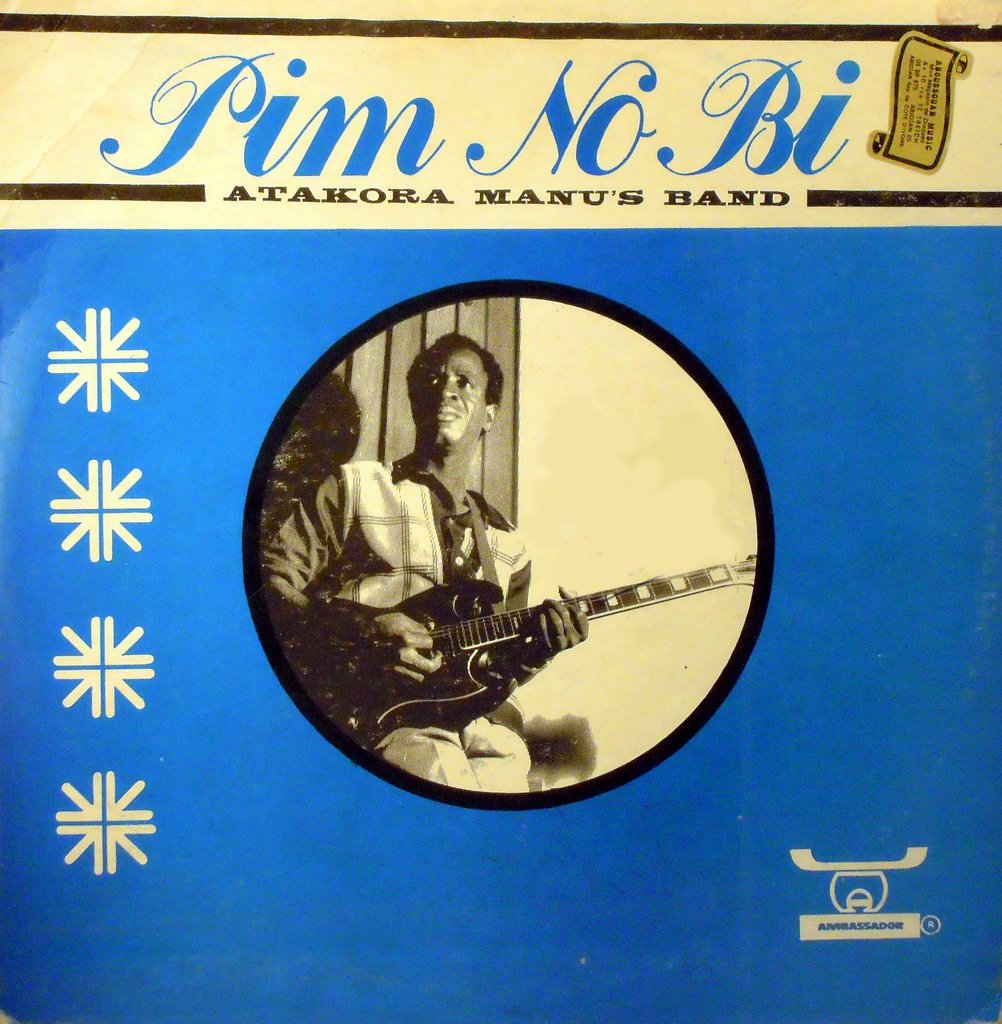
| Pim No Bi | 1981 | Album cited as exemplifying his unique style |
| Afro Highlife / “Asante Kotoko” (single) | 1980s | In praise of the Kumasi champion team, “Super Otete Impomamu” with twin-saxophone sax |
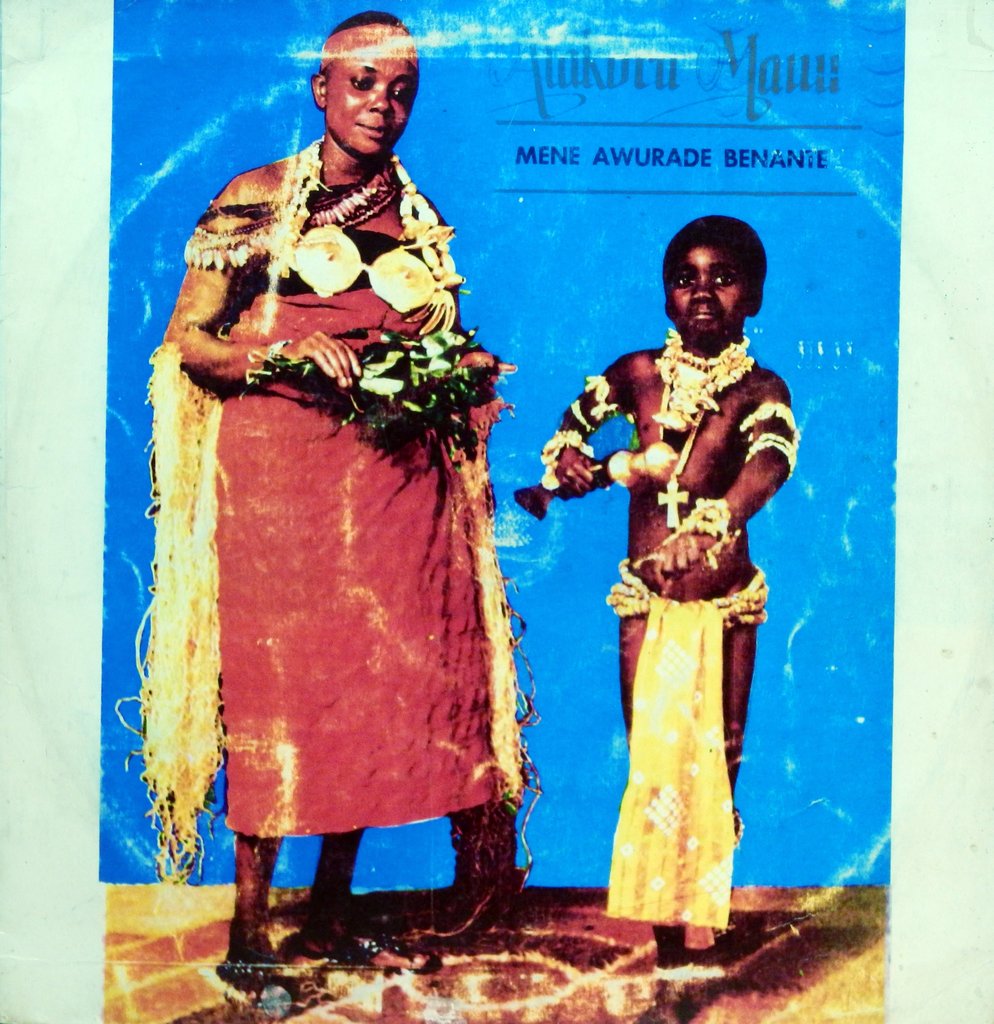
| Mena Awurade Be Nante / “Bre bre Na Eye” | — | Titles from his discography known to be popular |
Legacy and influence
Atakora Manu’s sound — roots palmwine guitar mixed with quirky electronic keyboards — was revolutionary in the conservative highlife of the 1970s-80s. BBE Music describes his music as “smooth, groovy” and characterizes the double reissue Afro Highlife/Omintiminim as “a long-overdue tip of the hat to one of Highlife’s more underrated stars”. He died in September 2015 in Toase; his work remains rediscovered today, notably through this reissue.
Sources and references
- “Atakora Manu’s Band biography”, Last.fm, https://www.last.fm/music/Atakora+Manu%27s+Band/+wiki, accessed November 25, 2026.
- “Atakora Manu & his Sound Engineers - Odefedefe, Ambassador”, Globalgroovers, https://globalgroovers.com/2011/04/atakora-manu-his-sound-engineers.html, accessed November 25, 2026.
- “BBE reissues Atakora Manu’s highlife”, Pan-African Music, https://pan-african-music.com/en/bbe-atakora-manu/, accessed November 25, 2026.
- “Sad News: Veteran Guitarist Attakora Manu Passes On”, ModernGhana, https://www.modernghana.com/entertainment/32431/sad-news-veteran-guitarist-attakora-manu-passes-on.html, accessed November 25, 2026.
- “Highlife veteran Attakora Manu dead”, Citi FM / Citifmonline, https://citifmonline.com/?p=149248, accessed November 25, 2026.
- “Atakora Manu - Omintiminim & Afro Highlife”, BBE Music, https://bbemusic.com/product/atakora-manu-omintiminim-afro-highlife, accessed November 25, 2026.