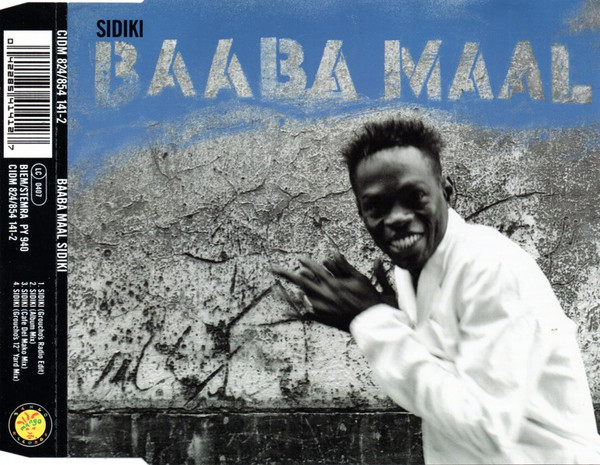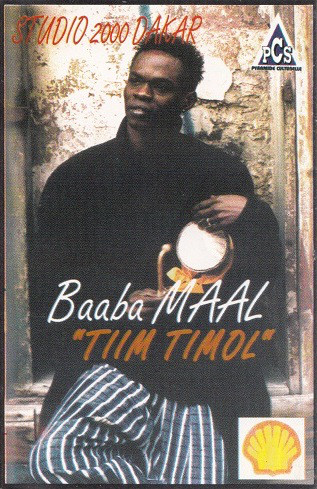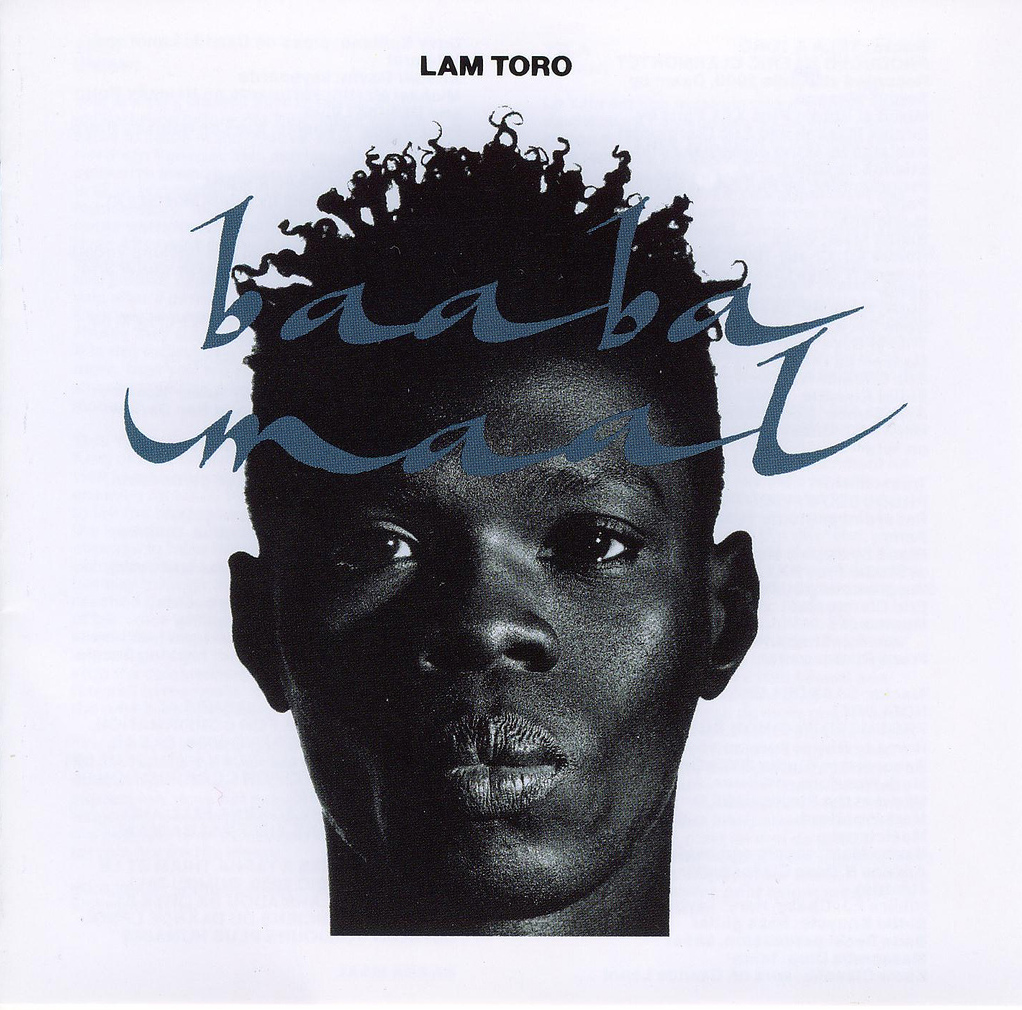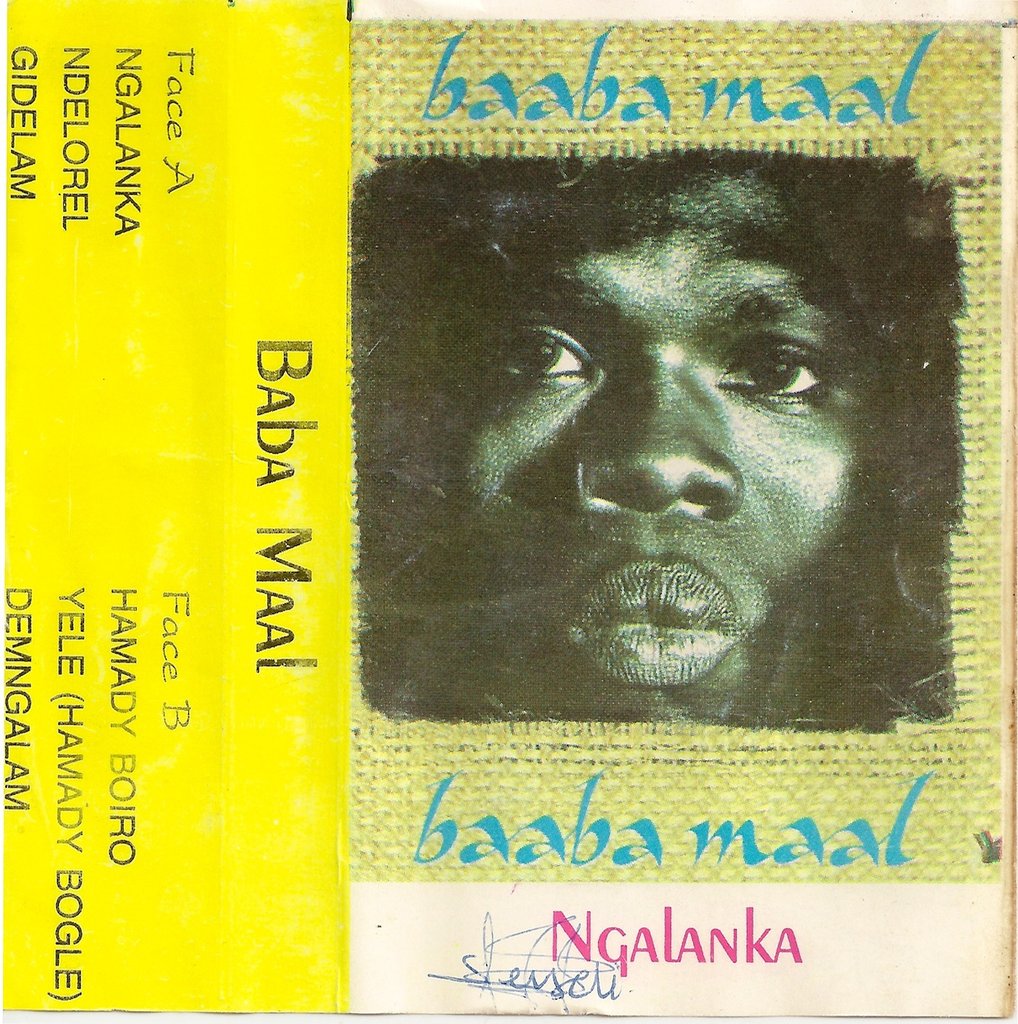
Biography
Baaba Maal: the voice of the Sahel carried by the world
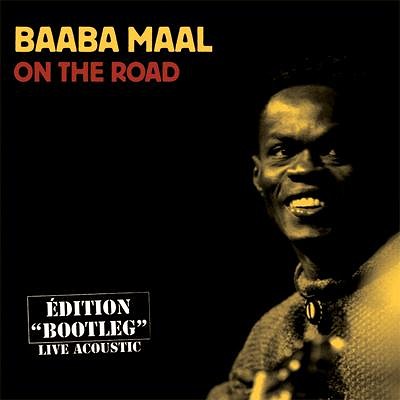
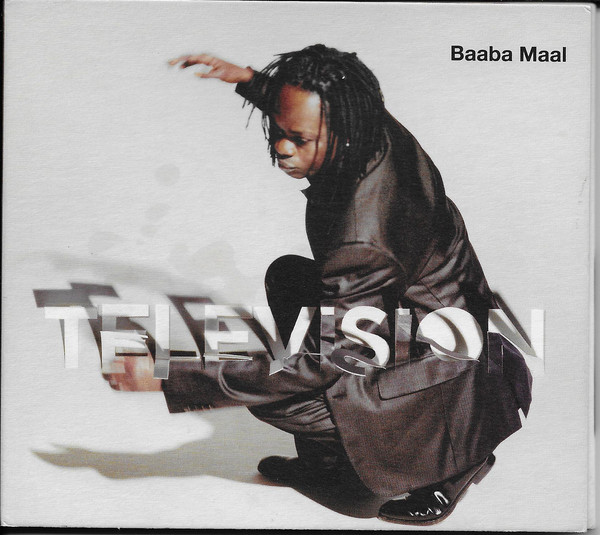
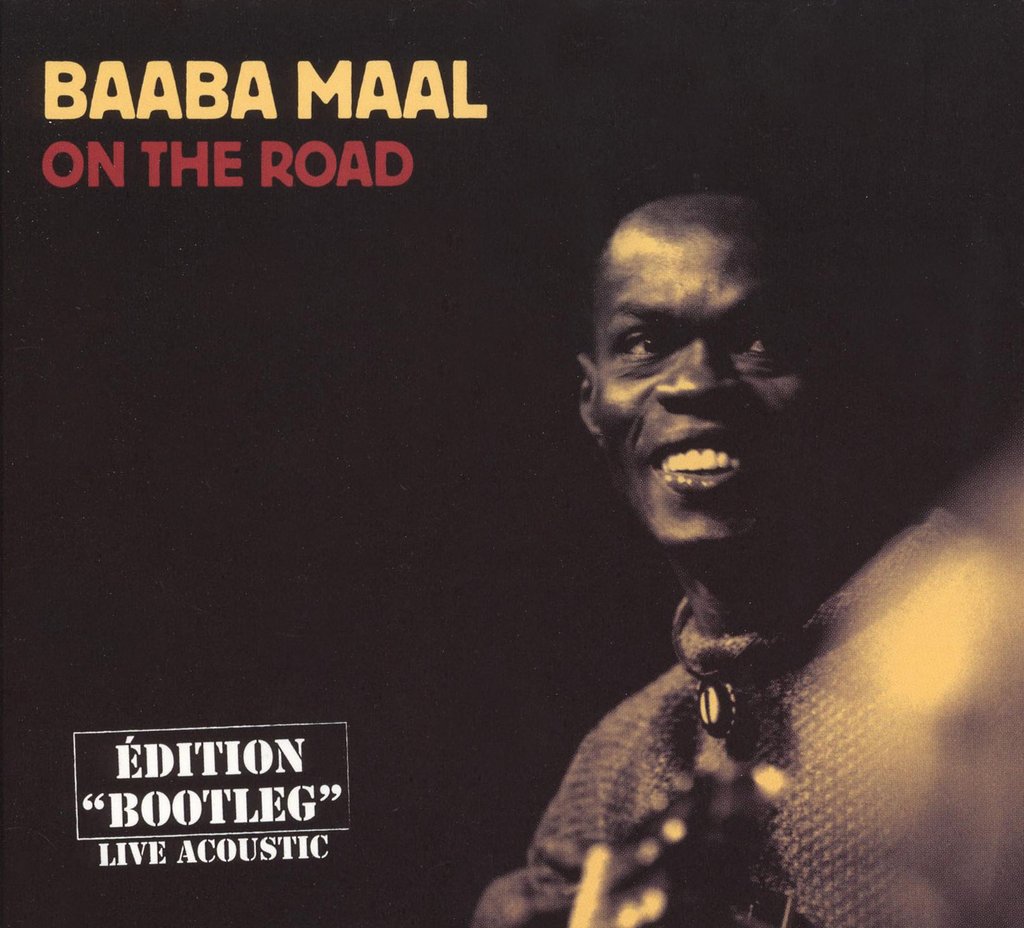
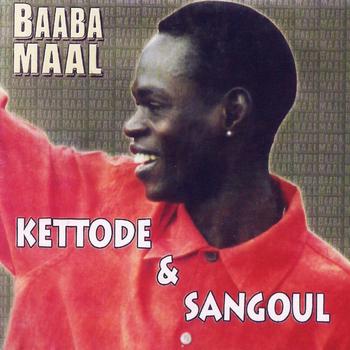
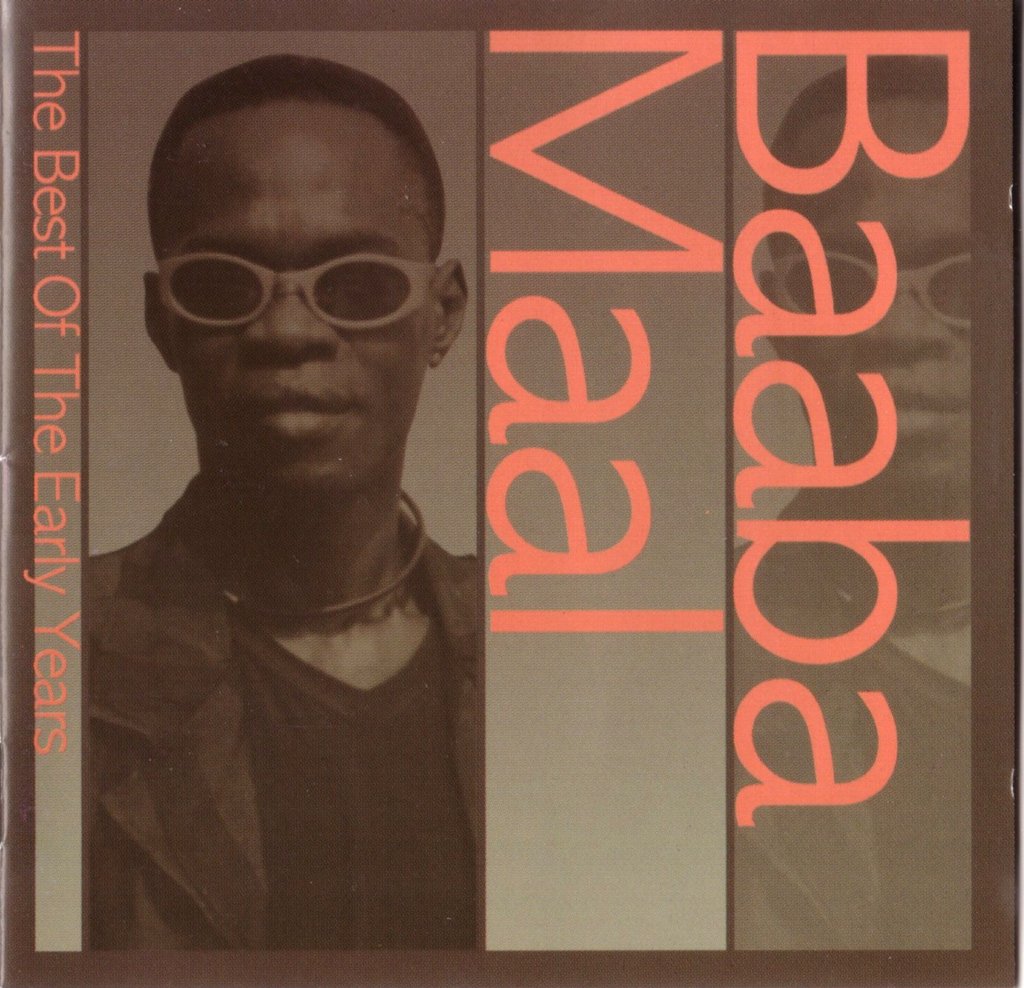
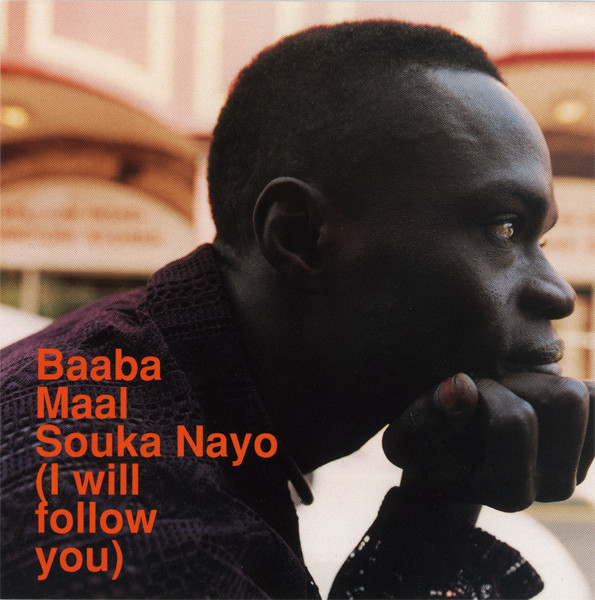
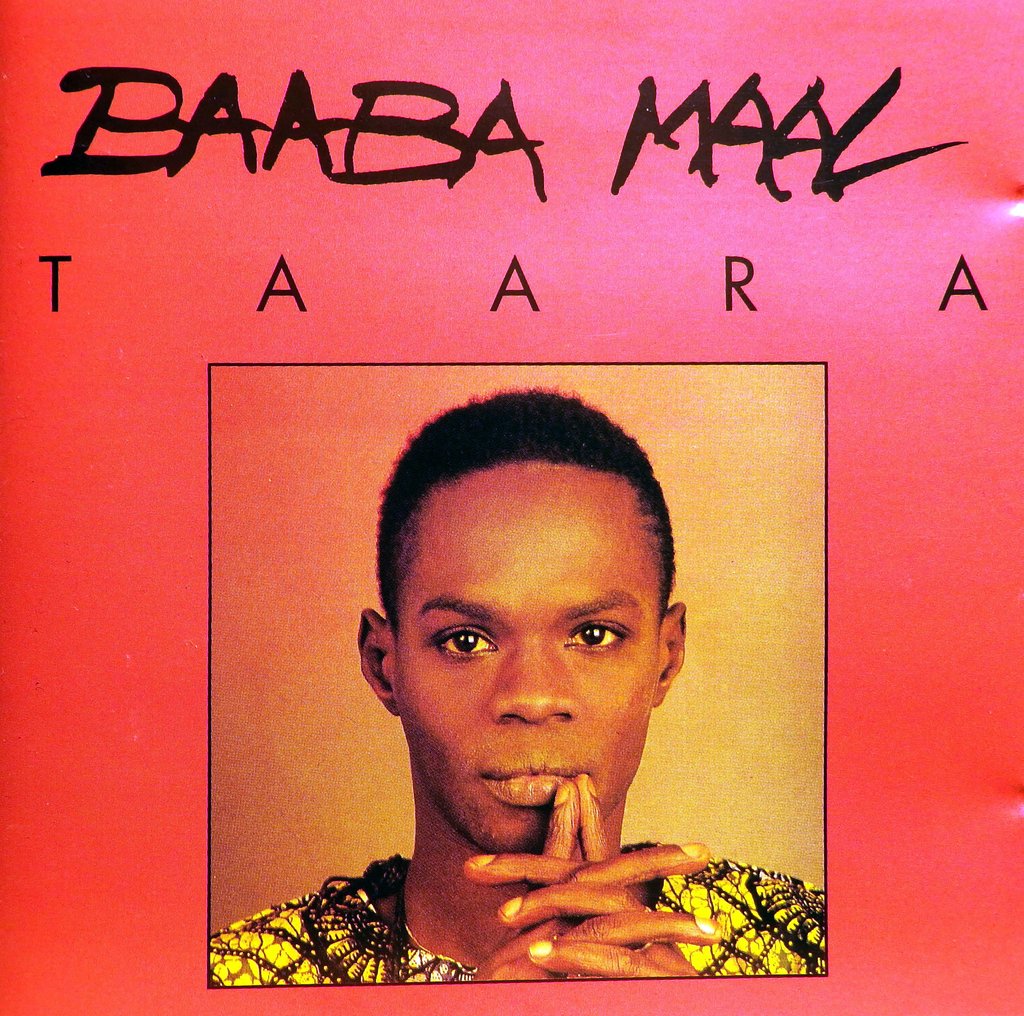
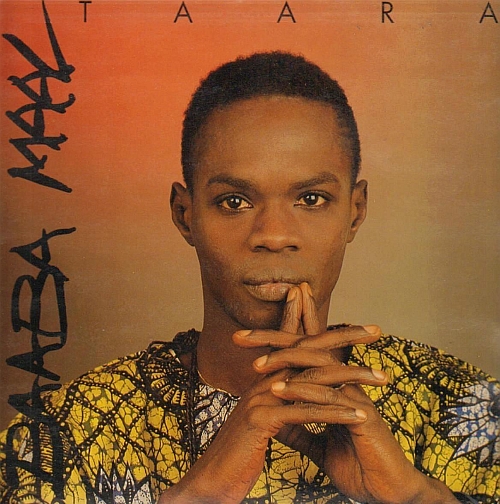
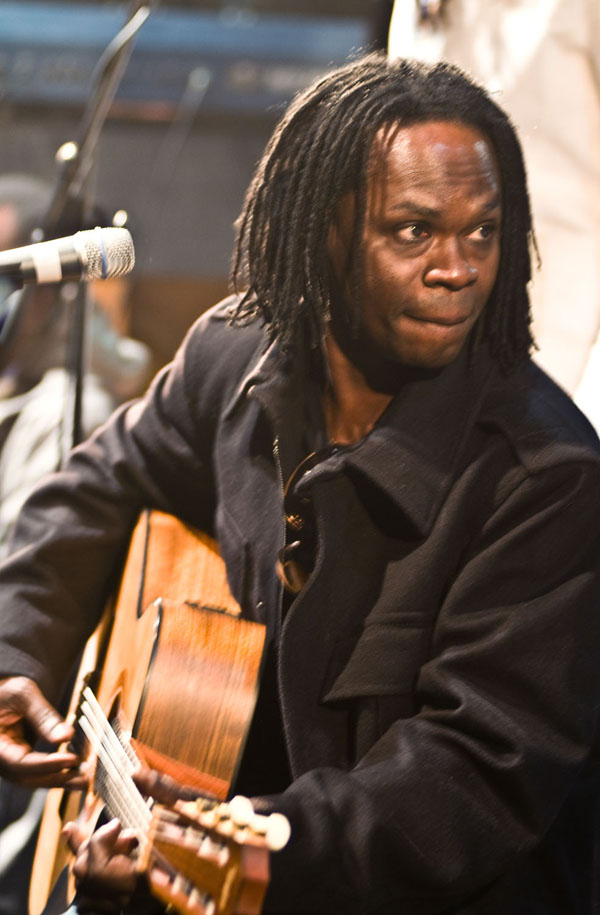
At dusk, on the banks of the Senegal River, Baaba Maal sings in Pulaar — the language of his Peul people — and his voice resonates like a call. Neither muezzin nor born griot, he built his art at the crossroads of worlds: the ancestral traditions of the Sahel and Western sounds. This fisherman’s son from Fouta became one of the most recognizable faces of African music.
In brief
| Name | Baaba Maal (stage name) |
| Birth | June 13, 1953 (Wikipedia), November 12, 1953 (Britannica) — Podor, Senegal |
| Domain | Singing, acoustic guitar; worldbeat, afropop |
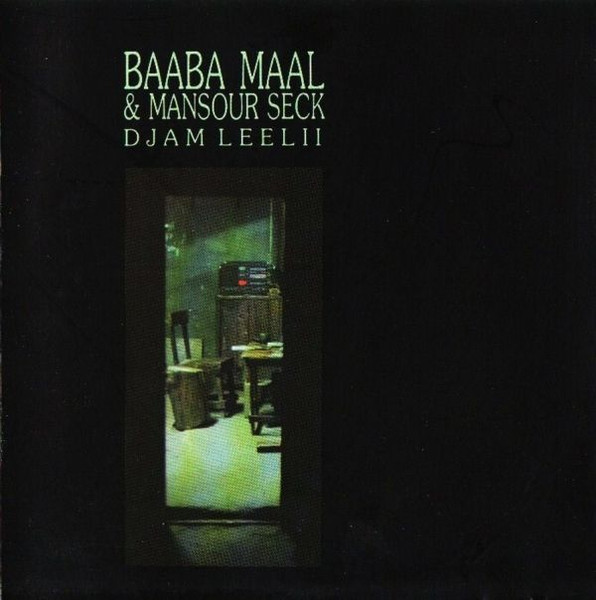
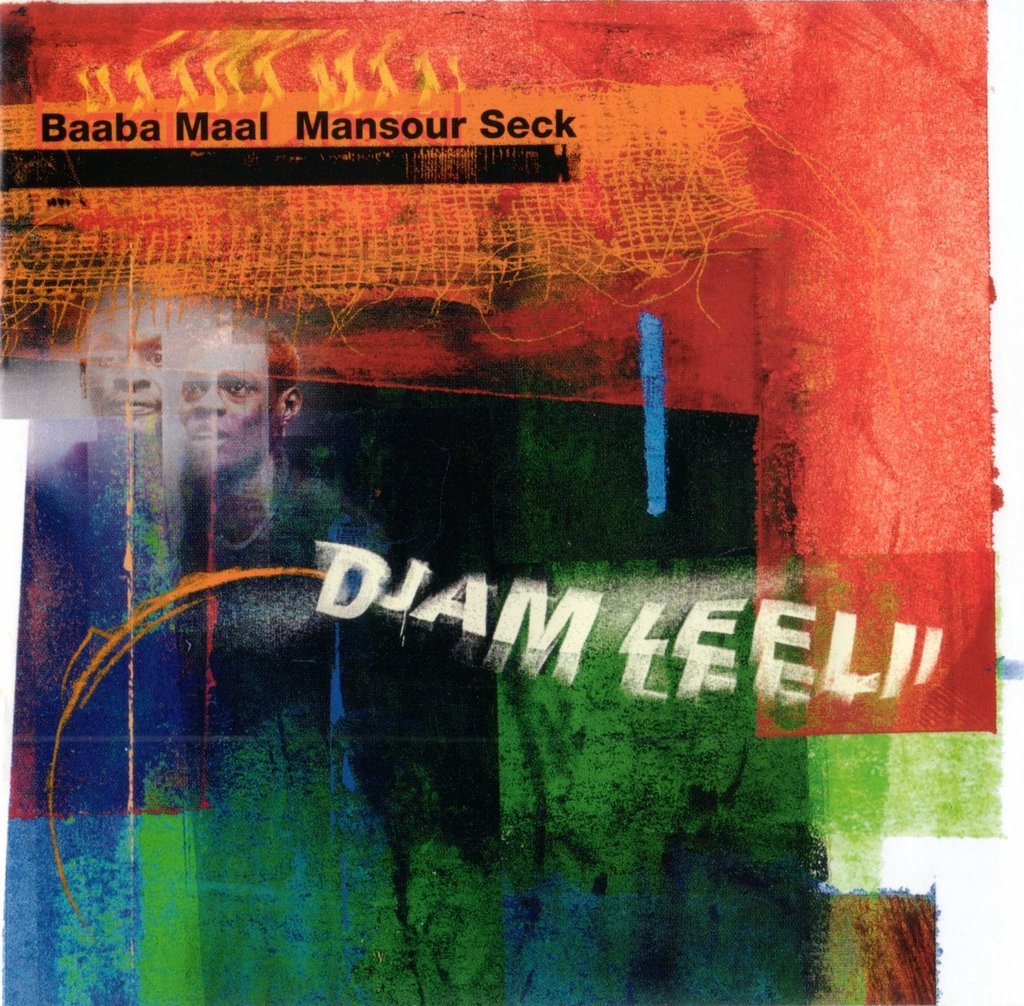
| Emblematic works | Djam Leelii (1989), Firin’ in Fouta (1994), The Traveller (2016) |
| Distinctions | Grammy nominations, UNDP Youth Envoy, UN Goodwill Ambassador against desertification |
Key dates
| Year | Event |
|---|---|
| 1953 | Birth in Podor, on the Senegal River, in a Toucouleur family |
| 1977 | Creation of Yeli Taaré Fouta with Mansour Seck and Mbassou Niang |
| 1982-1985 | Studies at the Paris Conservatoire; recording of Djam Leelii |
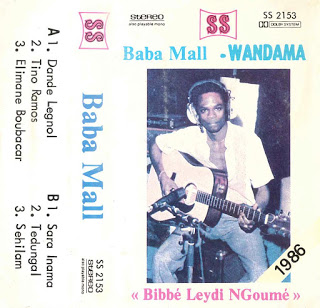
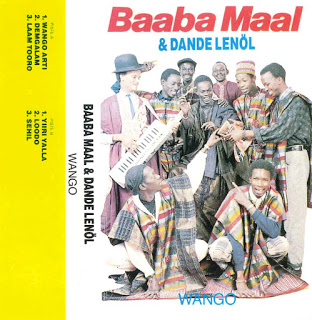
| 1986 | Formation of Daande Lenol (“The Voice of the people”) |
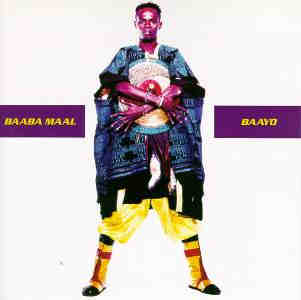
| 1991 | Baayo on Chris Blackwell’s Mango Records label |
| 1994 | Firin’ in Fouta; Grammy Award nomination |
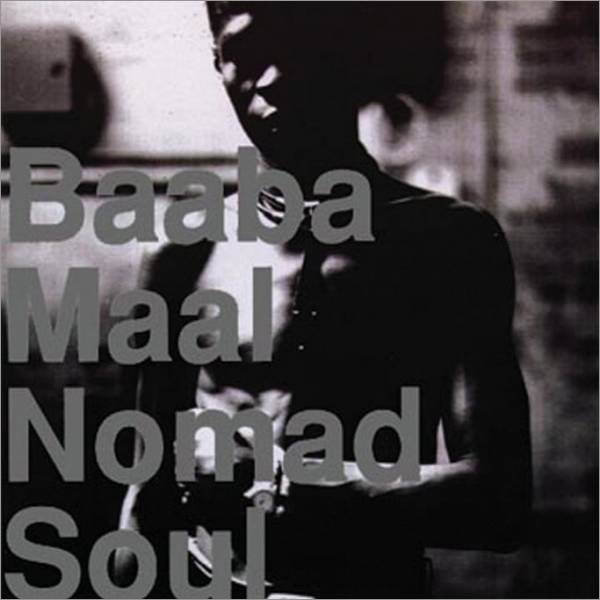
| 1998 | Nomad Soul with Brian Eno; Prince Claus Fund award |
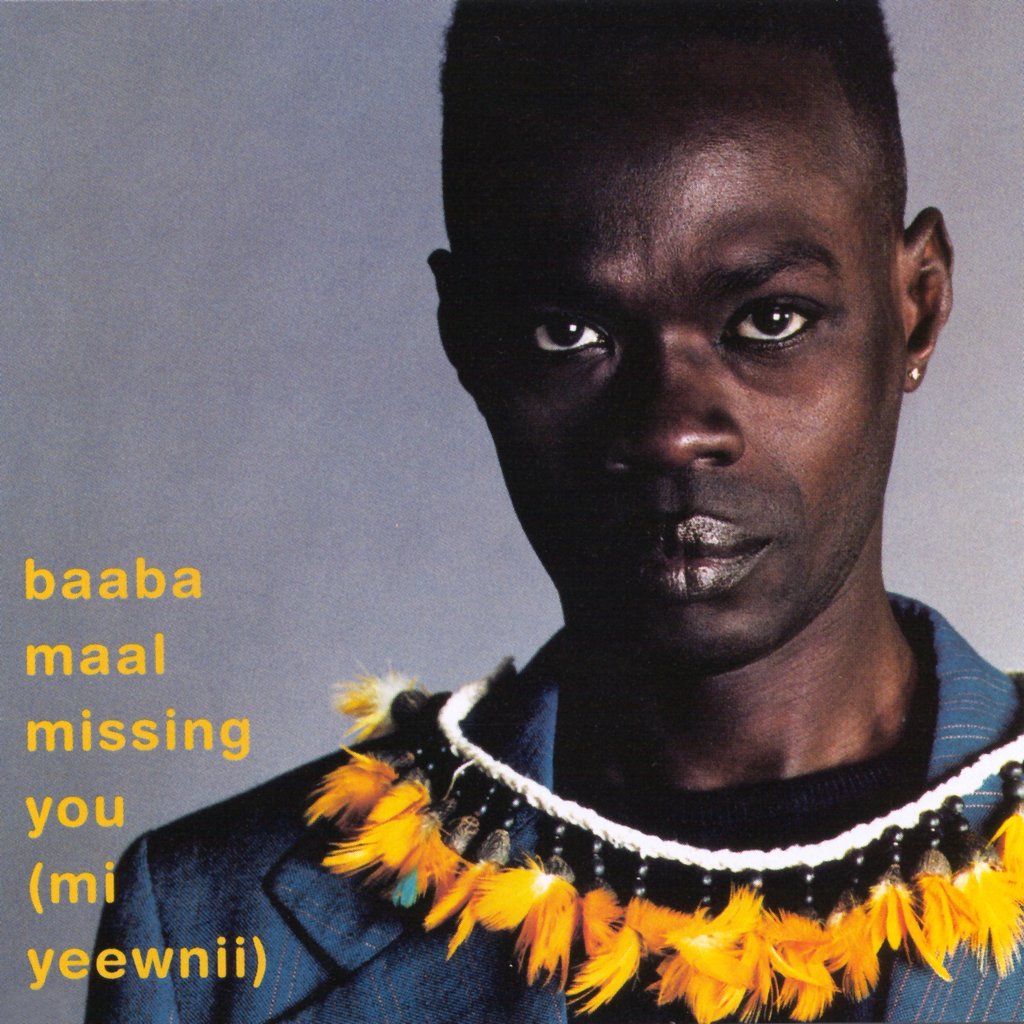
| 2001 | Missing You, return to acoustic roots |
| 2003 | UNDP Youth Envoy |
| 2016 | The Traveller; contribution to the soundtrack of Black Panther |
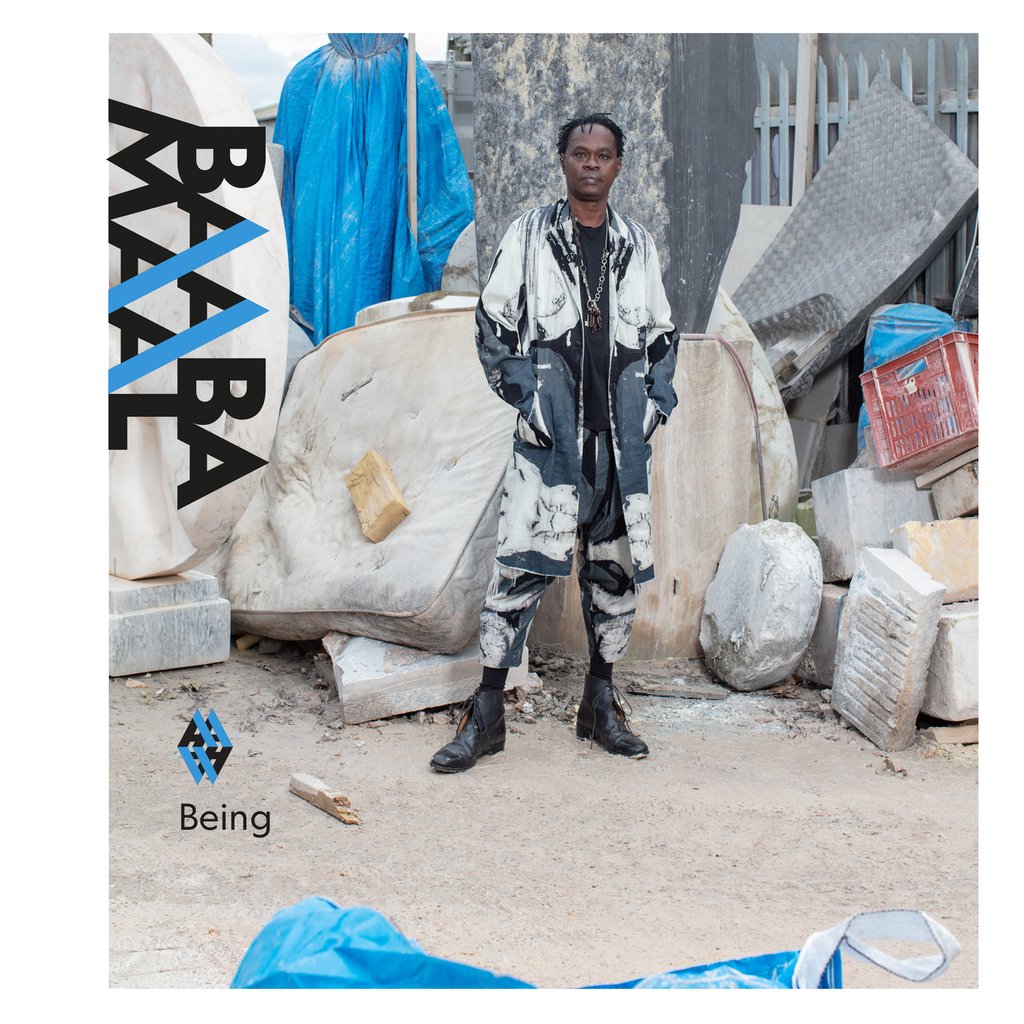
| 2023 | Being, return after seven years of silence |
The banks and the voice
Born into a Toucouleur fishing family, Baaba Maal was not destined for music. His father, a fisherman and muezzin in Podor, invited him to prayer calls — this exercise forged the power of his voice. His mother, for her part, transmitted to him a love for traditional songs: the lullabies, the yela, these three-time rhythms born from grain pounding.
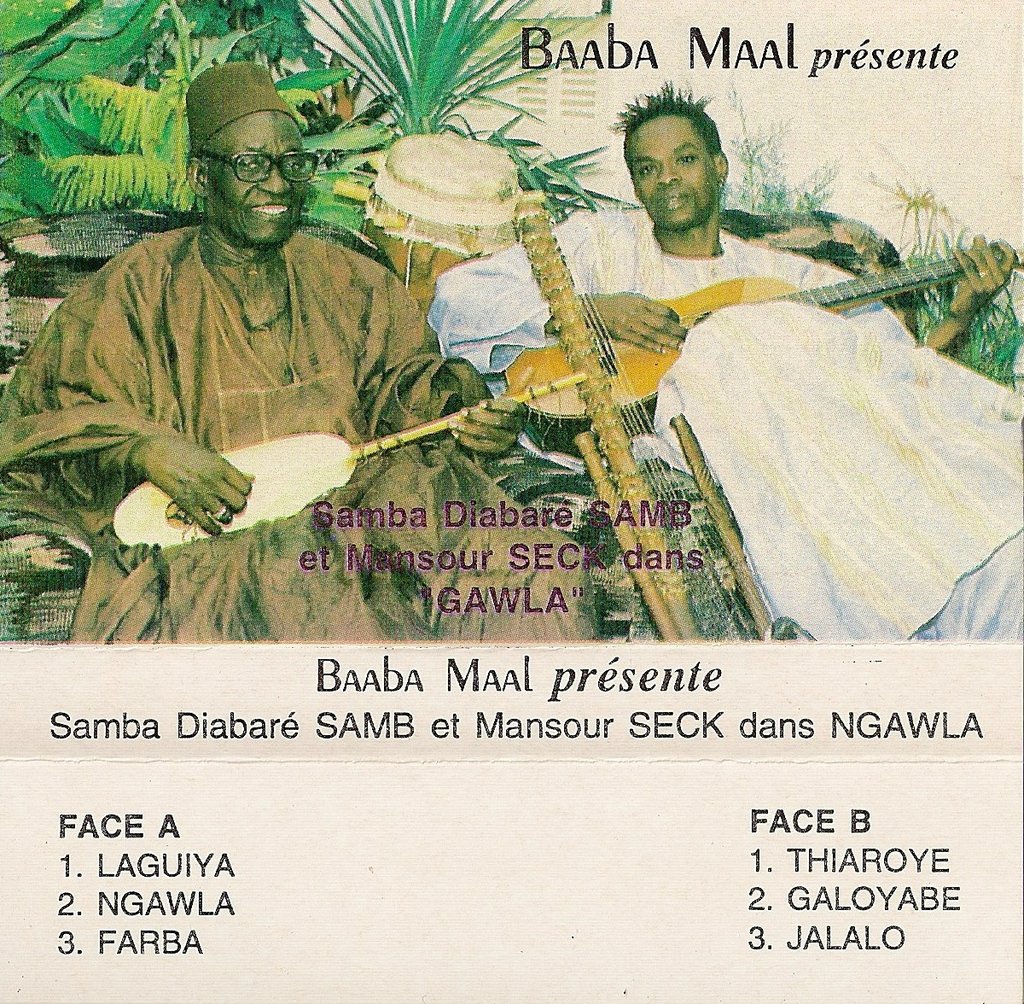
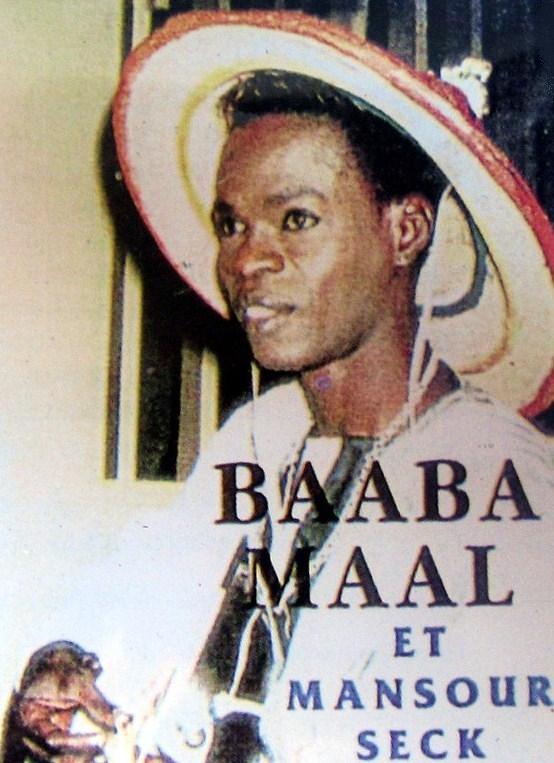
The entry into music came through friendship. Mansour Seck, blind and son of a griot — these hereditary storyteller-musicians of West Africa — became his mentor and guide. Together, they traversed the Senegal River in the seventies to collect Sahel melodies. In Dakar, Baaba studied fine arts and music, then received a scholarship for the Paris Conservatoire, where he discovered Mozart while continuing to learn the traditions of his land.
On all fronts
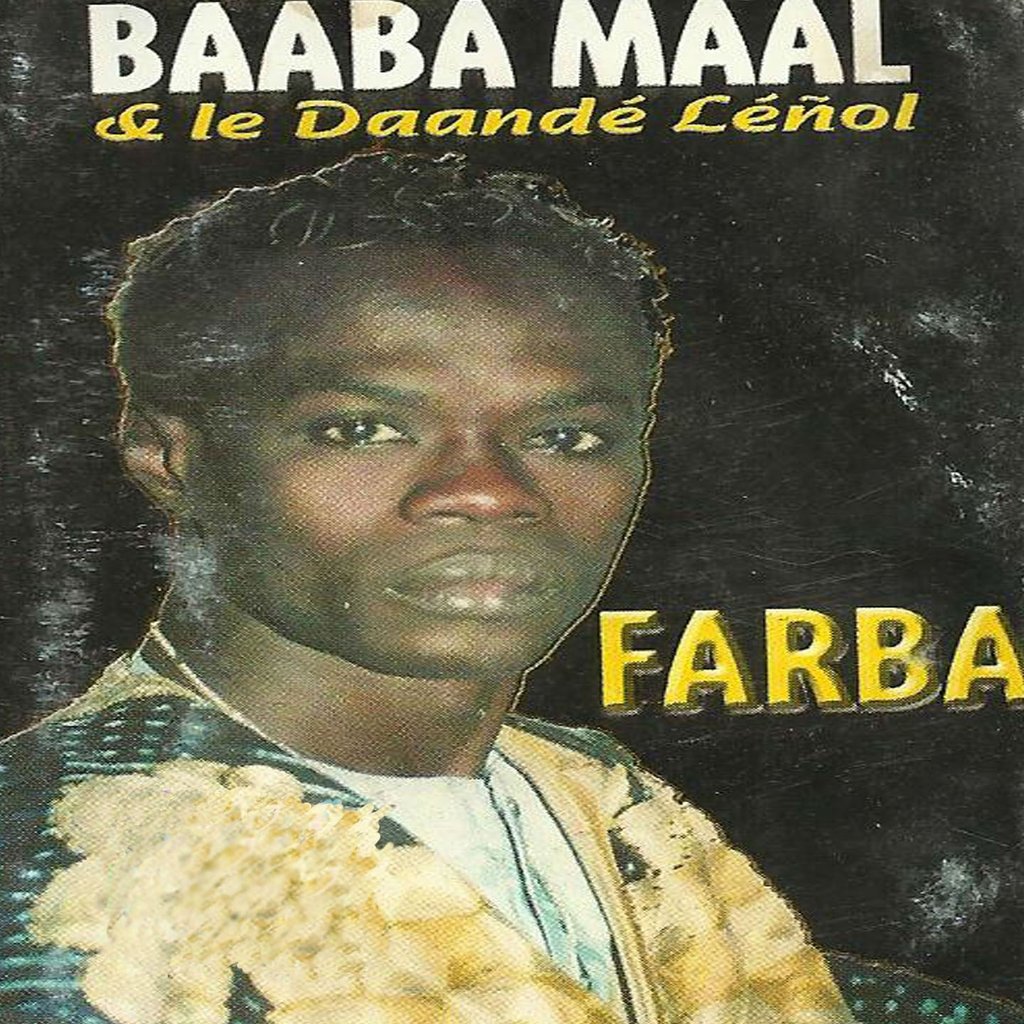
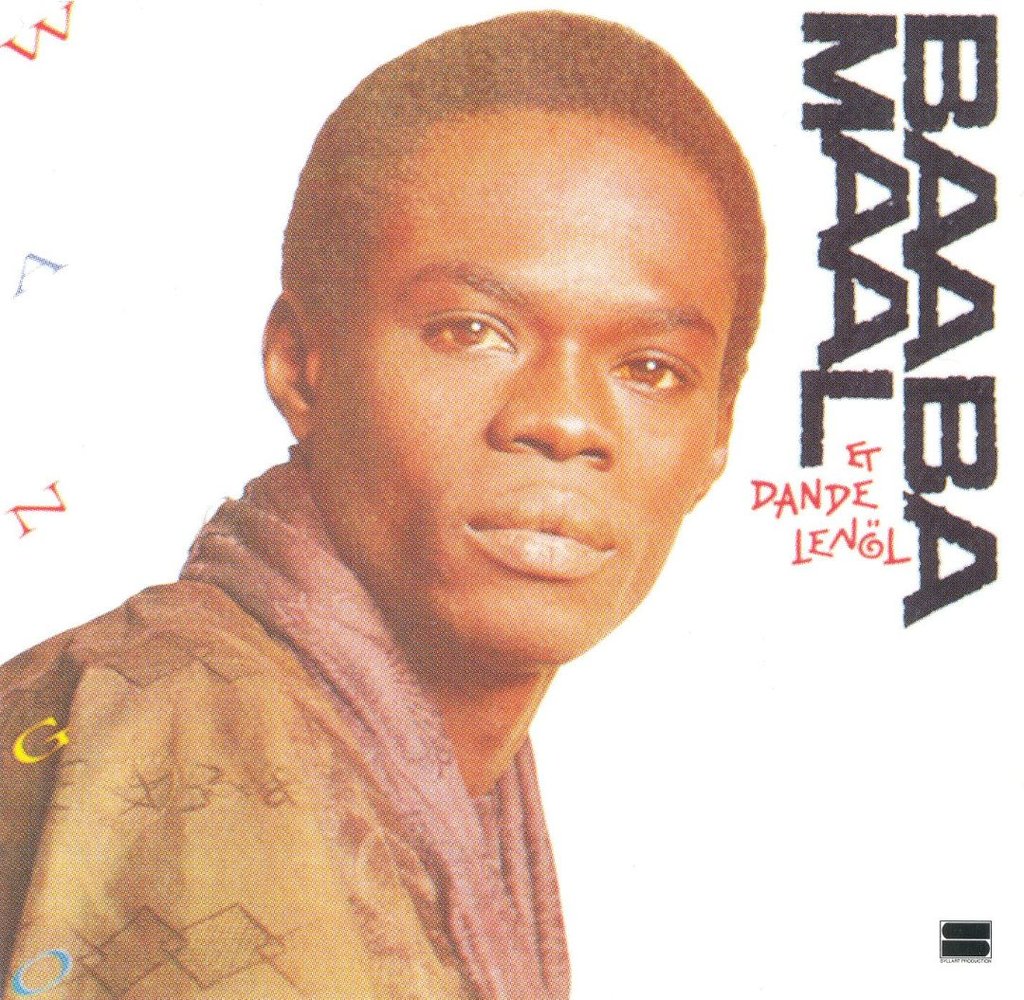
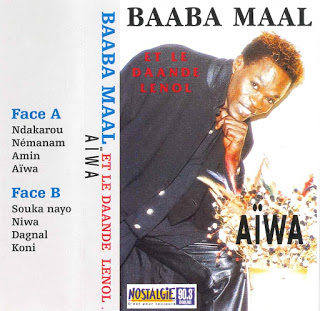
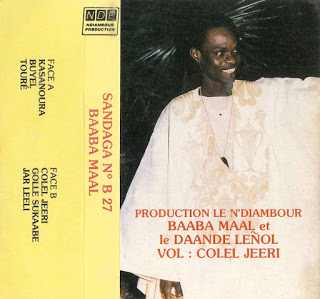
Back in Senegal in 1985, Baaba Maal formed Daande Lenol, a group of nine musicians blending electric guitar, drums, and traditional instruments — kora, tama (talking drum) and ngoni (lute). Their first resonant concert at the Daniel Sorano theatre in Dakar, broadcast on national television, launched his career in West Africa.
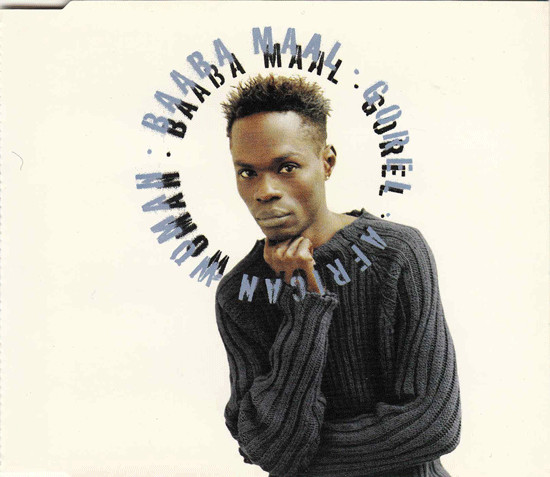
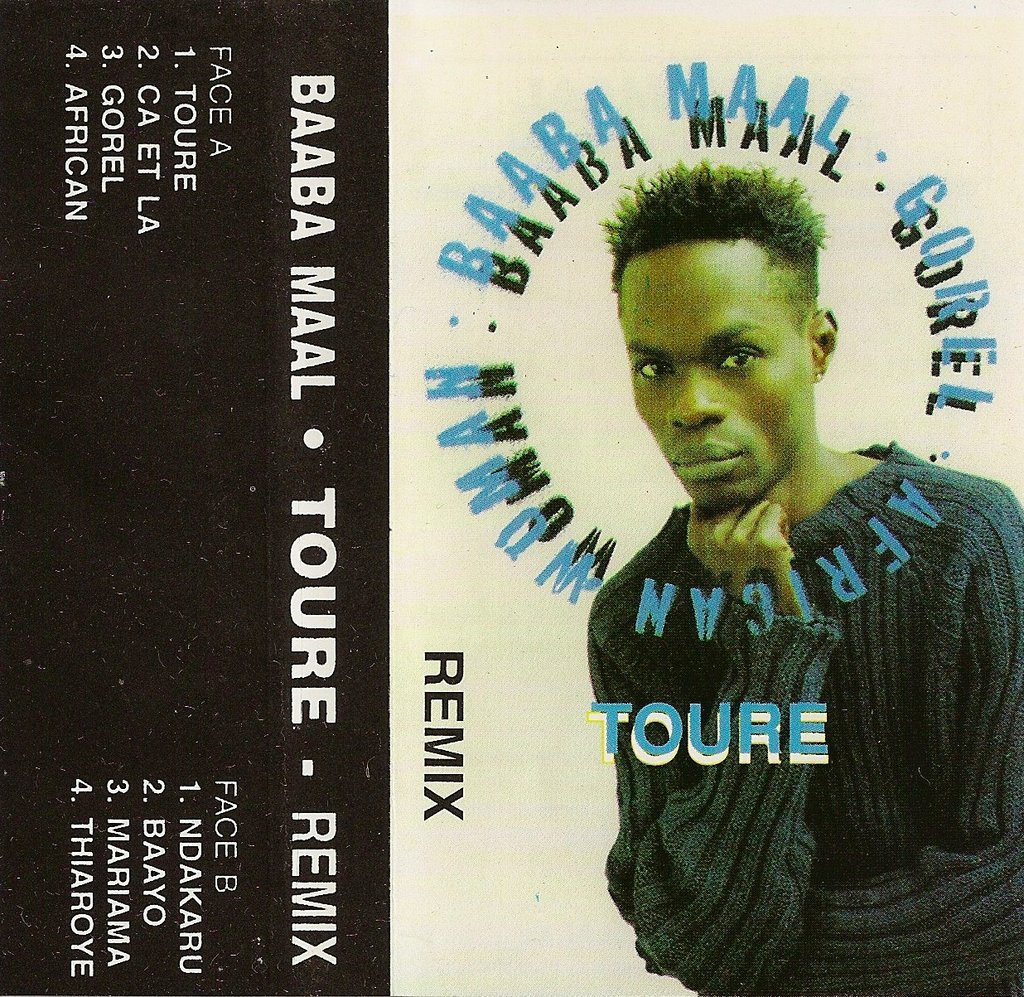
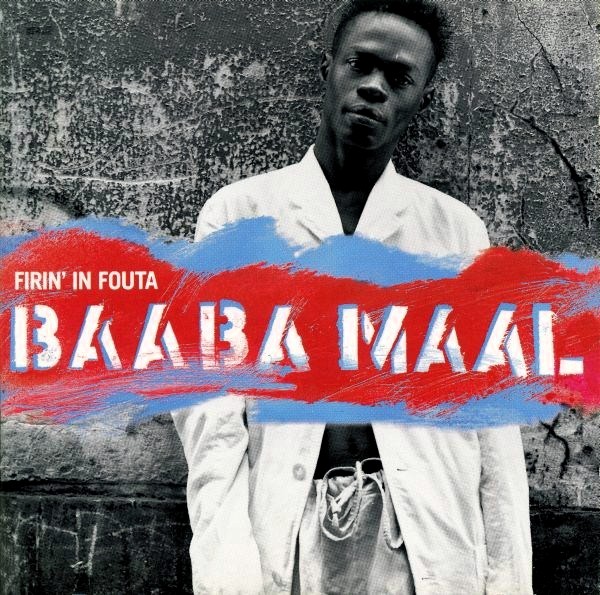
Europe discovered him at the New Morning in 1989. Peter Gabriel welcomed him on his album Passion, and Chris Blackwell, head of the Mango Records label, signed the singer. Baayo (1991) made him exist internationally. Firin’ in Fouta (1994), recorded at Real World studios with Jah Wobble and Michael Brook, earned a Grammy Award nomination — a first for a Senegalese artist.
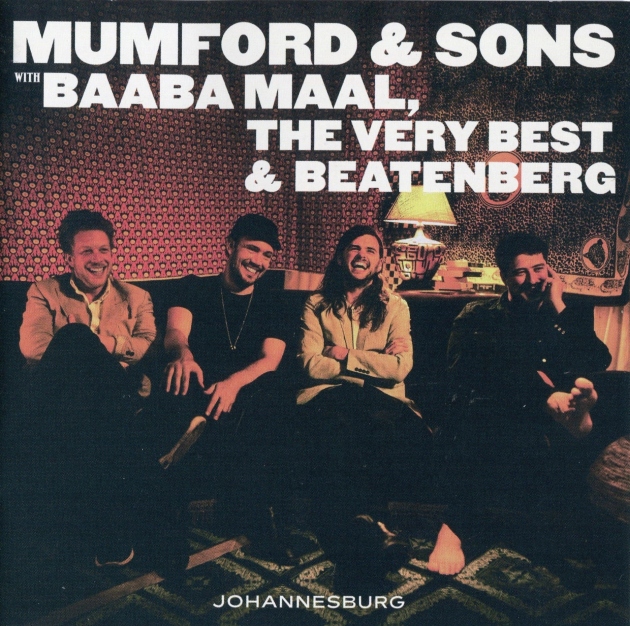
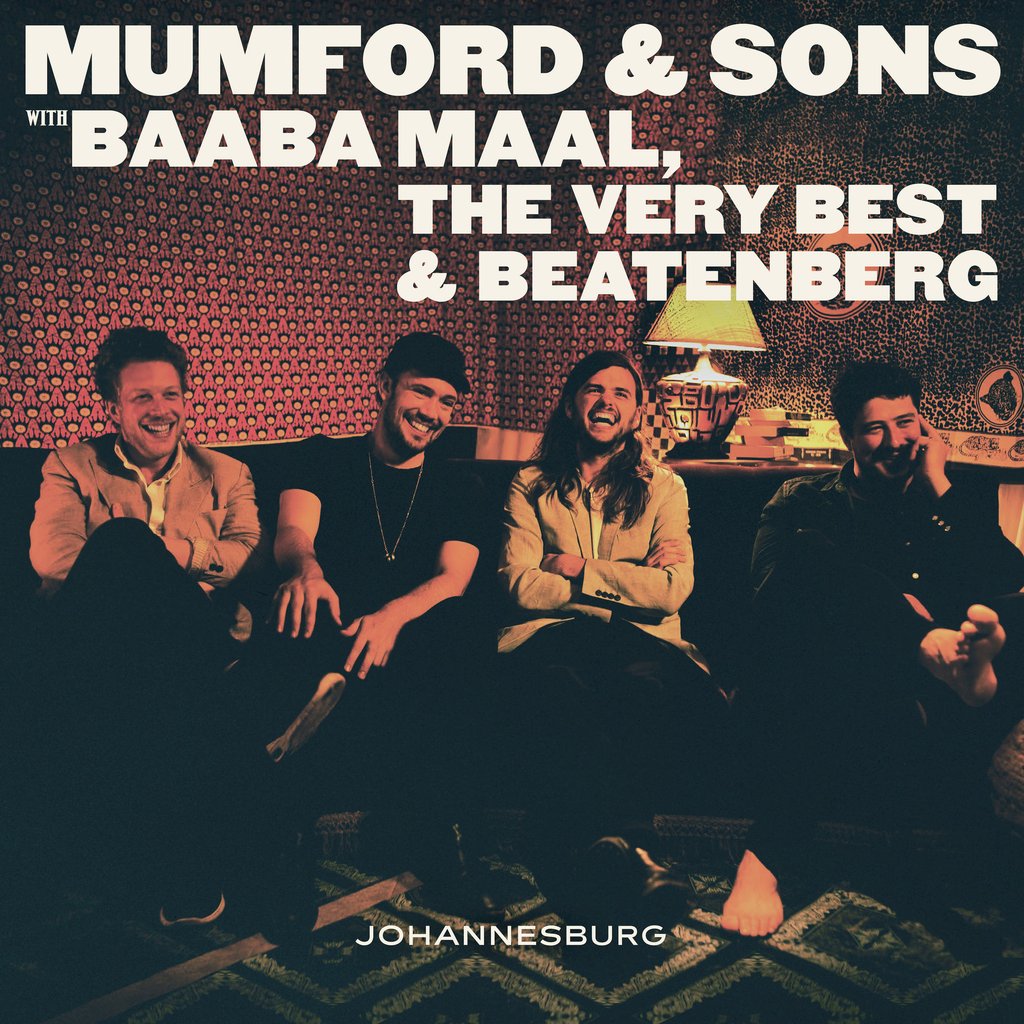
The artist did not let himself be confined to one style. Nomad Soul (1998) summoned Brian Eno and Jamaican producers Sly and Robbie; Missing You (2001) returned to acoustic sound, recorded in a Senegalese village. He collaborated with U2, Mumford & Sons, and Ludwig Göransson, who discovered him on stage for the Black Panther (2018) soundtrack.
The commitment: music as a civic act
Since the eighties, Daande Lenol addressed social and political issues — until Mauritanian authorities banned their cassettes. In 2003, the United Nations Development Programme (UNDP) named him Youth Envoy to fight against AIDS and poverty. In 2016, he founded Nann-K, dedicated to sustainable development. In 2019, he launched a tree-planting campaign to combat Sahel desertification, and in 2023 he was appointed UN Goodwill Ambassador.
Major works
| Work | Year | Why it is essential |
|---|---|---|
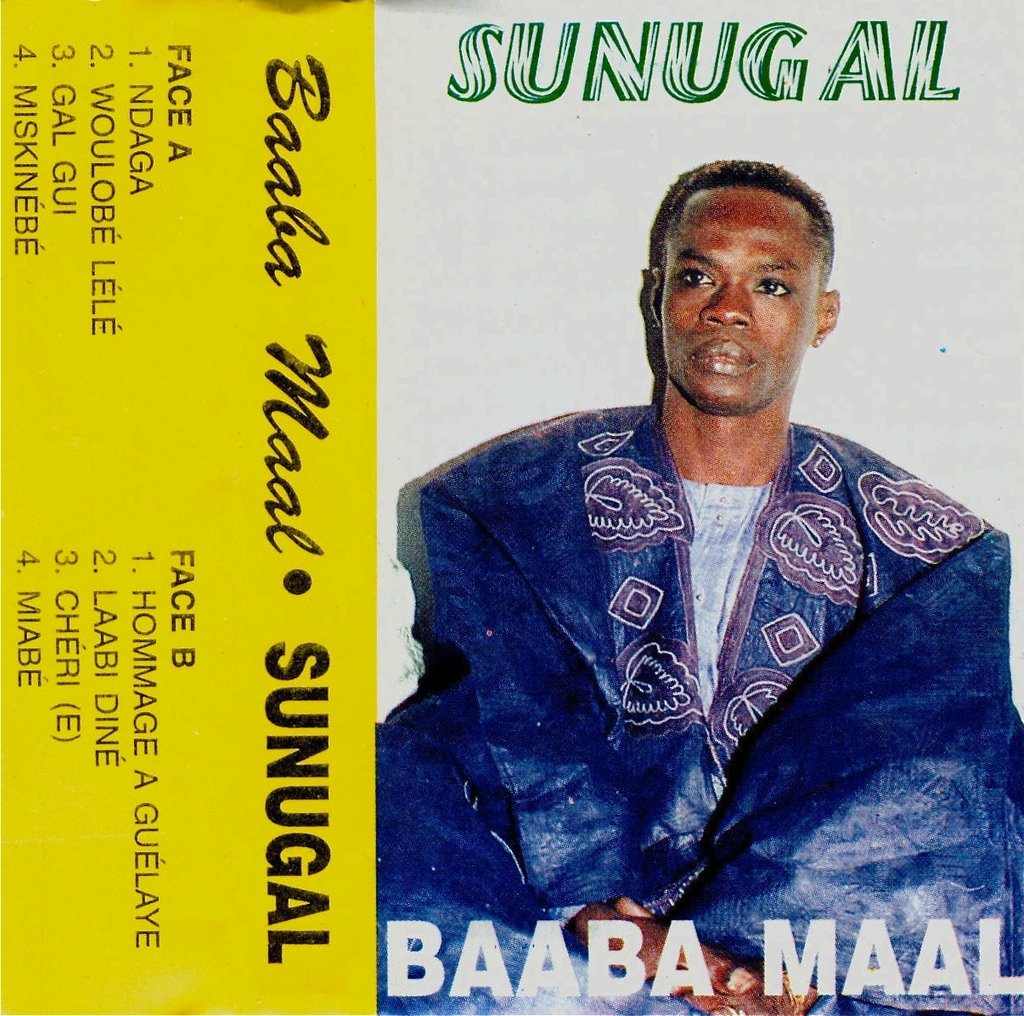
| Djam Leelii (with Mansour Seck) | 1989 | The raw energy of the meeting between two friends, recorded in Brussels |
| Baayo | 1991 | European consecration on Chris Blackwell’s Mango label |
| Firin’ in Fouta | 1994 | Afropop-reggae-salsa fusion; Grammy nomination |
| Missing You (Mi Yeewnii) | 2001 | Return to acoustic sound, in a village of Senegal |
| The Traveller | 2016 | Modern synthesis with Johan Hugo, international tour |
Legacy and influence
Baaba Maal paved the way for an entire generation of West African artists. He proved that it was possible to sing in Pulaar — a language rarely heard outside the Sahel — and fill venues around the world. His art, weaving together Sahel traditions, Caribbean diaspora, and jazz, has influenced projects like the Afro Celt Sound System. More than thirty years after his debut, he continues to play the Blues du Fleuve, his annual festival in Podor, and make it heard that colonial borders have nothing to say about the music of the river’s peoples.
Sources and references
- “Baaba Maal | Biography, Albums, & Facts”, Britannica, https://britannica.com/biography/Baaba-Maal, accessed October 19, 2025.
- “Baaba Maal”, Wikipedia, https://en.wikipedia.org/wiki/Baaba_Maal, accessed October 19, 2025.
- “Biographie : Baaba Maal”, RFI Musique, https://www.rfi.fr/fr/musique/20230411-baaba-maal, accessed October 19, 2025.
- “Baaba Maal’s Songs of the Sahel”, The Metropolitan Museum of Art, https://www.metmuseum.org/perspectives/baaba-maal-sahel-profile, accessed October 19, 2025.
- « Baaba Maal », AllMusic, https://www.allmusic.com/artist/baaba-maal-mn0000061273, accessed 19 October 2025.
- « Baaba Maal interview : I wasn’t sure I’d ever record another album », Songlines Magazine, https://www.songlines.co.uk/content/features/baaba-maal-interview-i-wasn-t-sure-i-d-ever-record-another-album, accessed 19 October 2025.
- « The Making of ‘Wakanda’ With Ludwig Göransson », Marvel Studios, https://www.youtube.com/watch?v=fcO5klPyfX4, accessed 19 October 2025.
- « Baaba Maal at Home », Afropop Worldwide, https://www.afropop.org/articles/baaba-maal-at-home, accessed 19 October 2025.