Biography
Barbara Jones
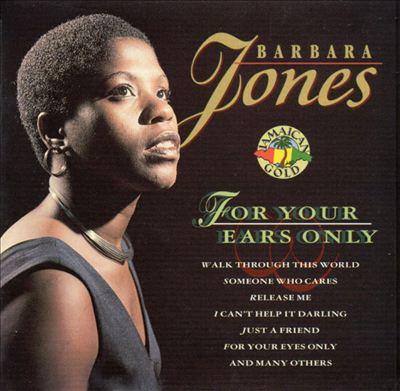
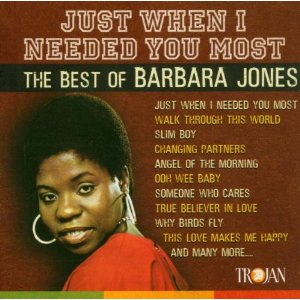
In January 1981, a gritty and warm voice climbed to number 31 on the British singles chart: “Just When I Needed You Most” by Barbara Jones. This Jamaican singer with an unforgettable timbre, nicknamed “the reggae’s Billie Holiday” by theorist Dick Hebdige, spent forty-three years bridging the gap between profane love and spiritual devotion, from rocksteady to the heights of gospel music.
In Brief
| Birth Name | Barbara Nation |
| Stage Name | Barbara Jones (also known as Barbara Nation) |
| Birth | c. 1952, Kingston (Jamaica) |
| Death | 19 December 2014, Kingston (Jamaica), aged 62 |
| Genre | Singer – reggae, lovers rock, gospel |
| Notable Works | “Just When I Needed You Most”, “Sad Movies” |
| Honors | Nicknamed “the reggae’s Billie Holiday” (Dick Hebdige, 1987) |
Key Dates
| Year | Event |
|---|---|
| 1952 (approx.) | Birth in Kingston, upbringing in Manchester |
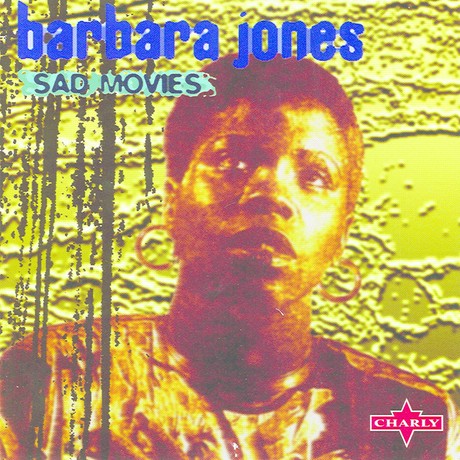
| 1971 | First recording: “Sad Movies” |
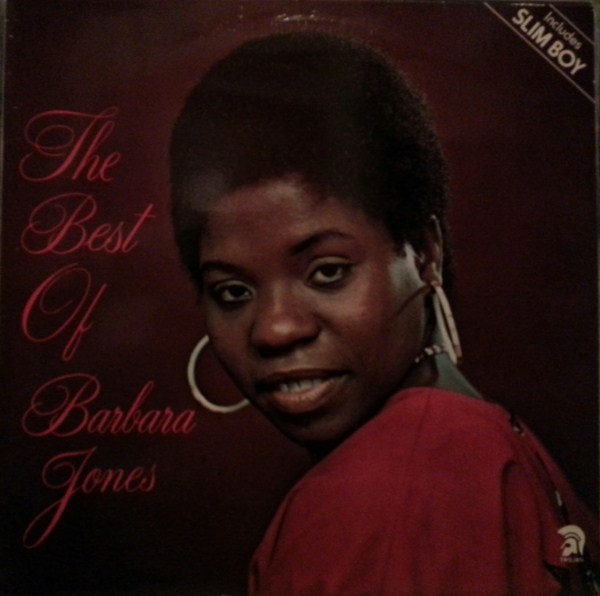
| 1976 | Compilation Best of Barbara Jones, Trojan Records |
| 1979–82 | First solo albums; toured as a backing vocalist for Jimmy Cliff |
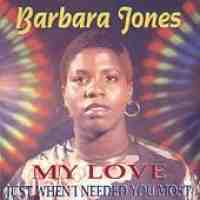
| 1980 | Release of My Love, Rhino Records |
| 1981 | “Just When I Needed You Most” reached number 31 on the UK Singles Chart |
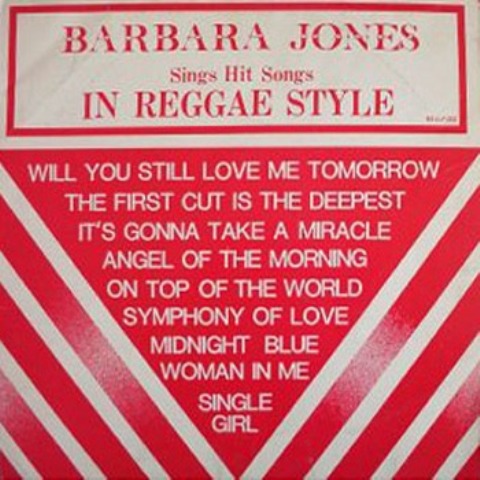
| 1983 | Sings Hit Songs In Reggae Style, Top Rank – reggae versions of standards |
| 1987 | Dick Hebdige designated her as “the reggae’s Billie Holiday” in Cut ’n’ Mix |
| 1991 | Conversion to Christianity; abandonment of profane music for gospel |
| 2000–2014 | Gospel career: albums on VP Records, Silver Lining; death on 19 December |
From Rocksteady to Gospel: A Two-Act Journey
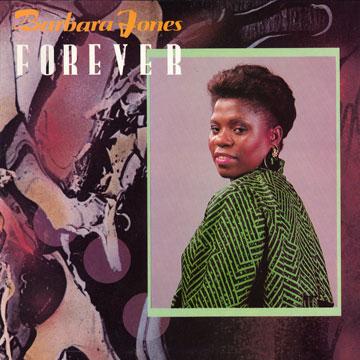
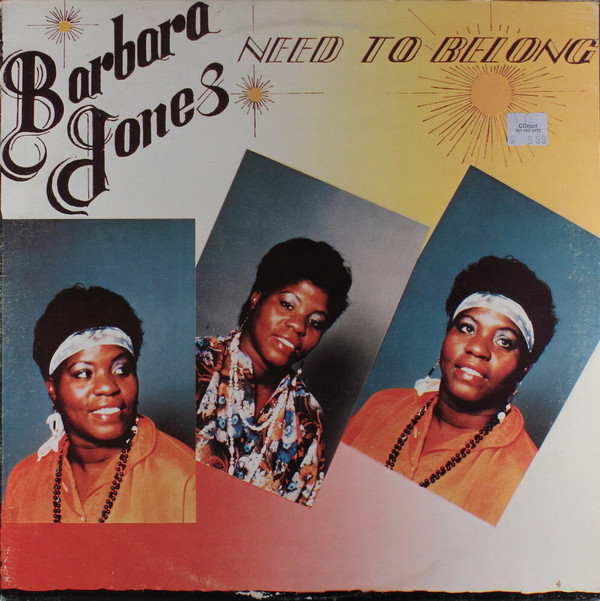
Barbara Nation grew up in the Manchester parish, at the heart of the native island of which Kingston is the musical capital. Her first steps in the studio date back to 1971 with the single “Sad Movies”, a melancholic track that unveiled a voice already whole, capable of turning every verse into a confession. In the mid-1970s, she signed her first compilation with Trojan Records (Best of Barbara Jones, 1976) and then launched solo albums on the GG’s and Rhino labels. Her debut album, Don’t Stop Loving Me (1979), confirmed a style where lovers rock — a gentle form of reggae dedicated to love stories – met American soul influences. Barbara Jones was then one of the few women to hold a durable place on the front line of the Jamaican reggae stage, surrounded by pioneers like Marcia Griffiths or Phyllis Dillon.
The turning point arrived in 1980–1981: My Love (Rhino, 1980), carrying the hit “Just When I Needed You Most”, a Randy VanWarmer cover transformed into a lovers rock anthem, climbed to number 31 on the UK Singles Chart. The same year, she followed up with Sings Hit Songs In Reggae Style (Top Rank, 1983), where she revisited “Angel of the Morning” and other international standards in a reggae-pop register, confirming her ability to reinvent Western pop melodies into Caribbean languages. In parallel, she proved to be a reliable asset for Jamaican producers and toured as a backing vocalist during Jimmy Cliff’s international tours in the late 1970s and early 1980s, an experience that refined her stage presence and gave her a visibility previously rare for a female artist in the industry. Her style — straightforward, without flourishes, carried by a deep and sincere timbre — earned her the nickname “the reggae’s Billie Holiday”, coined by Dick Hebdige in Cut ’n’ Mix: Culture, Identity and Caribbean Music (1987).
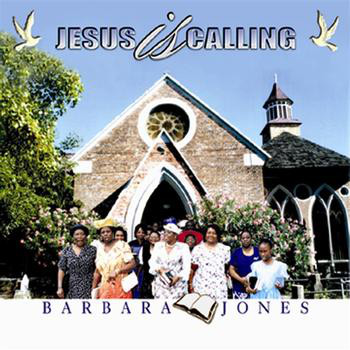
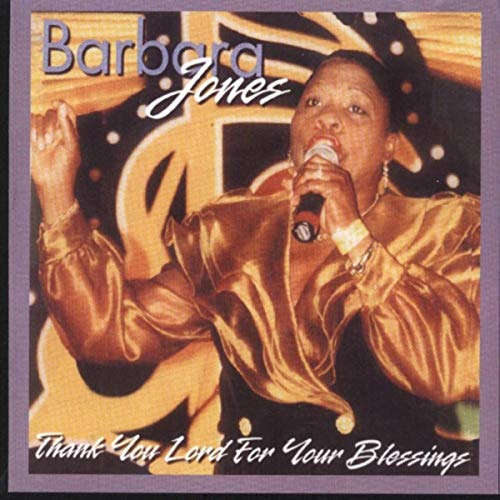
From 1991, Barbara Jones underwent a spiritual conversion that changed the course of her career. A devout Christian, she abandoned profane music and dedicated herself exclusively to Jamaican gospel. Her albums from this second life — Jesus Is Calling (VP Records, 2000), Thank You Lord for Your Blessing and So Much to Thank Him For (both Silver Lining, 2005), Use Me Lord (Nylahs Gospel Music, 2011) — bear witness to a deep faith and a singing art she never lost, simply redirected toward a different audience. This religious rebirth did not erase her reggae heritage: later compilations, such as Blue Side of Lonesome (Jet Star, 2007), continued to introduce her past recordings to a new generation.
In February 2014, while on tour in London, she was diagnosed with leukaemia. She briefly returned to the reggae stage, performing in Brazil alongside bassist Lloyd Parks, a final artistic surge before her health declined. The singer passed away on 19 December 2014 at the West Indies School of Medicine university hospital in Kingston, following complications from pneumonia contracted during her chemotherapy. She leaves behind a rich discography and a nickname that sums up her status alone: the most faithful voice of Jamaican lovers rock, an interpreter who managed to transpose human pain into immortal melodies.
Major Works
| Work | Year | Why It’s Essential |
|---|---|---|
| “Sad Movies” (single) | 1971 | First recording; introduced her voice to the Jamaican reggae world. |
| Don’t Stop Loving Me (album) | 1979 | First solo album with GG’s; established lovers rock style. |
| “Just When I Needed You Most” (single) | 1981 | Only British hit (#31); Randy VanWarmer cover in reggae-pop version. |
| Sings Hit Songs In Reggae Style (album) | 1983 | Reggae versions of international pop standards; touch of creativity. |
| Jesus Is Calling (album) | 2000 | First major gospel album; starting point of a second spiritual career. |
Heritage and influence
Barbara Jones remains one of the most respected figures in Jamaican lovers rock, a genre where the female presence was historically marginalized. Her ability to blend gentleness with emotional intensity made her a reference for subsequent generations of reggae and lovers rock artists. Her second career as a gospel singer, little known outside Jamaica, testifies to a rare consistency: that of an artist who managed to transform every experience, secular or spiritual, into sincere music. Reggae remixers and collectors continue to rediscover her recordings, proof that her voice, however sober it may be, transcends the ages.
Sources and references
- Campbell, Howard (2014) « Gospel singer Barbara Jones dies at 62 », Jamaica Observer, 23 December 2014, accessed 24 December 2014.
- Campbell-Livingston, Cecelia (2013) « Barbara Jones still giving thanks », Jamaica Observer, 17 March 2013, accessed 24 December 2014.
- Campbell-Livingston, Cecelia (2014) « Barbara Jones gets her groove back in Brazil », Jamaica Observer, 8 June 2014, accessed 24 December 2014.
- « Gospel Singer Barbara Jones Is Dead », Jamaica Gleaner, 19 December 2014, accessed 24 December 2014.
- Wikipedia contributors, « Barbara Jones (singer) », Wikipedia, accessed 13 November 2026.
- Hebdige, Dick (1987) Cut ’n’ Mix: Culture, Identity and Caribbean Music, Routledge, p. 121 (ISBN 978-0415058759).
- AllMusic, « Barbara Jones », discography and biography, accessed 13 November 2026.
- Official Charts Company, « Barbara Jones », accessed 24 December 2014.
- The Reggae Museum, « Barbara Jones » (artist profile), accessed 13 November 2026.