
Biography
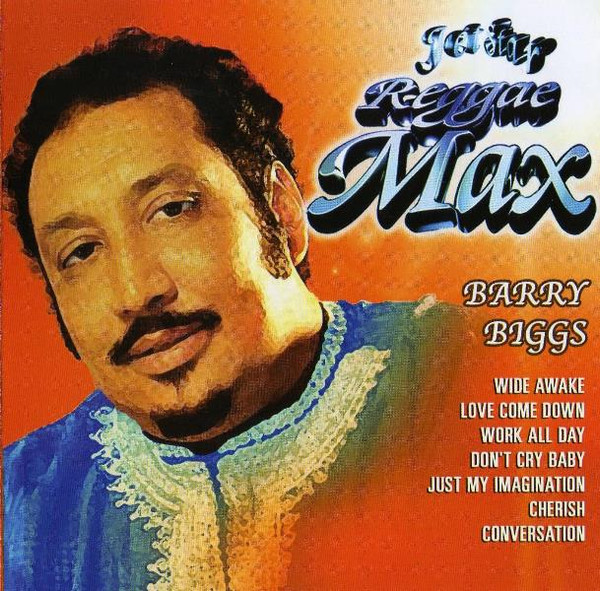
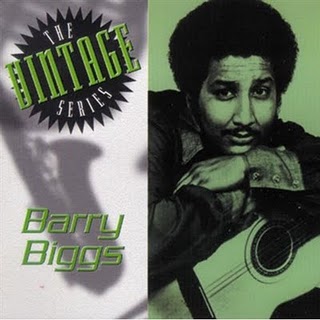
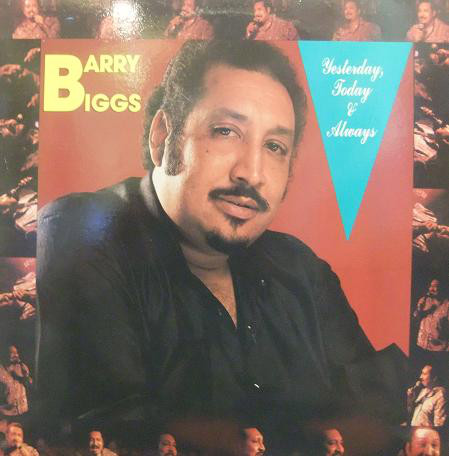
Barry Biggs
In January 1977, in the rain-soaked London streets, a record played on loop on every Walkman around the corner: “Sideshow”, with that airy falsetto skidding over the reggae rhythm like a caress. For the first time, a Jamaican singer preached neither rebellion nor rastafari — he sang of love, with a velvet tone that had nothing to envy from American stylists. The British public, tired of militant lyrics, went wild. Barry Biggs, a professional sound engineer by trade, would later become a reference in lovers rock.
In brief
| Full name | Barry Biggs |
| Birth | 1946, St. Andrew, Jamaica |
| Genre | reggae-pop, lovers rock |
| Signature works | “Sideshow”, “Work All Day”, “Love Come Down” |
| Awards | N° 3 UK Singles Chart (1977) ; N° 1 reggae charts UK |
Key dates
| Year | Event |
|---|---|
| 1946 | Birth in St. Andrew, Jamaica |
| early 1960s | Sound engineer and cameraman at the Jamaican Broadcasting Company |
| around 1968-1970 | First recordings at Duke Reid’s Treasure Isle studios; singing debut |
| 1972 | First Jamaican hit: Osmonds cover, “One Bad Apple” |
| 1976 | Release of Mr. Biggs; “Work All Day” reaches the international market |
| 1976-1981 | Six singles charted on the UK Singles Chart; “Sideshow” N° 3 in January 1977 |
| 1980-1982 | The peak: Wide Awake in a Dream, A Promise Is A Comfort to a Fool; N° 1 reggae charts UK |
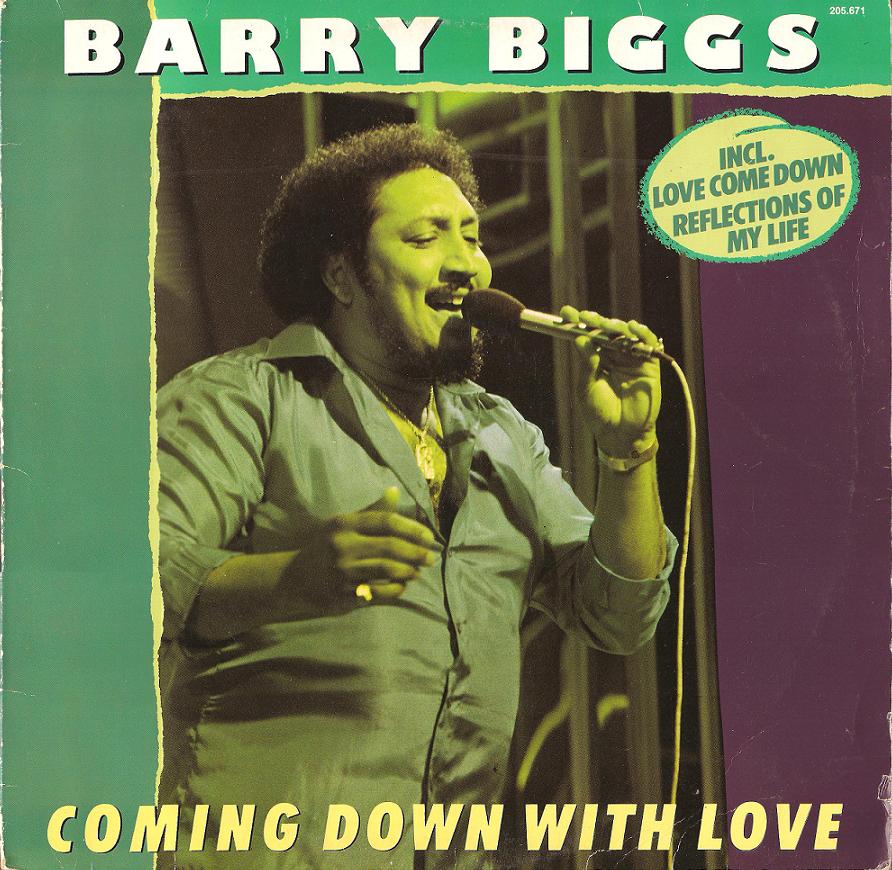
| 1983 | “Love Come Down” top 5 in the Netherlands |
| post-1980s | Reduced discographic activity, occasional performances |
| 2008 | Performance at the Thanksgiving service for Byron Lee |
| 2014 | New recording in Miami at Heavy Beat Recording Studio |
Origins and early steps
Barry Biggs was born in 1946 in St. Andrew, in the Kingston metropolitan area. From his youth, technology fascinated him: he worked as a sound engineer and cameraman at the Jamaican Broadcasting Company (JBC), which gave him a valuable technical advantage in the Jamaican music scene, then in full effervescence.
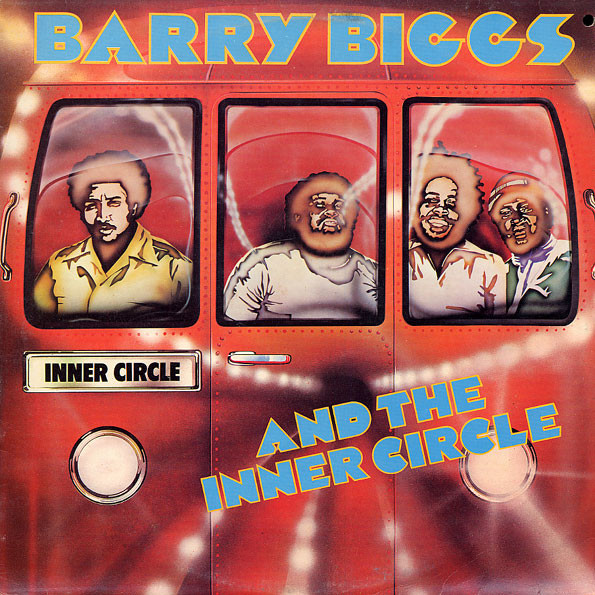
His transition to singing came through the studio strings. Barry joined the music scene at Duke Reid’s Treasure Isle studios, where he performed harmony vocals. He then joined The Inner Circle, before passing through the Astronauts — an impressive collective, he said, with whom he recorded only two albums. His career truly took off when he was recruited as lead singer by Byron Lee, the charismatic leader of The Dragonaires.
What attracted Lee to Barry’s voice was its resemblance to the vocalists of great American soul groups: The Stylistics or The Delphonics. Far from the raw roughness of roots reggae, Barry embodied a new facet: tender, refined reggae.
Breakthrough and consecration
It was at Byron Lee’s Dynamic Sounds studio that Barry Biggs laid his first stone. There he recorded his first Jamaican hit, an Osmonds cover titled “One Bad Apple”, which was immediately followed by his first international success, the fine “Work All Day”, recorded in 1972 but released worldwide in 1976.
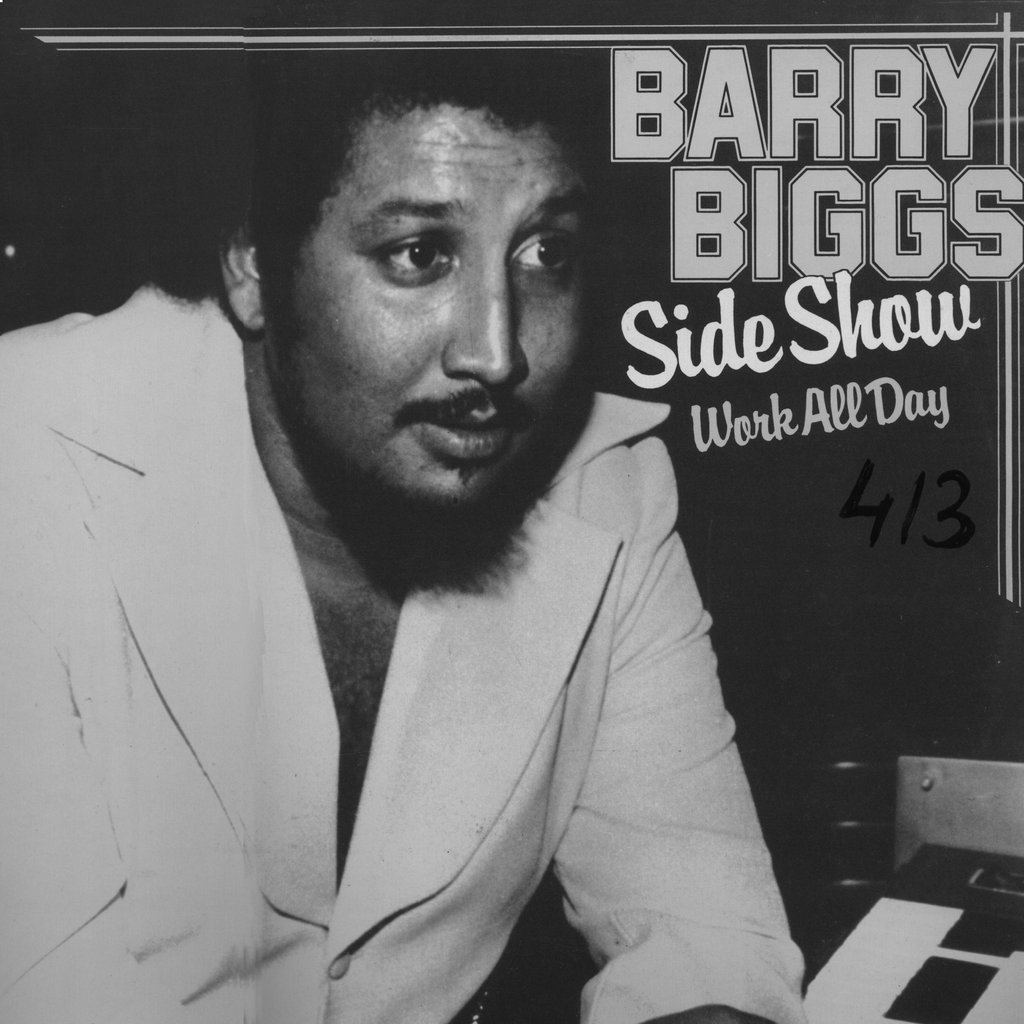
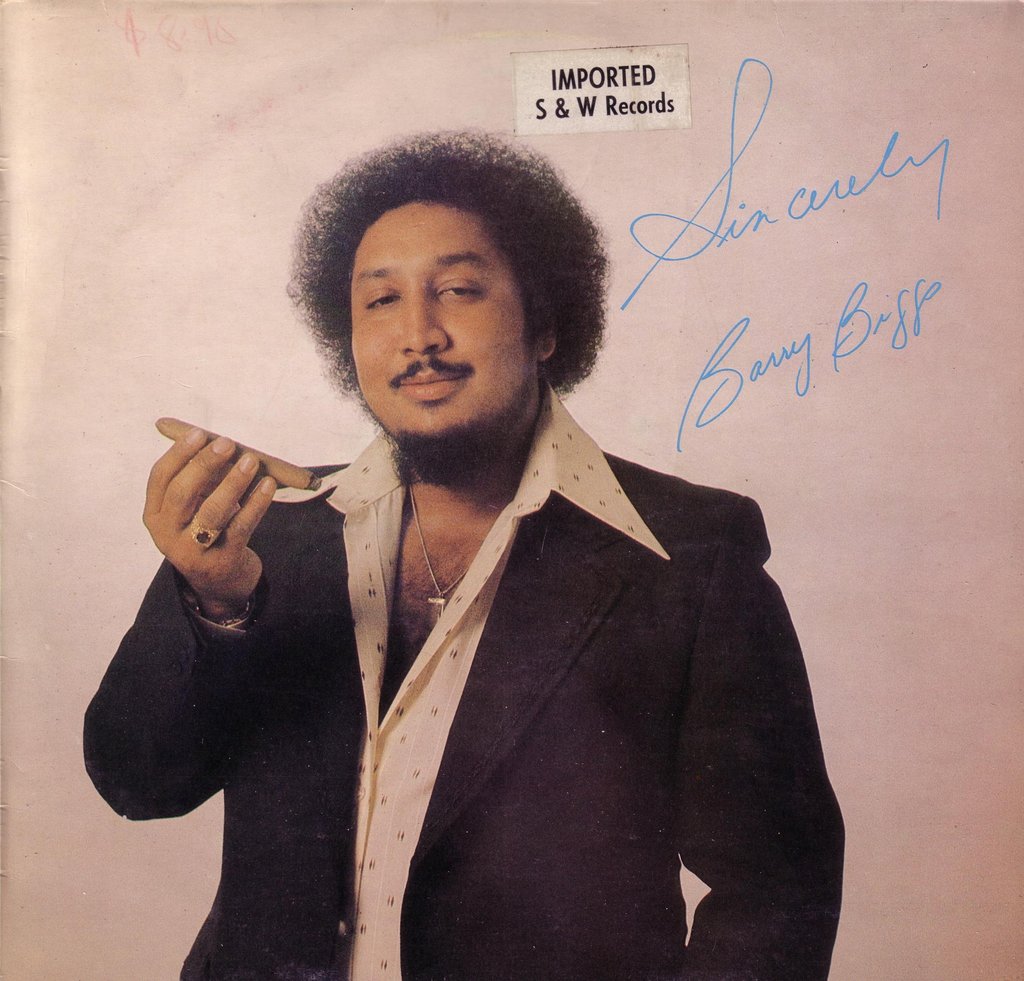
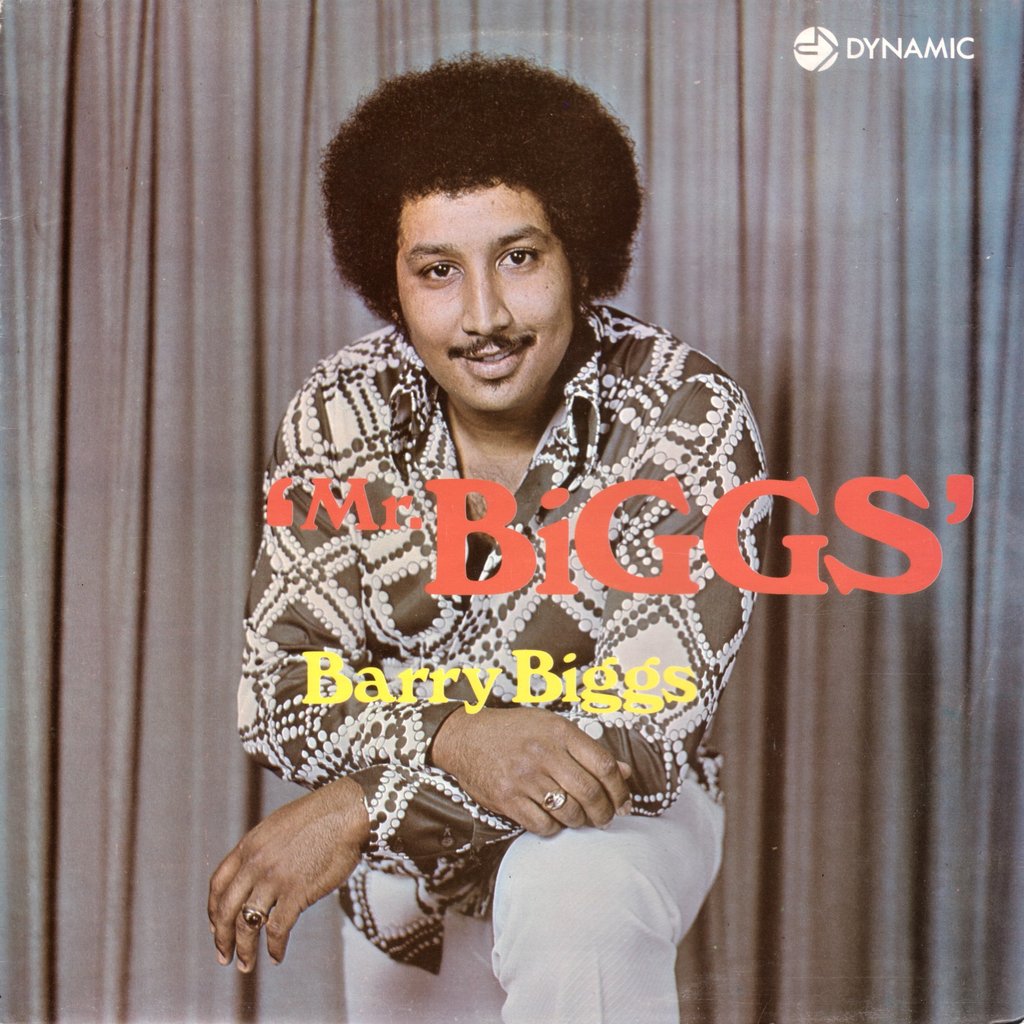
In 1976, Barry released his first solo album, Mr. Biggs, on Dynamic Sounds (reissued in 1977 under the title Side Show). He followed it with Sincerely (1977), an album recorded in collaboration with Bunny Lee featuring the tracks “Sincerely” and “You’re Welcome”, both well-charted in reggae charts.
His richest period spans from 1976 to 1982. Barry climbed the British charts six times, including the summit: “Sideshow” (Blue Magic cover) which peaked at 3rd place on the UK Singles Chart in January 1977. The tracks “Three Ring Circus” (also by Blue Magic), “My Cherie Amour” (Stevie Wonder), “Sincerely” (The Moonglows) and “Just My Imagination” (The Temptations) completed a series of covers that made his reputation.
The albums Wide Awake in a Dream (1980) and A Promise Is A Comfort to a Fool (1982) propelled him to N° 1 on the British reggae charts. His falsetto voice, double-recorded and generously echoed, became his indelible signature.
Unique style: love without compromise
What distinguishes Barry Biggs from almost all his contemporaries is his refusal of the political and rastafarian themes then dominant in Jamaica. Where his peers brandished rebellion or African spirituality, Barry chose the serialized romance: tender and refined love songs.
Where most rejected the image of the dreads rebel, Barry cultivated that of the club singer: fine suits, cosmopolitan look. AllMusic compares him to the reggae’s Barry White, a label he would assume moderately. His style — a delicate pop-reggae, almost erotic — remains singular in reggae history. Steve Leggett of AllMusic describes him as a unique singer in the country.
Later years
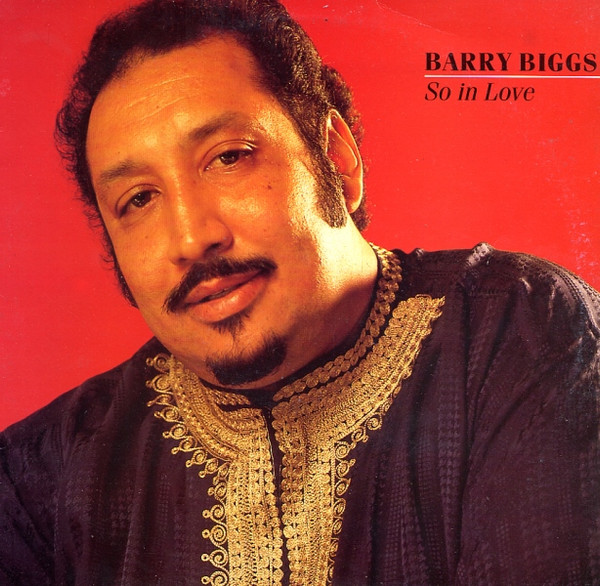
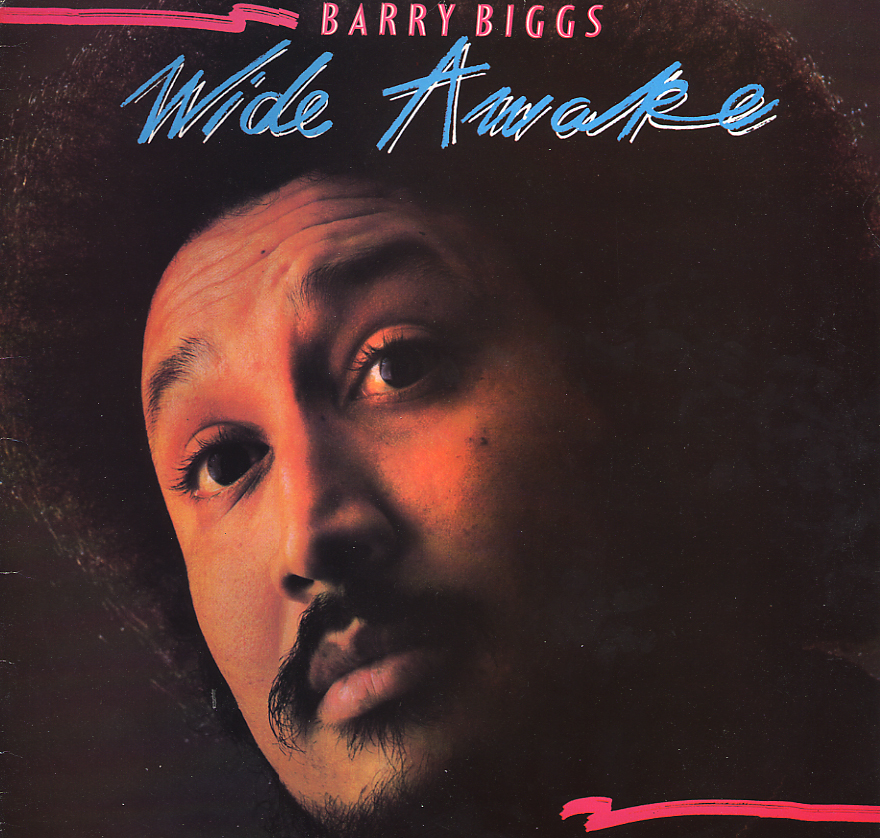
After the 1980s, Barry Biggs’ production decreased significantly. So in Love (1989, Starlight) and Wide Awake (1990, Mango) appeared sporadically, but without regaining the commercial momentum of previous years. He continued to perform occasionally on stage, notably during the Thanksgiving service rendered to his former leader Byron Lee in 2008.
In 2014, he returned to the studio in Miami (Heavy Beat Recording Studio). In 2021, Burning Sounds released I’ve Got It Covered, confirming that his falsetto voice remains as fresh and sweet as on the first day — an achievement for an artist active since the 1960s.
Major Works
| Work | Year | Why It’s Essential |
|---|---|---|
| Mr. Biggs (aka Side Show) | 1976 | First solo album, features the hit “Sideshow” at No. 3 UK |
| Sincerely | 1977 | Recorded with Bunny Lee; defined his soft reggae style |
| “Work All Day” | 1976 | First international hit, recorded in 1972 |
| Wide Awake in a Dream | 1980 | No. 1 reggae chart UK; stylistic peak |
| “Love Come Down” | 1983 | Top 5 in the Netherlands; cover of Evelyn “Champagne” King |
Legacy and Influence
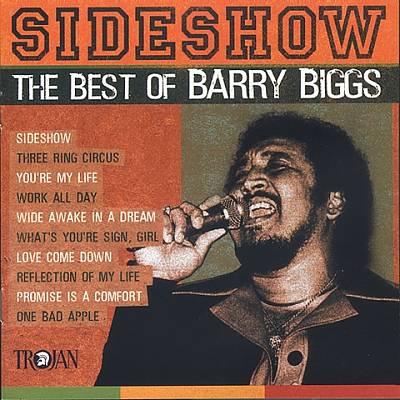
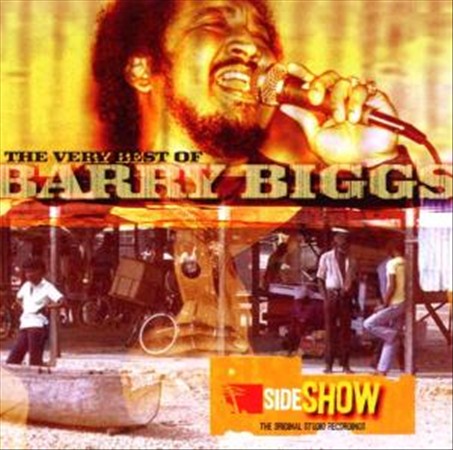
His contribution to reggae lovers rock remains invaluable: he proved that millions of records could be sold without ever saying a word about politics. Recent compilations — Sideshow: The Very Best Of (2022, Burning Sounds) — rediscover for a new generation of music lovers the magic of Barry Biggs every year.
Sources and References
- Steve Leggett, “Barry Biggs Biography”, AllMusic, accessed November 10, 2025.
- “Barry Biggs”, The Reggae Museum, accessed November 10, 2025.
- “Teacher”, “Review | Barry Biggs - The Very Best Of”, Reggae Vibes, May 31, 2022.
- “Barry Biggs”, Wikipedia, accessed November 10, 2025.
- Discogs, “Barry Biggs”, accessed November 10, 2025.
- Apple Music, “Barry Biggs”, accessed November 10, 2025.